REVIEW · VILA NOVA DE GAIA
Porto: Museum of the Oldest Appellation in the World Ticket
Book on GetYourGuide →Operated by Real Companhia Velha - Museu · Bookable on GetYourGuide
Port wine, mapped like a museum. I like how this ticket turns port from a label into a story you can walk through, with Real Companhia Velha’s collection at the center. Two things I particularly enjoy are the 7 interconnecting zones that keep you moving forward, and the option to add an included tasting if you want to finish with a payoff. One catch: the visit can feel short for wine nerds, since it’s possible to get through in about 30 minutes if you skim.
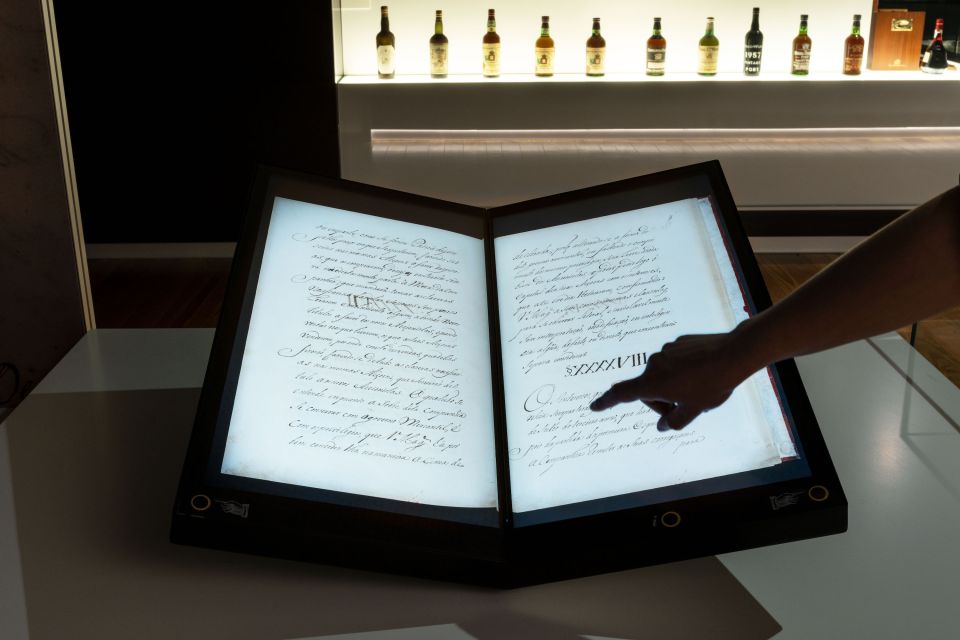
You’ll spend your time with history, objects, and hands-on multimedia displays that explain how port became a symbol of Porto and the Duoro region. I also like that you’re not just staring at bottles—you’ll see historic artefacts and vintage wine-making equipment tied to the brand. The main consideration is pacing: if you only have one day and want to add other sights nearby, plan a bit of time buffer so you don’t feel rushed.
In This Review
- Key highlights at a glance
- The best $5 you can spend in Porto for port fans
- Seven interconnecting zones that keep your attention moving
- Real Companhia Velha’s 260-year collection: why it matters
- Expect more than bottles: art, artefacts, and vintage equipment
- Interactive displays that explain Porto and the Duoro fast
- Taste options: what you’ll actually drink
- Option with 2 wines
- Option with 2 wines? Actually 4 total in the other option
- How to pace your visit without feeling rushed
- Who this museum is best for (and who may not love it)
- Practical value: why the ticket makes sense
- Should you book the Porto Museum of the Oldest Appellation in the World?
- FAQ
- How long does the Porto Museum of the Oldest Appellation experience take?
- Is port wine tasting included?
- What ports are included in the tasting options?
- How many exhibit zones are there?
- When is the last time you can enter the museum?
- Is the museum wheelchair accessible?
Key highlights at a glance
- A 7-zone route that structures the story of port in a way that’s easy to follow
- Real Companhia Velha’s 260-year collection, built for people who want to look closer
- Interactive multimedia displays and devices that make the Duoro and Porto story clearer
- Historic objects and vintage equipment that show how the business shaped the wine
- Optional tastings with clearly defined port choices (white and several reds)
The best $5 you can spend in Porto for port fans
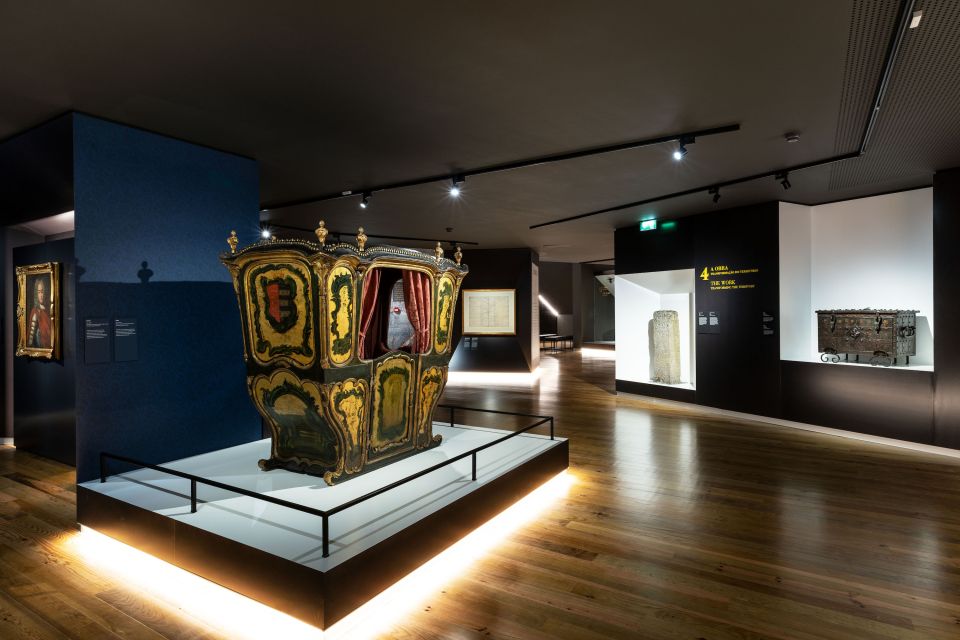
At about $5 per person, this museum ticket is one of those rare Porto deals where the price doesn’t shrink the experience. You’re paying for access to Real Companhia Velha’s curated port world plus an optional tasting, so even if you’re not a strict wine tour person, you still get value from the exhibits alone.
The museum’s name—Museum of the Oldest Appellation in the World—signals the angle: port isn’t presented as a vague drink, it’s tied to place, tradition, and time. And that’s exactly what helps here. You walk in knowing port exists; you walk out understanding why Porto treats it like part of its identity, not just a product.
If you like museums that explain things without turning into a lecture, you’ll probably be happy. The displays use multimedia and interactive devices, so you’re not stuck reading wall text the whole time. And if you want a hands-on finish, you can add a tasting to translate what you just learned into what you taste.
You can also read our reviews of more tours and experiences in Vila Nova De Gaia

Seven interconnecting zones that keep your attention moving
The route is built around 7 interconnecting zones, so you don’t have to decide what to see first. Instead, the museum guides you through a sequence that helps the story make sense.
Here’s the kind of flow you should expect as you move from zone to zone:
- You start with the big picture: the history of port and how it became associated with Porto.
- Then you zoom in on the Duoro region and Real Companhia Velha’s role in that bigger port story.
- As you keep walking, the exhibits shift toward the collection—so you’re learning and visually connecting it to bottles and styles.
- The final part of the visit is where most people naturally transition into the tasting option, if they selected it.
The practical benefit of this setup: you can visit at a relaxed pace without constantly wondering what you missed. And if you’re short on time, the same structure makes it easier to move efficiently and still feel like you followed a complete path.
One small reality check: the museum can be done quickly. If you’re the type who reads every label and wants extra time with every screen, you might take longer—but it’s not a half-day complex. Think of it as a focused stop you can fit into a day that also includes cafés, river views, and maybe a couple of exterior streetscapes.
Real Companhia Velha’s 260-year collection: why it matters
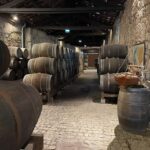
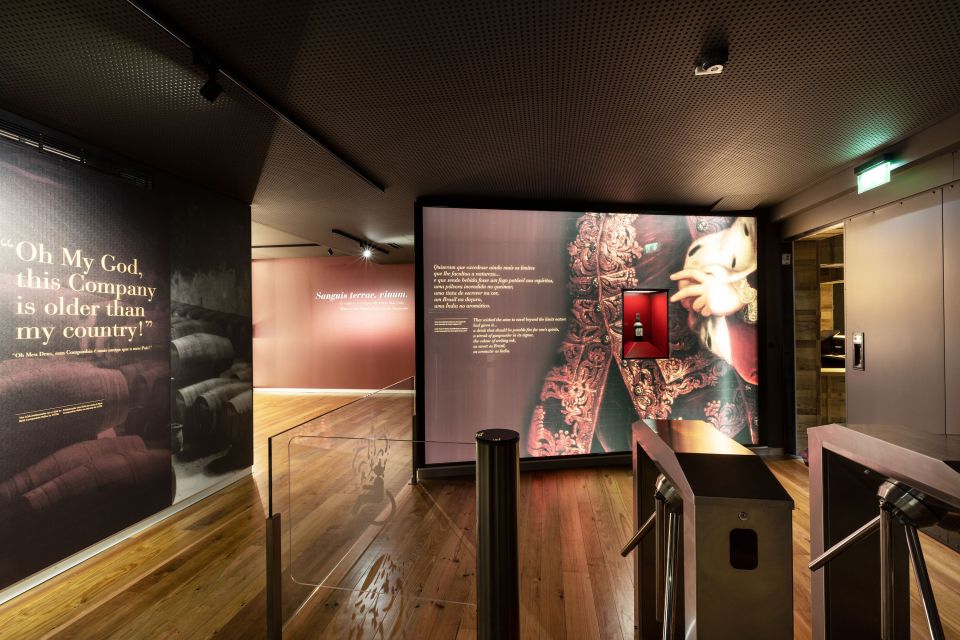
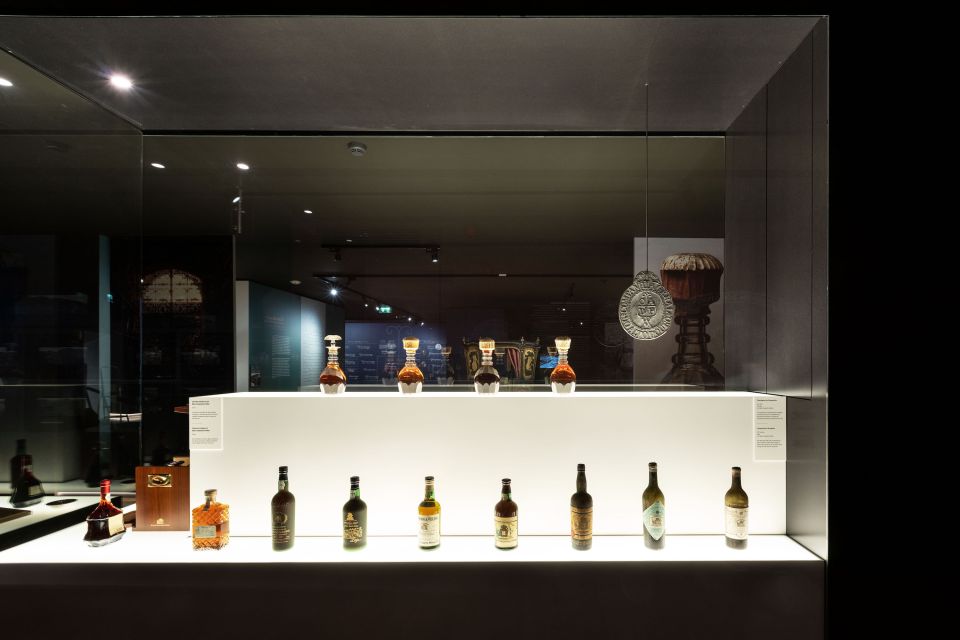
The museum is anchored by Real Companhia Velha’s 260-year-old collection of port wines. That’s not just a fun fact to print on a poster. It’s what makes the exhibits credible: you’re looking at a corporate and cultural history that actually has bottles behind it.
What you’ll appreciate is the way the museum connects the collection to the region and to tradition. Even if you don’t memorize dates, the exhibits are designed to help you see port as something shaped by time and by production choices.
And if you’re picky about what you taste, you’re in good shape. The tasting options are specific, with named ports. You’re not stuck with a vague sampler of whatever is open that day.
Expect more than bottles: art, artefacts, and vintage equipment
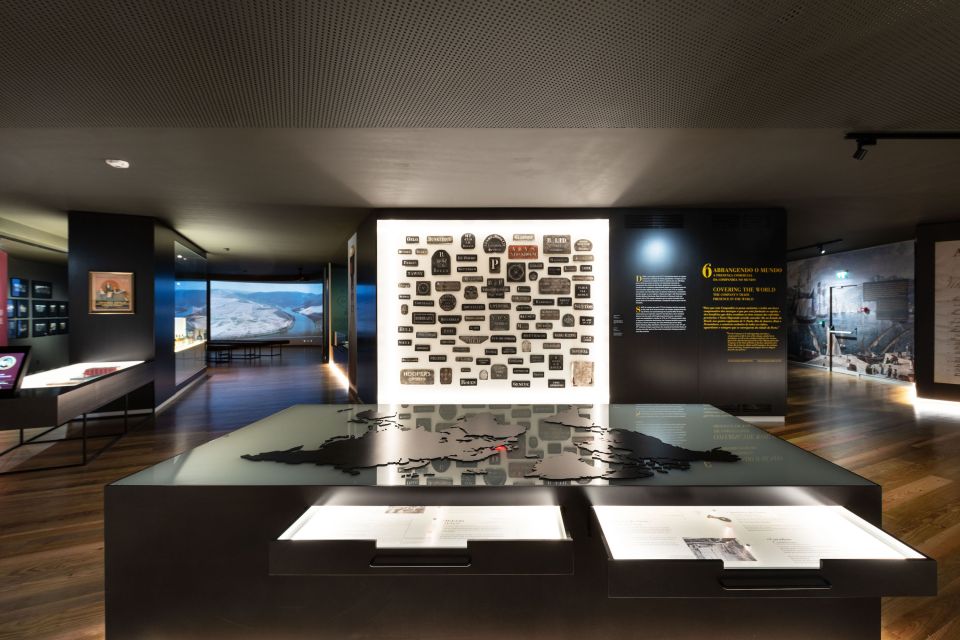
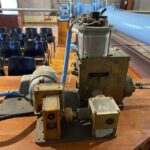
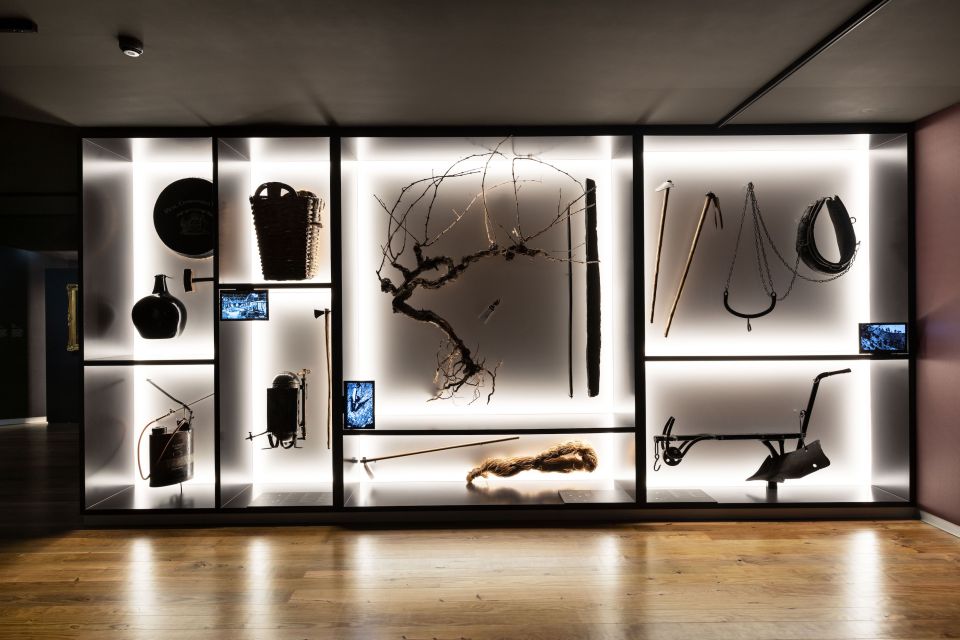
One of the best surprises here is that the museum doesn’t treat port history like an inventory list. You’ll also see works of art, historic artefacts, and vintage wine-making equipment.
That matters for two reasons:
- It gives context. Wine is usually explained as liquid and process, but it’s also about tools, materials, and work culture.
- It makes the museum feel like a real place. When you can see equipment, you understand that these traditions weren’t invented for display—they were built for production.
If you’re the type who likes learning through objects—old tools, historic items, physical evidence—this will probably feel more satisfying than a museum that relies only on screens.
Interactive displays that explain Porto and the Duoro fast
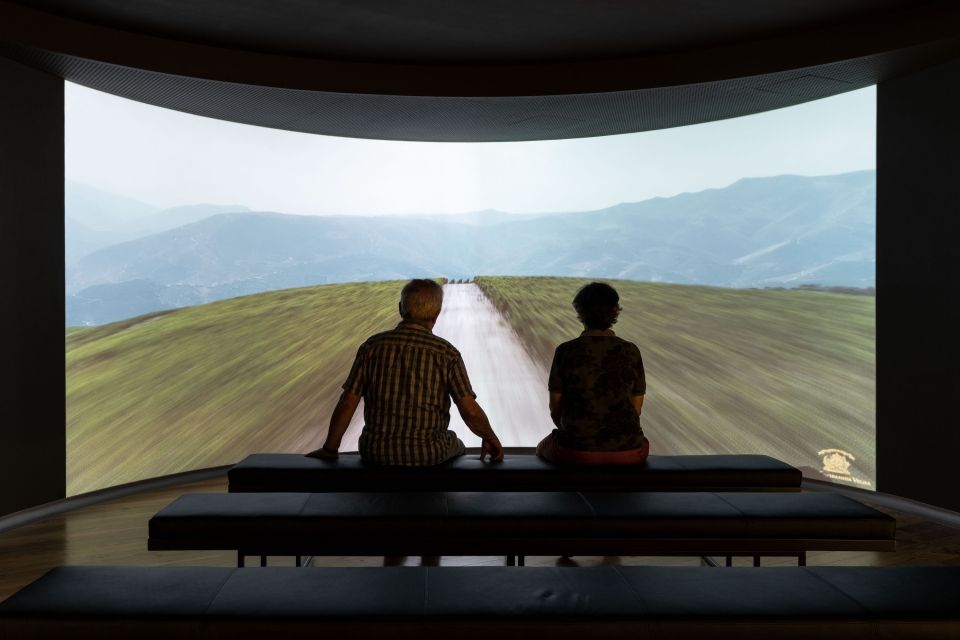
Port can be confusing when you only know it as dessert wine or as something served at the holidays. The interactive multimedia displays help bridge that gap.
You’ll use the devices and screens to learn how port became tied to Porto and how the Duoro region fits into the story. The museum’s design makes it easier to process the information without needing to be a wine expert before you arrive.
The angle is practical: you learn enough to make sense of what’s in the tasting, and you can also keep that knowledge for later. Afterward, you’ll have an easier time connecting what you taste to categories—like white versus red, and different styles of red ports.
You can also read our reviews of more museum experiences in Vila Nova De Gaia

Taste options: what you’ll actually drink
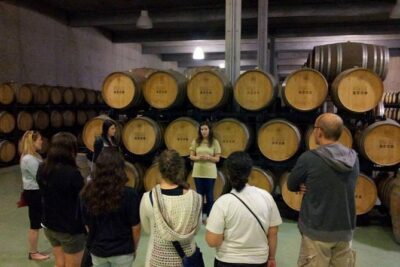
If you choose the tasting option, the museum includes tasting as part of your ticket. You’ll finish your visit with port samples tied to Real Companhia Velha’s selection.
Option with 2 wines
You’ll taste:
- Lágrima (white Port)
- Quinta das Carvalhas Reserva Tawny (red Port)
This option is ideal if you want a quick introduction. It gives you one clear white reference and then a red that’s meant to show a different style.
Option with 2 wines? Actually 4 total in the other option
Another tasting option is heavier on reds. You’ll taste:
- Lágrima (white Port)
- Quinta das Carvalhas Reserva Ruby (red Port)
- Quinta das Carvalhas Reserva Tawny (red Port)
- Royal Oporto 10 years (red Port)
Pick this version if you enjoy comparisons. Ruby versus Tawny versus an aged reference is a straightforward way to notice how time and style can shift a port’s character.
A simple tip: don’t treat the tasting like a race. Even if the museum is short, take a moment to sip slowly and notice the difference between the white and the red first. That’s the fastest way to get value from the sampler.
How to pace your visit without feeling rushed
This is a one-day, ticketed museum visit, and the experience is designed to be completed in a single sitting. The big scheduling detail you should know is timing: last admission is 30 minutes before closing.
So here’s the realistic advice: plan to arrive early enough that you can walk through the zones and still have time to finish with your tasting if you selected it. If you arrive at the last minute, you might end up skipping the tasting or rushing the displays.
A good approach is to treat it as a “Port 101” stop:
- Start with the zones first
- Keep moving so you don’t miss key exhibits
- Save tasting for the end so it actually feels connected to what you learned
If you’re pairing it with other Porto activities, I’d plan it as a focused morning or early afternoon plan, not something you leave for the final hour before dinner.
Who this museum is best for (and who may not love it)
This experience is a great match if you:
- Like wine but want context beyond a quick pour
- Enjoy museums that use multimedia and interactive displays
- Want to understand Porto’s connection to the Duoro region
- Prefer a short visit that fits into a busy itinerary
- Appreciate historic objects like vintage equipment and artefacts
It may feel less ideal if you:
- Want a long, multi-hour museum experience
- Are hoping for a full-blown winery-style tour with lots of time outdoors
- Need a very personal, tour-guide narration (this is more exhibit-led)
The sweet spot is people who like to learn in their own pace, then finish with a tasting that confirms what they just absorbed.
Practical value: why the ticket makes sense
Let’s be honest about value. For roughly $5, you’re getting:
- Entry to a structured port museum
- The chance to see a long-running 260-year collection
- A tasting option with defined ports (not random)
Even if you skip the tasting, you’re still paying for access to the exhibits—multimedia, historic artefacts, art, and vintage equipment. If you do add the tasting, the ticket becomes even better value because you’re not paying extra just to put a name to what you’re seeing.
And the small convenience points help too. There’s skip-the-ticket-line, which can be a big deal in popular central areas, and the museum is wheelchair accessible, so you can focus on the experience instead of logistics.
Should you book the Porto Museum of the Oldest Appellation in the World?
I think you should book if you want a low-cost port stop that actually teaches you something and doesn’t eat your whole day. The 7-zone layout, the brand-backed 260-year collection, and the optional tastings make it a smart buy for both casual wine drinkers and serious port fans.
Skip it (or at least temper expectations) if you’re looking for a long, immersive half-day with no chance of feeling “done fast.” This is a focused museum visit. You’ll likely be satisfied, but it’s not the kind of experience that quietly turns into a whole afternoon unless you slow down on purpose.
If your goal is to understand Porto’s port culture in a practical way—then taste your way through the differences—this ticket is an easy yes.
FAQ
How long does the Porto Museum of the Oldest Appellation experience take?
The ticket is valid for 1 day, and the museum visit is designed to be completed in a single sitting.
Is port wine tasting included?
Tasting is included only if you select the tasting option.
What ports are included in the tasting options?
The 2-wine option includes Lágrima (white Port) and Quinta das Carvalhas Reserva Tawny (red Port). The larger option includes Lágrima (white Port) plus three reds: Quinta das Carvalhas Reserva Ruby, Quinta das Carvalhas Reserva Tawny, and Royal Oporto 10 years.
How many exhibit zones are there?
The museum experience is organized into 7 interconnecting zones.
When is the last time you can enter the museum?
Last admission is 30 minutes before closing.
Is the museum wheelchair accessible?
Yes, the museum is wheelchair accessible, and the ticket includes skip-the-ticket-line entry.