REVIEW · PORTO
Port Wine class with 3 or 5 Port tasting and pairings
Book on GetYourGuide →Operated by DailyTours · Bookable on GetYourGuide
Port in the heart of Porto. I like the small group setup (max 10) and the fact this tasting is in the middle of the city, across from Palácio da Bolsa. I also like that you go from Port history to tasting multiple styles, each paired with Portuguese snacks that make the flavors easier to understand.
One note before you book: if you really want a wide comparison, don’t default to the shorter option—3-port sessions can feel quick next to the fuller 5-port format.
In This Review
- Key highlights you’ll actually notice
- Entering The Port Tasting Room Across From Palácio da Bolsa
- The “3 vs 5” Choice: What You’ll Taste and Why It Matters
- How the Class Flows: From Port Origins to Tasting at the Table
- Food Pairings That Turn Port Tasting Into a Real Lesson
- The Hosts: Small Group Energy With Real Personality
- Price and Value: $23 for Port, Pairings, and Instruction
- Practical Tips: Finding It Fast and Enjoying the Session
- Who This Port Tasting Is Best For
- Should You Book This Port Wine Class?
- FAQ
- Where is the meeting point?
- Is this tasting in a cellar?
- How long does the experience last?
- How many Port tastings can I choose?
- What Port is included in the 5-tasting option?
- What food pairings are included?
- Is the class offered in English?
- How big are the groups?
- Is it wheelchair accessible?
- What are the cancellation and payment options?
Key highlights you’ll actually notice
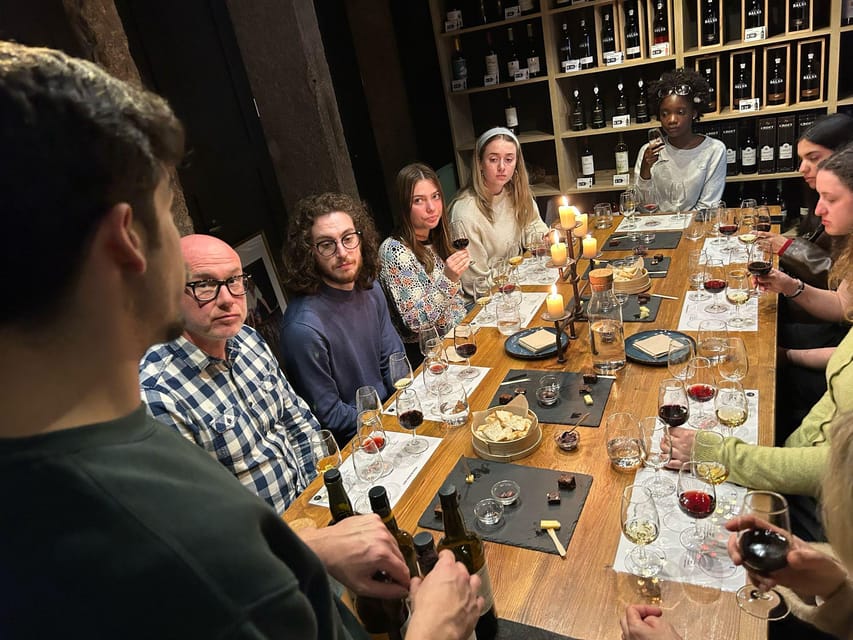
- Right in Porto city center: no long transfers, just a shop room across from Palácio da Bolsa
- 3 or 5 Port styles: you taste multiple categories, not just one bottle’s “vibe”
- Food pairings with every pour: olives, fruits, chocolate, cheese, and brownie are part of the lesson
- Max 10 people: it stays conversational, not lecture-hall
- English hosts with big personality: the sessions often feel fun as well as informative
- A small surprise at the end: many groups finish with a final moment that adds a bit of theatre
Entering The Port Tasting Room Across From Palácio da Bolsa
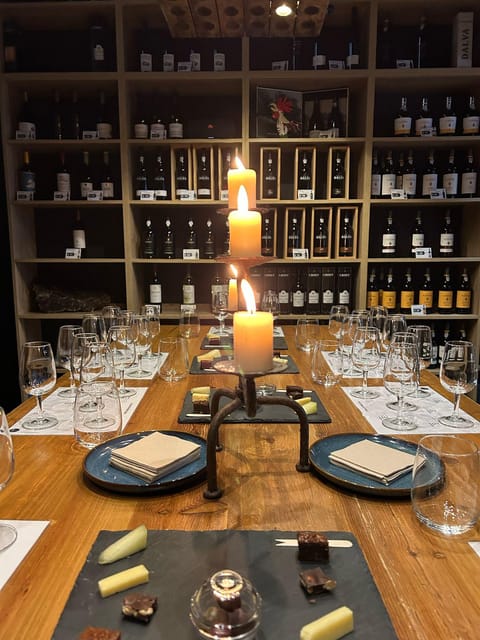
This is the kind of Porto wine activity that fits real travel days. You’re not looking for a remote estate or waiting for a shuttle. Instead, you meet at a shop right in the historic center, in front of Palácio da Bolsa, and the tasting happens inside the shop room (not in a cellar).
Why I like that: when your time in Porto is tight, center-based activities save you stress. Also, there’s something comforting about learning and tasting indoors where the lighting and pace are set for the group—especially if Porto weather is doing Porto-weather things.
And yes, the setting matters. You’ll learn about Port wine’s background and how the styles developed over time, but you do it at a table with small-group attention. One guest even pointed out how nice it was to have an indoor break during the day.
You can also read our reviews of more food & drink experiences in Porto


The “3 vs 5” Choice: What You’ll Taste and Why It Matters
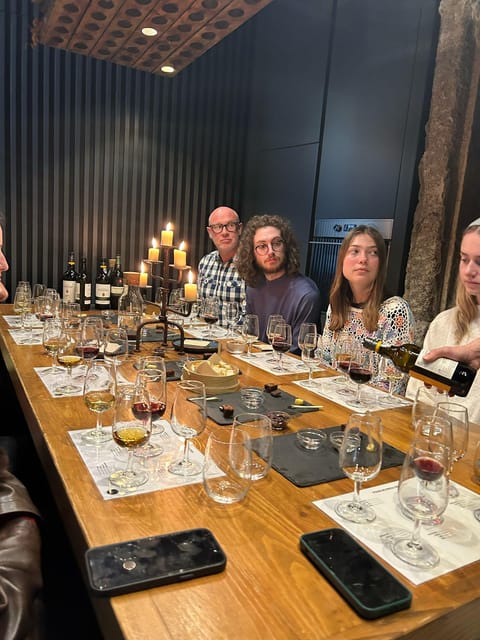
You’ll choose between two options: 3 Port tastings or 5 Port tastings. Both include pairings, and both run about 1 hour to 90 minutes depending on questions and how fast your group moves.
Here’s the key difference for your planning:
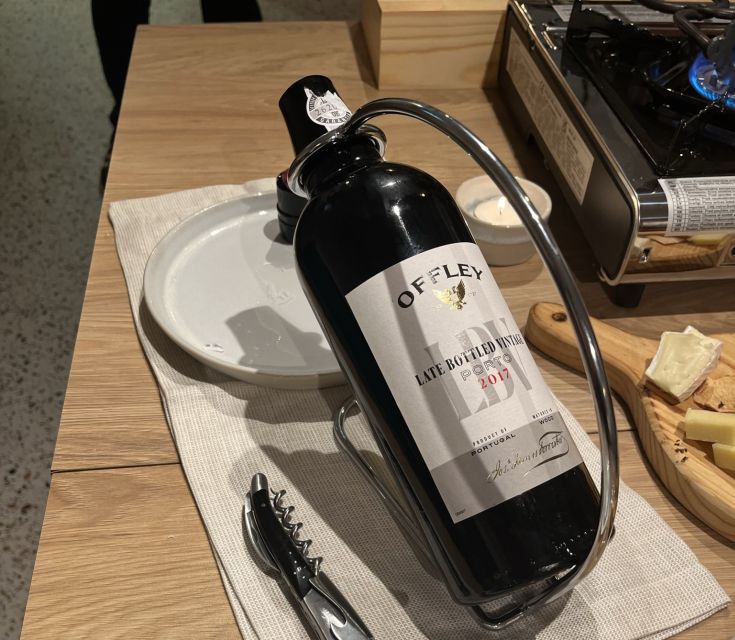
- If you pick the 5-port option, the included selection is specific and covers multiple styles: 2 White Ports, 1 Tawny Port, 1 Ruby Reserve Port, and 1 LBV (Late Bottle Vintage) Port.
- If you pick the 3-port option, you’ll still taste a curated set of Port styles, but the exact mix is not detailed here. The safest assumption is that it will be a shorter “best-of” version that still teaches you how different styles compare.
If you’re a first-timer, I’d lean toward the 5. The reviews you provided have a clear pattern: people loved the comparisons more than anything else, and the fuller format gives you more chances to notice differences in sweetness, age character, and overall style.
If you only have a short window—maybe you’re fitting this between sightseeing and an early dinner—the 3 is a solid, simpler choice. It’s also a good pick if you’re not trying to go deep on Port and just want a high-quality taste with context.
How the Class Flows: From Port Origins to Tasting at the Table
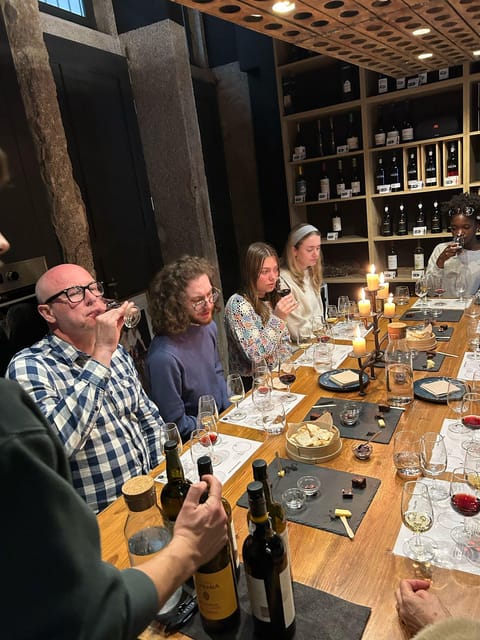
The session starts with Port wine basics: you’ll learn how Port was invented, why it happened, and how it evolved over time until today. It’s not presented as a formal slideshow you have to survive. The format is built around conversation and tasting, so the history connects to what’s in the glass.
Then comes the main event: you taste your selected number of Port types. For many groups, this is where the lightbulb moments happen. You’re not just swirling for the sake of swirling—you’re learning what to look for, then testing it with actual pours.
Timing-wise, think roughly:
- 3-port experience: about 45 minutes for tasting (plus the intro), often landing closer to the hour
- 5-port experience: about 1h15m-ish total depending on questions
One more detail worth knowing: because it’s a small group (up to 10), the host can slow down when people ask questions. That’s a plus, but it also means the experience can stretch a bit longer than the minimum.
Food Pairings That Turn Port Tasting Into a Real Lesson
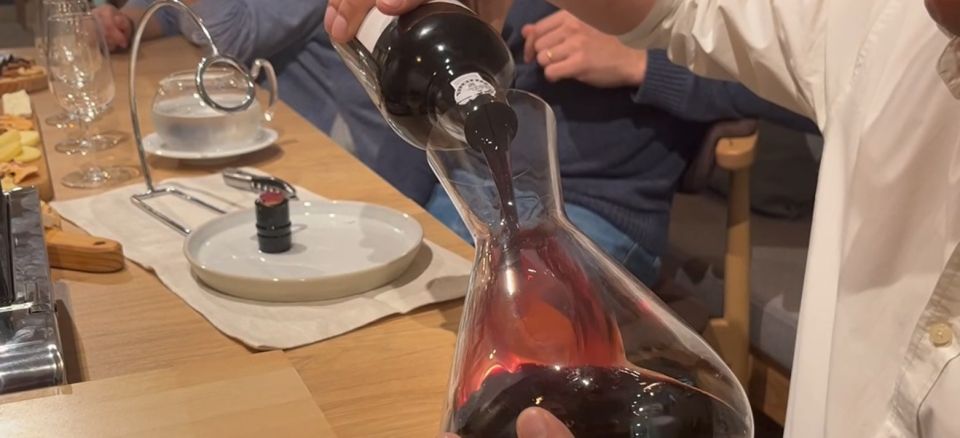
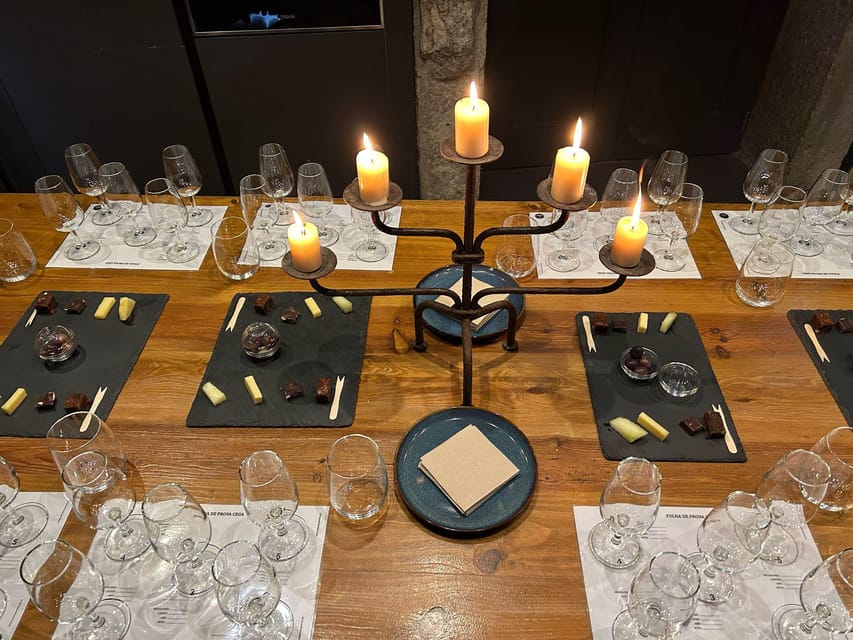
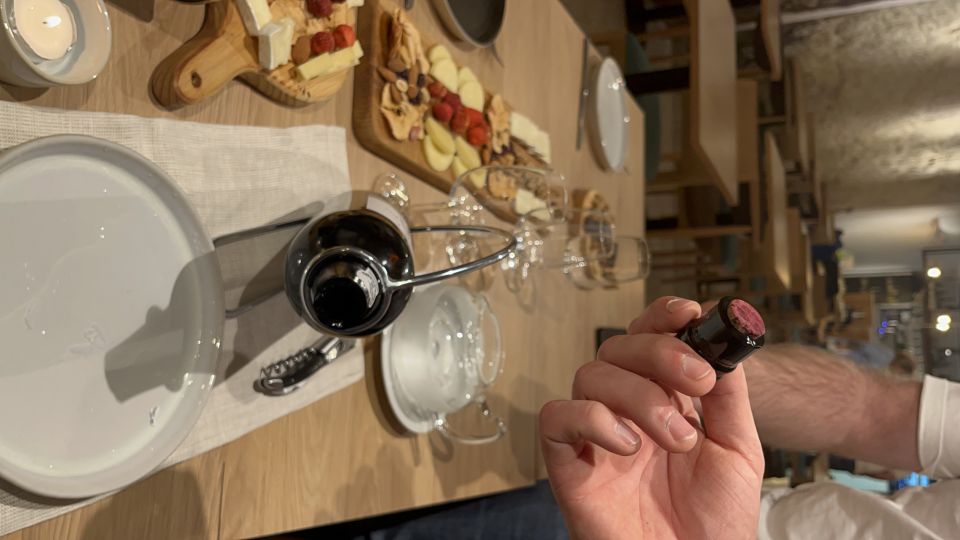
What makes this class feel worth the money is that the tasting is paired with Portuguese snacks, not just watered-down explanations. Each Port comes with matching bites such as olives, fruits, chocolate, cheese, and brownie.
This matters because Port can be sweet, spicy, or mellow depending on style—and food helps you calibrate your palate. Instead of asking, What am I tasting? you can ask, What changes when I eat this with it? That’s how people learn fast.
A few specific pairing ingredients stand out:
- Olives: a salty counterpoint that can make sweetness feel less heavy
- Cheese: gives structure and helps you track texture changes across styles
- Chocolate and brownie: helps you notice how Port handles rich, dark flavors
- Fruits: connects to the fruity side you’ll pick up in some styles
And in the best sessions, the host doesn’t just hand over food. They explain the logic—what to expect from the pairing and how to taste more confidently after your first comparison.
The Hosts: Small Group Energy With Real Personality
A Port class lives or dies by the host, and this one is consistently praised for energy and delivery. Your guides may include names like Rui, João, Ruan, Jose, Pedro, or others—so you’ll likely get both explanation and personality.
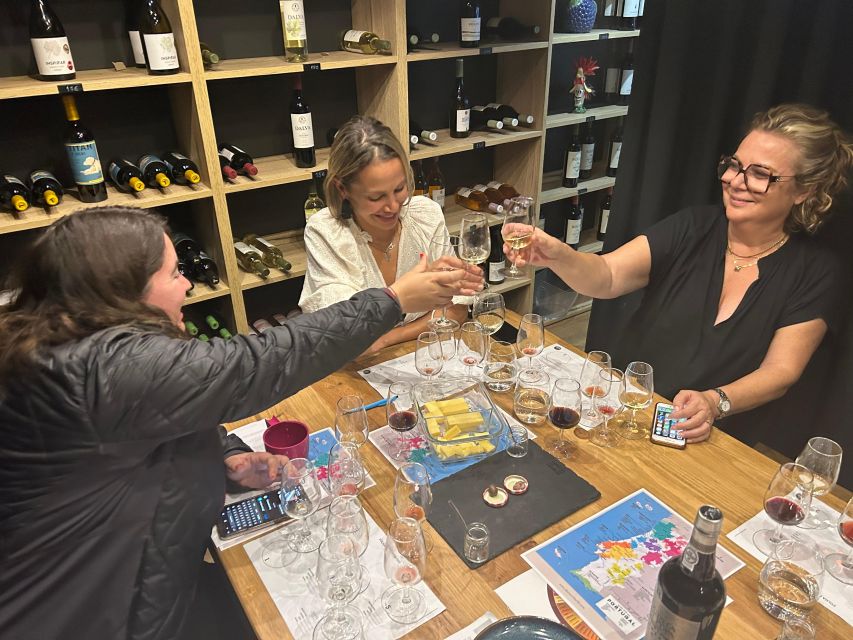
What stands out in the feedback you shared: people repeatedly mention the mix of humour, engaging conversation, and clear explanations of differences between styles. It also sounds like the group dynamic is encouraged. Even when someone arrives solo, they’re not left awkwardly on the outside—reception and seating often help groups gel quickly.
One review even mentions musical flair as part of the overall experience. You might not count on that exact finale every time, but the takeaway is consistent: the host aims to make the session feel like an event, not a formality.
And there’s also a final surprise moment at the end that many groups remember. It’s the kind of detail that makes your hour feel like something you’ll talk about later.
You can also read our reviews of more wine tours in Porto




Price and Value: $23 for Port, Pairings, and Instruction
At $23 per person, this sits in a sweet spot. You’re paying for more than a drink. You’re paying for:
- guided tastings of multiple Port styles (3 or 5)
- Portuguese food pairings designed to match those styles
- history and style context so the experience sticks
The best value comes from choosing the 5-port option—not because you’re trying to “collect bottles,” but because it gives you more comparisons to understand how Port changes by style and age character.
Also, the central location is part of the value. You avoid the cost (and time) of getting to a cellar far from town. If you don’t have a full day to tour Gaia warehouses or the Douro Valley, this gives you a meaningful Port snapshot without draining your schedule.
Practical Tips: Finding It Fast and Enjoying the Session
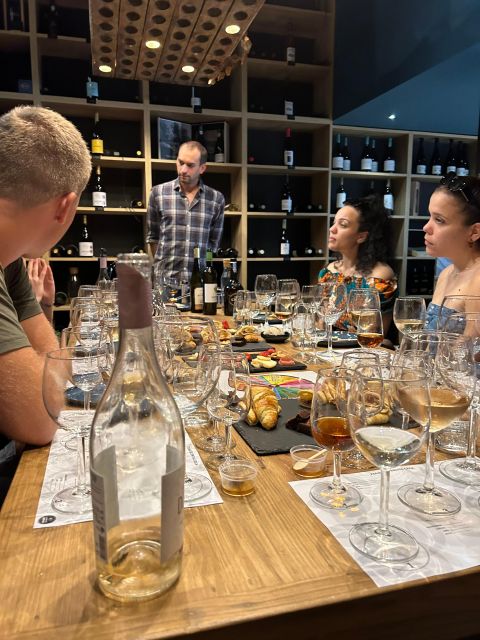
Finding the meeting point is straightforward: it’s at the shop in front of Palácio da Bolsa. The room is in the same building as the tourist office area, so if you’re staring at the wrong storefront, it’s worth checking with the tourist office right there.
A few things I’d do to get the most out of it:
- Pick the start time that leaves room for questions. If you’re sprinting to your next stop, you won’t get the full value.
- If you’re choosing between 3 and 5, be honest about your curiosity. If you want to compare styles, go 5.
- Plan for indoor tasting seating. In at least one session, benches were part of the setup—fine for an hour, but not the same as cushy dining chairs.
If you’ve got dietary restrictions, you might find it helpful to ask before you go. The listed pairings include olives, fruits, chocolate, cheese, and brownie, so people with strong restrictions should confirm what options are available.
Who This Port Tasting Is Best For
This experience is a strong fit if you:
- want a Port introduction without doing a long cellar tour
- enjoy food pairings and learning how flavors work together
- prefer small-group interactions over big group tours
- are in Porto city center and want something easy to slot into your day
It’s also good for solo travelers. The format is small and social, and the reception process has helped people feel included rather than stranded.
If you’re the kind of wine lover who only wants deep cellar walks and hands-on warehouse history, you might still enjoy this—but it may feel more like a focused tasting lesson than a full Port pilgrimage.
Should You Book This Port Wine Class?
I’d book it if your goal is to understand Port quickly, taste multiple styles, and spend your time in Porto instead of commuting.
Choose the 5-port option if you want the best comparison. Choose 3 if you’re short on time but still want quality pours plus pairings. Either way, you’re getting a small-group session in a central location, with snack pairings that actually help you taste, and hosts who tend to keep the mood lively.
If you want a quick Port education that doesn’t eat your day, this is one of the easiest decisions in Porto.
FAQ
Where is the meeting point?
The meeting point is at the shop located in front of Palácio da Bolsa in Porto city center.
Is this tasting in a cellar?
No. The tasting happens inside the shop room in the city center, not in a cellar.
How long does the experience last?
It typically runs 1 hour to 90 minutes, depending on the tasting option and guests’ questions.
How many Port tastings can I choose?
You can choose an option with either 3 Port tastings or 5 Port tastings and pairings.
What Port is included in the 5-tasting option?
The 5-tasting selection includes 2 White Ports, 1 Tawny Port, 1 Ruby Reserve Port, and 1 LBV (Late Bottle Vintage) Port.
What food pairings are included?
Pairings include olives, fruits, chocolate, cheese, and brownie.
Is the class offered in English?
Yes. The host or greeter speaks English.
How big are the groups?
Groups are limited to a maximum of 10 participants.
Is it wheelchair accessible?
Yes, the experience is wheelchair accessible.
What are the cancellation and payment options?
You can cancel up to 24 hours in advance for a full refund, and you can reserve now and pay later (book your spot and pay nothing today).