REVIEW · PORTO
Porto: Secrets of the City Walking Tour with a Local Guide
Book on GetYourGuide →Operated by Detours Porto · Bookable on GetYourGuide
Porto’s best secrets hide in stairs. This walking tour is built for curious feet: narrow alleys, long stairways, and a local guide who grew up in the city and wants you to feel it, not just see it. You’ll hunt for hidden spots and stop for great photos along the way.
Two things I really like: first, the tour is led by a Porto-born-and-raised guide, which changes everything about how the city is explained. Second, the route mixes big landmarks with quick detours into calmer gardens and real city corners, so the views never feel like a chore.
The only real drawback is the physical side. Expect a moderate amount of walking (about 4 to 5 km) and climbing stairs, and it’s not a good fit if you have low fitness, motion sickness, or mobility limitations.
In This Review
- Key highlights you will actually care about
- How Porto’s Secrets Fit Into a 4-Hour Walk
- Meeting at Estatua de Arnaldo Gama (and starting on the right footing)
- Dom Luís Bridge Photo Stop: Wide Views With a Quick Reset
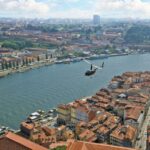
- Ribeira and the Riverfront: Where Porto Gets Real
- Casa do Infante: A Short Walk, a Worthwhile Pause
- Miradouro da Vitória Viewpoint: Stairs You’ll Actually Remember
- How the Tour Builds the Tripeiro Spirit, Not Just Photos
- Pace, stairs, and who should book this
- Price and value: Why $41 can make sense here
- What to bring (and what to do to avoid ruining the day)
- Ending at Praça de Gomes Teixeira: Finishing with a clean sense of direction
- Should you book Porto Secrets of the City?
- FAQ
- Where do I meet the guide?
- How long is the Porto walking tour?
- What’s the price per person?
- What languages are offered for the live guide?
- What’s included in the price?
- What should I bring with me?
- How much walking and stair climbing should I expect?
- Can I cancel if my plans change?
Key highlights you will actually care about
- Local guide, local stories: A Porto native who can answer your questions on the spot (guides like Alfonso and Ricardo get high praise for pacing and responsiveness).
- Photo stops that matter: Dom Luís Bridge, Ribeira, Casa do Infante, Miradouro da Vitória, and more.
- Hidden alleys and stairways: The city’s medieval shape shows up in how you move through it.
- Tripeiro spirit, not just sightseeing: You’ll hear what makes Porto people Porto people.
- Riverfront time: Time down by the water gives your legs a breather and your camera something to work with.
- Your ticket supports a local development association: It’s part of the value, not an afterthought.
How Porto’s Secrets Fit Into a 4-Hour Walk
This is the kind of Porto tour that feels made for a short visit. Four hours is long enough to connect neighborhoods and viewpoints, but not so long you end up touring with tired feet and a dead camera battery.
I like that it leans into the city’s character: Porto grew in layers and directions that weren’t designed on day one. That’s why the walk includes stairs, tight lanes, and sudden opens to viewpoints. You’re not just traveling through space. You’re learning how Porto’s streets work.
If you’re the type who enjoys little pauses—turning a corner, spotting a perspective you didn’t expect—this tour rewards that instinct.
You can also read our reviews of more walking tours in Porto
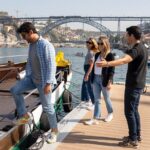


Meeting at Estatua de Arnaldo Gama (and starting on the right footing)
You meet at the Estátua de Arnaldo Gama in the garden near the Fernandina walls. The guide wears a red Detours t-shirt, so you won’t be stuck playing guess-the-person.
Starting here matters because it sets you up for the city style Porto is known for. Early on, you’ll get oriented to the way streets rise, fold, and funnel you toward viewpoints. It’s also a practical start: a garden meeting point is easier than trying to catch someone in the middle of traffic.
You’ll be walking with a live guide in French or English, so you can ask questions as you go. That live back-and-forth is a huge part of why this feels more personal than a self-guided route.
Dom Luís Bridge Photo Stop: Wide Views With a Quick Reset
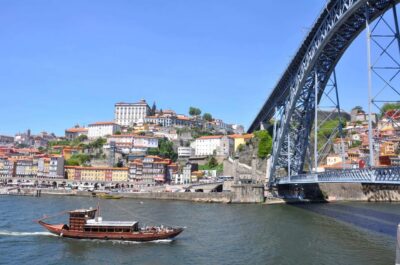
The tour begins with a stop at Dom Luís Bridge. You get time for photos and a visit, so you’re not just staring from the sidewalk and rushing away.
What I like here is the function of the stop. The bridge gives you a mental map of where the riverfront sits and how the city hangs together. Even if you think you know Porto already, this kind of first “big picture” helps the rest of the walk click.
A possible consideration: if it’s crowded when you arrive, you might have to wait a moment for clean photos. The good news is that the tour rhythm keeps moving, so you’re not stuck for long.
Ribeira and the Riverfront: Where Porto Gets Real
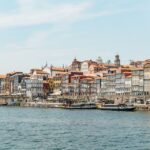
Next comes Ribeira, Porto, with about an hour for photos. This stretch is where the city’s energy shows up fast: tight streets, built-up edges, and the kind of waterfront atmosphere that makes Porto feel alive even on a normal day.
This stop also does something smart for your legs. Walking through hilly, stair-heavy sections is easier when you have a longer break with photo opportunities. It gives you time to linger, not just glance.
If you like street-level details—faces, doors, textures, small views between buildings—Ribeira is the place to slow down. You’ll see why Porto’s center evolved the way it did: without strict urban planning, people built what worked, where it worked.
Casa do Infante: A Short Walk, a Worthwhile Pause
You then head to Casa do Infante, a stop that’s more about the story than the length of time. You don’t stay there forever, but it’s a solid waypoint in understanding Porto’s past and pride.
This is one of those stops where the guide’s job matters. The building is a visible landmark, but the real value comes from how your guide connects it to the city’s identity and endurance.
You’ll walk for about 30 minutes to reach the next viewpoint area. That “moving time” is important: it keeps the tour from feeling like a string of isolated stops. You’re always traveling forward with a purpose.
You can also read our reviews of more guided tours in Porto
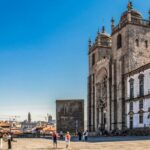


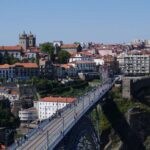
Miradouro da Vitória Viewpoint: Stairs You’ll Actually Remember
The route then brings you to Miradouro da Vitória, with about an hour for photo time. This is the kind of viewpoint that makes Porto feel three-dimensional—streets layered over streets, buildings stepping into perspective, and the river area visible enough to place everything.
I love how this fits the tour theme. The best Porto photos are rarely taken from flat ground. They’re earned with a bit of climbing and a willingness to stop where the city gives you a view.
After the viewpoint, there’s also break time. That matters more than you’d think. Porto’s stairs can be deceptive: you’ll feel fine until you hit the rhythm of steps again. The break lets you reset so you can enjoy the last stretch instead of merely surviving it.
How the Tour Builds the Tripeiro Spirit, Not Just Photos
Between the big names—bridge, riverfront, major viewpoint—you get the in-between stuff that makes the tour feel like Porto, not a brochure.
The tour description talks about the Tripeiro spirit, and you’ll feel it through what your guide points out: the warmth of people, the pride in the city’s endurance, and the way Porto residents talk about their home. It’s not a lecture. It’s the city being explained through everyday connections.
You’ll also pass through narrow alleys and amazing stairways, with detours that change the angle of what you see. These detours are where Porto turns from scenery into experience. Even if you’re not a photo fanatic, you’ll enjoy the moments when the guide says, in effect, look left, then look back—because suddenly everything makes sense.
Pace, stairs, and who should book this
This tour is about 4 hours and includes a moderate amount of walking and staircases. Plan for roughly 4 to 5 km on foot, plus climbing. It’s fine if you’re a regular walker, but it’s not a casual stroll.
It’s not suitable for:
- children under 6
- people with mobility impairments or wheelchair users
- people with low fitness
- people with motion sickness
If you’re deciding whether you can handle it, be honest with yourself about stairs. Porto has a way of turning one “short climb” into a whole sequence of steps. If that sounds like your personal nightmare, you’ll be happier choosing something flatter.
If you’re fit and you like walking, you’ll probably find this pace satisfying rather than exhausting. The stops are long enough to recover and enjoy, not just stop-and-go.
Price and value: Why $41 can make sense here
At $41 per person for 4 hours, this isn’t a budget “grab and go” deal. But it also isn’t overpriced for what you get.
Here’s what your ticket covers:
- a local guide in French or English
- the guided walking tour
- a donation to a local development association
That donation piece is part of the value. It’s not just entertainment; it’s a way of directing funds toward something local. When a walking tour includes a contribution like this, I tend to trust it more as a community-minded option.
Also, having a Porto-born-and-raised guide is hard to replicate cheaply. One of the best moments on this type of tour is when your guide answers the question you didn’t realize you had—why a street feels the way it does, why people talk about the city in a certain way, or what to look for from one viewpoint versus another.
The reviews back up that practical feel. Alfonso is praised for taking time to explain and share what he knows. Ricardo gets credit for being friendly and adjusting to questions in an individual way. That’s exactly what you want when you’re spending a few hours on foot.
What to bring (and what to do to avoid ruining the day)
You’ll want a camera and water. Bring water seriously. In Porto, you’ll likely climb, stop, and start again, and hydration is what lets you keep enjoying rather than feeling sluggish.
Other smart prep comes from the tour’s nature: comfortable clothing for walking and stairs will matter, even if the tour doesn’t list it explicitly. And if you’re sensitive to motion, be cautious: motion sickness is specifically listed as a reason the tour may not be suitable.
One more practical note: there’s no hotel pickup or drop-off. Plan to arrive at the meeting point under your own steam and make your own way back afterward. That’s common for neighborhood walking tours, and it keeps the experience flexible.
Ending at Praça de Gomes Teixeira: Finishing with a clean sense of direction
The walk finishes at Praça de Gomes Teixeira. That ending matters because it gives you a final “anchor” space after viewpoints and stairways. You’ll be able to regroup, take a breath, and decide what to do next without feeling lost in the middle of the maze.
I like endings like this because they help you continue exploring. When you know where the tour ends, the rest of Porto becomes easier to navigate. You’ll also have a set of visual reference points from earlier stops, so returning to other streets feels more intuitive.
Should you book Porto Secrets of the City?
If you want Porto at street level—alley angles, stair climbs, viewpoint photos, and a local explanation that fits how the city actually grew—this tour is a strong choice.
I’d book it if:
- you can handle moderate walking and stairs
- you like guided context, not just landmark checkboxes
- you want a route that mixes major sights with detours
- you appreciate tours that include a donation to a local development association
I would skip it if you:
- need wheelchair access or have mobility limits
- get motion sickness
- want a low-effort stroll without stairs
- are looking for hotel pickup and drop-off
FAQ
Where do I meet the guide?
Meet at the Estátua de Arnaldo Gama in the garden near the Fernandina walls. The guide wears a red Detours t-shirt.
How long is the Porto walking tour?
The tour lasts 4 hours.
What’s the price per person?
The price is $41 per person.
What languages are offered for the live guide?
The live tour guide speaks French and English.
What’s included in the price?
You get a local guide and the walking tour, plus a donation to a local development association.
What should I bring with me?
Bring a camera and water.
How much walking and stair climbing should I expect?
The tour involves a moderate amount of walking and staircases. Plan for about 4 to 5 km of walking and climbing stairs.
Can I cancel if my plans change?
Yes. You can cancel up to 24 hours in advance for a full refund.