REVIEW · VILA NOVA DE GAIA
Exclusive visit to the Geophysical Institute of Porto
Book on GetYourGuide →Operated by Porto Secret Spots · Bookable on GetYourGuide
Porto has a secret seismic station. In Gaia, in the Serra do Pilar area, you’ll tour a 1962 seismic setup tied to a worldwide network and hear how it links Porto to Cold War tensions. What I like most is the science angle with real-world meaning, and the fact you’ll also get the only known spot for seeing Porto’s six bridges from here.
You’ll walk through a centenary Geophysical Institute building and meet young geology students from the University of Porto’s Faculty of Sciences, who explain how this station records ground shaking from earthquakes and nuclear tests. One thing to consider: it’s not for kids under 12, and the rules are strict on photography, so this is best for adults and teens who want to listen and learn for about an hour.
In This Review
- Key highlights at a glance
- Inside the Geophysical Institute in Gaia
- Porto’s six-bridge view from Serra do Pilar
- Cold War science in Porto: the 1962 seismic mission
- Earthquakes vs nuclear tests: waves, sensing, and epicenter math
- Walking the route: what happens during the 60 minutes
- Price and value: what $17 buys you
- Who should go (and who should skip)
- Rules to know before you go
- Should you book this Geophysical Institute visit in Porto?
- FAQ
- Where is the Geophysical Institute visit located?
- How long is the tour?
- What is the price?
- What time do we meet, and where is the starting location?
- Is the tour guided in English?
- What will I learn during the visit?
- Are children allowed?
- Can I take photos or videos?
- What should I wear or bring?
- Can I cancel or change my booking?
Key highlights at a glance
- A Cold War seismic station with a worldwide mission: built in 1962 and connected to a global monitoring network.
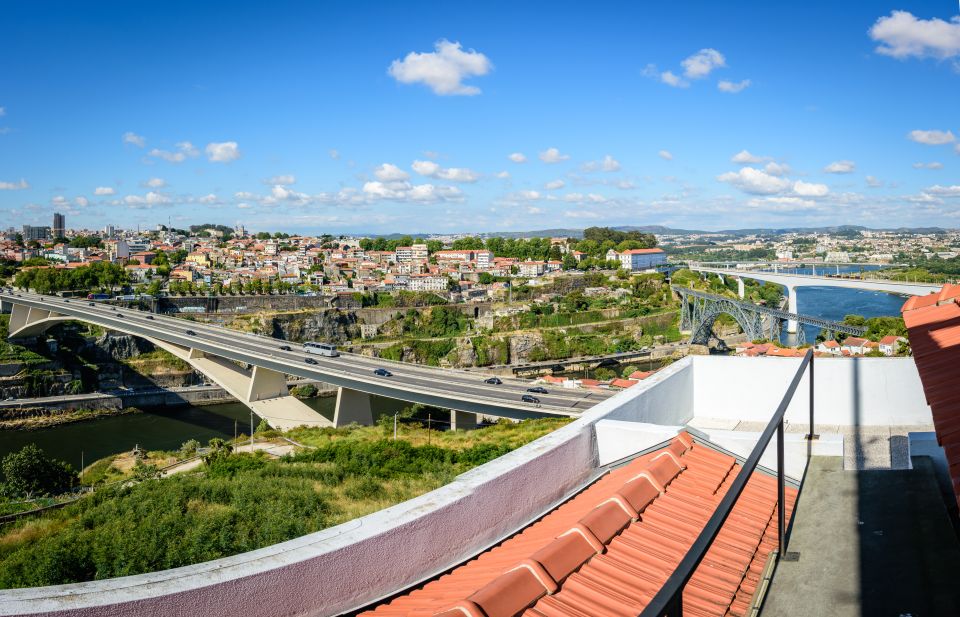
- Serra do Pilar views over all six Porto bridges: a rare sight from one place near Gaia.
- Earthquake vs. nuclear test wave patterns: learn why they feel different on the instruments.
- Epicenter basics you can actually use: understand how scientists calculate an event’s location.
- Live English guidance from University of Porto geology students: clear explanations with youthful energy.
- Short, focused experience: about 60 minutes total, with brief walks and multiple view stops.
Inside the Geophysical Institute in Gaia
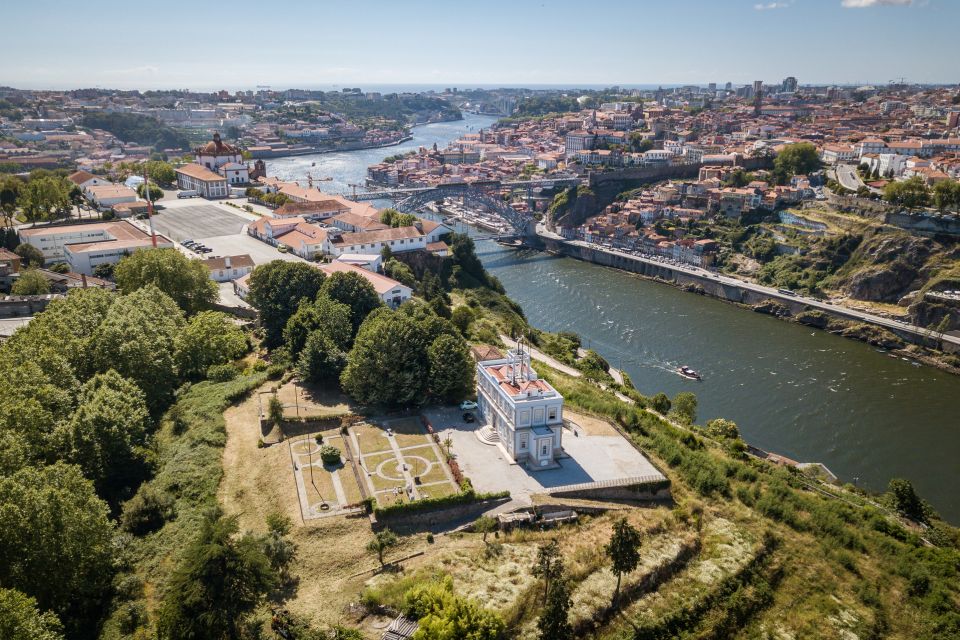
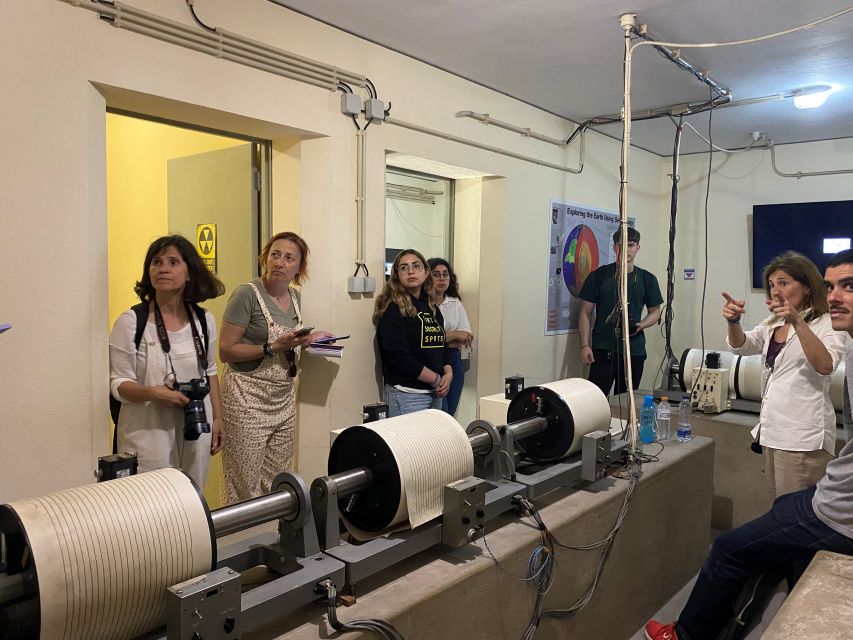
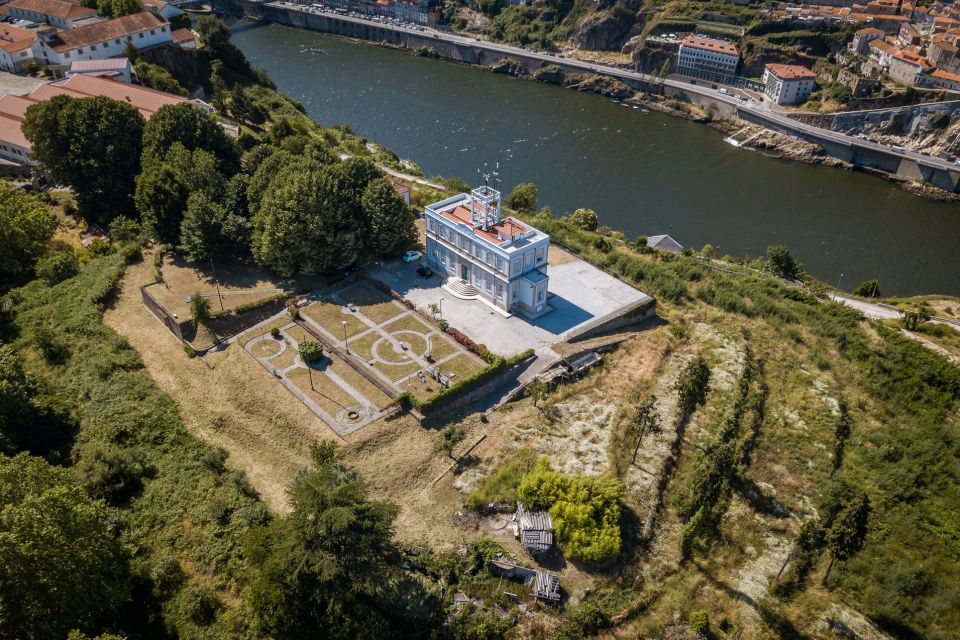
The tour takes place in Gaia, at Serra do Pilar, where a centenary building sits quietly in the background: the Geophysical Institute of the University of Porto. It was created in 1885 behind the Monastery of Serra do Pilar, and for a long time it has blended into the area without much fuss. The surprise comes once you’re inside—because this is where a seismic station does its work.
What makes this more than a history lecture is that the building isn’t just a relic. You’re visiting a station that was created as part of a worldwide monitoring effort that began in the 1960s. That matters, because it turns “Porto” from a city you tour into a city that helped support international science and, during the Cold War, international security.
If you’re the type who likes your travel with a bit of reasoning attached, you’ll enjoy the way the guides connect the dots between geophysics and world events. The story isn’t random. It’s about why measuring tiny ground motions became so important when the stakes were enormous.
You can also read our reviews of more tours and experiences in Vila Nova De Gaia.
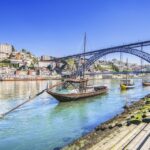

Porto’s six-bridge view from Serra do Pilar
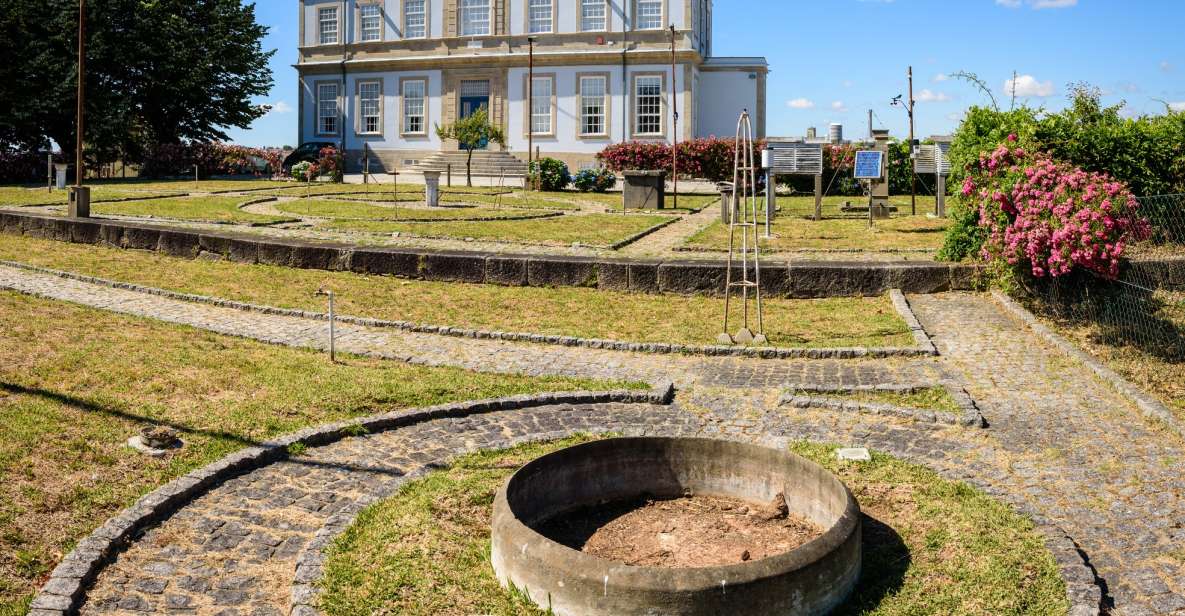
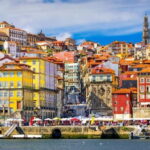
After the main guided portion, you head back outside for a view moment. This is one of the biggest reasons to do the visit: from this spot, you can see Porto’s six bridges connecting Porto and Gaia. The tour describes it as the only place on earth where you can see all six from here, and even if you treat that as a bold claim, you’ll still get a genuinely special vantage point.
Here’s how to get the most out of it. Walk slowly, pause often, and keep your eyes moving between bridges rather than trying to take one perfect photo. The geometry is the point—how bridges layer across the Douro and how the river shapes the whole skyline.
This is also where you’ll feel the practical side of the experience. You’re learning about seismic waves, and then you immediately look outward at the city and think: people have lived with this landscape for centuries, yet the ground is always doing something beneath our feet.
Cold War science in Porto: the 1962 seismic mission
The core of the story is Cold War history—specifically, how the USA built a seismic station in 1962. Officially, it was for scientific research. But the guides explain how it played into the rivalry between the USA and the USSR, when monitoring became a tool for detecting nuclear activity and assessing threats.
The details you’ll hear are specific: the tour describes a “lie” that led to the construction of 127 seismic stations around the world. Whether you come in already knowing Cold War terms or you’re starting from scratch, you’ll leave with a clearer picture of why many countries ended up involved in the same kind of underground measurement.
This is the part that turns your visit into more than a “science stop.” You’ll connect the idea of seismology to geopolitics. Seismic stations didn’t just measure earthquakes. They helped countries interpret signals from events they couldn’t see directly—especially when deterrence and secrecy were part of daily life.
And since the guides are geology students from Porto’s Faculty of Sciences, you also get the technical framing: what the instruments are meant to detect, how data gets interpreted, and why the same instrument can matter for multiple kinds of events.
Earthquakes vs nuclear tests: waves, sensing, and epicenter math
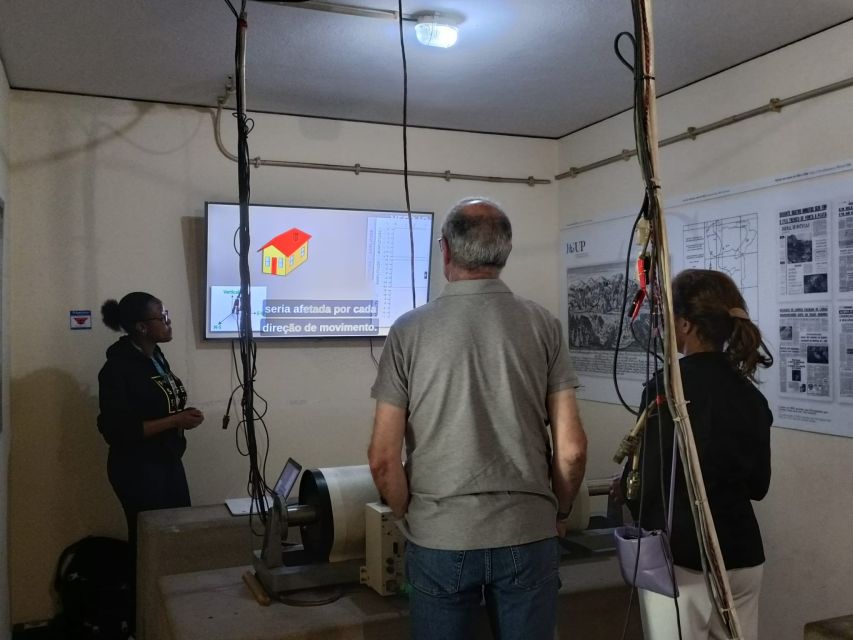
One of the most memorable sections is the science comparison. You’ll learn how this station can “feel” different events through the waves they generate—specifically earthquakes versus nuclear tests.
The guides explain that the station detects ground shaking, and then they help you understand why those shake signatures aren’t the same. Even if you don’t remember every term, you’ll get the key idea: scientists rely on differences in wave behavior to tell one type of source from another. In a normal city visit, you’d never think about how the ground communicates. Here, you will.
You’ll also learn about calculating the epicenter of an earthquake. That’s not just trivia. It’s a real method used in disaster response and scientific analysis. Learning the basic logic—how travel times relate to distance from the event—gives you a satisfying sense that seismology isn’t mystical. It’s measurement, pattern recognition, and math.
If you worry you’ll be bored by technical content, don’t. The tour is structured so you can follow along: guided explanations during the visit, then short breaks outdoors. The total time stays tight, so you won’t feel like you’re trapped in a lecture.
Walking the route: what happens during the 60 minutes
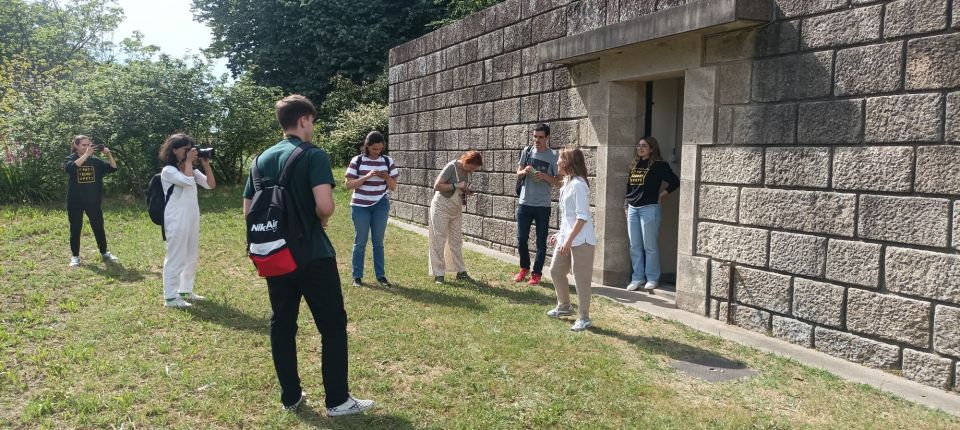
The timing is simple, which I appreciate when I’m in an older part of a city. From the starting point on R. 2 23, you take a short walk of about five minutes to reach the Geophysical Institute in Porto. This quick lead-in helps you shift from street mode to “listen mode.”
Then you get the main event: a guided tour of about 35 minutes. This is where the Cold War story, the station’s purpose, and the seismology lesson all get connected. The guides—young geologists from the University of Porto’s Faculty of Sciences—present the information in English, so you can stay focused without juggling translation apps.
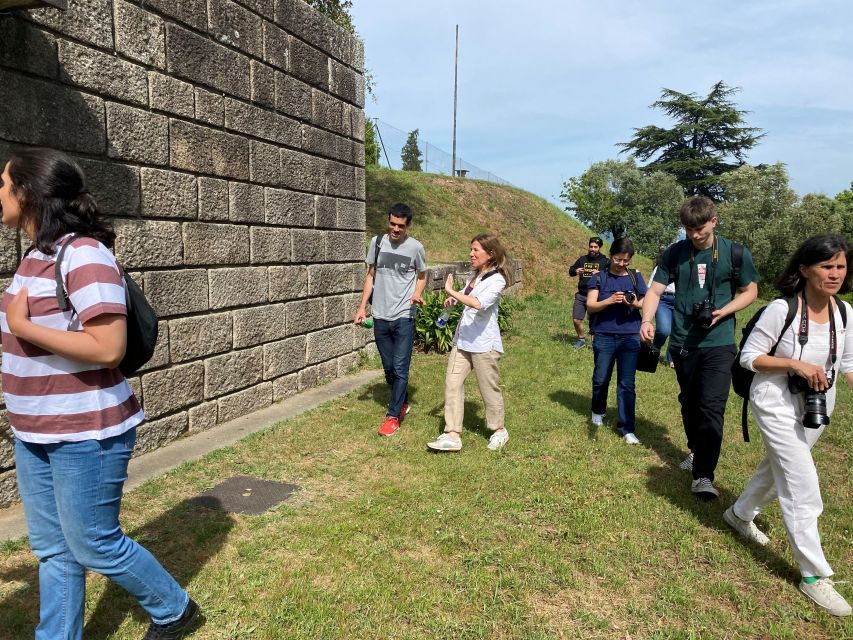
After that, there’s another short walk (about five minutes) and a final scenic stretch of around five minutes where the view becomes part of the learning. You’re not rushing through the city; you’re walking between “indoors explanation” and “outdoors observation.”
Practical tip: wear comfortable shoes. You’re moving through a Serra do Pilar area and doing a couple short walks, plus you’ll likely pause for photos and skyline watching. Also plan to keep your hands free—no flash photography is allowed, and there’s no video recording.

Price and value: what $17 buys you
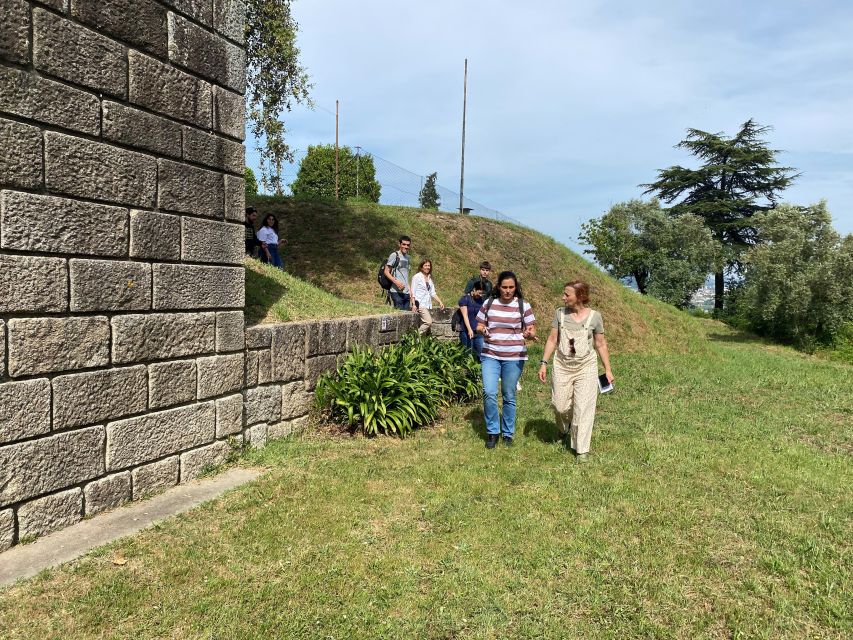
This visit costs about $17 per person and lasts around 1 hour. On paper, that might sound like a small price for a building-and-view experience. In reality, the value comes from the combination:
- You’re getting Cold War history grounded in a real piece of infrastructure.
- You’re learning how seismology works, including earthquake epicenter logic and how different events can produce different wave signatures.
- You’re ending with a rare view over six bridges from the Serra do Pilar area.
If you’re the kind of traveler who likes to spend a day mixing old-world streets with something unusual, this is a good “one-stop add-on.” It doesn’t swallow your whole schedule. It also gives you a story that feels tied to Porto, not just pasted onto the city.
If you prefer only classic sightseeing—cathedrals, viewpoints, riverside strolls—this might feel too technical. But if you like your travel with facts that make you look at the world differently, the price-to-experience ratio is strong.
Who should go (and who should skip)
This tour works best for adults and teens who enjoy science + history. The guidance is in English, and the group is led by geology students from the University of Porto, so you’ll get a youthful, student-driven energy rather than a script read by someone who doesn’t care.
It’s not suitable for children under 12, so don’t plan it as a family science outing for younger kids. Also, because flash photography is not allowed and video recording is prohibited, this isn’t ideal if your main goal is to film everything.
Good fit if you:
- like hearing how measurements work in real life
- want Cold War context tied to a specific place
- enjoy viewpoints but also want the explanation behind the science
Less ideal if you:
- hate structured listening sessions
- want a hands-on workshop (this is a guided visit with information and views)
- rely on filming everything with a camera
Rules to know before you go
A couple of constraints matter here, because they affect your planning. Flash photography is not allowed, and video recording isn’t permitted. So bring a camera plan that doesn’t depend on flash, and consider quick photos instead of long takes.
Also note the basic pacing: you’re moving in short sections and spending most of your time in the guided portion. If you’re the type who likes long wander time afterward, you may want to schedule this earlier in your day so you still have time for slow streets and extra viewpoint time.
Should you book this Geophysical Institute visit in Porto?
I think this is a solid booking if you want something different from the usual Porto route. For $17 and about an hour, you get Cold War history, seismology basics you can remember, and a genuinely rare skyline view over six bridges from the Serra do Pilar area.
Skip it if you’re traveling with kids under 12, or if you’re only interested in classic sightseeing and don’t want a science-and-history focus. But if you enjoy learning and you like practical details—how the station detects events and how epicenters are calculated—this is one of the most interesting short stops you can fit into a Porto itinerary.
FAQ
Where is the Geophysical Institute visit located?
It takes place in Gaia, in the Serra do Pilar area, at the Geophysical Institute of the University of Porto.
How long is the tour?
The visit lasts about 60 minutes total.
What is the price?
The price is $17 per person.
What time do we meet, and where is the starting location?
The starting point is R. 2 23, followed by a short walk to the Geophysical Institute.
Is the tour guided in English?
Yes, it is guided in English.
What will I learn during the visit?
You’ll learn about the seismic station’s role in a worldwide network, its connection to Cold War history, how it detects earthquake shaking and nuclear test waves, and how to calculate an earthquake epicenter.
Are children allowed?
No. It is not suitable for children under 12.
Can I take photos or videos?
Flash photography is not allowed, and video recording is not allowed.
What should I wear or bring?
The tour includes short walks, so comfortable shoes help. You’ll also want to plan for no flash and no video recording.
Can I cancel or change my booking?
The offer includes free cancellation up to 24 hours in advance for a full refund, and you can reserve now and pay later.