REVIEW · PORTO
Porto: Douro Valley Tour with 3 vineyards and lunch.
Book on GetYourGuide →Operated by To Do In Portugal · Bookable on GetYourGuide
Three wineries in one day sounds ambitious. It’s also how this Porto-to-Douro trip turns the UNESCO Douro Valley into something you can actually feel, not just read about, with photo stops and tastings paced for a full day.
What I really like is the three-estate tasting plan (port wine, table wines, and an olive oil tasting), so you’re not stuck with one style and one producer. I also like the traditional lunch built from locally grown ingredients, with vegetarian and gluten-free options if you request them ahead of time.
One consideration: this tour isn’t suitable for people with mobility impairments, since it involves time on the move and winery visits that may not work well for everyone.
In This Review
- Key things that make this Douro Valley day tour work
- Trindade to the High Douro Wine Region: the day starts fast
- The Douro River photo stop: quick, scenic, and worth it
- Pinhão winery visit: where the valley’s wine culture comes into focus
- Sabrosa lunch and tasting: traditional food plus the Douro’s tastes
- A second Sabrosa stop: three estates without feeling rushed
- Olive oil tasting: the smart add-on most people skip
- Guide quality makes or breaks a wine day
- Views and timing: how to get the most without burning out
- Price and value: what you’re paying for at $147
- What to pack (and what to leave behind)
- Best for: who will enjoy this most?
- Should you book this Douro Valley tour?
- FAQ
- How long is the Douro Valley tour?
- Where do I meet the guide in Porto?
- How many wineries and tastings are included?
- What’s included with the lunch?
- Do you accommodate dietary restrictions?
- Is there a group size limit?
- What languages are offered for the live guide?
- What should I bring?
- Is the tour suitable for people with mobility impairments?
Key things that make this Douro Valley day tour work
- Small group (up to 8), which keeps it relaxed and helps the guide actually talk to you
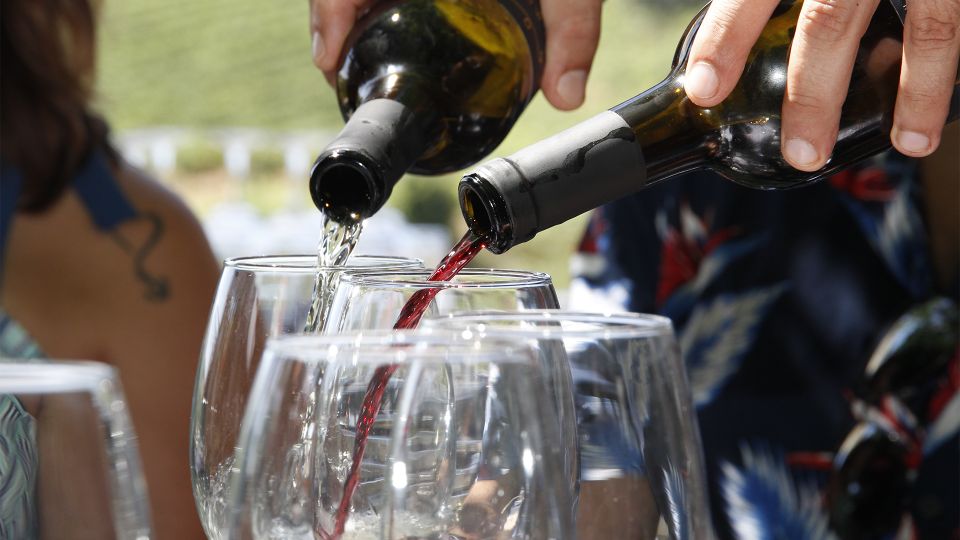
- Three estates with port, table wine, and olive oil tasting for variety instead of repetition
- Photo stop on the Douro River plus scenic viewpoint time on the way between towns
- Pinhão and Sabrosa stops in the heart of the High Douro wine country, not just roadside viewpoints
- Lunch in Sabrosa with traditional flavors and options for vegetarians and gluten-free diners
Trindade to the High Douro Wine Region: the day starts fast
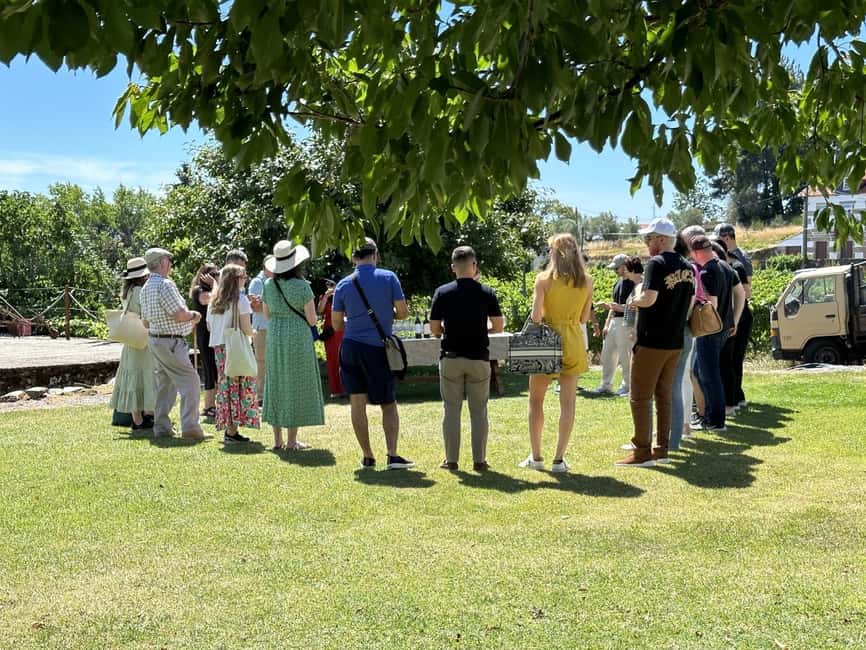
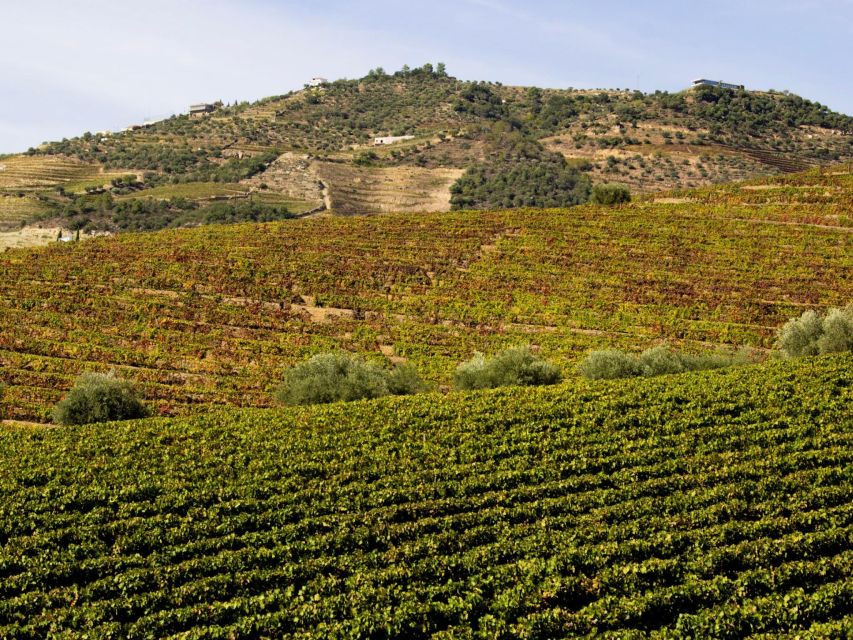
The tour kicks off at Trindade metro station in central Porto, with the guide meeting you near the bus stops by the station. From there, you’re in a private van headed toward the High Douro Wine Region. The drive is about 1.5 hours, and it’s not just dead time. You’ll get your first “okay, this is real” moments as the scenery shifts from the city world into the river valley and terraced wine country.
This is a smart setup for a one-day visit. If you’re short on time in Porto, you don’t waste your day transferring between buses and changing schedules. You just settle in, keep your camera handy, and let the region reveal itself step by step.
You can also read our reviews of more tours and experiences in Porto

The Douro River photo stop: quick, scenic, and worth it
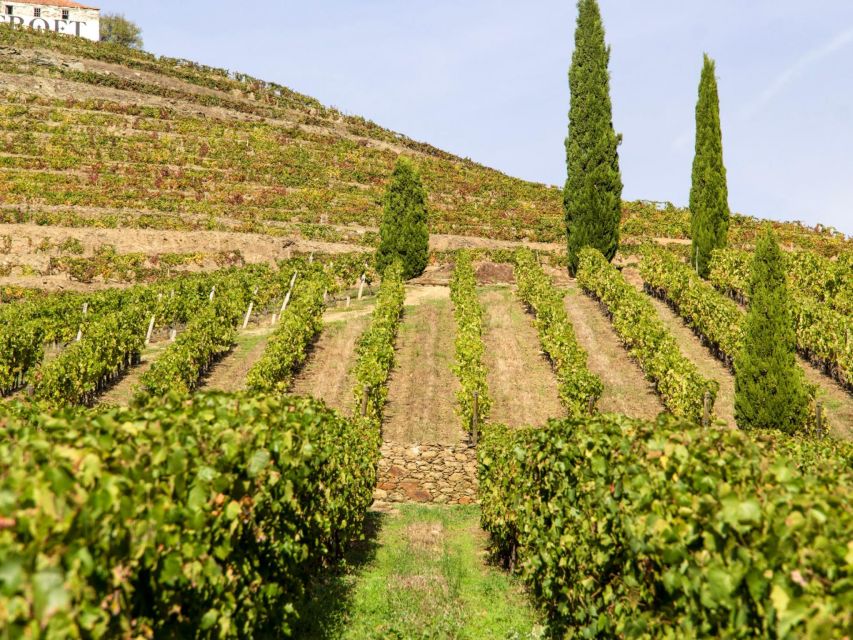
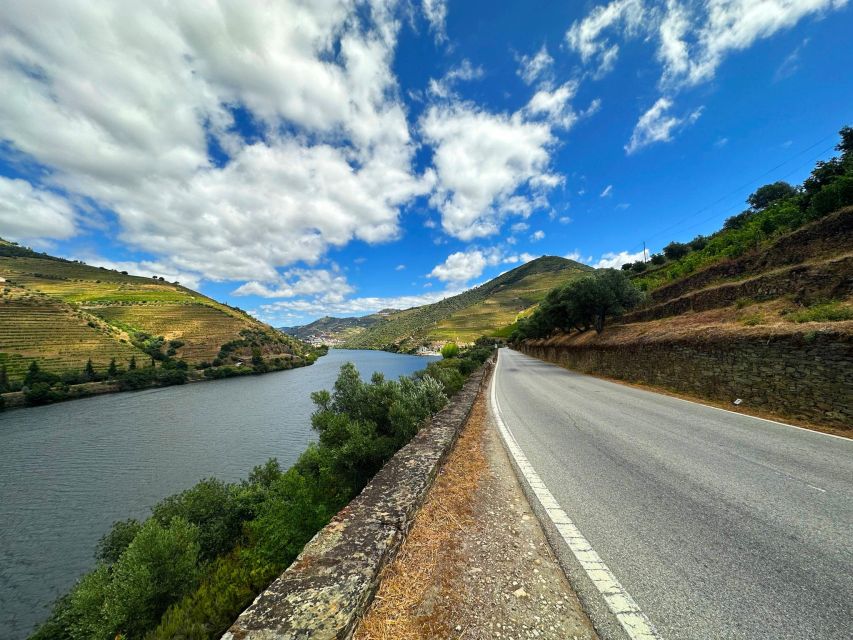
About 20 minutes into the river approach, you’ll get a Douro River photo stop with scenic views along the way. It’s short on purpose—just long enough to stretch your legs and grab pictures without turning the day into a traffic-watching contest.
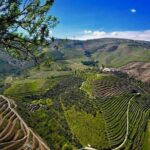
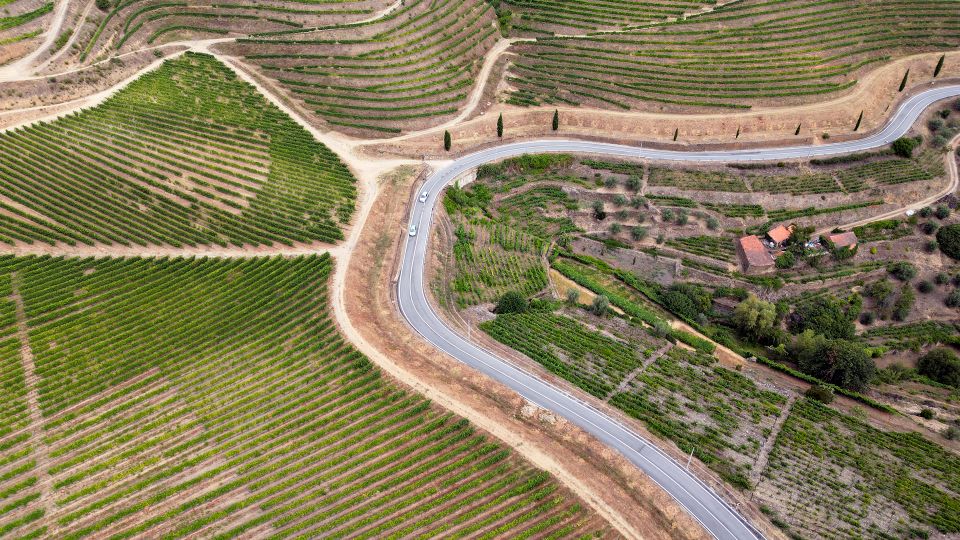
Tip: use this moment to decide what you want your photos to emphasize. The Douro is all about the river curve, the steep vines, and the layered geometry of terraces. A quick stop is perfect for grabbing those wide angles, then you’ll see the details later at the estates.
Pinhão winery visit: where the valley’s wine culture comes into focus
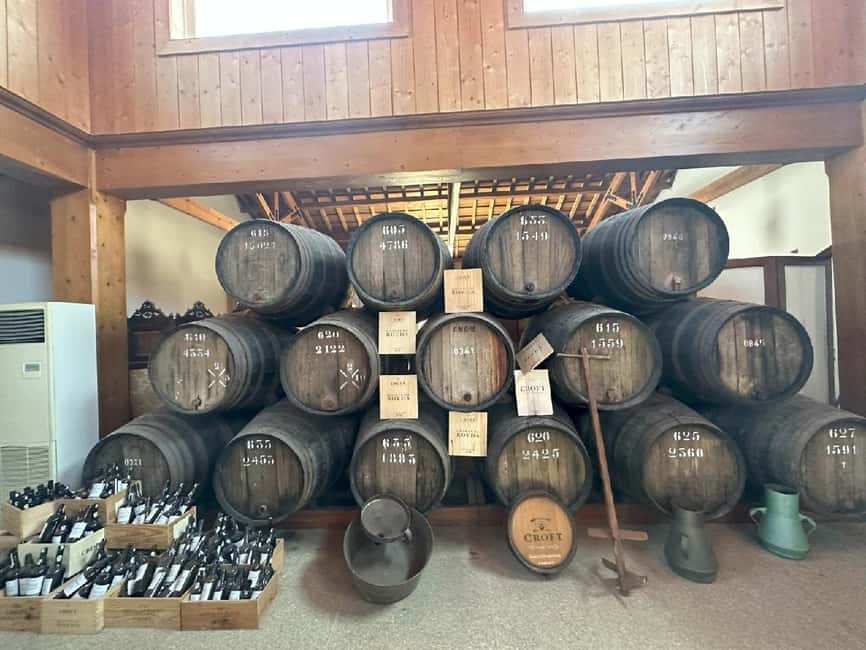
Next up is Pinhão, with about 1 hour for a guided visit and wine tasting (plus more scenic time). Pinhão is one of the best-known towns for Douro wine, and this stop is designed to get you oriented fast: what you’re tasting, where it comes from, and why the winemaking here feels different.
You’re not just doing a quick sample. This part of the day is built around a guided visit at an estate, followed by tasting. The tour includes port wine and table wine tastings, so this is a good moment to notice how the styles differ—fruit-forward notes and aging factors on one side, versus more everyday table-wine profiles on the other.
A useful mindset for Pinhão: don’t try to “finish the tasting notes.” Instead, pick one wine you liked and ask yourself what you liked about it—texture, aroma, balance. Later, when you taste again at the next estates, you’ll start noticing patterns in the way producers handle the same ingredients and climate.
Sabrosa lunch and tasting: traditional food plus the Douro’s tastes
Then the tour moves to Sabrosa, where the schedule includes lunch, a visit, and wine tasting for about 1.5 hours. This is the part of the day that makes the tour feel like more than a bus-and-glasses experience. You get to slow down, eat something properly Portuguese, and then re-enter the tasting room with fresh taste buds.
The lunch is described as traditional and made with locally grown products, and you can request vegetarian and gluten-free options in advance. That matters because a lot of wine tours quietly assume everyone will eat the same meal. Here, they do plan for dietary needs if you tell them ahead of time.
Also: Sabrosa is a great town for this “break” in the day. After the drive, the river photo stop, and Pinhão, the lunch stop feels like a reset button—eat, regroup, then go back to the estates with more attention.
A second Sabrosa stop: three estates without feeling rushed
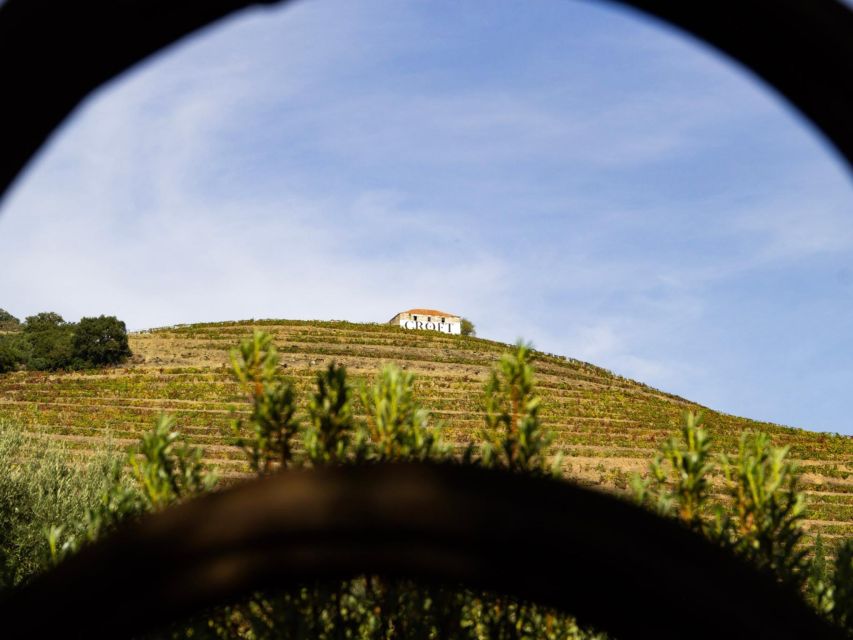
After lunch, you’ll head back into more tasting time with a second Sabrosa visit, about 1 hour. The tour’s big idea is that you taste at three estates, and that’s not just a marketing number. Different estates often mean different approaches to blending, aging, and presentation—even when the valley itself provides the common thread.
Here’s what you should look for across the three estates:
- Does the port lean sweeter, spicier, or more structured?
- Do table wines taste more fresh and bright, or more warm and rounded?
- How does the olive oil tasting fit into the picture—does it highlight fruitiness and savory notes you can pair with food?
One of the best parts of this tour format is that it gives you enough reps to compare. The pacing is long enough to feel like you’re learning, but not so long that you feel trapped in a classroom.

Olive oil tasting: the smart add-on most people skip
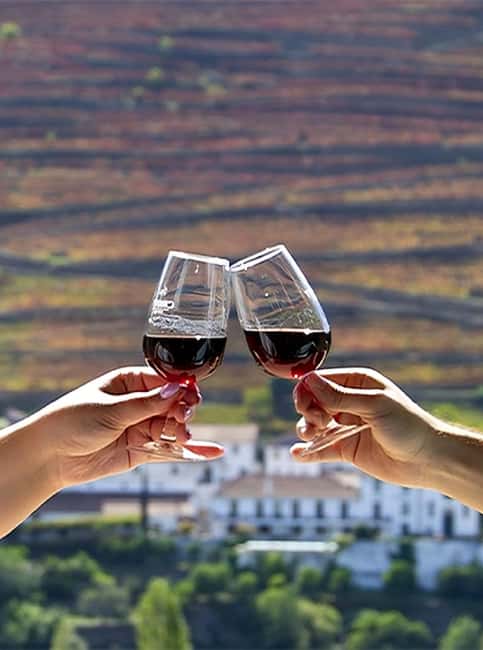
This tour includes olive oil tastings alongside wine at the estates. Even if you’re a wine-first person, I think this is a practical win. Wine tasting trains your palate for aroma and balance, and olive oil tasting adds a different skill set: noticing bitterness, peppery finish, and how it “lifts” flavor.
It’s also a nice reminder that the Douro isn’t only about wine grapes. The region’s food culture runs parallel to the vineyards, and olive oil is part of that everyday reality.
Guide quality makes or breaks a wine day
Small-group tours stand or fall on the guide, and the reviews are very consistent on this point. Guides like Marco, Nuno, and Emanuel are praised for being knowledgeable and timing their explanations well, leaving room for questions instead of talking at you the whole time.
I like that the best guides in this style know when you need three minutes of context and when you just want to stare at the views. One review even highlights that the guide added scenic stops for photos—exactly the kind of small flexibility that turns a standard itinerary into a day you remember.
If you’re the type who enjoys learning while you travel, ask questions early. The earlier you find what you care about—port styles, terraces, growing conditions—the easier it is for the guide to tailor explanations later during tastings and walks.
Views and timing: how to get the most without burning out
This is a 9-hour day, and it runs on a schedule that balances driving with actual time at stops:
- Van time out of Porto (about 1.5 hours)
- River photo stop (about 20 minutes)
- Pinhão visit and tasting (about 1 hour)
- Sabrosa lunch + tasting + visit (about 1.5 hours)
- Sabrosa second stop + tasting (about 1 hour)
- Return drive (about 110 minutes)
- Back to Trindade, Porto
That timing matters. A lot of Douro tours feel either rushed or overly slow. This one is built for steady progress: you get viewpoints along the way, then you actually sit down for tastings and lunch, then you wrap up with the second estate stop before heading back.
Also, they note their activities happen in covered and protected spaces, so weather is less likely to ruin your day. Douro weather can swing hard—summer heat and winter cold—but the plan is designed to keep the experience comfortable.
Price and value: what you’re paying for at $147
At $147 per person, you’re not just buying wine samples. You’re paying for a package: professional guide, private transportation, small-group setup (up to 8), lunch, tastings at three estates, and even a bottle of water.
Here’s how to judge value realistically:
- If you were to do this on your own, you’d still need transport, and getting three estates lined up with guided tastings would take planning.
- The lunch included here matters because it’s part of the experience, not an afterthought.
- The small group is the multiplier. Fewer people usually means better conversation, less waiting, and a more relaxed pace.
For a one-day Douro visit from Porto, this pricing looks fair—especially if you care about both port and table wine, plus olive oil, rather than just checking one vineyard off a list.
What to pack (and what to leave behind)
You’ll want comfortable shoes and comfortable clothes. A camera helps because you’ll have viewpoints on the way and at least one dedicated scenic/photo moment.
Weather note to take seriously: Douro Valley temperatures run very hot in summer and cold in winter. Bring layers if you’re visiting in shoulder or winter months, and dress breathable in summer.
Practical rules:
- No large luggage or bags
- No pets
- Not suitable for people with mobility impairments
If you think you might get tempted to overpack, don’t. This is a van-and-estate day. Keep it light.
Best for: who will enjoy this most?
This tour fits best if you want:
- A guided Douro Valley experience without juggling transport
- Wine plus food, with lunch built in
- Enough tasting time to compare three estates rather than just doing one stop
It’s also a good fit for first-time Douro visitors who want the basics (what you’re tasting and why) and a few of the region’s signature sights, without committing to a multi-day trip.
Should you book this Douro Valley tour?
If your goal is a high-quality day in the Douro without stress, I’d say yes. The combination of three estate tastings, included traditional lunch, and small-group pacing makes it a strong value for a Porto-based visit. You’ll get the practical “how wine is made here” context, plus enough scenery time to make it feel like more than a tasting room circuit.
If mobility is a concern, or if you hate long driving days, you might want to look for a different format. Otherwise, this is the kind of tour that turns a UNESCO wine region into a full, memorable day.
FAQ
How long is the Douro Valley tour?
The tour runs for 9 hours total.
Where do I meet the guide in Porto?
You meet at Trindade metro station near the bus stops in the center of Porto. The tour ends back at the meeting point.
How many wineries and tastings are included?
You visit 3 estates, with port wine and table wine tastings, plus an olive oil tasting.
What’s included with the lunch?
Lunch is included and is described as traditional, made with locally grown products. Vegetarian and gluten-free options are available if requested in advance.
Do you accommodate dietary restrictions?
Yes. Vegetarian and gluten-free meals are available if you request them ahead of time.
Is there a group size limit?
Yes. It’s a small group with up to 8 people.
What languages are offered for the live guide?
The guide is available in English, Portuguese, Spanish, and French.
What should I bring?
Bring comfortable shoes, comfortable clothes, and a camera.
Is the tour suitable for people with mobility impairments?
No. It’s not suitable for people with mobility impairments.