REVIEW · PORTO
Porto: Cooking Class with Local Market Visit
Book on GetYourGuide →Operated by Nuno Miguel Ferreira Silva · Bookable on GetYourGuide
Fresh ingredients set the pace in Porto. I love the local market shopping with Nuno Miguel Ferreira Silva, because you’re buying what you’ll actually cook, not guessing later. I also like how the class ties recipes to Portuguese food traditions, from influences across Portugal’s history to details like Jewish alheira. One thing to plan for: this is a hands-on session at a home and around shops, so it’s not a fit if you need wheelchair access.
You’ll meet at the host’s home, then head out together to a local grocery, bakery, street butcher, and possibly even an organic garden stop. It’s a small group (max 8), and the instructor works in Portuguese and English, so questions don’t get lost.
The meal is the payoff: you cook a full menu from scratch, get wine pairing, and sit down to enjoy what you made. Just remember transportation to and from the meeting point isn’t included, so you’ll want to plan your own timing and route.
In This Review
- Key highlights worth planning around
- A market-to-menu Porto cooking class with Nuno’s Portugal in every step
- Meeting at the host’s home: where the evening gets real
- The local ingredient run: what you buy and how it changes your cooking
- Cooking from scratch: Portuguese traditions with real technique
- A note on pace and participation
- Wine pairing and the meal you actually cooked
- Dietary needs: what adaptations can look like
- Price and value: is $106 worth 3.5 hours?
- Who should book this Porto class (and who should skip it)
- Should you book this Porto: cooking class with market shopping?
- FAQ
- FAQ
- How long is the Porto cooking class?
- Where does the experience start?
- What’s included in the price?
- What’s not included?
- Is the cooking done with pre-prepared ingredients?
- Can dietary restrictions be accommodated?
- How big is the group?
- Is the class suitable for wheelchair users?
- What languages are used during the class?
Key highlights worth planning around
- Market route you can actually repeat later: you pick ingredients on the spot for the exact dishes you’ll cook
- No shortcuts: everything is made from scratch, with no frozen or pre-prepared items
- Recipe stories, not just instructions: Portuguese cuisine explained through history and cultural influences
- Hands-on skills you can use at home: cooking tips plus an olive oil lesson
- A real table meal with local wine: you pair what you cook and then taste it together
- Small group comfort: up to 8 participants makes it personal and practical
A market-to-menu Porto cooking class with Nuno’s Portugal in every step
Porto has plenty of food tours. This one feels different because it starts before the cooking. You’re in the role of cook and shopper at the same time, with a local guide who pays attention to what’s in season and where it comes from.
Nuno’s approach is very practical. You don’t just learn what to do; you learn why certain ingredients matter, how Portuguese flavors developed, and how to handle the kitchen work without panic. And since the group is capped at 8, you get time to ask questions when your hands are busy and the timing gets real.
If you’re the type who wants a dinner story you can repeat—where you can say I picked that cheese or I chose those sardines—this fits your style. If you only want a quick, hands-off tasting experience, you might find the work portion more involved than expected.
You can also read our reviews of more shopping tours in Porto
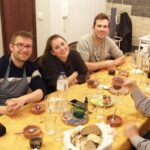
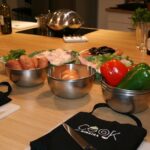
Meeting at the host’s home: where the evening gets real
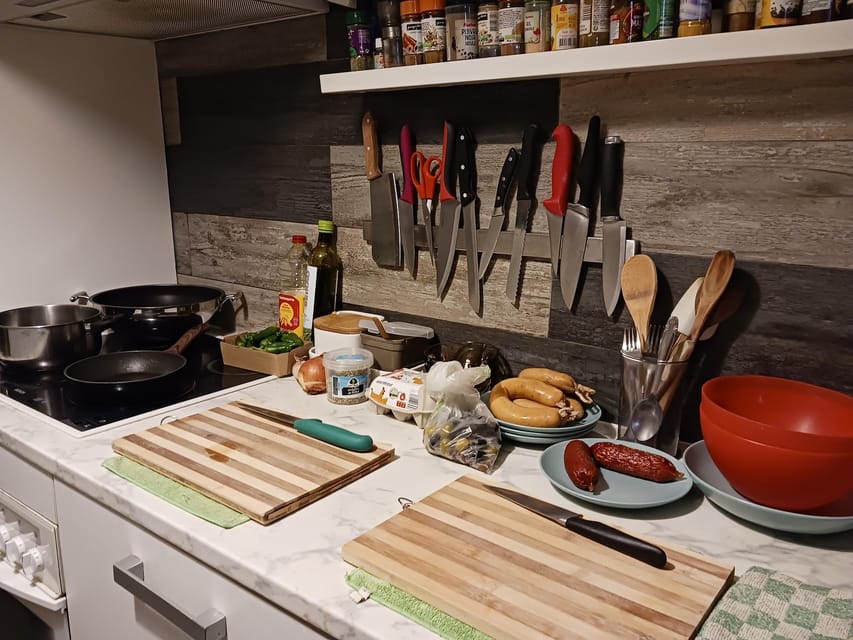
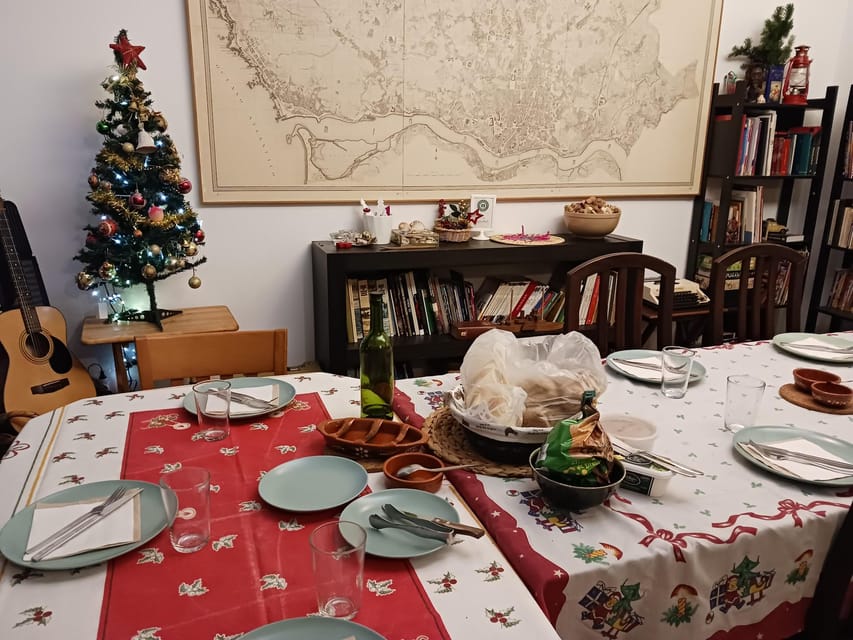
The class begins at the host’s home. That setting matters more than you’d think. It’s not a commercial cooking school where everyone funnels through stations. Instead, you’re set up to learn as a small group—walking into someone’s kitchen culture and habits.
From there, you move together to the ingredient stops. In the process, you’re not just traveling from point A to point B—you’re getting context while your choices are still fresh. Nuno is the kind of host who brings in Portugal details as you go, including architecture and the look of Portuguese tiles.
Duration is about 3.5 hours, so this isn’t a slow evening. You’ll go from shopping to cooking without a long pause to recover. Plan to eat lightly beforehand or you’ll feel overfull by the time dessert arrives.
The local ingredient run: what you buy and how it changes your cooking
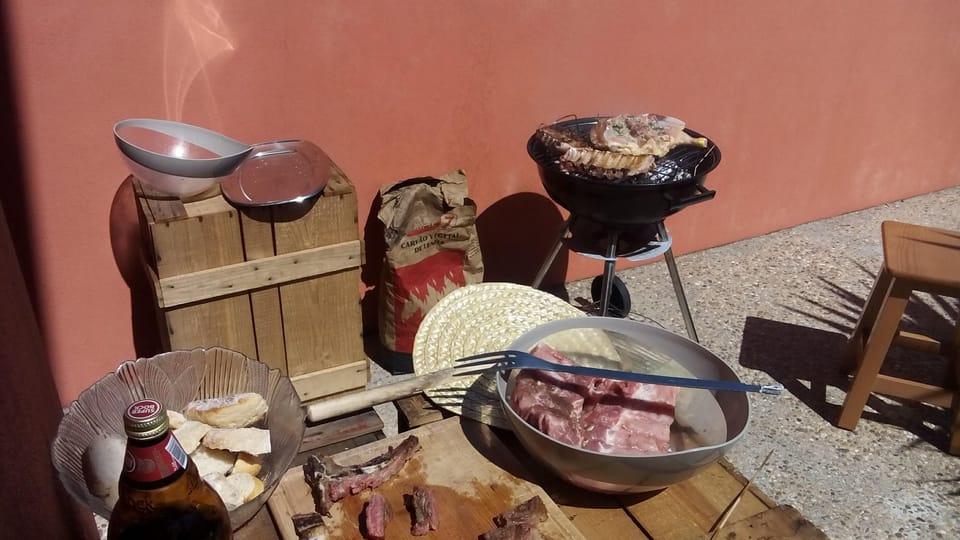
One of the most appreciated parts is the market visit itself. You’ll shop at a mix of local stops such as a grocery shop, a bakery, or a street butcher. The point isn’t fancy sightseeing. It’s to choose ingredients based on freshness and what’s available, then use them within the same evening.
That’s the big value. Buying your ingredients in the same rhythm as cooking gives you a better result. You’re less likely to end up with the wrong cut, the wrong texture, or a flavor that doesn’t match the dish you want to cook later.
You might also get an organic garden visit, which can be a useful contrast to the stalls and counters. Even without a long lecture, seeing how some produce is grown helps you understand why Portuguese cooking can taste simple and intense at the same time.
Practical consideration: this is a shopping-and-cooking format, so come prepared for tasting and getting hands dirty. And since transportation isn’t included, you’ll want a plan for getting back after you eat and drink.
Cooking from scratch: Portuguese traditions with real technique
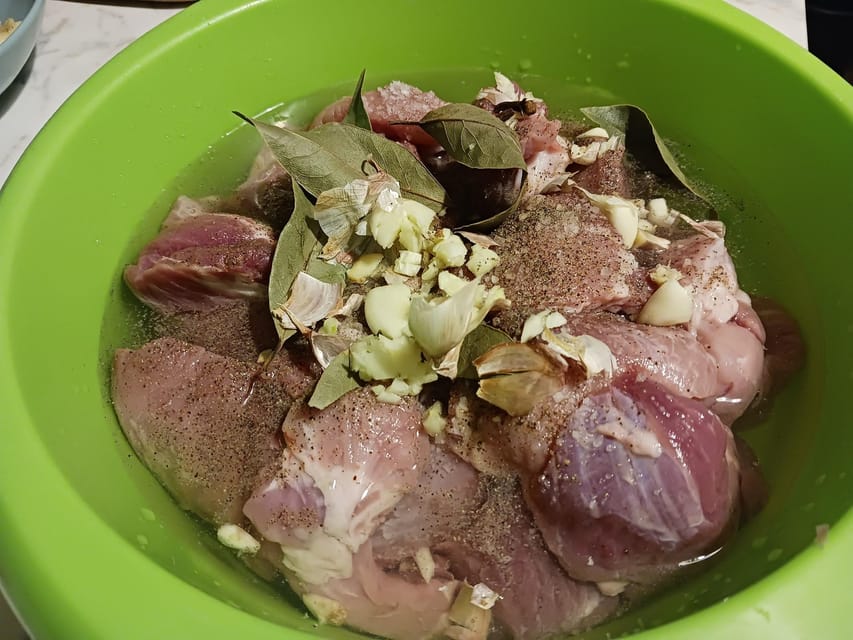
Back in the kitchen, the class focuses on cooking Portuguese specialties without shortcuts. Everything is made from scratch—no frozen items and no pre-prepared ingredients. That changes the learning experience. You don’t learn how to assemble. You learn how to build.
Portuguese food can be influenced by discoveries and trade routes, including influences traced to Asia and connections to African and South American territories. You’ll also hear about cultural food traditions, including Jewish alheira. The key is that you won’t just get history as trivia—you’ll see it reflected in what you’re cooking and how ingredients behave.
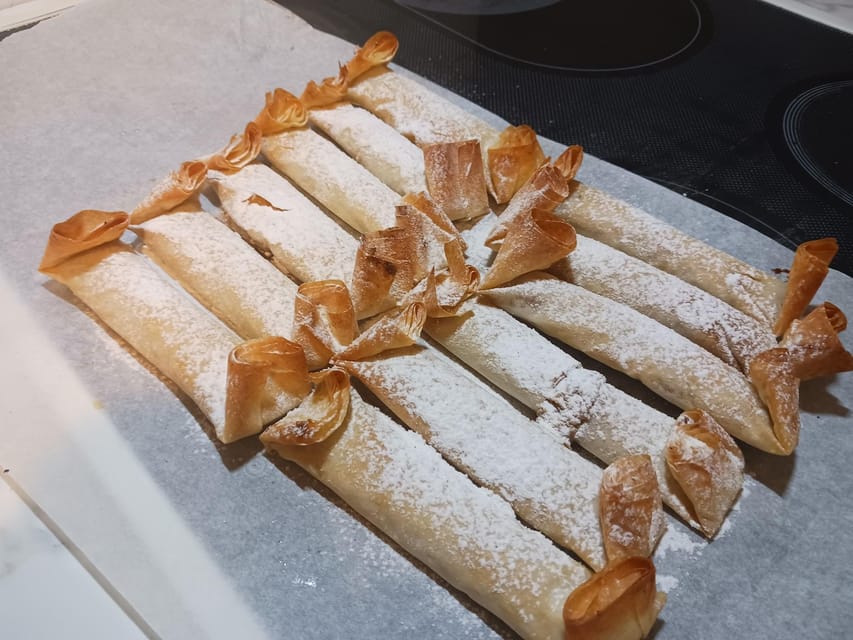
Expect a hands-on menu build. Reviews point to an organized flow: appetizers, an entrée (one example mentioned is a Sebring fish dish), and dessert. Pastel de Nata also shows up as part of the experience, so yes, you’re likely to leave with at least one sweet skill you can recreate.
You’ll also get an olive oil lesson. That’s not a random add-on. In Portuguese cooking, olive oil isn’t just a finishing drizzle. It helps shape texture, flavor balance, and how other ingredients come across in a finished dish.
A note on pace and participation
Because it’s small group and hands-on, you’ll likely spend time standing, chopping, stirring, and tasting. Nuno is attentive and helpful, and he adapts for food issues when needed, but the class still expects participation.
If you have very limited mobility or you prefer watching rather than doing, this may not be your best match. If you like learning by doing, you’ll probably enjoy every step.
You can also read our reviews of more tours and experiences in Porto

Wine pairing and the meal you actually cooked
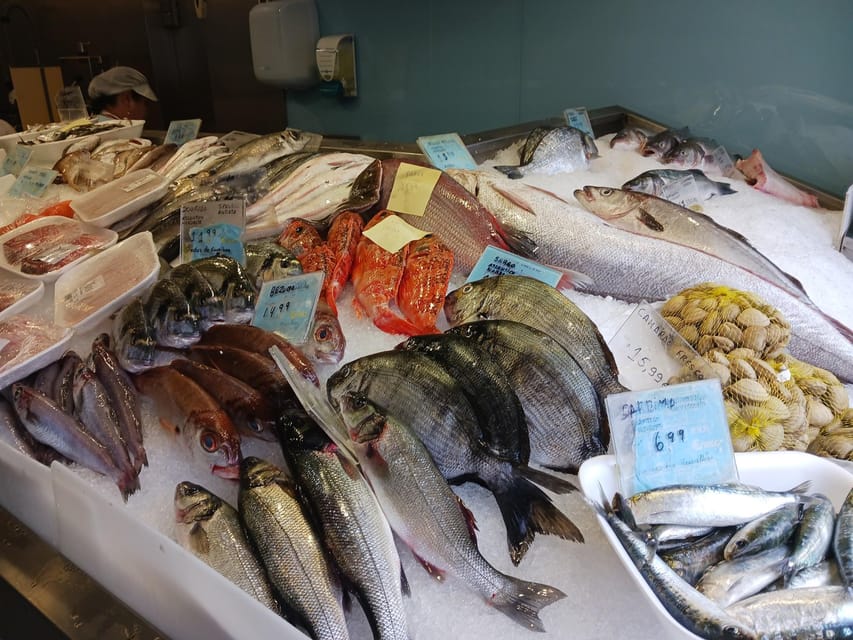
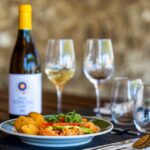
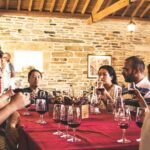
This is not a class where you cook and then leave your food behind. You prepare a meal, pair it with local wine, and then sit down to enjoy it as a group.
Wine pairing is included, and the experience leans into it—you’ll be drinking as part of the meal, not just sipping once and moving on. At the same time, you should understand the rules clearly: alcohol and drugs aren’t allowed, meaning you shouldn’t plan to bring anything extra. The wine that’s part of the pairing is part of the experience.
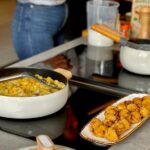
One reason this part lands well: the flavors are fresher than restaurant versions because you’re tasting what you just made, right after it’s cooked. It turns the whole evening into a feedback loop. You smell, taste, adjust, and then enjoy.
And because it’s with a local host, conversation tends to go beyond recipes. Reviews mention tasting port and olive oil lessons, plus a general sense that the evening is about Portuguese culture, not just food technique.
Dietary needs: what adaptations can look like
Diet adaptations are possible, and you’re encouraged to inform the instructor of restrictions in advance. That matters because the class is built around making everything from scratch. The kitchen can adjust, but you need to flag needs early.
One review specifically mentioned allergy concerns handled graciously, which suggests Nuno takes food issues seriously. If you have dietary needs—vegetarian, vegan, gluten-related, allergies—message the provider before you show up. Don’t wait until you’re in the kitchen and short on options.
Also remember: the class avoids pre-prepared ingredients. That’s great for quality, but it means substitutions are part of the chef’s job, not something you can rely on from the store.
Price and value: is $106 worth 3.5 hours?
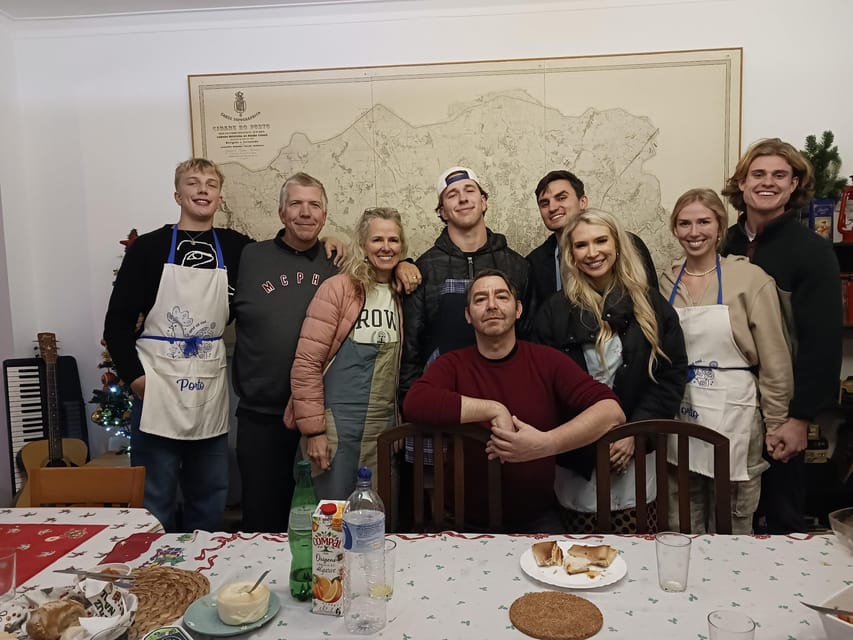
At $106 per person for about 3.5 hours, the price looks like more than a quick activity. But it earns its keep in three ways.
First, you’re paying for a full experience: market visit, cooking instruction, meal preparation, and wine pairing. You’re not just learning recipes in theory. You’re buying ingredients and turning them into dinner.
Second, the “from scratch” approach increases your learning value. Many cooking experiences include convenience components. Here, you learn techniques that transfer better to home cooking because you’re not stuck with a shortcut you can’t recreate.
Third, the small group size (max 8) is part of the value. It makes it easier for a guide like Nuno to answer questions, guide hands-on cooking, and handle dietary needs without turning the class into a factory line.
If you enjoy hands-on cooking, shopping like a local, and eating what you make, this tends to be a fair trade. If your priority is sightseeing by van or a hands-off photo walk, you might decide it’s more work than you want.
Who should book this Porto class (and who should skip it)
Book it if you want:
- A market-driven cooking experience instead of a restaurant dinner
- Hands-on Portuguese skills with a guide who connects food to culture
- A meal you made with local wine pairing
- A small group evening where you can ask questions while cooking
Skip it if:
- You need wheelchair access (it’s not suitable)
- You don’t want to cook or stand for much of the 3.5 hours
- You’d rather have transportation handled for you (it’s not included)
It’s also a good fit for couples and small groups who want a shared project with a real payoff at the table. The host’s home setting makes it feel less staged and more personal.
Should you book this Porto: cooking class with market shopping?
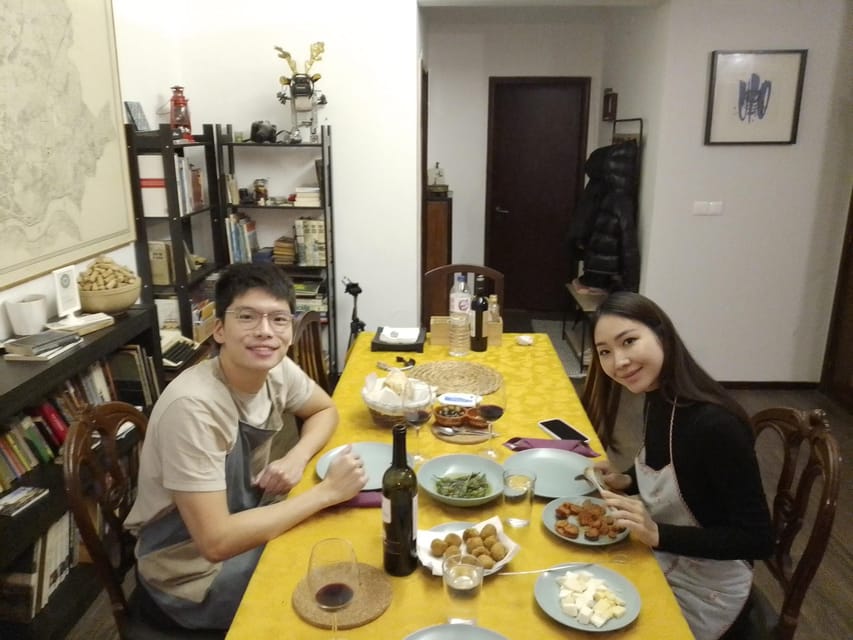
I’d book this if your goal is authentic Portuguese food learning that actually ends with a satisfying meal. The market-to-kitchen format is the reason it’s memorable: you shop with purpose, cook with confidence, and eat with the best kind of context.
If you’re price-sensitive, it still compares well because the class includes the ingredients workflow (market visit), the full menu cooking, and wine pairing. You’re paying for time, guidance, and a dinner you can’t easily replicate just by eating out.
Just be honest with yourself about the work level. This isn’t a sit-and-watch tasting. If you want to chop, taste, and learn, you’ll likely love it. If you prefer low-effort experiences, look for something more passive.
FAQ
FAQ
How long is the Porto cooking class?
It lasts about 3.5 hours.
Where does the experience start?
You meet at the host’s home and then go together to ingredient stops such as local grocery shops, a bakery, a street butcher, or an organic garden.
What’s included in the price?
Included are the local grocery shop visit, organic garden visit (where applicable in the experience), the cooking class, meal preparation, and wine pairing.
What’s not included?
Transportation to and from the meeting point isn’t included.
Is the cooking done with pre-prepared ingredients?
No. Everything is made from scratch. No frozen products and no pre-prepared ingredients are used.
Can dietary restrictions be accommodated?
Adaptations to most diets are possible. You should inform the instructor of any dietary restrictions in advance.
How big is the group?
It’s a small group limited to 8 participants.
Is the class suitable for wheelchair users?
No. It’s not suitable for wheelchair users.
What languages are used during the class?
The instructor speaks Portuguese and English.