REVIEW · PORTO
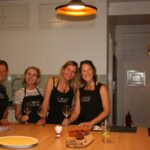
Shopping, cooking and eating together at my home in Porto
Book on Viator →Operated by Be My Guest In Porto · Bookable on Viator
This is a hands-on Porto gastronomy workshop where you shop for ingredients locally and then cook in your host’s home, not a classroom. I especially like the two-part flow: ingredient hunting (butcher/fishmonger/small organic garden) and then a real dinner where you’re tasting local wines as you cook. The one thing to consider: the meal is substantial, and on larger-group nights you may end up with more food than you planned for.
You’ll meet near public transport, take a short walk with the guide, and then choose whether you’re doing a lunch or dinner style workshop. If some recipes need prep work like marinades or soaking, the host handles that so your time is spent on the fun parts—shopping, cooking, tasting, and conversation.
In This Review
- Key things to know before you go
- Meeting Nuno Near Porto’s Transit Hub and Starting on Foot
- Shopping for Dinner Like a Local: Butcher, Fishmonger, and Market Stops
- Harvesting From a Small Organic Garden (and Why It Changes the Meal)
- The Home Kitchen Advantage: Cozy, Active, and Designed for Learning
- The Menu You’ll Cook: Portuguese Staples, Real Portions, and Choice
- Wine, Food Stories, and the Porto Connection You’ll Remember
- Pace and Timing: 3.5 Hours That Actually Feels Like an Evening
- Diets, Intolerances, and How Flexible Is This?
- Price and Value: What $90.51 Gets You in Real Life
- Who Should Book This Workshop in Porto
- Should You Book This Porto Cooking Workshop?
- FAQ
- What’s included in the Porto workshop?
- Do I get hotel pickup or drop-off?
- How do you decide what you cook, lunch or dinner?
- Is wine included, and is there an age limit?
- What happens if the group is bigger than 8 people?
- Can I cancel for a full refund?
Key things to know before you go
- Walk-and-shop start: You head out first to select ingredients at neighborhood shops before cooking
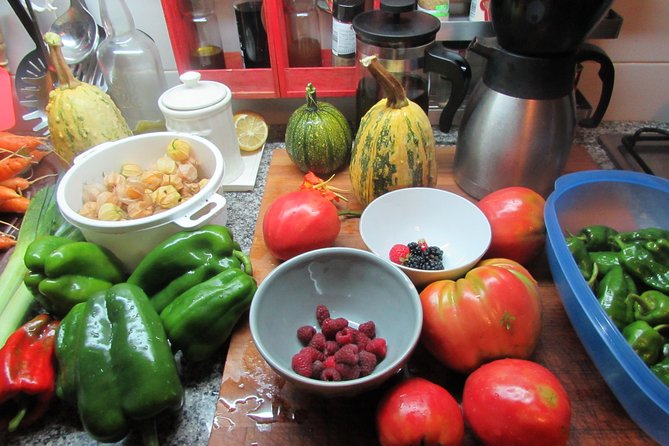
- Garden harvest: You may pick vegetables from a small organic garden on the way
- In-home kitchen time: You cook in the host’s home for a cozy, personal feel
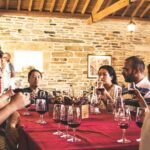
- Wine with the meal: You’ll sip local wines while appetizers and courses come together
- Choice of menu style: You can opt for a lunch or dinner workshop, with dishes centered on Portuguese staples
- Small-group adjustment: If the group is bigger than 8, the workshop moves to another location and is customized similarly
Meeting Nuno Near Porto’s Transit Hub and Starting on Foot
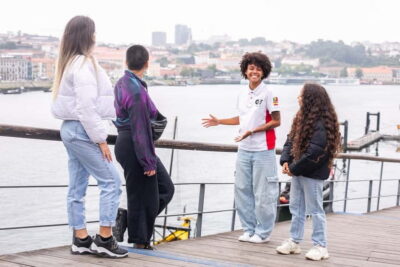
The experience begins at R. de António Enes 292, and the host meets you at a nearby Metro or Bus stop before you walk to the next step. That short walk matters more than it sounds. It gets you into the right rhythm—Portugal street-life first, cooking second—and it also sets you up to understand what you’ll be shopping for.
You’ll get an email ahead of time that helps you choose your meal focus. The host outlines traditional recipes either around Porto specifically or across Portugal, depending on your preference. It’s a small touch, but it helps you show up ready to participate instead of watching everything unfold.
Practical note: because you’re moving between shops and possibly a garden area, wear shoes that handle uneven sidewalks. And if you’re planning to drink wine, bring a valid ID—there’s a minimum drinking age of 18.
You can also read our reviews of more shopping tours in Porto

Shopping for Dinner Like a Local: Butcher, Fishmonger, and Market Stops
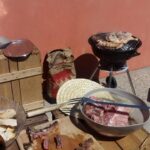
A big part of the value here isn’t just the cooking. It’s the guided shopping. Your host will pass places like a butcher, a fishmonger, or a supermarket, and you’ll learn what to look for when ingredients are the whole point.
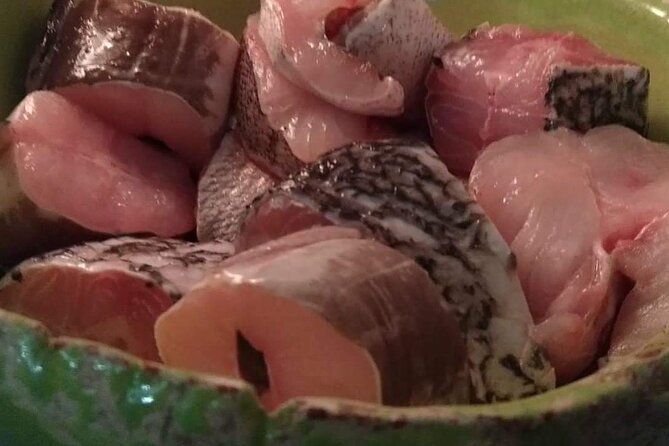
In practice, this means you get the logic behind Portuguese cooking. For many dishes, success comes from choosing the right base ingredients: fish quality for cod or seafood rice, the right meat for pork-and-clams style dishes, and the kind of aromatics that show up across Portuguese households.
A real bonus: the shopping time turns into mini-lessons. One of the most praised aspects of the host is how he connects food with place—so you’re not just buying groceries, you’re learning how Portuguese cooks think. That’s especially helpful in Porto, where seafood, olive oil, and custard desserts are not “tourist highlights.” They’re everyday building blocks.
If a recipe needs ingredients that aren’t fully sorted yet, the host may take you into shops to grab what’s missing. Some prep steps like soaking or marinades might already be underway, so don’t worry if not everything is fresh-from-zero. Your role is still hands-on where it counts.
Harvesting From a Small Organic Garden (and Why It Changes the Meal)
On the way, you’ll also see a small organic garden and have the chance to harvest some vegetables. Even if you’ve done garden visits elsewhere, the twist here is timing: you pick ingredients while you’re walking toward the kitchen, then you cook them into the meal you’re about to eat.
That connection—hand to bowl—helps you understand what makes Portuguese cooking feel practical and seasonal. It’s not kitchen theater. It’s using what’s available, and it adds a satisfaction boost that you’ll feel when you taste the final courses.
Don’t assume you’ll harvest a huge basket. The setup sounds intentionally small and friendly for a group. But even a modest contribution makes the dinner feel personal.
The Home Kitchen Advantage: Cozy, Active, and Designed for Learning

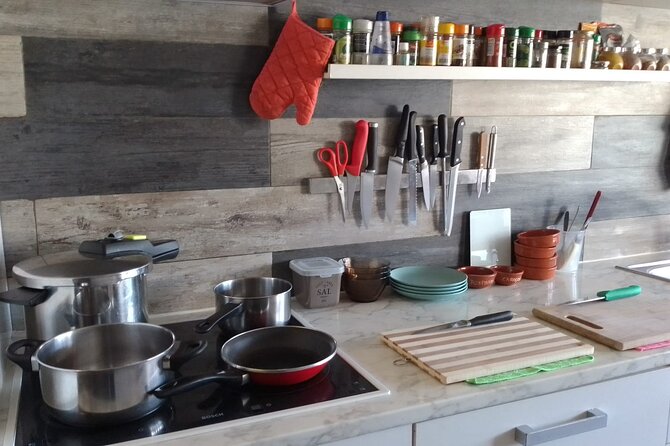
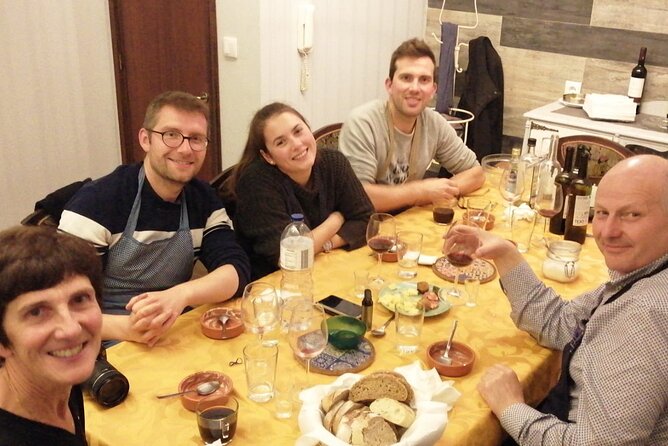
You’ll arrive at your host’s home and get started cooking. This is where the workshop really separates itself from many “cook with us” classes. You’re not standing in a demo kitchen. You’re in a working home space, and you get explanations and cooking tips as you go.
The flow usually looks like this:
- You taste appetizers while the cooking ramps up
- You enjoy drinks (including local wine) during the meal preparation
- You then move into the main course(s)
- After dessert, you can have a cup of coffee before wrapping up
That coffee stop isn’t random. It’s a social landing point—time to ask questions, talk about Portuguese food culture, and soak in what you just learned.
One more detail worth noting: if the group is larger than 8 people, the workshop shifts to another location while keeping the experience customized in a similar way. So you still get the guided cooking, but you’re not guaranteed the exact same “small living-room kitchen” feel in every scenario.
The Menu You’ll Cook: Portuguese Staples, Real Portions, and Choice
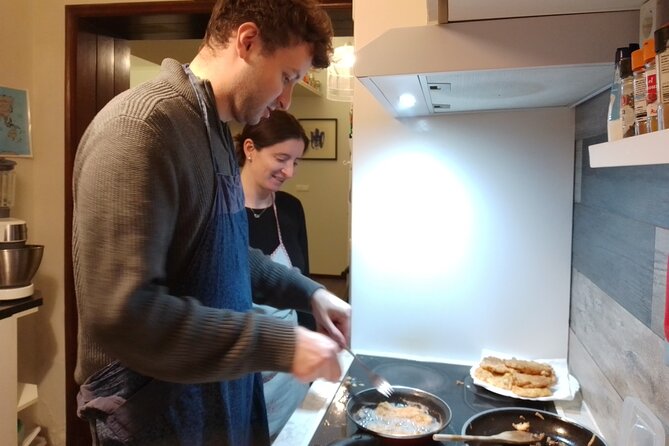
Your menu is built around traditional Portuguese dishes. You’ll choose lunch or dinner style, and the host works within that to tailor what you cook based on the recipes shared in advance.
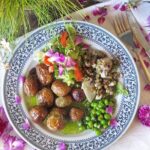
A sample menu includes:
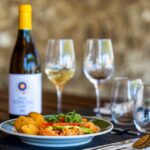
- Starter: olives, cheese, roasted chourizo
- Main: options such as pork with clams, Portuguese-style pork, cod, or seafood rice
- Dessert: custard
Those aren’t random picks. They represent core Portuguese patterns:
- Pork and seafood are common partners, especially when you’re aiming for comfort and depth
- Cod shows up across regions because it’s adaptable and holds flavor well
- Custard-based desserts are a Portuguese signature, and learning the method is often more useful than learning a single “recipe” you’ll never repeat
Based on how the host teaches, you’re not just assembling a plate. You’re learning technique. That includes the kind of practical steps that matter for seafood and sauces, plus how to balance flavors so the dish tastes like a Portuguese home meal—not like something you made once and forgot.
And yes, there’s a lot of food. More than one person noted they couldn’t believe how much was served, especially when groups were combined. If you’re the type who likes to snack-light on vacation, plan to eat a normal dinner the day of this class.
You can also read our reviews of more cooking classes in Porto

Wine, Food Stories, and the Porto Connection You’ll Remember
Wine in this workshop isn’t an afterthought. You’ll sip local wines while you cook, and you’ll also get conversation that connects wine, ingredients, and Portuguese culinary culture.
What I like about this approach is that it stays grounded. You’re not just told facts while your hands are idle. The stories land while you’re tasting and working, so the lessons stick.
Expect a mix of:
- Portuguese history tied to food traditions
- Regional context for the dishes you’re making
- Talk that can also touch on other art-and-culture topics that connect to Porto
One reviewer even mentioned details about Portuguese tiles, which signals the host’s broader interest in local culture. That may not be the exact topic every night, but it’s a strong hint about the style: conversation with substance, not a canned lecture.
Also, one participant pointed out that the after-dinner digestif they tried wasn’t the same thing as port. If you’re a fan of trying something new, this kind of finish is part of the fun.
Pace and Timing: 3.5 Hours That Actually Feels Like an Evening
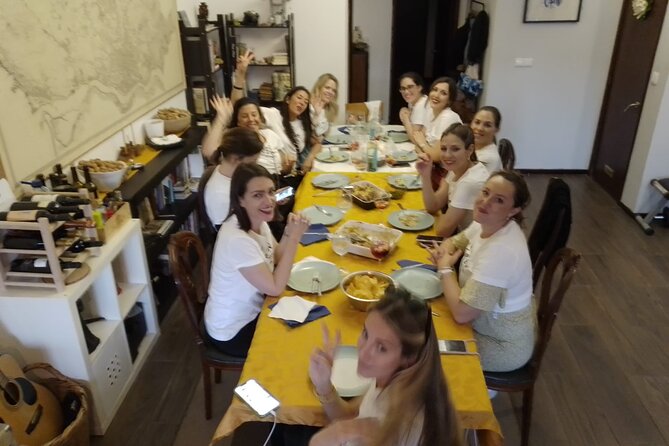
The workshop runs about 3 hours 30 minutes. The pace is designed around your group size and how much prep the kitchen needs.
Here’s the practical timeline logic:
- Early time: walk + shopping + possible garden harvest
- Middle time: cooking with guided steps and tastings
- Later time: main courses and dessert
- Ending: coffee and wrap-up conversation
Because there’s shopping and then a multi-course meal, you’ll likely feel like you spent an entire evening out—even though the total duration is under four hours. That makes it a great anchor activity for your Porto days.
Diets, Intolerances, and How Flexible Is This?
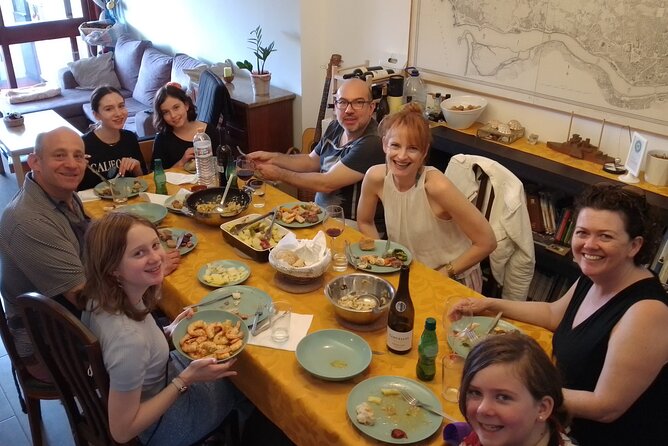
The workshop format supports group learning, but it also allows for adjustments. At least one participant mentioned the host accommodated food intolerances and prepared options so they could enjoy the meal without feeling left out.
Best move: message the host with dietary needs early, and be explicit about what you can’t eat. Since the class includes shopping and cooking from selected ingredients, clarity upfront helps avoid problems later.
Price and Value: What $90.51 Gets You in Real Life
At $90.51 per person, you’re paying for far more than chopping vegetables. You’re getting:
- A guided gastronomy workshop with a local host
- Ingredient shopping support (including specialty areas like fish-focused stops)
- Possible harvest time from an organic garden
- A full meal structure: appetizers, a main course selection, dessert
- Food tasting and snacks
- Local wine during the meal
- Coffee at the end
When cooking classes are cheaper but pay for themselves only in instruction, you still leave hungry and learning feels partial. Here, the pricing makes more sense because the meal is a core part of the product, not an add-on.
So if you like hands-on travel, this price often works out as good value compared with spending the same evening hopping between restaurants and tours.
Who Should Book This Workshop in Porto
This is a great fit if you want:
- A home-cooked Portuguese meal with guidance
- A real look at how ingredients are chosen in Porto neighborhoods
- A friendly evening with wine, food, and conversation
- To learn techniques you can repeat later (not just eat your way through Porto)
It’s especially strong for couples and small groups who enjoy cooking and talking. It also works well for families, since the experience is hands-on and engaging.
If you dislike markets and don’t enjoy walking between shops, you might find the shopping segment less fun. But even then, the in-home cooking portion is usually the payoff.
Should You Book This Porto Cooking Workshop?
I’d book it if you want an authentic Porto experience that feels like dinner with a local friend who actually teaches you how to cook. The combination of ingredient shopping, garden harvest, wine, and a structured meal is a real package.
I’d think twice if:
- You don’t want a large amount of food served in courses
- You’re very focused on a quiet, low-interaction activity
- You’re counting on getting recipe notes after the class. One participant reported that recipes were promised but not sent, so if recipes matter to you, ask directly during the workshop and follow up.
If you like your travel experiences practical, social, and tasty, this one hits the mark.
FAQ
What’s included in the Porto workshop?
You’ll get food tasting, snacks, and a local guide, plus wine as you cook and coffee at the end. The workshop includes appetizers, a main course selection, and dessert.
Do I get hotel pickup or drop-off?
No. There’s no hotel pickup or drop-off. The host meets you near public transportation, then you walk to the cooking location.
How do you decide what you cook, lunch or dinner?
You can choose between a lunch or dinner workshop. Before the activity, the host sends details by email about traditional recipes (either Porto-focused or countrywide), so you can decide what to have.
Is wine included, and is there an age limit?
Local wines are part of the experience. The minimum drinking age is 18.
What happens if the group is bigger than 8 people?
If the group exceeds 8, the workshop runs in a different location, but it’s still customized in a similar way.
Can I cancel for a full refund?
Yes. You can cancel for a full refund up to 24 hours before the experience starts.