REVIEW · PORTO
Porto Private Food & Wine Walking Tour with Market & Tastings
Book on Viator →Operated by Oporto & Douro Moments · Bookable on Viator
Porto tastes better when you walk it. This private food-and-wine route strings together landmark Porto sights with small, frequent tastings, so you get both context and something to eat at every stop. I like that it’s timed like a real stroll through the city center, not a rushed bus tour, and you also get an accredited guide to explain what you’re tasting.
I especially like two things: the mix of iconic Porto flavors (think canned fish with green wine, pastel de nata, and ginja in a chocolate cup) and the way the tour includes hands-on learning, like an olive oil workshop paired with cheese, charcuterie, crackers, dry fruits, and Douro DOC wine. One consideration: it’s still a walking tour, so plan for time on your feet, and note that Mercado do Bolhão is closed on Sundays and holidays, meaning the day’s tastings may be adjusted.
In This Review
- Key Highlights You Should Not Miss
- Price and What You’re Really Paying For
- Meeting at São Bento: Tiles, Legends, and Northern Wine Clues
- Mercado do Bolhão: Local Rhythm and Tastings That Feel Real
- Mariquinhas and Manteigaria: Two 15-Minute Stops, Big Flavor Payoff
- Rua das Flores: Small Tastings, Clear Focus on Ingredients
- Praça do Infante Dom Henrique: Olive Oil Workshop with Douro DOC Pairing
- The Menu Logic: How the Tastings Fit Together
- Who This Tour Fits Best (and Who Might Want Another Option)
- Dietary Options and Practical Comfort
- Should You Book This Porto Food & Wine Walking Tour?
- FAQ
- How long is the Porto Private Food & Wine Walking Tour with Market & Tastings?
- Where do we meet, and where does the tour end?
- What tastings and experiences are included?
- Is the Mercado do Bolhão open every day?
- Can I get vegan, vegetarian, or pescatarian options?
- Is the tour private and offered in English?
Key Highlights You Should Not Miss
- São Bento station murals first: the tile panels connect Portuguese history to northern wine regions.
- Bolhão market tastings: canned fish with green wine plus olives and lupins.
- Ginja in a chocolate cup: a sour cherry liqueur with a family recipe history.
- Pastel de nata watch-and-learn: see how the cream gets filled with precision.
- Rua das Flores mini tastings: DOP and organic fruit flavors paired with Portuguese wines and herbs.
- Olive oil workshop at Praça do Infante: extra virgin olive oil tasting with a Douro DOC finish.
Price and What You’re Really Paying For
At $210.04 per person for about 3 hours 30 minutes, this tour isn’t just a snack crawl. You’re paying for a guide who keeps the story going as you move, plus multiple stops inside specialty food spots where the tastings are part of the experience (and not an afterthought).
Because it’s a private tour, you’re not competing with a big crowd for attention at each counter. That matters with food tours, where small differences in ingredients and technique are the whole point. If you’re traveling as a couple or a small group, the private format also tends to feel like better value than shoehorning everyone into a large group schedule.
If you’re the type who hates standing around, you’re in luck: this route is built around short tasting windows (often 15–20 minutes) rather than long, passive waits. Just keep in mind that the day can run a little long if you ask questions, savor slowly, or enjoy the market-style pacing.
You can also read our reviews of more walking tours in Porto


Meeting at São Bento: Tiles, Legends, and Northern Wine Clues
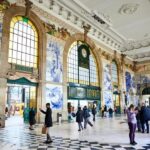
You start at Porto São Bento, at the interior clock in São Bento Railway Station. This stop is more than a cute photo moment. The walls are covered in multicolored tile murals that portray moments in Portuguese history, plus rural scenes showing people from different regions—and even the two wine regions in northern Portugal.
Your guide also connects the nickname Tripeiros (locals from Porto) to a legend tied to the conquest of Ceuta in 1415, with Infante D. Henrique as a key figure. That’s a fun pivot from tiles on the wall into something bigger: how Porto became Porto, and why the city’s identity is tied to both seafaring and the north’s agricultural economy.
A practical bonus: the station is in Porto’s Historic Centre, a UNESCO World Heritage Site and a Portuguese national monument. You’re getting value before you even take a sip of wine.
What to watch for: this is a busy station area, so keep your phone in your pocket while you listen. The murals reward slow looking, and the route works best when you don’t rush the first stop.
Mercado do Bolhão: Local Rhythm and Tastings That Feel Real
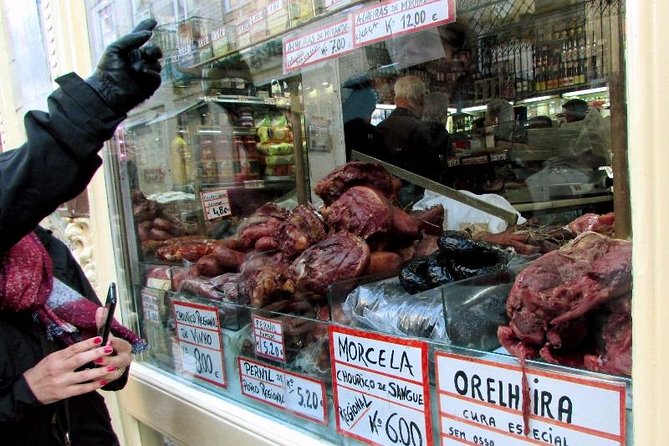
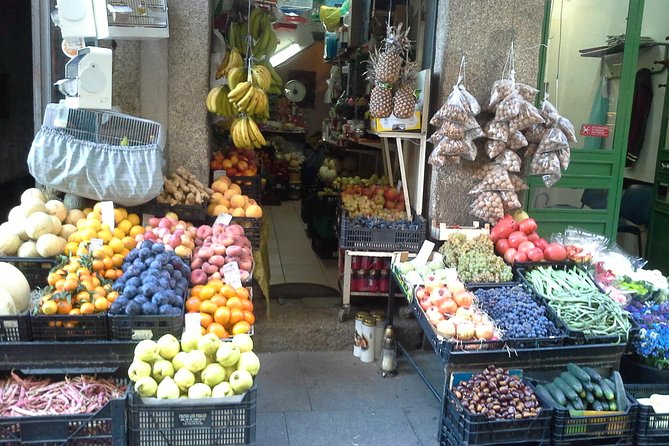
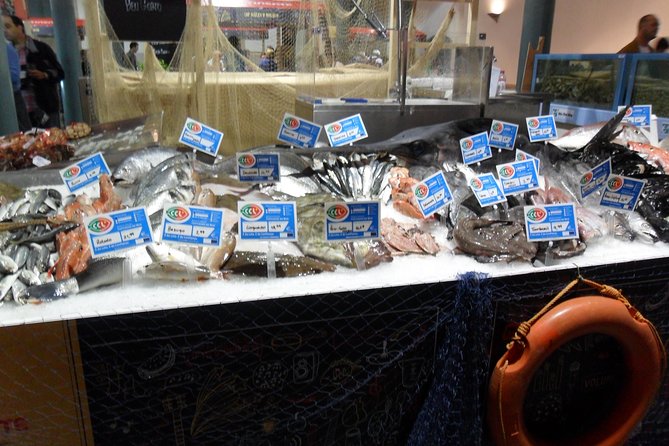
Next comes Mercado do Bolhão, a market that opened to the public in 1914 and now specializes in meat, fish, fruit, flowers, vegetables, and those colorful everyday ingredients you don’t always spot on restaurant menus. It’s also recently renovated, so it feels used by locals today, not staged like a museum.
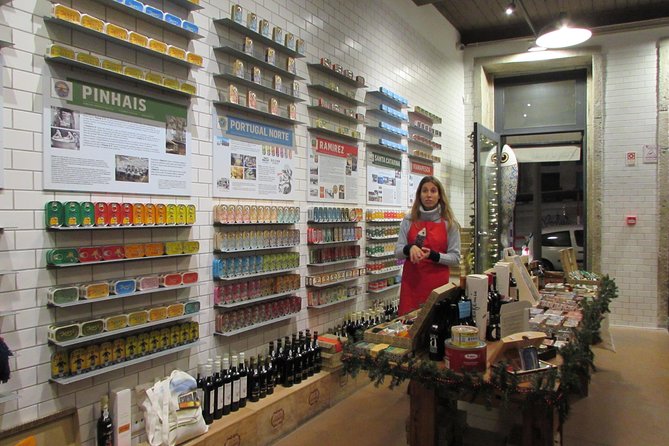
This stop is where the tour leans hard into classic Porto flavors. You taste canned fish (with green wine), plus olives and lupins. The guide frames these as traditional dishes with culture and history behind them, which helps the food make sense beyond taste alone.
One smart thing here: green wine is the kind of pairing that works with salty, small bites. If you like food that’s briny, tangy, and easy to snack on, this is one of the best parts of the route.
Important timing note: the market is closed on Sundays and holidays, and the tour adapts. That doesn’t mean you’re left without tastings—it means you’ll follow a plan that works for the day. If you’re booking for a Sunday, I’d still choose comfy shoes and keep expectations flexible.
Mariquinhas and Manteigaria: Two 15-Minute Stops, Big Flavor Payoff
After the market, the route shifts to two short stops that pack serious Porto identity.
At Mariquinhas Experience Porto, you’ll experience sour cherry liqueur (ginja) served in a chocolate cup. This is one of those pairings that sounds simple but works because the chocolate rounds out the tartness. Your guide also explains that the recipe is a family and local story and has reportedly remained untouched for two centuries. Even if you’re not a drink person, this is a great flavor contrast: sweet, bitter, sour, and creamy in one bite.
Then it’s Manteigaria, where you try pastel de nata with coffee. The key here is that you don’t just eat it and move on—you watch the process. You see how the dough is shaped into molds and filled with cream with extreme precision, including placing the cream right up to the edge.
Why this works on a walking tour: pastel de nata is best when you understand it. It’s not just dessert; it’s technique. If you’ve ever had an inconsistent pastel (too soggy, too dry, too sweet), watching the method gives you a new baseline for what good should taste like.
Rua das Flores: Small Tastings, Clear Focus on Ingredients
At Rua das Flores, you get several small tastings that highlight Portuguese raw materials, including flavors linked to DOP (protected designation of origin) and organic fruits, alongside Portuguese wines, aromatic herbs, and spices.
This stop can feel like a reset between heavier bites. You’re still tasting, but the style is different: less about one iconic item and more about exploring how Portuguese ingredients build flavor layers.
I like this part of the route because it teaches you how to shop and order afterward. When you know which product category a flavor came from—DOP cheese styles, particular fruit notes, or herb-and-spice blends—you’ll make more confident choices in restaurants and specialty stores later.
You can also read our reviews of more food & drink experiences in Porto


Praça do Infante Dom Henrique: Olive Oil Workshop with Douro DOC Pairing
The final tasting-heavy stop is at Praca do Infante Dom Henrique, where you do an olive oil workshop featuring extra virgin olive oils. If you’ve ever tasted olive oil that seemed sharp, bland, or one-note, a guided tasting helps you understand what you’re actually noticing—fruitiness, bitterness, and peppery notes—rather than just rating it like it’s a single flavor.
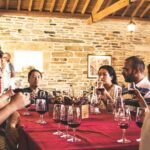
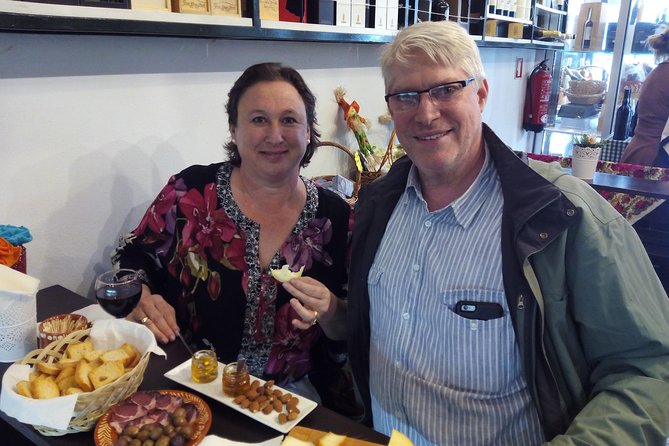
You pair the oils with a cheese and charcuterie board, plus olive oil crackers and dry fruits. Then the tour adds Douro DOC wine to round out the pairing. This part matters because it moves you from snack mode into a more structured food pairing experience—salty meats and cheeses, crunchy crackers, and fruit notes all play well with olive oil and Douro wine styles.
Timing note: this stop is the longest tasting window at about 45 minutes, which gives your feet a chance to slow down a bit near the end of the walk.
And there’s a nice finish point: the tour ends at Infante Square near the Stock Exchange, so you’re not dumped into a random neighborhood. You stay in the heart of the action, with easy onward options.
The Menu Logic: How the Tastings Fit Together
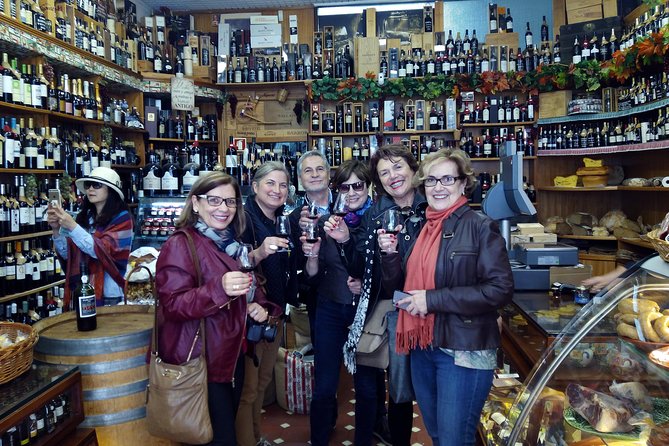
The sample menu tells you a lot about the tour’s thinking. You start with canned fish tastings (four premium options you choose), served with crisp green wines. That sets the salty, ocean-adjacent foundation early, when your palate is freshest.
Then you move into olives and lupins, followed by the olive oil workshop and guided degustation style tasting. After that, you get sausages and artisanal cheeses—smoked sausages and cheeses harmonized with rich Douro wines. Dessert is freshly baked pastel de nata with aromatic coffee, and the final sweet-and-tart note is ginja liqueur in a chocolate cup.
In plain terms: you cycle through salty, savory, creamy, and tart/sweet. You’re not stuck only eating heavy dishes. It’s also why the tour works for different levels of wine comfort. Even if you’re not chasing wine like a hobby, the tastings come with enough non-wine anchor flavors to keep things enjoyable.
Who This Tour Fits Best (and Who Might Want Another Option)
This tour is a great match if you:
- want Porto food that feels local and specific, not just “tourist tapas”
- like learning while you eat, especially when the guide explains legends and ingredient choices
- enjoy a private setup, where your questions don’t get lost in a crowd
It’s also a strong choice for couples who want a “date with structure,” since it ends near the Stock Exchange area where you can keep wandering afterward.
You might want to think twice if you hate walking. Even though most stops are short, the total time outdoors adds up. Also, if you dislike wine entirely, you’ll still eat plenty (pastel de nata, ginja, cheeses, and other items), but the tour’s pairing style is central—especially with green wine and Douro DOC wine included.
Dietary Options and Practical Comfort
Good news: the tour offers dietary options such as vegan, vegetarian, and pescatarian. That’s important because food tours often struggle with substitutions, especially around market-style tastings. Here, the menu framework clearly leaves room for swaps.
Also helpful: it’s offered in English, and it includes a mobile ticket. You’re close to public transportation, and service animals are allowed, so the practical side is covered.
My one comfort tip: bring comfy shoes. This is a walking tour that builds momentum stop to stop. You’ll enjoy it more if your feet don’t start negotiating with you halfway through.
Should You Book This Porto Food & Wine Walking Tour?
I’d book it if you want an organized Porto taste route that starts at a true landmark (São Bento) and ends with a focused workshop (olive oil) rather than a scatter of random bites. The price can look high until you see what’s included: multiple tasting venues, guided explanation, green wine and Douro DOC pairings, and Porto staples like pastel de nata and ginja.
I’d hesitate only if you’re extremely sensitive to walking time or you’re traveling on a day when you desperately need the Bolhão market itself. On Sundays and holidays, the tour adapts, so you’re not losing the day—but the market experience is not guaranteed to be exactly the same.
If you like food with stories and you want a private, no-stress way to learn Porto’s flavor basics, this is an easy yes.
FAQ
How long is the Porto Private Food & Wine Walking Tour with Market & Tastings?
It runs for about 3 hours 30 minutes.
Where do we meet, and where does the tour end?
You meet at Porto São Bento (Praça de Almeida Garrett, 4000-069 Porto) and the tour ends at Praça do Infante D. Henrique near the Stock Exchange.
What tastings and experiences are included?
You can expect canned fish tastings with green wines, olives and lupins, an olive oil workshop with a cheese and charcuterie board, olive oil crackers and dry fruits paired with Douro DOC wine, pastel de nata with coffee, and ginja liqueur served in a chocolate cup.
Is the Mercado do Bolhão open every day?
No. The market is closed on Sundays and holidays, and the tour adjusts those tastings accordingly.
Can I get vegan, vegetarian, or pescatarian options?
Yes. Dietary options are available, including vegan, vegetarian, and pescatarian.
Is the tour private and offered in English?
Yes. It’s a private tour/activity with only your group, and it’s offered in English. Service animals are allowed as well.