REVIEW · PORTO
Porto: Pastel de Nata Cooking Class with Port Wine – Sé
Book on GetYourGuide →Operated by Domus Arte · Bookable on GetYourGuide
Custard tarts, port wine, and a short history lesson. This Porto class is a fun, practical way to learn the real technique behind pastel de nata, without turning your afternoon into a stress test.
I like that you get step-by-step guidance and keep jumping into the process (not just watching). I also like the balance: the workshop focuses on the custard and baking, but you still leave with the recipe for the tarts and puff pastry to recreate it at home.
One thing to consider: the puff pastry is pre-prepared for time reasons, so if you want to roll every single sheet of dough yourself, this won’t feel like a full-from-scratch bakery day.
In This Review
- Key things that make this class worth your time
- Domus Arte in Downtown Porto: Where the oven timing matters
- The 1.5-hour flow: what you’ll do at each stage
- Quick welcome and pastel de nata context
- Custard: your main skill-building moment
- Assembling and baking
- Enjoy on site, take away the rest
- Custard technique you can actually repeat at home
- The famous bakery story: from Lisbon origins to Porto plates
- Port wine, snacks, and the social pace you’ll appreciate
- What you take home: recipe cards and a pastry box
- Price and value: is $41 fair for an extra Porto activity?
- Dietary needs and practical constraints
- Who should book this pastel de nata workshop, and who might skip
- FAQ
- How long is the Pastel de Nata workshop in Porto?
- Where does the class meet?
- What language is the instructor?
- Is port wine included?
- Can I take the pastries home?
- Are dietary options available?
- Is the class stroller accessible, and are pets allowed?
- Is it suitable for young children or wheelchair users?
- Should you book this Porto pastel de nata class with port wine?
Key things that make this class worth your time
- Hands-on turns throughout so you’re actively making, not just tasting
- Custard technique focus with clear instructions for how it should look and feel
- Port wine and snacks while the oven does its job
- History in plain language from Lisbon origins to nationwide fame
- Take-home box plus an exclusive recipe for tarts and puff pastry
- Dietary options available on request (lactose-free, gluten-free, vegan)
Domus Arte in Downtown Porto: Where the oven timing matters
The workshop takes place at Domus Arte, a concept store and hands-on space in downtown Porto. If you’re already planning to spend time near the Porto Cathedral or around São Bento station, this is a convenient add-on that doesn’t require a long ride across town.
What makes the venue feel special is the setting. You’re in a place dedicated to handmade products, workshops, and art exhibitions, so the vibe leans toward craft and process rather than a showroom-style food demo. It’s the kind of environment where it makes sense to ask questions while you work.
Even before baking starts, you’ll notice the pace. This is built as a short, focused class: 1.5 hours, English instruction, and a setup where you keep moving through the stages of the tart. That matters because pastel de nata is all about technique and timing, not just ingredients.
You can also read our reviews of more cooking classes in Porto


The 1.5-hour flow: what you’ll do at each stage
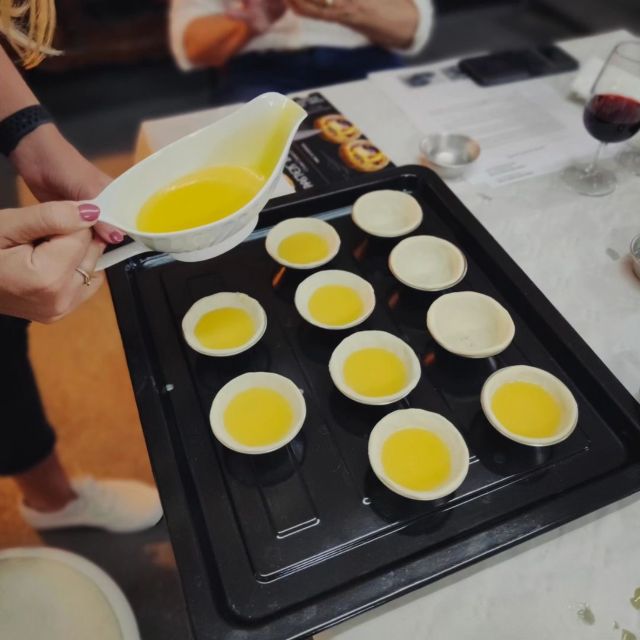
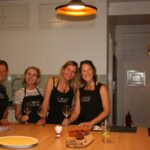
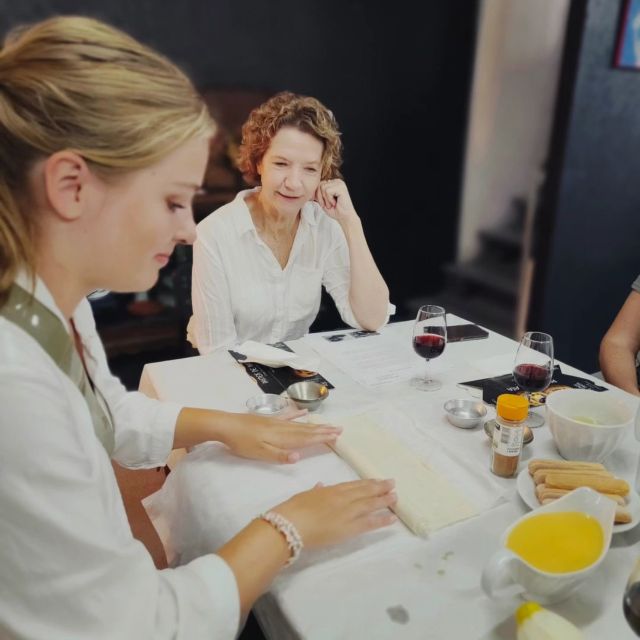
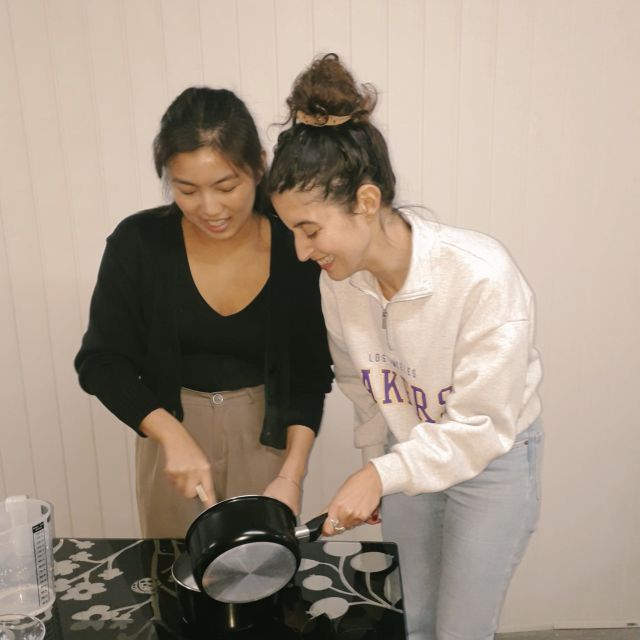
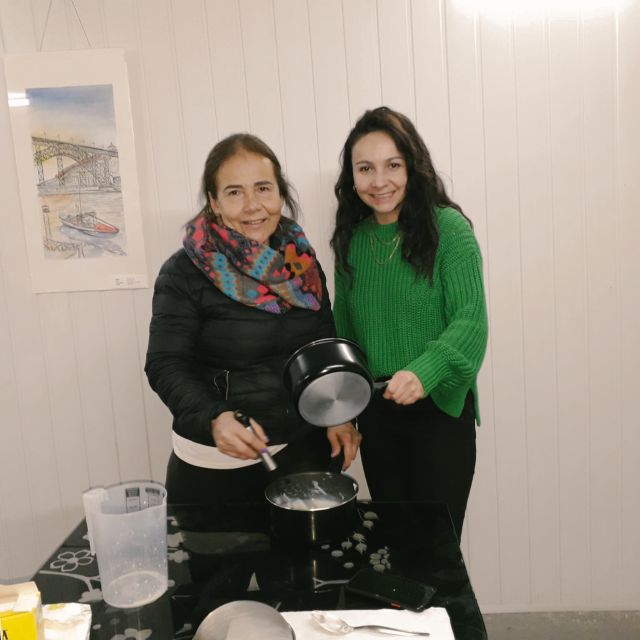
This isn’t a “sit back and watch” class. The core setup is a shared group workflow where participants take turns at different steps. You’ll follow a clear process under the instructor’s direction, and you’ll get hands-on time with the custard filling and assembly before baking.
Here’s the rhythm you can expect:
Quick welcome and pastel de nata context
You start with an accessible introduction to pastel de nata’s story in Portugal. The class covers its roots in Lisbon and how it evolved into one of the country’s best-known pastries. This short history piece is helpful because it gives the tart a place in the culture, not just a list of steps.
Custard: your main skill-building moment
Most of the work is centered on the custard. You’ll get guidance on how to prepare the filling and how to handle it so it bakes into that signature creamy-set texture people chase.
The workshop is also designed to feel doable. Even if you’re not a confident baker, you’re given technical cues throughout—how to mix, how to pour, and what to aim for as it goes into the oven. Reviews highlight that instructors keep things interactive and error-proof, and the structure of the class supports that.
Assembling and baking
After the custard step, you’ll move into assembling the pastries for baking. The puff pastry itself is pre-prepared, so your main role is filling and getting the tarts ready for the oven.
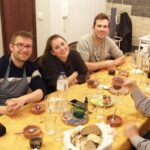
Then comes the waiting part, but it’s not a boring pause. This is when the class feels like a social afternoon: you’ll enjoy port wine plus other drinks and a selection of sweet and savory snacks while the tarts bake.
You can also read our reviews of more wine tours in Porto





Enjoy on site, take away the rest
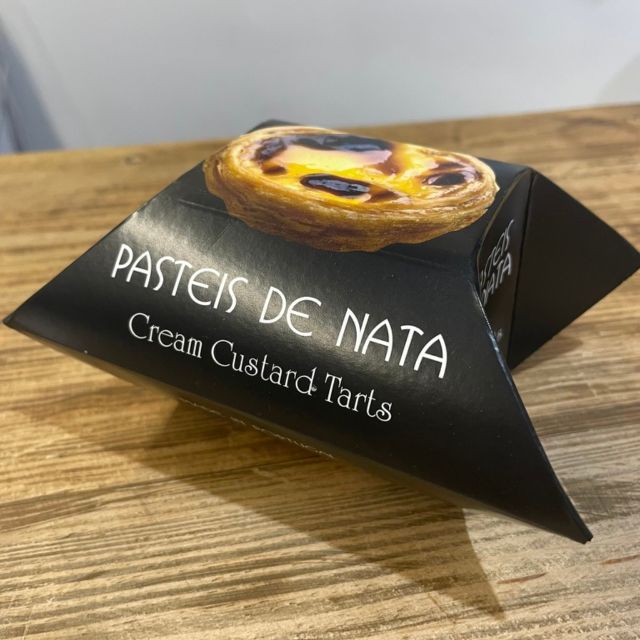
When the tarts come out, you can enjoy your pastel de nata right there. You’ll also leave with pastries to take home in a paper box, plus the recipe to recreate it later. That take-away piece is big for value: you get both the experience and the payoff.
If you want full individual participation in every stage, the class notes that you should ask about a private workshop option. That’s the route if you want to do every step yourself without sharing turns.
Custard technique you can actually repeat at home
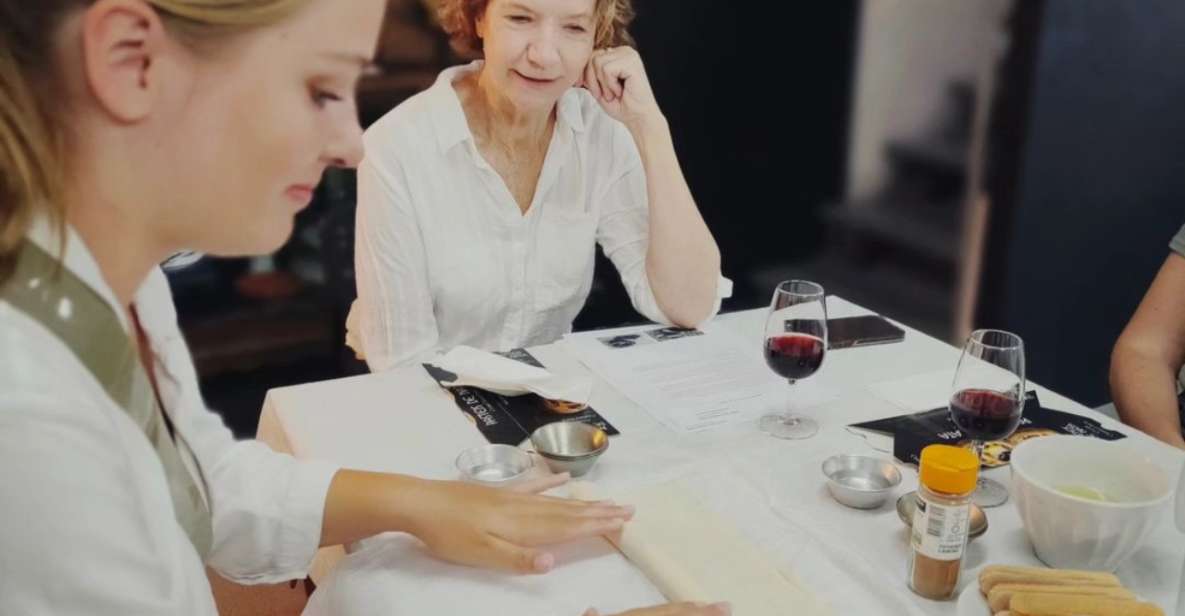
Pastel de nata lives or dies on the custard. In this class, you’re not just learning what to do—you’re learning the why behind the technique.
You’re taught step-by-step methods for making the custard filling and preparing it for baking. Since the puff pastry is already handled, the workshop concentrates on the variable that changes most between home attempts: the custard consistency and how it behaves in the oven.
Here’s what you should pay attention to when you’re working:
- Mixing and pouring: your goal is an even custard texture before it hits the pastry
- Confidence with the baking step: the instructor’s guidance helps you understand what’s happening as the tarts transform
- How to recognize success: the class is set up so you’re not guessing when the custard is ready
One more practical bonus: you don’t just get a flavor profile. You get a house-made recipe and instructions designed to help you recreate the Portuguese classic later. Many classes stop at “here’s the taste.” This one pushes you toward results.
The famous bakery story: from Lisbon origins to Porto plates
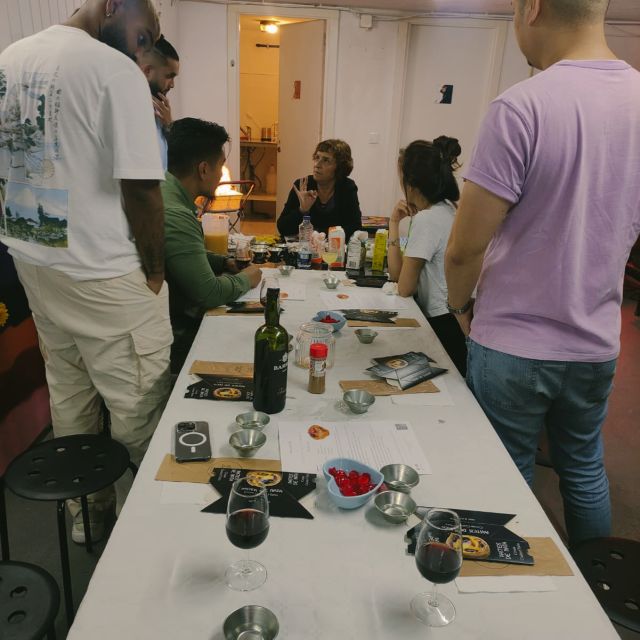
You’ll get more than a cooking lesson. The class includes a short intro to the history of pastel de nata—origin in Lisbon and how it became a nationwide icon. It’s not a long lecture, and it won’t derail the baking time.
In my view, that kind of context is worth it because it changes how you eat the pastry. You’re not just tasting sugar and custard; you’re tasting a tradition that spread beyond its original city. When the instructor explains it in a simple, approachable way, it sticks—and it makes your Porto meal feel more connected to Portugal.
And while the oven is working, the workshop keeps you in the story through the vibe: relaxed, social, and very hands-on. The drinks and snacks aren’t an afterthought. They keep the energy up during the “active waiting” period that every baking class has.
Port wine, snacks, and the social pace you’ll appreciate
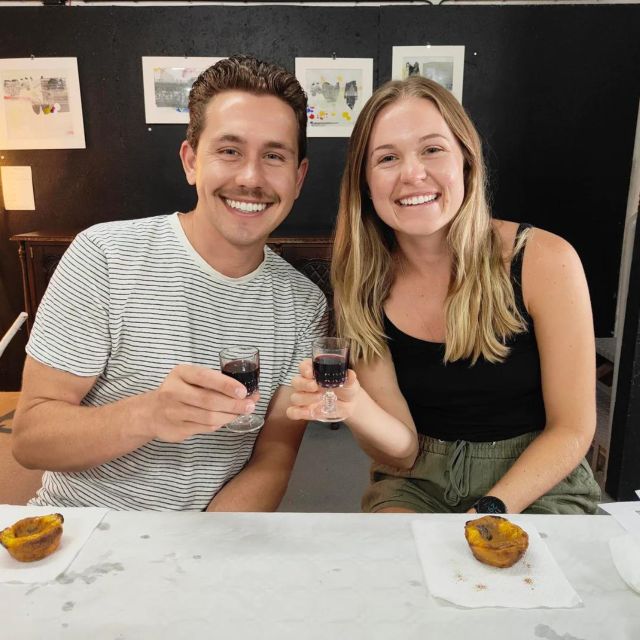
This is one of the nicer touches: port wine is included, along with juice, water, and coffee. You’ll also get a selection of sweet and savory snacks during the workshop.
Timing-wise, it works well. When the pastries are baking, you’re not stuck doing nothing. You’re sipping, chatting, and enjoying the atmosphere while everyone watches the final stage come together. It makes the class feel like an activity, not a chore.
Because the instruction is in English and the process is structured, it also tends to be easy to join in even if you’re traveling solo. The workshop is designed so different people can participate without needing to be advanced bakers.
What you take home: recipe cards and a pastry box
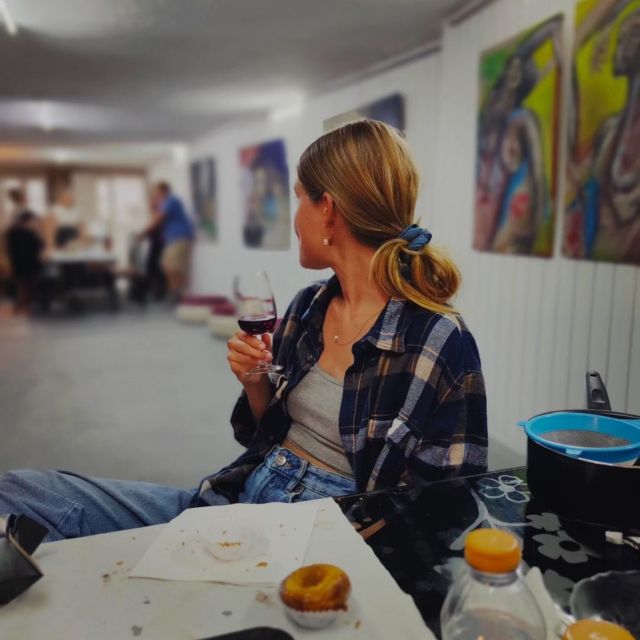
You’ll leave with several pastel de nata that you can eat on site or take away. The workshop includes a transport box, which is genuinely useful. Fresh custard tarts are delicate, and having a proper box increases your odds of enjoying them later instead of carrying crumbs.
The other big value item is the recipe. You receive an exclusive recipe for the tarts and puff pastry. One key detail: since the puff pastry is pre-prepared during the class, the recipe is there so you can recreate it at home. The reason given is practical: the puff pastry takes several hours to be ready for use, and that’s exactly why the workshop focuses your time on custard and baking.
So you should think of the workshop as two parts:
- Learn the custard and baking technique right now.
- Use the recipe to tackle the longer puff pastry process when you’re not on vacation time.
If you like the idea of baking on your next cold morning at home, this class gives you the blueprint.
Price and value: is $41 fair for an extra Porto activity?
At about $41 per person for roughly 1.5 hours, you’re paying for more than ingredients. You’re paying for:
- a guided, step-by-step process
- technical instruction focused on a tricky part (custard behavior in baking)
- oven time handled during the class
- drinks and snacks (including port wine)
- take-home pastries plus a take-home recipe
- all ingredients included
If you’ve ever tried to learn a specialty pastry from a video and then realized you’re missing technique cues, you’ll understand why guided classes cost what they cost. The value here is that you get hands-on practice, not just a tasting.
Also, the class is set up to be active for a wide range of ages, which can make it a strong choice if you’re traveling with family. It’s not for kids under 3, but for many groups it’s an easy shared activity.
Dietary needs and practical constraints

This workshop is accommodating on paper. Lactose-free, gluten-free, and vegan options are available upon request, but you need to give advance notice and the team confirms based on preparation ability.
A couple of practical notes to plan around:
- No smoking indoors.
- The class is stroller accessible.
- The activity notes say it is not suitable for wheelchair users, but Domus Arte has a second location that is wheelchair accessible. If mobility access is a concern, it’s smart to contact the team ahead of time.
Also, pets are allowed. That can matter if you’re traveling with an animal and want an activity that won’t force you into a split plan.
Who should book this pastel de nata workshop, and who might skip
Book it if:
- you want a hands-on food experience in Porto that’s short and structured
- you care about technique, not just sweets
- you want to drink port wine in a setting that feels local and social
- you like the idea of bringing home both pastries and an exclusive recipe for making them again
It might not be your best match if:
- you want a full, from-scratch puff pastry day (the dough is pre-prepared)
- you need wheelchair-accessibility at this specific workshop setup (the notes indicate it’s not suitable, though a different location exists)
For most visitors, though, it’s a high-return way to spend an afternoon: you get practical skills, a cultural mini-lesson, and a take-home reminder of Portugal’s most famous custard tart.
FAQ
How long is the Pastel de Nata workshop in Porto?
It lasts about 1.5 hours.
Where does the class meet?
The workshop takes place at Domus Arte in downtown Porto, near Porto Cathedral and São Bento station.
What language is the instructor?
The instructor teaches in English.
Is port wine included?
Yes. The drinks included are port wine, juice, water, and coffee.
Can I take the pastries home?
Yes. You’ll receive a paper box for your pastries, and you can enjoy them on site or take them away.
Are dietary options available?
Lactose-free, gluten-free, and vegan options are available on request, with advance notice and confirmation by the team.
Is the class stroller accessible, and are pets allowed?
Yes, it’s stroller accessible, and pets are allowed.
Is it suitable for young children or wheelchair users?
Children under 3 are not suitable, and the activity notes say it is not suitable for wheelchair users. Domus Arte has another wheelchair-accessible location, so you should ask the team if needed.
Should you book this Porto pastel de nata class with port wine?
If you want one activity in Porto that’s both tasty and instructive, this is a strong pick. The structure is built for results: you’ll work on the custard and baking steps, sip port while the oven does its thing, and walk out with pastries plus an exclusive recipe you can use later.
I’d book it especially if you’re the type who likes to understand technique. And if you care about hands-on control, ask about the private workshop option since participation in every stage can be shared in the standard group format.
If you tell me your travel dates and whether you have any dietary needs, I can help you decide if this timing and format will fit your Porto plan.