REVIEW · PORTO
Museu das Marionetas do Porto
Book on GetYourGuide →Operated by Teatro de Marionetas do Porto · Bookable on GetYourGuide
A small museum with big stage energy. Museu das Marionetas do Porto turns the legacy of João Paulo Seara Cardoso into something you can touch and try, not just read. I love the hands-on experimentation room where you can manipulate puppets and even operate lights and sound, and I love the fact that the museum is serious about accessibility, with video guidance in multiple languages plus a Portuguese Sign Language video.
The main drawback is also the easiest thing to notice: it’s a short and sweet visit. If you’re looking for an all-day museum marathon, you may want to pair it with a longer stop nearby.
In This Review
- Key highlights you’ll actually care about
- Museu das Marionetas do Porto: an author museum you can play in
- The location shift in Porto that shapes the visit
- The story in the exhibits: puppets, stage pieces, and the company’s memory
- Video guides in PT, EN, FR, ES—and support for Portuguese Sign Language
- The special experimentation room: manipulate puppets, lights, and sound
- A museum space built for participation (not just viewing)
- How to pace your 1-day visit without rushing the best bits
- Cost and value: why $4.13 can be a surprisingly good deal
- Who should go (and who might want to skip this one)
- Should you book Museu das Marionetas do Porto?
- FAQ
- Where is Museu das Marionetas do Porto located?
- How much does the museum cost?
- How long is the visit?
- What’s included with the ticket?
- Do the video guides come in English and other languages?
- Is there a guide for Portuguese Sign Language?
- Is the museum wheelchair accessible?
- Are there accessibility features like tactile objects or audio description?
- Is free cancellation available?
Key highlights you’ll actually care about
- You can operate lights and sound in a special room, not only watch from a distance
- Multi-language video guides (PT, EN, FR, ES) plus a Portuguese Sign Language video
- Tactile and audio support: tactile puppets, podotactile flooring, and audio description in PT
- The museum keeps pace with new ideas through an author-museum approach and constant update
- Family-friendly without feeling like a playpen thanks to a children’s area and an experimentation space
Museu das Marionetas do Porto: an author museum you can play in
Museu das Marionetas do Porto is centered on one person’s artistic world: João Paulo Seara Cardoso (1956–2010), the founder of Teatro de Marionetas do Porto. Instead of treating puppets as old-fashioned craft objects behind glass, the museum frames them as tools of storytelling—made, tested, revised, and performed. That author-museum focus matters because you don’t wander randomly. You follow a creative life and a working theater practice.
This is also the kind of museum built with modern thinking in mind. It’s described as “at the service of society,” which sounds like mission-speak until you see how the space is designed for participation. The museum isn’t only about preserving artifacts; it’s about keeping the experience alive through the exhibits, the guided media, and the hands-on areas.
I especially like that the museum doesn’t treat accessibility as an add-on. Features like tactile puppets, podotactile flooring, and audio description show up as part of the overall experience, not as a separate “special program.”
You can also read our reviews of more tours and experiences in Porto.



The location shift in Porto that shapes the visit
The museum opened officially in 2013, celebrating the company’s 25th anniversary. In its early years it lived at Rua das Flores no. 22, then moved on September 29, 2016 to a building next to the company’s headquarters in Rua de Belomonte. That move is more than an address update. Being next to the theater operation supports the museum’s theme: memory plus ongoing creation.
Why you’ll care as a visitor: you can expect a museum that feels connected to the working craft. Puppets, stage props, and symbolic objects from performances are part of the exhibitions, so the place communicates that these things were made for real stages and real audiences—not just for display.
If you plan your day around Porto’s older streets, this location makes the museum easy to slot in as a calm cultural break. It’s in the Norte region of Portugal, and it’s also a practical choice when you want something meaningful without committing to a full “museum day.”
The story in the exhibits: puppets, stage pieces, and the company’s memory
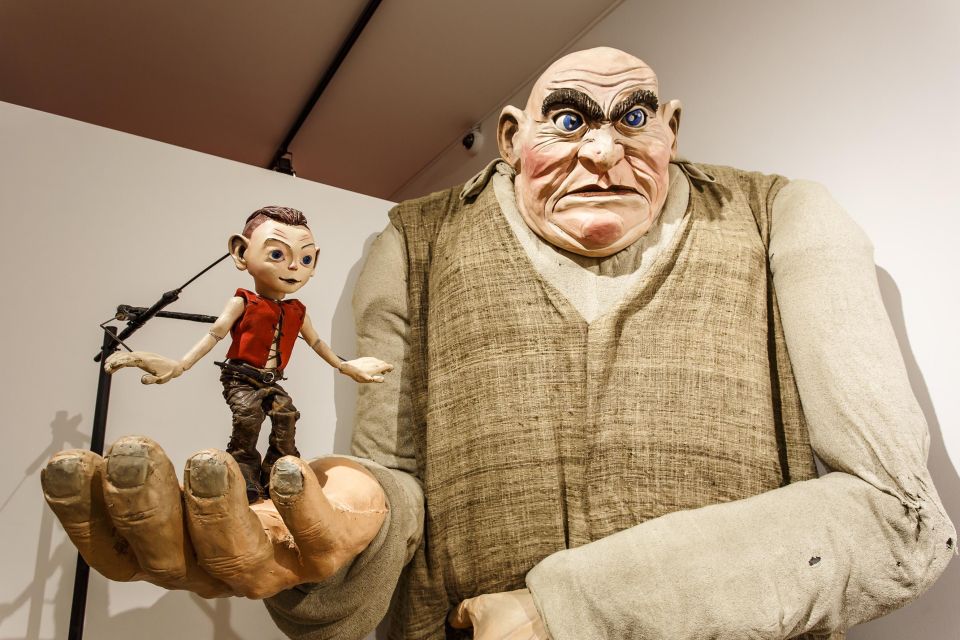
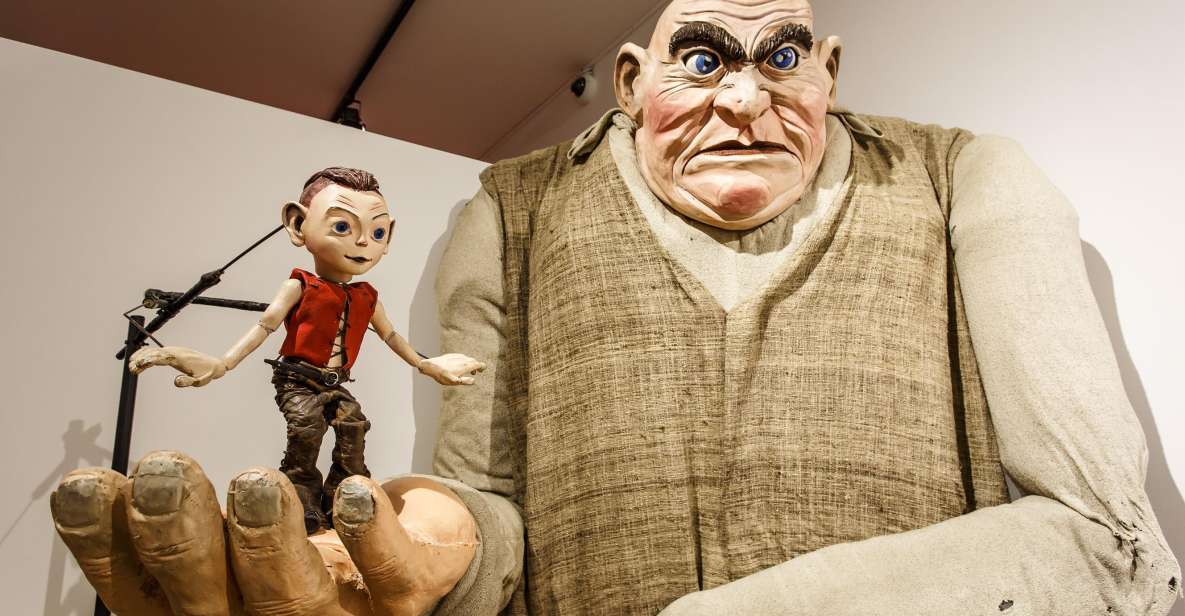
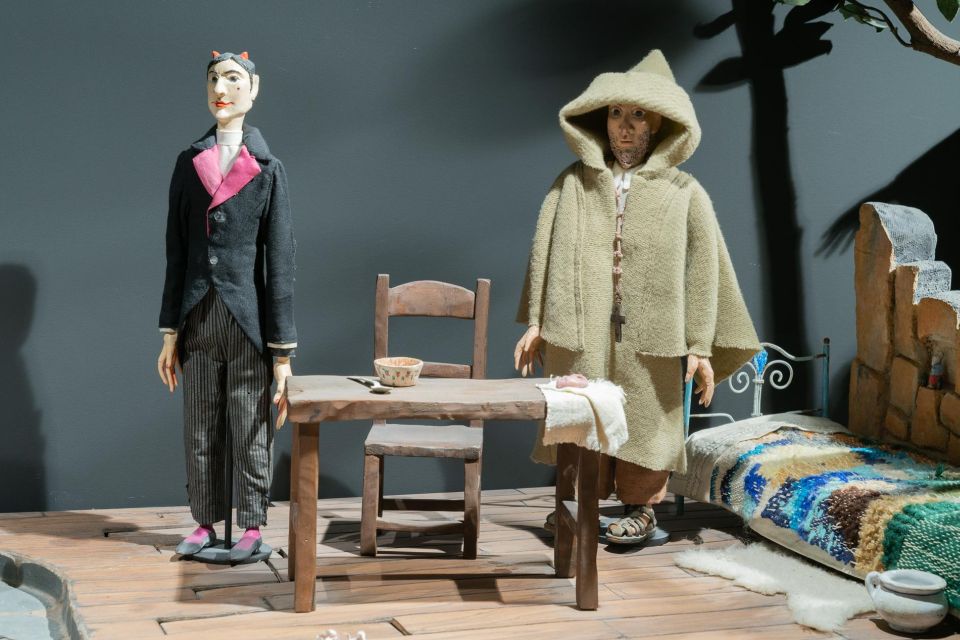
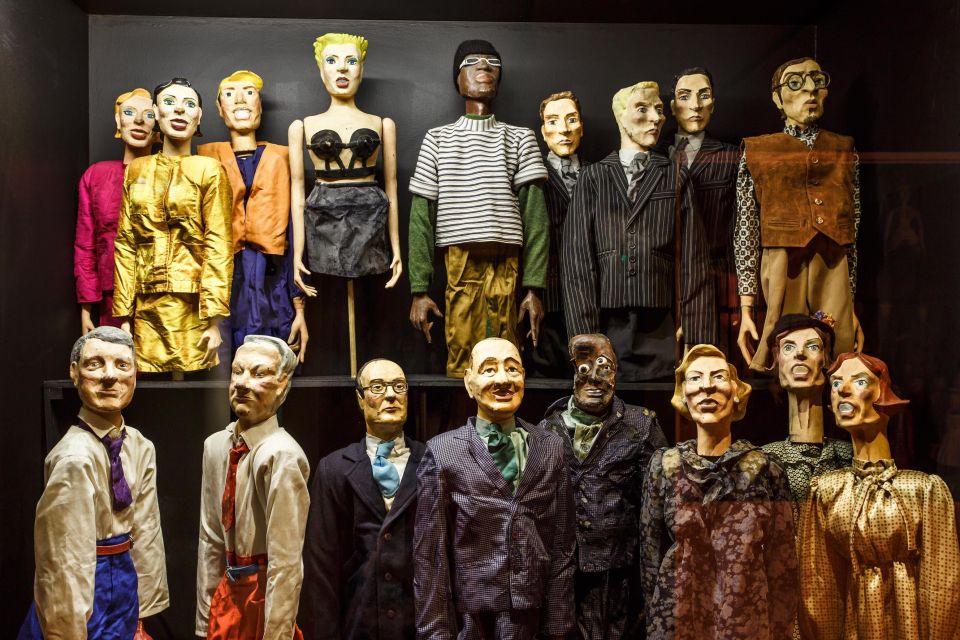
The exhibits include puppets, stage props, and other symbolic objects used in performances, plus parts of the company’s stories. That setup works well because puppet theater is a visual language. Seeing the physical objects helps you understand how characters and scenes get built—how mood, scale, and motion are created.
The museum’s concept is described as a “place of memory and future,” and you can feel that in how it’s framed. You’re not only looking back at past productions. The museum is presented as continually updated, and it shares contemporary puppetry as it grows. So even if you’re not a puppet person, you’re nudged toward thinking of puppets as living performance technology.
One smart design choice is the close relationship with the public. The museum aims to make the museum space a special place through architecture and exhibition design, with participation and communication built in. For you, that means less lecturing, more “try it, see it, understand it.”
Video guides in PT, EN, FR, ES—and support for Portuguese Sign Language
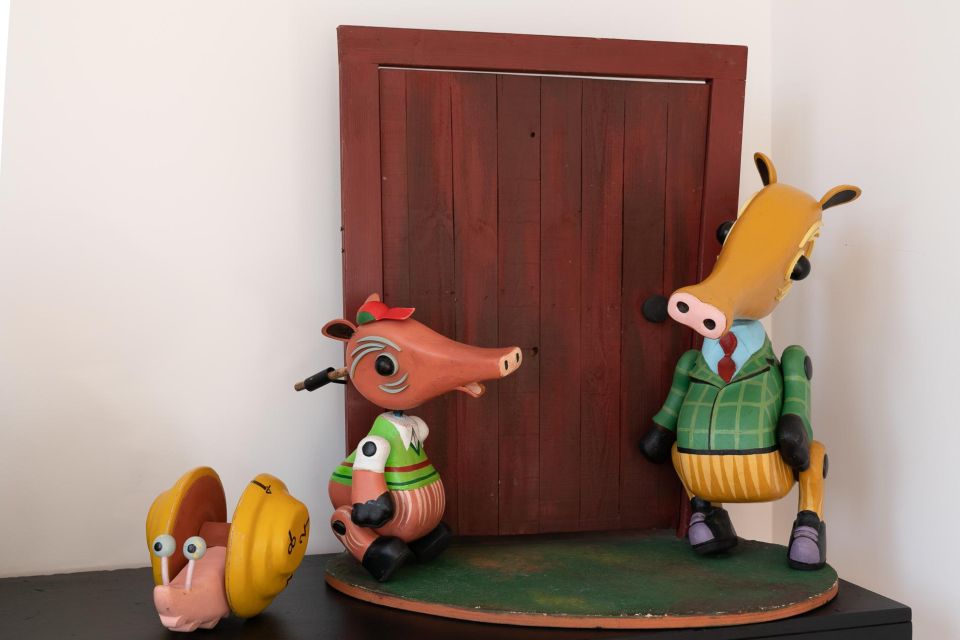
The museum includes video guides in Portuguese, English, French, and Spanish. There’s also a video guide in Portuguese Sign Language. On top of that, the audio description is available in Portuguese, and the tactile features include tactile puppets and podotactile flooring.
This is one of the biggest reasons to visit, even if you normally skip guided media. Puppet theater is full of small details—materials, mechanisms, and stage choices—that are hard to catch quickly if you only rely on reading captions. The guided videos help you make sense of what you’re seeing without turning the visit into a school assignment.
For visitors who use tactile or audio support, the museum’s approach is practical: it provides tools that align with how people explore space and objects. And because these features are integrated into the experience, you’re not likely to feel like you’re switching modes mid-visit.
The special experimentation room: manipulate puppets, lights, and sound
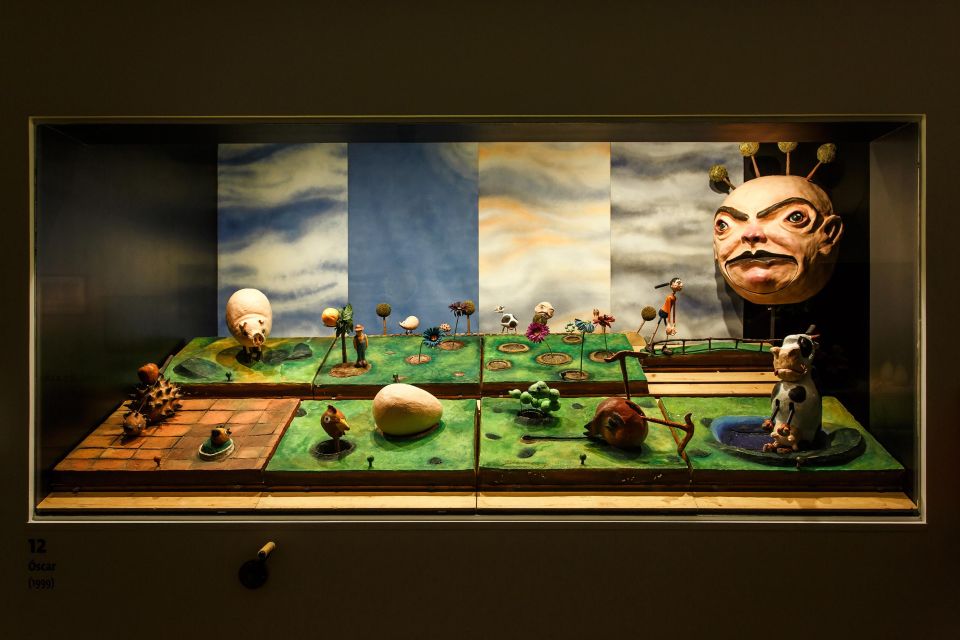
Here’s the part that usually wins people over fast. There’s a special room where you can experiment—manipulate puppets and operate lights and sound. Instead of viewing stagecraft from behind a barrier, you can make your own cause-and-effect: change a setting, see how it changes the feel.
This matters because puppet theater is not just about art. It’s about mechanics and timing. When you try simple control over lights and sound, you start to notice how atmosphere is built. Even a basic action can make the story feel different.
If you’re with kids, this room tends to be the place they want to return to. If you’re an adult, it’s still worth your time because it turns you into a participant. You stop asking What am I looking at? and start asking What does this do?



A museum space built for participation (not just viewing)
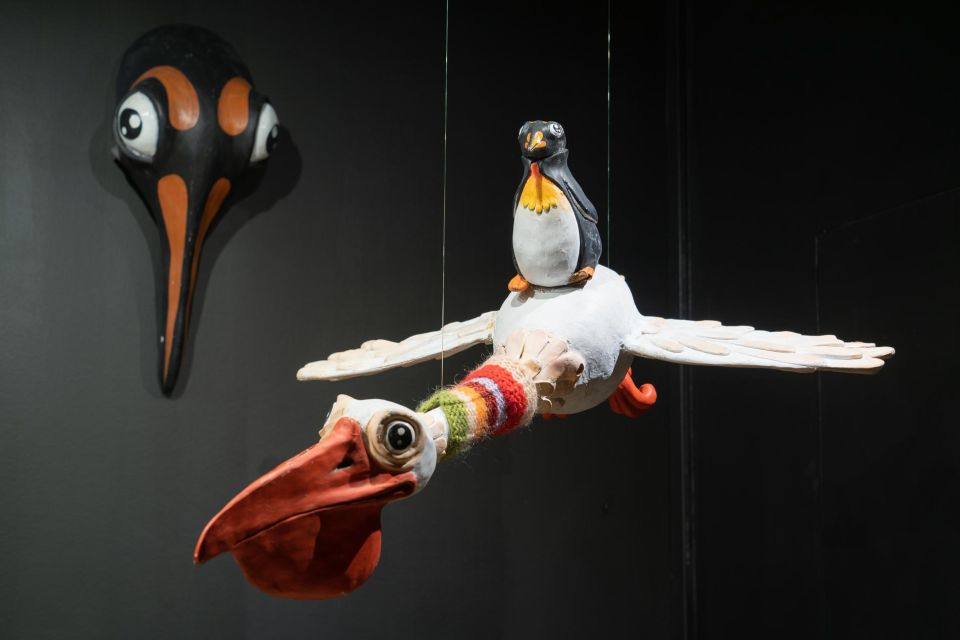
Museu das Marionetas do Porto is described as meeting the ideas of New Museology—treating, preserving, investigating, communicating, and exhibiting material testimony of performed experience. In plain terms: it’s trying to connect the objects to the act of performance, not just to their physical existence.
The museum also includes an experimentation space and a children’s area, and that’s key to the overall flow. You get a mix of “sit and learn” and “stand up and try.” That balance makes the visit easier on energy levels. It’s the kind of place where you don’t have to keep forcing attention onto static displays.
One practical note: plan for a relaxed pace. Because the experience has interactive elements and accessible media, you’ll probably spend a bit longer if you watch the videos carefully or test the tactile features.
How to pace your 1-day visit without rushing the best bits
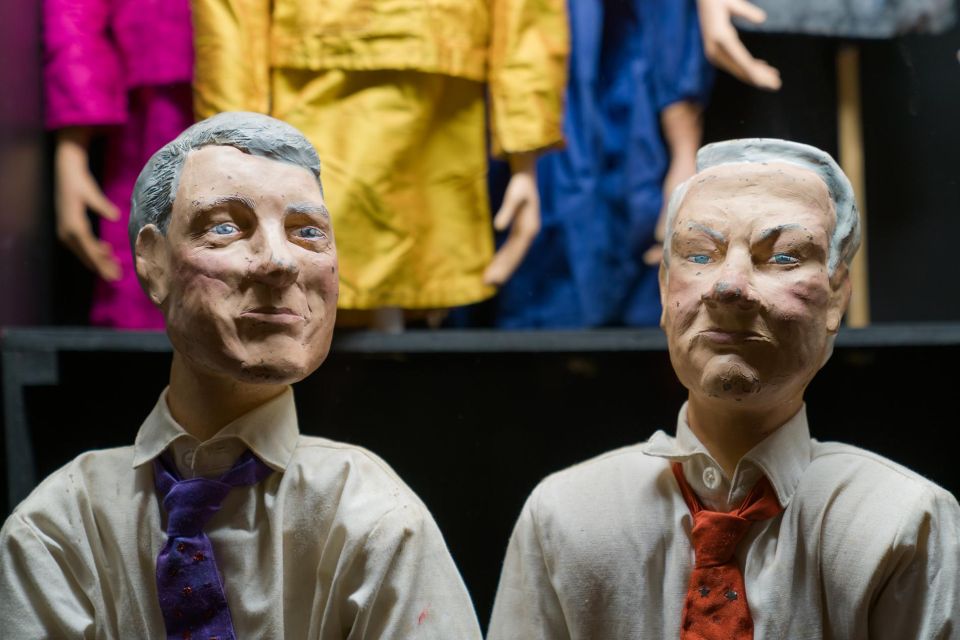
The visit is listed as valid for 1 day, and reviews describe it as short and sweet. So I’d treat it like a focused cultural stop, not a whole-day commitment.
Here’s a sensible way to structure your time:
- Start by using the video guides so the exhibits click faster. If you’re short on time, at least prioritize the sections that explain the puppets and stage props.
- Spend your middle time on the hands-on experimentation room, since that’s where you learn by doing.
- Leave time for the children’s area even if you’re an adult without kids. It helps the whole museum feel less intimidating, and you’ll often see younger visitors experimenting in creative ways.
Don’t worry about doing everything in one perfect order. The museum is designed to be interactive, so moving around based on what grabs you makes sense.
Cost and value: why $4.13 can be a surprisingly good deal
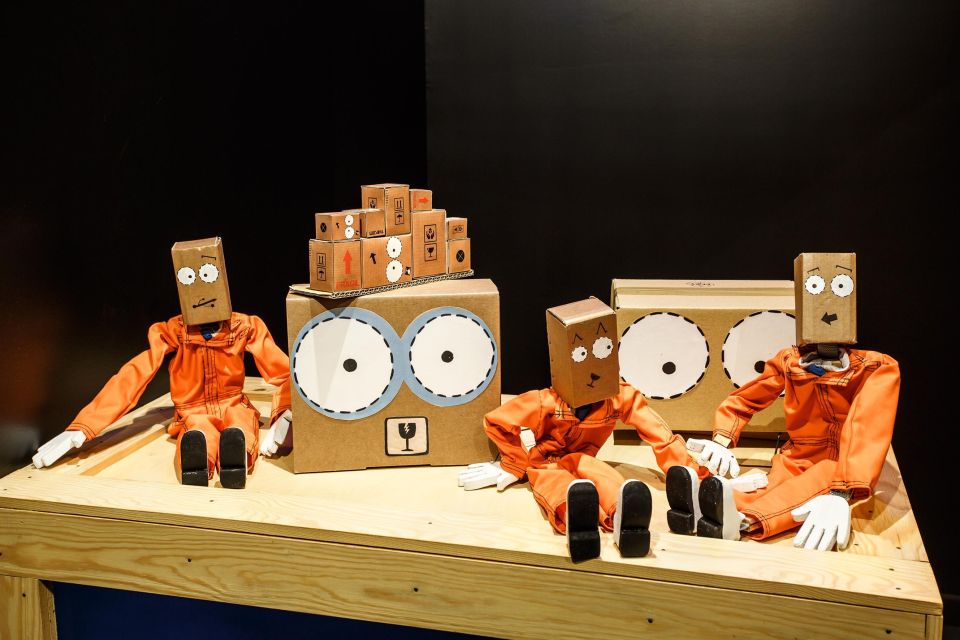
At about $4.13 per person, this is strong value for a museum experience that includes both guided media and interactive areas. Many low-cost museums give you mostly static exhibits. Here, you’re also getting:
- Video guides in multiple languages and Portuguese Sign Language
- A special manipulation room with lights and sound control
- A children’s area plus an experimentation space
- Accessibility features like tactile objects and podotactile flooring
So the price-to-experience ratio feels fair. It’s especially good if you want a cultural stop that won’t drain your day or your wallet. And if you’re visiting with family, it’s an easy way to keep everyone engaged without paying for separate activities.
Who should go (and who might want to skip this one)
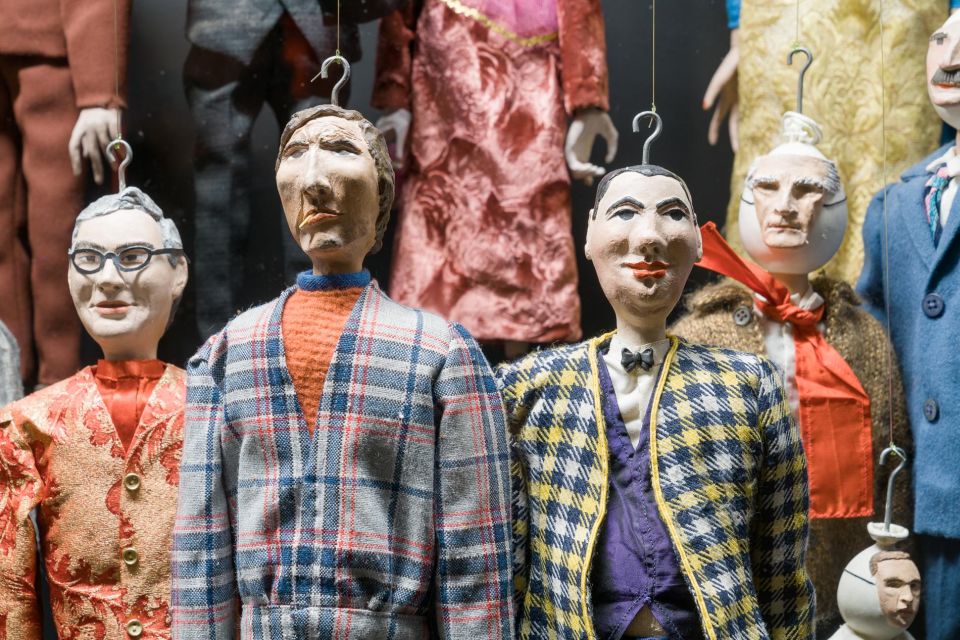
This museum is a great fit if you like interactive learning, if you’re traveling with children, or if you appreciate theater as a behind-the-scenes craft. It’s also a strong choice if accessibility matters to you, because the support is built in: tactile puppets, audio description in PT, podotactile flooring, and Portuguese Sign Language video guidance.
You might hesitate if you’re the type who wants a long, deep museum itinerary with lots of text and galleries you can lose yourself in for hours. The visit tends to feel compact, and the experience is more about participation than about covering every corner for an entire day.
If you like small, well-designed experiences that teach you something while letting you play a little, you’re in the right place.
Should you book Museu das Marionetas do Porto?
Yes—if you want a low-cost, high-participation museum stop in Porto. I’d book it if you’ll use the video guides and especially if you want the hands-on chance to manipulate puppets and operate lights and sound. It also makes sense for families and for travelers who look for genuine accessibility features instead of extra add-ons.
FAQ
Where is Museu das Marionetas do Porto located?
It’s in Portugal in the Norte region, in Porto.
How much does the museum cost?
The price is listed as $4.13 per person.
How long is the visit?
It’s described as a 1-day experience.
What’s included with the ticket?
Your ticket includes a museum visit with video guides, an experimentation space, and a children’s area.
Do the video guides come in English and other languages?
Yes. Video guides are available in Portuguese, English, French, and Spanish.
Is there a guide for Portuguese Sign Language?
Yes. There is a video guide in Portuguese Sign Language.
Is the museum wheelchair accessible?
Yes, the museum is wheelchair accessible.
Are there accessibility features like tactile objects or audio description?
Yes. There are tactile puppets, podotactile flooring, and audio description in Portuguese.
Is free cancellation available?
Yes. You can cancel up to 24 hours in advance for a full refund.