REVIEW · PORTO
Porto: Port and Douro Wine Walking Tour with 9 Tastings
Book on GetYourGuide →Operated by EFun Tours · Bookable on GetYourGuide
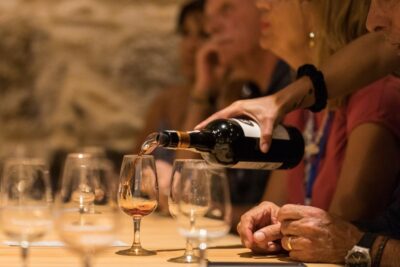
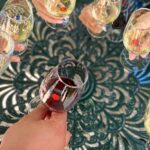
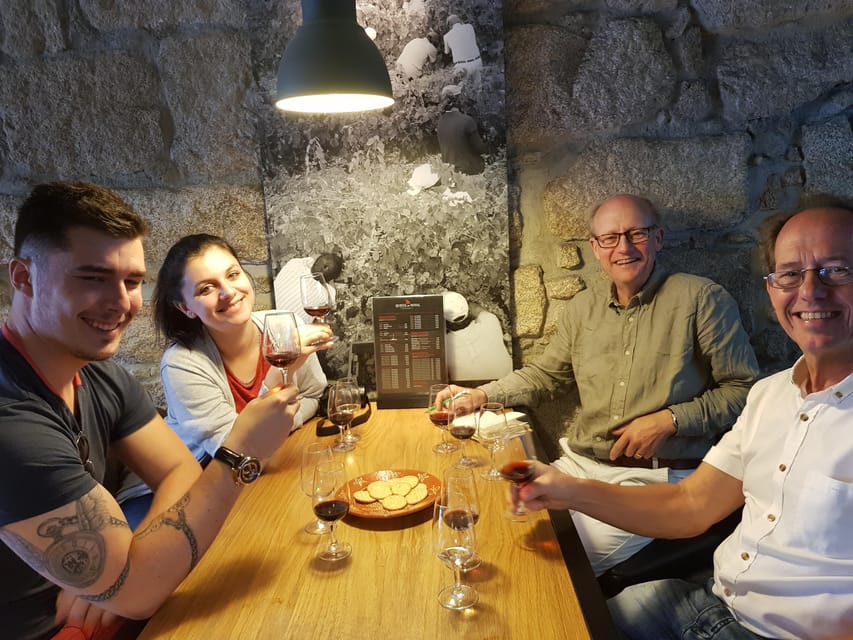
Port wine tastes better when you learn the rules. On this 3-hour walk in Vila Nova de Gaia, you don’t just sip. You compare styles, hear how the wines are made, and get your taste buds organized with 9 tastings.
I like two things a lot. First, you visit three distinct wine houses, including Fonseca’s famous cellars and two other classic Gaia stops. Second, the guide helps you understand the difference between Port styles and Douro wines, so the tastings make sense instead of feeling random.
The only real catch: it’s a tasting-heavy outing and lunch isn’t included. If you show up hungry, you might feel the alcohol faster than you planned. Bring comfortable shoes and plan to eat beforehand.
In This Review
- Key things that make this tour worth your time
- Vila Nova de Gaia: the Port wine neighborhood you’ll want to walk
- The 3-hour format: easy walking, lots of tasting decisions
- Stop 1: Vasques de Carvalho and your first Port impressions
- Stop 2: Fonseca Port Wine Cellars and the style lesson in a bigger setting
- Stop 3: Solar dos Dragos—where the Port vs Douro comparison really lands
- The Douro Valley context: why the wines are more than a flavor test
- How the guides make it work: energy, humor, and Q&A that stays practical
- Value check: is $57 a fair deal for 9 tastings?
- What to bring (and what to do before you go)
- Who should book this, and who should skip it
- Should you book this Porto wine walking tour?
- FAQ
- How long is the Porto wine walking tour in Vila Nova de Gaia?
- How many tastings are included?
- Where do I meet the guide?
- What languages are the guides available in?
- Is lunch included?
- Is this tour suitable for kids or people with mobility needs?
Key things that make this tour worth your time
- Three cellar stops in Vila Nova de Gaia means variety without wasting time on transit
- 9 Port and Douro tastings gives you enough repetition to actually learn your preferences
- Port styles vs Douro wines taught side-by-side, not in separate lectures
- Douro Valley context tied to the first demarcated wine region in the world (as described on the tour)
- Small-group feel keeps questions flowing, especially with guides like Maria, Joao, Sara, or Pedro showing up on recent departures
Vila Nova de Gaia: the Port wine neighborhood you’ll want to walk
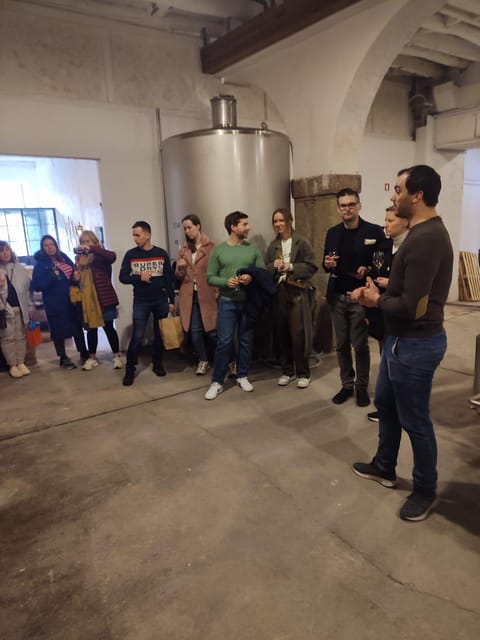
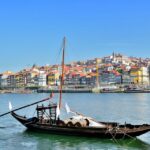
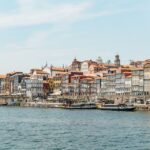
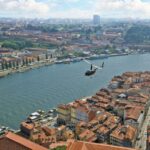
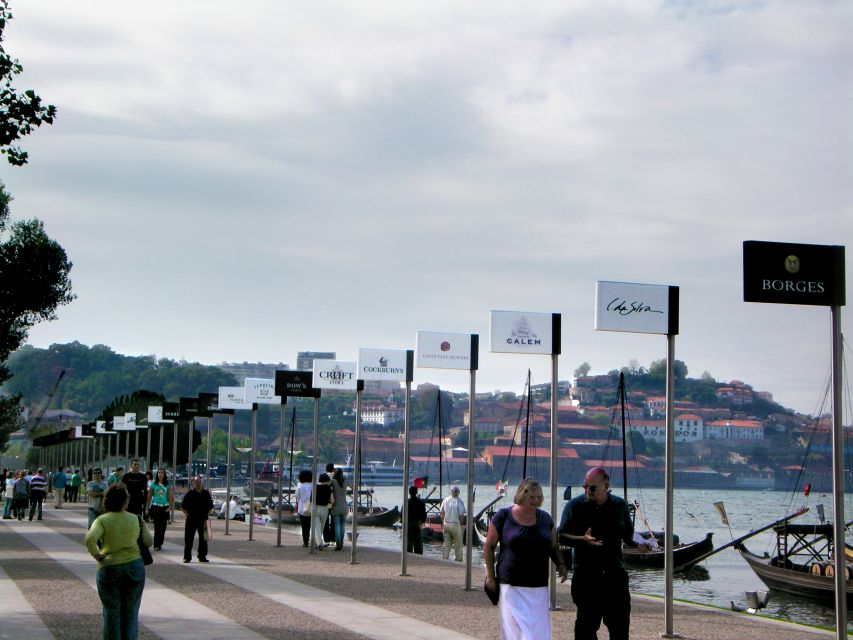
Porto is on one side of the Douro River. Gaia is on the other, and that’s where the cellars live. Vila Nova de Gaia is basically a corridor of Port wine lodges and tasting rooms, right along the water. It’s convenient because you’re not bouncing around town; you’re working within the same wine district.
This matters because Port wine is a little different from other wine tourism. You’re tasting an ecosystem—grapes, aging choices, and blending decisions—tied to a specific place and tradition. When you do that learning in the actual cellar district, the experience clicks faster.
Also, the walking is part of the charm. You get a light tour of the area as you move between houses, without turning it into a marathon.
You can also read our reviews of more walking tours in Porto


The 3-hour format: easy walking, lots of tasting decisions
This is a 3-hour guided walking tour. Expect a small amount of walking, and plan to arrive about 10 minutes early at the meeting point along the riverfront: Posto de Turismo / Loja Interativa de Turismo.
Because it’s only three hours, the pacing has to be efficient. That’s a good thing for you. You’ll spend your time tasting and comparing instead of waiting around. The flip side is that you’ll likely be doing more sipping than you do on slower tours, so it helps to manage your pace.
If you’re trying to take it all in without getting overwhelmed, a practical approach is simple: take smaller tastes early. One tip I picked up from the vibe of past groups is to go easy at the first two stops so you still enjoy the later pours.
Stop 1: Vasques de Carvalho and your first Port impressions
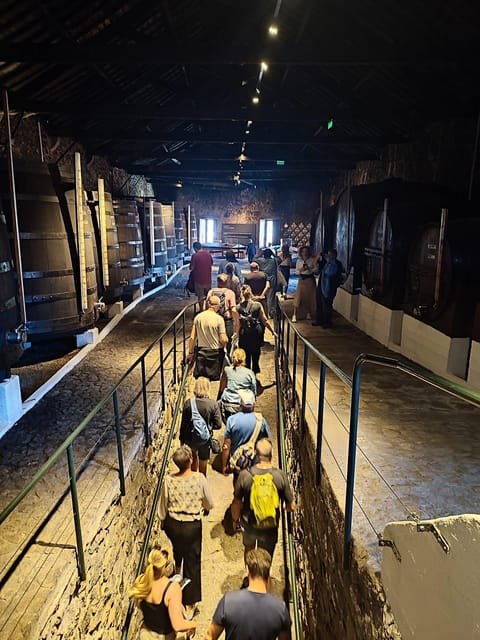
The tour starts at Vasques de Carvalho (Port Wine), your first cellar step in the Gaia line-up. This first stop matters because it sets your baseline. If you taste a dry, austere style first and then jump into something sweeter, you’ll notice the contrast more clearly. If you go the other way around, it can feel like everything tastes similar.
At this kind of tasting, the guide usually frames what you’re tasting—how the wine is made, what to notice, and how to link flavor to method. In other words, you’re not just tasting sweetness or fruit. You’re learning how Port style choices change the glass.
One practical note: many people underestimate how “tasting fast” adds up. A good first stop is a chance to get your tasting technique warmed up—sniff, small sip, pause—before the tour gets busier.
Stop 2: Fonseca Port Wine Cellars and the style lesson in a bigger setting
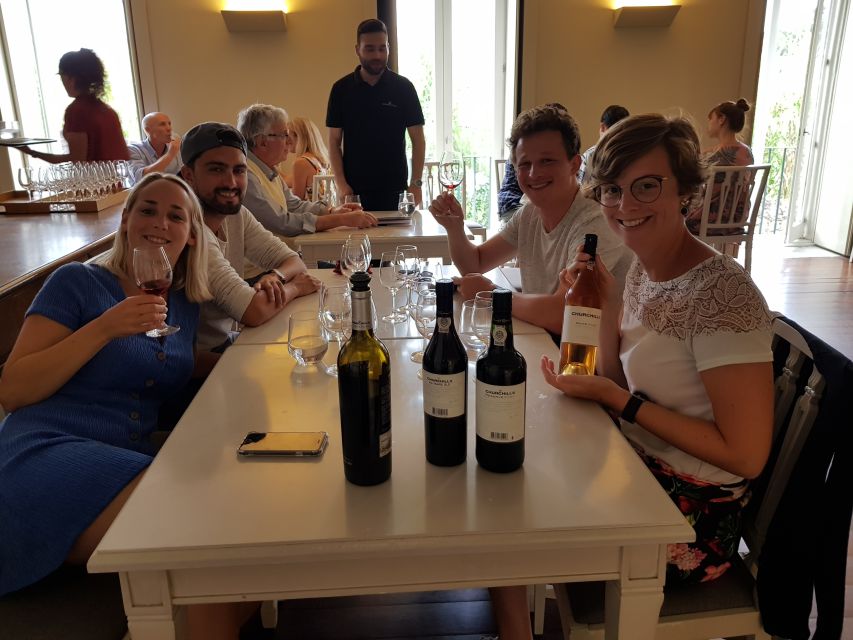
Next up is Fonseca Port Wine Cellars. Fonseca is a name you’ll recognize, and that’s useful. Even if you’re new to Port, a major house gives you a clean entry point into the world of aging, blending, and cellar decisions.
This stop is also a good moment to sharpen your comparisons. You can ask questions like: Why does one Port taste lighter while another feels weightier? Why do sweetness levels shift from glass to glass? The tour’s theme is exactly that: learning the differences between Port styles and Douro wines rather than treating each tasting as a standalone event.
What I’d watch for here is structure. In many Port tastings, you can start picking up patterns—how acidity balances sweetness, how fruit shows up alongside spice or nut tones, and how the finish changes between styles.
If you tend to get shy in group tours, this is also a strong place to ask for advice. Bigger tastings often make it easier for the guide to demonstrate and explain without rushing.
Stop 3: Solar dos Dragos—where the Port vs Douro comparison really lands
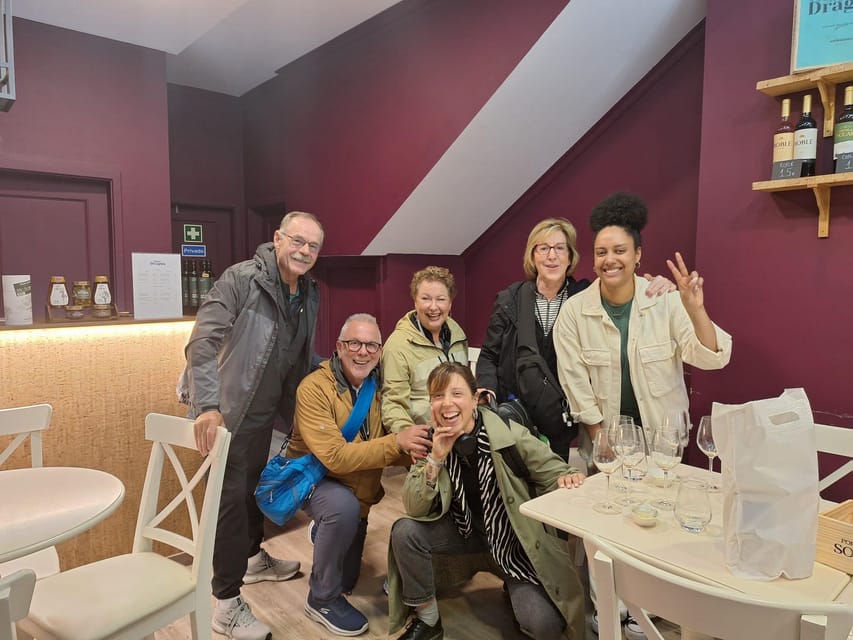
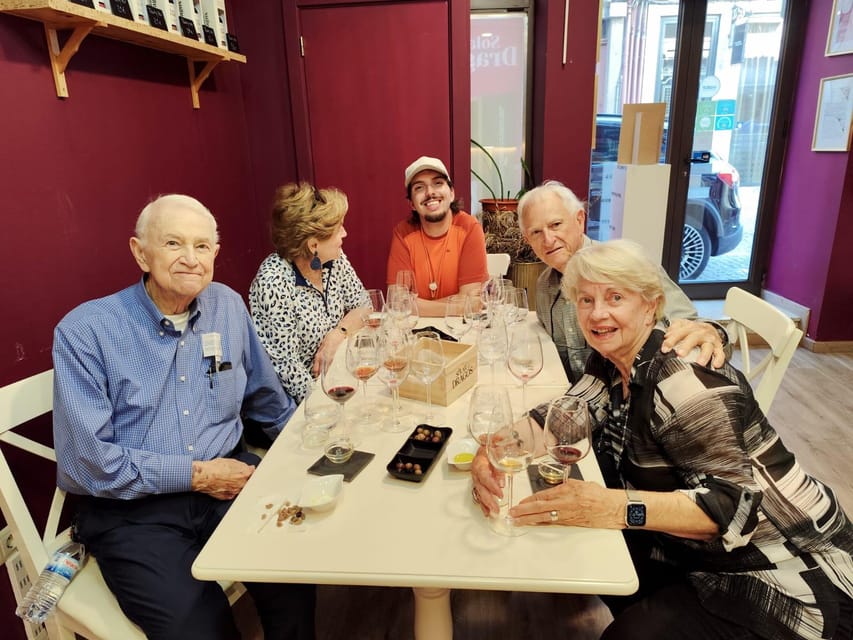
The final wine house is Solar dos Dragos (Port & Douro Wines). This is where the tour’s main educational point becomes tangible.
Earlier stops help you understand Port as a category. The last stop is more of a showdown: Port styles versus Douro wines, with both flavor profiles and production logic in play. The guide should help you connect what’s in your glass to what happened in the vineyard and cellar.
This is also the moment when the tour often feels most fun. Some groups have described extra pairing-style moments—things like small bites alongside the pours—so the tasting turns a touch more social than classroom-like. Even if you don’t get food pairings, the pacing tends to land well here because you’ve already tasted enough to know what you like.
One more practical thought: by the end, you’ll likely have a favorite style forming. If you want to buy a bottle to take home or even ship later, this last stop is the best time to commit—since you’ll be comparing your finalists, not guessing.
You can also read our reviews of more wine tours in Porto


The Douro Valley context: why the wines are more than a flavor test
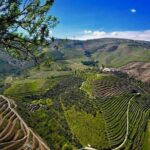
A big part of the value on this tour is context for the Douro Valley, described on the experience as the first demarcated wine region. That’s not just trivia. It helps explain why the wines have such a specific identity.
Douro wines and Port wines come from the same broader grape world, but the wines are shaped differently by how they’re made and aged. When your guide talks through those differences, you start tasting with a map in your head.
Here’s what this means for you in real terms:
- You’ll learn what to notice in each style.
- You’ll understand why one glass can feel more robust or more rounded.
- You’ll pick up tasting language that helps you order with confidence later.
Even if you don’t want to become a wine nerd, this kind of guidance keeps tastings from becoming a blur.
How the guides make it work: energy, humor, and Q&A that stays practical
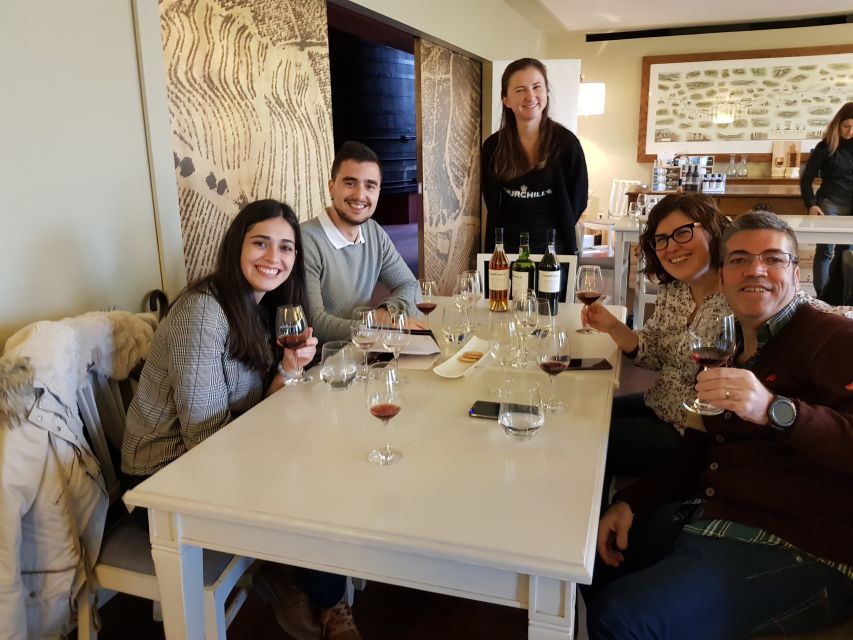
The guide is the glue for this whole experience. The tour runs in English and Portuguese, and the guides on recent departures have been praised for being personable and answering questions with enthusiasm. Names that come up often include Maria, Joao, Pedro, Sara, Ricardo, and Francisco.
What I’d take from that for your planning is simple: don’t treat this like a passive stop-and-sip event. Bring curiosity. Ask what you’re tasting. If you have dietary questions or you’re unsure what to pick, this tour is set up for questions.
Also, a small-group format helps. When you’re with fewer people, you get more direct attention, and the guide can adjust pacing if the room is quiet or the group is chatty.
Value check: is $57 a fair deal for 9 tastings?
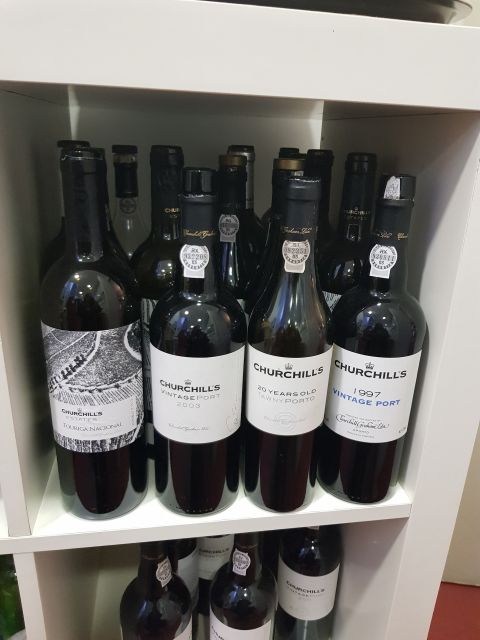
At $57 per person for a 3-hour outing, the value is about what you’re getting per minute. You’re paying for:
- a professional local guide,
- visits to three wine houses,
- 9 tastings of Port and Douro wines,
- and the explanation that turns tastings into learning.
If you tried to book separate tastings on your own in Gaia, you’d likely spend more once you factor in paying for multiple venues and getting explanations. The real win here is that you’re comparing styles in sequence with someone who knows how to frame the differences.
Also, the tour keeps logistics simple because it’s in the same district. You’re not paying extra time or transport costs to stitch together a wine day.
What to bring (and what to do before you go)
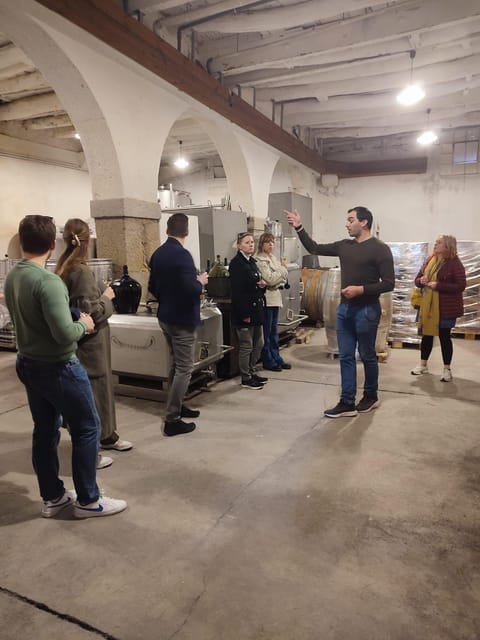
Bring comfortable shoes. The tour is a walking experience, and Gaia’s quayside can be uneven in spots. Dress for weather too: it runs in all conditions, so bring a layer.
Food is where you should plan ahead. Lunch and food aren’t included. Based on common pacing advice from past groups, I’d strongly recommend eating beforehand. You don’t need a feast, but you do want something in your stomach so the tastings stay enjoyable.
If you prefer to travel light, keep it that way. Luggage or large bags aren’t allowed.
And if you’re sensitive to strong tastings, a simple strategy helps: sip thoughtfully at each stop and take water breaks when offered.
Who should book this, and who should skip it
This tour fits best if you want a guided wine education without spending the whole day. You’ll enjoy it if you’re curious about:
- Port wine styles,
- Douro wines,
- and how the Douro Valley shaped what came next.
It’s also a good pick for solo travelers because the format encourages questions and interaction in a small group.
It’s less suitable if you need full mobility assistance, since there’s walking and the tour isn’t listed as appropriate for people with mobility impairments. It’s also not suitable for children under 18.
Should you book this Porto wine walking tour?
Yes, if you want a focused wine day in Vila Nova de Gaia and you like learning while you taste. The combination of three cellar visits and 9 structured tastings makes it easier to figure out what you actually like—dry versus sweet, lighter versus richer, and Port versus Douro.
Skip it if you’re looking for a long, slow, food-forward experience. This isn’t a lunch tour. You’ll need to eat on your own, and the day is built around tasting and walking rather than sitting down for meals.
If you’re doing only one Port-related activity in Porto, this one is a smart choice because it’s efficient and built for comparison, not just sampling.
FAQ
How long is the Porto wine walking tour in Vila Nova de Gaia?
It lasts 3 hours, including the walking time between three wine houses.
How many tastings are included?
You get 9 wine tastings, covering Port and Douro wines.
Where do I meet the guide?
Meet outside Posto de Turismo / Loja Interativa de Turismo on the main sidewalk along the riverfront.
What languages are the guides available in?
The live tour guide is available in English and Portuguese.
Is lunch included?
Lunch and food are not included. Drinks are only those mentioned by the tour details.
Is this tour suitable for kids or people with mobility needs?
It’s not suitable for children under 18, and it’s not listed as suitable for people with mobility impairments.