REVIEW · VILA NOVA DE GAIA
Exclusive visit to the Astronomical Observatory of Gaia
Book on GetYourGuide →Operated by Porto Secret Spots · Bookable on GetYourGuide
A telescope waits under a roof that opens. The Astronomical Observatory of Gaia on Monte da Virgem is one of those places where science feels physical, not abstract. I love the idea of a building designed to watch the sky with its roof sliding open, and I love the story behind the rare Mirror Meridian Circle instrument. One thing to keep in mind: this isn’t guaranteed nighttime stargazing, so if you’re hoping for a full night session with the telescopes, plan for a more “equipment and timekeeping” focused visit.
It’s a short walk up, then a guided stop that lasts about 30 minutes—just enough time to learn without getting rushed. The guide team is made up of Physics students from the Faculty of Sciences, and their enthusiasm shows in how they connect the mechanics to the big idea: how we measure time.
Plan for rules that protect both the instruments and the experience: no flash photography and no video recording. Also, this one isn’t for kids under 12, so it’s best if your group is ready for a calm, science-first hour.
In This Review
- Key highlights you’ll care about
- A roof that opens to the sky at Monte da Virgem
- The Mirror Meridian Circle: where precision meets design
- Why timekeeping has a sky connection
- The guided tour: English explanations with real enthusiasm
- Night-sky expectations: what the roof opening can (and can’t) promise
- Itinerary walkthrough: what happens in the 60 minutes
- Price and value: is $17 for an hour a good deal?
- Who should book the Astronomical Observatory of Gaia
- Should you book this Gaia observatory visit?
- FAQ
- Where is the Astronomical Observatory of Gaia located?
- How long does the visit last?
- Is the tour available in English?
- Is it suitable for children?
- Are flash photography or video recordings allowed?
- How much does it cost?
Key highlights you’ll care about
- Roof-to-the-sky design: a building where the roof slides away for precise sky observation
- Mirror Meridian Circle: a rare instrument built to track the stars’ passage across the meridian
- Monte da Virgem setting: a discreet observatory visit up on the hill in Gaia
- Physics student guides: English explanations with real energy and clear focus
- Timekeeping focus: you’ll connect astronomy to the practical job of measuring time
- Worth knowing about nighttime: telescope use and night viewing may not be part of every session
A roof that opens to the sky at Monte da Virgem
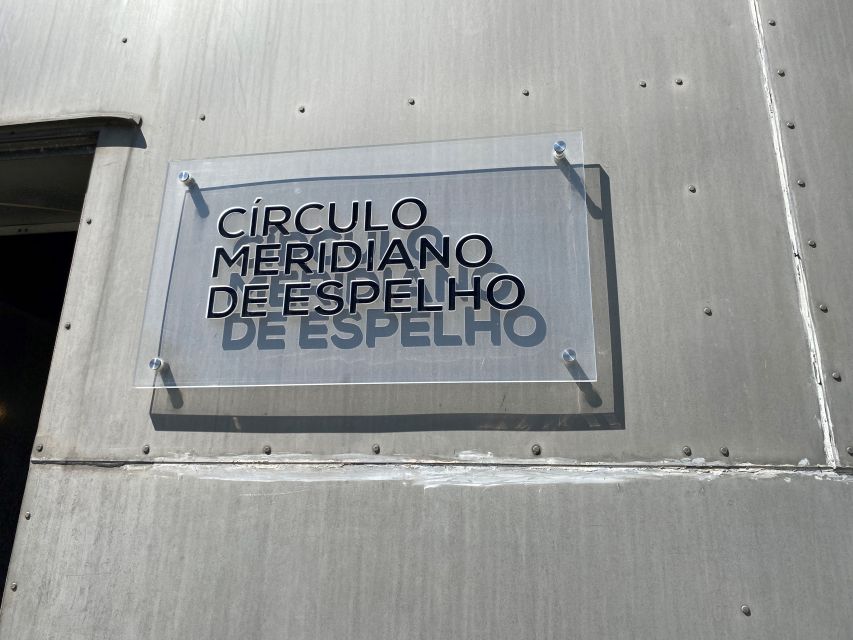
If you like travel experiences with a strong sense of purpose, this one hits. The observatory sits in Gaia at the top of Monte da Virgem—close enough to visit, but tucked away with a discreet presence. You’ll take a short walk (about five minutes) from the meeting point to the observatory, which helps you settle into the right mood: quiet, attentive, and ready to look up.
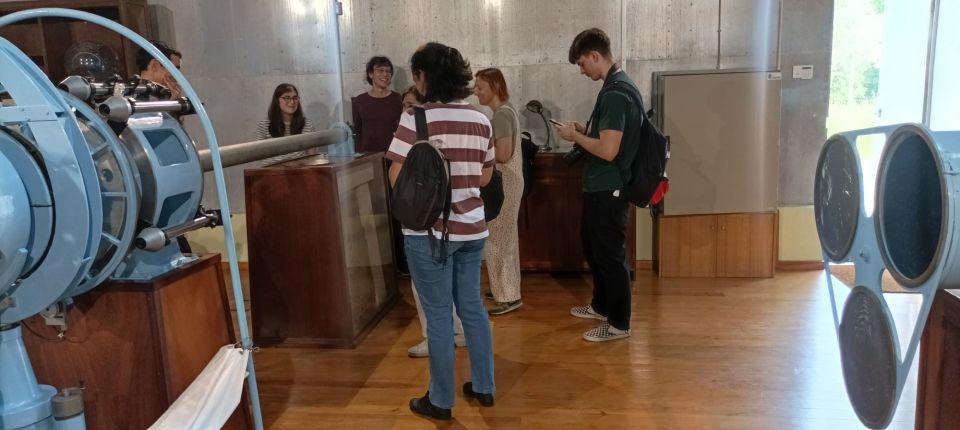
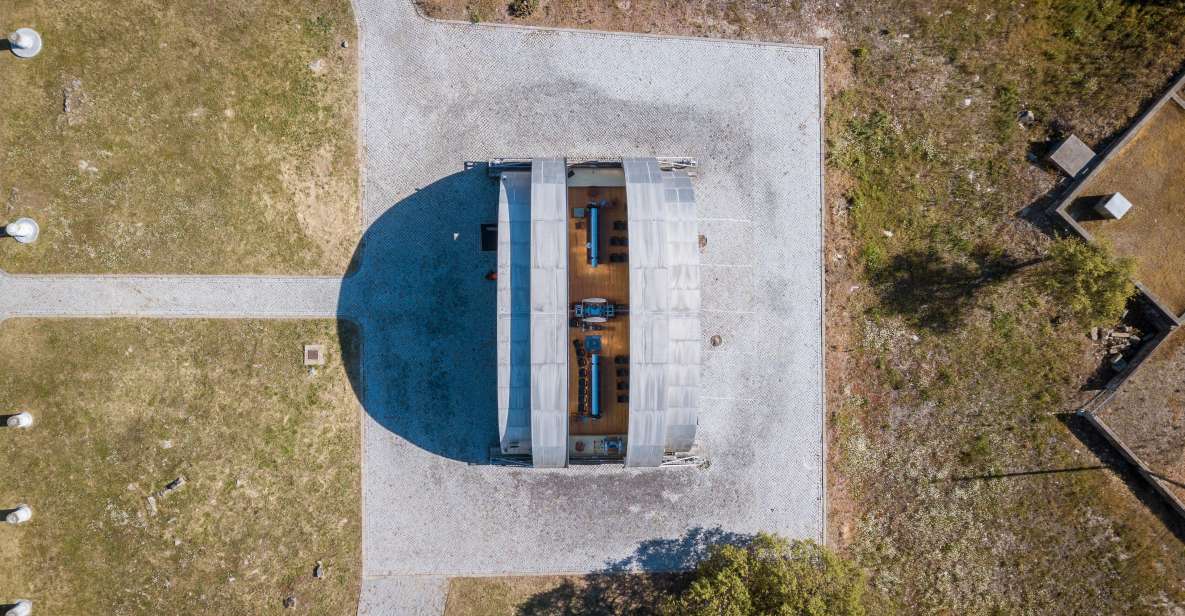
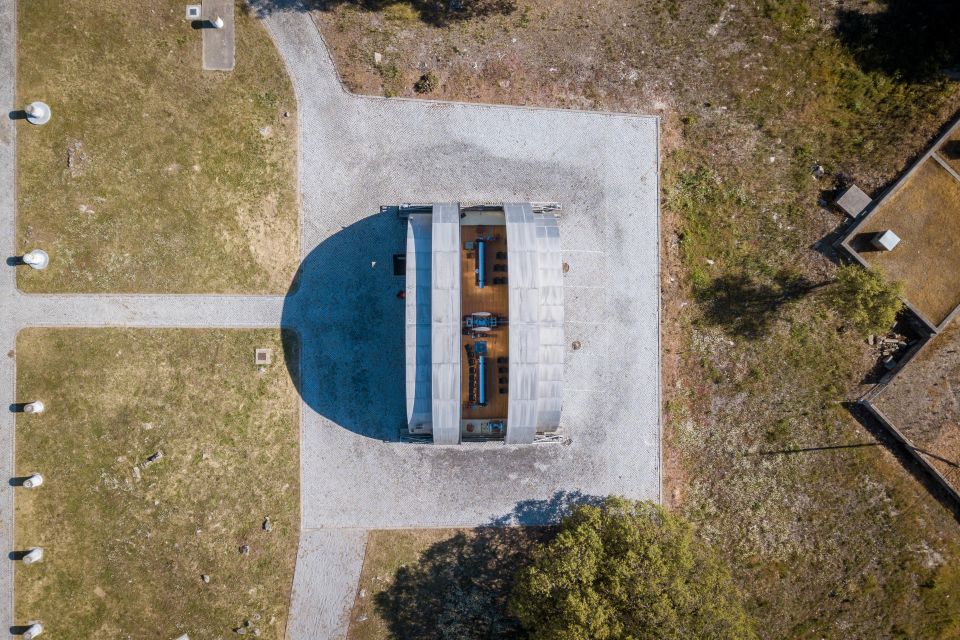
The building itself is the first payoff. You’re not just stepping into a museum room; you’re facing a piece of astronomy infrastructure. The observatory is built around an instrument that needs a very specific kind of sky access, and that’s where the roof design matters. The roof slides open so observers can make precise observations of stars as they pass through the local meridian.
I also appreciate the “small and focused” feeling here. The whole visit runs about an hour, with a guided segment in the middle. That pacing matters, because it keeps the experience from turning into a long lecture. You get time to listen, time to look at the equipment, and then time to walk back without feeling dragged.
You can also read our reviews of more tours and experiences in Vila Nova De Gaia.



The Mirror Meridian Circle: where precision meets design
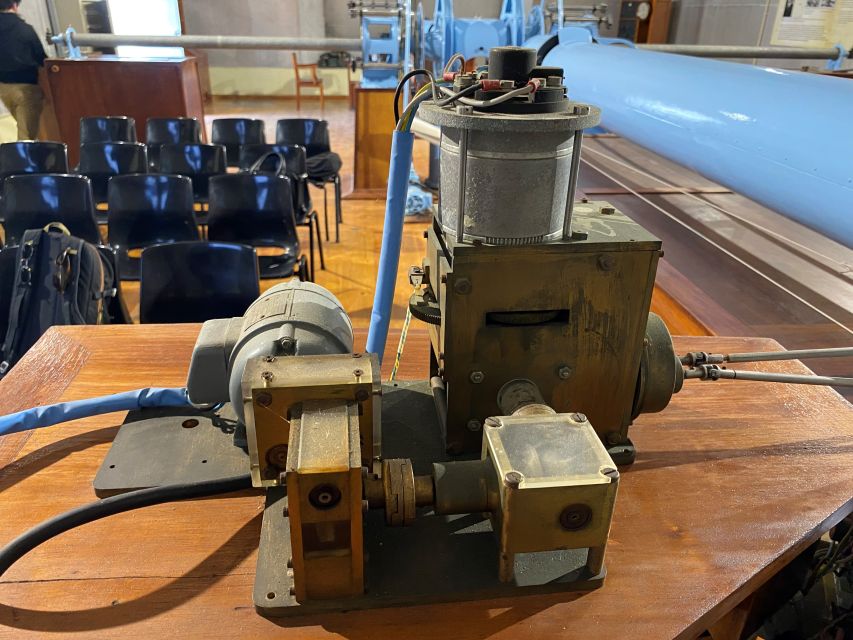
The observatory was created in 1948 to support astronomy studies at the Faculty of Sciences. About nine years later, it opened its most notable instrument: the Mirror Meridian Circle. That timeline is part of the charm. You’re seeing a facility built for learning and measurement, not just sightseeing.
What makes the Mirror Meridian Circle special is how unusual it is. It’s not common in the world—there are only two more of this type of instrument elsewhere. When you hear that, the visit clicks into place: you’re not just hearing about old science, you’re standing near a rare measurement machine.
The observatory’s layout is built around the job this instrument does. The Mirror Meridian Circle sits in a semi-cylindrical building, and the roof slides to allow careful observation of stars crossing the local meridian. That local meridian idea is the key. A meridian is essentially a reference line tied to your location on Earth, and tracking when stars cross it helps with very precise measurements.
During the guided portion, you’ll also hear the bigger question the guide prompts: what the instrument’s telescopes were used for when it first opened, and what they’re used for now. Even if you’re not a technical person, you can follow the logic—this is the sort of equipment where the method matters as much as the goal. The guide’s job is to make the “why” feel simple.
If you’re the type who likes travel moments where you can say, I learned something real and specific, this is strong. The equipment is tangible, the design is understandable, and the story of measurement connects to the thing we use every day: time.
Why timekeeping has a sky connection
The visit is marketed as a discovery of the history of time, and the observatory setting makes that message believable. In everyday life, time feels like a number on your phone. In astronomy, time is tied to the motions of the sky—and instruments like the Mirror Meridian Circle are built to measure those motions with precision.
The guide emphasizes how we tell time by “the times,” which is a clever way to frame it: timekeeping isn’t just clocks and calendars. It’s also alignment, observation, and repeatable measurement. You’ll learn about the mechanisms behind that process, in a way that keeps it grounded rather than abstract.
Here’s what I’d pay attention to as you listen: the observatory isn’t presented as a random stack of gadgets. It’s presented as a system. Roof design helps the observations. The instrument’s design helps the measurement. The location helps the reference. When you put those pieces together, you start understanding why scientists historically needed dedicated buildings and highly specialized tools.
Even if you’re not chasing astronomy as a hobby, you’ll come away with a clearer mental model for how measurement works. That’s the real value. You’re not just admiring a rare instrument; you’re learning how careful observation turns into something usable for society.
The guided tour: English explanations with real enthusiasm
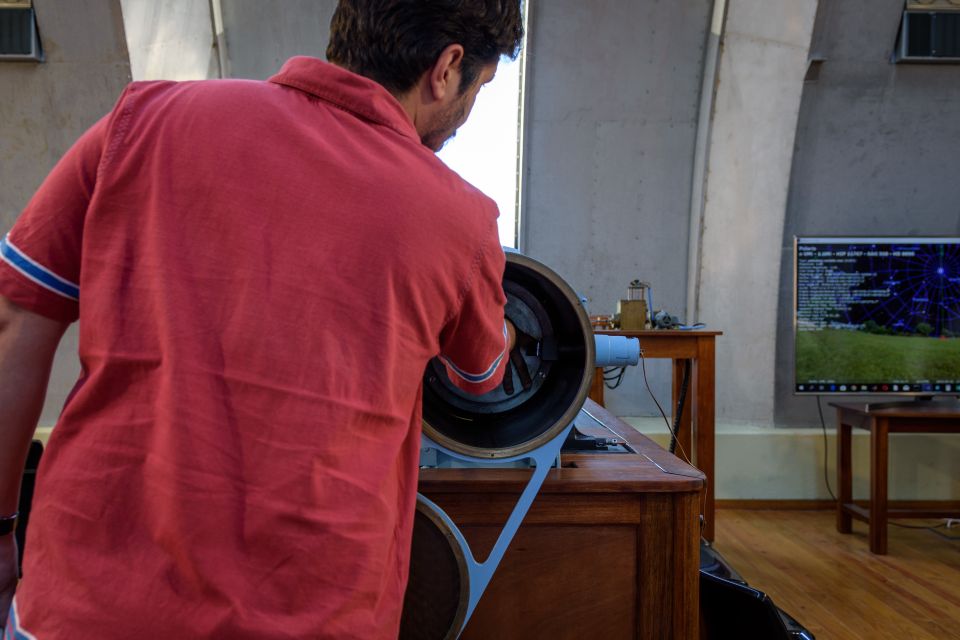
This is an English-language visit, led by enthusiastic guides who are Physics students from the Faculty of Sciences. That matters more than it might sound. When students teach, you often get a fresher approach: they can explain the “mechanism first” logic and still keep the story clear.
The guided portion lasts about 30 minutes. That’s a sweet spot. Long enough to cover the history (1948 origins and the later instrument opening), long enough to explain the purpose of the Mirror Meridian Circle and the roof design, and short enough that you won’t feel like you’re stuck in a classroom.
You’ll also do a second short walk—again about five minutes—after the tour. That small rhythm keeps the experience from feeling like a single static room. It also helps you notice details as you arrive and leave, like the building’s shape and how the observation setup is meant to function.
One practical tip: this is a “look and listen” experience, not a “record everything” experience. Flash photography and video recording aren’t allowed, so plan to experience it with your eyes and your notes.
Night-sky expectations: what the roof opening can (and can’t) promise
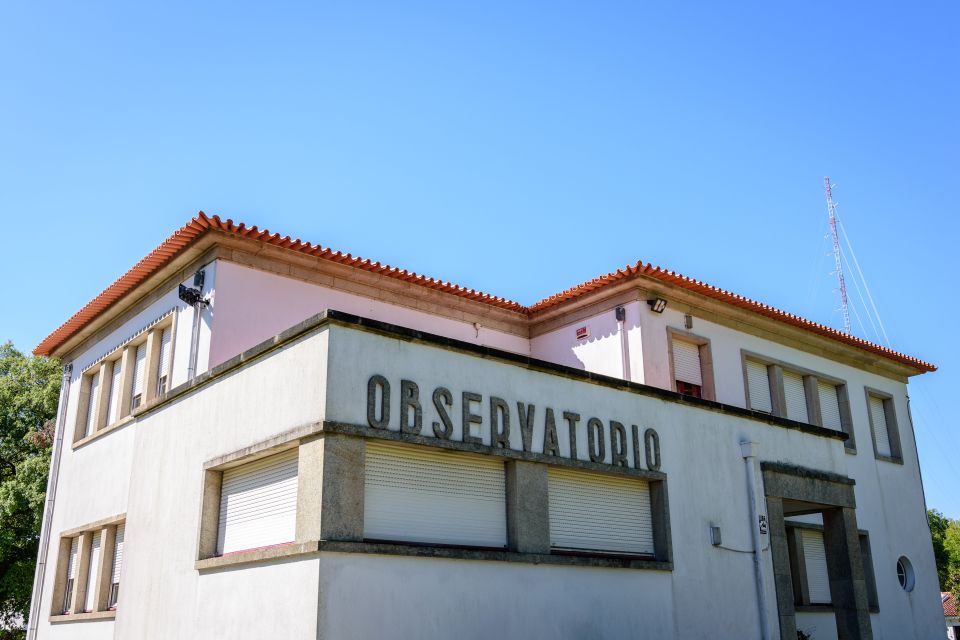
The observatory’s roof that opens to the sky is exactly the kind of feature that makes people imagine nighttime observing. And yes, the design is built for sky observation. Still, based on the way sessions run, you should expect this to be primarily an instrument-and-timekeeping visit.
One review detail really influenced how I’d set expectations: someone noted that the equipment wasn’t available for nighttime observations. Another said they would have liked more opportunity to use the telescope during the night and see stars. That doesn’t mean the visit is disappointing—it just means you should not plan your entire astronomy trip around guaranteed nighttime use of the telescopes.
So here’s how I’d frame it for you: if you want a guided understanding of how time measurement connects to the sky, this fits perfectly. If you’re chasing a dedicated stargazing night, you’ll want to check what your specific time slot offers before you fall in love with the idea of nighttime telescope viewing.
Also remember the rules: no flash and no video recording. That helps keep the environment appropriate for observation, but it also reinforces that you’re there to learn and witness, not to run a photography shoot.



Itinerary walkthrough: what happens in the 60 minutes
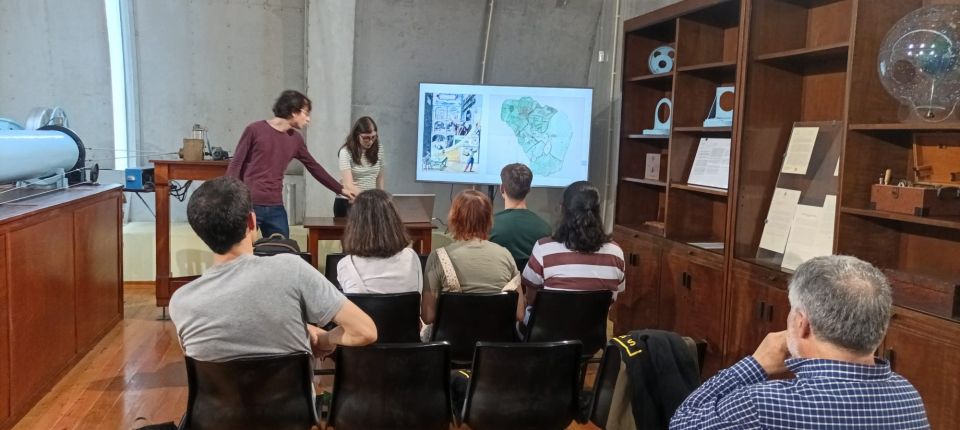
The visit runs about 60 minutes, and the flow is straightforward.
- First, you meet at 4430-146 and start with a short walk (about five minutes) to the observatory.
- Next comes the guided tour (about 30 minutes). This is where you’ll hear about the observatory’s purpose in astronomy education, the 1948 creation, and the Mirror Meridian Circle becoming its key instrument about nine years later.
- Then you finish with another short walk back (about five minutes).
The good part of an itinerary like this is that it keeps your attention on the core experience: seeing the building, understanding the instrument, and listening to explanations that connect the past to the idea of measuring time. There’s no long bus ride in the middle, no confusing transfers, and no “free time” that eats your hour.
The main drawback is that the visit is short by design. If you want to spend extra time photographing details, lingering with the equipment, or asking follow-up questions beyond what fits in the 30-minute guide portion, you might feel a little time pressure. The upside is you still get a complete story rather than a scattered half-hour.
Price and value: is $17 for an hour a good deal?
At $17 per person, this visit is priced like an accessible specialty tour. What makes it feel like good value isn’t just the price tag—it’s the combination of rarity and focus.
You’re paying for:
- a rare instrument environment (the Mirror Meridian Circle exists in only a few places worldwide),
- a building with a roof designed to support precise observation,
- and a guide who can explain the logic behind measurement and timekeeping.
An hour might sound brief, but the structure matches the kind of place this is. Observatories aren’t amusement parks. The value is in understanding what you’re seeing and why it’s engineered the way it is.
I’d especially call this a good value if you:
- like science history and want something more specific than a generic museum stop,
- enjoy learning in a small, calm setting,
- or want an experience tied to the real work behind measuring time—not just a theory.
If your idea of “worth it” is a hands-on workshop or an all-night stargazing session, then $17 could feel “small” for a different kind of wish list. But for what’s offered—an hour with a guided explanation of a rare observational setup—it lands in a sensible, fair range.
Who should book the Astronomical Observatory of Gaia
This visit fits best if you’re curious about time and stars, and you enjoy explanations from people who clearly care. It’s also well-suited for couples and solo travelers who want an unusual stop that doesn’t require heavy tech knowledge.
It’s not a good fit for very young kids (not suitable under 12), mostly because this kind of place demands attention and follows rules that can limit kid-friendly distractions. If your group is ready for a more quiet, focused experience, you’ll likely enjoy it more.
It also works well if your schedule is tight. The visit is only about an hour, and you don’t need a half-day commitment to get something distinctive in Gaia.
If you’re traveling from Porto or along the north coast, this is a smart “add-on” type activity: not too long, not too complicated, and tied to a real destination with a strong theme.
Should you book this Gaia observatory visit?
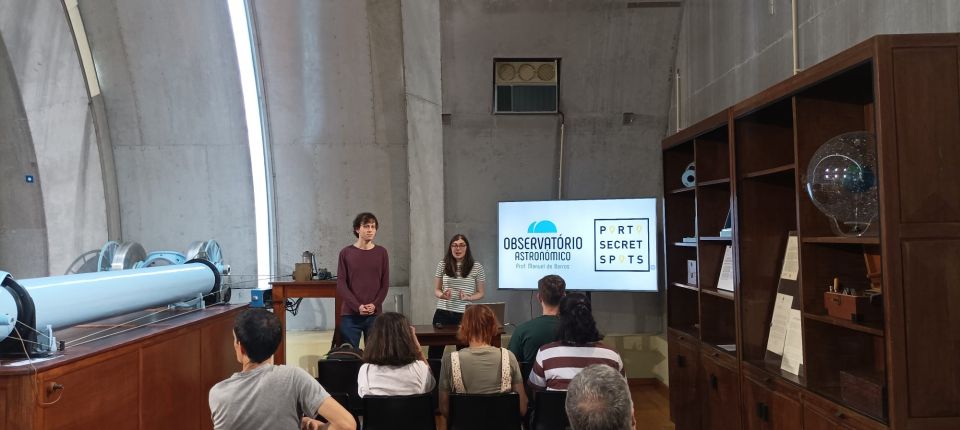
Book it if you want a short, focused experience where architecture, astronomy, and the history of measurement come together. The roof that opens to the sky and the story of the Mirror Meridian Circle are the two big reasons to go, and they’re exactly the kind of details that make the visit feel different from a standard stop.
Skip or adjust expectations if nighttime stargazing is your top goal. The experience can be amazing without it, but you shouldn’t assume the telescopes will be used for night observation at every session.
If you’re on the fence, my practical advice is simple: treat this as an instrument-focused tour that will help you understand time the way astronomers once did—and still do in spirit. For an hour, it’s a compelling use of your time in northern Portugal.
FAQ
Where is the Astronomical Observatory of Gaia located?
It’s in Gaia, in Portugal, on Monte da Virgem in the Norte Region.
How long does the visit last?
The visit lasts about 60 minutes, including the short walk and the guided tour.
Is the tour available in English?
Yes, the guided tour is in English.
Is it suitable for children?
No. It is not suitable for children under 12.
Are flash photography or video recordings allowed?
No. Flash photography and video recording are not allowed.
How much does it cost?
The price is $17 per person.