REVIEW · VILA NOVA DE GAIA
Port Wine Experience
Book on GetYourGuide →Operated by C D Porto Tours · Bookable on GetYourGuide
Seven Ports in 2.5 hours sounds intense. This guided tasting in Portugal’s Norte region is a fast, well-paced way to learn how Port is made and aged, and I really liked how the guide keeps it fun even with a lot of facts coming at you, especially with Nuno. You’re not just sampling either; you’re seeing the process behind the glass while tasting 7 different Port styles.
My other favorite part is the working-cellar stop, where you can see barrels ranging from 500 up to 40,000 liters. That scale turns Port production from a vague idea into something real, and it makes the tasting notes easier to follow. There’s also plenty of variety across the stops, from a Dry White to Tawny Reserva and two LBVs (filtered and unfiltered).
One thing to consider: this is mainly indoor, adult-oriented experience (children under 18 can’t participate, and it’s also stated that children under 16 cannot join). And if your group is sensitive to sound, one review flagged that music was sometimes too loud at a stop, making it harder to hear the guide.
In This Review
- Key things you’ll notice on this Port tour
- Starting near the river: getting your bearings fast
- Stop 1: the working cellar and Port aging at huge scale
- Stop 2: cork basics, modernization, and a Rose Port
- Stop 3: boutique tasting and three quality fortified wines
- The 7-Port tasting lineup: what to look for in each glass
- Price and timing: $56 for learning plus multiple tastings
- Meeting point and what the flow feels like
- Who should book this Port Wine Experience
- Should you book this Port tour?
- FAQ
- What is the location of this Port Wine Experience?
- How much does the tour cost?
- How long is the Port Wine Experience?
- How many Port producers does the tour visit?
- How many Port wines are tasted, and what types are included?
- Is food included?
- What language is the tour guide?
- Where do you meet, and where does the tour end?
- Are children allowed?
- Is the tour suitable for wheelchair users or pregnant women?
Key things you’ll notice on this Port tour
- 3 Port producers in about 2.5 hours, so you get variety without wasting time
- 7 Port wines tasted, including Dry White, Rose, Tawny Reserva, and both LBV types
- Barrels from 500 to 40,000 liters, which helps you understand aging at real scale
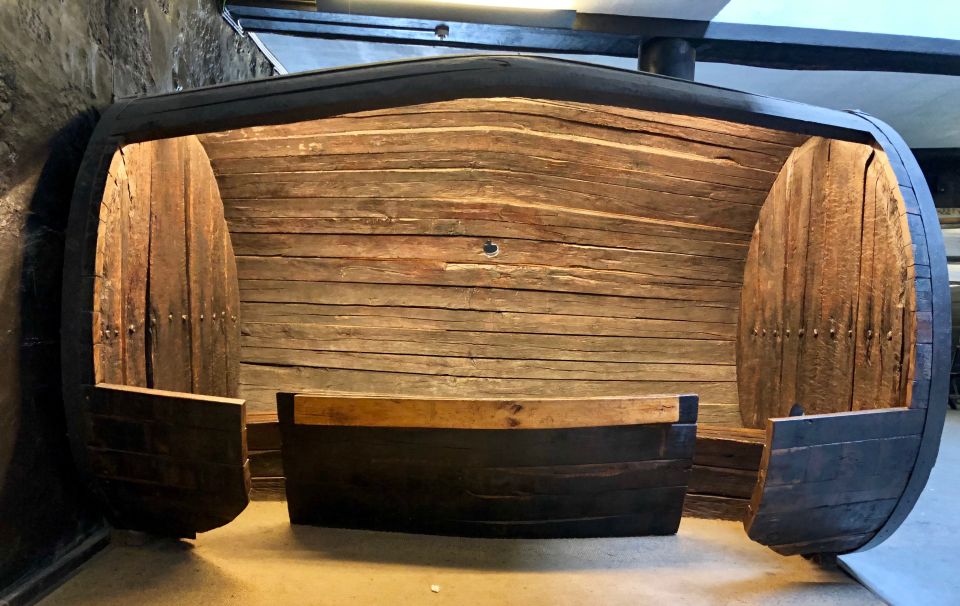
- Cork explanation and barrel photo moment at the second producer
- A Rose Port tasting tied to how the industry has modernized
- A boutique final stop with three quality fortified tastings from a top producer (2019)
Starting near the river: getting your bearings fast
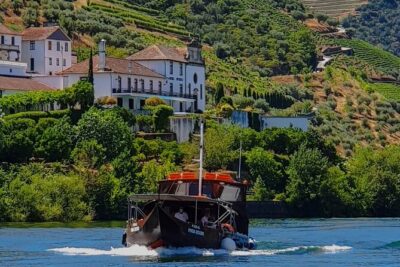
You begin near the river, where you can see the area and the working history behind Port. Boats once transported Port wine from the valley to the aging area, and even before you reach the cellars, that setting gives context. It’s not a long outdoor walk, but it helps connect the drink to its place.
This is also where you can quickly figure out the timing and flow. The tour starts at the sign of the local partner on a blue umbrella, in front of the Tourist Office. Then you head indoors, and for most of the experience the focus stays on tastings, production, and barrels.
If you’re the type who likes to understand what you’re drinking before the first sip, this start works well. You get a sense of the route the wine took before it reached barrels and aging time.
You can also read our reviews of more wine tours in Vila Nova De Gaia


Stop 1: the working cellar and Port aging at huge scale
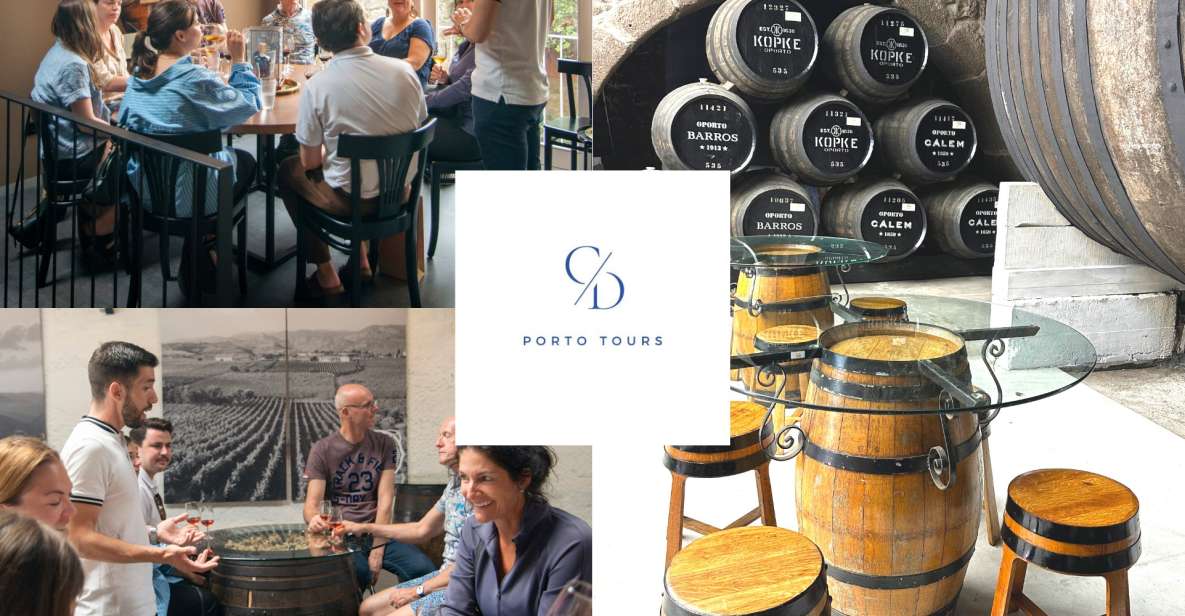
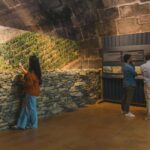
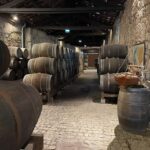
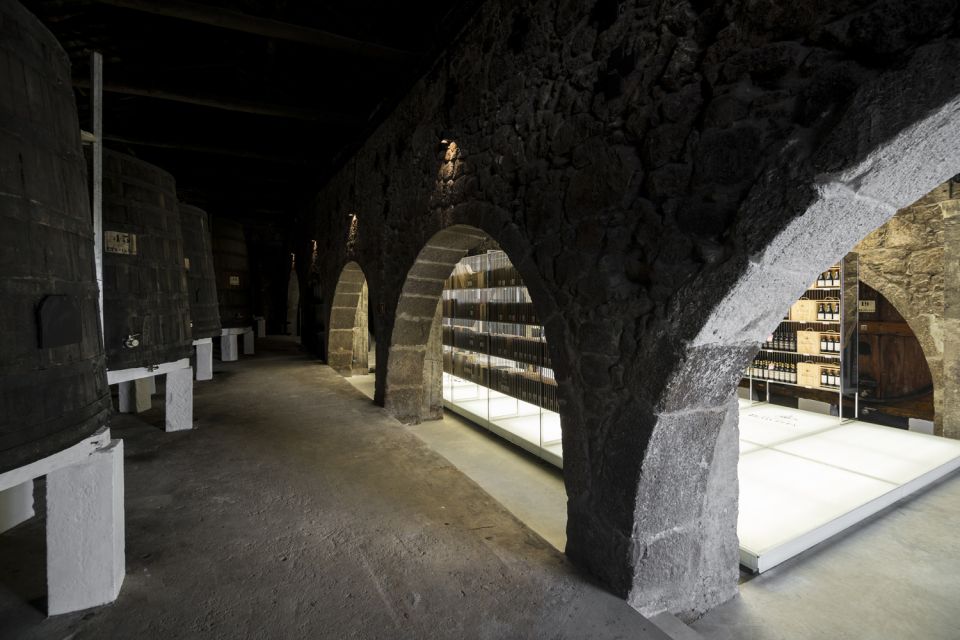
The first producer visit is built around production and aging. You’ll tour a working cellar where Port barrels are stored, and the tour highlights the scale of the operation by pointing out barrels from 500 up to 40,000 liters. Seeing that range makes the aging story more concrete, because you can literally picture how long wines spend in wood and how the cellar environment affects them.
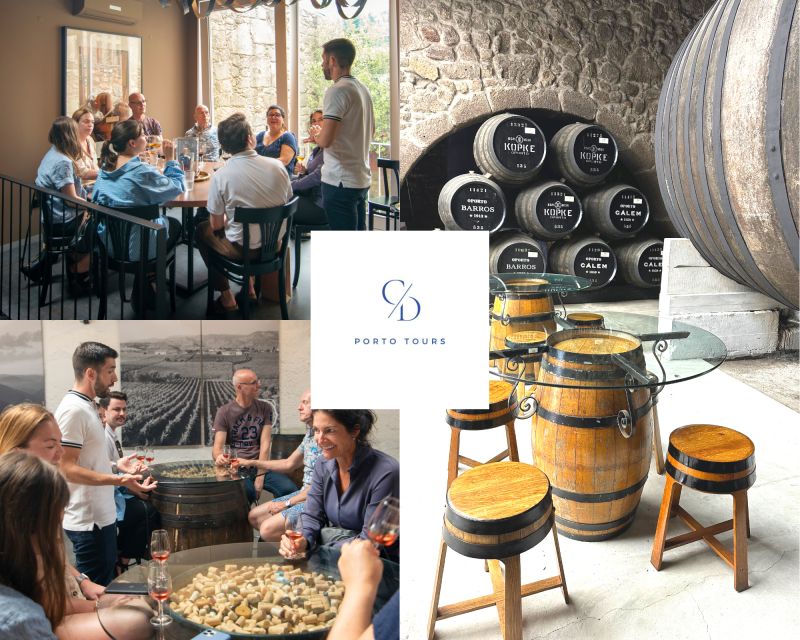
You’ll also learn about traditions and processes behind Port wine, then move into tastings. At this first place, you taste 3 Ports. From the included list, that tasting set is part of the broader seven-wine lineup (Dry White, White Reserva, Rose, two Tawny Reserva, and two LBVs), and the guide uses these early sips to set up what you’ll notice later.
What I like about this structure is that it gives you a baseline. The early flights help you pick up the main Port styles before you reach the deeper aging expressions later on in the tour.
Practical note: this portion is mostly indoor, so dress for comfortable indoor temps. Also, the pacing can be quick, so if you tend to get full or sleepy while drinking, having a proper breakfast or lunch beforehand matters.
Stop 2: cork basics, modernization, and a Rose Port
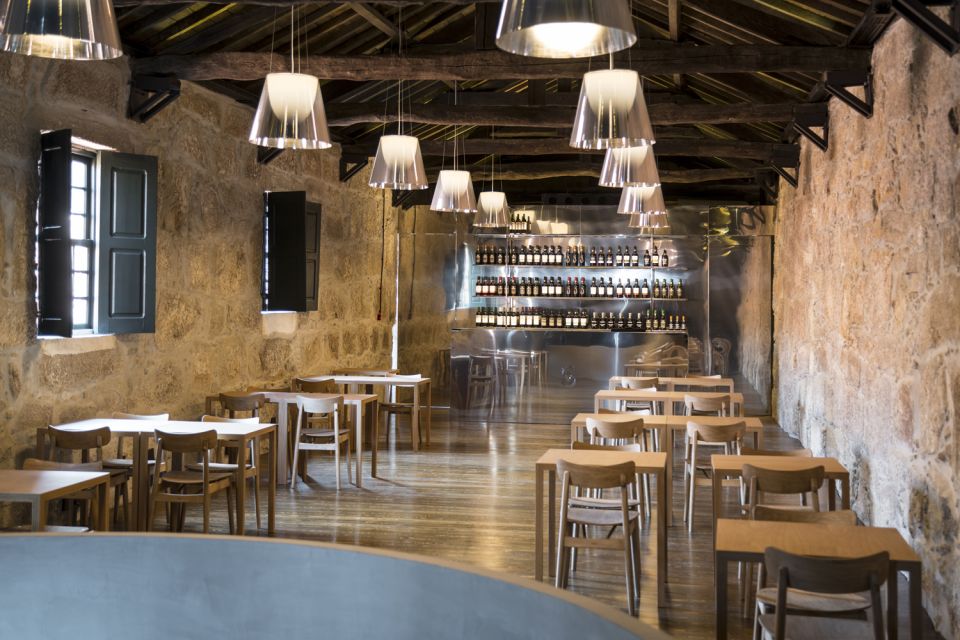
Next up is the second producer, and it’s where the tour adds a practical technical layer. You’ll get a brief explanation about cork, and then you may even be able to take pictures inside a barrel. That small photo moment is easy, but it also reinforces the main idea: Port is tightly linked to materials and storage methods.
Then the tour shifts into how the industry has modernized. This matters because Port isn’t only tradition. It’s also production choices and updates that keep quality consistent as methods evolve. You’ll get that modernization story while drinking a Rose Port.
You’ll taste another set of wines here, and the Rose stop is a smart mid-tour pivot. Many first-timers arrive thinking Port is only sweet and dark. A Rose Port helps you reset that expectation, and it also gives you contrast right before you head into the final boutique producer.
If you’re a photo person, be ready for quick opportunities. If you’re there for learning, listen closely during the cork and modernization explanation, because those are the moments that connect the technical details to what you’re tasting right afterward.
Stop 3: boutique tasting and three quality fortified wines
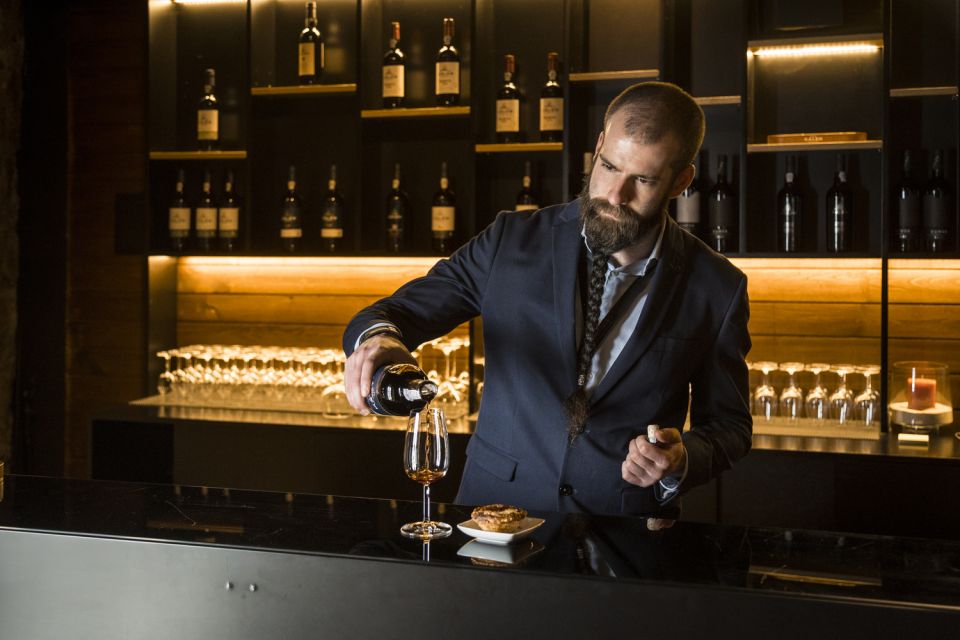
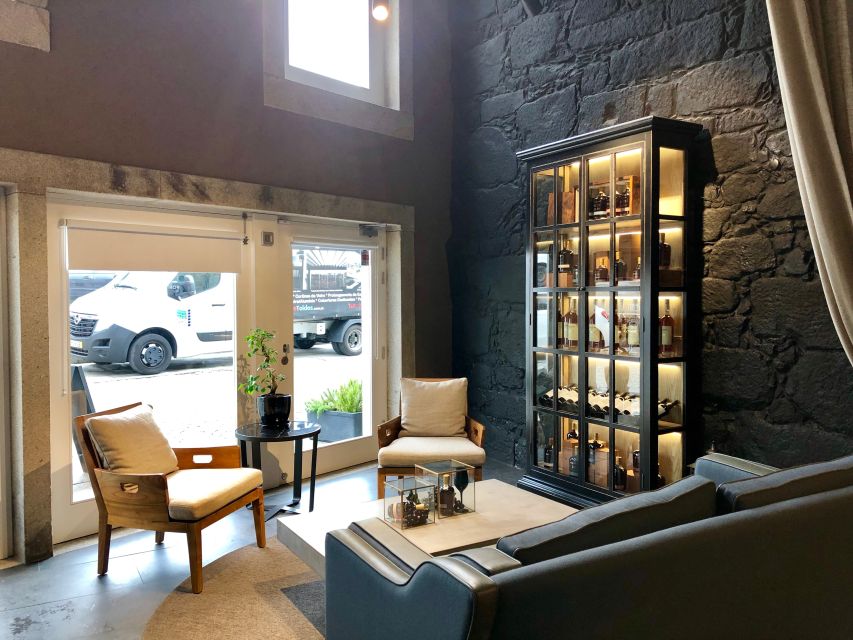
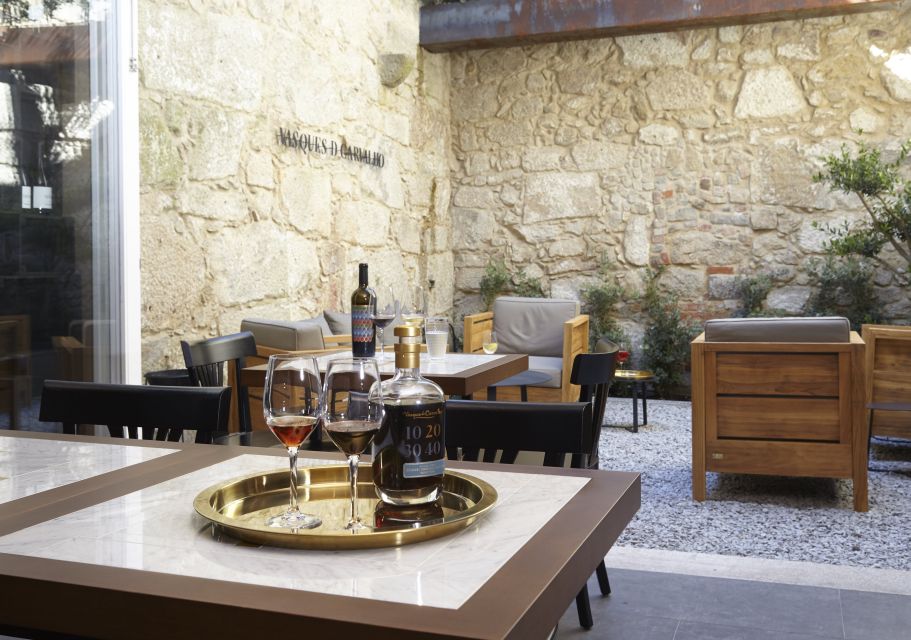
The third producer is presented as a more boutique experience. Instead of a bigger, warehouse-style atmosphere, this stop feels more intimate, and the tasting centers on 3 quality ports from the best fortified wine producer in Portugal in 2019.
That last sentence is the kind of detail that can sound marketing-heavy, but here it actually helps guide your expectations. You can treat the final stop like the closer of the tour: higher focus, more deliberate tasting, and a tighter selection meant to finish strong.
At this point, you’ve already tried multiple Port styles, so you’ll likely taste with sharper questions in your head. Is this one more about fruit? More about age and wood? Does it read dry-ish, sweet, or somewhere in the middle? That’s the value of the three-stop structure: your palate learns as you go.
And because it’s the final stop, it’s a good time to ask your guide for a quick recommendation about which style you should seek out later, once you’re back on your own.
The 7-Port tasting lineup: what to look for in each glass
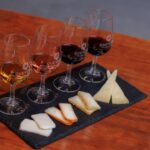
This tour includes 7 Port wine tastings, and the lineup is nicely varied. You’ll try:
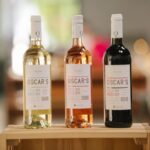
- 1 Dry White
- 1 White Reserva
- 1 Rose
- 2 Tawny Reserva
- 1 LBV filtered
- 1 LBV unfiltered
Here’s how I’d approach tasting them so you actually learn something, not just taste and move on.
Dry White: Use this as your palate reset. It’s usually the most straightforward style in the set, and it helps you understand that Port isn’t always sweet-forward.
White Reserva: This is where you start picking up how aging influences the wine. Pay attention to texture and balance, not just sweetness.
Rose: Treat it like the tour’s mood switch. If you thought Port was only dark and heavy, the Rose helps correct that quickly. Notice how the wine reads on its acidity and fruit character.
Tawny Reserva (two pours): The fact you taste Tawny Reserva twice is useful. Compare how each bottle reads in aroma and finish. You’re training your senses to notice how style stays consistent while specific expressions can differ.
LBV filtered vs unfiltered: This is one of the more interesting comparisons on the list. Even without tasting notes on the label, you can usually feel the difference in how the wine settles and how it presents on the palate. Filtered and unfiltered LBV gives you a practical way to understand that processing choices matter.
If you’re taking photos, don’t only photograph the glass. Photograph the producer or the moment the guide explains a style. Later, those images act like a quick memory cue.

Price and timing: $56 for learning plus multiple tastings
At $56 per person for a 2.5-hour tour, the value comes from the combination: you’re not paying just for wine. You’re paying for three producer visits and an organized tasting that includes seven specific styles across different production approaches.
For many wine experiences, you might get one or two locations and a smaller tasting. Here, the format is built for variety: you move through multiple cellars and atmospheres, and you cover both lighter Port styles and more aged expressions like Tawny Reserva and LBV.
The timing also matters. Two and a half hours is long enough to feel like a real tour, but short enough that it doesn’t drag. That matches the strongest feedback: the information stays packed, but it doesn’t feel like an endless lecture—especially with a guide who can keep things moving.
One more value tip: because food is not included, you really should eat beforehand. The tasting is substantial, and the tour’s adult pacing works best when your stomach is ready for it.
Meeting point and what the flow feels like
The tour meets near the Tourist Office. Look for the sign of the local partner on the blue umbrella. The experience ends back at that same meeting point, so you don’t have to think about transit or where you’ll be dropped off.
The flow is mostly indoor. You’ll spend time in working cellar environments and producer spaces, then come back out only as needed for moving between stops. That’s great for people who want a structured experience without long outdoor walking.
Because it’s a guided tour in English with a live guide, you’ll get explanations as you taste. It’s also stated that all participants require a reservation, even if they don’t drink the wines provided. That detail tells you this is managed as a group experience, not a casual drop-in tasting.
Who should book this Port Wine Experience
This one is a strong match if you want:
- Port education paired with real tastings
- A quick but structured route through three producers
- To compare multiple Port styles, including Dry White, Rose, Tawny Reserva, and both LBVs
- English commentary from a live guide
It’s also a less ideal match if you’re traveling with kids. The tour is adult-oriented and lists age restrictions (children under 18 can’t participate, and it also notes children under 16 cannot join). Wheelchair users aren’t suitable, and it’s not suitable for pregnant women.
If you’re a first-time Port taster, you’ll like the breadth. If you already know Port, you’ll still enjoy the LBV comparison and the Tawny Reserva double tasting, because those are the kinds of small details that separate casual drinking from actually understanding style.
And if you’re worried about feeling overwhelmed by wine education, one review highlighted that the guide made a lot of information feel fun and not too much. That’s exactly what you want for a 2.5-hour experience.
Should you book this Port tour?
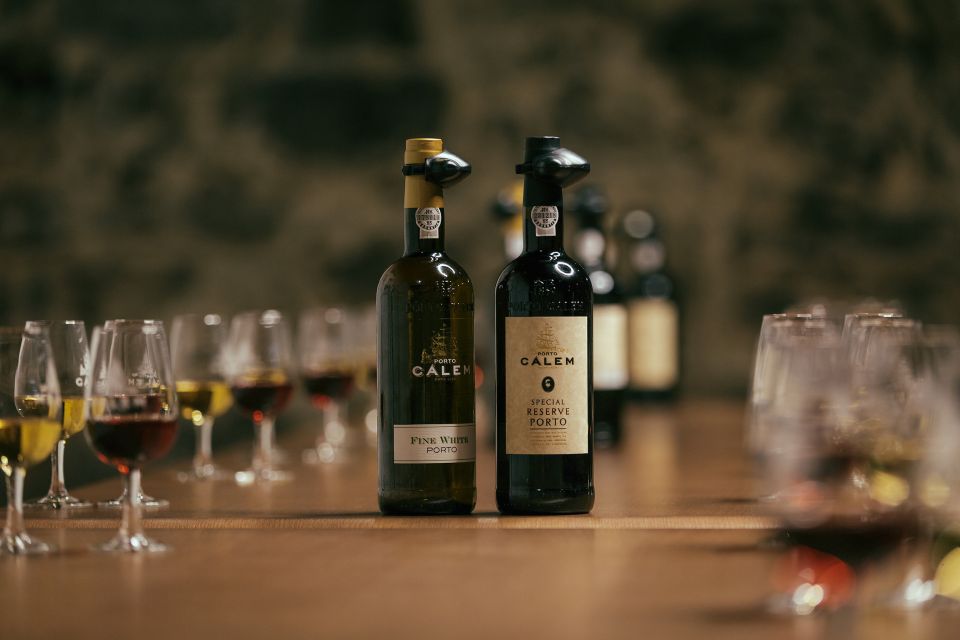
I’d book it if you want a compact Port crash course with seven tastings and three producer visits, all wrapped into 2.5 hours. The biggest reason is the learning-to-drinking ratio: you’re tasting widely, but you’re also getting production context like barrel aging scale, cork basics, and how modernization fits in.
Skip it only if you’re looking for a mostly outdoor tour, or you need accessibility options that the operator lists as not suitable. Also plan for the fact that there’s no food included, so eating beforehand is not optional if you want the whole experience to feel comfortable.
If you’re choosing between a simple tasting and a guided learning tour, this one leans toward education without turning into a school day. For most adults in the Norte region, that’s a smart use of a half-day.
FAQ
What is the location of this Port Wine Experience?
It takes place in Portugal’s Norte Region.
How much does the tour cost?
The price is $56 per person.
How long is the Port Wine Experience?
The duration is about 2.5 hours. Starting times vary, so you’ll want to check availability.
How many Port producers does the tour visit?
The tour visits 3 Port producers.
How many Port wines are tasted, and what types are included?
You’ll taste 7 Port wines total: 1 Dry White, 1 White Reserva, 1 Rose, 2 Tawny Reserva, 1 LBV filtered, and 1 LBV unfiltered.
Is food included?
No. Food is not included.
What language is the tour guide?
The live tour guide speaks English.
Where do you meet, and where does the tour end?
You start in front of the Tourist Office by looking for the local partner sign on a blue umbrella. The tour ends back at the meeting point.
Are children allowed?
This is mainly an adult-oriented experience. Children under 18 cannot participate, and it also states that children under 16 cannot take part.
Is the tour suitable for wheelchair users or pregnant women?
No. It is not suitable for wheelchair users and not suitable for pregnant women.