REVIEW · PORTO
Porto Jewish Heritage Walking Tour Small group
Book on GetYourGuide →Operated by Porto Craft Tours · Bookable on GetYourGuide
Porto hides Jewish stories in plain sight. This 3-hour small-group walk threads together 12th-century life, everyday streets, and the hard turn of the Inquisition into a route you can picture long after you leave. I especially liked how the guide keeps the focus on real places you’ll actually walk through, and the big moment at the Escadas da Esnoga makes the whole story feel physical.
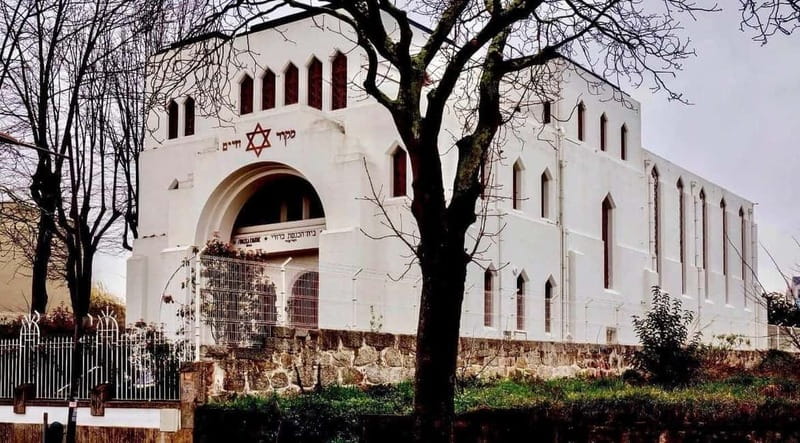
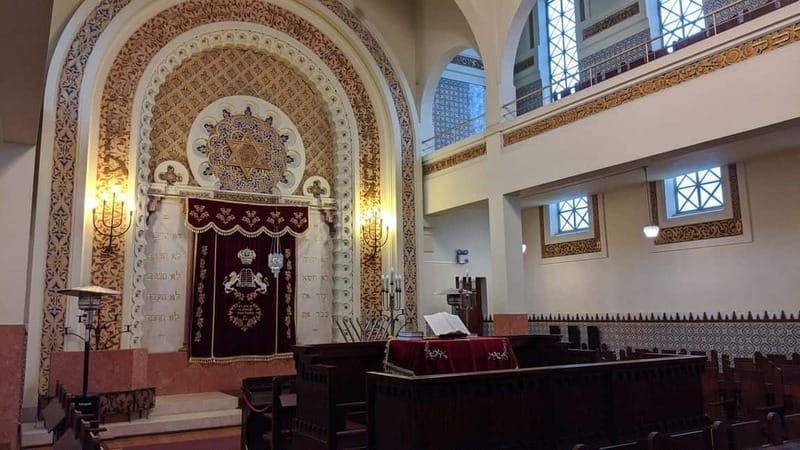
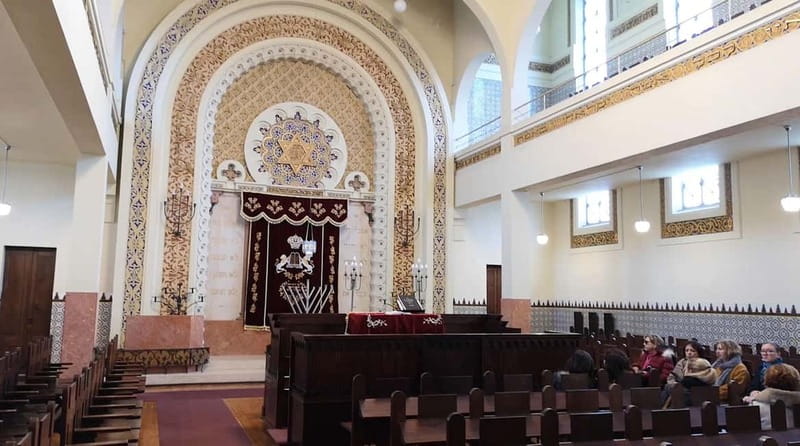
I also like that you get more than names and dates. You’ll hear about key figures such as Captain Arthur Carlos de Barros Basto (Abraham Israel Ben-Rosh) and how the community’s legacy links to the Kadoorie Mekor Haim Synagogue—plus why Porto mattered to Jewish families and trade. One drawback to plan around: there’s moderate walking with stair climbing, so comfortable shoes are not optional.
In This Review
- Key Points Worth Knowing Before You Go
- Porto Jewish Heritage in 3 Hours: What the Tour Really Feels Like
- Starting at Cathedral Grounds: Vimara Peres Statue as Your “Why Porto” Moment
- Rua Sant’ana and Rua do Comércio do Porto: Streets Where Life and Trade Meet
- Igreja de S. Bento da Vitória and the Vitória Viewpoint: Beauty With a Purpose
- The Escadas da Esnoga: The Most Memorable Story-Stop on the Route
- Virtudes Garden and Montanha dos Judeus: Ending the Walk on Higher Ground
- Key People and the Inquisition: What the Tour Wants You to Understand
- Price and Value: Is $51 Good for This Porto Walking Tour?
- Practical Tips So You Get the Most From the Walk
- Who This Tour Is Perfect For (and Who Might Prefer Something Else)
- Should You Book This Porto Jewish Heritage Walking Tour?
- FAQ
- How long is the Porto Jewish Heritage Walking Tour?
- What is the group size for this tour?
- Where does the tour start?
- Where does the tour end?
- Is the tour only in English?
- Is the tour good for people with mobility impairments?
- Does the price include entrance fees?
- What’s included in the ticket price?
- Is there any walking involved?
- Is the tour pet friendly?
Key Points Worth Knowing Before You Go
- Small group (up to 10) keeps questions from getting lost.
- 12th-century origins connect early coexistence to later persecution narratives.
- Escadas da Esnoga gives you a striking, memorable way to understand the area’s past.
- Hidden-synagogue stories help you read the neighborhood like a map of survival.
- Major names and identities, including Captain Arthur Carlos de Barros Basto (Abraham Israel Ben-Rosh), anchor the revival story.
- Courtyard-and-view stops like Vitória viewpoint and Virtudes Garden make the uphill parts worth it.
Porto Jewish Heritage in 3 Hours: What the Tour Really Feels Like
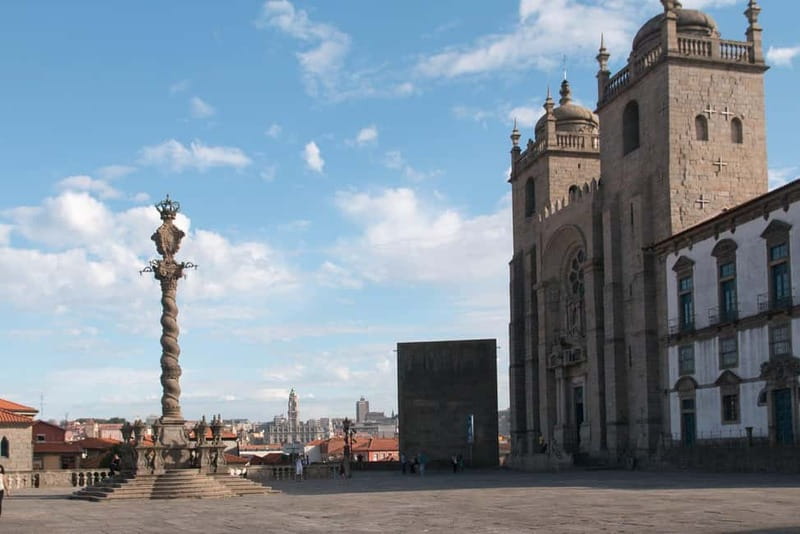
This is the kind of tour where the city does half the talking. You walk narrow lanes and stair-linked streets, and the guide’s job is to connect each spot to a chapter of Jewish life in Porto—coexistence, community wealth and commerce, secrecy, and later persecution of the New Christians.
Because it runs as a small group (limited to 10), you can ask the follow-up questions that usually pop up when you hear tough history. And because it’s only about 3 hours, you’ll still have energy left afterward to explore on your own without feeling like you spent your whole day in “museum mode.”
The pacing is also practical. You’re not just standing still waiting for a lecture—you’re moving, so the story stays grounded in the streets.
You can also read our reviews of more walking tours in Porto


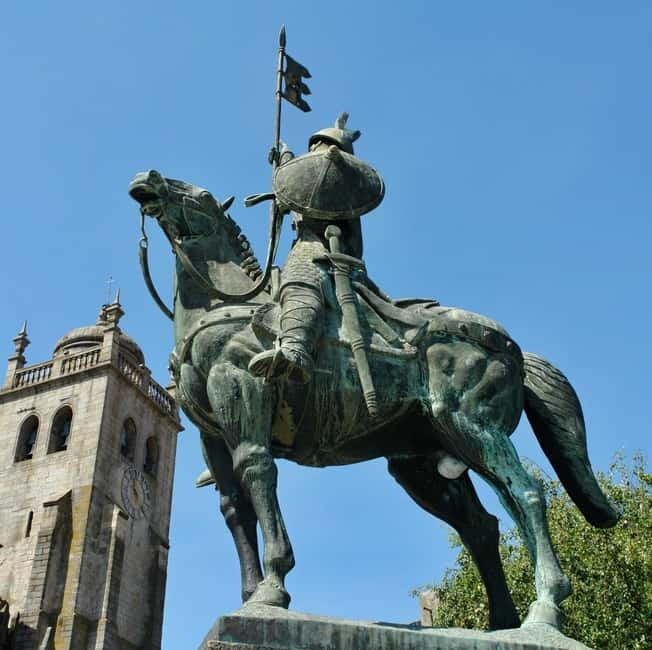
Starting at Cathedral Grounds: Vimara Peres Statue as Your “Why Porto” Moment
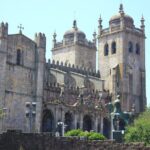
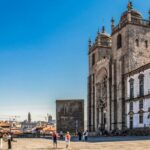
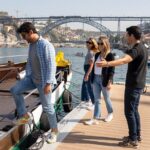
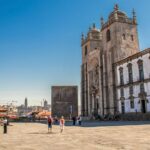
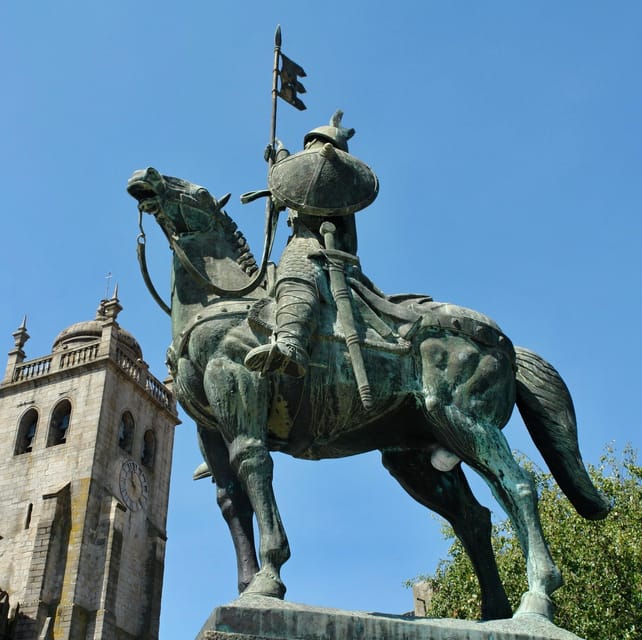
You meet at the Estátua de Vímara Peres at the Cathedral of Porto. That beginning matters because it frames the rest of the walk: Porto isn’t treated like a generic stop on a map. Instead, you start with the idea that this city’s role helped shape where communities could grow, trade, and adapt.
Right away, you get the tour’s main thread: Jewish history here reaches back to the 12th century, and for a time there was coexistence with local Christians. From the first stretch, you’re guided toward seeing how everyday neighborhoods became places where culture, work, and faith could overlap.
If you’re the type who likes context before you hit the scenery, you’ll appreciate this start. It helps you connect the view and the street layout to the story rather than just snapping photos and moving on.
Rua Sant’ana and Rua do Comércio do Porto: Streets Where Life and Trade Meet
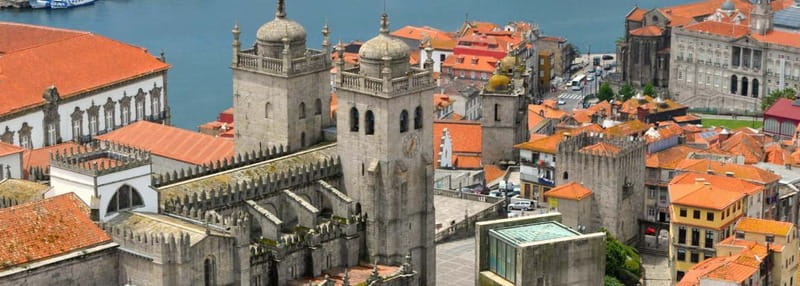
One of the best parts is how the guide treats the streets like evidence. You’ll walk through areas tied to the Jewish presence and hear how community wealth and commercial relationships developed alongside Christian neighbors.
Rua Sant’ana and Rua do Comércio do Porto are ideal for this kind of storytelling. Narrow streets and changing elevations force your attention onto what people would have noticed in real life: where trade routes ran, where you’d likely pass on foot, and how tightly the city could “hold” a community.
This section also gives you a chance to compare the tone of two eras. The early story is about coexistence and shared civic life, while the later story (Inquisition and persecution) turns secrecy and fear into the background of daily movement. You don’t just hear that history was complicated—you feel how the city’s structure can shape that complexity.
Igreja de S. Bento da Vitória and the Vitória Viewpoint: Beauty With a Purpose
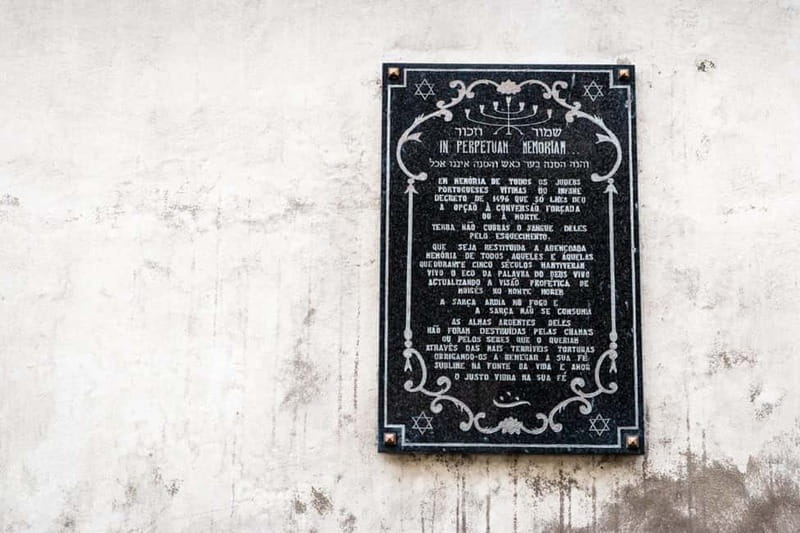
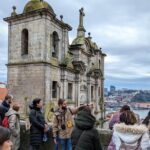
You’ll pass by Igreja de S. Bento da Vitória as part of the route. Even if you only take in the church area from the street (entries are not included), the stop is still worth it because it anchors the walk in a real Porto landmark you can later recognize on your own.
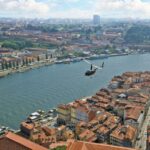
Then you shift to the Vitória viewpoint, which is a turning point in the tour’s rhythm. You get a wider glance over the steep, stair-stacked city, and that perspective makes the rest of the walking feel easier to understand. When you later climb those synagogue steps, you’ll know why the route rises the way it does.
Practical takeaway: use this viewpoint moment to pause. Take a breath, look around, and mentally connect the uphill streets to what the guide has been explaining about where people lived, moved, and gathered.
The Escadas da Esnoga: The Most Memorable Story-Stop on the Route
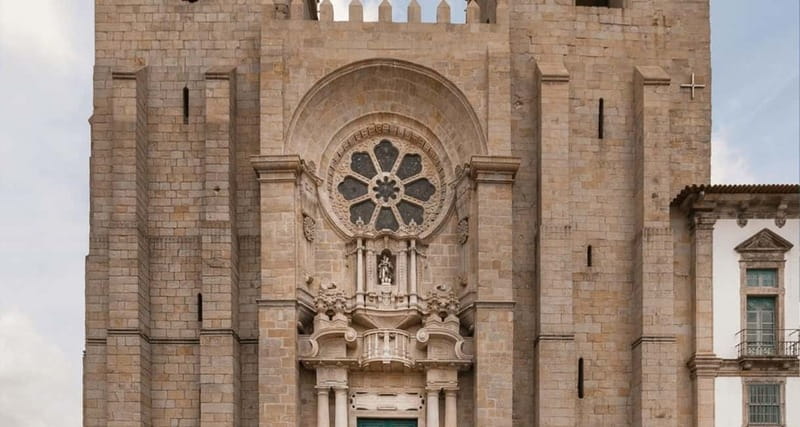
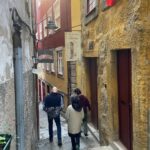
The highlight for me is the climb to and around the Escadas da Esnoga (Synagogue Steps). This isn’t just a scenic stair moment—it’s the tour’s most direct visual link to the idea of presence, absence, and survival.
When your guide explains how Jewish communities adapted under pressure, stairways like these stop being “just steps.” They become part of how people navigated the city when visibility could be risky. The route also helps you understand how neighborhoods carried memory: even if specific spaces changed or disappeared, the structure of the area remained.
Because the tour includes this physical climb, it’s a good choice if you learn best through movement and location. If you’re someone who prefers flat, low-effort walking, this is where you’ll want to slow down and pace yourself.
You can also read our reviews of more historical tours in Porto


Virtudes Garden and Montanha dos Judeus: Ending the Walk on Higher Ground
The tour’s conclusion includes Parque das Virtudes and the area known as Montanha dos Judeus (Mountain of the Jews). Ending here makes sense. Higher ground gives you space to think, and gardens/viewpoints tend to quiet the mind after heavier history.
Virtudes Garden is also a helpful capstone because it gives you a change of pace. After the tight alleys and stair climbs, you get a more open feeling—perfect for digesting what you’ve learned about resilience and cultural revival.
You’ll leave with a clearer picture of why revival efforts matter. The story isn’t only about what was lost; it’s also about how identity, community memory, and religious life continued and reappeared in later forms, including through figures like Captain Arthur Carlos de Barros Basto (Abraham Israel Ben-Rosh) and links to the Kadoorie Mekor Haim Synagogue.
Key People and the Inquisition: What the Tour Wants You to Understand
The tour spends real time on the shift from early coexistence to persecution. You’ll learn about the Inquisition and how the persecution of the New Christians changed lives and forced identity to become complicated.
I like that the guide frames this as something that affected real movement and real choices, not just abstract oppression. When you hear these topics while walking the very streets that shaped daily life, the history lands differently.
One of the most useful parts is how the tour connects earlier generations to later cultural revival. The mention of Captain Arthur Carlos de Barros Basto—also known as Abraham Israel Ben-Rosh—helps explain how one person’s work became part of a bigger return to community memory. And the connection to Kadoorie Mekor Haim Synagogue gives the story a modern anchor you can carry with you.
Price and Value: Is $51 Good for This Porto Walking Tour?
At $51 per person for about 3 hours, this tour is priced in a “serious history on foot” range—and it makes sense for what’s included. You get a professional local guide, plus taxes and insurance. That matters because the guide’s knowledge and the ability to answer your questions are the main product here.
What’s not included: entries and gratifications. So if you’re hoping to pay one flat price and do everything ticket-free, you should plan for the possibility of small add-ons depending on what’s offered during your specific walk.
Still, for many people, the value comes from the way the guide ties together multiple stops—streets, churches from the outside, viewpoints, synagogue steps, and the ending garden area—into one clear narrative. You’re not paying just for the geography. You’re paying for someone to help you read the geography.
If you only have half a day in Porto and want a story-driven route that stays grounded in place, this price feels fair.
Practical Tips So You Get the Most From the Walk
A few smart moves can make the experience smoother:
- Wear comfortable shoes. You’ll be walking moderately and climbing stairs.
- Bring water if you’re visiting in warm weather; uphill walking adds up.
- Arrive a few minutes early so you can start on time at the Vimara Peres Statue.
- If you have mobility limitations, this tour may not be a good match because the route includes stair climbing.
- If you travel with a pet, this tour is pet friendly.
Also, it’s worth noting the group size is limited to 10, and the guide works in English, Spanish, and Portuguese. If you have a preference, check what language the departure offers so you can follow comfortably.
Who This Tour Is Perfect For (and Who Might Prefer Something Else)
This works best for you if you enjoy history that’s tied to walking and place. If you like asking questions and learning how stories link to real streets, you’ll get a lot from the guide’s pacing and stop-by-stop narration.
It’s also a strong fit if you want a focused route that doesn’t try to cover every corner of Porto in one day. You’ll come away with a clear understanding of how Jewish heritage, coexistence, persecution, and revival connect through the city’s geography.
You might want a different tour if you strongly dislike stair climbing or if uphill walking would be uncomfortable. The route is not listed as suitable for people with mobility impairments.
Should You Book This Porto Jewish Heritage Walking Tour?
I’d book it if you want a story you can walk through, not just read about. The combination of synagogue steps, viewpoints like Vitória, and ending at Parque das Virtudes gives you a memorable arc. And because the group stays small, you can shape your experience with questions while staying on schedule.
Skip it if you need a fully flat route or if you’re not up for stairs. Otherwise, this is one of those Porto experiences that adds depth fast—turning ordinary-looking streets into part of a much larger human story.
FAQ
How long is the Porto Jewish Heritage Walking Tour?
The tour lasts about 3 hours.
What is the group size for this tour?
It is a small group, limited to 10 participants.
Where does the tour start?
You start at the Estátua de Vímara Peres at the Cathedral of Porto.
Where does the tour end?
It ends at Parque das Virtudes, and the activity description also says it concludes back at the meeting point area.
Is the tour only in English?
No. The live guide offers English, Spanish, and Portuguese.
Is the tour good for people with mobility impairments?
No, it is not suitable for people with mobility impairments due to walking and stairs.
Does the price include entrance fees?
No. Entries are not included.
What’s included in the ticket price?
A professional local guide, plus taxes and insurance.
Is there any walking involved?
Yes. There is a moderate amount of walking and stair climbing, so comfortable shoes are recommended.
Is the tour pet friendly?
Yes, it is listed as pet friendly.