REVIEW · PORTO
Porto: An Intimate Fado Show in a Historical Tavern
Book on GetYourGuide →Operated by Koutipons Companhia, Lda · Bookable on GetYourGuide
Fado in Porto feels different when it’s this close. In a stone tavern in Miragaia, you hear the singers without microphones and you’re sitting only meters away.
I especially love that the show delivers two Fado styles in one hour: Coimbra first, then Traditional Fado. The second thing I like is that you’re not just watching from a distance, because the music and the players share the same air—plus your ticket includes a glass of port or water.
One thing to consider: the room is small and silence is required, so if you’re looking for a loud party vibe or you need lots of chatting, this setup may feel strict (and it’s also not suitable for kids under 12).
In This Review
- Key things to know before you go
- Porto’s Miragaia tavern: why this setting makes the music hit
- Coimbra Fado, then Traditional Fado: what you’re actually hearing
- Part 1: Coimbra Fado (youth, poetry, longing)
- Part 2: Traditional Fado (non-commercial, pure feeling)
- Inside the no-microphone setup: how intimacy changes what you notice
- Your seat and the pacing: what a one-hour show feels like
- Port wine included: value, and how to fit it into your day
- Logistics that matter: where to check in and what to bring
- Who should book this Fado show (and who should skip it)
- Should you book this intimate Porto Fado show?
- FAQ
- How long is the Porto Fado show?
- Where do I meet/check in for the show?
- Is a drink included?
- Is the show accessible for wheelchair users?
- Do I need to be quiet during the performance?
- Is it suitable for children?
Key things to know before you go
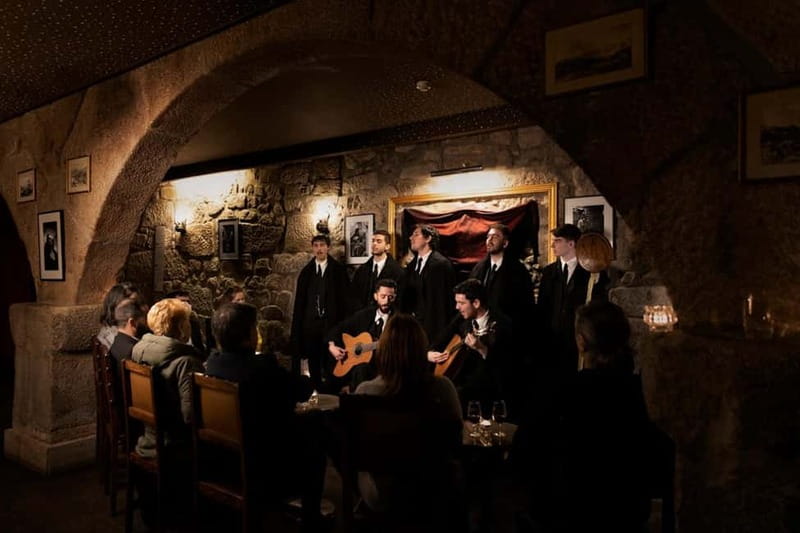
- Two distinct Fado traditions are performed back-to-back by two ensembles in one sitting
- No raised stage and no microphones, so you hear phrasing, breaths, and emotion up close
- A historic Miragaia location keeps you away from the busiest tourist lanes
- Spontaneity matters: the show’s flow can change, so you won’t get a rote performance
- Port wine is included (with water also available), which makes the hour feel like a proper evening out
Porto’s Miragaia tavern: why this setting makes the music hit
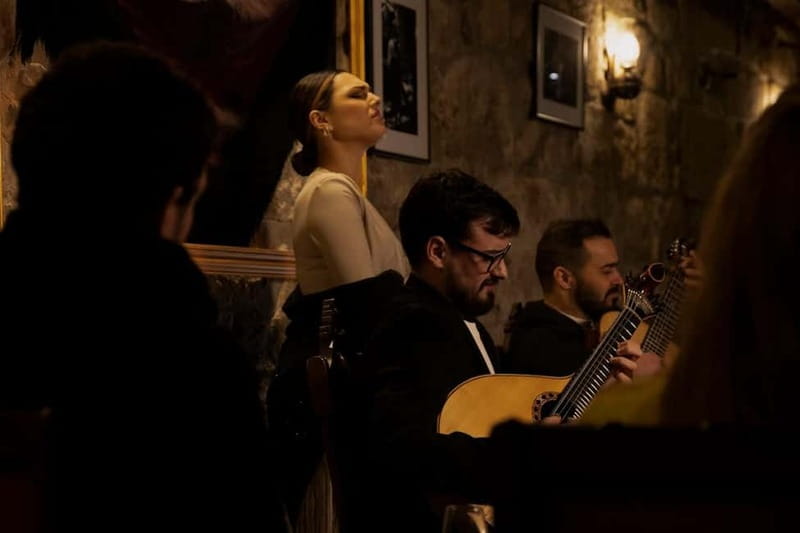
If you’ve ever watched Fado from a distance, you already know it’s powerful. What you may not expect is how much of that power comes from room size and closeness. Here, the performers do not hide behind a stage—so the emotion lands fast.
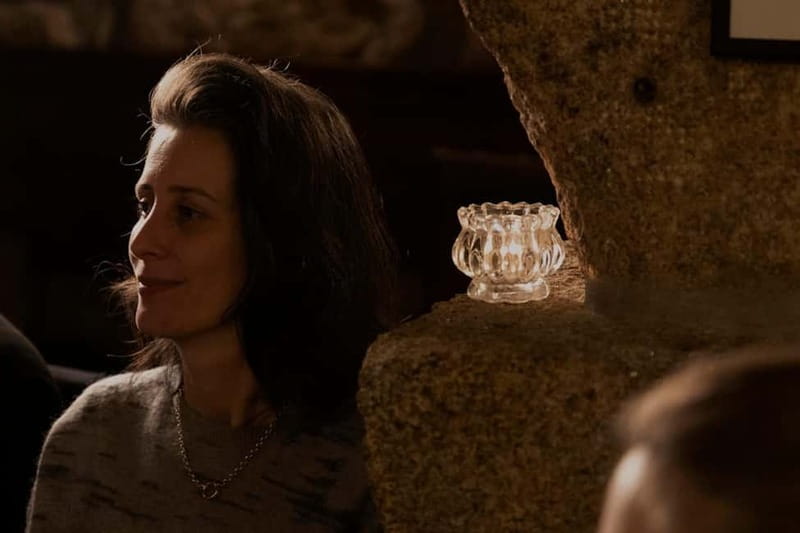
The venue sits in Porto’s historic Miragaia quarter, down in an old tavern setting. Several details point to why it feels more real than bigger, louder shows: stone walls, low-key atmosphere, and the simple fact that there’s no tech wall between singer and audience.
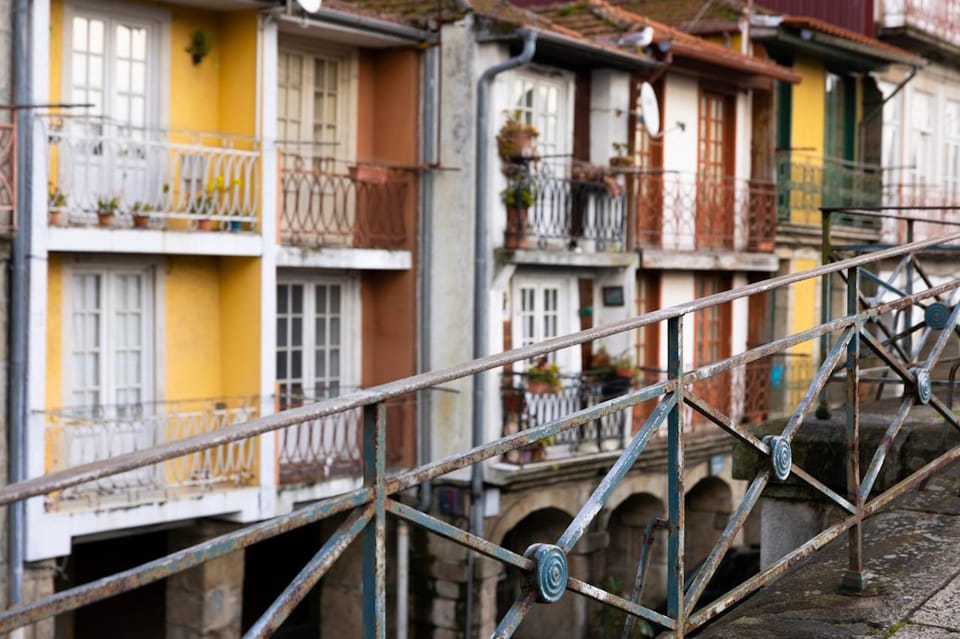
It’s also easy to find once you’re in the area. One review noted the venue is close to the river and straightforward to locate, which matters because you’re going for a 1-hour experience—you don’t want to waste time hunting streets.
You can also read our reviews of more historical tours in Porto



Coimbra Fado, then Traditional Fado: what you’re actually hearing
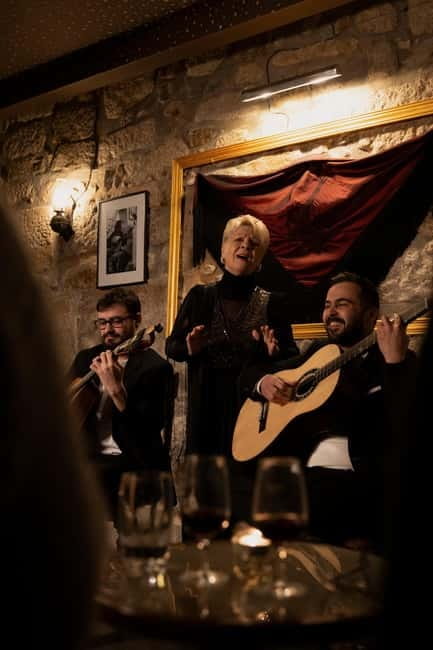
This show’s main draw is the sequencing. You get Coimbra Fado first, then Traditional Fado in the second half, each with its own ensemble and musical tone.
Part 1: Coimbra Fado (youth, poetry, longing)
Coimbra Fado is known for bridging popular and classical traditions. It’s closely tied to university life in Portugal, and the themes often circle around youth, poetry, love, and longing.
In practice, Coimbra Fado often feels a bit more narrative. The songs can sound elegant and “story-like,” with lyrics that seem to twist between romantic and wistful. You’ll also hear the instrumental backbone that supports this style, rather than just a song-and-stop format.
Part 2: Traditional Fado (non-commercial, pure feeling)
Then the show shifts into Traditional Fado, described as pure and non-commercial. That difference matters because Traditional Fado tends to lean harder into raw expression, with artists treating the music like something lived-in, not packaged.
If Coimbra Fado is the poetry side, Traditional Fado is the weight side. The mood often becomes more intense, and the singing can feel more confrontational in the best way—like the artist is pulling the emotion directly from the room.
Inside the no-microphone setup: how intimacy changes what you notice
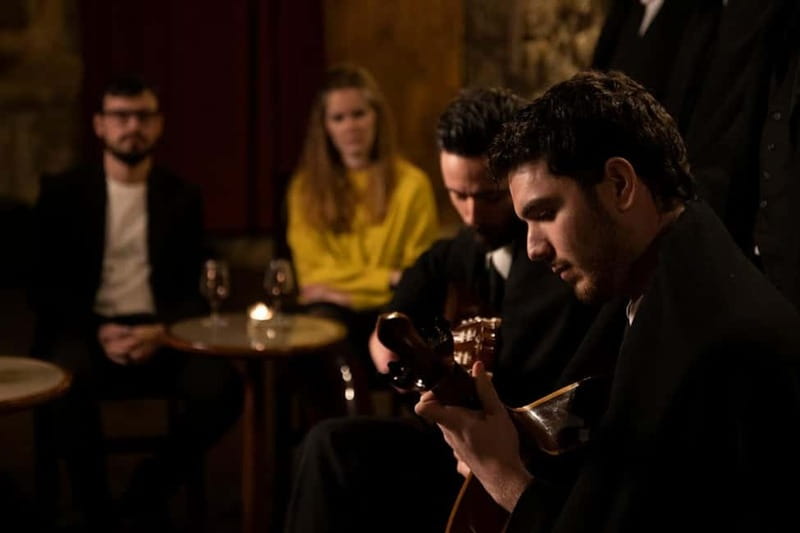
Here’s the practical reason this works: without microphones, you can’t rely on volume tricks. The sound has to be made by the voice and the room. That means the phrasing matters more, and the emotional changes are easier to catch.
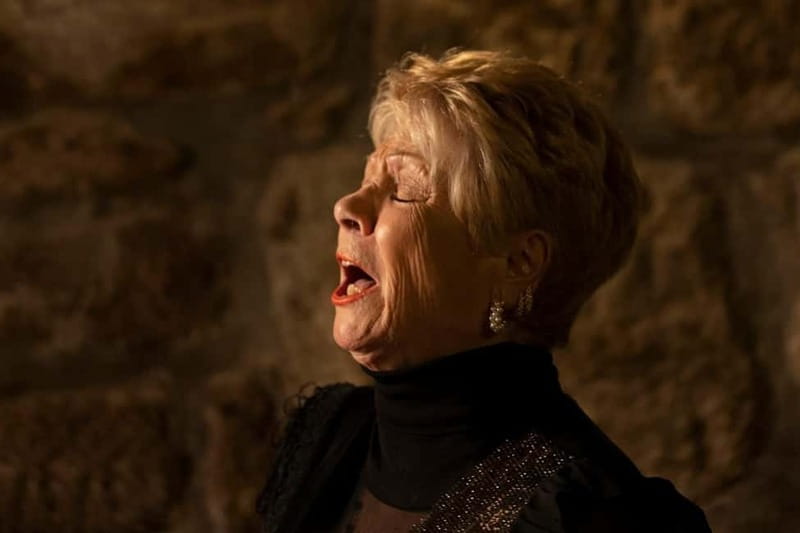
In a larger hall, you might hear the song. In this tavern, you start noticing how the singer forms a line—where the breath sits, where the sound softens, and when the emotion sharpens. It’s also why the show asks for silence during the performance. The room is tuned for listening, not for background entertainment.
You should also know this: because it’s so close, the audience can sometimes get involved. One account described a more joyful moment with audience participation and even a bit of sing-along. Still, treat that as an invitation from the performers, not a cue to start chatting. Keep your part calm unless you’re directly encouraged.
You can also read our reviews of more tours and experiences in Porto





Your seat and the pacing: what a one-hour show feels like
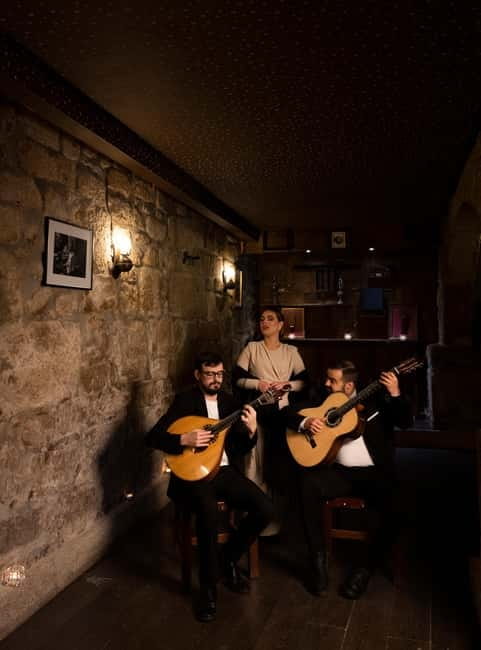
The duration is about one hour, and the show runs in the late afternoon. That timing is a good fit in Porto because it turns the evening planning into one clean event, instead of forcing you to string together multiple stops.
The venue itself is intimate—one review described seating for around 50 people. When that kind of room is set up well, you usually don’t get “bad seats,” and at least one person noted every seat felt good. Still, do yourself a favor and arrive early so you’re not squeezing in while the music is getting ready.
A smart tip: plan to arrive about 10–15 minutes early. That window gives you time to settle, use the bathroom if you need it, and get oriented without rushing. Since the show is compact, being late isn’t just inconvenient—it can cut into your ability to actually enjoy the atmosphere.
Port wine included: value, and how to fit it into your day
Let’s talk about the $21 price, because it’s not just cheap for a show—it’s cheap for what you get. You’re paying for a one-hour performance that combines two Fado traditions, two ensembles, and an included drink.
The included drink is a glass of port wine, with water available as an alternative. The “why it matters” part is simple: a port glass makes the hour feel like part of Porto’s culture, not just a ticketed performance. You’re sitting in a traditional tavern drinking something local while Fado fills the room.
Is it a lot of alcohol? No. It’s a small pour, but enough to put you in the right mindset. If you prefer water, you can choose that instead, and you’ll still get the value of the included beverage.
Logistics that matter: where to check in and what to bring
Check in at the entrance to the Fado Maior do Porto concert hall. After the show, it ends back at the meeting point, so you’re free to walk on once the last notes fade.
Because this is a listening-focused show, keep your behavior “theater respectful.” The event rules include things like no food or drinks beyond what’s provided, no tripods, and no making noise. Pets and baby strollers aren’t allowed, and tripods are banned, which also helps keep the room visually simple.
What to bring is mostly common sense: dress comfortably for Porto evenings and keep your phone quiet. Silence is required, and that includes unnecessary screen light or clicking. Treat it like a concert, not like a photo shoot.
Who should book this Fado show (and who should skip it)
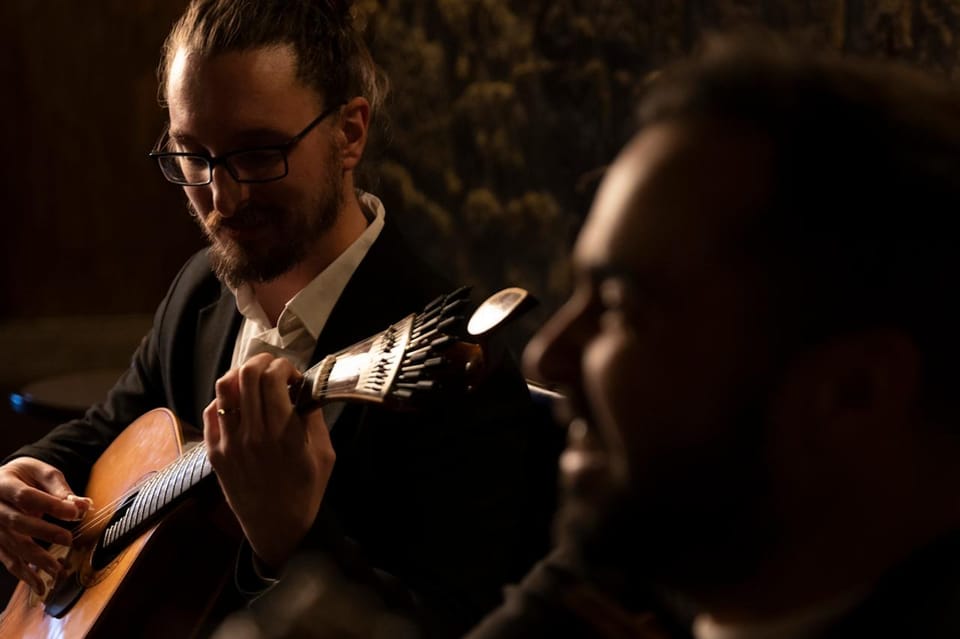
This is for you if you want an up-close cultural experience. If you like live music where you can feel the singers’ control and you enjoy smaller venues, this kind of no-microphone intimacy is exactly the point.
It’s also a strong choice if you want the “A to B” of Portuguese Fado styles without hopping across multiple shows. You get Coimbra and Traditional Fado in one sitting, so you don’t have to plan two evenings or guess which style you’ll like more.
Skip it if:
- you need a child-friendly atmosphere (it’s not suitable for children under 12)
- you don’t want strict quiet rules (silence is required during the performance)
- you’re expecting a big stage show with lots of movement and production
On the language side, the show’s information is Portuguese. Some performers may greet the audience in multiple languages in practice, but don’t count on explanations in your language. Plan to listen first, and let the music do the talking.
Should you book this intimate Porto Fado show?
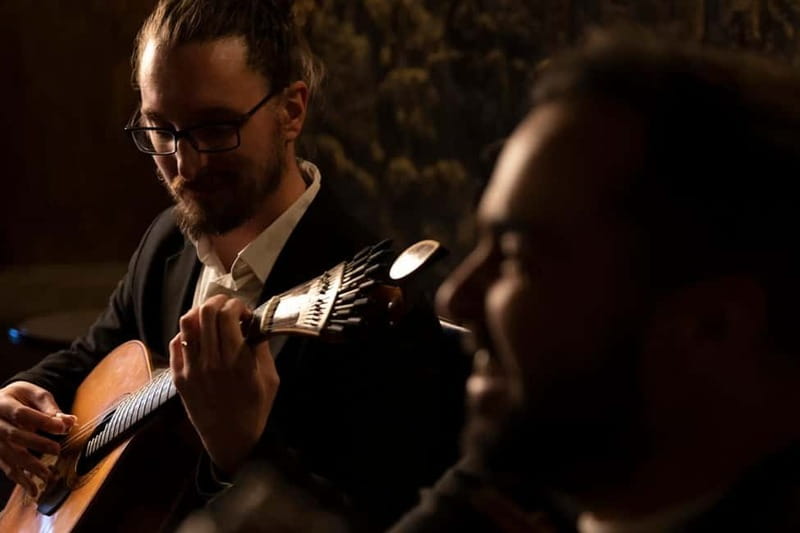
Yes, if your idea of value is a small room, close voices, and two Fado styles delivered with real musicianship. For $21, a one-hour evening with Coimbra Fado, Traditional Fado, and a port glass (or water) is a sensible deal in a city where Fado shows can range from special to overly commercial fast.
Book it now if you care about authenticity and you want your memories to be about the sound, not the crowd. If you hate quiet rules or you’re traveling with young kids, look for a different kind of evening entertainment in Porto.
FAQ
How long is the Porto Fado show?
The performance lasts about 1 hour.
Where do I meet/check in for the show?
You show your ticket at the entrance to the Fado Maior do Porto concert hall.
Is a drink included?
Yes. Your ticket includes a glass of port wine, and water is also available.
Is the show accessible for wheelchair users?
Yes, the experience is wheelchair accessible.
Do I need to be quiet during the performance?
Yes. Silence during the performance is required.
Is it suitable for children?
It is not suitable for children under 12 years old.