REVIEW · PORTO
Historic Porto by Private Electric Tuk Tuk to Top Landmarks
Book on Viator →Operated by Living Tuk Tuk · Bookable on Viator
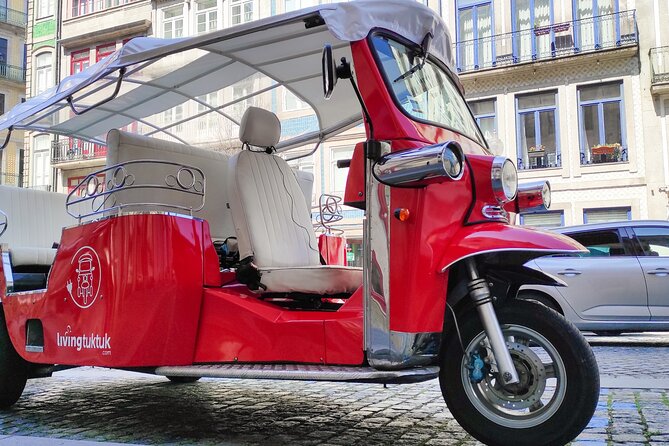
Porto’s hills met a quiet electric ride. This private 100% electric tuk-tuk tour is built to get you oriented fast, with a guide who connects the big postcard stops to what makes the city tick. You’ll cover more ground than a walking-only day while still hearing the story behind the streets.
What I really like is the combo of big highlights and a small-group feel (up to 6 people, private for your group). I also love that you’re not just being transported; you get context for places like São Bento, Aliados Avenue, Carmelitas Church, and the Clérigos Tower area—so you can return later with better instincts on where to linger.
One possible drawback: Porto’s tourist-vehicle rules can affect how close tuk-tuks can get to the most historic core. On some dates, the route can shift toward Gaia and viewpoint stops across the river, which changes the mix of what you see from the vehicle.
In This Review
- Key Things I’d Focus On Before You Go
- Electric Tuk-Tuk vs. Walking in Porto’s Reality
- Price and What You Actually Get for It
- Meeting Point on R. do Corpo da Guarda: Start Clean, Start Smooth
- The Ride Plan: How the Route Builds Your Porto Mental Map
- São Bento Train Station: The Perfect First Photo Stop
- Aliados Avenue: Porto’s Main Spine and How It Shapes Walks
- Carmelitas Church Façades: Small Details That Actually Teach
- Clérigos Tower: The Postcard Moment with a Purpose
- Cobblestones, Small Restaurants, and Douro River Views
- Gaia Viewpoints: When Regulations Change the Best Parts
- Private Guide Value: Names Matter, Stories Matter
- Small-Group Comfort: Up to 6 People
- Photo Stops and Where to Stand After
- Making the Most of the Included Walking Options
- Practical Tips So the Hour Feels Worth It
- The Social Good Piece (And Why It Matters)
- Should You Book This Private Electric Tuk-Tuk?
- FAQ
- How long is the Historic Porto private electric tuk-tuk tour?
- Is this tour private or shared?
- How many people can ride in each tuk-tuk?
- What’s included in the price?
- Are museum or monument tickets included?
- Will the itinerary always stay inside central Porto?
Key Things I’d Focus On Before You Go
- Private, up to 6 people means less waiting and more time for your guide to answer questions.
- 100% electric tuk-tuk keeps the ride calm and easy to chat on without fumes and fumes-adjacent complaints.
- Landmark order makes sense: São Bento first for orientation, then the city’s main spine and church-tower highlights.
- Audio can be hit or miss: some rides have a clear sound setup, others can be harder to hear from the seats.
- Route adjustments are real when vehicle access changes, often pushing more Gaia viewpoints.
Electric Tuk-Tuk vs. Walking in Porto’s Reality
Porto looks compact on a map, but in real life it’s all angles, slopes, and staircases. This kind of tour is practical because it helps you understand the layout without turning your first day into a leg workout.
The electric tuk-tuk is also a nice middle ground. It’s not a bus where you stare forward and hope the guide is heard. You can usually turn your head for photos and still get explanations timed to what you’re seeing.
And since it’s private for your group, the guide can steer the pace. That’s the difference between hearing a scripted monologue and getting a route that fits your interests and photo style.
You can also read our reviews of more private tours in Porto


Price and What You Actually Get for It
At about $42.33 per person for roughly 50 minutes, this is priced like a short introduction tour rather than a full-day sightseeing bargain. The value comes from two things: speed + context.
If you’re on a tight schedule, it’s hard to beat the efficiency of bouncing between major sights without hauling yourself uphill and downhill between stops. You’re also paying for an expert driver/guide who ties the city’s layout to stories—so the experience is more than transport.
What’s not included matters too. There are no tickets to museums or paid monuments in the price. If you’re planning to go inside things like towers, churches, or museums, treat this as your “see it from outside, then decide” phase. The tour sets your priorities, then you handle admissions separately.
Meeting Point on R. do Corpo da Guarda: Start Clean, Start Smooth
Your pickup is at R. do Corpo da Guarda 18, 4000-069 Porto. The experience ends back at the same place, which is helpful for planning the rest of your day.
Most people find the meetup easy, but there are also notes that it can be tricky to spot at first. My advice: arrive a bit early and confirm what the guide calls the meeting area. Porto is full of small streets and similar-looking corners.
Because it’s private, you’ll also want to be ready when the guide arrives—getting everyone settled quickly keeps the ride on track.
The Ride Plan: How the Route Builds Your Porto Mental Map
The tour is designed like a fast orientation circuit. It starts with a landmark that gives you a “north-south” sense of the city, then shifts to the central boulevard, church façades, and tower-photo territory, and finishes with the classic stone-street feel and Douro River views from higher points.
Even if your exact access points change (more on that soon), the overall logic tends to help you. You leave with a clearer idea of where the historic core is, where the big avenues run, and which viewpoints give you the most payoff per minute.
São Bento Train Station: The Perfect First Photo Stop
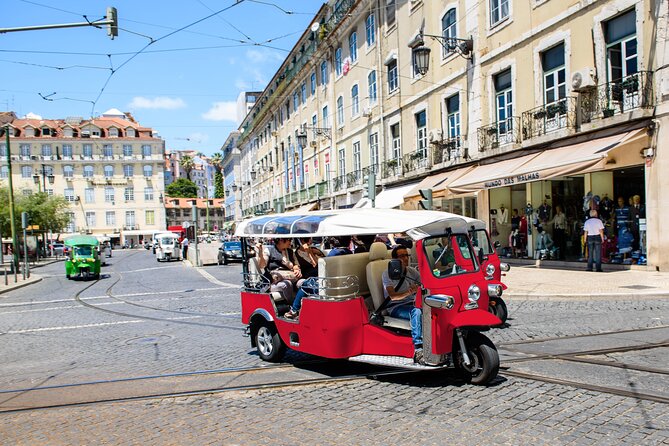
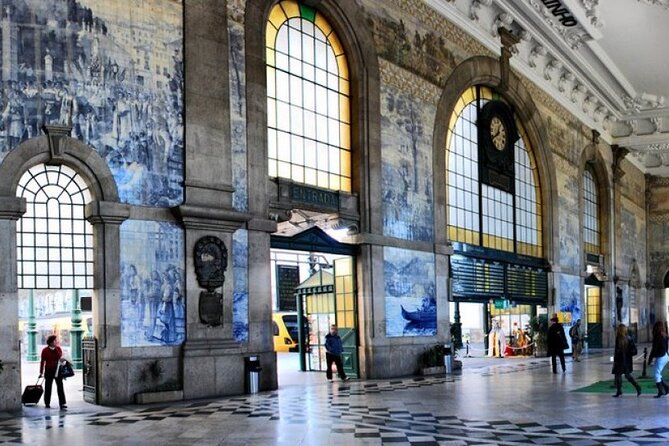
Heading toward São Bento Train Station is smart for a first stop because it instantly tells you Porto’s identity. It’s famous for its visual storytelling, and the station area gives you an easy “anchor” point in the city.
From there, your guide can explain what you’re looking at and how it connects to the wider historic center. The key is that the stop isn’t just a check-the-box moment. It’s meant to set the tone and give you a frame for everything else you’ll see.
If you’re the kind of person who likes to come back and explore after a tour, this is a great opening. You’ll know where to head when you want more time later.
You can also read our reviews of more historical tours in Porto




Aliados Avenue: Porto’s Main Spine and How It Shapes Walks
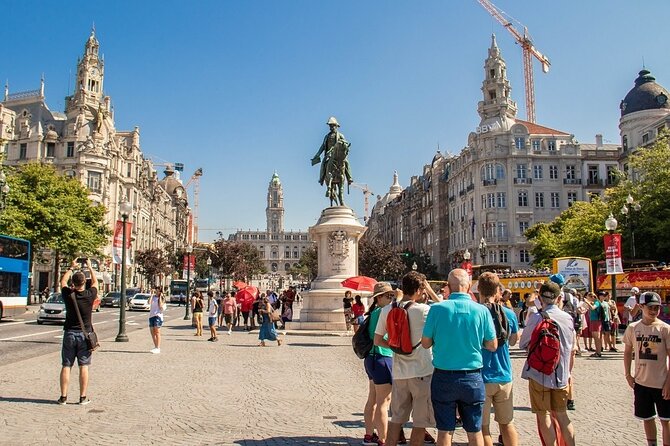
Aliados Avenue is Porto’s central avenue—wide, emblematic, and a natural divider between neighborhoods. Seeing it from the tuk-tuk window gives you quick context for how people move through the city.
Why this stop helps: once you understand where Aliados sits, it becomes easier to plan walking routes. You’ll be able to connect side streets to the main corridor and stop guessing.
Your guide also typically points out why the avenue matters—whether it’s civic life, architecture, or how it channels visitors toward the core. This is the kind of explanation that makes later wandering feel less random.
Carmelitas Church Façades: Small Details That Actually Teach
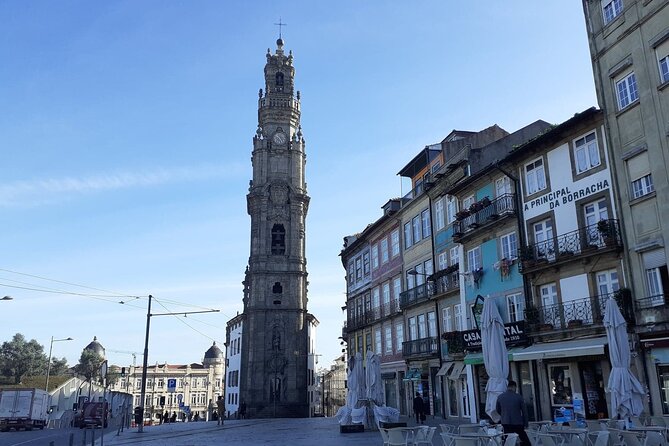
Next up is Carmelitas Church, with construction history going back to the 17th century. This is the kind of stop that feels subtle when you’re passing by on foot, but it becomes memorable when someone explains what you’re seeing.
You get the chance to observe the façades while the guide talks. That means you can slow down visually without having to hunt for explanations inside.
A good guide here can make the church look like a timeline instead of a building. You’ll start noticing features that match the era and local style.
Clérigos Tower: The Postcard Moment with a Purpose
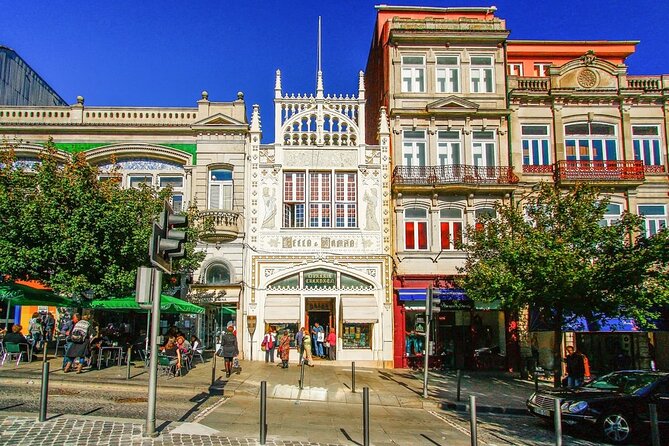
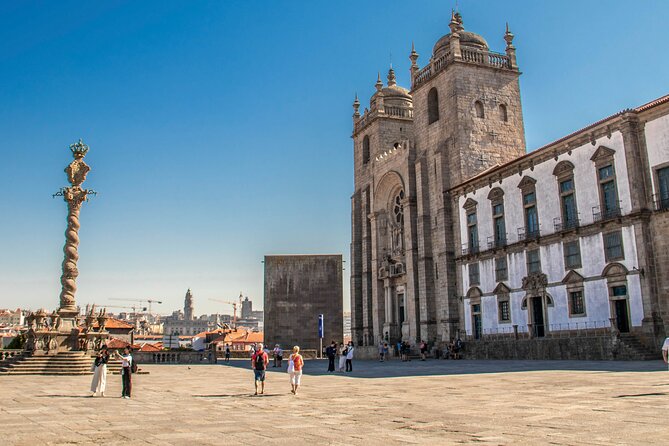
The Tower of Clérigos is often treated like a symbol, but on this tour it’s also a navigation tool. Once you place the tower in your mental map, you’ll find it easier to understand how the historic center is layered.
This stop is about angles and recognition. From the tuk-tuk, you get the big views and the chance to take photos at a moment when the surroundings help frame the tower instead of hiding it behind crowd flow.
If you’re planning your next day around classic Porto sights, the Clérigos area is usually the best place to start. After the tour, you’ll know how to return and where to aim for your own photos.
Cobblestones, Small Restaurants, and Douro River Views
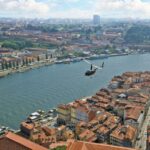
After the tower area, the tour shifts into the feel of Porto’s historic streets: cobbled lanes, houses close to the ground, and the sense of the city you’d otherwise only discover by accident. You also get Douro River views from higher points, which is one of those Porto moments that makes the city click.
This is where the tuk-tuk earns its keep. Walking those slopes without a plan can mean you skip viewpoints or end up exhausted before the best panoramas.
The guide’s role matters here too. When your driver narrates what you’re seeing and which streets tend to lead toward the best views, you’ll leave with a short list of where to go next.
Gaia Viewpoints: When Regulations Change the Best Parts
Here’s the part you should know before you book: tuk-tuk access in central Porto has sometimes been limited by local rules. When that happens, many tours pivot toward Gaia and viewpoints across the river.
That pivot can still be worth it. Gaia overlooks give strong postcard angles, and you’ll often get a different but equally useful sense of the city’s layout. Some guides also keep the storytelling going and make the ride feel intentional rather than improvised.
But if your priority is being right next to the most central historic landmarks from the vehicle, you may feel you lose something when access is restricted. The fix is simple: plan to do a bit of walking after the ride (this tour supports that with a walking-tour option next day).
Private Guide Value: Names Matter, Stories Matter
The most consistent theme across strong experiences is the guide personality. Names that have shown up include Miguel, Andreas, Diego, Nicole, Beatriz, Helena, Johanna, Ana, and Andre—and the best versions of the tour sound lively, funny, and tuned to questions.
One practical tip: ask what you like during the ride. A guide who customizes the route based on your interests can help you avoid ending up at viewpoint number five when you really wanted architecture and street life.
Also, bring realistic expectations about audio. Some rides have a microphone/sound setup that works well; others mention it being hard to hear. Sit where you can listen without craning too much, and if you can, take notes on your phone so you can capture what you don’t catch the first time.
Small-Group Comfort: Up to 6 People
With a maximum of 6 people per tuk-tuk, you’re not fighting for space. That matters for two reasons: visibility and comfort.
Better visibility means better photos, especially for the tower and river-view segments. Better comfort means you’ll actually enjoy listening instead of spending the ride adjusting your posture for every bump on the stone streets.
If you’re traveling as a couple or small family group, this format is ideal. It gives you the “shared guide” feel without the chaos of a large crowd tour.
Photo Stops and Where to Stand After
One of the most useful things you’ll get from the better guides is the route rhythm: where to stop for photos, and how to re-walk the streets afterward.
Some guides are also known for taking photos for you, which is handy if you’re traveling with a friend but want a solid shot without handing over your phone repeatedly. Even without that, you’ll leave with a clearer sense of which angles are worth repeating.
My advice: while you’re on the tuk-tuk, treat it like scouting. Take fewer photos than you think, then come back to the spots that feel right.
Making the Most of the Included Walking Options
The tour includes access to a Porto City Walking Tour available from the day after your experience. That’s the smart follow-up because it turns your orientation into deeper exploration on foot.
There’s also mention of a free shared walking tour offered daily by Living Tours, with departures at 9:30 a.m. and 4:30 p.m. from Rua Mouzinho da Silveira 352, 4050-418 Porto.
Because these can overlap or exist alongside each other, your best move is to check the timing once you confirm your booking. If you can, line up the walking component for the next day while your mental map is still fresh.
Practical Tips So the Hour Feels Worth It
Here’s how to make sure you don’t end up disappointed by a short tour length:
- Be clear about your expectations: this is mostly a highlights-and-views intro, not a slow museum day.
- Bring a phone camera plan: charge beforehand and save storage, because tower and river angles come fast.
- If it’s raining or gray, lean into covered moments and viewpoint stops; Porto still looks good even when the light is moody.
- If you notice the audio is weak from your seat, shift your position early. Better listening usually means better satisfaction.
Also, factor in real city timing. The ride duration can stretch due to traffic. If you’ve got another timed activity right after, give yourself buffer.
The Social Good Piece (And Why It Matters)
This company says it supports communities by contributing toward a meal for people experiencing homelessness or need. It’s not the main reason to book a tour, but it’s a positive detail that adds meaning to what could otherwise be a purely transactional sightseeing hour.
If you like your tourism to have a human side, that’s worth noting.
Should You Book This Private Electric Tuk-Tuk?
Book it if you want a fast orientation to Porto with a private guide, and you enjoy the idea of learning what you’re seeing rather than just taking pictures. It’s especially good for first-timers, people short on time, and anyone who wants to reduce the uphill slog on day one.
Consider skipping or adjusting expectations if your #1 goal is getting the tuk-tuk right up to the most central historic-core spots. Vehicle access rules can shift the route toward Gaia viewpoints, and while Gaia views are still great, it may not match your dream version of seeing every stop at close range from the vehicle.
If you do book, pair it with a walking plan for the next day. That’s where the orientation turns into a richer Porto experience, and where you can slow down for the details the tuk-tuk can only hint at.
FAQ
How long is the Historic Porto private electric tuk-tuk tour?
It runs for about 50 minutes, though the overall timing can be affected by traffic conditions.
Is this tour private or shared?
It’s private. Only your group participates.
How many people can ride in each tuk-tuk?
The maximum is 6 people per tuk-tuk.
What’s included in the price?
Included: a private 100% electric tuk-tuk, a tour expert/driver, a Porto City Walking Tour available from the day after your experience, and company liability and personal injury insurance.
Are museum or monument tickets included?
No. Tickets to other activities and entries to museums or monuments are not included.
Will the itinerary always stay inside central Porto?
The planned stops include major historic-area sights, but the route can change depending on conditions outside the operator’s control, so access may shift toward Gaia viewpoint alternatives.