REVIEW · VILA NOVA DE GAIA
Vila Nova de Gaia: Douro Discovery
Book on GetYourGuide →Operated by Quevedo · Bookable on GetYourGuide
Port wine nerds will love this quick stop.
In just 30 minutes, I like how Vila Nova de Gaia: Douro Discovery gives you a focused taste of the Douro DOC world, not a long lecture. You’ll sample three Douro D.O. wines—Oscar’s Rosé, Oscar’s White, and Claudia’s Reserve Red—and you get the kind of guided context that makes the flavors make sense fast.
I also like the human side: it’s a small family business with a winemaking story spanning five generations, and that heritage shows up in the way they explain where the grapes come from. One thing to consider: the whole experience is wine-focused, and there are no snacks included, so come ready or plan to eat after.
In This Review
- Key highlights you’ll actually care about
- Where Vila Nova de Gaia makes sense for Douro wine
- Finding the place: Quevedo Port Wine and the lodge feel
- What you taste in 30 minutes: Oscar’s trio in plain terms
- Why the three-wine mix is smart
- The family story you’re really paying for
- How 100 hectares of vineyards matters (yes, even for a short tasting)
- Guides and vibe: enthusiastic staff makes the difference
- The one drawback to plan around: no snacks, short timing
- Who should book this Douro Discovery?
- Price and value: is $20 per person worth it?
- Should you book Vila Nova de Gaia: Douro Discovery?
- FAQ
- How long is Vila Nova de Gaia: Douro Discovery?
- What wines are included in the tasting?
- How much wine do I get?
- Where do I meet for the experience?
- Is the group small?
- What languages are available?
- Is it wheelchair accessible?
- Who is it not suitable for?
- Is there a cancellation policy?
- Are snacks included?
Key highlights you’ll actually care about
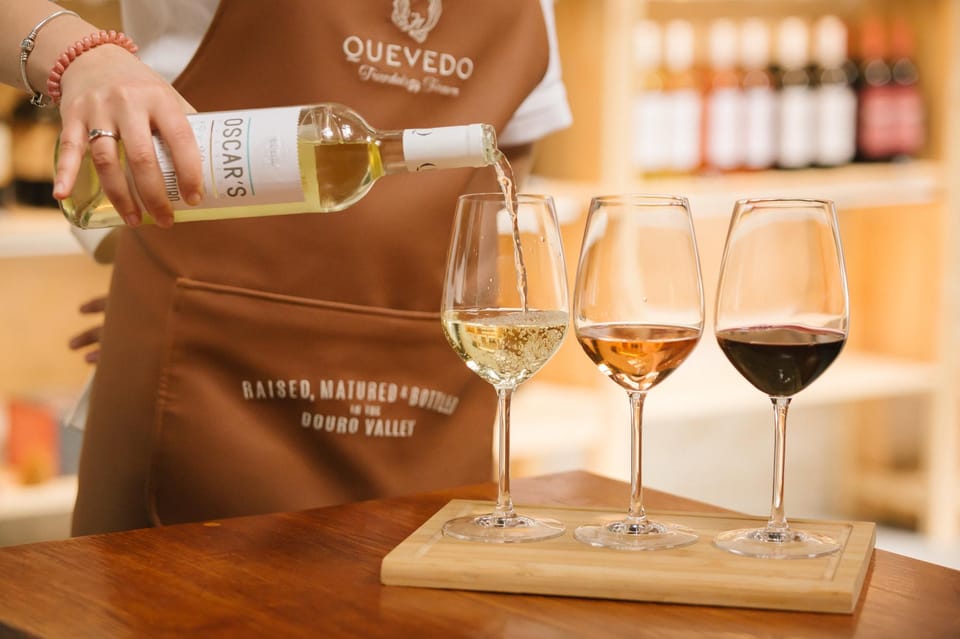
- Three Douro D.O. wines in a tight 30-minute tasting window, served as 100ml pours
- Oscar’s Rosé, Oscar’s White, and Claudia’s Reserve Red so you can compare styles back-to-back
- A family-run Port and Douro story, including bottling Port under their own brand starting in 1993
- Taught by passionate staff (I love the energy) with guides like Fernando and Dima called out in feedback
- Small group max 8, which usually means more time to ask questions and less waiting around
Where Vila Nova de Gaia makes sense for Douro wine
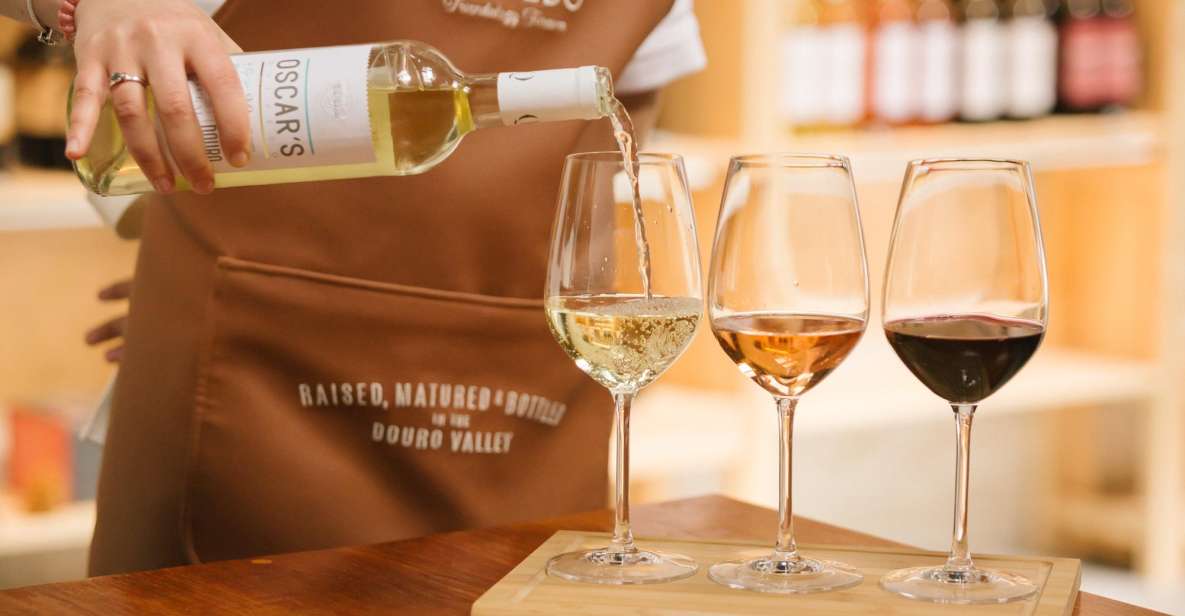
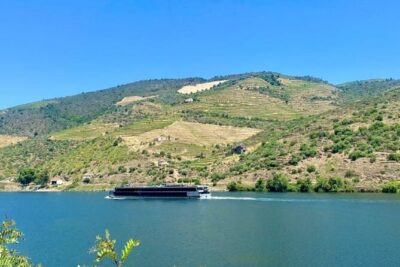
Most people connect the Douro with hills, terraces, and vineyard walks. Vila Nova de Gaia is where the wine comes to rest and get packaged—Port houses live here, and that matters. You’re in the right town to understand the bridge between the Douro grapes and the Portugal bottle culture you’ll see on shelves back home.
This stop is short on purpose. At 30 minutes, it’s the kind of experience you can fit into a busy Porto day without turning the whole afternoon into a wine marathon. If you want something meaningful but not exhausting, this format is a solid match.
You’ll also benefit from the small-group setup. With a limit of 8 participants, you’re less likely to feel like you’re trapped in a line of strangers. And if you like asking basic questions—how Douro grapes differ, what “Douro D.O.” signals, why Port history matters—this kind of pacing helps.
You can also read our reviews of more tours and experiences in Vila Nova De Gaia.



Finding the place: Quevedo Port Wine and the lodge feel
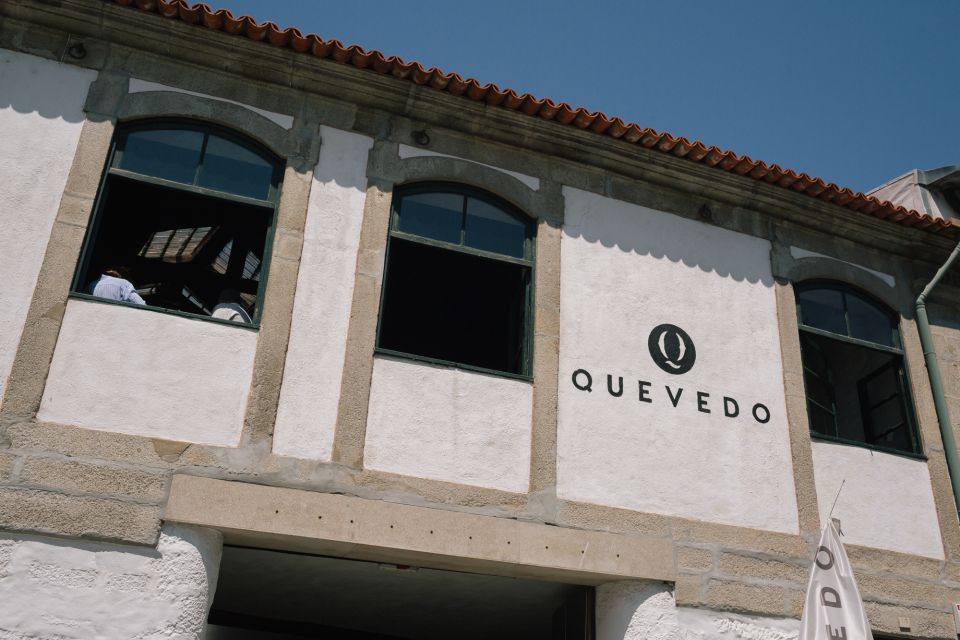
Your meeting point is straightforward: go to Quevedo Port Wine and speak with local staff. That’s good news when you’re in a big wine area where everyone assumes you know where to stand.
The tasting is described as happening from a cozy lodge in Vila Nova de Gaia. That kind of setting is usually a nice break from the cold and crowds. If you tend to get “tired fast” while sightseeing, a warm indoor moment right at the start of your wine visit is a real plus.
One practical note based on real-world timing: some people mention waiting outside due to entry flow, and rain can turn that wait miserable. Plan for the possibility of outdoor time around the venue—bring a light layer and have your umbrella ready if the forecast looks questionable.
What you taste in 30 minutes: Oscar’s trio in plain terms
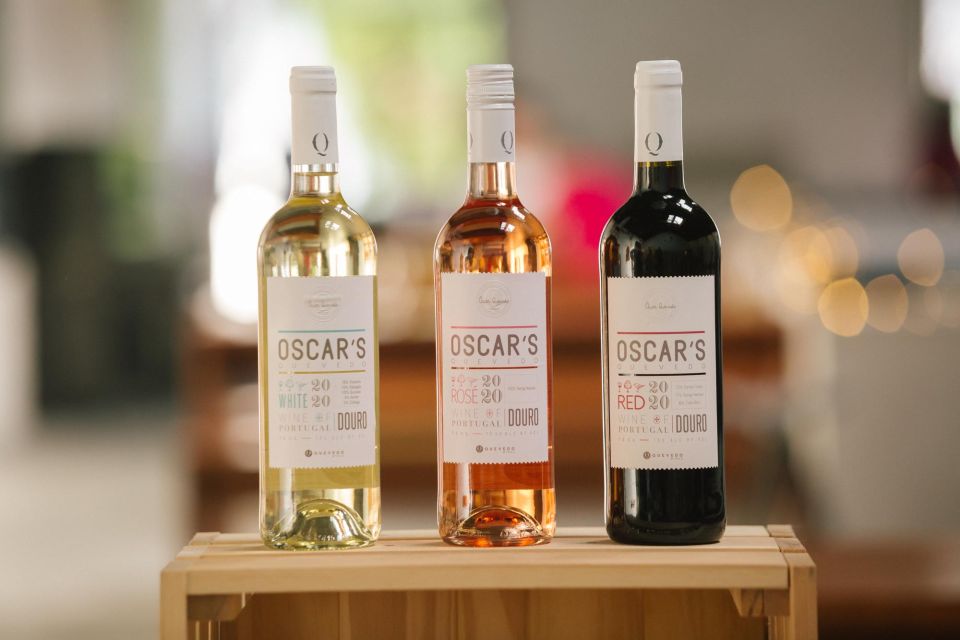
This experience is built around three Douro D.O. pours. They’re still wines, not fortified Port, and they’re served at 100ml each unless noted otherwise. That serving size is a sweet spot. You get enough liquid to notice differences, but you’re not forced into overdoing it.
Here’s the lineup you’ll taste:
- Oscar’s Rosé
- Oscar’s White
- Claudia’s Reserve Red
The easiest way to get value from this tasting is to treat it like a mini comparison test. Taste the rosé, then reset your nose and palate for the white. Then go red, and notice how the structure changes—drier feel, more weight, different aromatics. If you keep a simple mental checklist—light vs. structured, crisp vs. round, aromatic vs. darker-fruit—this 30 minutes turns into something you can remember later.
Why the three-wine mix is smart
A lot of tastings do one style really well and then move on. This one gives you range. That’s what helps beginners too: you’re learning Portuguese wine without being stuck in a single glass for the whole time.
For more seasoned wine lovers, the value is that you can map Douro qualities across styles. Even without getting technical, you’ll start picking up the difference that comes from the same general region and grape culture being expressed three ways.
The family story you’re really paying for
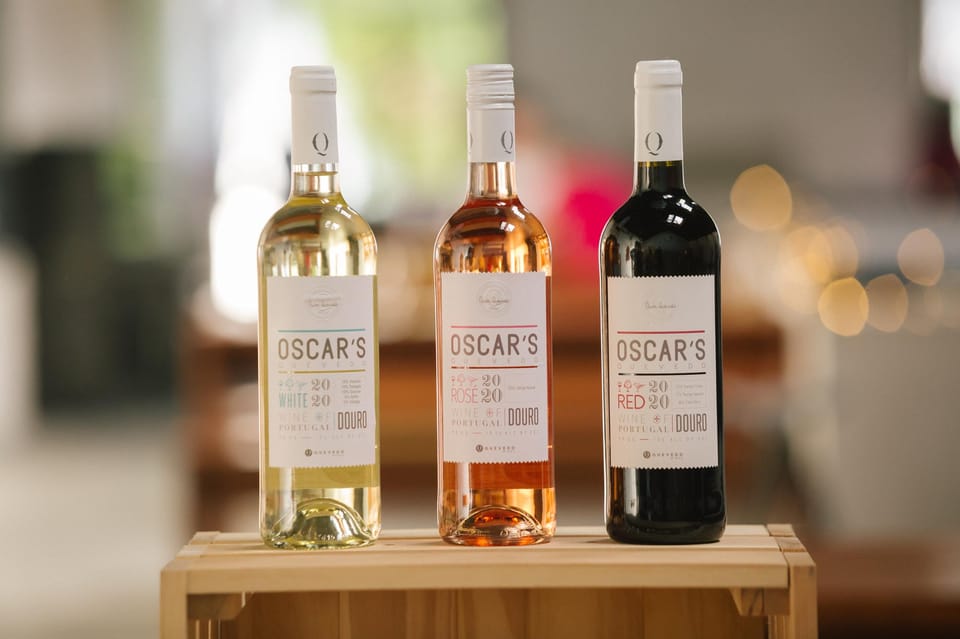
You’re not just paying for wine. You’re paying for context—delivered by people who care.
This is a family-owned operation with a winemaking heritage of five generations. That’s not a marketing slogan here; it’s part of how they explain their process. You’ll hear about how Portugal’s EU entry in 1993 allowed them to bottle Port under their own brand. That makes them one of the newer Port wine houses in the Douro region, and that “newer but rooted” angle gives you a different perspective than the oldest, most tradition-heavy brands.
You’ll also learn that they raise, mature, and bottle their wines in the Douro Valley, with origin of the grapes treated as a top priority. For you, that’s the practical takeaway: the place where the grapes grow is part of the finished bottle story. Even on a short tour like this, they’re pushing you to think beyond taste and into source.



How 100 hectares of vineyards matters (yes, even for a short tasting)
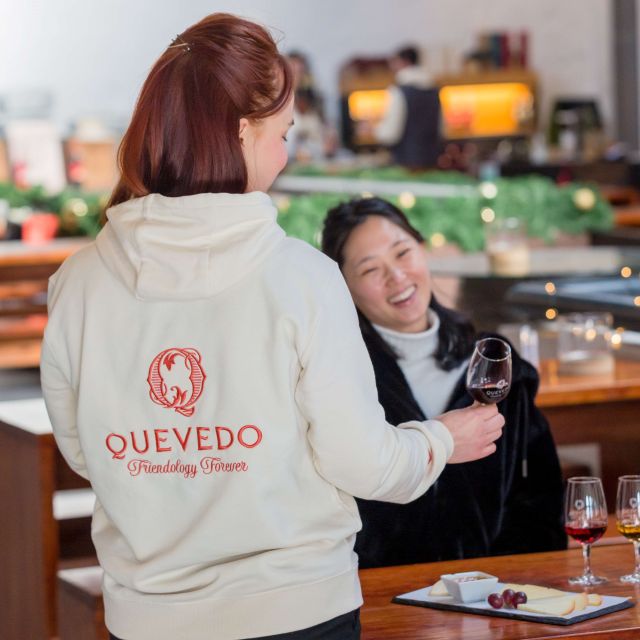
They cultivate 100 hectares of vineyards and 25 hectares of organic olive groves across five properties in the Douro valley. If you’re tempted to skim over acreage numbers, don’t. In this context, it signals diversity—different plots can contribute different aroma and flavor traits.
They link this diversity to the ability to craft wines with distinct character. And that makes sense in a tasting room: you’re tasting three wines designed to show range, not just repetition.
One smart way to use this info: when you taste, don’t only ask what you like. Ask what feels different between the glasses. Then connect that to the idea of multiple properties and varying grape-aroma outcomes. It’s a fast way to “learn by drinking” without getting lost in jargon.
Guides and vibe: enthusiastic staff makes the difference
Small tastings rise and fall on personality. This one seems to nail that part.
In feedback, people specifically call out guides like Fernando for enthusiasm and for being able to explain a lot. Another review highlights Dima as the best. That matters for you because clear explanation turns a wine pour into something you can actually remember and talk about later.
You’ll be guided through the wines and taught about Portuguese wine in a friendly, conversational way. And because the group size is capped at 8, you should get at least some space to ask your own questions instead of watching the same presentation on repeat.
The one drawback to plan around: no snacks, short timing
The biggest downside is simple: additional wines and snacks aren’t included. If you’re doing this right before a full dinner, you might be fine. If you’re squeezing this in mid-day and you’re prone to getting hungry, you’ll want to eat something beforehand.
Also, because the whole experience is only 30 minutes, you won’t have time for a long, slow stroll through the wine story. If you love deep technical tastings and want an hour or more, this may feel brief. For most people, though, that short length is exactly the point: you get a lot of information and flavor without wiping out your schedule.
And yes—rain and entry flow can be annoying at the venue. If the timing lines up and you end up outside briefly, it’s worth being prepared with layers and a rain cover.
Who should book this Douro Discovery?
This is a great fit if you want:
- A quick, guided introduction to Portuguese wine beyond just tasting
- A compact activity that won’t eat your whole afternoon
- A smaller-group experience where you can actually listen and ask questions
It’s not suitable for children under 18 or for pregnant women, based on the activity rules. If either applies, you’ll want to choose a different type of Porto day plan.
If you’re traveling solo, you’ll likely appreciate the group format because it reduces the effort of planning and helps you get answers on the spot. If you’re with friends, the three-wine structure makes it easy to compare notes without needing a long conversation.
Price and value: is $20 per person worth it?
At $20 per person, the value is strongest when you treat it as an education-plus-tasting combo. You’re paying for three guided pours—100ml each—plus explanations about Douro D.O. wine, Port history, and the family vineyard story. That’s more than just buying a glass and moving on.
This price also makes sense because the tasting is short. In a town where time can get expensive in both transit and schedule stress, a 30-minute window can be a smart use of your day.
The only reason it might feel pricey is if you’re already planning to buy more bottles later. You can still enjoy the tasting for context, but you shouldn’t expect “unlimited” wine here. If you want snacks, plan to add them outside the experience.
Should you book Vila Nova de Gaia: Douro Discovery?
I’d book it if you want a clean, fast winemaking introduction in Vila Nova de Gaia. The combination of three distinct Douro D.O. wines plus a family-run story about vineyard origin and Port branding gives you enough substance to feel you learned something.
Skip it (or at least set expectations) if you want a long guided tour, snacks included, or a fully immersive vineyard-style experience. This is a tasting room stop, and it stays focused.
If you’re deciding on a single Porto wine activity and you’d like it to be easy to fit into your day, this one is a strong choice. Just come with a little hunger planning, and expect to spend most of your time inside the tasting experience rather than roaming.
FAQ
How long is Vila Nova de Gaia: Douro Discovery?
It lasts 30 minutes.
What wines are included in the tasting?
You’ll taste Oscar’s Rosé, Oscar’s White, and Claudia’s Reserve Red.
How much wine do I get?
Each still wine tasting is served as 100ml unless otherwise noted.
Where do I meet for the experience?
Go to Quevedo Port Wine and talk to one of the local staff members.
Is the group small?
Yes. It’s a small group limited to 8 participants.
What languages are available?
The host or greeter speaks Russian and English.
Is it wheelchair accessible?
Yes, it is listed as wheelchair accessible.
Who is it not suitable for?
It’s not suitable for pregnant women and children under 18.
Is there a cancellation policy?
Yes. You can cancel up to 24 hours in advance for a full refund.
Are snacks included?
No. Additional wines and snacks are not included.