REVIEW · PINHAO
From Pinhão: Douro Valley Rabelo Boat Tour with Port Wine
Book on GetYourGuide →Operated by CTDouro · Bookable on GetYourGuide
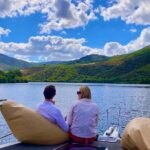
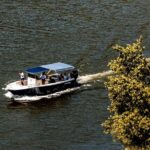
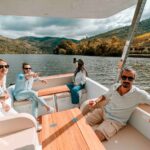
First time on the Douro, and you are already floating. This 2-hour Rabelo boat cruise out of Pinhão pairs UNESCO-listed river scenery with a Port Wine tasting and a multilingual QR audio guide, plus standout sights like the Foz Tua Dam. I love that you get a real upstream feel, not just a quick downriver loop, and I also like how the tastings are tied to the vineyards you pass. One thing to plan for: the audio is prerecorded and can be hard to hear when the boat gets noisy, so you’ll want to manage your seat and phone access.
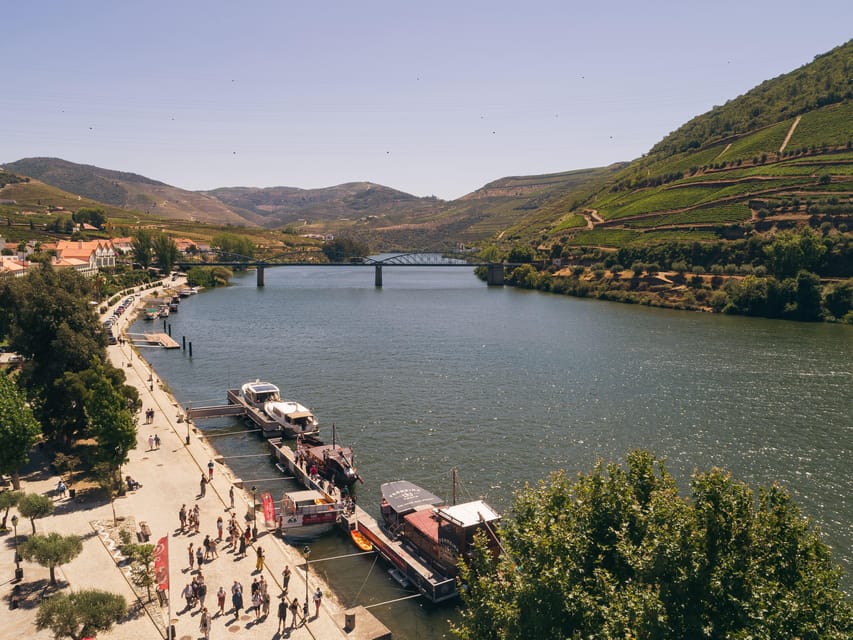
You’ll set off from the Companhia Turística do Douro pier and cruise through the Pinhão and Tua areas, where the river narrows and the wineries stack up on the hills. The ride is designed to feel relaxed—quiet river time, covered seating, and enough viewpoints to make the trip feel worth it even if you don’t plan any extra winery tours. Still, if you want lots of live back-and-forth commentary from a guide, this format may feel a bit hands-off.
In This Review
- Key Things I’d Track Before You Go
- From Pinhão to the Tua: What the Cruise Feels Like
- The Stops You Don’t Get by Car: Quinta Views in Real Time
- Quinta do Bomfim and early viewpoints
- Ventozelo (Hotel & Quinta) and the feel of the valley’s scale
- Quinta da Romaneira and the “quintas as neighborhoods” idea
- Quinta dos Malvedos and the classic Douro viewpoint
- Passing more famous winery names along the way
- Quinta de Merouço (Casa do Rio) and Carvalhas
- Key visual moment: the Eiffel Bridge
- Barragem do Tua (Foz Tua Dam): Nature Meets Engineering
- Port Wine Aboard: Small Pour, Big Cultural Link
- The QR WebApp Audio Guide: Helpful, But Manage Expectations
- Seating, Crowd Feel, and the Comfort Math
- What to Bring (and What to Skip)
- Price and Value: Why This Cruise Often Makes Sense
- Should You Book the Rabelo Boat Tour With Port Wine?
- FAQ
- How long is the Douro Valley Rabelo boat tour from Pinhão?
- What’s included in the tour price?
- Do I need to install an app for the audio guide?
- What languages are available for the audio guide?
- What should I bring with me?
- Where do I meet for the tour?
- Is the tour wheelchair accessible and pet-friendly?
Key Things I’d Track Before You Go
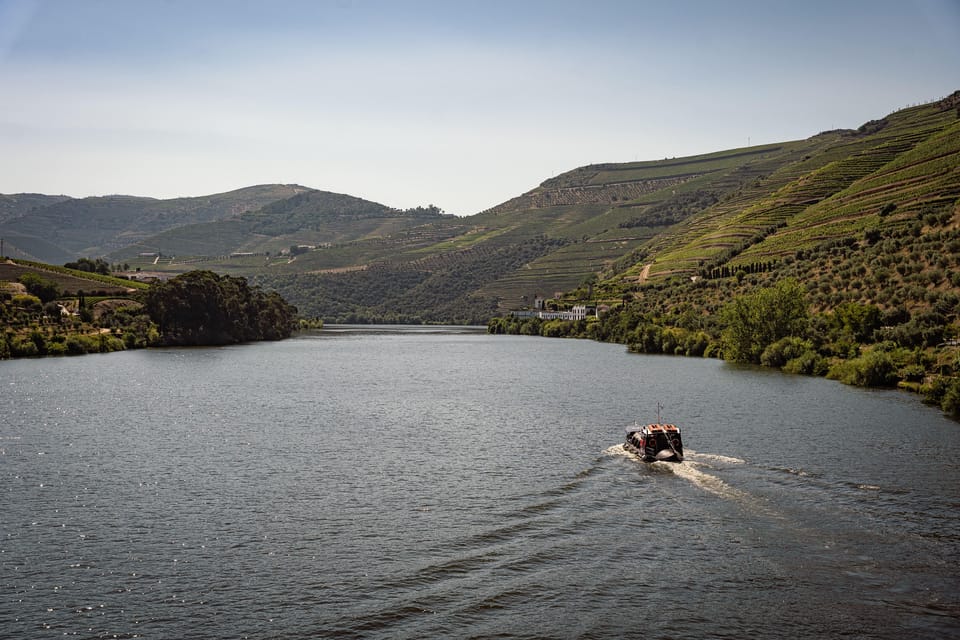
- Traditional Rabelo cruise that takes you up toward the Tua area (not just a short harbor loop)
- Included Port Wine served onboard, connected to what you’re passing on the river
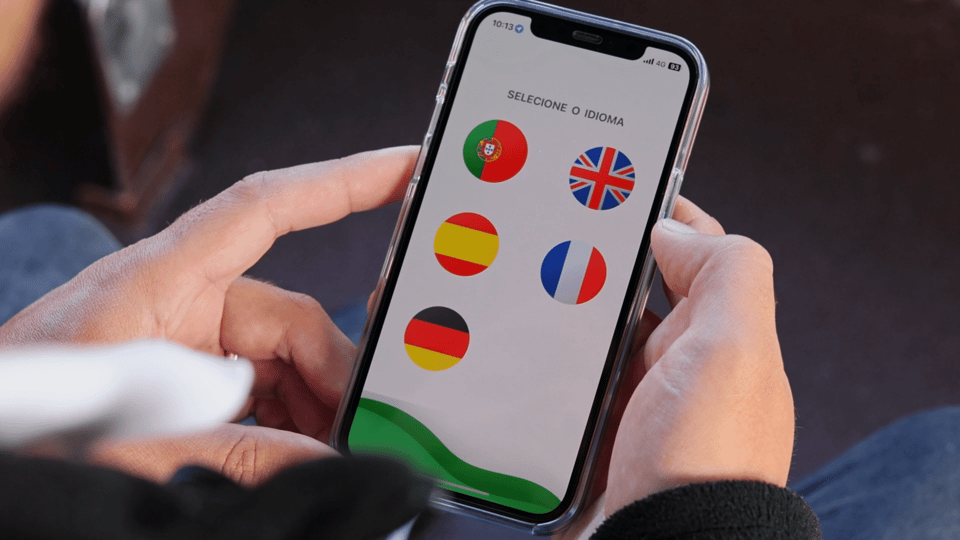
- QR WebApp audio guide in Portuguese, English, German, Spanish, and French
- Big visual moments like the Eiffel Bridge and the Barragem do Tua (Foz Tua Dam)
- Quintas by the waterline: you see names you’d otherwise only find on a bottle
- Pet-friendly and wheelchair accessible, so the trip works for more than couples and solo travelers
From Pinhão to the Tua: What the Cruise Feels Like
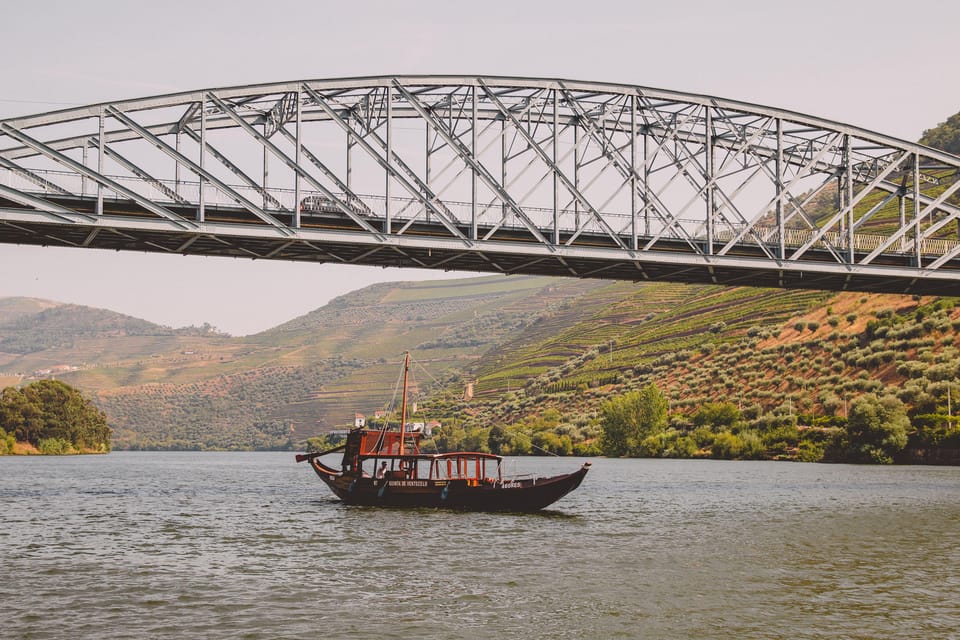
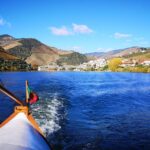
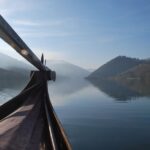
This is a simple idea done well: sit on a traditional Rabelo boat and let the Douro come to you. The timing matters here. At about 2 hours, you get enough time to leave Pinhão behind, move upstream toward the Tua stretch, and come back without feeling like your whole day is gone.
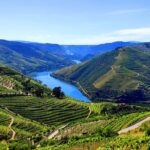
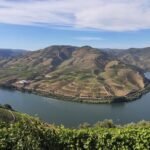
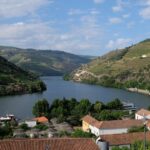
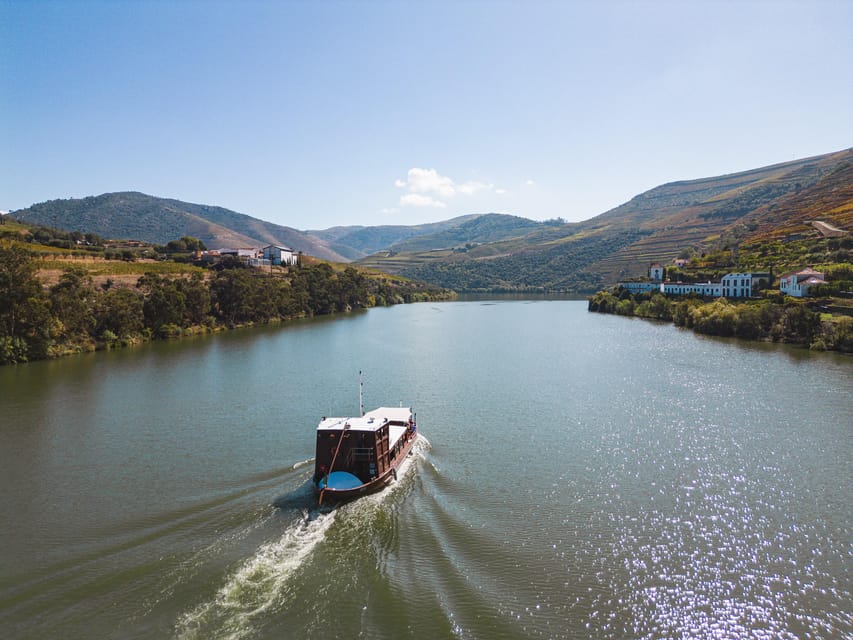
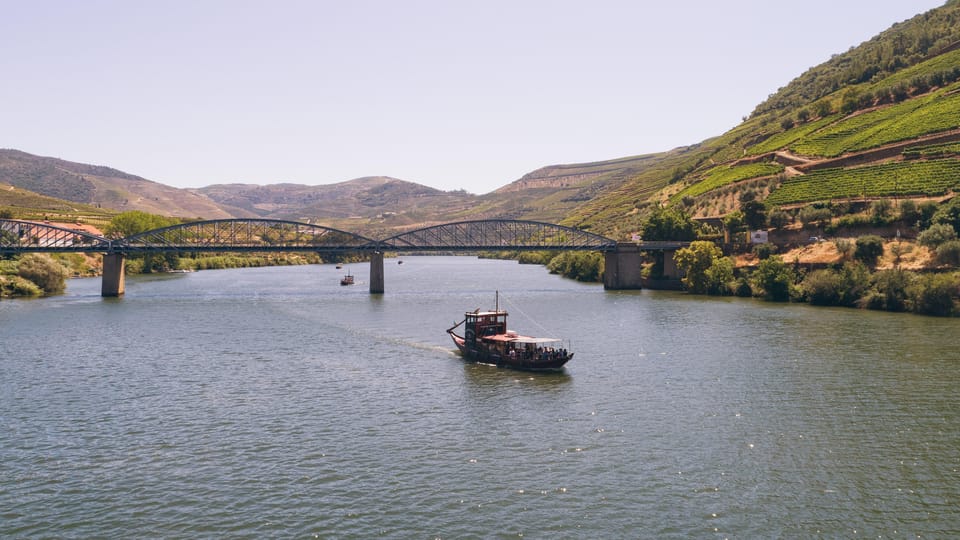
The scenery is not constant in a “wow every second” way. Instead, it changes in chapters. Early on you’ll catch the town side of the river and key structures, then the boat gets into that long, layered run of vineyards and wine estates. As you head toward Tua, the river becomes more dramatic and the man-made features start to make sense—like the way winemaking and infrastructure have both shaped the valley.
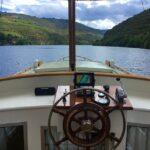
One small but important practical detail: this tour is rain or shine. The boats are prepared for weather and are covered, which helps you stay comfortable if clouds move in. You still feel sun on open decks when you’re in the wrong seat, so sunscreen is not optional even on a mild day.
You can also read our reviews of more boat tours in Pinhao
The Stops You Don’t Get by Car: Quinta Views in Real Time
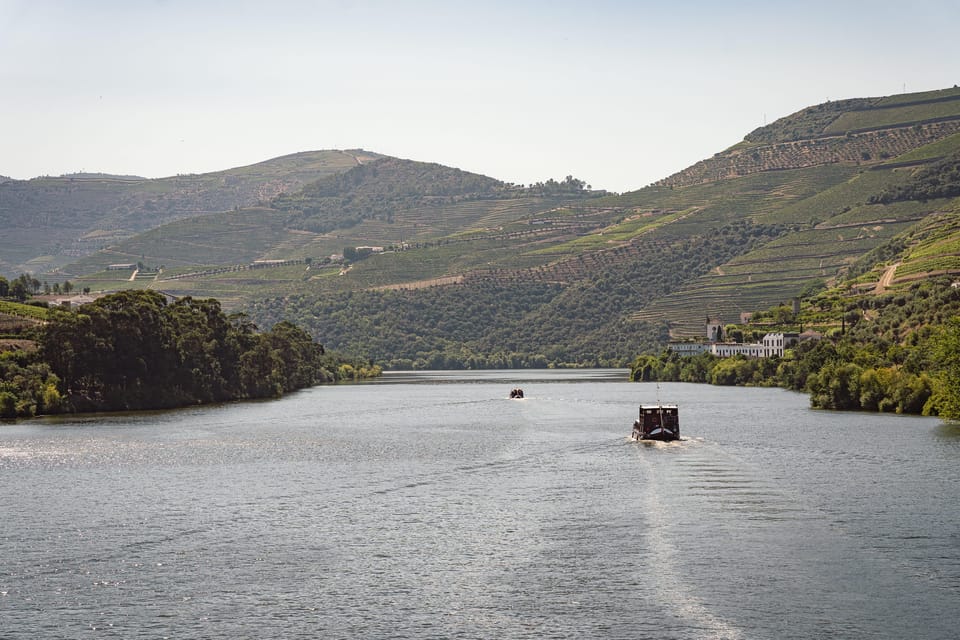
You’re not doing a bus-and-walk winery day. What you get instead is a moving “front row” look at how the Douro’s wine estates sit against the water. The itinerary is built around that—passing specific places, then giving you time to watch.
Here’s the route flow, with what each part adds:
Quinta do Bomfim and early viewpoints
Right after departure from the Companhia Turística do Douro pier, you’re treated to scenic views along the way. Quinta do Bomfim is one of the estate names you’ll see referenced during the cruise. Even without stepping onto the property, it helps you start recognizing the Douro layout: estates climb the slopes, and the river acts like the timeline that connects them.
Practical tip: this is a good time to take photos, because early light is often kinder and you’ll still have room to move around the boat.
Ventozelo (Hotel & Quinta) and the feel of the valley’s scale
Next comes Ventozelo, listed as Ventozelo Hotel & Quinta. Seeing a hotel/estate tied to a winery brand from the water gives you a clearer picture of how these places function today—wine production and hospitality living side by side.
I like that this kind of stop anchors the cruise. Instead of feeling like you’re watching “generic hills,” you’re watching named properties. That makes the river feel more legible.
Quinta da Romaneira and the “quintas as neighborhoods” idea
Quinta da Romaneira is another estate name you’ll pass. When you see these quintas as a chain along the river, you start to understand why the Douro Valley is so closely associated with wine culture. It’s not one vineyard tucked away. It’s an entire working system spread along the water.
A drawback to note: from a boat, you’re limited to what the river angle and vegetation allow. Some spots are clearer than others, especially if you’re sitting deeper inside the boat or if the viewing deck fills up.
You can also read our reviews of more wine tours in Pinhao

Quinta dos Malvedos and the classic Douro viewpoint
Quinta dos Malvedos is one of the most talked-about estates on this route, and it’s included as a key scenic moment. Malvedos is a name you’ll see tied to bottles, so it lands better when you hear it during the cruise and then watch its slope face the river.
If you care about photos: Malvedos is the kind of spot where the hillside shape and terracing make the image feel like “Douro.” Don’t assume you’ll always get a perfect angle—positioning matters.
Passing more famous winery names along the way
The cruise also references other well-known wineries you’ll see as you go, such as Ventozelo, Carvalhas, Roêda, and Roncão. You’ll also get views of quintas like Romaneira, São José, Merouço, and Malvedos. This is a useful approach if you want familiarity later, because you’ll likely recognize the names from bottles or labels back in town.
Quinta de Merouço (Casa do Rio) and Carvalhas
Mid-route, you reach Quinta de Merouço – Casa do Rio and later pass Quinta das Carvalhas. These stops reinforce the “waterline economy” of the valley. From the river, you can see how estates don’t just exist on paper; they look built for the slopes and the river traffic that historically supported wine movement.
Key visual moment: the Eiffel Bridge
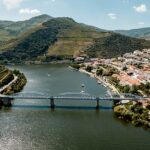
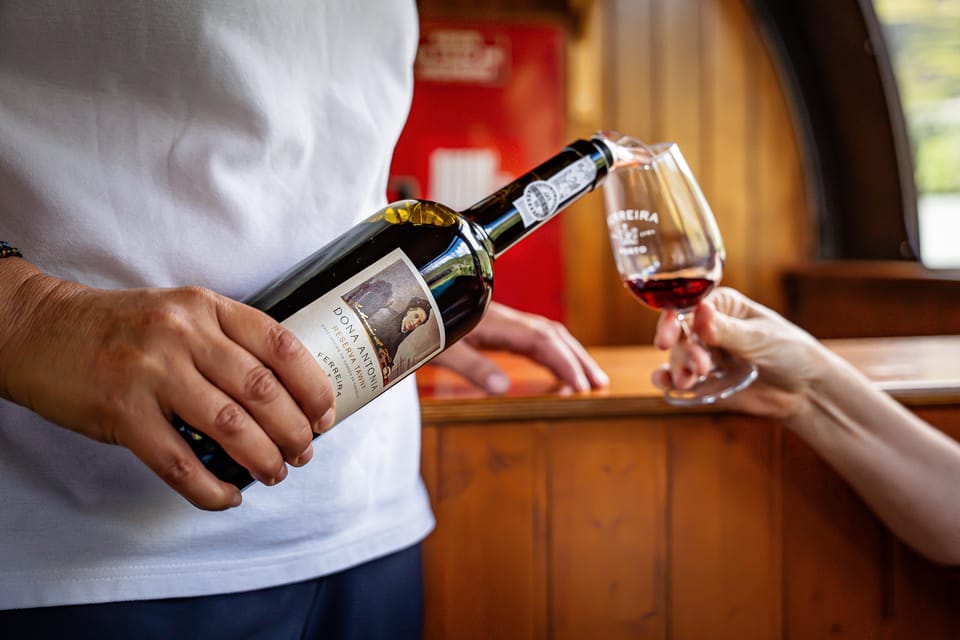
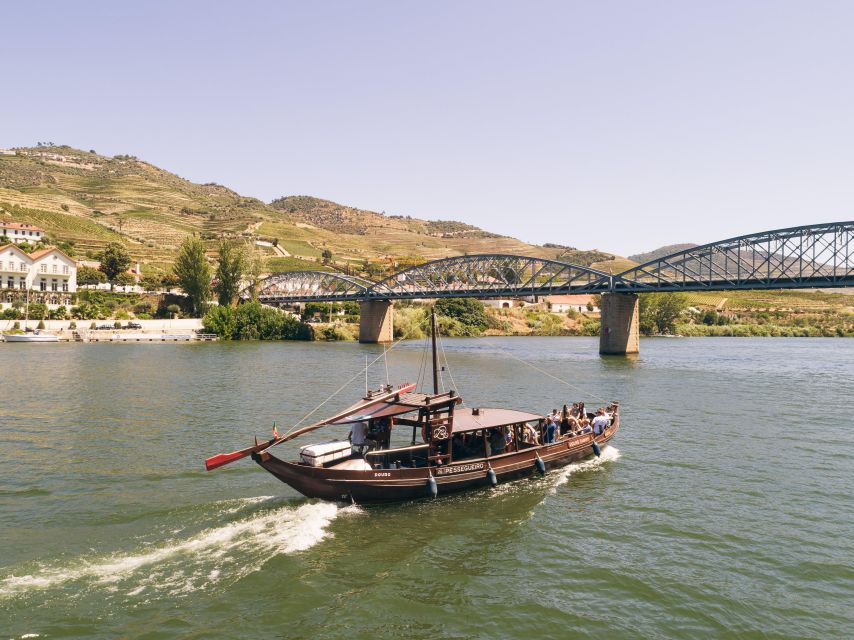
One of the more surprising inclusions is passing under the iconic Eiffel Bridge. Even if you’ve seen it on photos, seeing it as part of a working river crossing gives it a different vibe—less postcard, more real geography.
Barragem do Tua (Foz Tua Dam): Nature Meets Engineering
As the cruise goes farther upstream, the Barragem do Tua—also referred to as Foz Tua Dam—becomes the standout focus. This is where the valley’s story expands beyond vineyards. You’re seeing the interplay between nature and innovation in a way that’s very hard to replicate from a viewpoint by car.
I like this part because it breaks the “only wine” rhythm. The dam area adds scale and contrast. You understand that the Douro isn’t just historic winemaking landscapes—it’s also a living system shaped by modern needs.
From a viewing perspective, the dam zone is also where the river can feel busier visually, with structure and water together. If you want the best photos, aim to get your spot earlier and stay put during this stretch.
Port Wine Aboard: Small Pour, Big Cultural Link
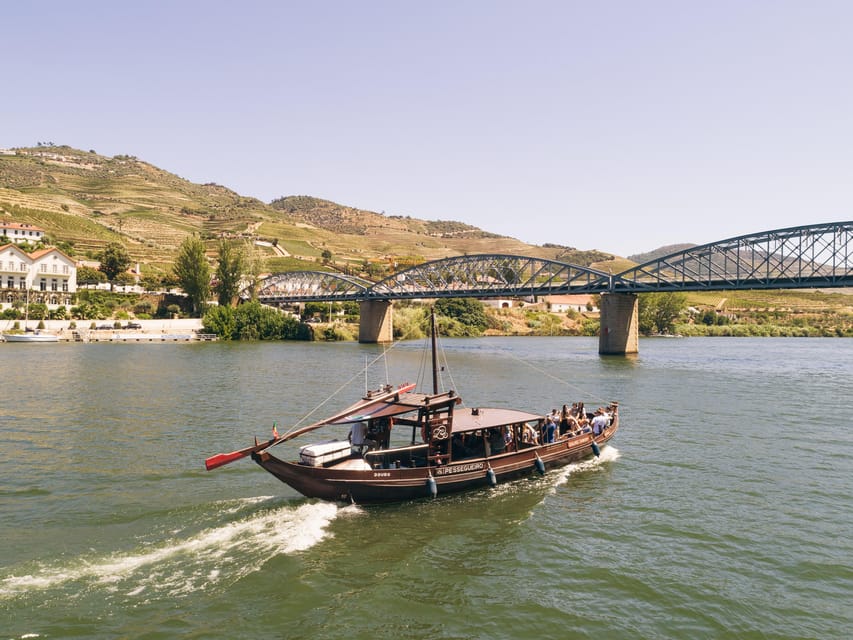
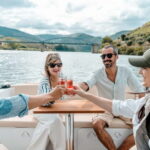
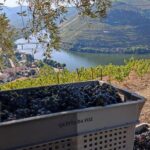
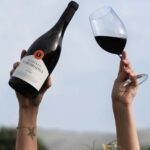
The cruise includes a complimentary glass of Port Wine onboard. Importantly, it’s described as being produced from the vineyards you’re passing by. That connection matters. It turns the tasting into something more than a free drink—it’s a “link” between what’s on the hillside and what’s in your cup.
Be realistic about quantity. Several people note it’s essentially a sample-sized pour. If you come hoping for a full tasting flight or a second generous round, you may feel slightly underfed by comparison. On the other hand, for the price point, the inclusion still feels like a smart add-on.
Kids and non-drinkers are a specific consideration. The tour info says drinks aren’t included, and one review pointed out that a child was treated as an adult ticket and that grape juice wasn’t offered on that sailing. Since the tour’s written details only promise Port Wine (and not alternative beverages), plan accordingly if you’re traveling with kids who might not drink alcohol.
Also, one small operational note from reviews: people mentioned keeping little cups after tasting. If you don’t like holding clutter, just know that this is the kind of detail that may not be perfectly handled.
The QR WebApp Audio Guide: Helpful, But Manage Expectations
This tour’s audio guide is a big part of the value. It’s delivered through a WebApp you access with a QR code scan (no installation needed) and it’s available in Portuguese, English, German, Spanish, and French.
Here’s the honest read: the audio experience can be excellent when it works well, but it’s also a prerecorded setup, and boat noise can swallow it. Multiple reviews say the commentary was hard to hear or not audible, even with multiple speakers onboard. A few said they couldn’t hear it at all, while others found it informative but still not loud enough.
So how do you make it work for you?
- Scan your QR code promptly after you board so you’re not troubleshooting while the boat is already moving.
- Choose an area where you can hear better—if outside gets loud or inside gets crowded, the sound can change fast.
- Don’t rely on the audio as your only source of info. If you’re the type who enjoys learning, read the estate names you see on the route and then use the audio to add context.
The audio guide content is meant to explain the valley’s history and the ecosystem that supports this wine region. Even if you can’t hear every sentence, the structure of estate-to-estate commentary can still help you attach meaning to what you’re seeing.
Seating, Crowd Feel, and the Comfort Math
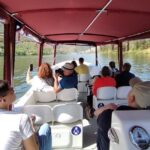
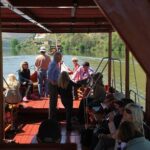
This cruise is priced as an easy add-on, and that usually means you’ll have a mix of ages and travel styles onboard. The boat can feel like a comfortable public space rather than a private tour. One detail to watch: outside seats can fill early, so if you’re hoping for open-air viewing, get oriented quickly after boarding.
If you end up inside, it can feel warm depending on the weather. Reviews mention someone had to sit inside when outside seating was taken and that it got hot. The upside: you still have a covered boat, so you’re not standing in rain.
Crew communication also came up in reviews. Some people wanted more guidance or clearer cues for when narration starts or when sections of the route begin. If you like knowing exactly what happens next, you might find yourself waiting for the “now we’re passing X” moment without much help from staff.
One unusual incident also appeared in a review: a boat breakdown at the end of the cruise that added extra time while another boat pulled things back together. Treat that as an outlier, but it’s still a reminder that river travel can have hiccups.
What to Bring (and What to Skip)
You don’t need much for this trip, which is part of the appeal. The essentials listed are:
- Comfortable shoes
- Camera
- Sunscreen
Since the boat operates rain or shine, your comfort will hinge on weather clothing you already have. Keep the camera handy for the Eiffel Bridge and the dam zone, where visuals tend to “read” clearly from the boat.
If you’re planning on using the QR audio, bring a phone with enough battery and a stable connection. Downloading isn’t required, but scanning quickly is.
Pet-friendly is a real plus here. If you travel with a companion animal, this is one of the better Douro options on paper, because it explicitly welcomes pets.
Price and Value: Why This Cruise Often Makes Sense
At about $35 per person for roughly 2 hours, this tour works best when you want a strong return on time. You’re paying for boat time, the Port Wine sample, and a multi-language audio guide, all focused on the Douro Valley’s “pass-by” experience—quintas, bridges, and the Tua area.
It’s good value if:
- you want a scenic river ride without lining up for winery visits
- you enjoy wine culture but don’t need a full tasting agenda
- you’re fine with prerecorded narration and can live with it being sometimes hard to hear
It’s not the best fit if:
- you expect a live guide talking loudly over the boat crowd
- you want more than a single included Port glass
- you need lots of interactive Q&A (this is more passive viewing)
And that’s the key: this isn’t trying to replace a winery tour day. It’s a fast way to understand the river’s wine geography and get the Port connection while you’re still in motion.
Should You Book the Rabelo Boat Tour With Port Wine?
Book it if you’re building your Douro day around practical, scenic time. This is one of the easiest ways to see named quintas from the water, catch the Eiffel Bridge moment, and reach the Tua stretch with the Foz Tua Dam as a highlight. The included Port Wine helps you anchor the whole experience in the valley’s winemaking identity.
Skip it or adjust expectations if you hate audio that might be difficult to hear, because the narration is prerecorded and sound levels can be inconsistent on a busy boat. Also, if you’re traveling with kids who don’t drink, verify what non-alcohol options are available on your specific sailing, since the written details only guarantee the Port tasting.
If you like the idea of a relaxed river cruise with real geography and vineyard names tied to what you’re tasting, this one is a solid choice.
FAQ
How long is the Douro Valley Rabelo boat tour from Pinhão?
It lasts about 2 hours.
What’s included in the tour price?
You get the Rabelo boat journey up to the scenic Tua area, access to the QR-based WebApp audio guide in multiple languages, and a complimentary glass of Port Wine onboard.
Do I need to install an app for the audio guide?
No. You scan a QR code to access the WebApp audio guide, with no installation required.
What languages are available for the audio guide?
The audio guide is available in Portuguese, English, German, Spanish, and French.
What should I bring with me?
Bring comfortable shoes, a camera, and sunscreen.
Where do I meet for the tour?
Meet at the Companhia Turística do Douro pier at Cais A, Tv. da Marginal. Go to the first boarding pier in front of Praia Bar Snack-Bar and Public Restrooms. Staff will validate your ticket at the pier gate.
Is the tour wheelchair accessible and pet-friendly?
Yes. The tour is wheelchair accessible and is described as pet-friendly.