REVIEW · PINHAO
Pinhão: Quinta do Bomfim Visit and Tasting
Book on GetYourGuide →Operated by Qta do Bomfim · Bookable on GetYourGuide
Port fans, this is your Douro stop. Quinta do Bomfim is a five-generation Symington estate in the Upper Douro Valley, and it’s designed for first-timers who want the story fast: an on-site museum to set context, then a terrace tasting with big river-and-vineyard views. One catch: you’ll walk on uneven vineyard paths and the tour isn’t suitable for wheelchair users or people with mobility impairments.
I like that this isn’t a rushed show. It’s a small group (up to 10), guided in English or French, and the included tasting is 3 glasses chosen from several options. Price-wise, it’s $47 per person for about 1 to 1.5 hours, which feels fair because you’re paying for a real estate visit, not just a tasting room stop.
In This Review
- Quinta do Bomfim in Pinhão: a Symington estate you can actually understand
- Museum kickoff: early Douro photos and a family enterprise in context
- Vineyard walks with dry-stone terraces and big Upper Douro views
- Quick practical tip
- The 1896 lodge and the vat-and-barrel cellar that makes port make sense
- How the tasting works: 3 glasses from your chosen option
- Which tasting option should you pick?
- Terrace time in Pinhão: where the views do the talking
- Price and logistics: what $47 buys you (and what it doesn’t)
- Who this tour suits best
- Guides, pacing, and what to expect from the group experience
- Should you book the Quinta do Bomfim port and wine tasting?
- FAQ
- How long is the Quinta do Bomfim visit and tasting?
- What does the tour include?
- Where do I meet for the tour?
- What tasting options are offered?
- Are guides available in English and French?
- Is this tour suitable for wheelchair users or mobility impairments?
- What should I bring?
- What’s the cancellation policy?
Quinta do Bomfim in Pinhão: a Symington estate you can actually understand
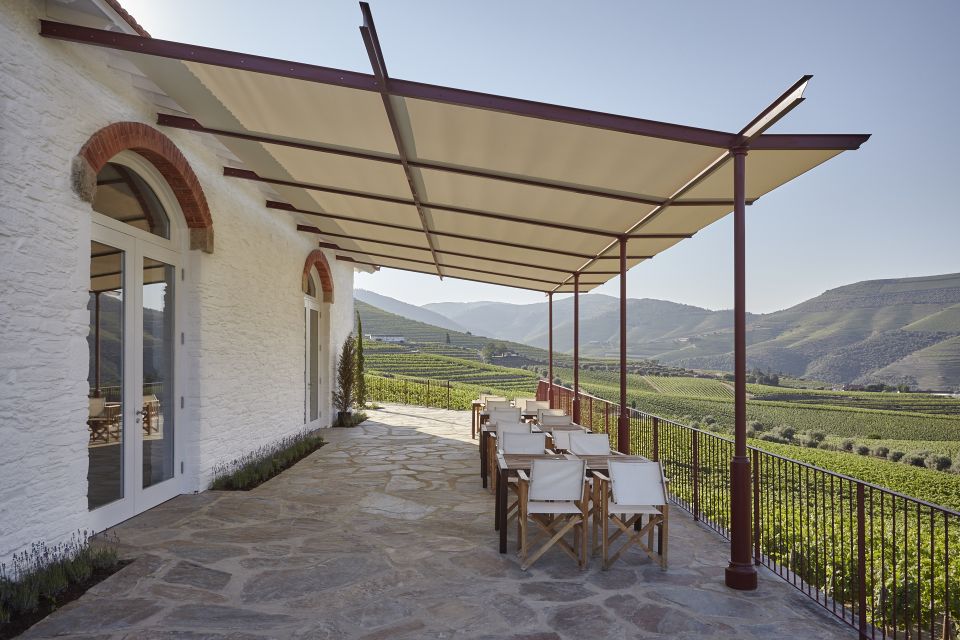
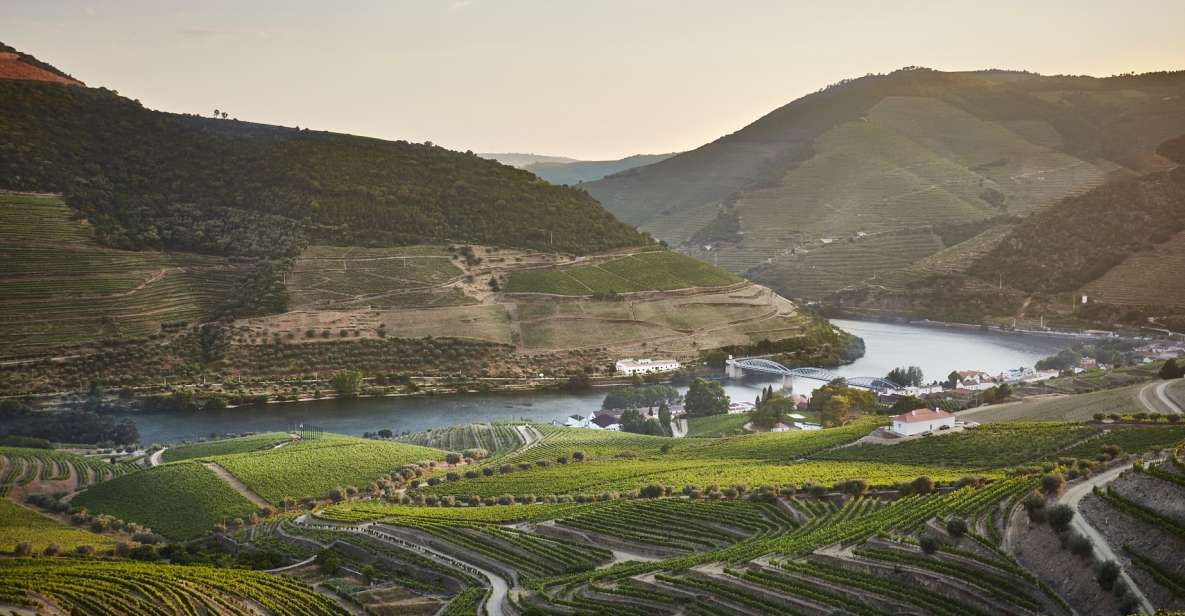
Quinta do Bomfim sits in the heart of the Upper Douro Valley, the part of the Douro where terraces climb up the hills and the river does the transportation. This estate is owned by the Symington family for five generations, and the visit is built around one idea: help you connect the dots between land, harvest, and what winds up in your glass.
The setting does a lot of the work. You’re in the vineyards, not just outside them. You’ll see the old wine cellar structures used to hold the ports from each harvest before they’re sent downriver to Vila Nova de Gaia for further maturing. That downriver link matters here, because port isn’t a one-location story. It’s a system.
There’s also star power. Quinta do Bomfim is the birthplace of two major Dow’s vintage ports in this century. Dow’s 2007 Vintage Port earned a perfect 100 points from Wine Spectator, and Dow’s 2011 Vintage Port was nominated N°1 Wine in the World by Wine Spectator in 2014. Even if you don’t chase scores, it’s a reminder that this is not a hobby plot.
Museum kickoff: early Douro photos and a family enterprise in context
The tour starts in the on-site museum, and this is where you get your bearings. The space tells the story of the property, the family, and the wines—using practical history like early 20th-century photographs of the Douro and documents about the Quinta and the region.
What I like about this start is that it prevents the classic problem of wine tours: you taste stuff, but you don’t know where it fits. Here, you learn what makes this estate part of the wider Douro system, and you hear how the family’s work evolved over generations.
The museum setup is also a good pace-holder. If you’re the kind of person who gets bored by “head knowledge” but wants some story to hang onto, this hits the middle ground: visuals, documents, and the kind of context that makes later stops click.
You can also read our reviews of more food & drink experiences in Pinhao


Vineyard walks with dry-stone terraces and big Upper Douro views
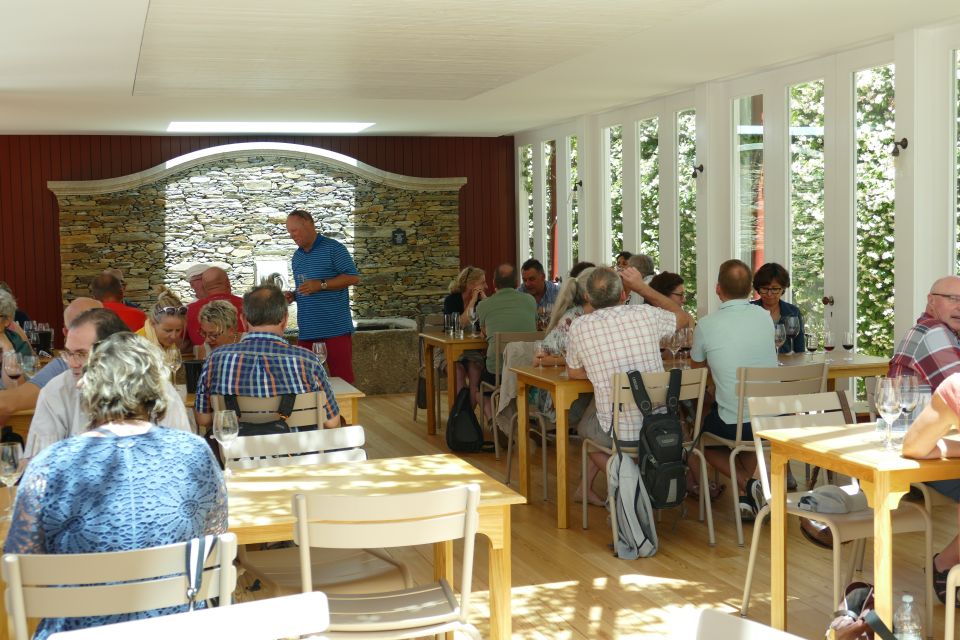
After the museum, you move outside for a choice of three vineyard walks. All of them offer excellent views over the surrounding mountain vineyards. Depending on which walk you take, you also see dry stone terraces built by hand in the 18th and 19th centuries.
These terraces aren’t just scenery. They’re what makes vineyards possible on steep land and what helps explain why the Douro is so labor-intensive compared with many other wine regions. The fact that the walls were built by hand in earlier centuries gives you a clearer sense of why today’s winemaking traditions still matter.
You’ll also visit the old lodge built in 1896. In a region where many buildings have long, practical purposes, this one stands out. It’s one of the most significant structures in the Douro Valley, and seeing it on the grounds helps you understand the estate as a working place—not just a photo backdrop.
Quick practical tip
Wear comfortable shoes. You’re on vineyard paths, and the tour isn’t positioned for gentle strolling only.
The 1896 lodge and the vat-and-barrel cellar that makes port make sense
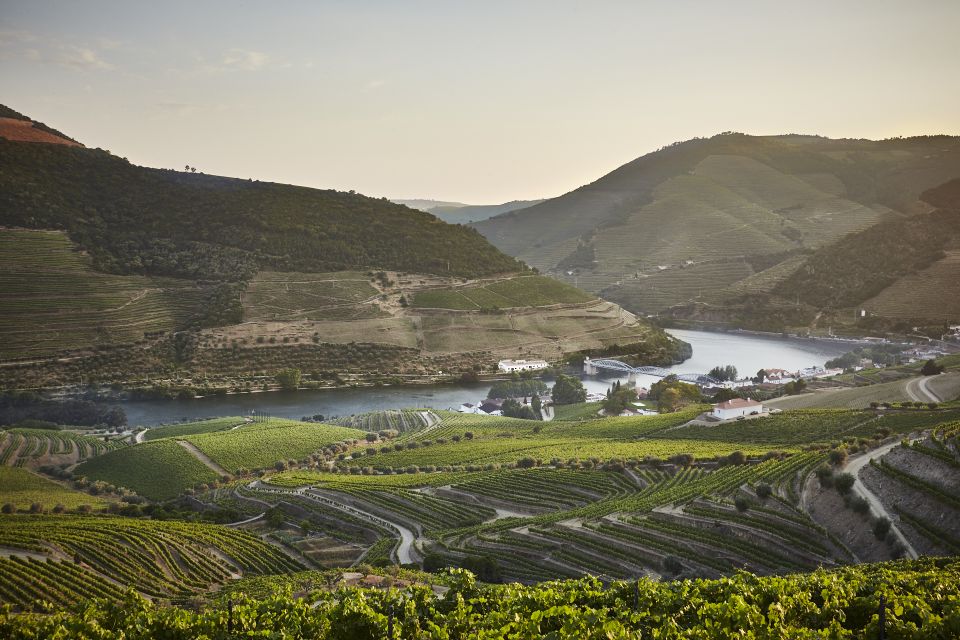
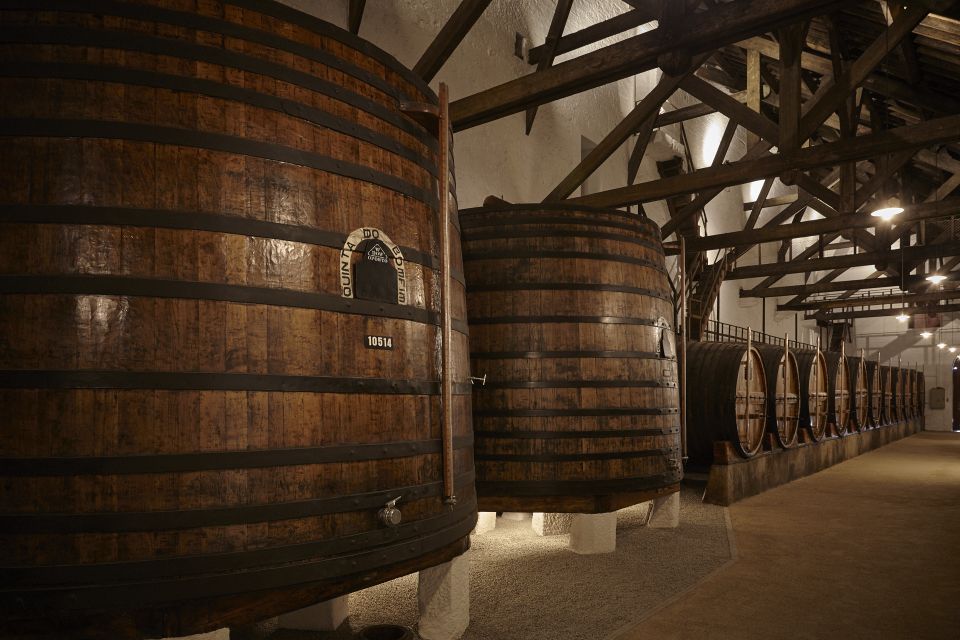
The old lodge leads you into the part of the estate that connects the dots for port lovers: the vast vat and barrel cellar. The structure has a complex roof design, and it has been used for over 100 years to hold the ports from each harvest at the estate before they travel downriver to Gaia for further maturing.
This is where the tour gets real. Port is often explained in a few chemistry terms, but what visitors usually remember is the physical process—the space where the wine sits, the barrels and vats, and the idea that timing and handling matter.
If you visit during harvest, you might see grapes being received at the winery and port being made in the lagares (the troughs). Outside harvest season, you won’t see the same action, but you’ll still get a short film showing the winery in operation. Traditional treading may also be shown from other Symington family vineyards.
That setup is one of the tour’s strengths. You don’t have to match your travel dates to harvest to get the sense of how it works. You’ll still get the story of how grapes become port in this part of the Douro.
How the tasting works: 3 glasses from your chosen option
After walking, museum time, and cellar time, you get to taste. The tour includes wine tasting of 3 glasses total. The estate lets you choose from four tasting options:
- Douro DOC tasting
- Port tasting
- Premium vintage tasting
- Dow’s Old Tawnies tasting
Each option includes a different selection of wines. That matters because it keeps the tasting from feeling one-size-fits-all. If you’re new to the Douro, a Douro DOC tasting can be a calmer introduction. If you’re here for port, the port or Dow’s Old Tawnies route gives you a more focused experience.
In the real world, guides may explain these tastings while moving through the group. Some visitors have found that the guide has to split attention across tables during tasting, which can make the pacing feel less smooth than they’d like. If you hate being part of a multi-table shuffle, plan to keep your questions short and direct.




Which tasting option should you pick?
- If you want to taste what locals mean by the region, go Douro DOC.
- If your goal is classic port variety, pick Port tasting.
- If you like a tighter focus on higher-end bottles, choose Premium vintage tasting.
- If you’re into older styles and the taste of age, Dow’s Old Tawnies is a smart choice.
Terrace time in Pinhão: where the views do the talking
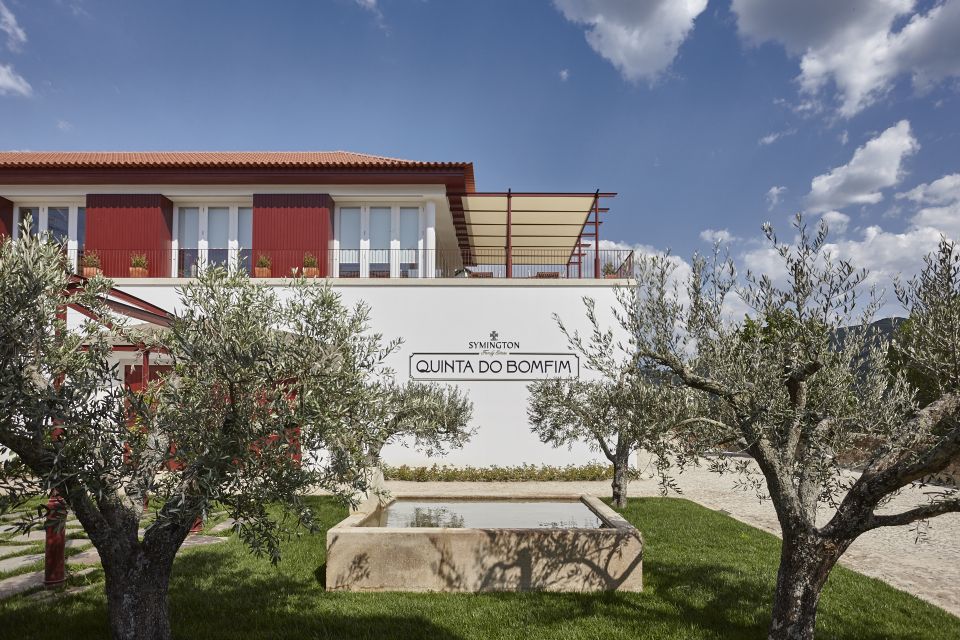
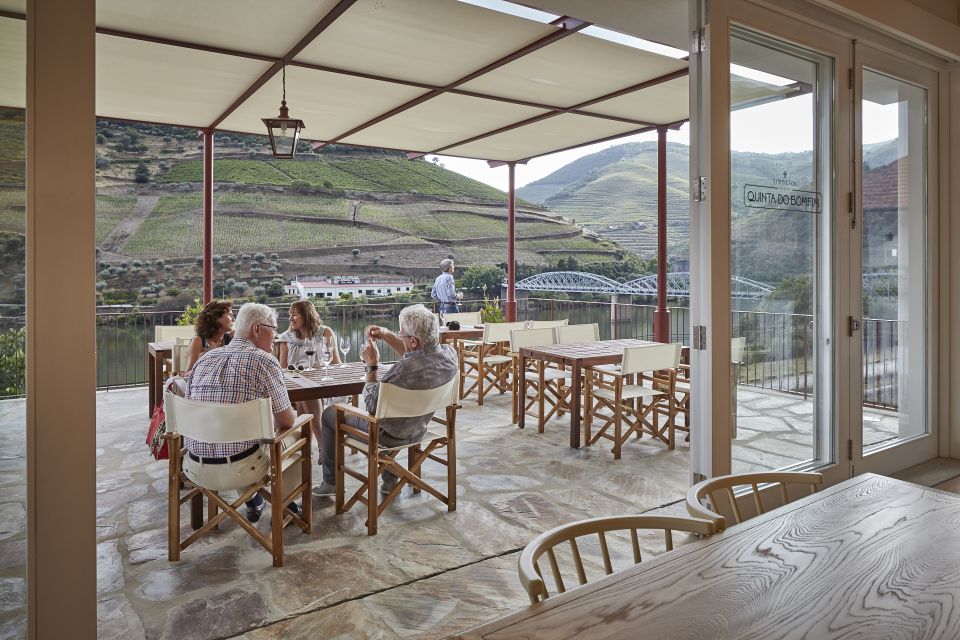
The tour finishes on the terrace. This is the payoff moment: you’re sitting with your glasses while the Douro River and surrounding vineyards spread out around you. The terrace setting turns the tasting from something you do into something you experience.
I like that the terrace isn’t just a scenic end card. It’s placed after the museum and cellar stops, so you’re tasting with context in your head instead of guessing what you’re drinking.
If you’re tempted to stay and soak it in, you’ll probably want to. But keep an eye on your timeline. The total experience runs about 1 to 1.5 hours, so this is a solid “do it well, not forever” kind of stop.
One note from feedback: the tour includes wine, but there’s no mention of food pairing within the tasting itself. If you tend to get hungry once you start tasting, you might prefer to plan lunch afterward nearby—or just bring your appetite control.
Price and logistics: what $47 buys you (and what it doesn’t)
At $47 per person for about 1 to 1.5 hours, this tour is priced like an estate experience with a real guide and a real cellar, not just a quick tasting. You’re getting:
- a guided tour
- the museum and grounds visit
- the historic lodge and cellar stops
- 3 glasses of wine for the included tasting
The small group cap (10 people) is the main factor that helps it feel more personal. It also explains why the guide might rotate between tasting tables instead of lecturing to everyone at once.
You’ll meet at the Quinta do Bomfim Visitor Center. Arrive about 15 minutes early so you can check in and settle before the tour begins.
Dates and session times depend on availability, and the tour is offered with live guides in English and French. Cancellation is free up to 24 hours in advance for a full refund, and you can reserve now and pay later.
Who this tour suits best
This is a great fit if:
- you’re new to port or the Douro and want the story fast
- you like structured wine education without a full-day commitment
- you want a scenic finish that feels earned
It’s less ideal if:
- you need wheelchair-friendly access (it isn’t suitable for mobility impairments)
- you prefer extremely low walking (the vineyard paths involve uneven ground)
- you hate any tasting setup where the guide addresses more than one group at a time
Guides, pacing, and what to expect from the group experience
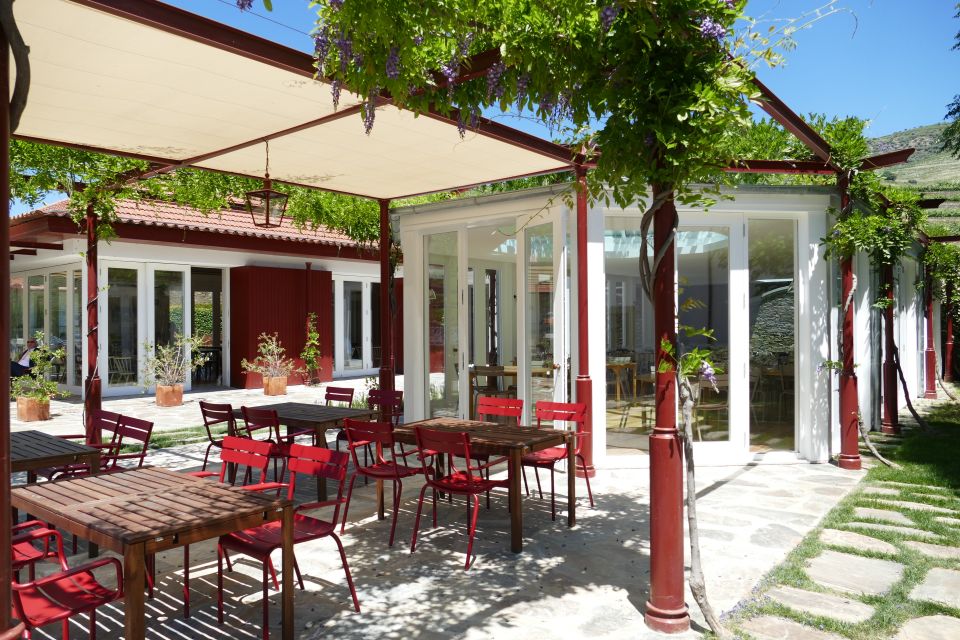
Even within the same estate, guides can shape the experience. In reviews, guides including Rodrigues, Mariana, Andre, Leonor (also seen as Leonore), and Gabriel get called out for clear explanations and a lively, informed tone. You’ll likely appreciate how the guide connects the port-making steps to what you’ll taste on the terrace.
Small-group tours also tend to create a mix-and-match feeling. One feedback point: the estate can have different tastings across different tables, so the guide’s attention is shared. The upside is variety. The downside is that your moment of explanation might not happen exactly when you’d like it.
If you want to make the tasting most useful, come with one or two questions:
- Are you more curious about how port differs by vintage or style?
- Do you want help deciding between your tasting options?
Keeping questions short helps you get answers even if the guide is rotating.
Should you book the Quinta do Bomfim port and wine tasting?
I’d book it if you want an efficient, well-structured Douro estate visit that includes history, vineyard views, and a proper tasting with choice. The museum + cellar sequence is the secret sauce. You’ll understand why the winery and port-making process are built around harvest and aging, and then you’ll taste with that in mind.
Skip it (or plan carefully) if you need accessible terrain. The tour involves walking on vineyard grounds and isn’t listed as suitable for wheelchairs. Also, if you’re the type who expects a long, slow sit-down meal and a food pairing, you might find the 1 to 1.5 hour format too short and the tasting a bit light on extras.
FAQ
How long is the Quinta do Bomfim visit and tasting?
The experience runs for about 1 day to 1.5 hours.
What does the tour include?
It includes a guided tour and a wine tasting of 3 glasses.
Where do I meet for the tour?
Meet at the Quinta do Bomfim Visitor Center. Arrive 15 minutes before the activity starts.
What tasting options are offered?
You can choose from four options: Douro DOC, port tasting, premium vintage tasting, or Dow’s Old Tawnies tasting.
Are guides available in English and French?
Yes. The live tour guide is available in English and French.
Is this tour suitable for wheelchair users or mobility impairments?
No. It is not suitable for wheelchair users or people with mobility impairments.
What should I bring?
Bring your passport or ID card, and wear comfortable shoes and comfortable clothes.
What’s the cancellation policy?
Free cancellation is available up to 24 hours in advance for a full refund.