REVIEW · PORTO
Porto private afternoon tour, discover the most iconic attractions
Book on Viator →Operated by Endless Weekend Tours · Bookable on Viator
Porto in one afternoon is a smart move. This private tour strings together the city’s biggest symbols, from tiled stations to golden churches to the bridges that define the skyline. I especially like the smooth pickup + luxury vehicle setup, and I also love how much ground you cover without making it feel chaotic.
Two big wins for me: the guide’s clear, story-first approach to what you’re seeing, and the mix of places that are famous for a reason (Sé Cathedral, São Bento station, Livraria Lello area, Clerigos Tower). One possible drawback: many key sights have entry fees not included, so your final spend depends on what you want to go inside—especially if you want the Lello priority ticket or the Clerigos tower skip-the-line option.
Key points to know before you go
- Hotel pickup and a comfortable executive vehicle make it easy to hit many areas fast.
- Photo-and-feel stops keep the pace lively, with short windows at major landmarks.
- São Bento station tiles are free, and they’re a must-see even if you do little else inside.
- Clérigos Tower is a real workout with 240 steps, and the tower ticket is extra.
- Most of the really famous interiors cost extra, so plan your budget upfront.
- Optional add-ons let you extend the afternoon into Douro sunset, port wine tastings, or fado night.
In This Review
- Getting Oriented at Avenida dos Aliados and Praça de D. Pedro
- Mercado do Bolhão and Praça da Batalha: Porto’s real daily rhythm
- Fernandine Wall remnants and the Sé Cathedral (Porto’s medieval center)
- São Bento Railway Station tiles: free, fast, unforgettable
- Café Majestic, the Palladium clock, and Porto’s Art Nouveau side
- Livraria Lello: the famous bookstore you should plan for
- Clérigos Tower (and the stairs test)
- Church cluster: Igreja do Carmo, Carmelites, and the Hidden House
- The Golden Church: Igreja de São Francisco and its catacombs
- Palácio da Bolsa and the Arab Room: Porto’s business power
- Bridges day: Porto to Gaia and back through engineering history
- Jardim do Morro and Serra do Pilar: the views you can actually rest in
- Modern Porto: Arrábida Bridge, Leixões, Serralves, and Casa da Música
- Coast forts and the Castelo do Queijo
- Optional add-ons that turn your afternoon into a full Porto story
- Price and value: what $185.43 covers (and what you may still pay)
- Who this private tour suits best
- Should you book this Porto private afternoon tour?
- FAQ
- Is this tour private?
- How long is the Porto private afternoon tour?
- Does the price include entrance tickets?
- Is hotel pickup included?
- What language is the tour offered in?
- Can I add experiences like a Douro cruise or port wine tasting?
Getting Oriented at Avenida dos Aliados and Praça de D. Pedro
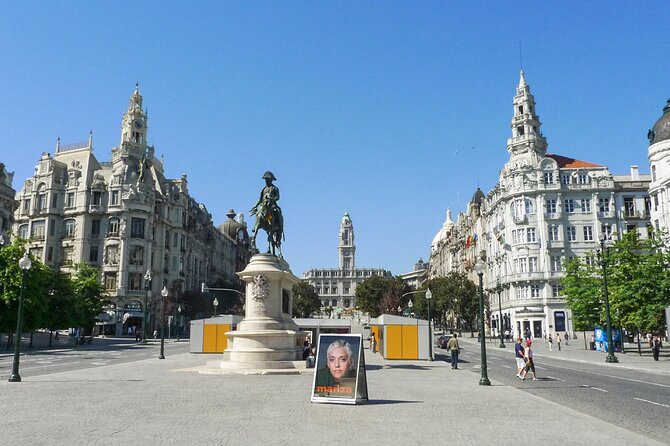
Your tour begins where Porto likes to show off: Avenida dos Aliados and the Praça de D. Pedro area. This is the city’s grand “front room,” with wide avenues and classic buildings that help you understand why Porto feels proud and formal in a way many cities don’t. The statue of D. Pedro IV (the Liberator) gives you a quick historical anchor before the tour moves into older layers of the city.
This is also a good moment to get your bearings for later. Once you’ve seen this civic core, the later stops—medieval walls, old churches, and the waterfront—make more sense because you can mentally connect the neighborhoods instead of treating them like separate postcards.
Mercado do Bolhão and Praça da Batalha: Porto’s real daily rhythm
The first major stop is Mercado do Bolhão. This market dates back to the mid-1800s and is known for its neoclassical two-story structure and its role as a public food hub. Even if you don’t plan to buy anything, it’s one of the best places to spot how Porto eats: the market is organized around fresh produce and specialized stalls.
Nearby, you shift to Praça da Batalha, a historic square where the name hints at an older, darker chapter in the region’s story. The square is closely tied to Teatro São João, a major venue inaugurated in 1798 and marked by a dramatic fire in 1908. What I like about this stop is that it shows Porto isn’t just about scenery—art and performance have deep roots here too.
You can also read our reviews of more private tours in Porto

Fernandine Wall remnants and the Sé Cathedral (Porto’s medieval center)
After the lively market vibe, you step into the city’s defensive past. You’ll see parts of the old wall system that began in the 14th century under D. Afonso IV and was further developed into the reign of D. Fernando. Even without a full “wow this is intact” moment, these remnants help you picture how the city expanded and why this area became the hub of power.
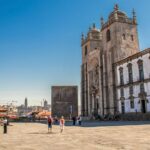
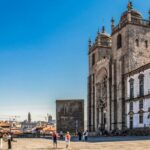
Then comes Sé Cathedral of Porto, a 12th/13th-century medieval cathedral that was expanded and renovated over time while still keeping its medieval structure. The most compelling highlights are the Gothic chapel of São João Evangelista and its cloister, plus key areas like the chancel expansion and the Chapel of the Blessed Sacrament with its silver altar. This is the kind of stop where a good guide matters—architecture details make more sense when someone connects them to why they changed through the centuries.
São Bento Railway Station tiles: free, fast, unforgettable
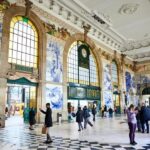
São Bento Railway Station is one of Porto’s easiest “worth it” stops. It was built in the early 1900s on the site of the earlier Convent of São Bento de Avé Maria. The station’s entrance hall is covered with twenty thousand painted tiles by Jorge Colaço, showing transport and local life through the region’s history.
And it’s free to enjoy. You don’t need a long visit to get the impact, and it’s one of those places where you can just stand still for a few minutes, let your eyes adjust, and suddenly everything looks intentional. If you care about trains, Portuguese art, or storytelling through everyday scenes, this is an anchor stop.
Café Majestic, the Palladium clock, and Porto’s Art Nouveau side
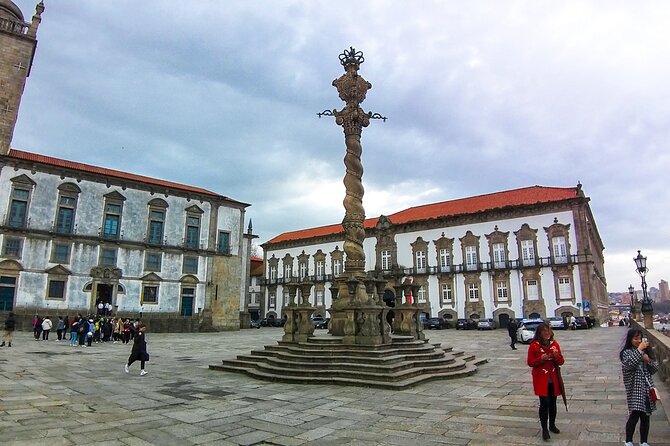
Right near Rua Santa Catarina, Café Majestic gives you a quick Belle Époque feel. It opened in 1921 and is famous for its opulent Art Nouveau interior—marble, gilded mirrors, and intricate woodwork that turns a coffee stop into a time capsule. You can take the break here, then keep moving to another “only in Porto” moment.
Nearby is the Palladium clock with carillon and four statues. Every three hours, those statues perform on the building façade—Saint John (San Juan), Prince Henry the Navigator, Almeida Garrett, and Camilo Castelo Branco—timed to the bells. Even if you don’t catch the full routine, you’ll leave with a clear sense of how Porto blends monuments with daily theater.
Livraria Lello: the famous bookstore you should plan for
Livraria Lello is one of the most visited spots in the city, and it’s easy to see why. The building opened in 1906 and is noted for its Art Nouveau façade with neo-Gothic details. Inside, the library has painted plaster meant to imitate wood and a striking staircase connecting floors, with an especially dramatic stained-glass skylight.
Important for your expectations: the ticket is not included, and if you want the priority option, that’s an added cost. If you’re the type who wants to actually look, read details, and take photos, budget time. If you’re more of a quick peek person, keep your focus on the façade and staircase and don’t let the line kill your energy.



Clérigos Tower (and the stairs test)
Clérigos Tower is the iconic Porto climb. It’s a Baroque work by Nicolau Nasoni, built in the first half of the 18th century. The payoff is the panoramic view over Porto and the Douro River—plus the satisfaction of earning it with a 240-step climb.
This is where I’d think about fitness and comfort. The tower isn’t included in the price, and the physical climb is real. If stairs are a no-go for you, it may be better to admire the tower’s presence from the street and spend your effort elsewhere. If you can climb, this is one of the best skyline moments in the afternoon.
Church cluster: Igreja do Carmo, Carmelites, and the Hidden House
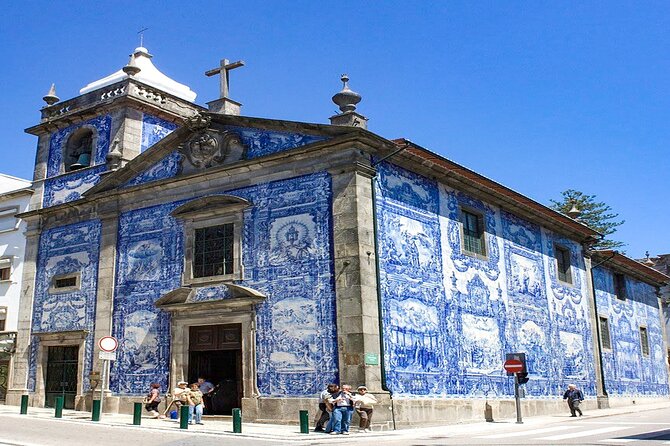
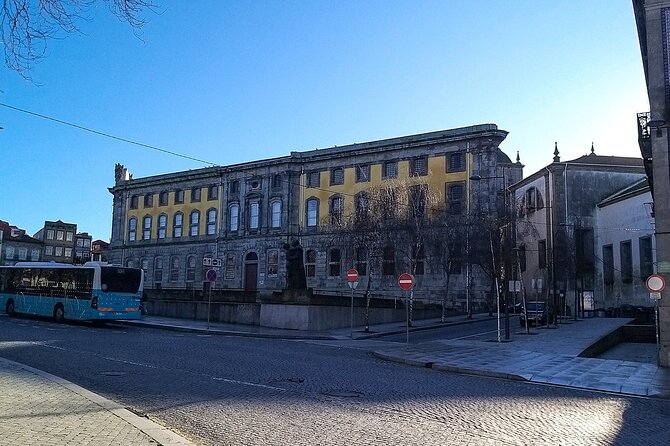
Next is the church-and-architecture stretch around Igreja do Carmo and the Church of the Carmelites—both Baroque landmarks. The Church of Carmo is especially known for its tiled exterior, while the Carmelites church is recognized for a highly ornate façade.
What makes this area more than just two churches is the so-called Hidden House tucked between them. It’s a small, clever solution to building in a dense area. I love stops like this because they give you a “wait, how did they do that?” moment—Porto’s quirks aren’t only in famous monuments.
The Golden Church: Igreja de São Francisco and its catacombs
The tour includes the church described for its golden interior—famed for carved woodwork. Igreja de São Francisco is tied to the dramatic nickname because of its rich interior, and you can also see references like the Tree of Jesse and the catacombs. It’s a nationally recognized monument and part of UNESCO World Heritage recognition for the historic center.
If you like churches, this is a top pick. If you don’t, the value here is still the context: you’ll learn why Porto is so strongly identified with religious art and why so much craft went into wooden interiors. The admission fee for this stop isn’t included, so decide ahead if you want the interior depth or just the exterior plus quick orientation.
Palácio da Bolsa and the Arab Room: Porto’s business power
Then you shift from sacred interiors to the city’s institutional heart at Palácio da Bolsa. This neoclassical building, built starting in 1842 on the site of a former convent destroyed by fire, is associated with the Porto Commercial Association. Its main highlight is the famous Arab Room.
This is another stop where you benefit from a good guide. It’s easy to treat this as “a nice building” until someone explains how this space fits into Porto’s prosperity and international connections. Admission is extra, so if you want to go inside and see the signature room, plan for that.
Bridges day: Porto to Gaia and back through engineering history
One of the strongest parts of this tour is how it uses bridges as a storyline. You start with the older suspension bridge concept known as D. Maria III, where today only two stone obelisk-like pillars remain after the bridge was deactivated due to insecurity concerns. It’s a nice reminder that engineering has always involved risk and tradeoffs.
Then you’ll reach Ponte Dom Luís I. This is Gustave Eiffel’s first masterpiece, inaugurated in 1877. It remained in service for 114 years until it was replaced by newer rail connections. The structure is made of a bi-articulated arch supporting a single-track rail deck through lattice pillars—and it’s widely recognized as a UNESCO World Heritage piece.
From there, the tour also includes Ponte Maria Pia, the historic rail bridge Eiffel designed for Porto. It’s a clean example of how Porto’s identity isn’t just buildings—it’s infrastructure that changed daily life and commerce. If you like bridges, you’ll get a full “how Porto connects” education in one go.
Jardim do Morro and Serra do Pilar: the views you can actually rest in
After so much stone and signage, you get a breather at Jardim do Morro. This public hill garden offers wide pathways, green space, and panoramic viewpoints—perfect for catching your breath and looking back over the city without rushing.
Across the river in Vila Nova de Gaia is Mosteiro da Serra do Pilar. The monastery sits on Serra do Pilar and has a circular church and cloister design that makes it feel unusual in European architecture terms. It began in 1538 under the Order of Saint Augustine, with construction continuing in different stages that changed the original plan. It’s also tied to UNESCO recognition with the historic center and the Luís I Bridge.
This is a great stop when you want the “Porto at the edges” perspective—less postcard square, more city-as-a-system view.
Modern Porto: Arrábida Bridge, Leixões, Serralves, and Casa da Música
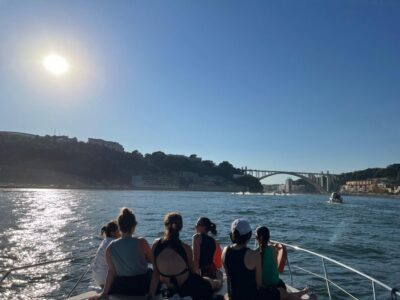
Not every Porto tour balances old and new. This one does. You’ll pass by and learn about the Arrábida Bridge, designed by Edgar Cardoso and known for being a world-leading reinforced concrete span for its time. Opened in 1963 and located about 70 meters above average water level, it shows Porto’s technical ambition in the 20th century.
You’ll also see the Leixões Cruise Terminal area, tied to Porto’s growing cruise operations since the new pier opened in 2011. Even if you’re not arriving by ship, it helps you understand why Porto has become a major stop for international travelers and why the city keeps upgrading its waterfront.
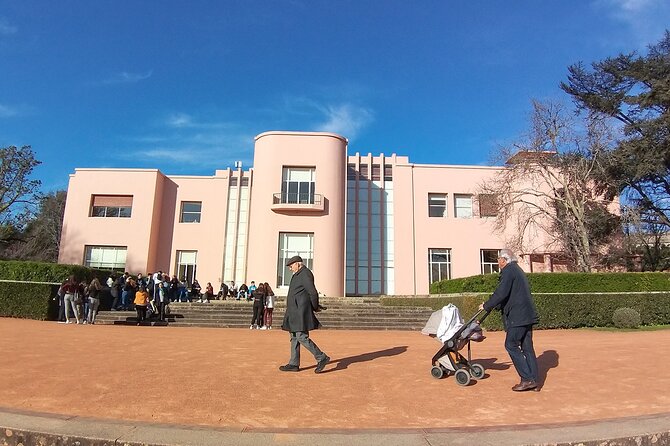
Then there’s Serralves. The Serralves Foundation house, built in the 1930s, is a strong Art Deco example used for exhibitions. The park is spread across 18 hectares, with designed gardens, a traditional farmhouse, and even a forest area. If you like modern architecture or you want a change of pace from churches, this stop is a good mental reset.
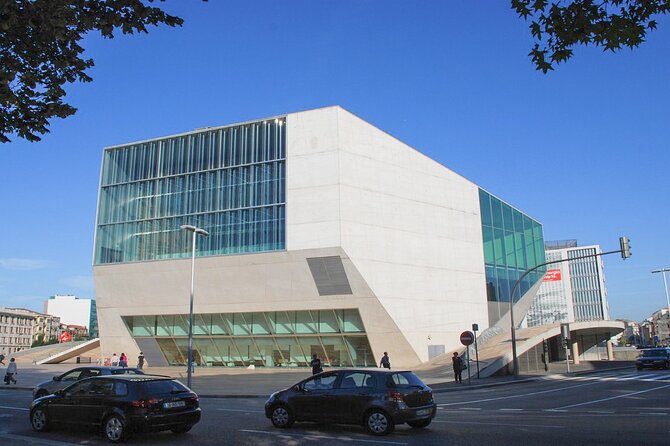
Finally, Casa da Música in the Boavista area brings you into contemporary design. Opened in 2005 and designed by Rem Koolhaas, it’s a modern Porto icon.
Coast forts and the Castelo do Queijo
Porto’s protective side shows up at Fortress São João Baptista, a 16th-century structure built to protect the coast and help defend the Douro entrance. Later centuries added additional fortifications, including in the 17th century, plus access work in the 18th.
And then the playful stop: Castelo do Queijo, also known as Fort São Francisco Xavier. Built in the 17th century to protect the coast from North African pirates, it sits on a rocky hill shaped like cheese—hence the name. Even if you don’t go in, this is the kind of landmark that makes you remember Porto’s geography and defense logic.
Optional add-ons that turn your afternoon into a full Porto story
The base tour is designed to pack in major sights efficiently. If you want to slow down or go deeper, you can add optional experiences.
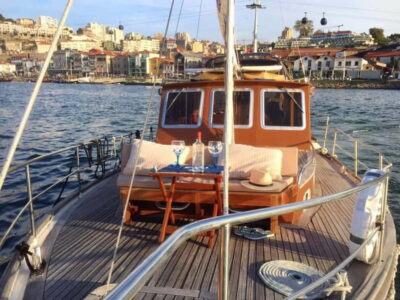
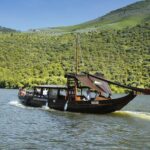
- Private Douro River Cruise (sunset): described as a private two-hour cruise with views of Porto and Vila Nova de Gaia plus the six bridges. Pricing is listed around €360 to €460 depending on the offer.
- Port Wine Cellars: Exclusive Dona Antónia tour: a 1h30 experience with a walk through historic cellars and a tasting of five port wines. Listed at about €32 to €41.
- Fado night & traditional dinner: an evening starting at 20:00 with transport included, described as fado plus dinner over roughly 2h30.
- Fado show with port wine tasting: listed as daily at 18:00 and 19:30, with port wine tasting included, around €20 to €26.
If you’re choosing just one add-on, I’d pick based on your travel mood. Wine and history pair well with the bridge-and-cellar theme. If you want emotion, fado is the obvious choice.
Price and value: what $185.43 covers (and what you may still pay)
At $185.43 per person for about 4 hours, the value mainly comes from the logistics: hotel pickup, luxury vehicle comfort (including Wi‑Fi, bottled water, and refreshments), and a guide who clearly connects the dots. This setup is especially useful if you don’t want to spend half your day on routes and figuring out where to go next.
Your budget risk is the admission part. Several signature stops have extra fees listed for tickets or priority entry, including Livraria Lello (Gold ticket with priority + book), Clérigos Tower (skip the line option), and the “Golden Church” (Igreja de São Francisco). Palácio da Bolsa has an extra entry fee mentioned too. If you plan to do all interiors you can, your final total will rise fast.
For most people, the best strategy is simple:
- Decide which 1–2 ticketed interiors matter most to you.
- Treat the rest as exterior + quick visual moments.
Who this private tour suits best
This tour fits best if you want a guided afternoon across Porto’s key neighborhoods with minimal planning stress. It’s ideal for first-timers who want the big hits—Mercado do Bolhão, São Bento, Clerigos, Lello area, the churches, and the bridges—without needing to piece together transit.
It’s also a solid pick if you enjoy architecture and want context. The guide approach is a standout strength, and it shows when you’re looking at medieval walls, Baroque details, and engineering landmarks back-to-back.
Should you book this Porto private afternoon tour?
I’d book it if you want maximum “Porto identity” in one controlled afternoon—plus real comfort. The pickup and vehicle comfort help a lot, and the guide’s story-driven style seems to be the main reason the experience earns such high marks.
I would not book it if you’re hoping for long, slow museum time. This is a show-you-the-best, quick-visit format with many stops where interiors cost extra. If that’s your style, great—you’ll get your money’s worth.
If you’re flexible, book it early. It’s listed as something many people reserve well ahead, and it requires good weather.
FAQ
Is this tour private?
Yes. It’s described as private, with only your group participating.
How long is the Porto private afternoon tour?
It runs for approximately 4 hours.
Does the price include entrance tickets?
Some are free (for example, São Bento station and Mercado do Bolhão admission is listed as free; many others have fees). Several major attractions have admission fees not included, including Livraria Lello and Clérigos Tower options.
Is hotel pickup included?
Yes. Pickup is offered from your hotel, and the tour ends back at the meeting point.
What language is the tour offered in?
It’s offered in English.
Can I add experiences like a Douro cruise or port wine tasting?
Yes. Douro sunset cruise, the Exclusive Dona Antónia port wine cellar tour, and fado options are listed as optional add-ons with separate prices.