REVIEW · PORTO
Walking Tour – History of Tiles in Porto
Book on Viator →Operated by Be My Guest In Porto · Bookable on Viator
Porto tiles have a way of grabbing you fast. This 2-hour-45-minute walk teaches you how to read azulejos like a local, with stops at São Bento Station and the Igreja do Carmo area, plus a guided look at how tile-making shaped the city’s look. I also like the small group limit of 10, which keeps the pace easy and your questions answered. One drawback to plan for: you’ll cover quite a bit on foot, and food or drinks are not included.
I recommend this if you want more than pretty walls—you’ll learn the basic techniques behind Porto’s tile tradition and why certain places (rail stations, churches, shopfronts) became tile stages. The tour is in English and guided by an art-historian type who clearly loves the subject, with local street context along the way. If you’re short on time, the upside is you finish near Ribeira Square, a smart launching point for the rest of your Porto evening.
In This Review
- What I’d Tell a Friend Before You Go
- Key Points You’ll Appreciate
- Porto’s Azulejo Style in One Focused Walk
- Starting Near Igreja do Carmo and Ribeira Square as Your Finale
- Walking Like a Tile Detective: What You Learn to Notice
- Stop at São Bento Station: Jorge Colaço’s Tile-Story Power
- Museu da Cidade do Porto: City Hall Material Memory
- Igreja do Carmo Facade Panel: When Churches Become Art Walls
- Beyond Tiles: Street Art, Shops, and Porto Culture Around the Corners
- Practicalities That Affect Your Enjoyment
- Price and Value: What You Really Pay For at $81.93
- Who This Porto Tile Tour Is For (and Who Should Skip)
- Should You Book This Porto Tile Tour?
- FAQ
- FAQ
- How long is the History of Tiles in Porto walking tour?
- Where does the tour start and end?
- Is the tour offered in English?
- How big is the group?
- What’s included in the tour price?
- Are food and drinks included?
- Are any admission tickets required for the stops?
- Can I get a full refund if I cancel?
- When will I receive confirmation after booking?
What I’d Tell a Friend Before You Go
You’ll start near Igreja do Carmo, where the famous Fonte dos Leoes (Fountain of Lions) sits just outside the UNESCO-listed historic center. From there, your guide points out the craft details you’d normally miss—colors, patterns, and the way tiles tell stories across facades and public spaces.
Small-group size matters here. With a maximum of 10 people, you can actually slow down at the best panels and get help noticing what makes one tile style different from another.
Key Points You’ll Appreciate
- São Bento Station tiles by Jorge Colaço: a quick stop that’s packed with visual storytelling
- Museu da Cidade do Porto time: a focused look at how the city preserves its material culture
- Igreja do Carmo facade panel: see religious architecture treated like a public art wall
- Tile-making techniques and evolution: learn what to look for on streets long after the tour ends
- Ends by Ribeira Square: convenient for continuing your Porto walk or grabbing dinner nearby
You can also read our reviews of more walking tours in Porto



Porto’s Azulejo Style in One Focused Walk
If Porto has a signature, it’s the tilework—those blue-and-white panels that show up everywhere from stations to church sides. This tour is designed to help you stop “admiring” and start reading the city. I love that the guide keeps tying what you see to how the tiles were made and how the styles changed over time.
You also get a practical payoff: once you learn what to look for, you’ll notice tile details on your own the rest of the day. That’s real value, because Porto’s historic center is tile-heavy, and it’s easy to miss the good stuff without guidance.
The walking pace is manageable for most people, but remember you’re on your feet for almost three hours. If you prefer very slow museum-style touring, bring comfy shoes and plan for a relaxed second half of your day.
Starting Near Igreja do Carmo and Ribeira Square as Your Finale
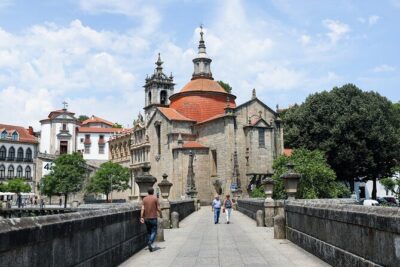
Your tour begins at Igreja do Carmo (meeting point at R. do Carmo, 4050-164 Porto). You’ll be near the Fonte dos Leoes, which is a great visual starting point—lions in fountains, right by one of Porto’s classic church landmarks. It’s an easy way to get your bearings before you start scanning facades for tilework.
The route runs through key sights in the UNESCO-listed historic center and winds up near Ribeira Square after about three hours of tile appreciation. I like that ending point because Ribeira is where you can naturally keep walking, browse, or sit down with a drink after you’ve “trained your eye.”
Also, the tour is set up for small-group attention. A maximum of 10 people means the guide can actually stop, point, and explain without everyone getting lost behind.
Walking Like a Tile Detective: What You Learn to Notice
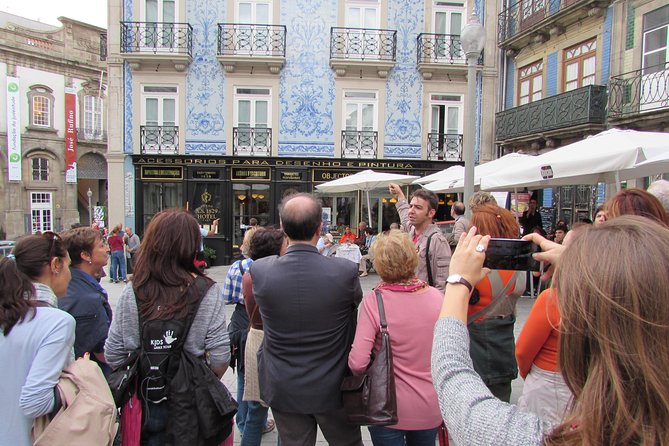
This is not just a route of famous tile spots. You’ll learn the basics of how azulejos are painted and created, including how techniques developed over the years. The goal is simple: help you understand why the tilework looks the way it does, instead of treating it like decorative wallpaper.
As you move, you’ll practice spotting differences in:
- Pattern layouts and borders
- Color palettes and tonal changes
- Scenes, symbols, and the way images get arranged on curved or flat surfaces
- How tiles behave as part of architecture (public buildings vs. quieter street corners)
This kind of “seeing training” makes your future Porto strolls more fun. You’ll stop wondering which building is worth a closer look and start knowing what you’re hunting for.
Stop at São Bento Station: Jorge Colaço’s Tile-Story Power
The first major stop is São Bento Railway Station, where the tilework helps turn a transit hub into a visual history book. Your time here is about 10 minutes, and it’s worth using those minutes aggressively—don’t just glance from one angle.
The tiles at São Bento are made by Jorge Colaço, and the artwork depicts major battles and historical events. The big idea to remember is that these tiles aren’t neutral background art. They’re placed to be seen by crowds, moving at different speeds, which is why the compositions feel bold and readable even without stopping for a long time.
Practical tip: if you want the best view, position yourself so you’re looking across the scenes rather than only at the nearest panel. The station is free to enter for this stop, so you can also return later on your own after you’ve built context from the tour.
You can also read our reviews of more historical tours in Porto





Museu da Cidade do Porto: City Hall Material Memory
Next you’ll head to the Museu da Cidade do Porto, where you spend around 15 minutes. This stop is tied to the city’s material memory—how Porto collects, preserves, and tells its own story through objects and art.
Even without turning it into a full museum day, this timing works. You get enough structure to understand the “why” behind what you’re seeing in the streets. Then you’re ready to connect it back to churches and public buildings, where the tiles weren’t just made to decorate—they were made to communicate.
Admission for this stop is listed as free for the experience, so you’re not paying extra on top of the tour.
Igreja do Carmo Facade Panel: When Churches Become Art Walls
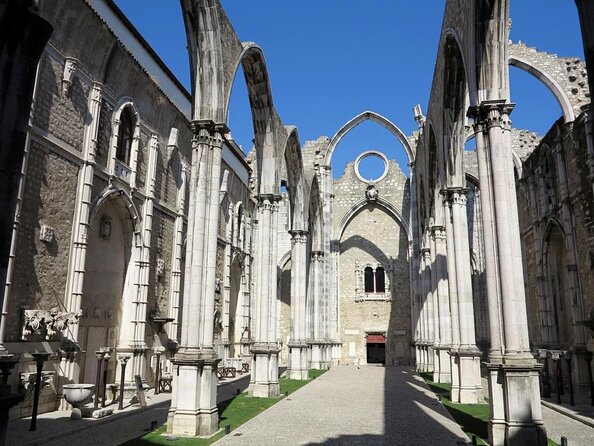
Then you’ll circle back into the church area at Igreja do Carmo, with a short stop focused on the first panel covering a church facade. Your time is about 5 minutes, which means this is less about lingering and more about learning how to read the placement.
Church tiles matter because they sit at a human scale. People pass by them at walking speed, and they become part of the street experience. Once you’ve seen a facade panel as “visual communication,” it’s easier to notice how Porto’s tilework uses scenes, ornament, and framing to shape how you experience a building.
If you’re someone who likes architecture details, you’ll likely enjoy the quickness of this stop. You’ll get the key lesson without burning half the day standing in one place.
Beyond Tiles: Street Art, Shops, and Porto Culture Around the Corners
Porto tiles don’t live in a bubble. The best tours of azulejos also help you connect tilework with the larger creative culture of the city. In this case, you’ll be walking through areas where tile craft blends into everyday architecture, and you may also spot connections to street art and local design touches along the route.
Some tours also end up guiding you toward good places to eat and browse afterward, based on what you’re interested in. Just remember food and drinks are not included in the tour price, so treat any snack suggestion as a bonus, not part of the package.
If you want to get extra value from your ticket, don’t spend the whole tour trying to photograph everything. Instead, take a couple of close looks, listen to the craft explanations, and let your brain “bookmark” specific scenes you’ll want to revisit.
Practicalities That Affect Your Enjoyment
A few things can make or break your experience, so here’s how I’d plan:
- Wear comfortable shoes. You’re walking for about 2 hours 45 minutes through the historic center.
- Bring water. Food and drinks are not included, and a 3-hour walking block can feel longer in warmer weather.
- Set expectations for timing. Some stops are very short, like 5 to 15 minutes, so you’ll get highlights and guidance rather than deep study.
- Use the guide’s “what to look for” filter. This is the real takeaway you can use tomorrow.
The tour is offered in English, and there’s a mobile ticket, so you don’t need to fuss with paper on the day. It’s also near public transportation, which is useful if you want to build the rest of your day around the end point near Ribeira.
Price and Value: What You Really Pay For at $81.93
The price is $81.93 per person for a group walking tour lasting about 2 hours 45 minutes. At first glance, it can feel steep compared to a generic walking tour, but the value is in the specialty focus.
You’re paying for:
- A professional art historian guide style of commentary
- On-street training to help you spot tile techniques and themes
- A route that hits major visual references fast, including São Bento and Igreja do Carmo
- Small-group format with a maximum of 10 people
I also see value in the fact that key parts of the experience are built around free admission stops (listed for São Bento and Museu da Cidade do Porto). That means you’re not stacking extra entrance fees on top of the tour price.
If tiles are your thing—Porto has a lot of them—this kind of guided “learning + sighting” tends to pay off quickly. If you only like tiles as background decoration, you might prefer a shorter general sightseeing walk.
Who This Porto Tile Tour Is For (and Who Should Skip)
This tour fits best if you:
- Like design, art, and architecture details you can actually see up close
- Want a guided way to understand azulejos beyond surface beauty
- Enjoy learning how local craft traditions shaped a city’s look
- Want a manageable, small-group walking format (max 10)
It’s probably not the best fit if you:
- Want a long museum-style experience with lots of time sitting and reading
- Prefer a tour with food included
- Have very limited mobility and need long breaks (the route is a steady walk)
Should You Book This Porto Tile Tour?
I think you should book this if you’re planning at least a half-day in Porto’s historic center and you care about seeing the city’s signatures up close. The big win is learning how to look—once you’ve practiced reading patterns, scenes, and craftsmanship, Porto’s tiled walls turn from pretty to meaningful.
If you’re more of a casual passerby who just wants the main sights without getting into how things were made, you might find it slightly too focused. But for art lovers, architecture nerds, and anyone who can stare at wall details for minutes at a time, this is one of the most satisfying ways to start your Porto trip.
FAQ
FAQ
How long is the History of Tiles in Porto walking tour?
It’s about 2 hours 45 minutes long, approximately.
Where does the tour start and end?
The meeting point is Igreja do Carmo on R. do Carmo, 4050-164 Porto. The tour ends at São Bento station, Praça de Almeida Garrett, 4000-069 Porto.
Is the tour offered in English?
Yes, it’s offered in English.
How big is the group?
The tour is limited to a maximum of 10 people.
What’s included in the tour price?
You get a professional art historian guide and a local guide.
Are food and drinks included?
No, food and drinks are not included.
Are any admission tickets required for the stops?
The stop at São Bento Station and the stop at Museu da Cidade do Porto are listed as free for this experience. The Igreja do Carmo stop is also listed as free.
Can I get a full refund if I cancel?
Yes. You can cancel up to 24 hours in advance for a full refund.
When will I receive confirmation after booking?
You should receive confirmation within 48 hours of booking, subject to availability.