REVIEW · VILA NOVA DE GAIA
Visit to a Port Wine Cellar
Book on GetYourGuide →Operated by Tickets & Tours - by Turima · Bookable on GetYourGuide
Port wine tastes better once you know the making. This guided cellar visit in Portugal’s Norte Region gives you a clear look at how Port is produced, why the Douro Valley matters, and what different barrels do during aging. I especially like the calm, unhurried guidance people note, and the fact that the experience ends with real comparison tastings instead of a quick sip-and-run. One thing to consider: it’s a cellar-style visit, so it’s not suitable for wheelchair users, and it’s not recommended for people over 95.
This tour is run by a 5th generation family business from the Douro Valley, where the vineyards are planted. You’ll walk through the cellar with a specialized guide and learn about the region, the barrel aging process, and the main Port wine styles (plus how their aging connects to flavor).
Finally, for a price like $17 per person for a full guided visit plus tastings, it’s one of those deals that feels practical. Just remember food isn’t allowed during the visit, so plan your day around it.
In This Review
- Key points I think you’ll care about
- Port wine isn’t just a drink
- Entering a 5th-generation Port cellar
- How Port is made: the barrels and the aging logic
- Two tastings for real comparison
- Price and value: $17 for guidance plus tastings
- Language-friendly guidance, with a calm tone
- What the experience covers during your day
- Practical tips before you go
- Who should book this Port cellar visit?
- Who should skip it
- Should you book this Port wine cellar tour?
- FAQ
- How much does the Port wine cellar visit cost?
- Where does the tour take place?
- How long is the experience?
- What is included in the tour?
- Is food included or allowed during the visit?
- What kind of tastings will I do?
- What languages are available for the guide?
- How do I receive my ticket?
- Is there free cancellation?
- Who is the tour not suitable for?
Key points I think you’ll care about
- A 5th-generation Port cellar tied directly to the Douro Valley vineyards
- Hands-on explanations of aging using different barrels
- You’ll taste two Port or Douro wines at the end, so you can compare styles
- Guides in English, Spanish, French, or Portuguese
- Reviews consistently highlight a friendly, unhurried guide
Port wine isn’t just a drink
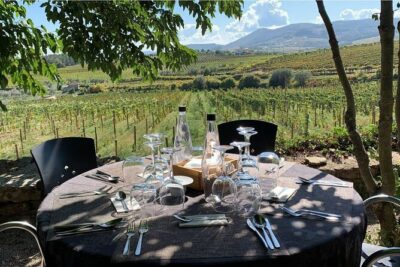
Port wine gets talked about like it’s one thing. On this tour, you see it as a family of styles with different aging paths. The key is the setting: the Douro Valley is where the vineyards are planted, and that local backbone shows up in everything from aroma to body.
Your guide focuses on the region and the production logic, not wine-school jargon. That’s what makes the experience click. You don’t need to be a wine expert to follow along. You just need curiosity—and the willingness to take notes on what you like.
If you’ve ever wondered why some Ports feel lighter and others taste more structured, this visit helps you connect those differences to the way Port is aged.
You can also read our reviews of more wine tours in Vila Nova De Gaia



Entering a 5th-generation Port cellar
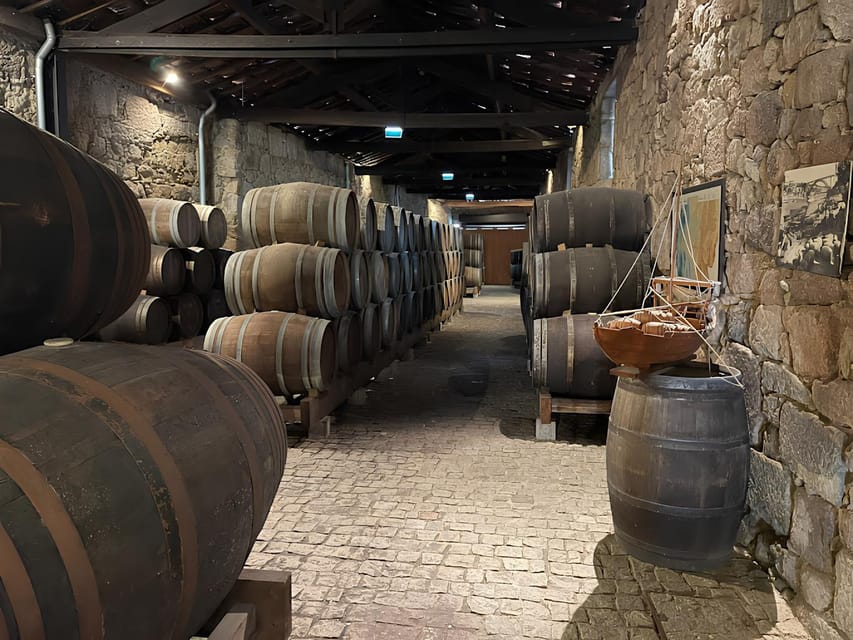
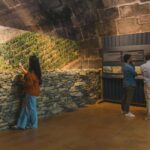
The experience is built around a guided walk through the cellar, led by a specialized guide focused on Port wine and the Douro region. It’s a small family operation, not a giant production line. That matters, because the explanations feel tied to real practice and real generations of decisions.
From the start, you’re in learning mode: you’ll hear about where the wine comes from, how the cellar fits into the aging process, and how the family approach connects to the Douro Valley. In other words, you’re not just looking at barrels—you’re being taught how to read them like part of the recipe.
Reviews also underline the welcome and the pacing. People describe guides who explain without rushing. That’s a big deal in wine tours. A fast tour can turn into noise. A steadier one gives you time to actually register what you’re tasting later.
How Port is made: the barrels and the aging logic
One of the most useful parts of this visit is how it frames Port wine making around aging. You’ll get explanations about:
- the barrels used during aging
- the different Port wine types
- how aging connects to the final character
Even if you don’t remember every term afterward, you’ll walk away with a mental map. You’ll understand that aging is not just storage. It’s shaping flavors, texture, and overall balance over time.
This is also where the Douro Valley context helps. The region isn’t just scenic backdrop. It’s the starting point for the grapes and the style of wine that eventually ends up in the cellar world. When your guide ties the region to the barrels and the wine types, the whole thing stops feeling mysterious.
If you like a tour that gives you a practical framework—what changes, what stays, and why—this one does that.
Two tastings for real comparison
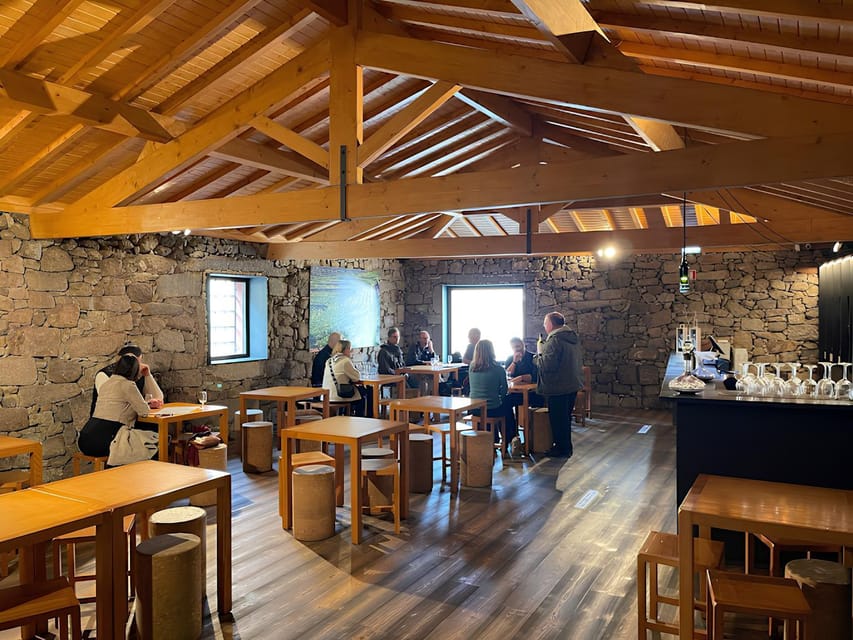
The visit ends with two Port Wine or Douro Wine tastings. This is one of the smartest choices the tour makes, because tastings are where learning turns into personal preference.
You’re not asked to drink blindly. You’re hearing explanations about styles and aging, and then you’re tasting differences right after. That timing helps your brain connect the dots instead of forgetting everything in the time between.
In reviews, people mention tastings such as Port white and a red style. That’s exactly the sort of comparison that helps you separate “I like Port” from “I like this style.”
A practical tip: when you taste, focus on just a few things—sweetness level, body (light vs. fuller), and the kind of finish you notice. You don’t need to write a dissertation. Just keep it simple so it’s usable later when you’re shopping for bottles.
Also note: food isn’t included, and food isn’t allowed during the visit. If you’re prone to getting lightheaded, eat earlier and come ready for tasting.
Price and value: $17 for guidance plus tastings
At $17 per person for a guided cellar visit plus two tastings, the value is mostly in two places:
- Specialized guidance. A good guide can make the difference between sipping and understanding. This tour is explicitly set up around specialized explanations about the region, barrels, and Port types.
- Two tastings instead of one. You get enough sample to actually compare.
Could you drink Port on your own for less? Sure. But without the barrel-and-aging explanations, you’ll likely miss why the wines taste different. This tour is designed to give you that “why” without turning the day into an all-day classroom.
For a 1-day experience, it’s a very efficient use of time. You spend time learning in the cellar, then you taste at the end while everything is fresh.



Language-friendly guidance, with a calm tone
The tour runs with live guidance in multiple languages: English, Spanish, French, or Portuguese. That’s a big practical benefit if you’re traveling with mixed language needs, or if you simply want to learn in the language you think in.
One theme in the reviews is how the guides keep the experience comfortable. People describe the guide as friendly and calm, with explanations delivered at a pace that lets you follow. That’s not a small point. In cellar visits, the setting can be busy with smells and sights. A rushed guide can leave you overwhelmed. A steadier pace helps you keep up.
If you’re the type who enjoys asking quick questions, this format tends to work well because the tour isn’t framed as a hard sell or a strict sprint.
What the experience covers during your day
You can think of it as three linked phases:
- Cellar visit and Port context
You’re accompanied through the cellar and the guide explains the Douro Valley and the Port background. This sets expectations for what you’ll later taste.
- How Port ages, using different barrels
You learn about aging processes and the different Port wine types. This is the “how it becomes itself” part.
- Two tastings to compare styles
The visit finishes with two tastings of Port or Douro wines, so your learning turns into personal preference.
There’s no food component baked in, so this is very much a wine-first tour. If you’re planning a longer Portugal day, pair it with meals before or after, not during.
Practical tips before you go
Here are the practical points I’d plan around:
- Bring your email confirmation. The ticket is sent by email up to 24 hours before, and there’s no need to print it.
- Skip food during the visit. Food isn’t allowed, and food isn’t included. Plan breakfast or lunch earlier.
- Dress for a cellar setting. You’ll be inside a wine space, so wear comfortable shoes and layers if you run cold.
Also, because it’s guided in multiple languages, double-check the language option when you book. The tour includes English / French / Spanish / Portuguese, but you’ll want your confirmation to match what you choose.
Who should book this Port cellar visit?
This is a strong fit if you want:
- a short, focused Port wine experience that’s not all day
- learning that connects to what you’ll taste at the end
- a family-run cellar feel, with explanations centered on the Douro Valley and aging
It’s also a good option if you’re traveling with someone who likes wine but doesn’t want to feel judged for not knowing every term. The structure is designed to teach the basics clearly, then let you enjoy.
Who should skip it
Two limits are clearly stated:
- Wheelchair users
- People over 95 years
If any of those apply, it’s best to look for a different tour format with accessibility options.
Should you book this Port wine cellar tour?
If you like your wine travel practical—learning that directly improves what you taste—this tour is an easy yes. The combo of a guided cellar walk, clear explanations about barrels and aging, and the finale of two tastings makes it a good value at $17.
Book it if you want a calm, family-style Port lesson in the Douro Valley setting, delivered in a language you’re comfortable with. Skip it if you need wheelchair access, or if food timing is a big constraint for you.
In short: it’s the kind of tour that leaves you thinking, not just drinking. And that’s the best souvenir.
FAQ
How much does the Port wine cellar visit cost?
The price is $17 per person.
Where does the tour take place?
It takes place in Portugal’s Norte Region.
How long is the experience?
The duration is listed as 1 day.
What is included in the tour?
You’ll get a visit to a Port wine cellar, a guided tour with a specialized guide, and tasting of two Port Wine tastings. The tour is guided in English, French, Spanish, or Portuguese.
Is food included or allowed during the visit?
Food is not included, and food is not allowed.
What kind of tastings will I do?
The tour finishes with two tastings of Port wine or Douro wine.
What languages are available for the guide?
The tour is available in English, Spanish, French, and Portuguese.
How do I receive my ticket?
The ticket is sent by email up to 24 hours before the activity, and there’s no need to print it.
Is there free cancellation?
Yes. You can cancel up to 24 hours in advance for a full refund.
Who is the tour not suitable for?
It’s not suitable for wheelchair users, and it’s not recommended for people over 95 years.