Custard tarts, cocktails, and a group recipe. This Pastel de Nata workshop in Porto is interesting because you work in a small group with music and drinks while you assemble the iconic convent-style custard tart. I love how hands-on it is, with the host breaking the work into clear pieces so everyone gets a role. I also like the fun pacing: you do the prep, then you relax with cocktails while the natas bake. One possible drawback: the studio can get a bit noisy since it’s in a shared space with a tile-painting class.
You’re in for about 1.5 hours of conversation and technique. The host divides the tasks among everyone (kept to a small max group), you get the recipe to take home, and you finish with tasting plus a short story about the sweet.
In This Review
- Key things to know before you go
- How the Pastel de Nata workshop feels in Porto
- The kitchen setup: small team jobs (and why it works)
- The dough question: why you don’t start from scratch
- What happens while the natas bake
- The recipe handout: what you can actually make at home
- What you take home (and why it’s part of the deal)
- Meeting point in central Porto: R. Chã 77
- Price and value: does $42.24 make sense?
- Who should book this workshop (and who might skip it)
- Practical tips to get the most out of your class
- Should you book the Nate Pastel and Cocktails workshop?
- FAQ
- Where is the workshop meeting point?
- How long is the workshop?
- Is the class in English?
- What is the group size?
- Do you make the dough from the beginning?
- What do you get to take home, and are there drinks?
- Can I get a full refund if I cancel?
Key things to know before you go
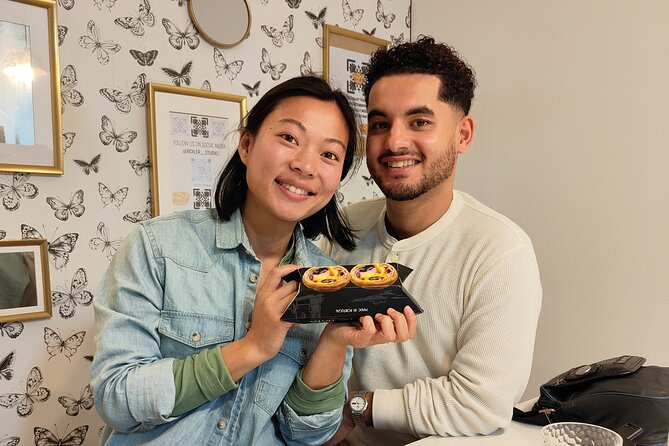
- Small-group, hands-on format: limited size, and the host assigns each person a specific task.
- About 1.5 hours total: enough time to learn, bake, taste, and leave with food.
- No full dough-making: the pastry dough is pre-made because it takes around 3 hours to be ready.
- Drinks during the bake: cocktails/port show up while you wait for the oven.
- Recipe is included: you’ll get the ingredients/steps so you can recreate it later.
- Shared space can mean noise: one review noted a tile-painting class next door.
How the Pastel de Nata workshop feels in Porto
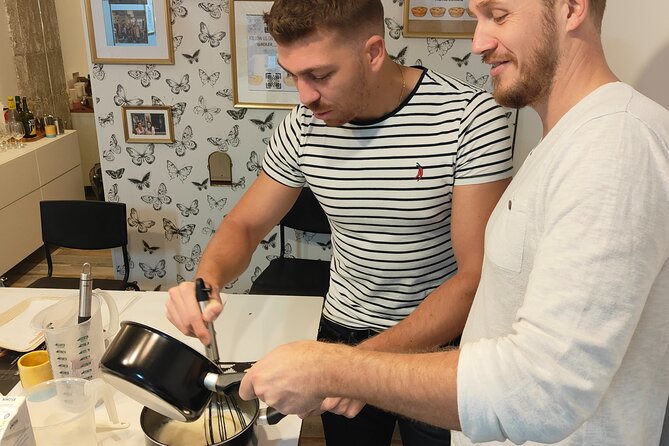
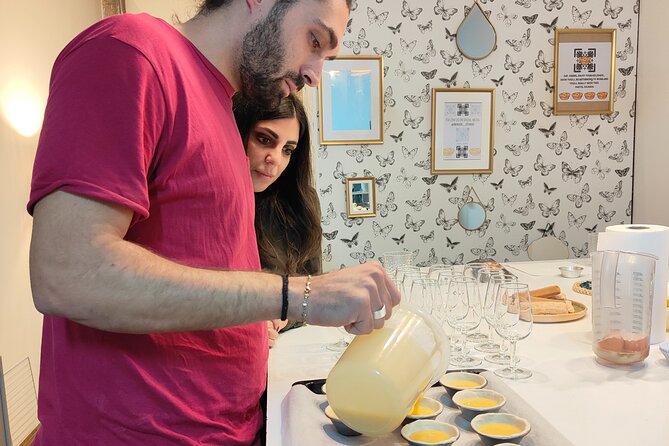
This is not a lecture where you sit and watch. The workshop is set up like a team table: the host talks through what you’re doing, then assigns tasks so each person contributes to the final pastel de nata. You end up with the satisfaction of learning the technique, not just tasting the results.
It also moves at a lively travel pace. The host keeps the room social with conversation and good music, and the waiting time doesn’t drag. That matters in a class like this because baking has a built-in clock, and you don’t want your evening (or morning) to stall.
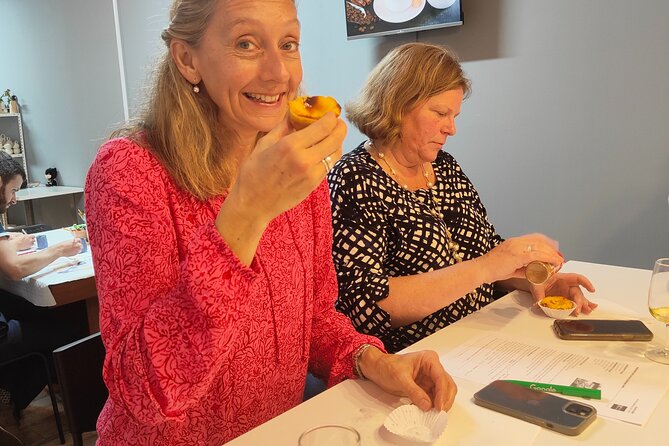
And yes, you’ll taste what you helped make. There’s a tasting at the end, plus a presentation with the story behind the sweet—exactly the kind of context that turns a pastry from just dessert into something you understand.
You can also read our reviews of more tours and experiences in Porto

The kitchen setup: small team jobs (and why it works)
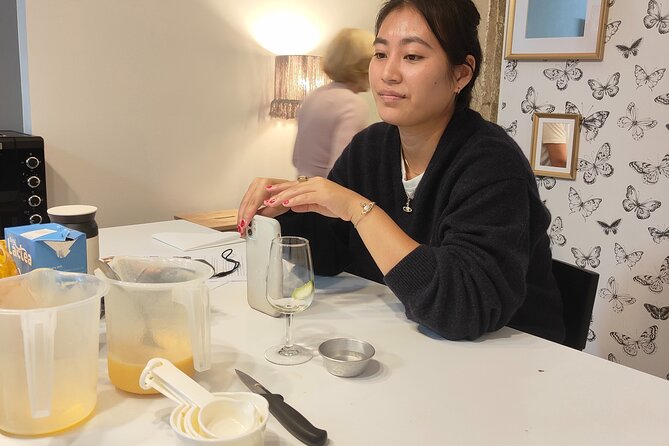
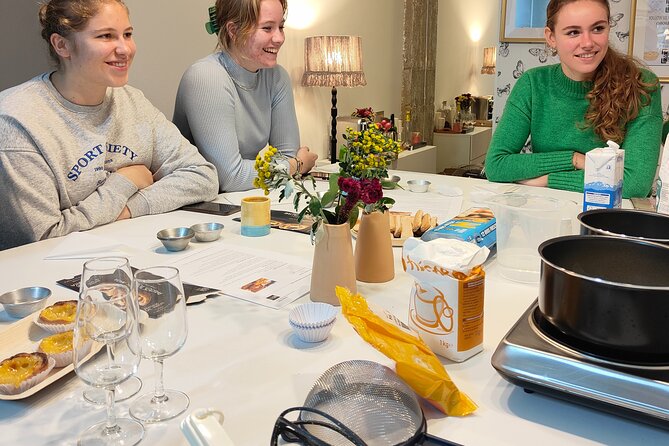
The workshop caps the experience at a small group—up to 8 people. That size is the sweet spot. You get enough variety that it feels social, but not so many people that instruction gets diluted.
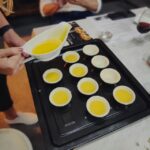
From what you’ll experience in the room, the host divides the recipe into separate jobs. One person might handle one component, another person does another, and you rotate through the steps with guidance. Multiple instructors have been praised for making this easy to follow, even for people who don’t bake much.
I like this format because it removes the stress that usually comes with pastry classes. You’re not trying to learn everything at once. Instead, you practice a few key actions with coaching, then you see how the whole thing comes together in the oven.
One practical note: the workshop space is described as spacious and comfortable, but it can share the room environment with a tile-painting class. If you’re sensitive to noise, expect that possibility and plan to lean into it—music and conversation help.
The dough question: why you don’t start from scratch
Here’s an important detail: you won’t make the pastry from the very beginning. The dough takes about 3 hours to be ready to use, so the workshop uses prepared dough instead.
That might sound like a “missing step,” but it’s actually part of the value of this class. In 1.5 hours, the workshop focuses on what you can realistically learn and repeat later: the assembly steps, the technique, and how to get the signature result.
The good news is you still get the recipe. You’ll receive the recipe for the pastry and have it explained for you. If you want the full from-scratch process, you can request a private workshop—this is one of those places where the standard class optimizes for learning and enjoyment rather than forcing a long, technical dough timeline.
What happens while the natas bake
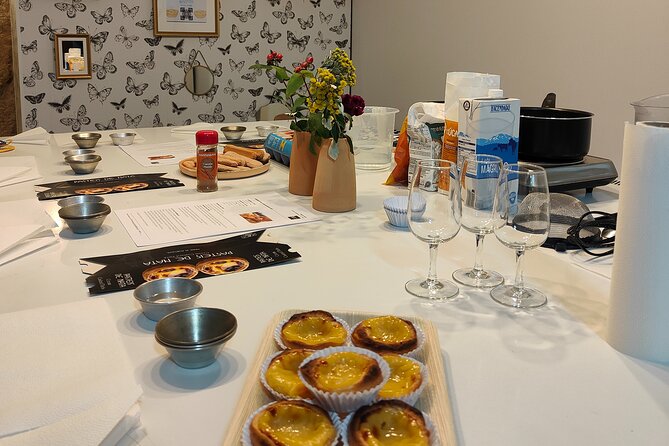
The baking time is built into the fun. While the pastel de nata bake, you’re served cocktails (and you may also see port options like port and tonic or port/tonic-style drinks). Music is playing, and the host keeps explaining what’s going on and what to look for.
This part is where the workshop becomes more than a cooking class. You get a relaxed social moment, so you’re not just waiting. Several people specifically called out the drinks during the oven time, and it makes sense: it turns a waiting period into part of the experience.
Timing-wise, think in phases:
- Prep + assembly with task assignments at the table
- Oven wait with cocktails/music and explanations
- Finish with tasting and a short story/presentation
The 1.5 hours passes quickly because you’re always doing something—either mixing, shaping, assembling, or learning why the steps matter.
The recipe handout: what you can actually make at home
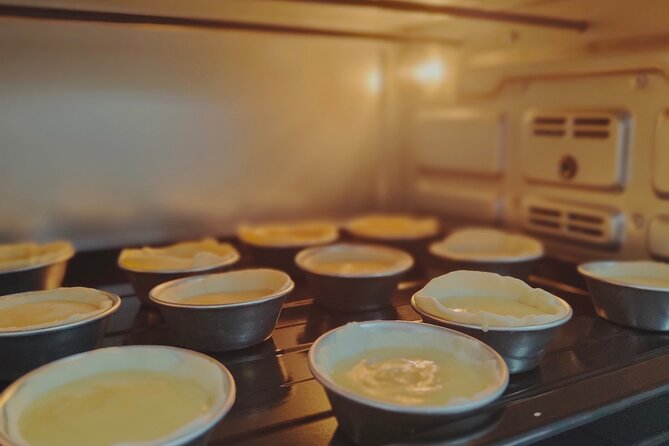
You don’t leave empty-handed. You get the recipe explained in the workshop, and you can take it with you. That’s a big deal for value. A lot of classes end with a tasty result and no clear pathway to reproduce it later.
The coaching approach seems designed for real results. People have praised instructors for clear instructions and encouragement, so you don’t feel lost. And because the workshop breaks the recipe into roles, you’re more likely to remember what you did and why it worked.
Also, you’ll hear the story behind pastel de nata during the tasting/presentation. Even if you already know the basics, that kind of context makes the pastry more personal. It helps you talk about it at home, not just eat it.





What you take home (and why it’s part of the deal)
At the end, there’s tasting and then a takeaway. The description notes that each guest will take two sandwiches with them. While that wording is unusual, the clear takeaway message is the same: you leave with more than just memories.
If you’re traveling with food cravings, this matters. You’re not dependent on finding your next snack right away. And if you want something to share with someone back at home, take-home pastries fit that perfectly.
You also get the recipe, which turns the workshop into a souvenir you can use. In other words, it’s a food experience plus a home-project guide.
Meeting point in central Porto: R. Chã 77
You meet at R. Chã 77, 4000-165 Porto, Portugal and the activity ends back at the meeting point. People have noted it’s easy to find and located in a central area, with good access to public transportation.
That matters more than it sounds. Cooking classes sometimes strand you in a “nearby but not really” location. Here, the meeting point is in the center of things, so you can plan the rest of your day—either before dinner or as a light activity between other Porto stops.
Also, you get a mobile ticket, and confirmation happens at booking. That removes friction on the day. Bring your phone, show the ticket when you arrive, and you’re good.
Price and value: does $42.24 make sense?
At $42.24 per person for around 1.5 hours, this workshop can be good value for a few reasons that go beyond the price tag.
First, you get hands-on instruction in a small group. That’s not just a tasting. You’re working through components and learning a repeatable method.
Second, you get drinks during the baking time. Several reviews singled out port and champagne-style options, and the overall experience includes cocktails while the oven does its job.
Third, you leave with a recipe and take-home food (the description notes two sandwiches). Those extras matter because they stretch the experience past the class itself.
If you’re comparing this to doing a pastry tasting on your own, the key difference is effort-to-results. You pay for the guided process and the chance to recreate it later.
Who should book this workshop (and who might skip it)
This workshop is a great fit if you want:
- A small-group cooking experience in Porto
- A class where everyone does a piece of the recipe
- A fun, social tone with music and cocktails
- A recipe you can follow later, not just a one-time treat
It’s also a solid choice if you’re a beginner. The coaching style has been praised for making the steps feel manageable, and the task division prevents you from getting overwhelmed.
You might consider a different format or a private workshop if you specifically want the full “from raw dough” process. Since the dough takes about 3 hours to be ready, the standard workshop uses prepared dough, and the full step-by-step from scratch is available by request in a private session.
Practical tips to get the most out of your class
Here are a few smart ways to set yourself up for a smooth workshop day:
- Show up on time so you can jump into the first prep step without rushing.
- Come with curiosity about technique. The host’s job here is to translate process into actions you can copy later.
- If you’re sensitive to noise, remember the space may share the environment with another activity (tile painting has been mentioned), so plan to stay flexible.
- Keep your phone ready for the mobile ticket.
- If you travel with a service animal, service animals are allowed.
And one more tip that’s more mindset than logistics: lean into the team aspect. Even if you only take “your” piece of the recipe, you’ll understand the whole tart better once you taste the finished result.
Should you book the Nate Pastel and Cocktails workshop?
I’d book this if you want a Porto food experience that’s social, structured, and actually teaches you something you can repeat. The small group size, the task-sharing approach, and the recipe you take home make it feel more like learning than just buying dessert.
The only real reason to pause is noise from shared space. If that would ruin your vibe, choose your day carefully or think about a private option for a quieter, more controlled setting.
If you’re flexible and ready for fun, this is an easy yes—especially when you want pastel de nata plus cocktails, all in about 1.5 hours.
FAQ
Where is the workshop meeting point?
It meets at R. Chã 77, 4000-165 Porto, Portugal, and the workshop ends back at the same meeting point.
How long is the workshop?
The workshop lasts about 1 hour 30 minutes.
Is the class in English?
Yes. The workshop is offered in English.
What is the group size?
The experience has a maximum group size of 8 travelers/participants.
Do you make the dough from the beginning?
No. The pastry dough is pre-made because it takes about 3 hours to be ready to use. You’ll follow the recipe for assembly, and the recipe is provided to participants. A private workshop can be requested if you want to do everything from scratch.
What do you get to take home, and are there drinks?
You’ll do a tasting at the end, and each guest will take two sandwiches with them (as stated in the experience description). Cocktails and drinks are served while the pastel de nata bake.
Can I get a full refund if I cancel?
Yes. You can cancel up to 24 hours in advance for a full refund. If you cancel less than 24 hours before the start time, the amount paid is not refunded.