REVIEW · PORTO
Porto: Pastel de Nata Pastry-Making Workshop
Book on GetYourGuide →Operated by Little Bird · Bookable on GetYourGuide
Pastry smell + Port wine makes this class feel like a mini holiday. You’ll get hands-on pastel de nata instruction in a tight group, plus a real social vibe with fellow food lovers. I especially like the step-by-step pacing and the way the host keeps everyone involved, even if you’re a solo traveler.
Two things I’d put at the top: first, the Port wine (or mimosa/wine) pairing during the baking window. Second, the takeaway factor: you don’t just taste warm pastries in class—you leave with 2 or more to bring home. One catch to consider: the dough is pre-made. You roll and fill, but you won’t be making the dough from scratch in the workshop time.
In This Review
- Key Points You’ll Care About
- Boiler Studio on Rua Chã 77: Porto’s Center, No Fuss Location
- What You Make in 90 Minutes: Roll, Fill, Bake Pastel de Nata
- The Wine Break Isn’t a Side Quest, It’s Built Into the Class
- How the Host Gets You From Dough to Custard (Without Stress)
- What You Take Home: More Than One Tart, in a Convenient Box
- Porto Insider Tips: Food Recommendations from a Local at the Right Moment
- Price and Value: Why $41 Feels Reasonable for This Setup
- Who Should Book This Pastel de Nata Workshop—and Who Might Skip
- Should You Book This Porto Pastel de Nata Workshop?
- FAQ
- Where is the meeting point?
- How long does the workshop last?
- What’s included in the price?
- What drinks are served?
- Can you make the dough from scratch during the class?
- Is this class suitable for kids?
- What group size should I expect, and is it in English?
Key Points You’ll Care About
- Rua Chã 77, right by the Cathedral: easy to pair with a wander through central Porto.
- Small groups (max 9): the host can actually guide you at your station.
- Dough is prepared in advance: you focus on rolling, filling, and baking, not a 3-hour dough build.
- Wine break is part of the lesson: Port wine, wine, or mimosa while you work.
- Take-home pastries in a box: you’ll likely get more than one tart to enjoy later.
Boiler Studio on Rua Chã 77: Porto’s Center, No Fuss Location
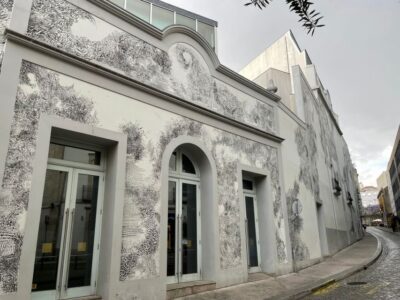
The workshop takes place at Boiler Studio on Rua Chã 77, on a typical old street right in Porto’s Cathedral area. This matters because you can fit the class into a day of sightseeing without long transfers or complicated routing.
If you’re already doing the big sights, you’re also close to São Bento Train Station, the Luís I Bridge, Time Out Market, and the Cathedral itself. The easiest plan is to arrive with a little free time before your start, so you can do a calm walk and get your bearings fast.
Boiler Studio is set up for hands-on work, not a lecture hall. Based on what people describe, the space feels bright, clean, and organized—helpful when you’re rolling dough and trying to keep custard from going everywhere.
You can also read our reviews of more tours and experiences in Porto

What You Make in 90 Minutes: Roll, Fill, Bake Pastel de Nata
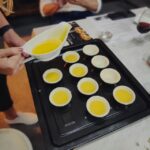
This is a focused class with a clear goal: make Portugal’s famous pastel de nata. You’ll start with pre-prepared dough (important), then roll it yourself and shape it for the tarts. After that comes the egg custard filling, done under the instructor’s guidance.
One practical detail: the dough cannot be made during the workshop. That’s because the dough needs about 3 hours to properly be done. Instead, you get a dough ready to work with, plus a recipe you can take home and try again later.
During the class, you’ll typically do the parts that show results fast. You’ll roll, you’ll fill, you’ll bake, and you’ll taste. The host also keeps things moving so you’re not waiting around while others do steps you’re not involved in.
If you’re the type who wants to do every single step, know that groups are kept small (up to 9), and full participation in every stage may require a private workshop. Still, even in the standard format, people consistently describe it as interactive, with the host guiding different parts of the process at your table.
The Wine Break Isn’t a Side Quest, It’s Built Into the Class
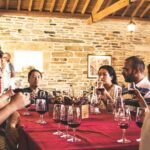
In most baking classes, you get a cookie. Here, the drink is part of the rhythm. You’ll get 1 glass of wine: Port wine (as noted in the highlights), regular wine, or a mimosa—served while you work and wait for the pastries to bake.
This is more than just “nice extras.” It changes the feel of the lesson. The class runs 1.5 hours, so you’re not stuck in a long technical slog. With the drink while the oven does its job, you get time to chat, ask questions, and swap tips with people next to you.
I also like that the host keeps the room social. Multiple instructors come through—names like Ana, Sarah, Patricia, Maria, Sara, Alice, and Elise show up in past sessions—and a common theme is humor and inclusion. That’s why the workshop often works well for mixed groups and solo travelers. You’re doing something practical, and the host keeps it easy to talk.
How the Host Gets You From Dough to Custard (Without Stress)
The guiding style is what makes this work. People mention instructors bringing participants into the process in stages, so you’re not just watching someone else build the tart. You’ll get step-by-step instruction, and you’ll have a printed recipe to follow and to copy later.
Here are the parts that tend to translate best if you plan to bake at home:
- Rolling technique: you’ll practice handling the dough until you can shape it without tearing.
- Custard filling: you’ll learn how the custard is handled and portioned so the tart bakes correctly.
- Timing and oven workflow: you’ll see when the pastries go in and how you’re meant to wait and check.
One more thing: the host shares tips beyond the recipe sheet. Past sessions include advice and small tricks that help you reproduce the flavor and texture later. If you want a “Portugal snack skill” you can repeat, this format is built for that.
And because the dough is pre-made, you avoid the biggest beginner trap. You don’t have to rush or guess at a long dough process. You can focus on the parts that actually build the pastel de nata you want to eat.
What You Take Home: More Than One Tart, in a Convenient Box
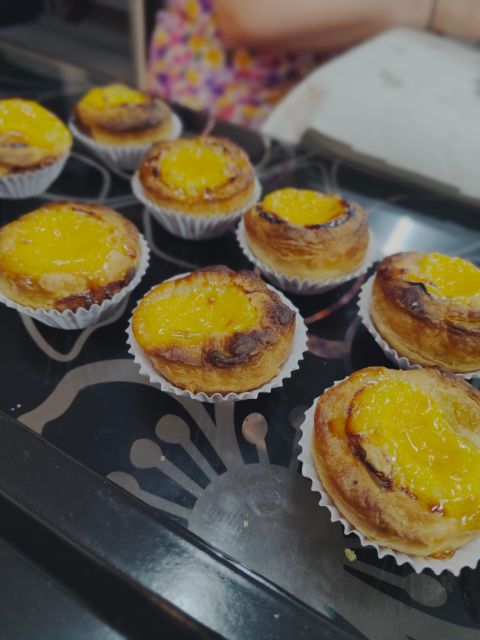
At the end, you’ll taste the pastries right after they come out of the oven. That part is the obvious fun—but the real value is the takeaway.
You’re supposed to receive 2 or more pastéis de nata to take home, packed in a convenient cardboard pastry box. This makes the class practical for day-to-day travel: you can bring them to your apartment, snack later, share with a friend, or stash for someone who missed the fun.
If you’re traveling as a couple or small group, this also reduces the “what do we do next?” pressure. You’ll already have something delicious lined up for later in your evening.





Porto Insider Tips: Food Recommendations from a Local at the Right Moment
One of the sneakiest benefits is what happens while you’re waiting, chatting, and baking. The host includes insider tips on Porto, with recommendations for food spots in town.
This timing is smart. You’re fresh off learning the local pastry, and you still have energy to explore. Instead of just asking for the best restaurant in general, you’re asking in the moment—so the advice often feels more specific to the vibe you want next.
Because the class is set in the Cathedral area, you can easily turn the recommendations into a low-effort evening plan. Walk, graze, and keep it casual. You’re already in the right part of the city to do that.
Price and Value: Why $41 Feels Reasonable for This Setup
At $41 per person for a 1.5-hour workshop, you’re paying for more than ingredients. You’re buying:
- A small-group hands-on lesson (max 9)
- Step-by-step instruction in English
- A included drink (Port wine, wine, or mimosa)
- Finished pastries to eat plus 2+ to take home
- A recipe you can use again later
Here’s how I see the value. The workshop saves you time and frustration. You get an instructor’s guidance, plus you avoid the 3-hour dough process that you’d otherwise need if you tried to recreate this exactly from scratch. And because you leave with extra pastries, you get a bit of “carry-in” value for later meals or snacks.
So the cost is less about “watching baking” and more about learning a repeatable technique in a short, guided window.
Who Should Book This Pastel de Nata Workshop—and Who Might Skip
This is a great fit if you want a Portugal food experience that’s hands-on but not overly technical. It’s also a strong choice on a rainy day. The setting is indoor, organized, and social—so bad weather doesn’t derail your day.
It’s especially good for:
- Couples and small groups who want a shared activity
- Solo travelers who want to meet people through conversation
- Food lovers who like practical skills, not just tasting
Age note matters. Children over 10 are welcome, but it’s not suitable for children under 10. If you’re traveling with younger kids, look for a different activity.
Should You Book This Porto Pastel de Nata Workshop?
Yes, you should book it if your goal is to learn how pastel de nata is put together, enjoy a drink while it bakes, and leave with pastries for later. The small group size, real participation at the table, and the fact that you get a take-home recipe make it a good use of 1.5 hours in Porto.
Skip it only if you specifically want to make the dough entirely from scratch. This class focuses on rolling, filling, and baking using pre-prepared dough. For most people, that’s exactly the sweet spot.
FAQ
Where is the meeting point?
The workshop is held at Boiler Studio, Rua Chã 77, in the Cathedral area of Porto.
How long does the workshop last?
The pastel de nata workshop lasts 1.5 hours.
What’s included in the price?
You get the pastry-making workshop, 1 glass of wine (Port wine, regular wine, or a mimosa), and 2 or more pastel de nata to take home.
What drinks are served?
Your class includes one glass of wine, with options listed as Port wine, regular wine, or a mimosa.
Can you make the dough from scratch during the class?
No. The dough is prepared in advance because it takes about 3 hours to be well done. You’ll roll the dough and make the egg custard during the workshop, with a recipe provided.
Is this class suitable for kids?
Children over 10 are welcome. It is not suitable for children under 10.
What group size should I expect, and is it in English?
The class is run with a maximum of 9 people, and the instructor speaks English.