REVIEW · PORTO
Pastel de Nata | Workshop from scratch | Porto’s city center
Book on Viator →Operated by CD Porto Tours · Bookable on Viator
Two and a half hours, all about sweet Portuguese comfort. What I like most is that you learn pastel de nata from scratch, including the dough (not just assembly), and you leave with warm pastries you made yourself. It’s also a fun way to meet people without feeling stuck in a formal tour.
The main drawback to consider is the timing rule: the workshop door closes at the scheduled start time, and late entry isn’t allowed.
If you want a hands-on session with local wine and a clear recipe path you can repeat at home, this one fits well.
In This Review
- Key things to know before you go
- Arriving at R. do Souto 67 (and why timing matters)
- What you learn: pastel de nata dough to the final warm bite
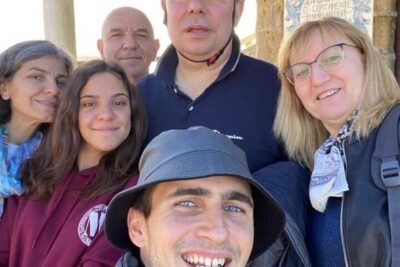
- The “small group” advantage: real turns, not background participation
- Wine, coffee/tea, and the fun social rhythm of the class
- What you eat at the end (and how to think about leftovers)
- Price and value: is $48.36 worth it?
- Who this workshop is best for (and who should skip it)
- Practical tips so you get the best result
- Should you book Pastel de Nata from Scratch in Porto?
- FAQ
- What is the duration of the Porto Pastel de Nata workshop?
- How much does the workshop cost?
- Where does the workshop start?
- What language is the workshop offered in?
- How big is the group?
- Is it suitable for children?
- What’s included in the ticket price?
- Is pick-up or drop-off included?
- Can I enter late after the workshop has started?
- What if I need to cancel?
Key things to know before you go
- From-scratch dough learning: you’re taught the full process, not shortcuts
- Small group focus (max 12): you get hands-on turns and more instructor attention
- Local wine + coffee/tea included: you snack and sip while you bake
- No entry after start time: plan to arrive early and don’t risk being locked out
- Adult-oriented workshop: under 15 can’t join, and 15–17 must be with an adult
Arriving at R. do Souto 67 (and why timing matters)
This workshop is in Porto city center at R. do Souto 67, 4050-595. It’s also described as being near public transportation, which helps if you’re bouncing between sights.
The start-time rule is the big practical point. The session begins at the scheduled time with no exceptions. Once it starts, entry isn’t possible because the door closes, and they won’t make exceptions even if you’re close-by. That’s not meant to be harsh—it’s logistics. In a class like this, every minute affects dough, resting steps, and baking.
So your best move: arrive a bit early, get your bearings, and treat the start time like a flight. If you’re the kind of person who runs on “I’ll find it when I get there,” this is the one where you should not do that.
The workshop ends back at the meeting point, so you don’t have to plan extra transit once you’re done.
You can also read our reviews of more city tours in Porto



What you learn: pastel de nata dough to the final warm bite
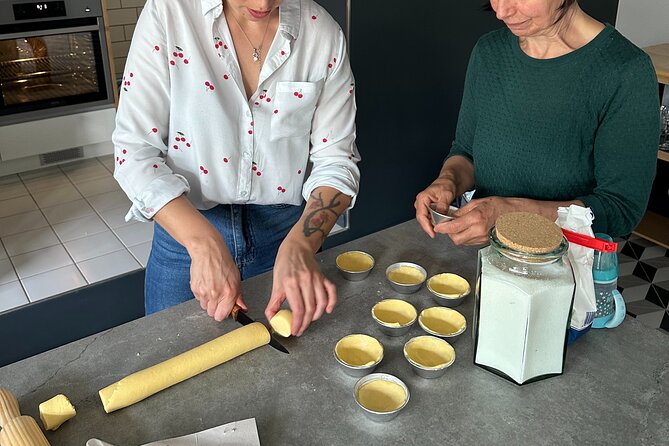
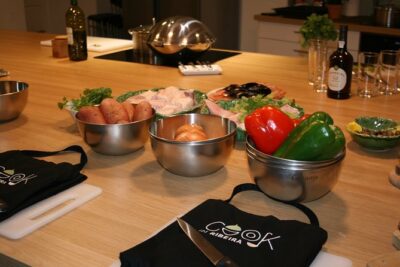
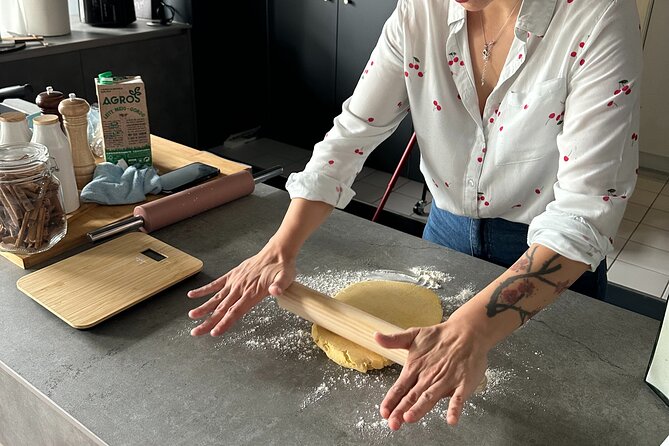
This is hands-on pastry training. The goal is simple: you learn how to make traditional pastel de nata from the ground up, including the dough. You’re not just watching while someone else works. The format is alternating participation, so you can take part in different phases as the instructor guides the group.
And yes, the process is detailed enough that even experienced cooks say it feels authentic and doesn’t cut corners. One review specifically called out learning rough puff pastry, which matters because that layered texture is part of why the pastry tastes the way it does.
Here’s what that usually means in practice for your experience:
- You’ll work with dough steps that need patience (and some timing discipline).
- You’ll assemble and prepare components so your final pastries actually reflect the classic method.
- You’ll get tips that help you avoid common pastry failures (like dough behaving badly or cream not setting right).
You also learn about the Portuguese side of things while baking. The wine part isn’t just a drink; it’s part of the cultural context the instructor brings into the room.
The end result is the payoff: when things come out warm, you can taste what you just learned—right there, at the right moment, when the pastry is at its best.
The “small group” advantage: real turns, not background participation
This class caps at 12 travelers. That matters because pastry workshops can easily turn into a row of seats watching someone else move. Here, the structure is designed around alternation: participants take turns in different phases.
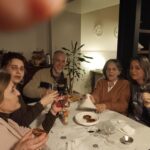
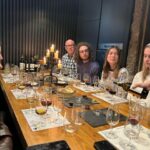
If you want maximum hands-on time, you’ll likely feel the difference in a smaller group. Multiple reviews highlight the fact that everyone had a chance to participate in the process, with clear instruction and time to do things yourself instead of just observing.
Also, this is a group activity, not a one-on-one or paired lesson. If you want full participation without sharing each step with other people—or you’re aiming for a deeper, more personalized technique track—this public group format has limits. In that case, a private lesson would be the better fit.
But for most people, “small group” here means you get to do enough that you’ll actually remember what to repeat at home.
Wine, coffee/tea, and the fun social rhythm of the class
Included in the experience:
- Coffee and/or tea
- Local wine (alcoholic beverages)
This is a big part of why the workshop feels like more than a chore. You settle into the session with a drink, then you work step-by-step with a friendly instructor who keeps things moving.
From the reviews, instructors like Vanessa and Ana/Clara came up repeatedly for humor, clear explanations, and an easygoing vibe. That’s not just personality—it can make a technical recipe feel less intimidating. When the instructor jokes while demonstrating a tricky dough step, you relax. And relaxing helps you focus on the details that matter.
One more practical note: this is an adult workshop. It’s not pitched as a children’s activity, and that keeps the tone calm and kitchen-focused.
What you eat at the end (and how to think about leftovers)
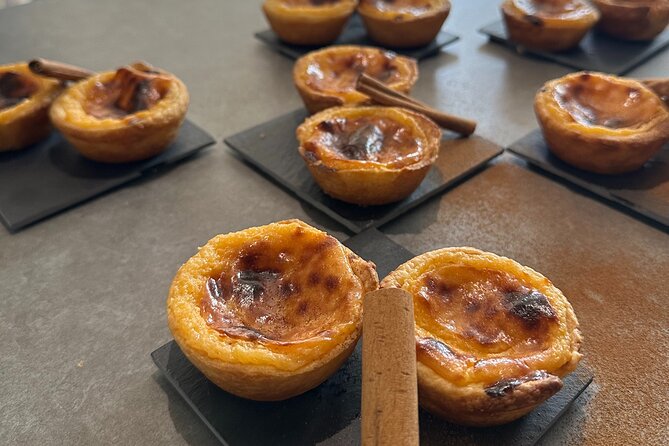
The sample menu lists one dessert: Pastel de Nata. In real terms, you’re looking at warm pastries served after the baking. Many reviews say the pastries were delicious and that they tasted even better than what people had around the city.
That matters for your expectations. You’re not leaving with a bag of cold items and a vague memory of flavor. You get the classic experience: warm, freshly baked, best right after they come out.
If you’re thinking about taking some home, here’s a practical caution from the experience vibe: pastries like this can lose their peak texture when they cool. One review gave a simple tip: eat them quickly unless you have a way to reheat. If you want that “just baked” effect later, plan for that.
You can also read our reviews of more tours and experiences in Porto



Price and value: is $48.36 worth it?
At $48.36 per person for about 2 hours 30 minutes, the value depends on what you want from a food experience.
This price includes:
- A hands-on class teaching the dough (the hardest part)
- Coffee/tea
- Local wine
- A small group size (max 12)
- The final warm pastries
You’re paying for instruction plus a guided workflow. If you’ve ever tried to replicate Portuguese pastry at home without a plan, you know ingredients and equipment can get expensive fast—plus learning the technique is the hard part. Here, you get the technique handed to you in a structured way, with someone correcting mistakes as you go.
Is it a bargain compared to a casual dessert stop? No. But for skill-building plus a social meal-with-activity feel, it’s fairly priced—especially with wine and the final product included.
Who this workshop is best for (and who should skip it)
This is best for you if:
- You want a real recipe skill, not just a sightseeing food tasting.
- You like interactive classes where you can take turns and learn by doing.
- You enjoy food experiences with a bit of Portugal flavor through wine and conversation.
- You’re comfortable with the idea that you’ll be in a working kitchen environment for around 2.5 hours.
Skip it or think carefully if:
- You need a gluten- or lactose-free option. The experience is not suitable for people intolerant to gluten and lactose.
- You’re traveling with children under 15. Children under 15 aren’t permitted for logistical and safety reasons, and companions aren’t allowed beyond the rules.
- You rely on animals for mobility. The experience says animals (including service animals) are not allowed.
And if you’re the type who hates group work, you might find the “alternating participation” style more structured than you’d prefer. But most people come away feeling they actually did enough themselves.
Practical tips so you get the best result
A pastry workshop rewards preparation. Here are the habits that tend to make a class smoother:
- Arrive early. You can’t enter once the door closes at start time.
- Plan for the time window. It’s roughly 2.5 hours, so don’t schedule a tight second activity right after.
- Come ready to participate. This isn’t a sit-and-watch class. You’ll be working with steps and getting involved as the instructor rotates turns.
- Expect adult-focused pacing. The workshop is for adults, with rules around minors.
- Eat the pastries soon after baking if you want the full texture experience. If you plan to take them later, have a reheating plan in mind.
Also, because it’s listed as offered in English, you can expect instruction to be delivered in that language—handy if you don’t speak Portuguese.
Should you book Pastel de Nata from Scratch in Porto?
If you want more than a one-time taste—if you want to learn the classic method and bring a technique home—then yes, this is a smart booking. The combination of from-scratch dough learning, small group turns, and included wine plus warm results makes it feel worth the time and cost.
I’d only hesitate if you know you’ll struggle with strict timing rules, or if dietary needs mean you can’t eat gluten or lactose. Otherwise, this is one of the best ways to spend an afternoon in Porto: part pastry school, part Portuguese food culture, and a seriously satisfying finish.
FAQ
What is the duration of the Porto Pastel de Nata workshop?
It lasts about 2 hours 30 minutes (approx.).
How much does the workshop cost?
The price is listed as $48.36 per person.
Where does the workshop start?
The meeting point is R. do Souto 67, 4050-595 Porto, Portugal.
What language is the workshop offered in?
The experience is offered in English.
How big is the group?
The class has a maximum of 12 travelers.
Is it suitable for children?
It’s described as an adult workshop. Children under 15 are not permitted, and 15–17 can only participate if accompanied by an adult. Companions aren’t allowed to enter regardless of age.
What’s included in the ticket price?
You’ll get coffee and/or tea and local alcoholic beverages (local wine), plus the pastel de nata you make.
Is pick-up or drop-off included?
No. Pick ups and drop offs are not included.
Can I enter late after the workshop has started?
No. The door closes at the scheduled start time and it isn’t possible to enter once it has started.
What if I need to cancel?
You can cancel for a full refund if you cancel at least 24 hours before the experience’s start time. If you cancel less than 24 hours before, the amount is not refunded.