REVIEW · PORTO
Porto Small-Group Local Food, Wine, and Sweets Tasting Tour
Book on Viator →Bookable on Viator
Porto tastes better when someone else leads. This small-group food-and-wine walk in Porto (with guide Maria) turns a simple morning into a guided circuit through local specialties, including dishes tied to Jewish culture.
I especially like two things: first, the focused attention you get with a cap on group size, which makes it easier to ask questions as you eat and sip. Second, the lineup is built around real Porto flavors—espresso/coffee with classic pastries, market bites, cod in multiple forms, plus a cheese-and-charcuterie finish and sweet “surprises.” One thing to consider: the schedule depends on what’s open, so if a market stop is closed, you may end up with fewer practical tastings than you expected for the price.
In This Review
- Key things to know before you go
- Starting at Jeronymo Trindade: why the meeting point matters
- Pastéis and coffee to start: the religious Porto pastry connection
- Bolhão Market walk: fish, wine, and the real texture of Porto
- Codfish stop: the Porto must-eat, explained in plain language
- Cheese and charcuterie finish: Portugal’s best produce, sampled
- The sweet “best kept secret” stop: pastry heaven, Porto style
- Food + wine value: is $192.66 fair for a 2h40–3h tour?
- What Maria’s guiding style does for your experience
- Walking pace, timing, and who this tour fits best
- Practical tips to get the most from the tastings
- Price, pacing, and the main downside to watch
- Should you book this Porto food, wine, and sweets tour?
- FAQ
- How long is the Porto small-group food, wine, and sweets tasting tour?
- How large is the group?
- Where is the meeting point, and where does the tour end?
- What tastings and drinks are included?
- Is the tour offered in English, and can it accommodate dietary needs?
- Is there an age limit for drinking alcohol?
- What is the cancellation policy?
Key things to know before you go
- Small-group feel (up to 10, usually capped tighter) so you’re not lost in a crowd.
- Maria’s food-and-wine lead: she explains what you’re tasting and why it matters locally.
- A smart sequence of bites: pastry + coffee, then fish-heavy stops, then cheese/charcuterie, then sweets.
- Wine and other alcohol are paired with tastings, with an 18+ minimum drinking age.
- Porto’s religious and cultural links show up in how pastries and traditions are described.
Starting at Jeronymo Trindade: why the meeting point matters
You start near Jeronymo Trindade around 10:00. That’s a good anchor point because it sets the tone for a walking-style food tour: you’re not jumping across town, you’re building a rhythm—walk, taste, talk, repeat.
The tour ends around Rua das Flores, which is handy. If you want to keep exploring after, you’ll be in an area that’s easy to extend with more wandering and coffee on your own.
Dress code is smart casual, and the tour runs in English (with a note that the guide may be multi-lingual depending on operations). If you like tours where you can actually follow along while eating, this format works.
You can also read our reviews of more food & drink experiences in Porto


Pastéis and coffee to start: the religious Porto pastry connection
The first stop is built for momentum. You’ll try a national favorite patisserie paired with coffee in a Porto style. Porto pastries are closely linked to religious tradition, so the guide’s framing turns something sweet into a small cultural lesson you can taste.
This is also a smart start if you’re arriving hungry. By the time the fish-and-market portion begins, you’ll already have the sugar-and-caffeine base that helps you enjoy (and not just survive) the rest of the tastings.
One practical tip: if you’re sensitive to coffee, tea, or alcohol, tell the guide early. The tour includes coffee/tea and pairing drinks, so it’s easiest to calibrate from stop one.
Bolhão Market walk: fish, wine, and the real texture of Porto
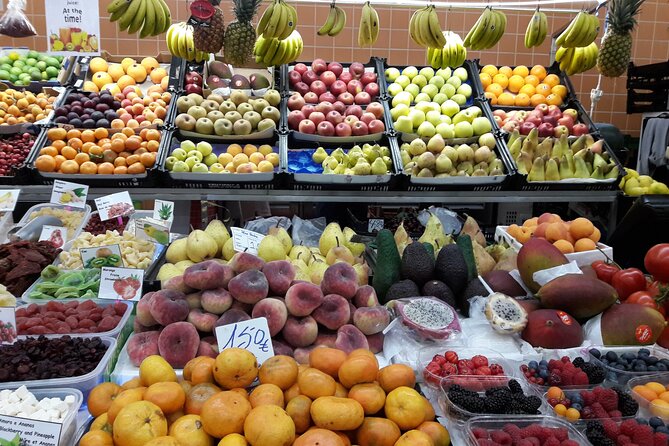
Next comes a walk through Bolhão Market. This part is about sights and smells as much as food: stalls of fish, meat, and fruit, plus the pace of vendors and packaged local staples.
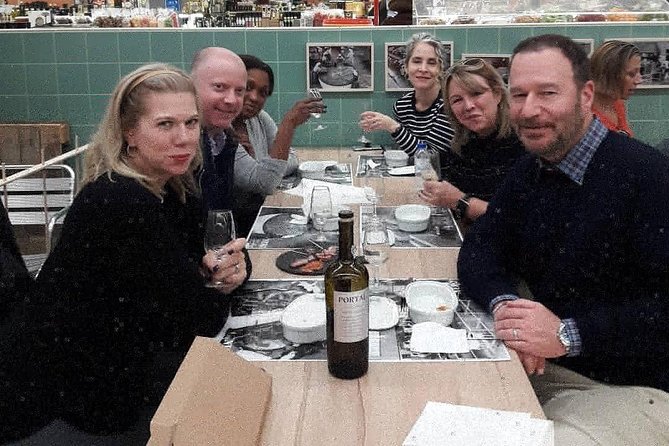
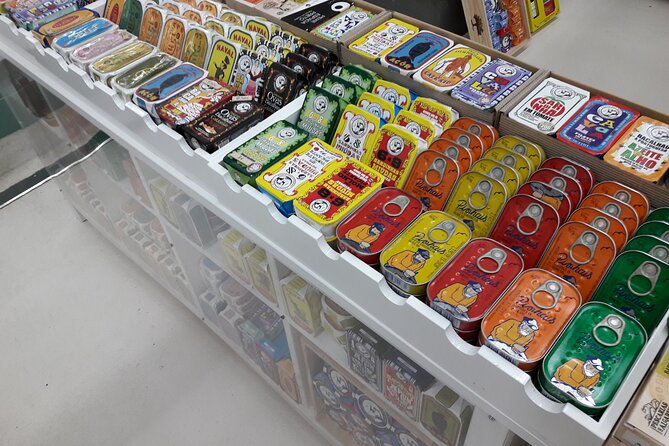
The tasting here leans into Porto’s identity. You’ll try Porto favorites such as canned fish, plus you’ll get a glass of wine and other typical foods. It’s a useful taste method, because canned fish in Portugal isn’t “backup food.” It’s part of daily culture and pantry tradition.
Timing matters at this stop. If the market is closed (some openings vary by day), you can still learn from the walk and descriptions, but you may not see the full stall-life you hoped for. That’s one reason this tour works best when you go in flexible and curious, not demanding an exact number of samples at every counter.
Codfish stop: the Porto must-eat, explained in plain language
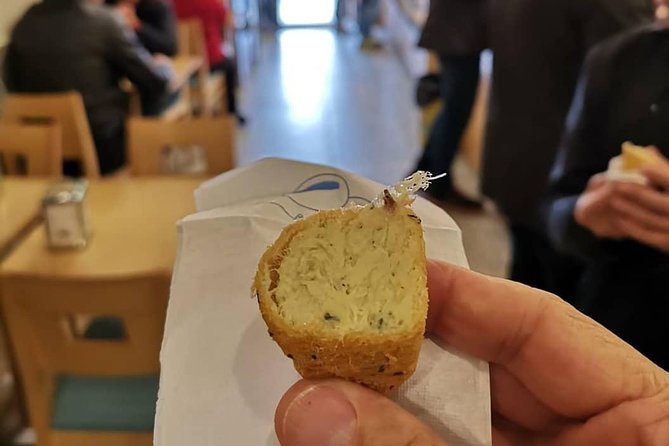
Cod fish is the star ingredient in Portugal, and the tour gives it a dedicated moment. This stop centers on why cod matters and the different ways it gets cooked.
Even if cod isn’t your go-to at home, this is where you can reset how you think about it. The guide’s explanation helps you connect the dots between tradition and technique, so the tastings don’t feel random—they feel like steps in a story.
If you’re a seafood person, this stop will click fast. If you’re not, treat it as a chance to find the version you actually enjoy. The tour is designed to show cod in more than one context, not just one flavor.
Cheese and charcuterie finish: Portugal’s best produce, sampled
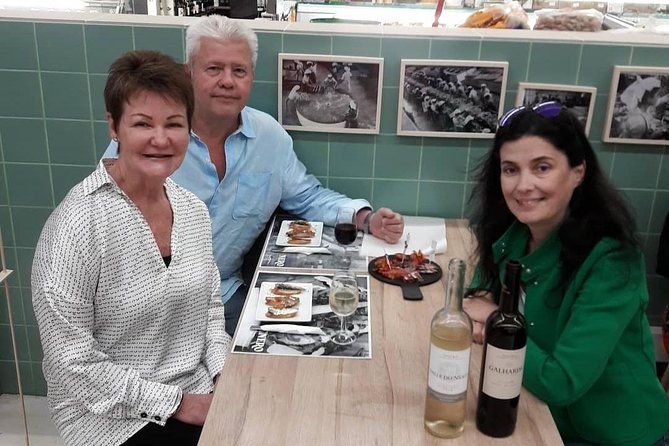
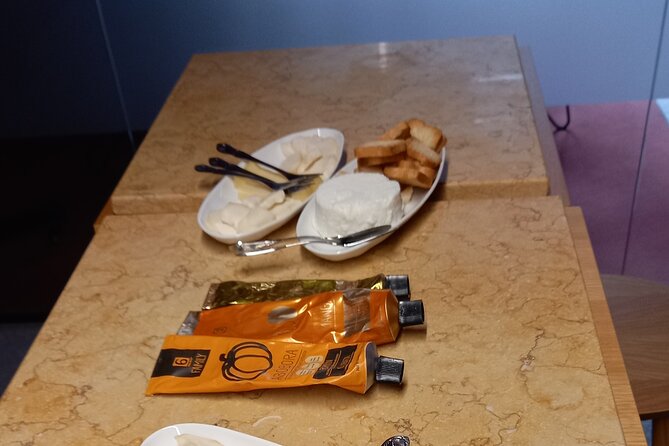
You end the savory arc with a cheese and charcuterie tasting. This is where the tour shifts from “fish-heavy Porto” to “whole-country craft,” letting you compare textures: cheeses that range from mild to punchy, and cured meats that bring salty depth.
A cheese-and-charcuterie stop is also a smart pacing tool. After walking and tasting fish, your palate gets a chance to reset. It’s a good moment to slow down, ask what goes with what, and learn how locals build a simple board at home.
Then comes a special treat at the end. The tour notes it as a sweet payoff, and that makes this feel like a proper full meal arc rather than a quick snack circuit.
You can also read our reviews of more tours and experiences in Porto


The sweet “best kept secret” stop: pastry heaven, Porto style
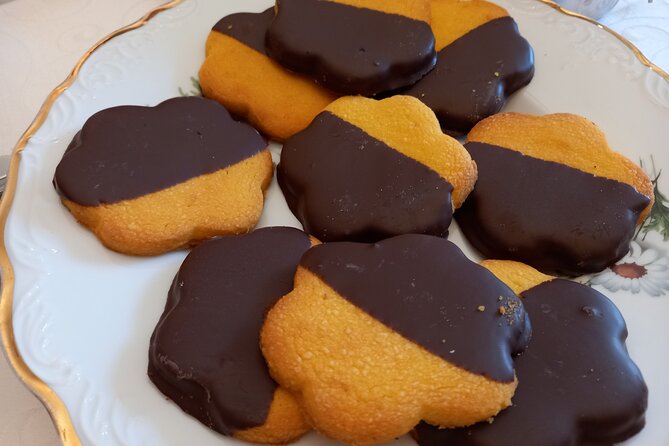
The final sweet stop is short but purposeful: the tour calls it a best-kept secret in Porto’s sweet scene. You’ll get a last tasting designed for pure dessert joy.
This is the kind of stop that rewards people who like to look past the obvious. If you’ve been in Europe long enough to notice how many cities push the same familiar desserts, Porto’s approach here feels more local—less postcard, more everyday favorite.
If you’re the type who wants to control dessert later, you may find you’ve already decided. The tour is built so your sugar habit has a planned moment instead of a last-minute scramble.
Food + wine value: is $192.66 fair for a 2h40–3h tour?
At about $192.66 per person for roughly 2 hours 40 minutes to 3 hours, this isn’t a bargain snack tour. The real question is whether you feel the value in what’s included.
What you get includes:
- Guided food-and-wine tasting with a local professional guide
- Multiple food tastings paired with wine and other alcoholic drinks
- Coffee, tea, and additional beverages
That mix is the key. You’re paying for the guide’s ability to connect culture to what you’re eating, plus the structure that keeps you moving from one Porto specialty to the next without guesswork.
Still, one caution is real: one participant felt there weren’t enough food tastings for the price, especially when certain market elements weren’t accessible. That’s a tradeoff with tours like this—when a stop depends on opening times, your tasting volume can shift.
My take: this tour feels worth it if you like guided learning and you’re comfortable with a tasting-style meal format (lots of small samples, not one huge plate at each stop). If you prefer big portions you can count, you might feel the cost more sharply.
What Maria’s guiding style does for your experience
A name keeps popping up: Maria. The strong theme is that she’s not just a person walking ahead. She’s described as an expert in wine and food, and she’s the reason the tastings feel connected.
I like that the tour encourages questions. One person described asking lots of Portugal questions while walking. That’s a sign you’re not only getting food facts—you’re getting context about life, culture, and everyday choices in Porto.
Another useful detail: the tour can adjust if time is tight. One example was flexible timing to make sure a visitor with a flight could still enjoy the pastries and market portion. That flexibility matters if your schedule is packed.
Walking pace, timing, and who this tour fits best
This is a walking tour with multiple stops and tastings, so it suits people who:
- enjoy small bites more than large meals
- want a guided route through Porto’s food world
- like wine pairings but still want explanations
It also helps if you’re okay with the market-style reality that not everything is open every day. If you’re visiting on a day when certain shops or stalls operate differently, you’ll still get the guidance, but the tasting count may feel less “full.”
If you’re short on time, this tour’s starting at 10am is useful. You can get your Porto food fix early and still plan a later lunch or dinner on your own.
Practical tips to get the most from the tastings
A few things make a difference on tours like this:
- Go in hungry-ish. You’ll have pastries and fish stops plus wine pairings. If you arrive stuffed, the last cheese and sweet moments can feel less special.
- Ask what to compare. Cod, canned fish, cheeses, and sweets are all “flavor families.” A good question like What’s different between these options? helps the guide tailor the explanation to your tastes.
- Plan your afternoon. You’ll likely leave full—walking plus wine pairings add up. Don’t book something physically intense right after.
Also, the tour requests that you advise dietary requirements when booking. If you have restrictions, send them early so the guide can plan within what’s possible for each tasting.
Price, pacing, and the main downside to watch
The most common concern isn’t safety or quality—it’s expectation management. One person felt the tour was spread out and that there weren’t as many tastings as hoped for the price, especially when market stops weren’t fully operating.
That doesn’t mean the tour is bad. It means you should match the product to your preferences:
- If you want a structured tasting circuit with guided explanations, you’ll likely feel satisfied.
- If you want a high volume of food samples you can reliably count, you may feel shortchanged on certain days.
If you’re the careful planner type, message the operator when you book. Ask whether market timing affects what you’ll sample on your day.
Should you book this Porto food, wine, and sweets tour?
Book it if you want a guided morning that teaches you how Porto tastes—starting with pastry and coffee, moving through market fish culture, then cod, then cheese/charcuterie, and ending with sweets.
Skip it or think twice if you’re chasing maximum food volume per dollar, or if you know you’ll be visiting on a day when key stops may have limited access. In that case, you might prefer a shorter tasting route with fewer moving parts.
If you do book, you’ll get real value when you lean into the guide-led part: ask questions, compare flavors, and let the tastings teach you instead of trying to “audit” every sample.
FAQ
How long is the Porto small-group food, wine, and sweets tasting tour?
It runs for about 2 hours 40 minutes to 3 hours.
How large is the group?
The tour is described as small-group capped at six guests, and the additional info also lists a maximum of 10 travelers.
Where is the meeting point, and where does the tour end?
You meet at Jeronymo Trindade, R. dos Heróis e dos Mártires de Angola 67, 4000-285 Porto. The tour ends at Rua das Flores, R. das Flores, Porto.
What tastings and drinks are included?
The tour includes multiple food tastings paired with wine and other alcoholic drinks, plus coffee, tea, and additional beverages.
Is the tour offered in English, and can it accommodate dietary needs?
It’s offered in English, and the guide may be multi-lingual. You can (and should) advise dietary requirements at the time of booking.
Is there an age limit for drinking alcohol?
Yes. The minimum drinking age is 18.
What is the cancellation policy?
You can cancel for a full refund up to 24 hours in advance of the experience start time, and you’ll receive confirmation at booking time.