REVIEW · PORTO
Private Tour Santiago de Compostela & Viana do Castelo from Porto
Book on Viator →Operated by Touch Tours · Bookable on Viator
Santiago de Compostela feels like a moving story. This private full-day ride from Porto pairs a guided walk through the cathedral’s pilgrimage heart with a Portuguese day in Viana do Castelo—including Santa Luzia—so you get two countries’ worth of culture in one go. I especially like the fact that it’s planned around the daily noon service and the famous Botafumeiro ritual, and I also like the flexible stop structure that can bend toward your interests. One drawback: it’s a long day (about 9–10 hours), and the schedule is tight enough that lunch is on you.
Because this is private (up to 4 people per group) with hotel pickup around 8:00 AM, you can settle into a calmer pace than buses usually offer. You’ll also get bottled water plus coffee/tea, and you travel with a local guide who can explain what you’re seeing as you go. The trade-off is that you’ll want to show up ready for walking and transit—this isn’t a “see everything without moving” day.
In This Review
- Key Highlights at a Glance
- Porto to Santiago de Compostela: Why This Route Works
- The Cathedral at Noon: Botafumeiro, Timing, and How to Get the Most
- Santiago’s Casco Histórico: Gothic Streets Done with a Human Pace
- Viana do Castelo: Ships, Filigree Gold Work, and Real Portuguese Pride
- Santa Luzia Hill and Sanctuary: The View Part That’s Worth the Climb
- Museu do Traje: Traditional Dress as a Shortcut to Local Culture
- Valença as an Extra Stop: A Smart Option If You Still Have Energy
- What You’re Really Paying For: Private Guide Value on a Long Day
- Guide Style Matters: What to Expect from the Human Side
- Who This Tour Is Best For (And Who Should Skip It)
- Practical Tips for a Smoother 9–10 Hours
- Should You Book This Private Porto-to-Santiago Day Trip?
- FAQ
- How long is the private tour from Porto?
- What time does pickup start, and where do you meet?
- Is this tour private, and how many people are included?
- What’s included in the price?
- Is lunch included?
- What is the cancellation window for a full refund?
Key Highlights at a Glance
- Noon mass timing at the Santiago cathedral, with a chance to see the Botafumeiro ritual
- Botafumeiro details: a giant censer around 53 kg and about 1.5 m, swung via pulleys from the cupola
- Guided old town walk through Santiago’s Gothic streets, monasteries, churches, and palaces
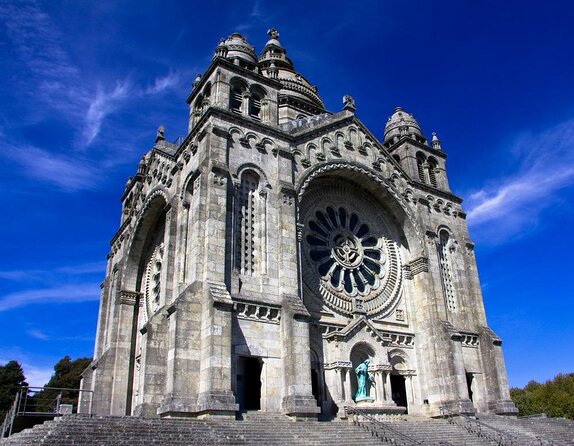
- Viana do Castelo core sights: Cathedral area, República Square, Santa Luzia hill and sanctuary
- Optional Valença if you have time after the main stops
- Private, small group service with English guidance and pickup from your accommodation
Porto to Santiago de Compostela: Why This Route Works
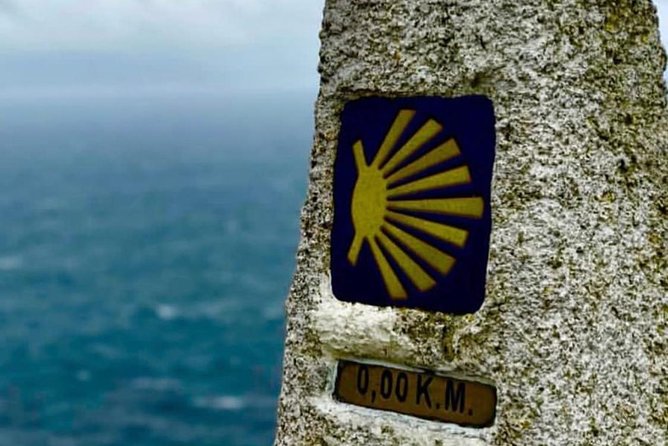
A day trip from Porto to Santiago can sound like a big stretch. Here, it works because the plan is built around one anchor: Santiago de Compostela’s cathedral experience at midday. When a route is timed to an actual event, you spend less time chasing highlights and more time watching things unfold.
I like that you’re not stuck with a rigid checklist. The tour is private, and the itinerary can be customized depending on time—so if you care more about architecture and less about extra stops, the guide can adjust. You’re also traveling with a local guide, which matters on a long day because you want context, not just “point and move on.”
Value-wise, the pricing is for the group, up to 4 people. That’s where this tour starts to feel like a bargain compared with paying separately for the same kind of private guiding across borders. It’s also the kind of day where sharing makes sense: the cost spreads, while the experience stays personal.
You can also read our reviews of more private tours in Porto

The Cathedral at Noon: Botafumeiro, Timing, and How to Get the Most
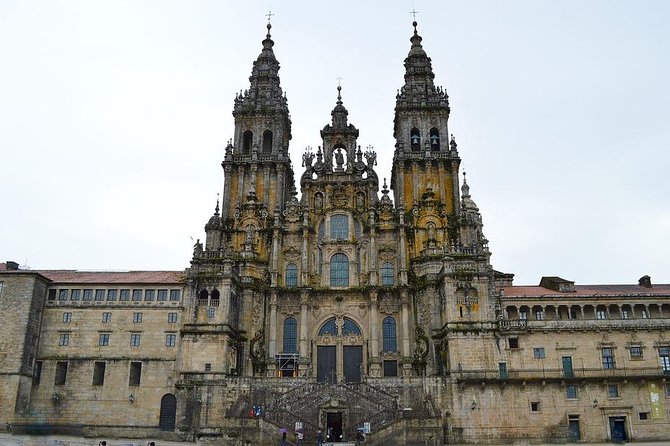
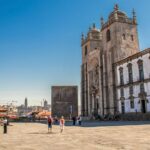
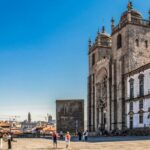
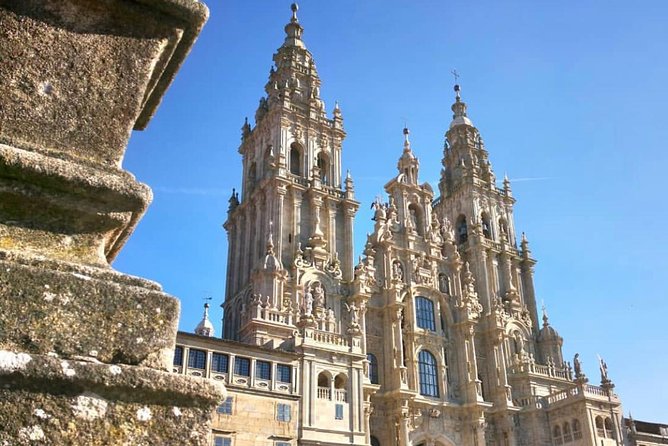
The first stop is the Catedral de Santiago de Compostela, timed to the pilgrim mass at noon. The mass is held at the cathedral’s high altar every day at noon, and that regular schedule is the whole reason this trip can feel special rather than rushed. If you’re hoping to understand why Santiago has been a magnet for pilgrims for centuries, seeing the service in place is the quickest path.
Then there’s the Botafumeiro, the iconic swinging censer. The details matter because the ritual isn’t just a photo moment: the Botafumeiro is about 1.5 metres tall and weighs around 53 kilograms. It hangs from the cathedral’s central cupola, and a pulley system swings it toward the side aisles. In other words, this is a performance with real engineering behind it.
Practical tip: go with the mindset that you’re here for the experience, not for a quick look. Doors, seating, and the flow of people can affect your view. Arrive with some patience in your body clock, even if you’re tired from the drive.
A potential drawback is also tied to the same thing: because you’re working around noon, you can’t relax your timing. If you’re the type who likes long coffee breaks before the big moment, build in that the day won’t bend much around it. The upside is that you’re catching the ritual at the time it’s scheduled.
Santiago’s Casco Histórico: Gothic Streets Done with a Human Pace
After the cathedral, you’ll move into Santiago’s Casco Histórico with a guide walking you through the historic quarter. This is one of those places where self-guided wandering is nice, but guided walking can give you fast bearings—especially when you’re looking at Gothic architecture, cobbled streets, monasteries, churches, and older palaces close together.
What I like here is the way the walk connects the dots. The cathedral can feel grand and self-contained, but the old town makes it feel lived-in. You start seeing how the city’s architecture supports the pilgrimage flow: churches, religious spaces, and old neighborhoods that shaped day-to-day life for centuries.
Keep your expectations realistic: the historic walk is about an hour. That’s long enough to understand the big themes, short enough that you don’t get bored. If you want more time for photos, stop-start conversations, or slow street-level browsing, consider saving part of the evening for independent exploring afterward—when you’re not racing a return schedule.
Viana do Castelo: Ships, Filigree Gold Work, and Real Portuguese Pride
From Spain back to Portugal, the itinerary shifts to Viana do Castelo, often described through its role in the era of sea discoveries. The tour frames the city around its involvement in building ships and around its famous filigree gold work. That combination tells you something important: this isn’t just a pretty riverside town; it’s tied to maritime ambition and skilled craft.
You’ll also visit key public places and a museum stop related to traditional clothing. The plan includes the Traje museum (museum of traditional dress) and República Square, plus time for the Cathedral of Viana do Castelo area. It’s a strong lineup because it balances “what people made” (craft and clothing traditions) with “where people gathered” (squares, cathedrals, and city landmarks).
Now, one thing to note: the stop label in the plan has an “Alentejo” wording at one point, but the focus clearly stays on Viana do Castelo. In practice, what matters to you is what you’re seeing on the ground: Santa Luzia, the cathedral area, the square, and the costume museum.
The biggest benefit of this part of the day is tonal variety. After Santiago’s religious gravity, Viana gives you something lighter: details you can look for—stitchwork patterns, materials, and the city’s visual style.
Santa Luzia Hill and Sanctuary: The View Part That’s Worth the Climb
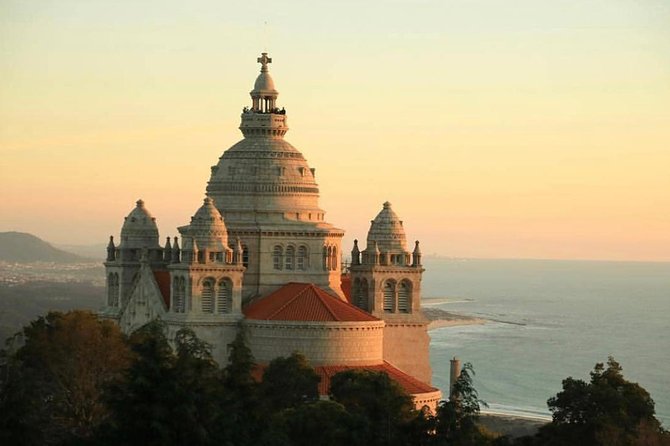
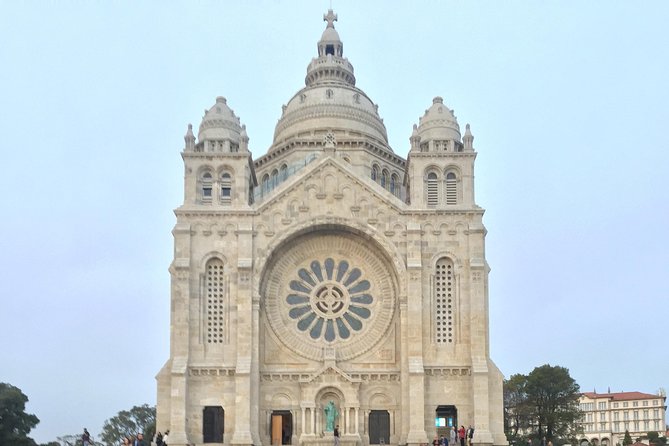
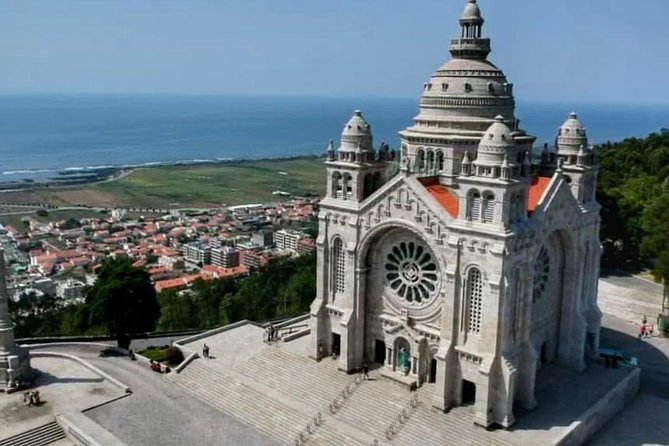
Santa Luzia hill is built for payoff. The tour brings you to Santuario de Santa Luzia, and it’s tied to one of Viana’s most memorable experiences: the sanctuary setting above the city.
Even if you don’t go deep into architectural details, the hill setting changes how you perceive the city. You get a better sense of where streets lead, how the urban layout stretches, and why this spot became a spiritual destination. It’s also the kind of stop where photos are easier to take with meaning—you’re not just snapping monuments; you’re capturing location.
Because the tour allocates about an hour here, you’ll want to use that time efficiently. If you’re prone to slow photo pacing, plan to prioritize the main viewpoint first, then take your time inside if time allows. Comfortable shoes help, since “hill time” can turn into extra walking without you noticing.


Museu do Traje: Traditional Dress as a Shortcut to Local Culture
The Museu do Traje stop works as a cultural bridge. Clothing might sound like a niche interest, but in a place like Viana do Castelo, traditional dress is often connected to regional identity and history. The tour includes this as a dedicated hour, so you’re not just seeing it as a quick storefront glance.
This is also the part that’s easiest to enjoy even if you’re not a museum person. The museum connects to the maritime prosperity story and the city’s craft traditions. Instead of hearing theory from your guide, you see the visual results—materials, styles, and the overall look of how locals dressed in different times and roles.
If you prefer hands-on experiences, you might wish the time were longer, since museums tend to invite slow attention. But given the long day overall, an hour here is a reasonable compromise.
Valença as an Extra Stop: A Smart Option If You Still Have Energy
Valença is included as an adjustment option depending on time. If the day’s timing leaves room, you can swap in Valença for an extra hour, which gives you a different feel: a smaller place option that can break up the “big-city” tempo.
This is useful for two types of travelers:
- You want one more place without committing to a full additional half-day.
- You want a contrast to Santiago and Viana—something that feels more compact.
If time is tight, you might not get this stop, so treat Valença as a bonus rather than a guarantee.
What You’re Really Paying For: Private Guide Value on a Long Day
At $456.60 per group (up to 4), the math depends on how you travel. If you’re filling the group limit, you’re effectively paying roughly $114 per person for a private, cross-border day with guiding. That’s the key value: private transportation plus a local guide plus a structured schedule that lines up with a daily noon mass.
Also, the included items support comfort on a heavy day: bottled water, coffee and/or tea, and fuel and tolls. Lunch isn’t included, so you’ll want a plan for food before you get hungry enough to feel cranky. In a long, structured day, hunger turns into bad decision-making faster than it turns into good memories.
The other hidden “value” is time saved. Planning a route that hits the cathedral mass timing, guides you through Santiago’s historic streets, then pivots to Viana’s hill and museum is the kind of work that can chew up your own vacation energy. You’re paying for the thinking to be done for you.
Guide Style Matters: What to Expect from the Human Side
A private tour lives or dies with how your guide handles pacing and interaction. The good news is that the guides can be very informed and responsive. For example, there’s a guide named Tiego who is noted for being knowledgeable and able to answer questions, with a helpful walk through Santiago’s streets.
That said, guide style can vary. One experience description notes that the guide was young and kind but left the group to explore more on their own than expected, and another mentioned the pace of driving felt fast until the group asked for it to slow down. The practical takeaway is simple: you’ll get the best day if you speak up early.
If you want more talking while walking, ask for it right away. If you’re motion-sensitive or just hate rushing, ask the driver to adjust speed where it matters for your group. Private means you don’t have to swallow discomfort for the sake of politeness.
For food after the main sights, a recommended tapas option that came up is Tapas do Cardeal, with a focus on seafood plates. Even if you eat elsewhere, that kind of suggestion is often the most valuable part—because it turns the day from sightseeing into a real meal you’d choose again.
Who This Tour Is Best For (And Who Should Skip It)
This tour fits best if you want a guided “greatest hits” day without planning headaches. It’s ideal for:
- Couples or small groups who want a private schedule
- People who care about seeing the cathedral mass at a set time
- Travelers who like a mix of major religious sites and Portuguese city culture
It’s less ideal if you:
- Want a slow, long-linger itinerary with minimal driving
- Hate walking or standing for any extended stretch
- Need lunch included automatically and don’t want to think about it
If your top goal is only Santiago and you don’t care about Viana, you might feel the day is divided. If, instead, you want both countries in one day with structured stops, this is a strong match.
Practical Tips for a Smoother 9–10 Hours
This is a full-day plan, so the best prep is the boring stuff that keeps you comfortable:
- Wear shoes that handle cobbles and possible hill walking
- Bring a snack strategy since lunch is not included
- If you have accessibility needs or a mobility limit, ask before booking because the day includes multiple walking stops and hill time
Also, plan your expectations for pacing. The stops are each about an hour, so you’ll see a lot but not linger too long. If you want extra photo time, build it into the places where you naturally stand anyway, like cathedral moments and viewpoints.
For the cathedral timing, treat the noon mass as the main event. Everything else slots around that, so don’t plan a “quick detour” mindset. When you work with the schedule instead of against it, you enjoy the flow more.
Should You Book This Private Porto-to-Santiago Day Trip?
Book it if you want a structured, private day with a real anchor moment: the Santiago cathedral mass at noon and the Botafumeiro ritual. The combination of Santiago’s historic quarter and Viana do Castelo’s Santa Luzia hill and Traje museum is a nice balance, and the per-person value improves a lot when you’re traveling as a group of up to 4.
Skip it (or rethink your priorities) if you’re looking for a relaxed, open-ended day or you get stressed when timing is tight. Also, if you strongly prefer lunch included, you’ll need to plan for meals yourself.
If you can handle a long day and you love the idea of crossing borders for one major religious ceremony plus two memorable Portuguese stops, this tour is a smart, efficient way to do it.
FAQ
How long is the private tour from Porto?
The total duration is about 9 to 10 hours.
What time does pickup start, and where do you meet?
Pickup is offered from your accommodation, with meeting around 8:00 AM. Start time is listed as 8:00 AM.
Is this tour private, and how many people are included?
Yes, it’s private—only your group participates. The price is per group up to 4 people, and there is a minimum of 2 people per booking.
What’s included in the price?
Included items are fuel surcharge and tolls, bottled water, a local guide, the private tour, and coffee and/or tea.
Is lunch included?
No, lunch isn’t included.
What is the cancellation window for a full refund?
You can cancel for a full refund if you cancel at least 24 hours before the experience starts. If you cancel less than 24 hours before, the amount paid is not refunded.