REVIEW · PORTO
Learn How to Make Pastel de Nata!
Book on Viator →Operated by Porto Cooking Classes · Bookable on Viator
The smell of custard can make you smile fast. In Porto, this hands-on pastel de nata class turns a famous Portuguese treat into something you can actually make. I love the small-group setup (max 10) and the way the host teaches like family, with stories behind the tart, not just instructions. One possible drawback: you may not get a full recipe with ingredient quantities right at the start, since the class can focus on technique first.
You’ll meet in a home studio in the city center area and get right into messy, fun baking under natural light. I also like that it works for kids and adults of all ages, so you can come as a couple, with family, or even just solo and still feel welcome. The only real consideration is that you’re paying for the experience of learning and baking, not for a printed, detailed recipe handed over immediately.
In This Review
- Key Things To Know Before You Go
- Aporto Morning In A Home Studio Near Public Transit
- Small-Group Baking Means More Instructor Time
- The Real Point: Making Pastel de Nata From Scratch
- How the Class Flows: Intro, Baking, Then Tasting
- The Cultural Extras: Portuguese Customs While You Bake
- Price and Value: Is $29 a Good Deal?
- A Practical Consideration: You Might Not Get Ingredient Quantities Immediately
- Who This Pastel de Nata Class Fits Best
- Should You Book This Porto Pastel de Nata Class?
- FAQ
- Where is the meeting point for this pastel de nata class?
- What time does the class start?
- How long is the experience?
- What is the group size?
- Do I need a printout or can I use a phone ticket?
- Is the class suitable for kids?
- Is it near public transportation?
- Are service animals allowed?
- What is the cancellation policy?
Key Things To Know Before You Go
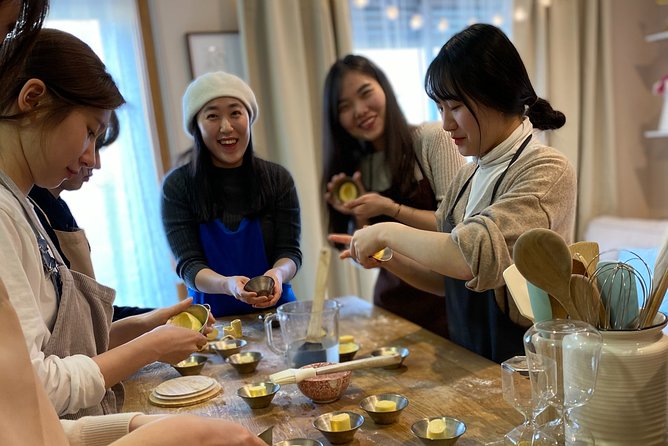
- Hands-on from scratch: You bake the pastel de nata with the group, not just watch.
- Small group size (max 10): Easier questions, more attention from the instructor.
- Family-style teaching: The lesson connects to a grandmother’s long-running recipe tradition.
- Learn customs and Portuguese tart lore: Expect fun facts and cultural context while you work.
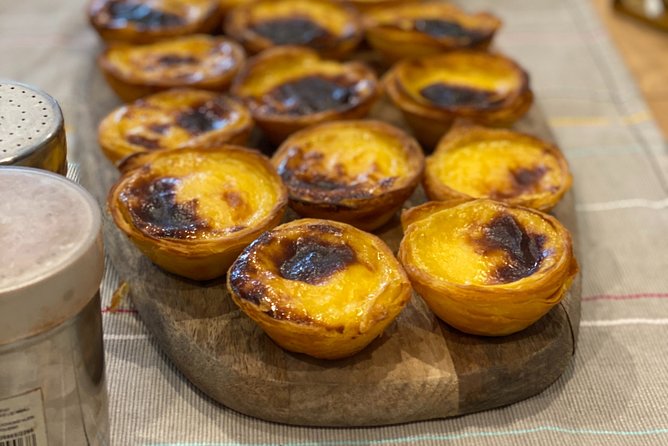
- Fresh tasting at the end: You sit down and feast on the natas you make.
- Studio in Porto’s city center area: Natural light and a setup designed for messy baking.
Aporto Morning In A Home Studio Near Public Transit
This class starts at 9:30 am and takes about 2 hours. The meeting point is Rua Dr. Américo Jazelino Dias Costa 104, 4510-643 Fânzeres, Portugal, and the activity ends back at the meeting spot. If your Porto schedule is tight, this is a good option because the studio is in the city center area, and you’ll be able to plug it in without a long detour.
I like that the space is built for baking. The host describes the studio as having lots of natural light and the right tools for a messy, hands-on session. In practical terms, that means you should show up ready to get a little flour on your sleeves and focus on doing, not just watching.
Also check two small points before you go: it’s near public transportation, and service animals are allowed. If you’re traveling with anyone who needs that support, it’s nice when the activity already has that clearly covered.
You can also read our reviews of more tours and experiences in Porto.



Small-Group Baking Means More Instructor Time
The group cap is 10 travelers, which is exactly the size where you’re not lost in a crowd. When everyone can take turns and ask questions, the whole experience feels calmer and more personal. The host also says everyone helps, and that you rotate through the baking tasks while they guide you.
That small-group detail matters more than people think. With a bigger class, you can end up feeling like a spectator in a busy kitchen. Here, the structure is set up for real participation—so you get to learn the process, see how others troubleshoot, and get nudged when something’s not working.
This class is also designed to be age-flexible. It’s suitable for kids and adults of all ages, which changes the vibe. You don’t need advanced culinary confidence. You just need curiosity and a willingness to try.
The Real Point: Making Pastel de Nata From Scratch
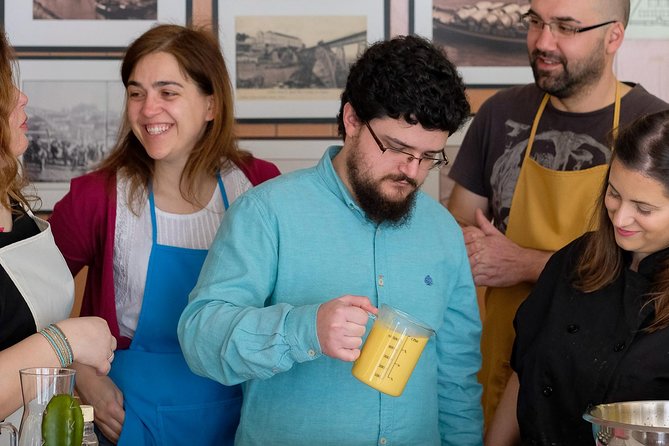
This is the heart of it: you’ll create Portugal’s famous custard tart—pastel de nata—from scratch during the session. The host emphasizes that it’s hands-on, with everyone baking together as a group, with their help.
While the exact technical steps aren’t laid out in the class description, the “from scratch” promise tells you what kind of experience you’re buying. You should expect to work through the process rather than relying on pre-made components. You’re learning how to turn ingredients into the final tart through the same hands-on flow the host uses for their family recipe.
And it’s not just technical. There’s a built-in storytelling layer. The host starts with an introduction about themself and their family, since the recipe is connected to their grandmother. That personal backstory matters because it gives you a reason to care about the details: these tarts aren’t presented as a factory product. They’re presented as a tradition.
How the Class Flows: Intro, Baking, Then Tasting
Here’s what the structure feels like, in plain language:
First, you meet in the studio and get a short intro from the host. This is when you learn the context: the dessert belongs to their family history, and they’ve been making it for years. It’s also when you’ll get those early cultural notes that help you understand why the tart is such a big deal in Portugal.
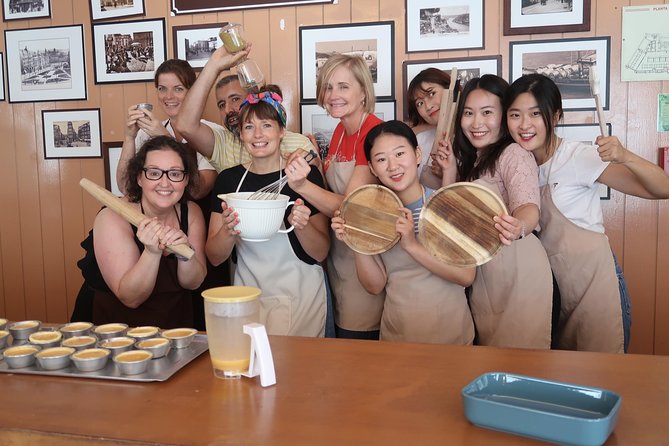
Then you move into the main section: baking together. The host makes it clear that you should not worry if you’re not an experienced baker. The group takes turns, and the host offers guidance throughout. There are also fun facts during the working time—about the tart and its story, including who created it.
Finally, you sit down and eat. At the end of the class, you’ll feast on the pastel de nata you made. The description frames this as the finish line for the whole experience, which is exactly how it should be. Learning feels better when you can taste your result right away.
One more detail I found helpful from a prior session: a group ended up making 24 pastries together. That’s not a guarantee of your class output, but it shows the scale can be substantial, and the goal is real, shareable baking—not token portions.
The Cultural Extras: Portuguese Customs While You Bake
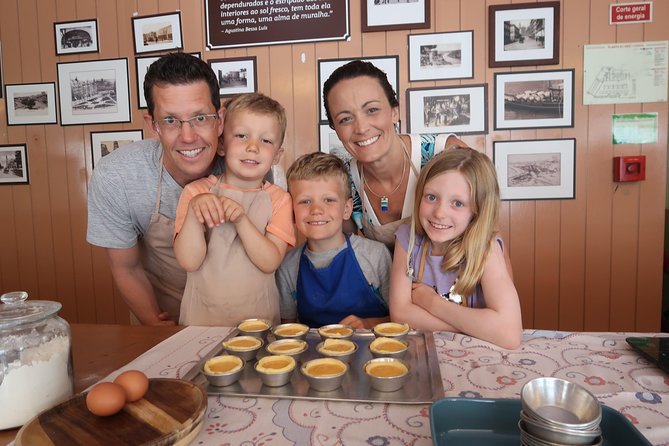
A big reason people enjoy cooking classes in Portugal is that the food comes with context. This one is built around that idea.
You’ll learn Portuguese customs and traditions alongside the recipe work. You’ll also hear fun facts and the story behind pastel de nata, including background tied to its origins. The host also mentions providing plenty of conversation, with local recommendations and personal tips for enjoying Porto beyond the kitchen.
That matters because Porto is more than just postcard spots. When a local host shares what they personally enjoy—like where to eat and what to see—it’s often more useful than another generic itinerary. Even if you only pick up a couple of ideas, that’s time you save later.



Price and Value: Is $29 a Good Deal?
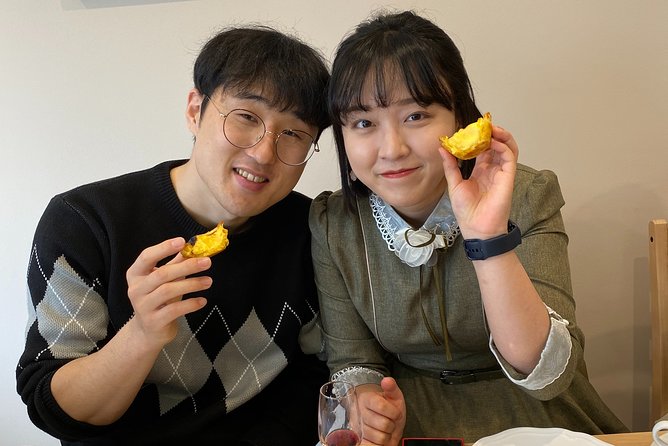
At $29 for about 2 hours, this feels like strong value if you want more than a dessert snack. You’re not just paying to taste pastel de nata; you’re paying to learn the process in a small-group setting, with real guidance, plus a built-in cultural lesson.
Also consider what drives cost in a class like this: instruction, space, ingredients, and time. Since the group is capped at 10 travelers, that price has a clear reason—your attention isn’t diluted. And because you bake from scratch and then eat what you make, you’re getting a full experience cycle rather than a quick demo.
The class also has a strong average rating of 4.7 across 7 reviews, which is a good signal that the experience is landing well for most people. Not perfect (no service is), but the overall satisfaction seems solid.
A Practical Consideration: You Might Not Get Ingredient Quantities Immediately

One past guest felt the experience was incomplete because the instructor did not provide a full recipe with ingredient quantities at the start. The instructor’s response clarified that the approach can be technique-first, then later sharing additional information and recommendations.
So here’s the real takeaway for you: if you want a written recipe with exact measurements during the class (or as soon as possible), ask at the beginning. It’s totally reasonable to want that, especially if you plan to make pastel de nata again at home.
If you’re comfortable treating this more like a guided baking lesson, you’ll likely find the focus on doing works in your favor. You’ll come away with confidence and a better feel for the tart, not just a page of numbers.
Who This Pastel de Nata Class Fits Best
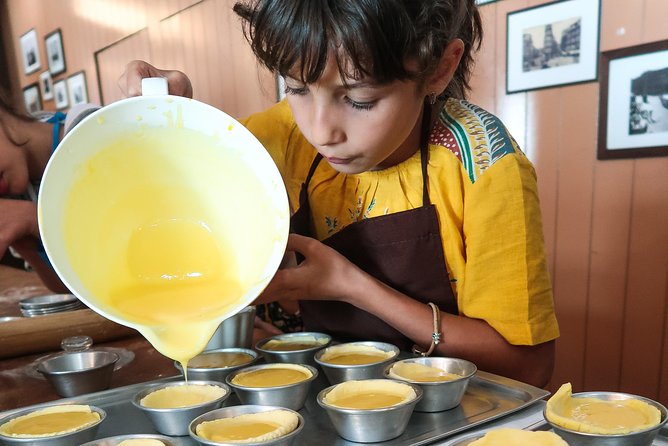
This class fits best if you want a hands-on Porto experience that’s genuinely interactive. It’s especially good for:
- Families who want an activity that works for kids and adults
- Couples looking for something different from a standard walking tour
- Solo travelers who want a small group and conversation
- Anyone who likes food traditions with a personal story behind them
If your goal is to speed-run dessert tasting only, this might feel like more work than you expected. But if your goal is learning the craft—even at a beginner-friendly level—this is a smart choice.
Should You Book This Porto Pastel de Nata Class?
If you want a small-group class where you bake pastel de nata from scratch, hear the family-backed story behind the tart, and finish by eating what you made, I’d book it. The $29 price for a guided, hands-on 2-hour session is the kind of value that often gets overlooked in Porto when you’re busy sampling food on your own.
Skip it only if you specifically need a complete recipe with ingredient quantities handed to you right away. If that’s important for your learning style, email or ask the host before the session so you know what to expect.
FAQ
Where is the meeting point for this pastel de nata class?
The meeting point is Rua Dr. Américo Jazelino Dias Costa 104, 4510-643 Fânzeres, Portugal.
What time does the class start?
The class starts at 9:30 am.
How long is the experience?
It lasts about 2 hours.
What is the group size?
The class has a maximum of 10 travelers.
Do I need a printout or can I use a phone ticket?
You’ll have a mobile ticket.
Is the class suitable for kids?
Yes, it’s suitable for kids and adults of all ages.
Is it near public transportation?
Yes, it’s listed as near public transportation.
Are service animals allowed?
Yes, service animals are allowed.
What is the cancellation policy?
Free cancellation is available up to 24 hours in advance for a full refund. If you cancel less than 24 hours before the start time, the amount paid is not refunded.