REVIEW · PORTO
Porto: Tour to the world of silver in a century-old workshop
Book on GetYourGuide →Operated by Alcino Silversmith since 1902 · Bookable on GetYourGuide
Silver has a heartbeat here. This short 1-hour visit to Alcino Silversmith’s century-old silver factory is one of those Porto stops where you can really see how a craft gets made, not just how it looks. I love the small group feel (up to 10 people), because questions land and the guide can actually pace the workshop for you.
My second favorite thing is the mix of story + technique: you’ll hear the company’s 120+ year journey across six generations, then you’ll walk through the manual methods used to shape silver, from casting to chiseling. One thing to consider: the tour is focused and brief, so it’s more about watching the process and learning the craft than turning the experience into a long, sit-down museum day.
In This Review
- Key highlights you should know
- A century-old Porto workshop with six generations behind it
- The 1-hour route: history first, then casting and chiseling
- Workshop access isn’t a photo stop
- Showroom time: three rooms that feel like a house
- What you learn about silverwork (and what it helps you notice)
- Is the $17 ticket good value for Porto?
- Who should book this silver tour in Porto?
- Quick practical tips before you go
- Should you book this Porto silver workshop tour?
- FAQ
- FAQ
- How long is the Porto silver workshop tour?
- How much does the tour cost?
- What’s included in the ticket?
- Where is the meeting point?
- What languages are offered?
- What is the group size limit?
- Is it wheelchair accessible?
- Are there any restrictions during the visit?
- Is there a weekday time limit for entry?
Key highlights you should know
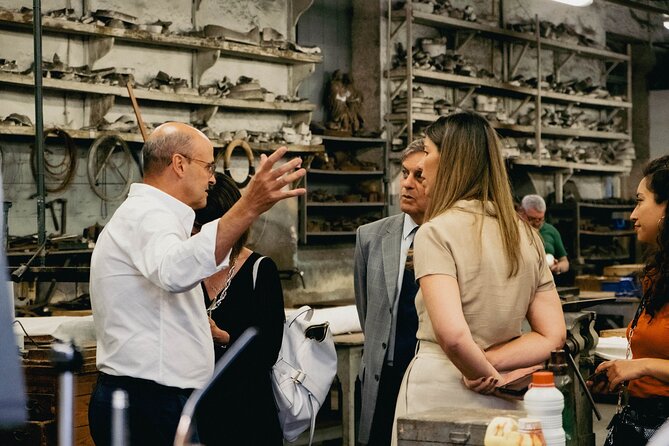
- A family shop with real age: Alcino Silversmith has operated since 1902 and spans six generations
- Live-guided workshop access inside a century-old setting
- Manual silver techniques explained step by step (casting, molding, chiseling)
- Hands-on interaction: you can assist artisans directly in the process
- Showroom in three rooms, set up like different rooms of a decorated house
- No hard sell vibe in the store experience, so you can look without pressure
A century-old Porto workshop with six generations behind it
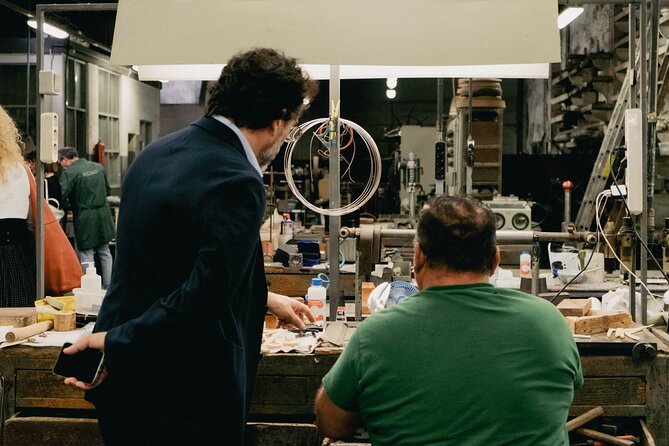
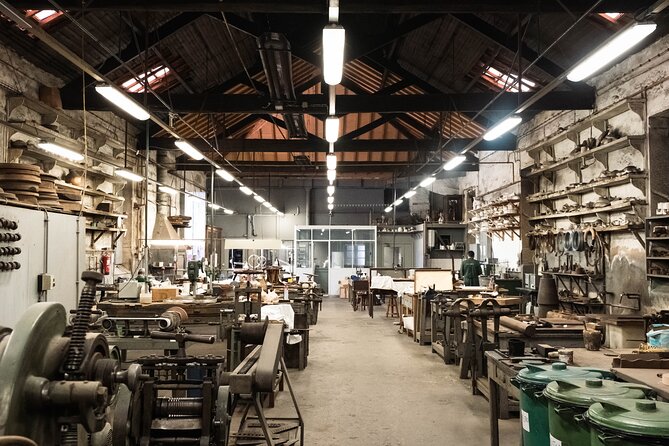
Alcino Silversmith has been making silver for a long time—since 1902—and the business has moved through six generations of a family team. That matters, because you’re not just walking into a shop that sells products. You’re stepping into a working studio with craft habits that have been handed down, refined, and kept alive.
You’ll also learn that the company is recognized as an Entity of Historical Interest. In practical terms, that usually means the place isn’t treated like a disposable backdrop for tourism. It’s kept as a functioning part of Porto’s craft landscape, with enough continuity that the workshop itself feels like part of the product.
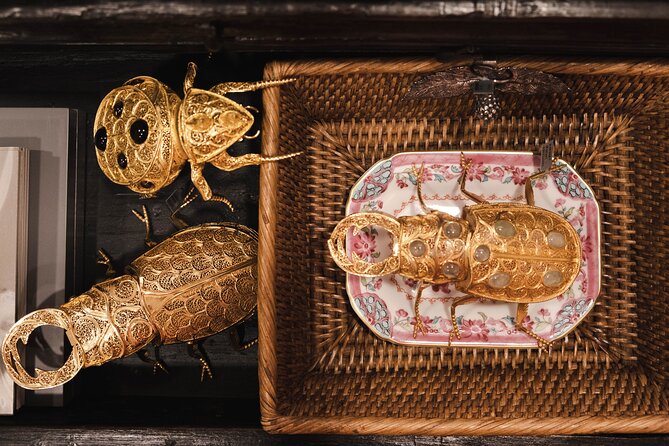
What you’ll see is tied to real silver categories: jewelry collections, decorative pieces, religious items (including sacred art pieces), and even cutlery. If you like design that has purpose—things made to be worn, used, or displayed—you’ll probably enjoy how the workshop explains where the forms come from.
You can also read our reviews of more tours and experiences in Porto



The 1-hour route: history first, then casting and chiseling
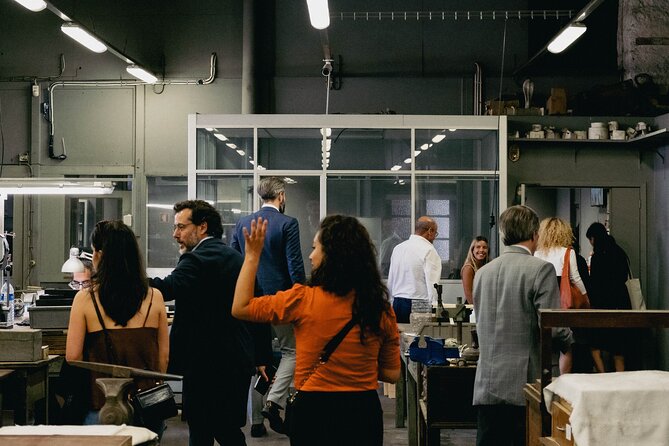
This is a compact tour, so the pacing is the point. Expect a guided walk that starts with the company’s history and moves into the working methods used to create silver pieces.
The tour highlights include:
- a look at the workshop and its “secrets,” as the guide explains how work gets done
- an explanation of different manual goldsmithing techniques
- time to assist artisans in loco (on-site) while they’re working
- showroom access after the workshop segment
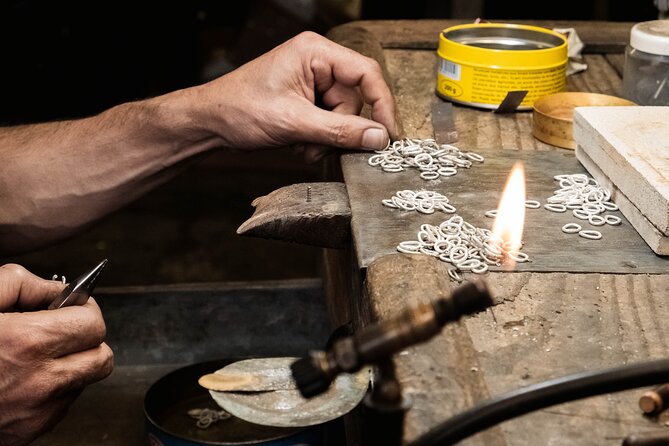
The “manual techniques” part is the heart of this experience. You’ll hear about multiple approaches used to shape silver, including casting, molding, and chiseling. That combo is helpful, because it shows silverwork isn’t just one trick. Different techniques suit different forms—edges, relief details, and overall structure.
Now, here’s the value for you: even if you don’t care about jewelry as a hobby, you’ll start noticing design decisions the way a maker does. You begin to see why certain shapes look the way they do, and why ornamentation isn’t just decoration—it’s usually the result of a specific production method.
Workshop access isn’t a photo stop
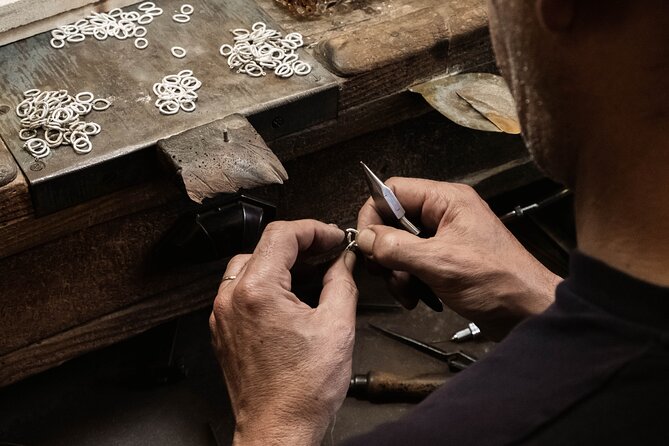
One reason this tour earns such strong marks is that it’s not only a hallway glance. You get workshop access, and you’re invited to interact. The experience specifically includes the chance to assist artisans in the process, which is a big deal in a craft workshop.
In real terms, that means you’re likely not just standing back while someone talks. You’re in the working area where silver is actually being handled, prepared, shaped, and finished. And because the group is limited to 10 participants, you shouldn’t feel like you’re fighting for visibility or trying to hear over a crowd.
I also like the way this is positioned for different comfort levels. The guide runs a live tour in Portuguese, English, or Spanish, and you can usually expect the pace to match the room. One strong detail you can take seriously: guides adapt to visitors’ English level, so you won’t be stuck in a lecture you can’t follow.
Possible drawback: because it’s only one hour, you won’t get a full end-to-end “from raw metal to finished heirloom” production timeline. Instead, you get a smart slice of the craft and the big picture of how the methods connect.
Showroom time: three rooms that feel like a house
After the workshop, the experience shifts gears into viewing. The showroom is a key part of the story, not just a place to browse.
Here’s what makes it distinctive: the showroom space is divided into three rooms, each with different environments. The layout is designed to simulate divisions of a house, decorated with silver objects. That setup helps you “see” silver in context—how a piece might live in a home, not just how it displays in a glass case.
From what’s described, you’ll likely encounter the kinds of items that reflect Porto tastes and religious traditions: decorative objects and sacred art pieces sit alongside jewelry collections and cutlery styles. That mix is why this tour works even if your interest is narrow. If you come for jewelry, you’ll still get pulled into the decorative and religious side. If you come for religious art, you’ll also get the craftsmanship behind display pieces and ornament.
If you’re thinking about shopping, the store access at the end is exactly that: access. The experience has a no-pressure feel—so you can treat it like a real workshop visit first, then decide later if anything catches your eye.
What you learn about silverwork (and what it helps you notice)
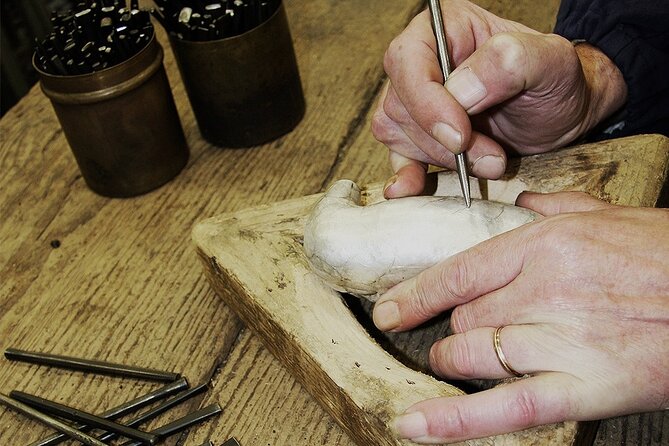
This tour does a nice job connecting craft technique to finished form. You’ll learn about multiple ways silver gets shaped—casting, molding, and chiseling—and that alone gives you a tool for looking.
Once you understand those basic categories, you start spotting differences:
- when an object likely relies on form created through casting or molding
- when details feel carved or worked through chiseling
- why some pieces look crisp and others look more sculptural in relief
You also get company context: the workshop is tied to a family story that spans 120 years and 6 generations. That’s useful because craft history changes how you interpret design. You’re not only learning about silver as a material; you’re learning about how traditions evolve, how techniques get practiced, and how specific product lines fit into the business over time.
If you enjoy hands-on making, the “assist the artisans” component adds a layer that museum-style craft tours don’t. Even without needing you to produce something from scratch, you get a sense for rhythm and process—how the workshop feels when real work is happening.






Is the $17 ticket good value for Porto?
At $17 per person for a 1-hour guided tour, the value comes down to what’s included and how focused the access is.
You get:
- entry ticket
- guided tour
- workshop access
- showroom access
- store access
That’s five parts, and the workshop access is the big driver. In many city craft visits, you pay for a talk and then you’re pushed toward shopping. Here, the structure makes the workshop and technique the center of the experience, with the store and showroom as follow-through.
You also get language options—Portuguese, English, Spanish—with a live guide, and the group cap at 10 people. For a workshop visit, that’s a meaningful perk. Less crowd noise. Better hearing. More chance to ask questions and get answers that make sense for where you’re coming from.
One practical note on timing: the tour has a last entry rule on weekdays (Monday to Friday). If you like late afternoons, plan accordingly so you don’t end up arriving after the cutoff.
Who should book this silver tour in Porto?
This fits best if you like any of the following:
- jewelry and metalwork, especially traditional craft methods
- design that includes ornament and symbolic or religious meaning
- small-group tours where you can actually talk to the guide
- learning how a process creates form, not just looking at finished products
It’s also a strong option if you’re traveling with someone who likes crafts but isn’t trying to do another “big monument” day. A workshop visit is a breather, and it teaches you something tangible.
Who might hesitate: if you want a long, museum-style day with lots of exhibits, this may feel short because it’s only one hour. Also, if you’re mainly hunting for sweeping panoramic views, this isn’t that kind of Porto experience. This is about making and object culture.
Quick practical tips before you go
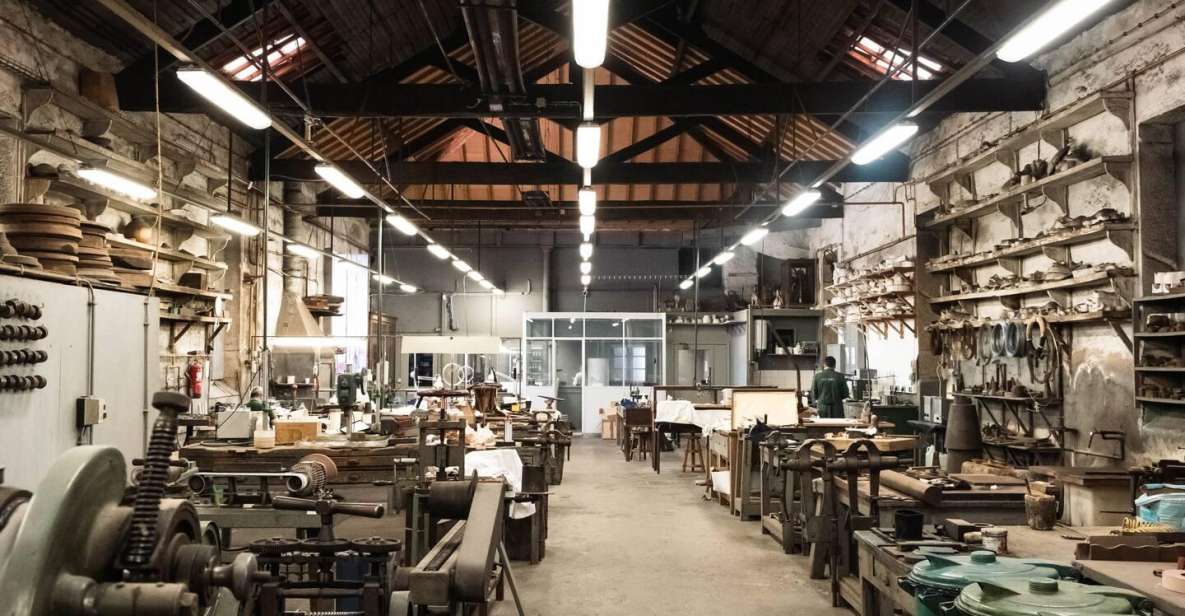
A few things that will help you get the most out of your hour:
- Come with curiosity. Ask about how casting, molding, and chiseling shape the final look.
- Use the small group size. If you have a question—about materials, techniques, or how the company evolved—this is the kind of place where it lands.
- Keep shopping in perspective. Store access is included, but the visit is meant to be about the workshop and showroom, so you can take your time looking.
- Plan your schedule around the weekday last-entry time, since the tour is time-specific.
Should you book this Porto silver workshop tour?
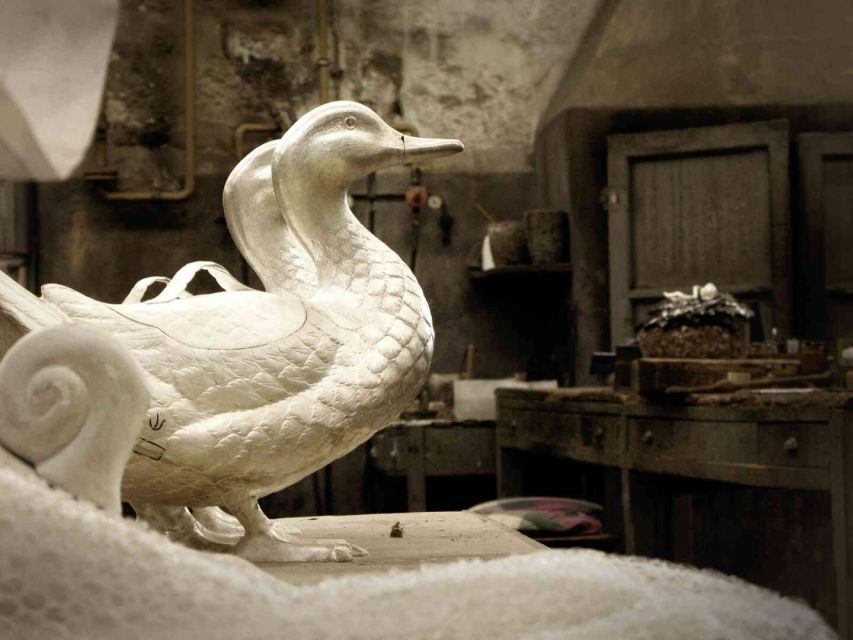
If you want a real craft experience in Porto—one that pairs family history with hands-on technique and ends in a thoughtfully arranged showroom—this is an easy yes. The $17 price makes sense because you’re paying for workshop and technique access, not just a quick glance at silver in a retail space.
Book it especially if you enjoy learning how objects are made, and you like tours where the group stays small enough for a genuine conversation. If you’re short on time, the one-hour format is also a win: you still get the workshop story, the techniques, and the showroom in a neat package.
FAQ
FAQ
How long is the Porto silver workshop tour?
It lasts 1 hour.
How much does the tour cost?
The price is $17 per person.
What’s included in the ticket?
You get an entry ticket, a guided tour, workshop access, showroom access, and store access.
Where is the meeting point?
Meet at the Alcino Silversmith jewellery store. You can come in when your time arrives or call them.
What languages are offered?
The live guide speaks Portuguese, English, and Spanish.
What is the group size limit?
It’s a small group limited to 10 participants.
Is it wheelchair accessible?
Yes, the experience is wheelchair accessible.
Are there any restrictions during the visit?
Alcohol and drugs are not allowed. Children must be accompanied by an adult.
Is there a weekday time limit for entry?
Yes. From Monday to Friday, the last entry is at 5:00 pm.