REVIEW · PORTO
PRIVATE Porto walking tour with historian
Book on Viator →Operated by Casta Tours · Bookable on Viator
Porto reads like a living textbook. This private historian-led walk pairs Porto Cathedral access with stories that make the city make sense. I love how the guide connects architecture, politics, and the economy without turning it into a lecture. I also love the practical payoff: you get inside the cathedral and up to the XII-century towers for big-city views. One thing to consider: it’s a walking tour, and it depends on good weather, so plan for some steps and outdoor time.
In my favorite moments on this kind of tour, the route snaps into focus fast—Porto stops being a blur of tiles and becomes a place with a timeline. Here, the small size (up to 10) matters because you can ask real questions, and the guide can tailor the pacing. Guide Renato is singled out in feedback for answering even the offbeat questions, and for giving useful next-step recommendations after the walk.
In This Review
- Key points that make this Porto walk worth it
- A private historian tour changes how you read Porto
- Starting at Vímara Peres: the walk’s first lesson
- Entering Porto Cathedral: romanesque roots to baroque gold
- Climb the XII-century towers: the view that teaches the map
- Dom Luís I Bridge: a landmark that anchors modern Porto
- São Bento Railway Station: history in motion
- Clérigos Church and Praça da Liberdade: Porto’s power points
- Miradouro da Vitória: when the views click
- What you get after the walk: food, wine, and evenings
- Price: what $102.12 buys (and why it can be fair)
- Who this tour is best for
- Tips to get the most from your 3-hour walk
- Should you book this private Porto walking tour?
- FAQ
- How long is the private Porto walking tour?
- Is this a private tour, and how many people can join?
- What language is the tour offered in?
- Which major stops are included?
- Where does the tour start?
- Do I receive a ticket on my phone?
- Does the tour require good weather?
- What’s the cancellation cutoff for a full refund?
Key points that make this Porto walk worth it
- Private historian guide so you get Q&A instead of watching a clock
- Porto Cathedral included with time inside and access tied to the XII-century towers
- São Bento Railway Station stop with history explained as you move through the center
- Signature Porto views from Miradouro da Vitória, plus iconic city landmarks along the way
- Tied-to-you recommendations for where to eat, drink, and spend a relaxed evening
- Up to 10 people keeps it manageable for a 3-hour route in the old streets
A private historian tour changes how you read Porto
Porto is the kind of city where it’s easy to “see stuff” and still miss why it matters. This tour is built for meaning. Instead of just pointing at monuments, a professional historian connects the dots between what you’re looking at and the forces that shaped it—politics, economics, and architecture.
I like that the tour doesn’t pretend history is one clean story. You’ll get an explanation that tries to be accurate and well-balanced, which helps when you’re comparing different eras in your head. And since it’s private, the guide can adjust the flow when you’re curious about something specific.
The sweet spot is the format: a 3-hour walk that’s long enough to build momentum, but not so long you’re exhausted before the best sights. If you want a first-day orientation you can build on, this fits nicely.
You can also read our reviews of more walking tours in Porto


Starting at Vímara Peres: the walk’s first lesson
The meeting point is at the Statue of Vímara Peres on Calçada de Vandoma (4000-013 Porto). It’s a smart start because it immediately frames Porto as a place with roots—this isn’t just a stroll through scenic streets, it’s a route that follows the logic of the city.
From there, you’re guided through the historical center with an emphasis on both main highlights and quieter corners. That matters because Porto can feel like a set of separate postcards unless someone gives you the timeline and geography in the right order.
Practical note: you’ll be moving on foot through older streets, so wear shoes you trust. Even on a great day, this isn’t a sit-and-smile tour.
Entering Porto Cathedral: romanesque roots to baroque gold
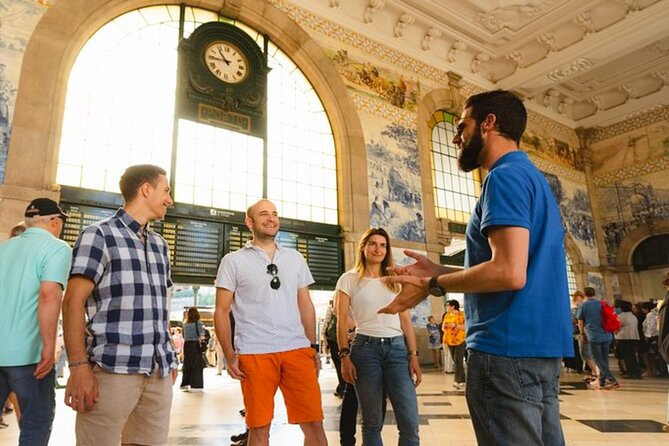
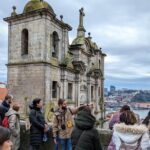
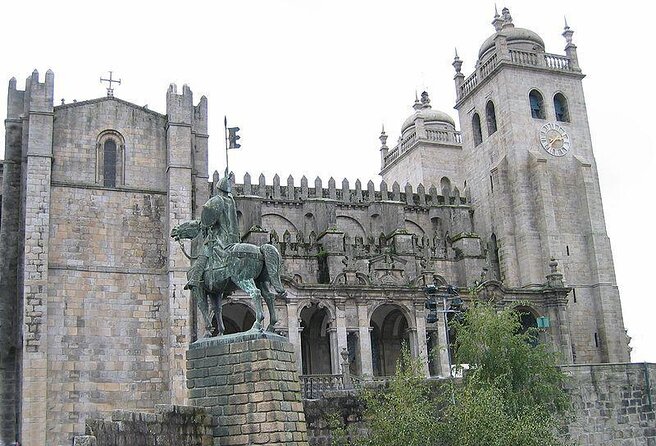
One of the biggest reasons to book is the cathedral time. You get included tickets and a guided visit inside Porto Cathedral (Catedral do Porto), which is where the tour really earns its keep.
Expect the inside story to move through multiple layers of style. You’ll learn about the romanesque side of Porto, then see how later eras shaped what stands today. The focus includes the baroque golden altars, the gothic cloisters, and the sacristy—so you’re not just reading a guidebook. You’re watching history stack on top of history.
This is also where having a historian pays off. Architecture is hard to “get” on your own because you’re missing the why. On this visit, you’re given a framework so those details become clues, not decoration.
Possible drawback: interiors like this can get warm, and you’ll likely spend a meaningful chunk of time standing and walking through rooms. If you’re sensitive to long indoor waits, bring your patience and keep water handy.
Climb the XII-century towers: the view that teaches the map
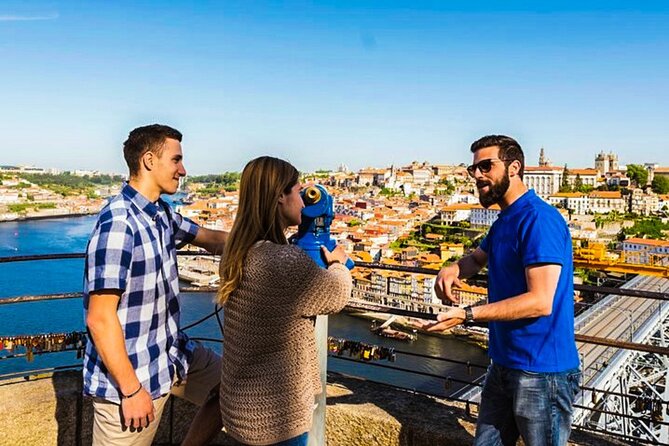
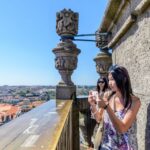
After cathedral interiors, the highlight many people remember is the climb to the XII-century towers. The payoff is the views—breathtaking enough that they reset your sense of scale.
This is more than a photo stop. From up high, Porto stops being confusing. You start to see how the hills, streets, and landmarks relate. The guide’s explanations help you connect what you saw inside the cathedral with what you see outside the windows.
If you like “visual learning,” this is a winner. And if you don’t, it still helps—because you’ll walk away with a mental map that makes the rest of the city easier.
Dom Luís I Bridge: a landmark that anchors modern Porto
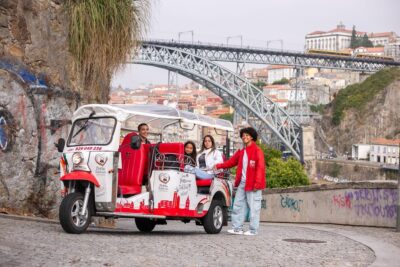
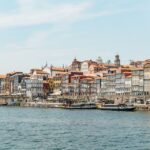
The route includes Dom Luís I Bridge, one of Porto’s best-known city symbols. Even if you’ve seen pictures, the value here is context: the guide ties what you’re looking at to how Porto’s identity evolved.
Bridge landmarks work like punctuation in a story. They signal connections, ambition, and change. In a walking tour that also includes religious and historical sites, this stop helps balance the feel of the day with something tied to the city’s broader growth.
Because the tour is private and small, you’re not rushed through it. You can take a breath, take a few photos, and ask what to look for from the surrounding viewpoints later.
You can also read our reviews of more private tours in Porto

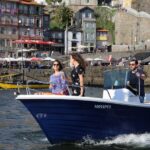



São Bento Railway Station: history in motion
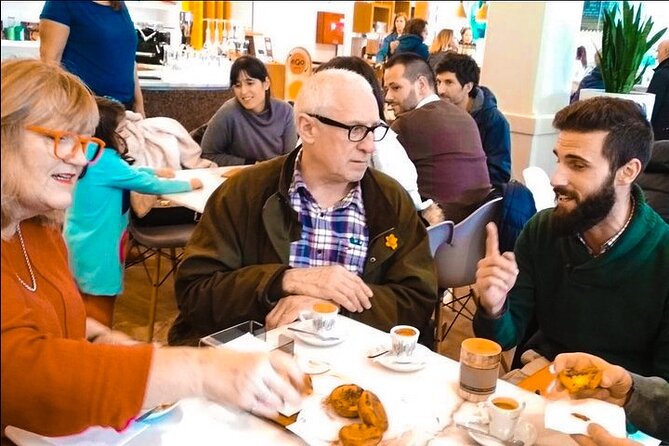
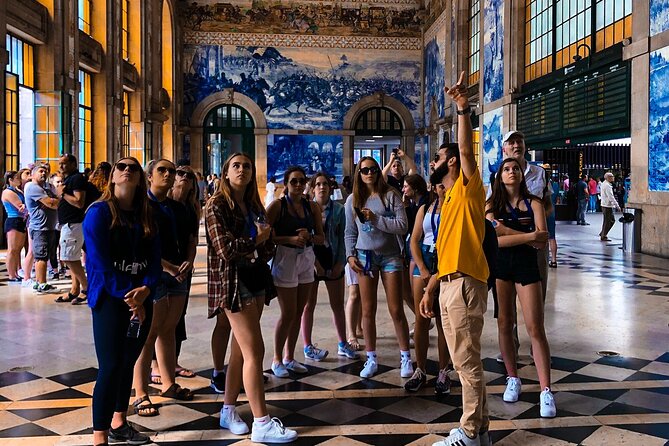
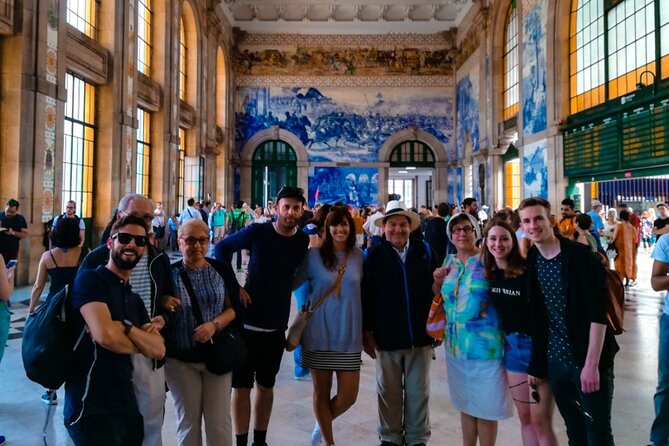
Next comes São Bento Railway Station, described as part of a guided exploration of Porto’s historical center. This isn’t just a quick exterior look. You’ll be guided through the space and explained as you go, so the station becomes a chapter—not a random stop on the way to somewhere else.
Stations have a special power for me. They’re where architecture meets daily life. You get a sense of how a city moves: who arrives, where they go next, and how public spaces reflect identity.
If you’re the kind of traveler who likes background details—how things got built, why they matter—this stop lands well. And if you’re just eager to see something iconic between scenic viewpoints, it still works.
Clérigos Church and Praça da Liberdade: Porto’s power points
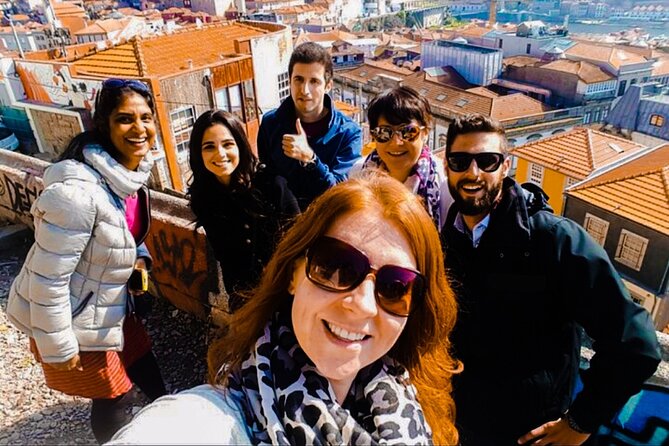
The itinerary also includes Clérigos Church and Praca da Liberdade. These are the kind of stops that can feel routine on a self-guided walk. With a historian, they become useful anchors.
Clérigos Church adds a strong architectural and cultural signal to the day. You’ll hear about how it fits the broader story of Porto’s development. Then Praca da Liberdade gives you a different kind of understanding—more civic, more public-facing, and helpful for learning the city’s rhythm.
These stops also help you pace the tour. You’ll get moments to slow down, reset your legs, and keep your attention sharp without needing constant explanation.
Miradouro da Vitória: when the views click
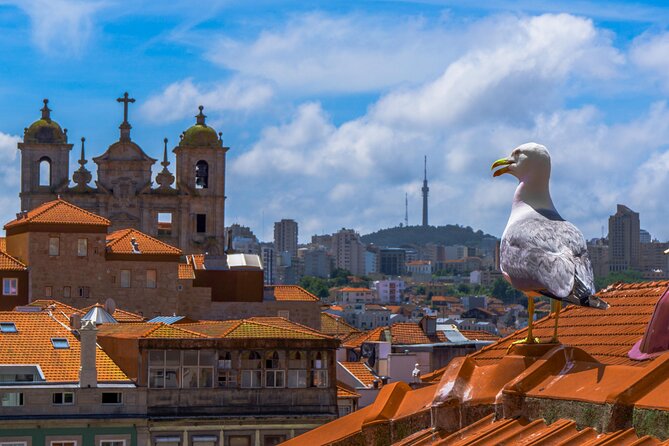
The walk ends with Miradouro da Vitória, one of those viewpoints that makes everything click. You’re standing in a location that lets you see Porto like a whole, not like separate monuments.
The value of a viewpoint on a historian-led route is timing. You’re not looking outward before you understand the city. You’re looking outward after you’ve been inside the cathedral, walked through key landmarks, and listened to the timeline. That makes the view feel earned.
I also like that the tour doesn’t treat viewpoints like optional extras. They’re part of the learning arc.
What you get after the walk: food, wine, and evenings
Tours can end with a shrug and a thanks. This one reportedly ends with direction. You’ll get a list of where to get tastiest food and wines, plus the coolest bars, informative museums, and galleries.
That kind of follow-up is practical. Porto has plenty of options, but it’s easy to pick wrong places when you only have a day or two. Having a curated-style list—grounded in someone who knows Porto well—helps you turn your remaining time into something smoother.
In the feedback, Renato is also praised for sending recommendations that people used for the rest of their trip. One note that came up: bottled waters on a hot day were appreciated, which is a small detail but a smart one.
Price: what $102.12 buys (and why it can be fair)
At $102.12 per person for about 3 hours, the price might look steep until you count what’s included and what you’re paying for.
You’re not only getting a walk and a story. You’re getting included entry tied to Porto Cathedral, plus guided time through the cathedral spaces and the climb to the XII-century towers. You’re also paying for real historian attention in a setting where a lot of tour groups would be rushed or too large to ask questions.
It’s also a private experience with a maximum of 10 travelers. That matters because “private” changes the vibe: you’re not competing for the guide’s focus.
If you’re traveling solo or as a couple and you like deep context, it can feel like a strong value. If you’re the kind of traveler who hates guided time and prefers to wander without structure, you might feel the cost more than you’d like. In that case, you’d probably be happier with a shorter or self-guided option.
Who this tour is best for
This experience is a great match if:
- You want a city intro with architecture and history explained in a clear way
- You like asking questions and getting straight answers
- You want tickets and access that make the day easier to plan
- You care about how events connect across time—religion, politics, and everyday life
It’s also ideal for your first 1–2 days in Porto, because it gives you a mental map for the rest of your exploring.
Tips to get the most from your 3-hour walk
- Wear shoes you can walk in for a few hours without bargaining with your feet.
- Bring a water bottle if you’re sensitive to heat. One reason people praised the tour is that water was considered on hot days.
- If you have a specific interest—architecture, religious art, Portuguese political history—tell the guide early. The tour is designed for questions and tailoring.
- Plan to ask at least a few “why” questions. That’s where historians shine.
One last thing: the tour needs good weather. If the day looks shaky, accept that it’s better to reschedule than to force it.
Should you book this private Porto walking tour?
I’d book it if you want a Porto trip that feels grounded, not random. The mix of Porto Cathedral with included tickets, the XII-century tower views, landmark stops like Dom Luís I Bridge and São Bento Railway Station, plus the viewpoint at Miradouro da Vitória, is a very efficient set of experiences for a short window.
Also, the feedback is strong for a reason: guides like Renato aren’t just reciting facts. They’re actively answering questions and tailoring the walk to interests, which turns a 3-hour tour into something you can build the rest of your trip around.
If you hate guided time, hate walking, or you only want quick photos with zero context, you might not love the style. But if you want Porto to click—history, architecture, and practical advice—this private historian walk is a smart choice.
FAQ
How long is the private Porto walking tour?
The tour lasts about 3 hours.
Is this a private tour, and how many people can join?
Yes, it’s private, with a maximum of 10 travelers.
What language is the tour offered in?
The tour is offered in English.
Which major stops are included?
You’ll visit Porto Cathedral, Dom Luís I Bridge, São Bento Railway Station, Praca da Liberdade, Clérigos Church, and Miradouro da Vitória.
Where does the tour start?
The meeting point is the Statue of Vímara Peres, Calçada de Vandoma, 4000-013 Porto, Portugal.
Do I receive a ticket on my phone?
Yes, it includes a mobile ticket.
Does the tour require good weather?
Yes. It requires good weather, and if it’s canceled due to poor weather, you’ll be offered a different date or a full refund.
What’s the cancellation cutoff for a full refund?
You can cancel up to 24 hours in advance of the experience for a full refund.