REVIEW · PORTO
Porto: Flexible Walking Tour in Historic Center
Book on GetYourGuide →Operated by Travelbox, Lda. · Bookable on GetYourGuide
Porto has a way of slowing you down. This flexible walking tour uses the Walkbox app so you can follow a smart route through Porto’s historic core at your own speed, with stories that play as you go. I especially like that it’s designed for real navigation (not just sightseeing), and that the audio works offline. The one catch: it’s not a flat stroll—there’s a meaningful uphill section near the start.
Two things I really like are the start-to-finish “loop” feel and how well it strings together Porto’s most memorable stops. You’ll begin at Praça da Ribeira with the riverfront vibe, then work your way toward views from Vitória, down through medieval stairs, and back again. The possible drawback is that there’s no live guide, so if you want someone to answer spontaneous questions in real time, you’ll need to rely on the app and remote support.
The other big plus is the support system. After you book, you get clear instructions, and you can message the curator by WhatsApp or SMS during set hours. In at least one case, the support person has even shared practical tips like where to park, which is handy when you’re trying to keep the day smooth.
In This Review
- Key highlights to look forward to
- Walking Porto, at your pace (thanks to Walkbox)
- From Praça da Ribeira to the Douro River: the medieval opener
- São Francisco to the Bolsa Palace: architecture and river-city contrast
- Vitória Belvedere: the view that earns your legs
- Clérigos Tower: the skyline payoff
- Lello Bookstore: when a stop becomes a story
- Aliados Avenue to São Bento: tiles, crowds, and good positioning
- Sé Cathedral and the Episcopal Palace: stone, views, and the hilltop feel
- Descending to Ribeira via medieval stairs: the best kind of time machine
- How hard is it really? Slope, pacing, and comfort
- Price and value: what $8 buys you in Porto
- Who should book this self-guided Porto walk?
- Should you book this Porto flexible walking tour?
- FAQ
- What is included in the Porto Walkbox walking tour?
- Is there a live tour guide with this experience?
- Does the tour work offline and in multiple languages?
- How long does the tour take, and how far do you walk?
- Where does the tour start and end?
- Are attraction tickets included?
- Is this tour suitable for people with mobility impairments?
- What’s the cancellation policy?
Key highlights to look forward to
- Walkbox audio that plays automatically as you explore, plus offline access
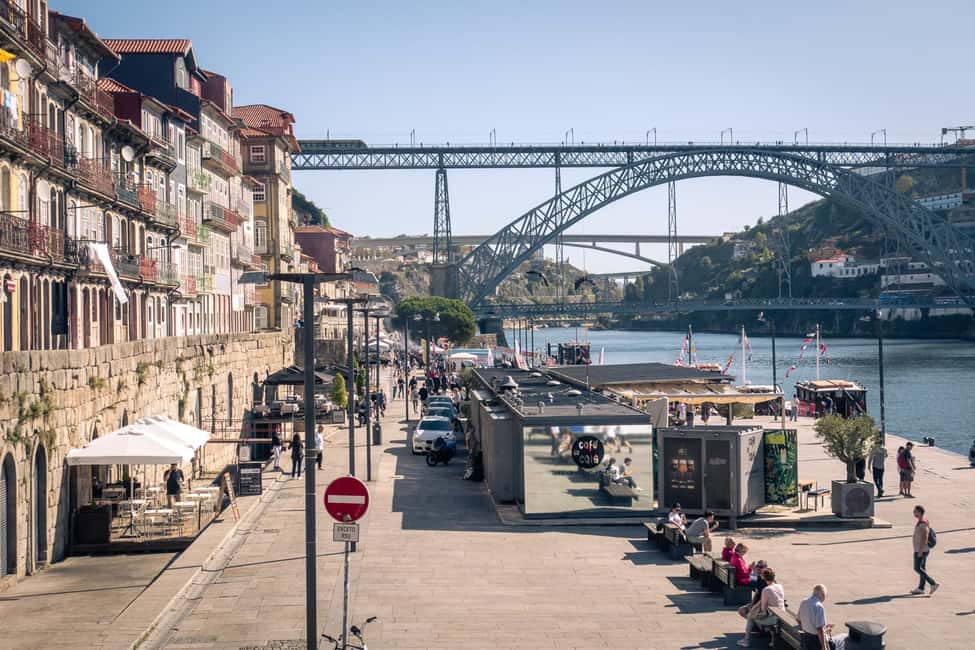
- Praça da Ribeira start and finish with the Douro River right there
- Clérigos Tower + Lello Bookstore in the same walking flow
- São Bento station tiles on the way through Aliados Avenue
- Sé Cathedral hilltop views with a descent via medieval stairs
- One main uphill stretch early on (steep, but short)
Walking Porto, at your pace (thanks to Walkbox)
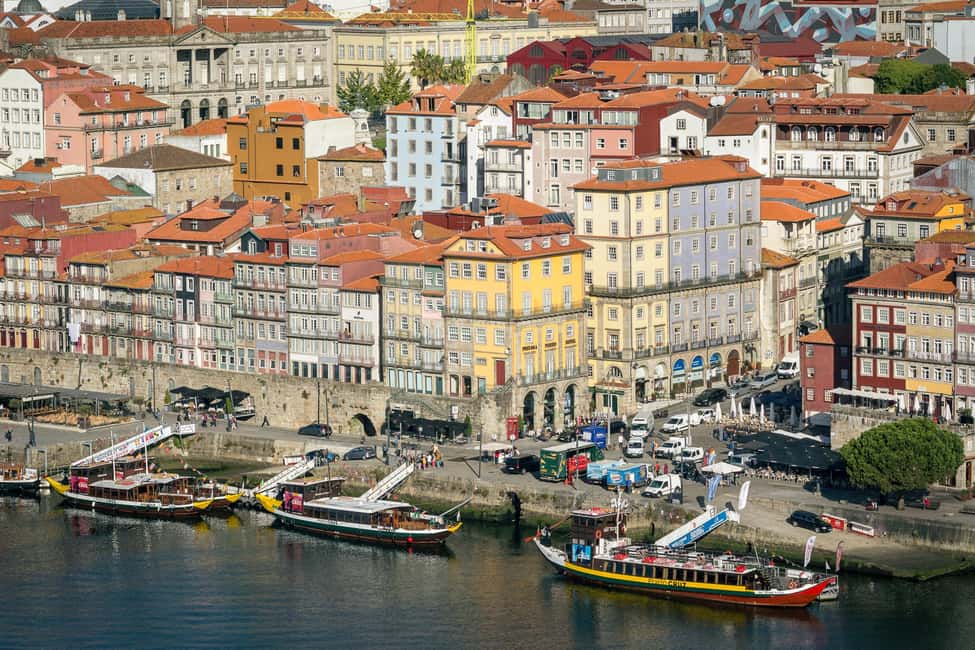
Porto is one of those cities where the best parts happen between the big landmarks. That’s exactly why this tour’s self-guided format works. You’re not stuck in a group pace, and you can linger when something catches your eye—whether it’s a doorway, a tiled façade, or a river view.
The Walkbox app is the engine here. You download the content so it works offline, then the tour plays automatically in English, Portuguese, French, and Spanish. That matters because Porto’s streets can be spotty for mobile data, and you don’t want your day to turn into constant reconnecting.
I also like the “do it your way” flexibility. You can complete the tour in full or break it into parts within 5 days of booking. That’s a smart fit if you’re pairing Porto with a day trip (or if weather changes your plans).
One more practical detail: the tour content includes info like opening hours and prices for attractions where applicable. That doesn’t replace buying tickets, but it helps you plan your stops instead of guessing and getting turned away.
You can also read our reviews of more walking tours in Porto



From Praça da Ribeira to the Douro River: the medieval opener
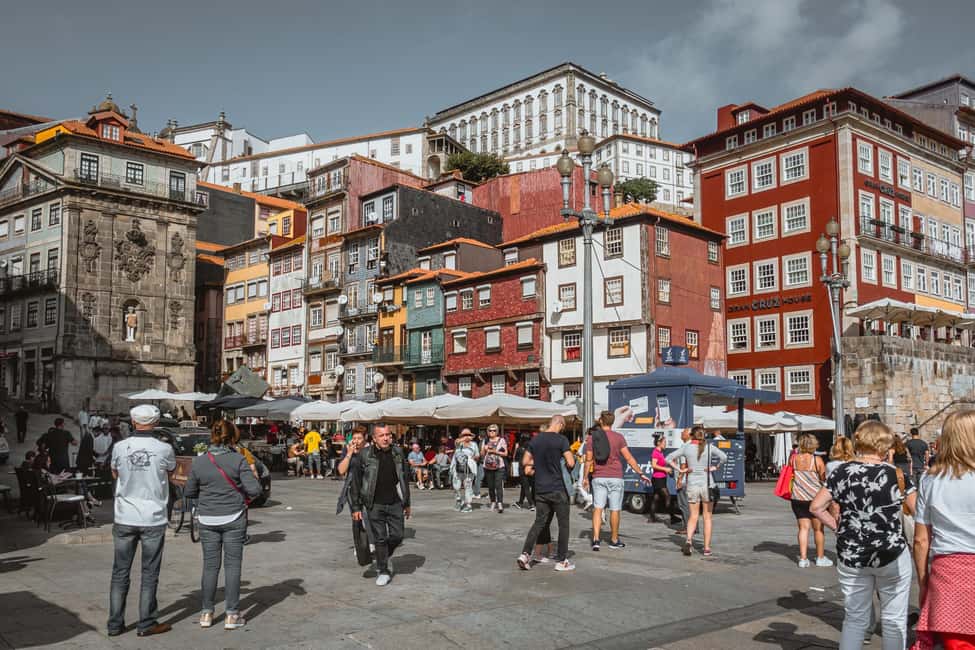
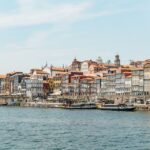
Your route starts at Praça da Ribeira, and that’s a strong first choice. The square is all about medieval houses perched on granite arches, with the Douro River stretching out like a postcard you can walk into. Even if you’ve seen photos, being there in person feels different—warmer light, real boat traffic, and that layered stone-and-water atmosphere.
From there, the walk heads west along the river. This is where Porto’s “texture” shows up: old structures, riverside vantage points, and little stretches where the city feels lived-in instead of staged.
One stop worth paying attention to is the Wall of Bacalhoeiros. It’s the kind of place you might zip past if you’re rushing. With the audio guide, you get context while you’re right next to it, which makes it more meaningful than a quick photo stop.
As you keep moving, you’ll reach Porto’s main Gothic temple, São Francisco Church. Gothic architecture can look impressive in a general way, but what helps here is that the tour is paced for you to absorb details while you’re actually standing in the right spot. If you like churches for their art and atmosphere (not only their location), this part can be a highlight.
São Francisco to the Bolsa Palace: architecture and river-city contrast
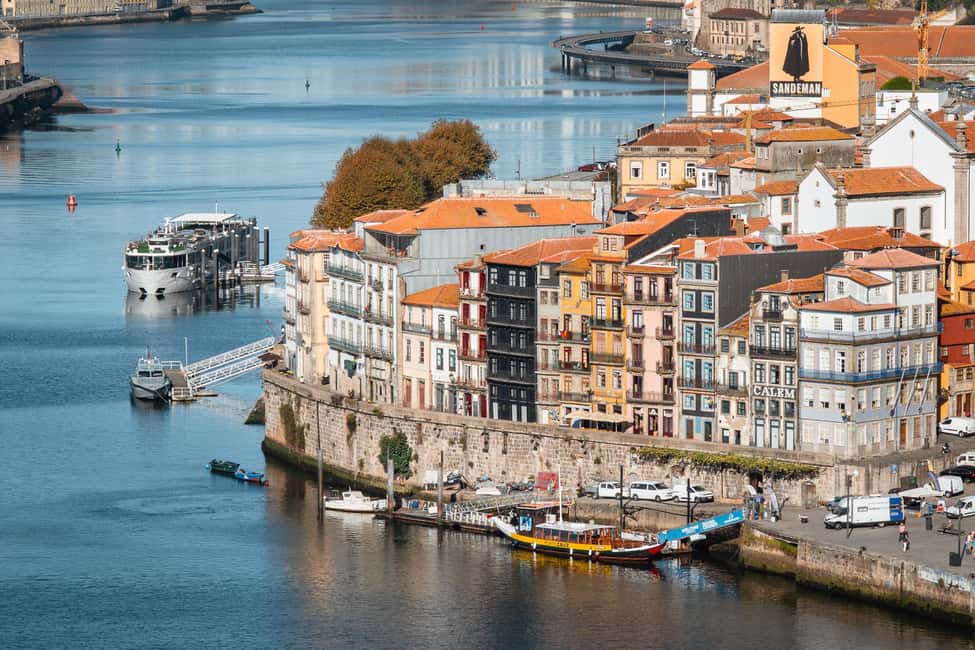
After São Francisco, the route continues toward Bolsa Palace. This segment is valuable because it shifts the feel of the walk. You’re moving from dramatic religious architecture to a different kind of Porto monument—one that reflects the city’s commercial and social life.
That contrast is useful. Porto isn’t just “romantic old streets.” It’s also a working city with historical power centers. The tour’s flow helps you feel that transition without stopping every 30 seconds.
Timing-wise, this middle portion is also a good chance to reset your expectations. The climb isn’t far off. If you want to pace well, this is where you should slow down just enough to save energy for the uphill stretch.
Vitória Belvedere: the view that earns your legs
A key feature of this tour is the approach to Vitória Belvedere. The route includes one uphill section near the start that averages about 16% slope over roughly 400 meters. That’s not a mountain, but it’s also not a gentle hill.
Here’s the practical way to think about it: this is the kind of slope where you should adopt a steady rhythm. Don’t sprint. Take short breaths. If you’re wearing comfortable shoes (you will want those), you’ll be fine.
Why it’s worth it: the walk guides you to breathtaking panoramic views from belvederes, with multiple viewpoints along the way. Porto’s shape—river curves, tile colors, and layered hills—makes viewpoints feel more like understanding than sightseeing. You start to see how the city folds around the Douro.
Also, remember: if you’re the type who loves photos, this section is one of the best moments to plan a bit of time. The best shots often take a few tries because of light and angle.
Clérigos Tower: the skyline payoff
Next you head into the Cordoaria area, where two famous stops sit close together: Clérigos Tower and the Lello Bookstore.
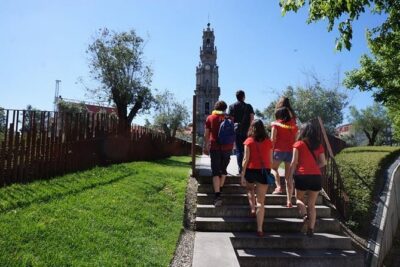
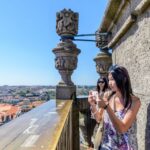
Let’s talk about Clérigos first. The tower is famous for a reason: it gives you a view over Porto that feels bigger than what you get from street level. The climb is part of the experience, and it’s the kind of effort that feels more worthwhile after you’ve already been walking for a while.
If you’re thinking about ticket planning, keep in mind that paid attractions may require tickets that aren’t included. The tour info is set up to show opening hours and prices where applicable, so you can aim for the best time without wasting time.
You can also read our reviews of more historical tours in Porto




Lello Bookstore: when a stop becomes a story
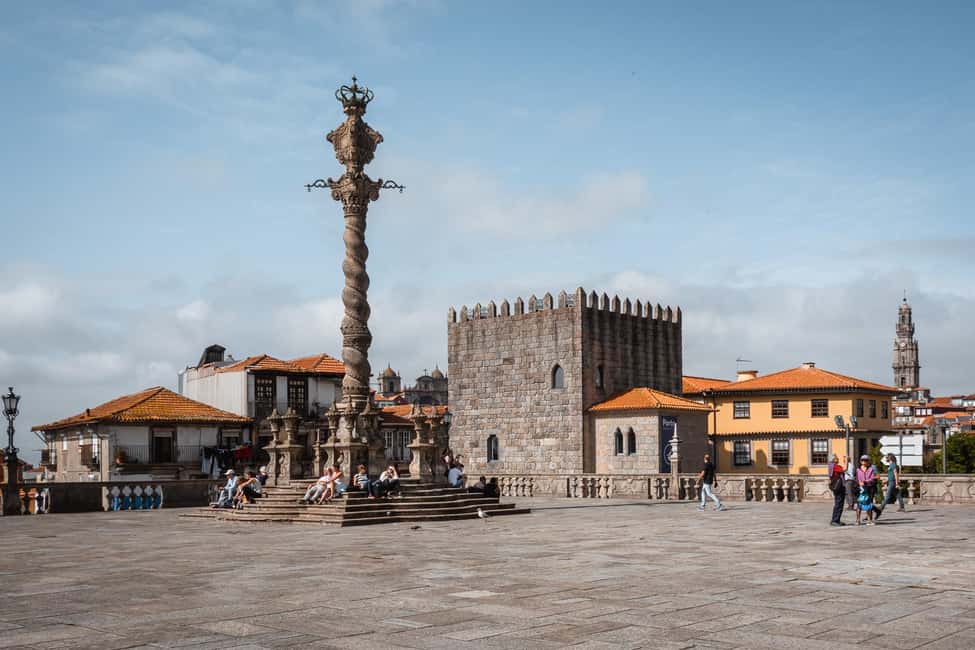
Livraria Lello (the Lello Bookstore) isn’t just a tourist magnet. It’s one of those places that’s easier to appreciate when you understand why it’s visually iconic—especially if you’re into architecture, book culture, or design.
The tour places it in the flow right after Clérigos, which makes sense. You get the big vertical perspective from the tower, then you step into a totally different kind of Porto attraction: a cultural interior experience.
A heads-up: the stop can be crowded depending on timing, and it may require paid entry. If you want calmer moments, consider aiming for off-peak times when you can control your pacing.
Aliados Avenue to São Bento: tiles, crowds, and good positioning
From the Cordoaria area, you’ll continue along the south side of Aliados Avenue. This part is a shift from scenic views to a more urban street feel. It’s useful because it moves you through Porto rather than trapping you only in the most scenic pockets.
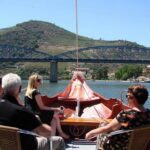
Then comes São Bento Station, with its stunning Portuguese tilework. People love São Bento because the tiles tell stories—some visual, some historical—without needing a museum ticket. The tiles are also one of those things where being there matters. Photos never fully capture the scale and the texture.
If you have even a small interest in everyday public art, this is a smart stop to prioritize.
A practical note: because you’re walking through a transport hub, it’s easy for your schedule to get nudged by foot traffic. The tour is designed around this kind of city rhythm, so you don’t feel like you’re lost—you just flow.
Sé Cathedral and the Episcopal Palace: stone, views, and the hilltop feel
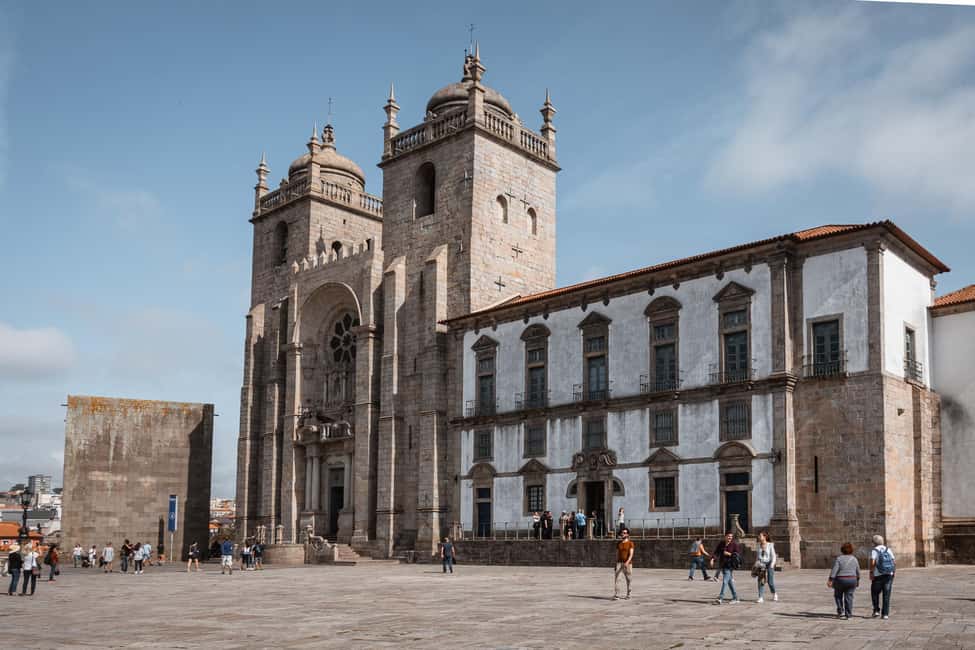
After São Bento, the walk ascends toward the hilltop, where you’ll visit Sé Cathedral and the Episcopal Palace of Porto. This is where the tour earns its “historic center” label in a clear way: you’re moving into the older, higher part of the city where stone structures dominate and views open up.
What I like about this segment is that it’s not only about seeing buildings. It’s about how the hilltop setting changes your sense of Porto. From there, you can look back and understand the route you’ve already walked.
The tour also emphasizes panoramic viewpoints from multiple belvederes. That’s important because Porto’s viewpoints aren’t one perfect spot. Some are better for river angles, others work for city geometry. Having options lets you choose what you care about most.
Descending to Ribeira via medieval stairs: the best kind of time machine
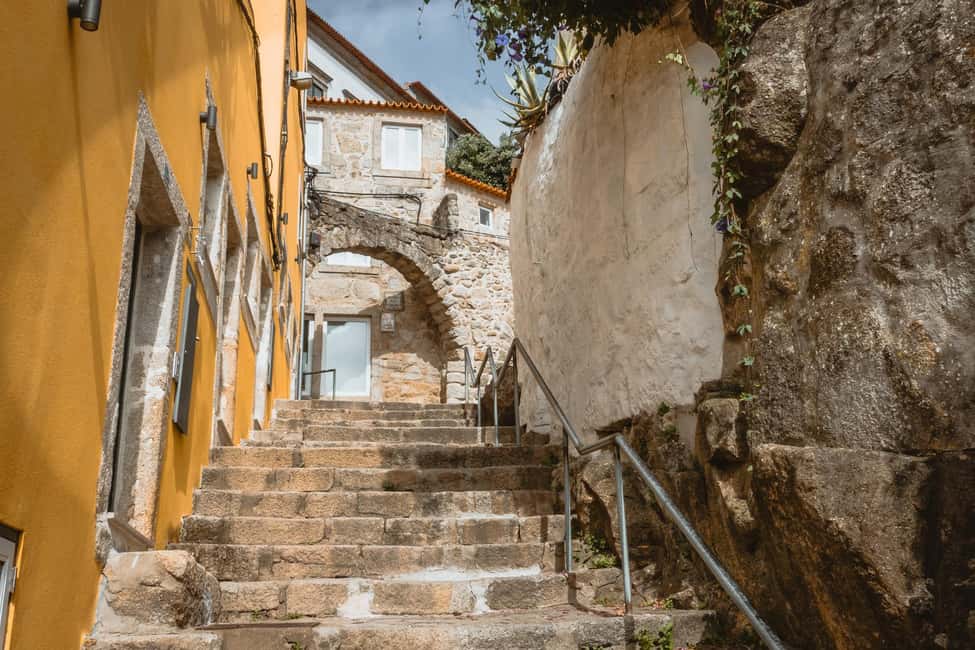
To finish, you descend back to Praça da Ribeira through the scenic medieval stairs of Verdades and Barredo. This is a great closing loop because it feels like you’re returning to the same place with a different perspective—after the climb, after the tower, after the hilltop viewpoints.
Descending on stairs can be tough on the knees if you rush it. If you’re going for comfort, take your time, hold a steady pace, and let your steps be controlled. The payoff is that the stairs add atmosphere. This isn’t just walking; it’s walking through time in stone and shadows.
By the time you get back near the river, the whole day clicks into place: you started with postcard views, worked toward skyline and cultural stops, then came down through the older stairways that still shape how people move.
How hard is it really? Slope, pacing, and comfort
The walk is generally easy to follow and covers about 3 km. But “easy” doesn’t mean “flat.” The uphill stretch near the beginning is the one you should plan around.
Here’s how I’d pace it if you want a stress-free experience:
- Start slow on the hill so you’re not gasping when you reach the belvedere
- Build in small pauses at viewpoints—set expectations so you’re not rushing photos
- Wear shoes you trust on uneven old streets
- Keep your phone charged, since the app is your main guide
The duration is typically 3 to 4 hours, depending on your pace and how many stops you choose to enjoy. That range is realistic because the “tour” isn’t just moving; it’s watching, reading, and taking in views.
Also, this activity isn’t suitable for people with mobility impairments, which makes sense given the uphill grade and the stair-heavy descent.
Price and value: what $8 buys you in Porto
At $8 per person, this is one of those deals where the value is in the structure. You’re not paying for a live guide. You’re paying for a self-guided walking plan that does three important things well:
- It keeps you moving in the right order through the city
- It gives context right when you’re seeing the spot
- It reduces decision fatigue when you’d rather just explore
The cost also makes sense because it includes multi-language audio and offline functionality. If you’ve ever tried to cobble together a DIY walking route with spotty data and scattered info, you know why this feels like a bargain.
What you won’t get for that price is attraction tickets. Paid attractions may require separate entry fees. The good news is that the tour provides prices and opening hours where applicable, so you can plan around what’s open.
So the real question isn’t just “Is $8 cheap?” It’s: do you like independent exploring with guided storytelling on your phone? If yes, you’ll feel good about this price.
Who should book this self-guided Porto walk?
This tour is a strong match if:
- You want a self-paced way to see Porto’s big highlights without booking a formal group tour
- You’re comfortable using a phone for navigation and audio
- You like history and art context but don’t need a live Q&A
- You want to cover a lot of central sights in a single loop that starts and ends at Ribeira
It’s less ideal if:
- You want someone walking with you answering questions on the fly
- You need step-free routes or have mobility limitations
- You dislike audio guidance and would rather read everything yourself (the tour runs through the app experience)
A final practical tip: give yourself a bit of buffer at the famous stops like Clérigos and Lello. Even if you’re following the audio, these spots can take longer than you expect.
Should you book this Porto flexible walking tour?
I’d book it if you’re the type of traveler who likes to wander, but still wants a plan that keeps you from missing the best parts. The combination of offline Walkbox audio, a tight central route, and a logical finish back at Ribeira makes it a very efficient way to experience Porto’s historic core.
Skip it if you need step-free access or if you want a live human guide instead of app-based storytelling. And if you’re expecting a completely flat walk, plan for the uphill challenge early on.
If your goal is a smart, cost-friendly way to connect Porto’s riverside, churches, stations, towers, and hilltop views into one satisfying day, this one fits well.
FAQ
What is included in the Porto Walkbox walking tour?
You get clear preparation instructions from the tour curator, a curated route with detailed insights about points of interest, multilingual content (English, Portuguese, French, Spanish), remote support by WhatsApp or SMS within stated hours, emergency phone assistance, and information on opening hours and prices for attractions where applicable.
Is there a live tour guide with this experience?
No. There is no live guide. Guidance is provided through the Walkbox app.
Does the tour work offline and in multiple languages?
Yes. Walkbox works offline and provides content in English, Portuguese, French, and Spanish.
How long does the tour take, and how far do you walk?
It takes about 3 to 4 hours depending on your pace and the stops you choose. The route is about 3 km.
Where does the tour start and end?
The tour starts and ends at Praça da Ribeira.
Are attraction tickets included?
Tickets for paid attractions are not included. The tour includes prices and opening hours where applicable, but you still need to pay for entry where required.
Is this tour suitable for people with mobility impairments?
No. It is not suitable for people with mobility impairments.
What’s the cancellation policy?
You can cancel up to 24 hours in advance for a full refund.