REVIEW · PORTO
5 pairings ports wines with a Sommelier
Book on GetYourGuide →Operated by Grapes journeys · Bookable on GetYourGuide
Port should be fun, not stuffy. This 1-hour Port pairing turns Porto wine into a guided, hands-on lesson with snack matches. You’ll also catch a showy moment with a bottle opening using fire and tongs, plus a look at another chapter of Portuguese wine history.
What I like most is the way the sommelier explains what’s in your glass, not just where it’s from. In sessions led by guides such as Michael or Mikael, the talk can cover fermentation and the flavor logic behind different Port styles. The second big win is the structure: 5 selected premium Ports paired with snacks, so you taste across Port categories instead of repeating one sweet profile.
One consideration: the session is short, so if you want deep, slow studying or a lot of time to ask everything, you may feel a bit rushed. Also, if you’re vegan or vegetarian, you’ll need to message ahead so the pairings can be adapted.
In This Review
- Key highlights worth planning for
- Finding the door by Gruta Restaurant (and starting on time)
- Inside the 1-hour Port pairing session: the flow you’ll feel
- The opening moment: bottle with fire and tongs
- Five Port wines plus snack pairings
- Learning Port categories with flavor examples
- A second Portuguese wine in the mix
- Conversation time with your guide
- Five premium Ports explained: what to watch for in each sip
- How fermentation stories help you taste better
- How snack pairings change what you think you tasted
- You’ll learn the flavor profiles of three categories
- The pairing logic: sweetness, acidity, and why the snacks work
- How to taste during the flight (so you get more out of it)
- The most memorable pairing tends to be contrast
- What you’ll likely leave with
- The fire-and-tongs moment: showmanship with a purpose
- Beyond Port: why the extra historic Portuguese wine matters
- Who this tasting suits best (and who might want something else)
- Price and value: is $29 per person fair?
- Should you book the 5 pairings Port session?
- FAQ
- How long is the Port wine pairing experience?
- How many wines will I taste?
- What’s included in the price?
- Are there dietary options for vegan or vegetarian guests?
- What languages are the live guides?
- Is the experience wheelchair accessible?
- Where do I meet the group?
- What’s the group size?
- Can I cancel and get a refund?
Key highlights worth planning for
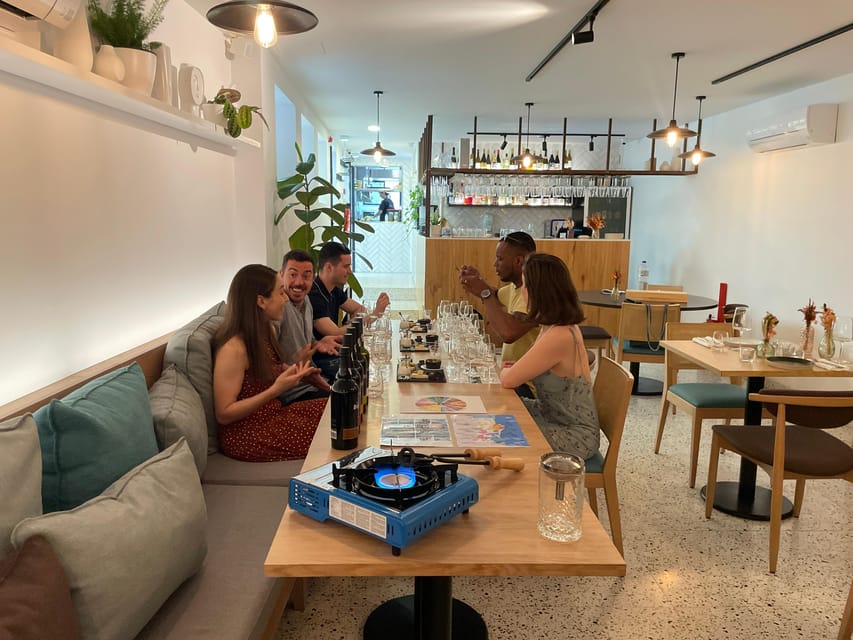
- Fire-and-tongs bottle opening adds theater, and it sets the tone for the tasting
- Five premium Port wines with snack pairings for a balanced flight
- Learn the 3 Port wine categories and what changes in the glass between them
- Sommelier-led pairing logic, including fermentation explanations
- A second historic Portuguese wine comes into the story, not just Port
- Small group up to 10, so you actually get questions answered
Finding the door by Gruta Restaurant (and starting on time)
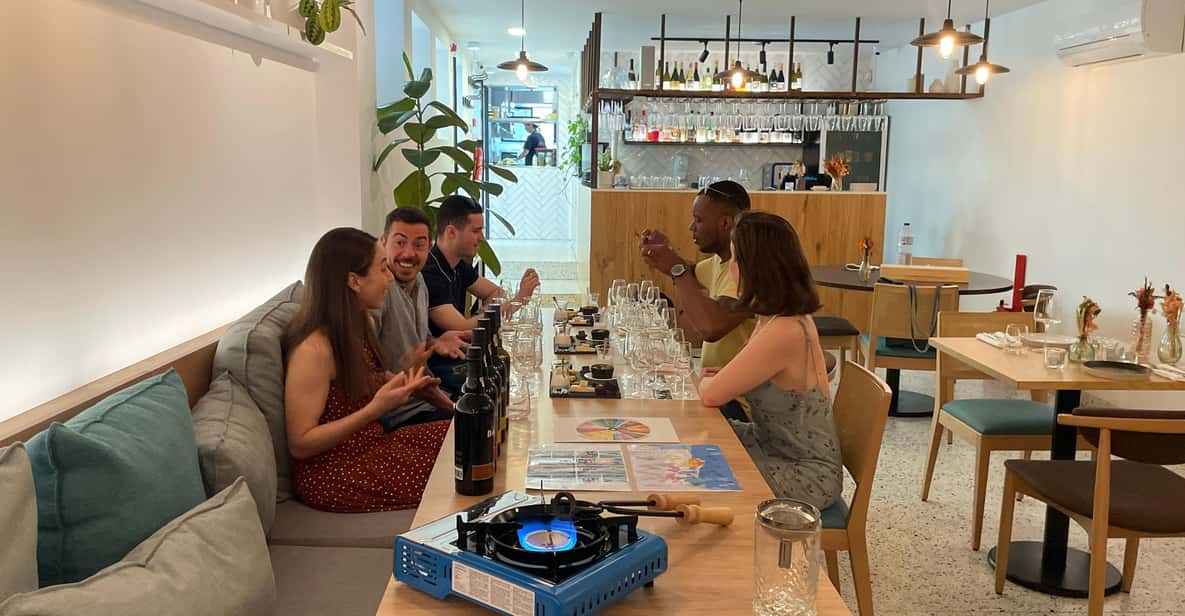
This experience is set up as a straightforward meet-and-go tasting. Your meeting point is a door you can read as Gruta Restaurant on the door signage, so plan to arrive a few minutes early and spot the exact entrance without overthinking it. The time window is only 1 hour, so punctuality helps your whole group.
The small group size (limited to 10 participants) matters here. You’re not getting herded like a line item through a warehouse tasting. It tends to keep the room calm enough for real back-and-forth about what you’re tasting, especially when the sommelier is explaining how the categories differ.
If you’re sensitive to schedule changes, you also have flexibility options: cancellation is available up to 24 hours in advance for a full refund, and you can often reserve first and pay later. That’s useful if you’re building your Porto evenings around festivals or dinner plans.
You can also read our reviews of more wine tours in Porto

Inside the 1-hour Port pairing session: the flow you’ll feel
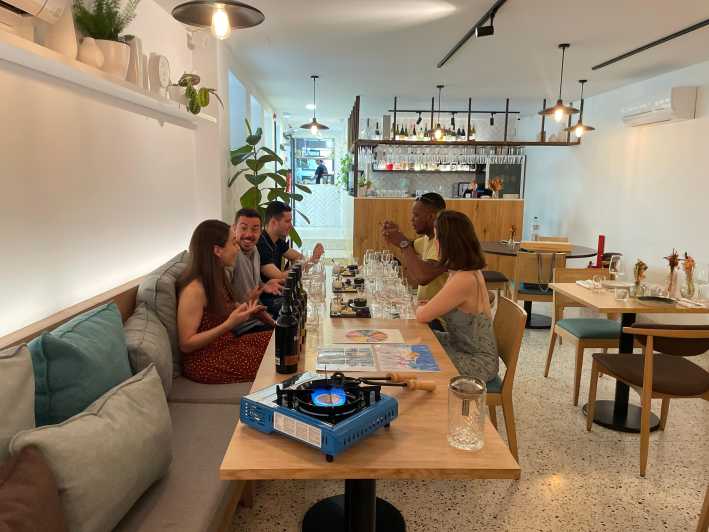
Think of this as a guided tasting with food, not a lecture. You arrive, get a quick orientation, and then the sommelier runs the tasting like a story with tasting notes you can taste right away.
The opening moment: bottle with fire and tongs
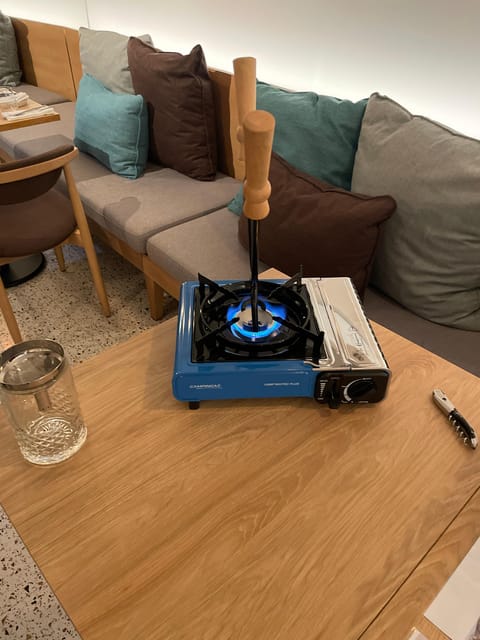
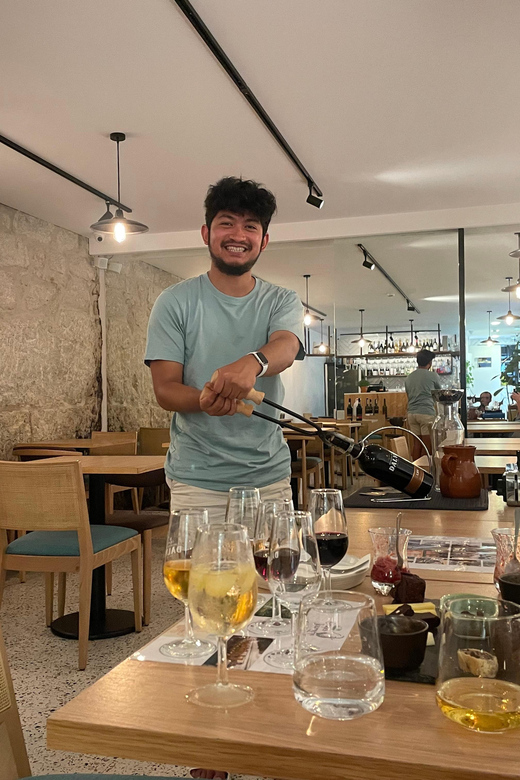
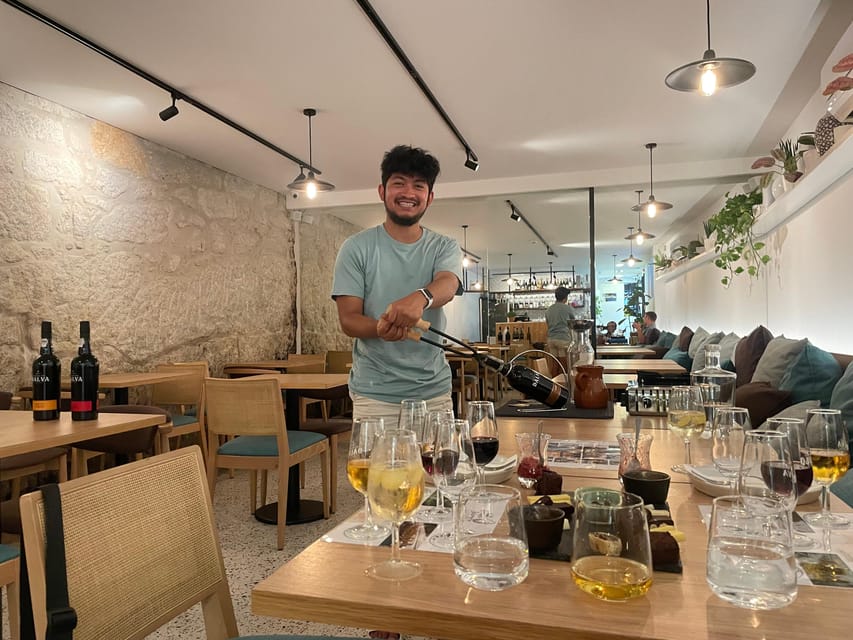
One of the best-known parts is the bottle opening using fire and tongs. Even if you’re not into spectacle, this works as a reset for your attention. It signals you’re in a hands-on session where the guide will show you, explain you, and then let you taste the results. It also makes the experience memorable even if you only remember one or two flavor ideas later.
Five Port wines plus snack pairings
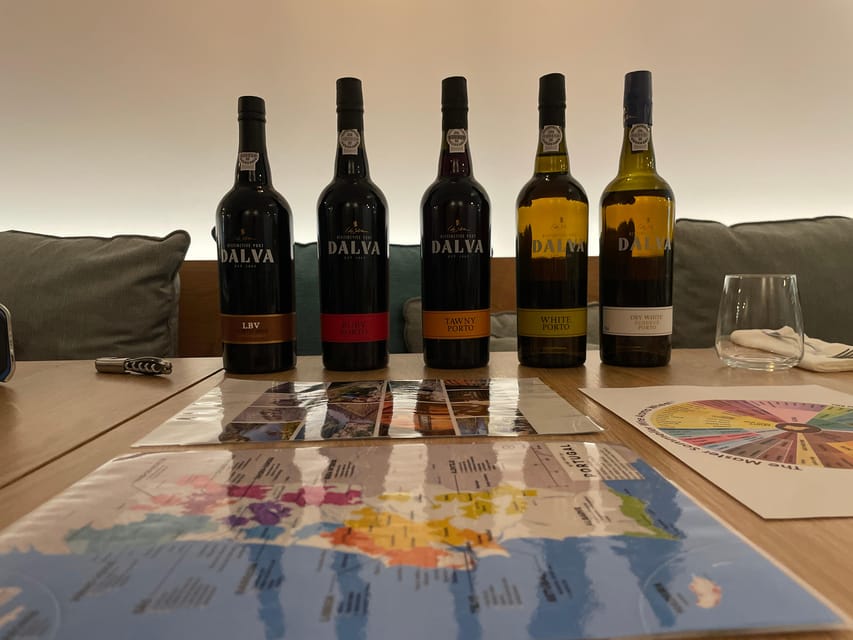
During the hour, you’ll try 5 selected premium Port wines. The key is that each one isn’t just poured. It’s paired with snacks designed to match or contrast what you’re tasting, so your palate learns faster than it would with plain sipping.
The snack part matters because Port is sweet and intense. Without food, everything can start tasting like sugar. With the right bites, you can notice the differences between styles: fruit, spice, texture, and how the sweetness lands on your tongue. You’ll likely leave with a better sense of how to choose a bottle later, not only which ones you personally liked that day.
Learning Port categories with flavor examples
Port isn’t one flavor. It’s a set of styles with different aging approaches and resulting aromas. You’ll learn about the flavor profiles of the 3 Port wine categories, with guidance that points out what to look for while tasting. Expect the explanations to connect to what you can already smell and taste, so you don’t feel lost in wine jargon.


A second Portuguese wine in the mix
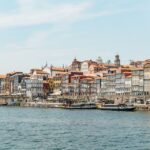
Port is the star, but you’ll also learn about another type of historic Portuguese wine. The exact style isn’t spelled out in your details, but the intent is clear: you get more context about Portuguese wine traditions beyond the obvious Port story. For many visitors, this is the part that makes the session feel more than just a sweet tasting flight.
Conversation time with your guide
You’ll have a live English or Spanish guide, and small group format helps you ask questions. The tone described is casual and fun, not formal and distant. If your guide is the kind who can explain production steps clearly, you may hear about fermentation and how it affects the final flavors you taste.
Five premium Ports explained: what to watch for in each sip
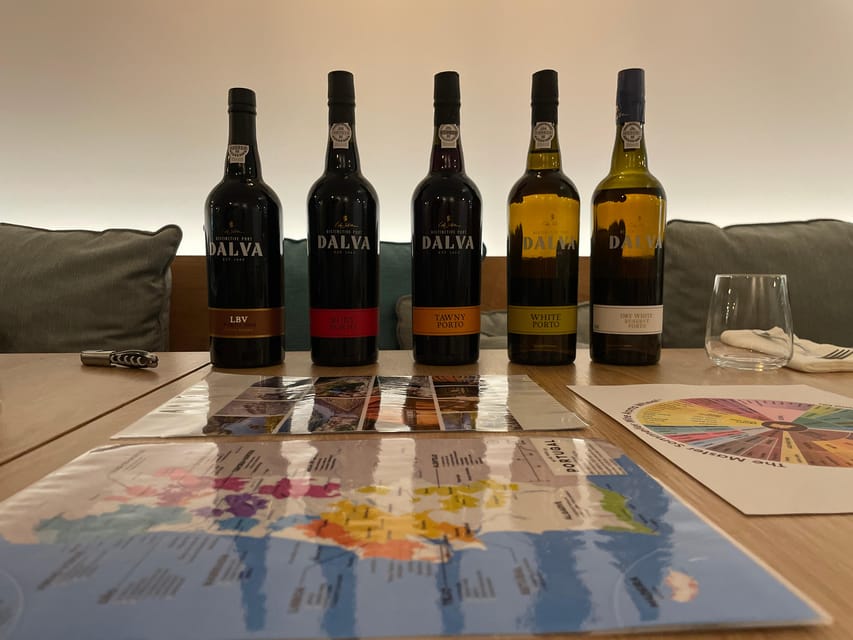
You’re tasting across categories, so your job is simple: pay attention to how the wine shifts when you move from one style to the next. The sommelier’s job is to point out the pattern, so you can start recognizing it yourself.
How fermentation stories help you taste better
One of the most praised elements is that the sommelier can talk you through the fermentation process and then link it to what you’re experiencing in the glass. Even if fermentation sounds technical, the practical version is: it changes flavor development, and those changes show up as fruit notes, spice, and how the wine feels in your mouth.
If you’re the kind of taster who likes a reason for everything, this part is gold. It turns Port from a mystery box into something you can read.
How snack pairings change what you think you tasted
Port can hit with sweetness fast. Snacks act like a palate tool. With each pairing, you’ll start noticing whether the wine’s flavor is coming forward as fruit, dried fruit, spice, or a more savory angle. You’ll also see whether sweetness is dominating—or whether the food helps it feel balanced.
A strong pairing flight makes you compare. That’s why 5 wines in a single hour works. You’re not tasting five random glasses. You’re tasting a set designed to teach your tongue the differences.
You’ll learn the flavor profiles of three categories
The session is built to cover the three Port categories. That means you’re not just tasting and hoping you remember. You’re getting the framework to understand what you’re tasting and why it matters. If you’ve ever wondered why one Port tastes more like berries while another feels darker and richer, this is where those answers get practical.
If you’re a fan of Port but want to level up, this structure is helpful. It’s also a friendly starting point if you’re new. The guide can explain without making it feel like a test.
The pairing logic: sweetness, acidity, and why the snacks work
Port is sweet, but it’s not always just sweet. What makes the tastings feel well-balanced is the way the snacks help your palate separate sweetness from flavor.
How to taste during the flight (so you get more out of it)
Here’s how I’d approach it in your shoes:
- Take one sip first, then one bite.
- Ask yourself whether the snack makes the wine taste fresher, darker, or more spicy.
- After the second bite, check if sweetness feels smoother or more sharp.
You don’t need to memorize tasting terms. You just need to track how the wine changes with food. That’s the real lesson you’ll use later when you’re choosing Port at a shop.
The most memorable pairing tends to be contrast
In the experience, one of the standout pairings described is a match where the wine complements homemade brownies. That makes sense because chocolate and Port sweetness can play off each other instead of fighting. You get a dessert-like harmony, and the result feels obvious in hindsight—once you’ve tasted it.
That’s also why the snacks are important for beginners. They give you a safe way to understand Port intensity without getting overwhelmed.
What you’ll likely leave with
Most people don’t just want to drink. They want to know what to buy. With this format—5 premium Ports + snack logic + category explanations—you should walk away with a clearer sense of:
- which Port styles you prefer for dessert moments vs. sipping
- what flavor directions you enjoy (fruit vs. spice vs. deeper notes)
- how to think about pairings instead of copying someone else’s order
The fire-and-tongs moment: showmanship with a purpose
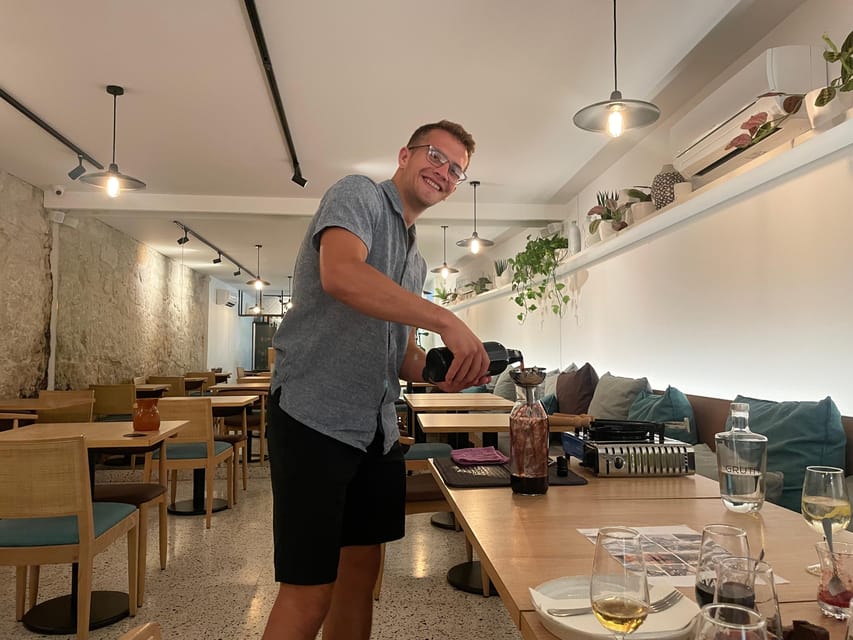
The fire and tongs bottle opening is the kind of thing that gets a smile in the room. But the best part is how it sets context. It tells you this tasting is designed to be memorable, not mechanical.
Also, it gives you a natural hook for questions. If you’re curious about process or tradition, this moment makes the experience feel like Portuguese wine culture, not just a tasting counter.
If you’re traveling with friends, this is also the moment that makes it easy to agree on the best part. Even people who usually skip wine tours tend to like the theater.
Beyond Port: why the extra historic Portuguese wine matters
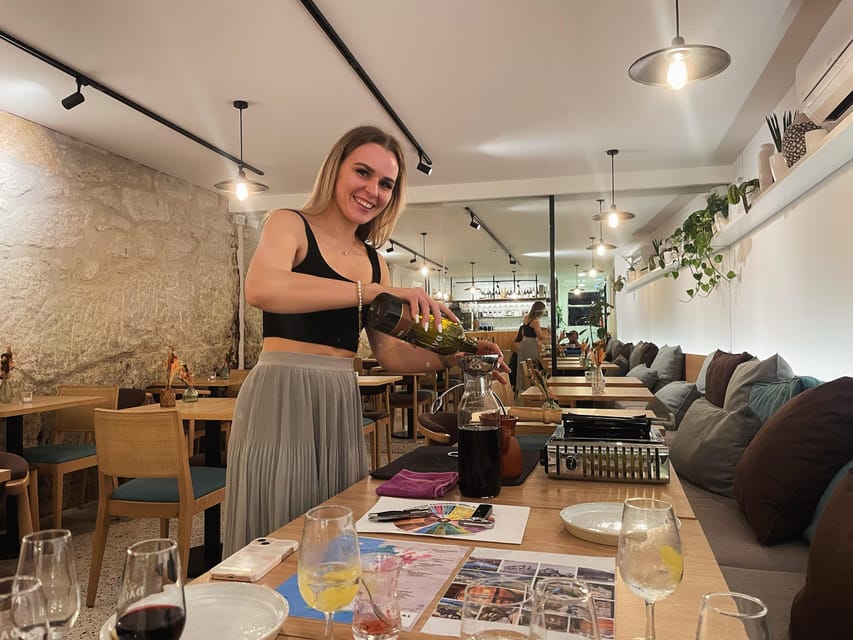
Port is closely tied to Portugal’s identity, but it can also become a tunnel vision topic. The tour adds another historic Portuguese wine so the story doesn’t stop at one region’s specialty.
Even without the exact name provided in your notes, the value is clear: it expands how you think about Portuguese winemaking. You get a reminder that Portugal’s wine culture has more chapters than the Porto label on every other souvenir menu.
I like this approach because it helps you avoid the common outcome where you learn only one thing—and it’s not always the one that helps you order smarter later. The extra wine context gives you a broader baseline for what to look for next.
Who this tasting suits best (and who might want something else)
This works especially well if you want:
- a guided tasting with clear explanations
- a shorter 1-hour activity that still feels complete
- a small group setting where you can ask questions
- Port categories explained with real food pairings
It’s also a good fit if your schedule is tight. Porto can eat your time with long dinner lines and festival nights, and this tasting starts early enough for an easy add-on day plan. One reviewer even used it as a calmer option the day after a big São João festival night, which tells you the mood can be relaxed.
Who might consider a different option: if you’re looking for a long, in-depth winery-style seminar, this format may feel too fast. And if you have strict dietary needs, you’ll want to message first so pairings can be adapted for vegan or vegetarian diets.
Price and value: is $29 per person fair?
At $29 per person for 1 hour, you’re paying for more than just pours. You get:
- wine and food pairings
- a live sommelier guide (English and Spanish)
- instruction that connects fermentation and Port categories to what you taste
The value here is the combination. A lot of wine tastings either focus on the alcohol and ignore the palate work, or they focus on instruction without pairing. This one gives you both in a compact timeframe, which is exactly what you want when you’re touring.
Also, the small group format is part of the value. With fewer people, you’re more likely to get the explanation you actually need, instead of hearing it secondhand while your attention drifts.
Should you book the 5 pairings Port session?
If you want a Porto wine experience that feels social, focused, and practical, I’d book this. The pairing setup, the category explanations, and the fire-and-tongs bottle opening all point to an experience designed to teach without turning boring.
Choose it if:
- you like Port but want to understand the styles
- you enjoy food with wine and learn by tasting
- you prefer small-group instruction over large tastings
Hold off if:
- you want more time per wine and a slower pace
- you’re vegan/vegetarian and haven’t messaged ahead to confirm your pairings
If you’re unsure, message your dietary needs early and go with a short, high-impact activity. It’s the kind of Porto plan that leaves room for the rest of your evening without leaving you feeling like you missed the point.
FAQ
How long is the Port wine pairing experience?
It lasts 1 hour.
How many wines will I taste?
You’ll taste 5 selected premium Port wines.
What’s included in the price?
Wine, food, and knowledge are included.
Are there dietary options for vegan or vegetarian guests?
If you’re vegan or vegetarian, you should send a message first so the pairings can be adapted.
What languages are the live guides?
The tour guide offers English and Spanish.
Is the experience wheelchair accessible?
Yes, it’s wheelchair accessible.
Where do I meet the group?
Meet at a door near Gruta Restaurant, where you can read the name on the door.
What’s the group size?
It’s a small group, limited to 10 participants.
Can I cancel and get a refund?
Yes. You can cancel up to 24 hours in advance for a full refund.