REVIEW · PORTO
Tour Porto: Adventure in Electric Bike Tour
Book on GetYourGuide →Operated by Green Speed Solutions Lda · Bookable on GetYourGuide
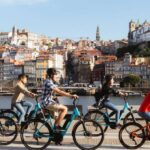
Porto has steep cobblestones, so this tour uses electric bikes for an easier ride. You’ll zip past famous sights and also slip into quieter corners where cars and buses can’t go. The big win is pairing classic Porto landmarks with a Douro River stretch that feels more relaxed than the tight city streets.
What I like most is how the e-bike changes the whole experience: the hills stop being the main event and you can actually enjoy the views. I also love the food stop focus, with time set aside for a proper pastel de nata and bolinho de bacalhau. One heads-up: church and museum entries aren’t included, so you’ll mainly enjoy buildings from the outside and during quick stops rather than long interior visits.
In This Review
- Key reasons this e-bike Porto ride works
- Porto on two wheels: why electric bikes fit this city
- Meeting point and what you get before rolling out
- The “designed itinerary” part: how the route is built for you
- Stop for real Porto flavor: pastel de nata and bolinho de bacalhau
- Sé do Porto, Torre dos Clérigos, and Praça da Batalha: the “big card” monuments
- The old Jewish quarter and photo-friendly street corners
- Ribeira and the Douro River promenade: where the pace softens
- Going where other transport can’t: the real value of the ride
- Timing, comfort, and how the 3 hours actually feel
- Private group: when it’s worth paying a bit more
- Who should book this e-bike Porto tour?
- What’s included vs. what you’ll need to plan
- Quick decision guide: should you book?
- FAQ
- How long is the electric bike tour in Porto?
- Is this tour private?
- What languages are available for the live guide?
- Are entrance tickets to churches and museums included?
- What should I bring with me?
- Can I cancel and get a full refund?
Key reasons this e-bike Porto ride works
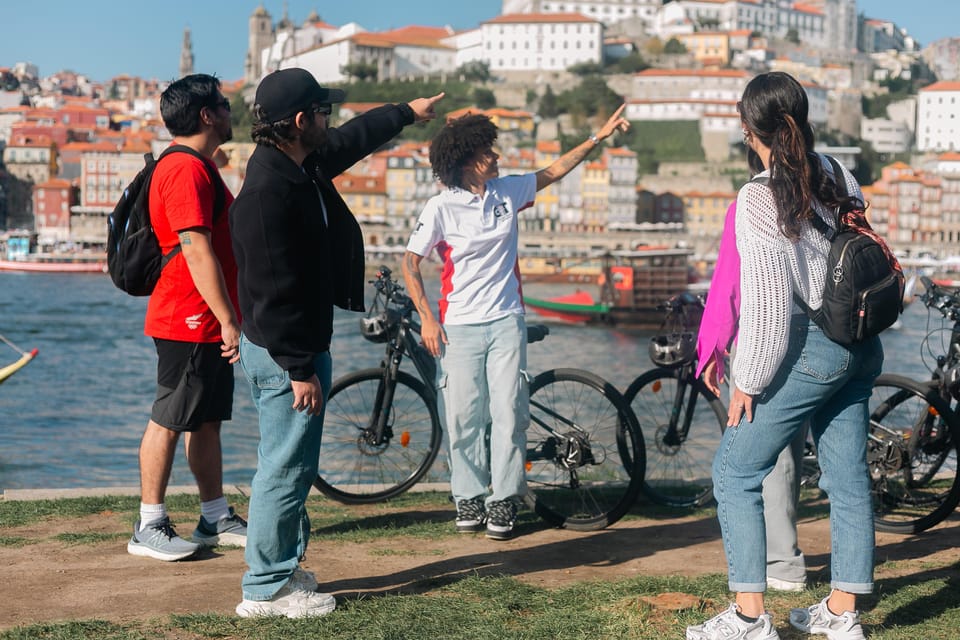
- E-bikes for cobblestones and hills: You’ll keep your energy for enjoying Porto, not fighting the slope.
- A guide with route control: You’re not just following a track; your guide manages timing and comfort.
- Classic sights plus lesser-access streets: Expect viewpoints and historic areas that feel made for bikes.
- Ribeira and Douro River pacing: The tour shifts from monuments to river atmosphere.
- Food stop that’s worth planning around: Pastel de nata and bolinho de bacalhau are built into the route.
- Private group feel: Smaller group energy makes photo stops and slower moments easier.
Porto on two wheels: why electric bikes fit this city
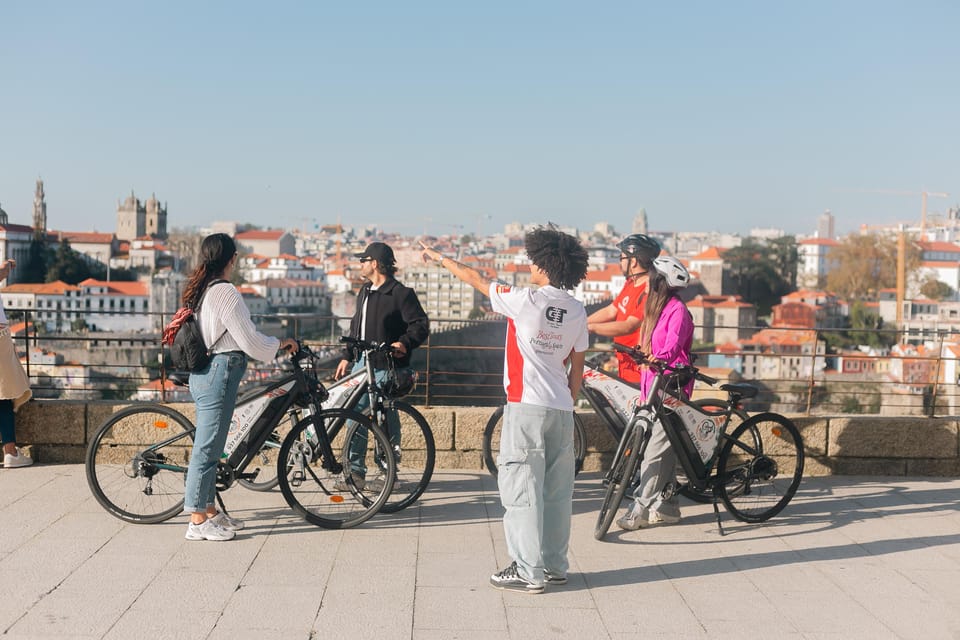
Porto is beautiful and stubborn. The city’s charm comes with cobbled streets and frequent climbs, which can turn a sightseeing plan into a leg workout you didn’t order. That’s exactly why an electric bike tour makes sense here.
With pedal assist, you still do the work, but the bike helps when the road tilts up. You end up spending more time noticing details like patterned tiles, narrow lanes, church facades, and river views instead of stopping every few minutes to catch your breath.
And because the tour is guided, you’re not guessing where traffic is tight or where the best angles are for photos. Your guide’s job is to keep you moving while still giving you enough breathing room to actually enjoy the ride.
You can also read our reviews of more cycling tours in Porto
Meeting point and what you get before rolling out
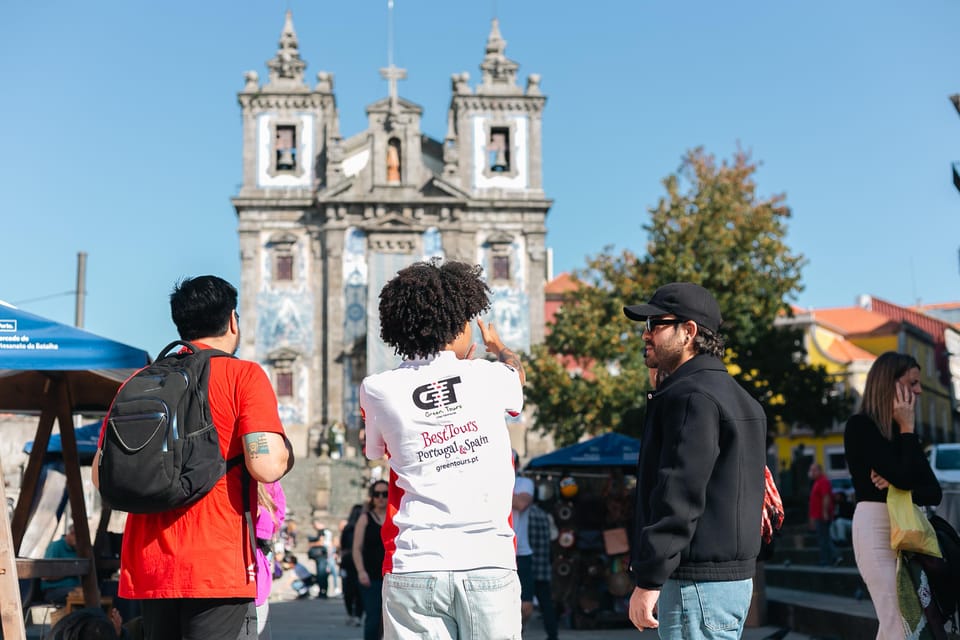
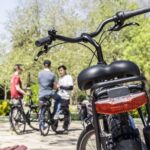
The tour starts at a local garage where your bikes and helmets are ready for you. This matters more than it sounds: you want to begin with gear that fits and bikes you’re comfortable mounting, especially with cobblestones involved.
You’ll also want to plan for simple prep. Bring comfortable shoes and comfortable clothes, and bring a reusable water bottle so you’re not hunting for a drink mid-route. The route is paced for a 3-hour experience, so staying comfortable from the first minutes helps you get the most out of the landmarks and stops.
The “designed itinerary” part: how the route is built for you
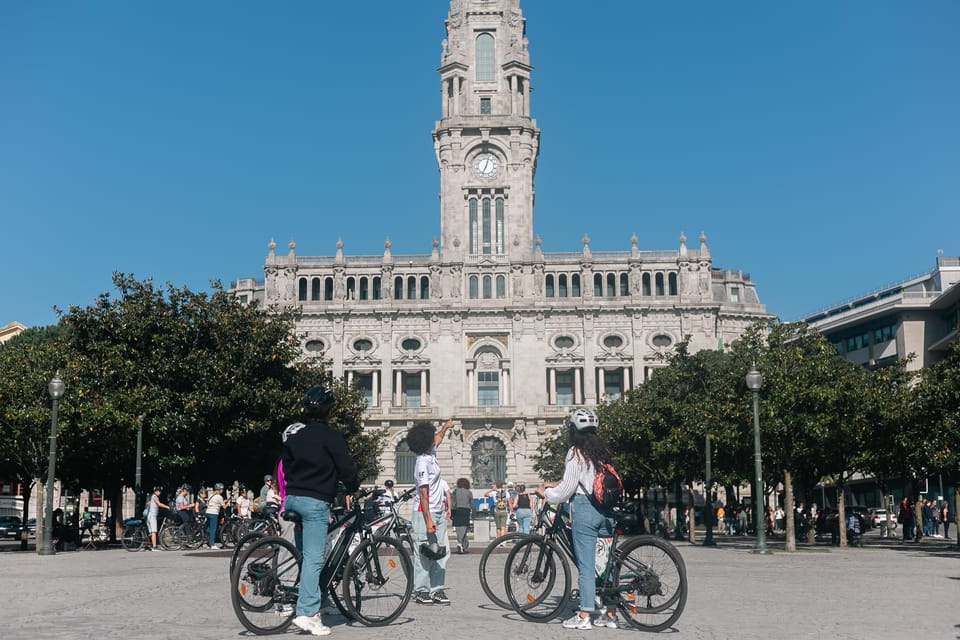
This isn’t sold as a one-size-fits-all sprint. The experience includes setup with the places you want to see, so you can influence what gets prioritized. That also explains why the tour can feel balanced: the plan is meant to mix major highlights with segments that are easier to enjoy by bike.
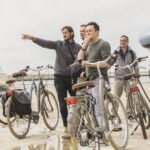
You also get a live guide who speaks Portuguese, English, and Spanish. A good bike guide doesn’t just tell you what you’re looking at—they manage flow. That’s how you get time to stop for photos without the whole group stretching out.
A detail worth noting from the guide style: Carlos is described as careful about group comfort and he takes time with bike fit and pacing. That kind of attention matters in Porto, where the “wrong” speed or timing can make a steep street feel more stressful than it should.
Stop for real Porto flavor: pastel de nata and bolinho de bacalhau
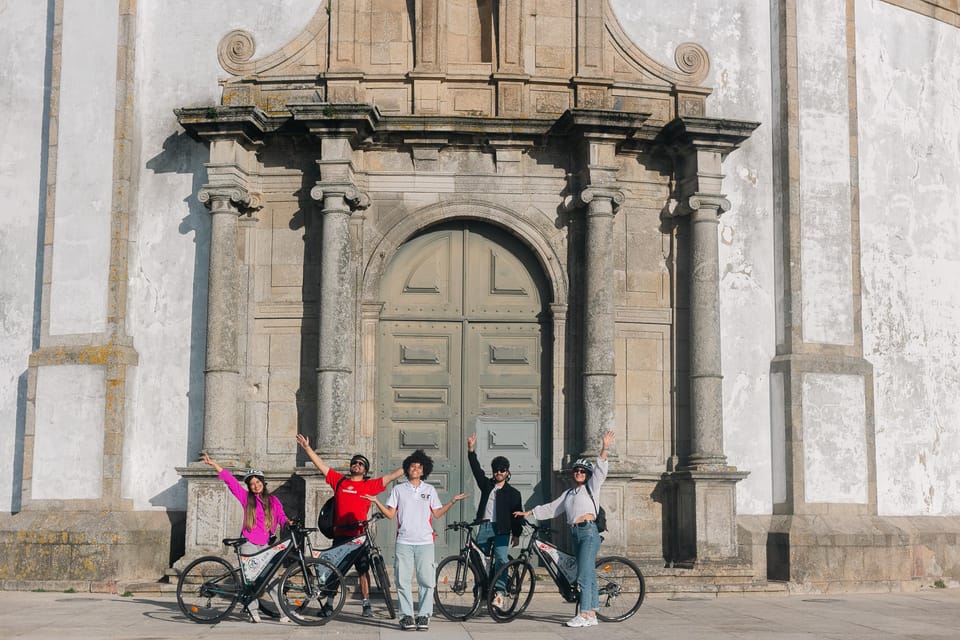
Porto’s food stops aren’t just a break—they’re part of the tour’s rhythm. You’ll have a dedicated stop to try what the route is built around: the best pastel de nata and bolinho de bacalhau.
Why this is a smart stop: it gives you something warm and portable in the middle of walking-and-riding sightseeing. It also adds a local comfort-food moment right when you might otherwise feel like you’re just moving from one landmark to the next.
Also, bolinho de bacalhau isn’t a snack you just sample once and forget. If you like crispy, savory bites, this is the sort of food that makes you understand why people argue (politely) about where to get the best version.
Sé do Porto, Torre dos Clérigos, and Praça da Batalha: the “big card” monuments
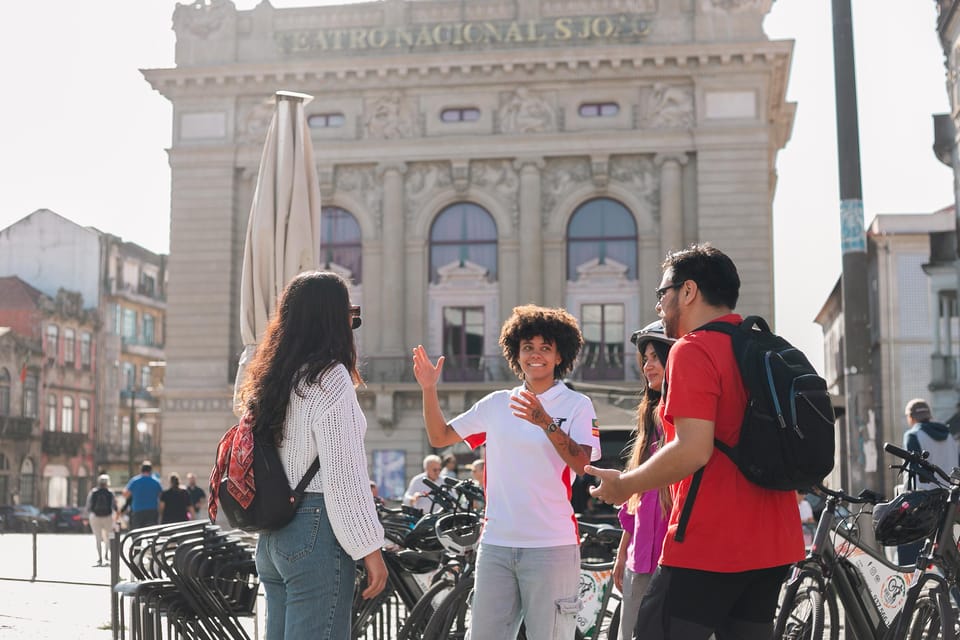
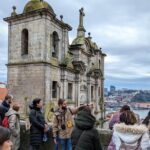
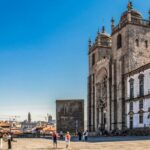
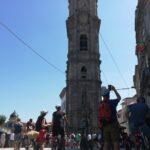
The tour includes key historic stops such as Sé do Porto, Torre dos Clérigos, and Praça da Batalha. These are the kind of anchors that help you understand Porto’s layout and what came first—religious power, civic space, and the city’s iconic skyline.
Here’s the practical angle: since entrance tickets to churches and museums aren’t included, you’ll get the best value from timing and outdoor viewing. That’s not a downside if you like architecture and street-level details. You’ll be able to appreciate facades, viewpoints, and the way these buildings sit in the urban fabric without being stuck waiting for ticket windows.
The benefit of seeing these on an e-bike is that you’re not losing half your tour to long walks between landmarks. Instead, you can keep momentum while still getting those “yes, that’s the place” moments.
You can also read our reviews of more tours and experiences in Porto

The old Jewish quarter and photo-friendly street corners
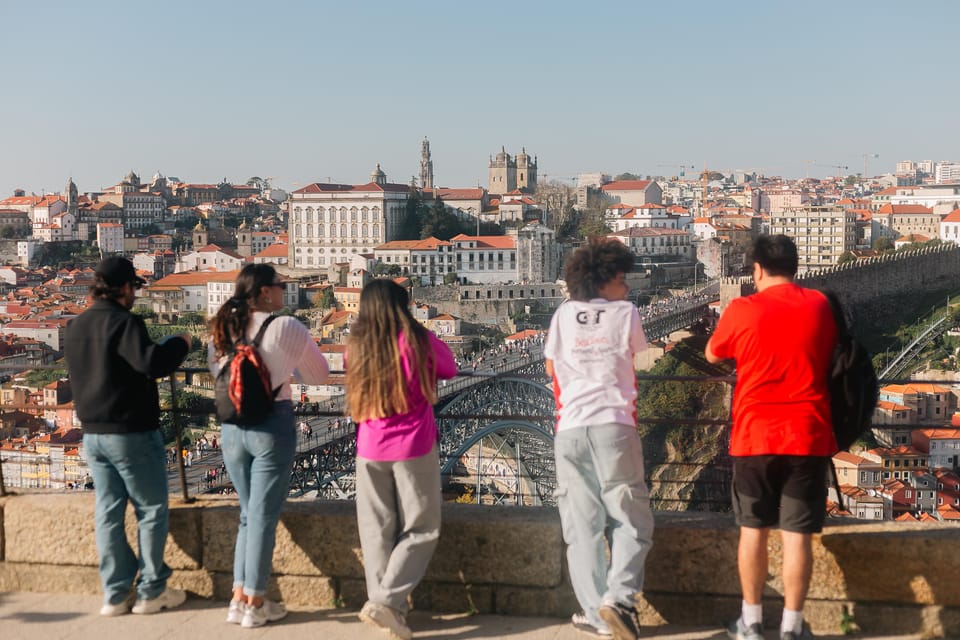
One of the most satisfying parts of Porto is how history stacks up in layers. The tour includes time around the old Jewish quarter, plus narrower streets and viewpoints where the city feels more lived-in than museum-mode.
By bike, you can move through those areas efficiently without having to sprint your sightseeing pace. You get a sense of neighborhood scale—like how long a lane really is and how the tile patterns and building colors create their own kind of wayfinding.
The drawback to keep in mind: narrow streets plus bike traffic means you’ll want to stay alert and follow the guide’s lead. This is not the place to zone out and wander off, even if the streets look quiet.
Ribeira and the Douro River promenade: where the pace softens
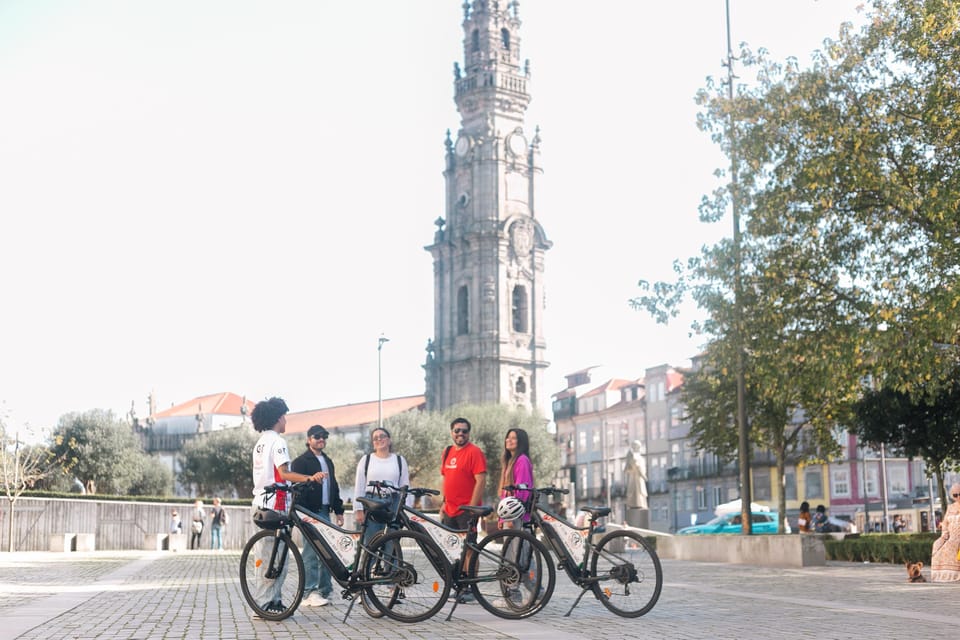
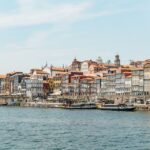
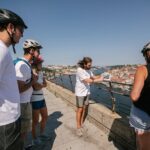
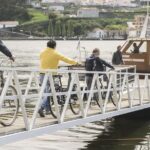
Then you shift gears. The tour moves toward Ribeira, the energetic riverfront area where the River Douro becomes the main character. You’ll get time to soak up the atmosphere along the banks, and you’ll feel the difference between tight historic streets and open riverside walking.
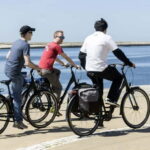
Cycling along the riverside promenade is the payoff for the electric assist. It’s where you stop thinking about hills and start thinking about views: bridges, water, and the layered cityscape.
And Porto’s bridges are a major highlight. You’ll pass or cycle with views of Dom Luís I Bridge, one of the city’s most recognizable structures. Even if you’ve seen photos, it’s different at street level—scale hits you when you’re near it.
Going where other transport can’t: the real value of the ride
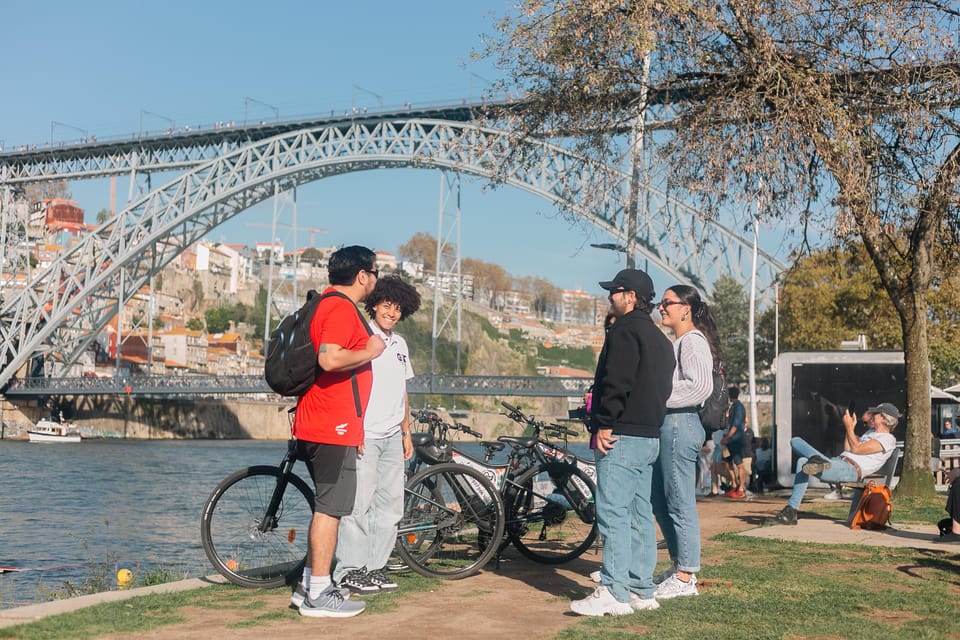
This is the kind of tour that earns its keep because bikes can access angles that cars can’t. You’ll discover places where other transport can’t take you, and that means you experience Porto as a connected set of neighborhoods, not a list of stops.
In practical terms, that translates into more “I didn’t know this view existed” moments. And it also helps you avoid the classic problem of city tourism: doing only the busiest streets and missing everything between them.
There’s also evidence from guide flexibility in how routes can play out. Some experiences may include going toward Gaia and the ocean, and you may even get a choice between a more relaxed coastal ride and a more congested city path. If you want scenery and breathing room, that coastal option can be a strong fit.
Timing, comfort, and how the 3 hours actually feel
A 3-hour tour is long enough to cover multiple areas and still short enough to stay fun. You’ll spend time riding between key points, then pausing at specific interest sites and viewpoints.
In Porto, comfort is mostly about footwear and handling cobbles. You’re not required to be an athlete, but you do need to be comfortable standing, stopping, and remounting quickly. The e-bike helps, yet you still travel over real city streets.
If you’re someone who likes photo breaks, good pacing is crucial. Carlos is described as taking time and giving the group space for photos. That’s the difference between a tour that feels rushed and one that feels like you’re sightseeing with a friend who knows the shortcuts.
Private group: when it’s worth paying a bit more
This is listed as a private group. In plain terms, that means fewer riders means less waiting and more flexibility with timing. It can also mean your guide can adjust pace based on how your group is doing that day.
Price-wise, the tour is $141 per group up to 3 for 3 hours. That’s a value lever you should think about honestly: if you’re traveling solo, the cost per person is higher than splitting as a duo or trio. If you have two or three people, the math becomes more comfortable because you’re paying for a guide and e-bike service, not just sightseeing “content.”
I think this is a strong pick if you care about two things: avoiding Porto’s hills and getting an organized route that hits the right highlights without making you walk between every viewpoint.
Who should book this e-bike Porto tour?
This tour fits best if you want a guided Porto overview but you also want to enjoy your day, not suffer for it. It’s ideal for couples, small groups, and travelers who like architecture, street scenes, and food stops.
You’ll probably like it if:
- You want to cover both historic center highlights and riverside scenery in one go.
- You’d rather bike than do long, repeated climbs.
- You’re excited by a structured route that still includes photo time.
You might want to consider another style of tour if:
- You’re mainly interested in spending lots of time inside museums or church interiors (entrance tickets aren’t included).
- You dislike riding on cobbled streets, even with e-bike assistance.
What’s included vs. what you’ll need to plan
You get bike and helmet, plus a guide and the ability to shape the tour around the places you want to see. You’ll also have guided stops at major sights and the dedicated food moment.
What’s not included is important: entrance tickets to churches and museums. So if you’re the kind of traveler who wants long interior visits, treat this as a streets-and-views tour rather than an indoor-ticket tour.
If you want to add that missing piece, you’ll have to plan it separately on another day or before/after the ride.
Quick decision guide: should you book?
Yes, I’d book it if you’re coming to Porto and you know you’ll want a mix of iconic sights plus the riverside atmosphere—and you’d rather do it with help on the hills. The combination of electric bikes, a local guide, and built-in food makes the 3 hours feel efficient without turning into a factory tour.
I’d think twice if your top priority is museum time or long church visits, because the tour is structured around viewing and short stops rather than paid entry. But for most people, Porto is best felt by walking streets and riding between them—this tour simply makes the riding part easier.
If your group likes scenery and you have the option to go toward the coast (like Gaia/ocean-style routes mentioned by past guests), that can be a great way to balance city landmarks with a calmer, more open feel.
FAQ
How long is the electric bike tour in Porto?
The tour lasts 3 hours.
Is this tour private?
Yes, it’s a private group.
What languages are available for the live guide?
The guide is available in Portuguese, English, and Spanish.
Are entrance tickets to churches and museums included?
No. Entrance tickets to churches and museums are not included.
What should I bring with me?
Bring comfortable shoes, comfortable clothes, and a reusable water bottle.
Can I cancel and get a full refund?
Yes. You can cancel up to 24 hours in advance for a full refund.
If you want, tell me your travel month and group size (1, 2, or 3). I can help you decide whether this fits your pace and what kind of route you should ask for (city focus vs. more coastal scenery).