REVIEW · PORTO
Porto: 3-Hour Old Town & Riverside Bike Tour – Guided Experience
Book on Viator →Operated by Bluedragon Porto City · Bookable on Viator
Porto turns into a moving lesson on two wheels. In just about 3 hours, you glide through old neighborhoods, riverfront scenes, and big-city landmarks with a live guide talking as you ride.
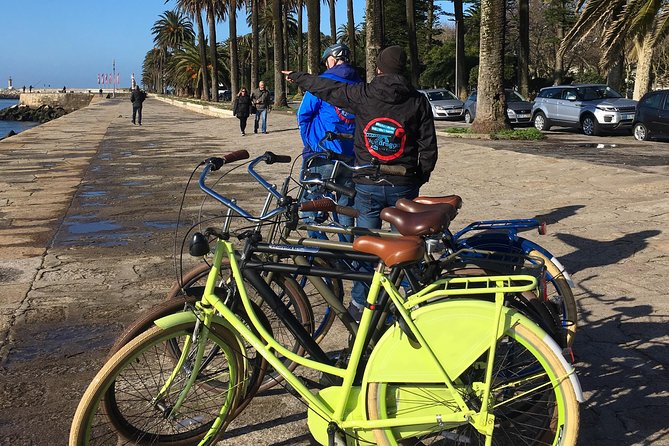
I especially like the Douro riverside views and the way the route mixes famous sights with local streets instead of repeating the same postcard angles. The added bike-and-helmet setup time makes it feel smoother than showing up and guessing.
One consideration: Porto traffic and cobblestones can make riding feel intimidating if you are new to bikes. A few riders also note the pace can depend on the group, so nervous or slower-rollers might want to brace for some stop-and-start.
In This Review
- Key things I’d watch for before you book
- A 3-hour Porto bike loop that avoids sightseeing overload
- Start point at Bluedragon City Tours: bikes, helmets, and a real setup lesson
- Ribeira along the Douro: where Porto’s character shows up fast
- Alfândega Nova do Porto: the customs house stop that adds real context
- D. Luís I Bridge: concrete arch engineering and the river crossing feel
- Riverside garden retreat: a pause with views instead of more sprinting
- City Park near the Atlantic: history, forts, and a big green space
- Porto biking reality check: when this tour feels easy and when it feels not
- Fit and riding standards to know
- Guides who turn facts into fun: Sophia, Igor, Fabio, and the safety factor
- Value: what you get for about $47.16 and why it can be worth it
- Who this Porto bike tour is best for
- Should you book this Porto Old Town and Riverside Bike Tour
- FAQ
- How long is the Porto Old Town & Riverside Bike Tour?
- How much does the tour cost?
- What language is the tour offered in?
- Where does the tour start?
- What’s included in the price?
- What isn’t included?
- Is there a limit on group size?
- Does the tour run in rain?
- Are there any height or weight requirements?
- What fitness level do I need?
Key things I’d watch for before you book
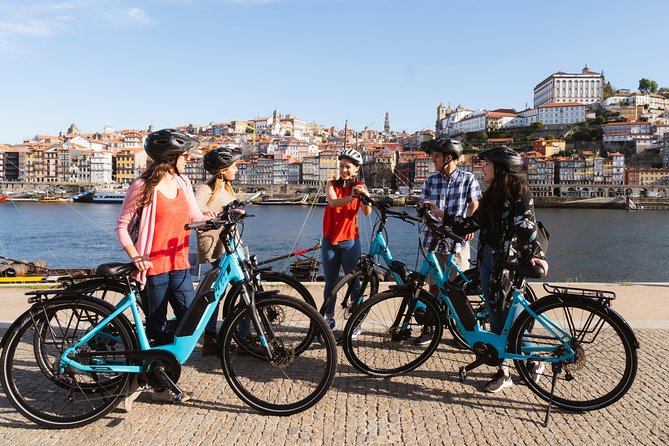
- Small-group feel (max 15): easier to hear the guide and easier to keep together.
- Bike setup first: seat adjustment and a quick riding lesson before you roll out.
- UNESCO-grade streets on wheels: the Ribeira area along the Douro is a main draw.
- Bridge-and-customs storytelling: the New Porto Customs House and D. Luís I Bridge details add context.
- Atlantic-side park time: the City Park area stretches toward the ocean, giving Porto a rare “park at the water” vibe.
A 3-hour Porto bike loop that avoids sightseeing overload
This tour is built for people who want a lot of Porto in a short window without cramming themselves into a coach seat. You’re out for about 3 hours, and the itinerary is spaced with stops for explanations and photos, so it doesn’t feel like a blur of motion.
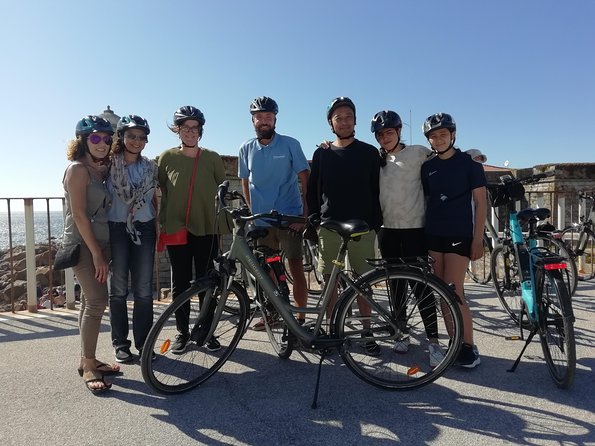
A big practical win is the small max group size (15). Smaller groups tend to mean fewer gaps in the line, better communication, and less waiting when the route narrows. If you’re the type who likes getting your bearings fast, this is the kind of ride that helps you understand where things are before you start walking the city on your own.
It also tends to book up ahead (about 30 days in advance on average), so if your dates are fixed, don’t treat it like a last-minute option.
You can also read our reviews of more cycling tours in Porto
Start point at Bluedragon City Tours: bikes, helmets, and a real setup lesson
You meet at Bluedragon City Tours, R. de Alexandre Herculano 251, 4000-053 Porto. The tour ends back at the same place, which keeps the day simple.
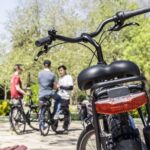
Before anyone rolls into traffic, there’s a dedicated first stop for:
- getting bikes explained
- adjusting seats
- a general briefing and adaptation lesson
- helmet use
That’s not fluff. Porto can be a little demanding for cyclists (tight streets, curves, uneven surfaces), and having your bike fitted before you ride helps you stay comfortable and controlled.
If you’re taller or have a tricky fit, pay attention: at least one rider said they appreciated being given a smaller bike to feel safe and comfortable. That’s a hint that the staff try to match equipment to the rider, not just hand out any random model.
Ribeira along the Douro: where Porto’s character shows up fast
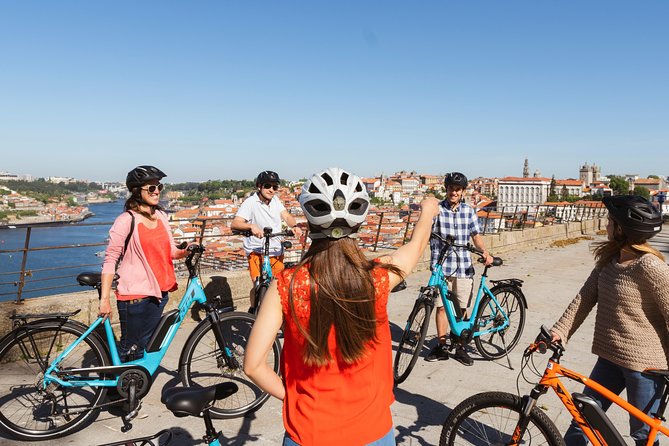
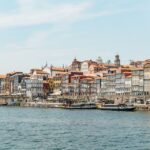
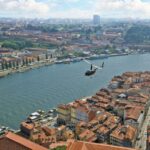
Once you’re rolling, the ride centers on the river story. Your stops include Ribeira, one of Porto’s oldest and most typical areas, right along the Douro River.
Ribeira is where Porto’s layout makes immediate sense. You see how the historic core clings to the water, and you get a sense of why the river mattered for trade and growth. On a bike, you cover more ground than a walking circuit, but you’re still outside—meaning you get the sound of the streets and the river air instead of the view from behind a window.
Practical reality check: Ribeira and the surrounding roads can include cobblestones and tight spots. If you’re prone to feeling shaky on uneven ground, take it slow when the group slows and keep both hands ready on the handlebars.
Alfândega Nova do Porto: the customs house stop that adds real context
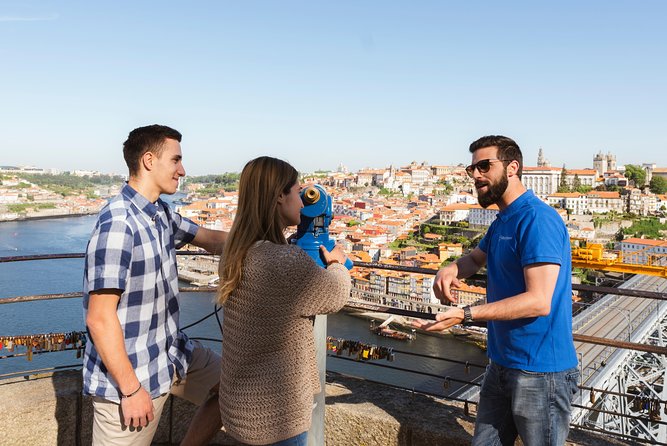
A major highlight is Porto Customs House (Alfândega Nova do Porto). The site has an actual historical backbone, built in the second half of the 19th century, completed in 1879. It was associated with Seyrig Incorporation, the same company linked to the D. Luís I iron bridge story in Ribeira.
This stop matters because it turns Porto from a “pretty city” into a city with business and engineering behind the postcard walls. You understand that the river wasn’t just scenery—it was the backbone of shipping and commerce.
One thing I like about this approach is that the guide isn’t only pointing out buildings. The storytelling gives you hooks you can reuse later while you wander. Even if you skip museums, you’ll still understand why the city looks the way it does.
D. Luís I Bridge: concrete arch engineering and the river crossing feel
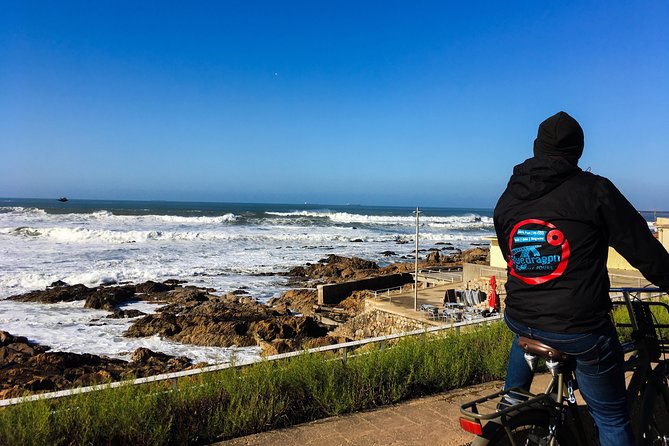
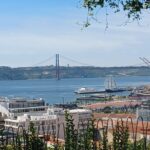
Next up is the bridge story. Your route includes a stop tied to the D. Luís I Bridge and the connection between Porto and Vila Nova de Gaia.
Here’s the standout engineering detail you’re given: when the bridge construction was completed in 1963, it had the biggest concrete arch in the world at the time. That kind of specific stat helps the stop stick in your mind, and it gives you something to look for when you’re standing near the span.
You also get river views from the moving bike line. It’s not just “look at the bridge.” It’s “see how the bridge sits in the urban puzzle next to the Douro,” which is exactly the kind of understanding that makes later sightseeing easier.
You can also read our reviews of more guided tours in Porto


Riverside garden retreat: a pause with views instead of more sprinting
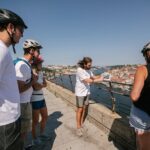
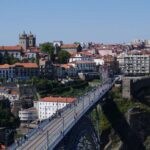
After the heavier landmark stops, the tour shifts into calmer mode with a peaceful riverside garden retreat. The focus here is lush greenery and stunning views of the Douro River and the D. Luís I Bridge.
This break is more than a rest stop. It’s a chance to breathe, regroup, and let your eyes reset from city walls and road surfaces. On a bike tour, that kind of scenic pause can make the whole experience feel less exhausting, even if the ride itself is active.
If weather is wet, this area also becomes a good reminder to go slow: slick paths can feel extra slippery near river areas. Dress for rain since the tour runs in rain.
City Park near the Atlantic: history, forts, and a big green space
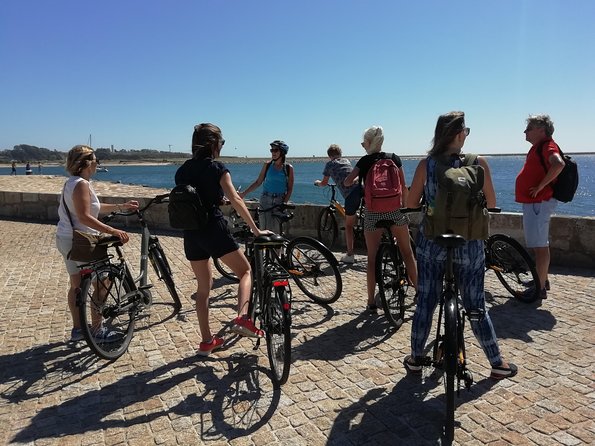
Toward the later part of the route, you reach the City Park, described as the largest urban park in Portugal at 83 hectares, stretching as far as the Atlantic Ocean. That detail alone is unusual. Most European cities have big parks, but not ones that feel like they’re reaching toward the sea.
You’ll also hear time-period context tied to settlement and fort building: the first settlement is noted as the 6th century, and then King John IV ordered a new fort construction in the 15th century.
That timeline is useful because it changes how you read the space. Instead of “green park,” you start thinking “defensive ground and historical layers,” which makes a stroll feel more meaningful.
One rider reported that the ride can extend very far toward the coast, even as far as Praia da Luz. That suggests routes can vary a bit depending on conditions and cycling flow, so be prepared for a longer coast-side feel if your group’s timing allows it.
Porto biking reality check: when this tour feels easy and when it feels not
Porto is famous for hills, and the tour is designed to handle them. A number of riders mention electric-assist bikes making the hills much easier. If your bikes are electric-assist on your departure, you’ll likely feel less strain on climbs and more confidence on longer stretches.
Still, there are two practical riding considerations:
- Traffic and street mixing: one rider warned that it can mean biking among cars and construction because bike lanes aren’t always present.
- Uneven surfaces and downhill coasting: cobblestones can be bumpy, especially when you’re heading downhill and need to brake more than expected.
Also note the tour operates in rain. That’s not a “maybe.” It’s part of how the day runs. Wear what you can stay comfortable in even if roads get slick.
Fit and riding standards to know
This tour requires:
- height between 1.3 meters and 118 kg max
- moderate physical fitness
- ability to properly ride a bicycle and be reasonably competent on roads
The company states it may cancel if you can’t ride properly, and that’s worth taking seriously rather than assuming you’ll “figure it out” on the spot.
Guides who turn facts into fun: Sophia, Igor, Fabio, and the safety factor
If you want the main reason this tour scores so high, it’s the guide experience. The pattern across the tour feedback is consistent: guides are friendly, funny, and tuned into safety.
A few examples that come up repeatedly:
- Sophia gets praise for being funny and kind, with city history that feels engaging rather than like a lecture.
- Igor is singled out for leading smoothly through Porto streets, answering questions, and making everyone feel comfortable.
- Fabio earns strong marks for managing the group effectively, even when someone in the group felt nervous.
- Miguel Curval stands out for adding thoughtful moments like a morning tea break and even remembering everyone’s order, plus sharing follow-up info by email.
And beyond the big names, riders also mention practical help: one guide stopped for a chain issue and fixed it quickly, and another helped adjust bike choices to fit the rider better.
That matters because Porto biking is not only about the route. It’s about how you’re handled while riding through real city movement—traffic, tight turns, and close pedestrian zones.
Value: what you get for about $47.16 and why it can be worth it
At $47.16 per person for roughly 3 hours, you’re paying for more than scenery. The tour includes:
- a local guide/storyteller
- bike + helmet
- a general briefing and bike adaptation lesson
- a 3-hour guided ride with live commentary
- company liability and personal injury insurance
What’s not included: entrance fees and hotel pickup/drop-off.
In plain terms, you’re trading DIY planning time for a structured route, equipment, and someone to explain what you’re seeing while you move. For first-time visitors, that time-saving can be real value. For repeat visitors, it’s still useful because the route stitches together engineering landmarks, UNESCO-level old streets, and riverside/Atlantic park scenery in one session.
Who this Porto bike tour is best for
This tour fits best if you:
- want a first orientation to Porto that includes the Douro and old core areas
- enjoy short stops for stories and photos while you ride
- are comfortable riding on roads and can handle uneven surfaces
- like traveling with a small group (max 15)
It may not be the best pick if you:
- are very nervous around cars or city traffic
- can’t ride consistently or don’t feel steady on uneven ground
- need a highly accessible route with no road-bike challenges (the operator sets standards and may cancel if riding ability isn’t sufficient)
- have restrictions such as prosthesis or incapacity concerns (the tour is not recommended for those cases)
Should you book this Porto Old Town and Riverside Bike Tour
I’d book it if you want a smart mix of Porto’s riverfront, UNESCO old-town streets, and big landmark stops without spending your whole day in transit or guessing what to see. The bike setup, the riverside views, and the way guides like Sophia, Igor, and Fabio turn details into stories are the kind of combo that makes a short tour feel worth it.
I’d think twice if you’re new to riding in traffic or you hate cobblestones. If that’s you, look for a more beginner-friendly route or go slowly in the group so you don’t feel rushed by the pace.
Either way, bring rain gear and plan for real street riding, not a bike path cruise.
FAQ
How long is the Porto Old Town & Riverside Bike Tour?
It lasts about 3 hours.
How much does the tour cost?
The price is $47.16 per person.
What language is the tour offered in?
The tour is offered in English.
Where does the tour start?
The meeting point is Bluedragon City Tours, R. de Alexandre Herculano 251, 4000-053 Porto, Portugal.
What’s included in the price?
A local guide/storyteller, bike and helmet, bike briefing and adjustment lesson, and the 3-hour guided bike tour with live commentary. It also includes company liability insurance and personal injury insurance.
What isn’t included?
Hotel pickup and drop-off, and entrance fees.
Is there a limit on group size?
Yes. The tour has a maximum of 15 travelers.
Does the tour run in rain?
Yes, it operates in the rain, so you should dress accordingly.
Are there any height or weight requirements?
Yes. Participants must be at least 1.3 meters tall and no more than 118 kg.
What fitness level do I need?
The tour calls for moderate physical fitness, and you must be able to properly ride a bicycle and be reasonably competent to ride on the road.