REVIEW · PORTO
Secret Sites of Porto 3-Hour Walking Tour
Book on Viator →Operated by The Other Side Tourism Company · Bookable on Viator
Porto feels best when someone points out what to notice. This 3-hour walking tour gives you that fast, practical orientation, with a local guide and just enough stops to turn first-timer confusion into clear routes. Guides like Katarina and Diana (both mentioned in reviews) are the kind of people who make the city feel personal, not just postcard-perfect.
I especially like the way it mixes major icons with the in-between streets. You’ll see skyline moments from the Clérigos Tower area, then shift gears to the tiled storytelling at São Bento Station, plus a classic bookshop stop that many people only know from photos.
The one thing to plan for: several highlights along the way are famous for a reason, but their entry tickets aren’t included (like Clérigos Tower, Livraria Lello, and Sé do Porto). You’ll decide on the spot whether you want to pay for those views and interiors.
In This Review
- Key things to know before you go
- A 3-Hour Walking Tour That Gets Porto Right
- Where You Start: From Fonte dos Leões to the Luís I Bridge finish
- Igreja do Carmo to Clérigos Tower: Porto’s church façades and big skyline payoff
- Livraria Lello: a bookshop stop that’s more than a photo stop
- Praca da Liberdade and São Bento: the square and the tile storytelling
- Sé do Porto terrace views and the Luis I Bridge finish
- Price and value: what you pay for, what you’ll still likely add
- Pace, timing, and how to make it enjoyable
- Who should book this Porto secret-sites walk?
- Should you book Secret Sites of Porto?
- FAQ
- What’s the duration of the Secret Sites of Porto walking tour?
- How much does the tour cost?
- Is the tour in English?
- What’s included in the price?
- Which attractions have admission tickets not included?
- Where do you meet and where does the tour end?
- Is there a tile-related stop that has weekday or weekend limits?
Key things to know before you go
- Small-group size (max 10): easier questions, less crowd pushing, and more time for the guide to explain what you’re seeing.
- Morning or afternoon departures: you can match it to your day and avoid losing prime time elsewhere.
- English-guided with stories: you get the why behind the scenes, not just the what.
- Tile focus in Porto: São Bento’s tile walls, plus a tile-collection site called the Bank of Tiles (closed Sundays).
- Views built into the route: tower viewpoints and Sé do Porto’s terrace come up before you reach the riverfront.
- Custard tart included: the local snack comes with the ticket, so you don’t have to budget for it separately.
A 3-Hour Walking Tour That Gets Porto Right

Porto can look like one long list of must-sees. This tour turns that list into a walkable story. In about three hours, you get a feel for where you are, how the neighborhoods connect, and which landmarks matter most for photos and first impressions.
I like that it’s not a “stand in one place and wait” tour. You’re moving through real city streets, and the pacing is quick enough that you’ll cover a lot without feeling rushed off a cliff. One review mentioned that Diana walks fast, and that matches the vibe here: it’s efficient, not aimless.
Also, the size helps. With a maximum of 10 people, you’re not trying to talk over a conga line. You’re more likely to hear the details and ask a question when something catches your eye.
You can also read our reviews of more walking tours in Porto


Where You Start: From Fonte dos Leões to the Luís I Bridge finish
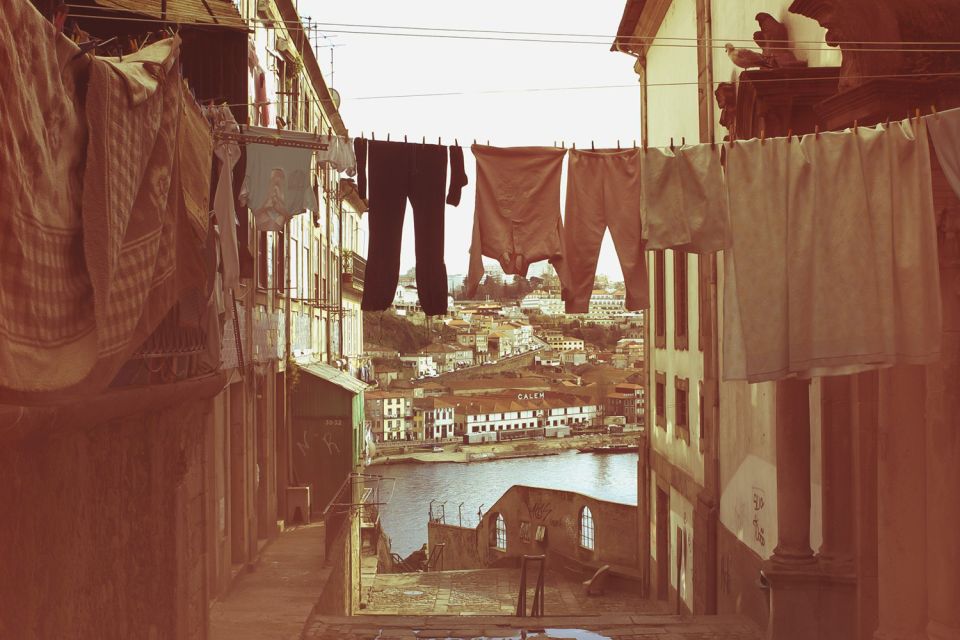
The walk starts at Fonte dos Leões (Praça de Gomes Teixeira 10) and ends at Luís I Bridge. That setup matters because it slowly guides you from the city’s central energy toward the river views that people come for.
The meeting point is practical. It’s near public transportation, which helps if your arrival timing is messy (and travel timing often is). You’ll also get a mobile ticket, which saves you from digging through email printouts like it’s 2012.
And yes, there’s a fixed endpoint. You’re not stuck doing the “walk back the same way” thing. You finish where Porto’s waterfront energy takes over, so you can keep exploring after the tour with less backtracking.
Igreja do Carmo to Clérigos Tower: Porto’s church façades and big skyline payoff
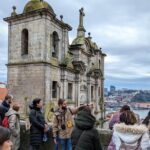
Stop one is Igreja do Carmo. Admission is free, and that’s a nice way to start because you’re immediately in the feel of Porto—stone, detail, and the city’s strong religious architecture tradition. Even if you only give it a short look, the guide’s context helps you understand what you’re seeing instead of just noticing it’s pretty.
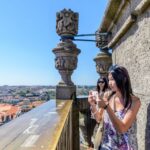
Then you head to Torre dos Clérigos. This is the moment most people picture: an iconic tower with a view that’s one of Porto’s best. The tower is original from the 18th century, so it’s not just a modern viewpoint—it’s a historical landmark doing the job of showing off the city.
Two practical notes:
- The tower entry isn’t included, so if you want the climb/views you’ll likely pay separately on the day.
- The stop is short, so decide early if you’re the type who wants to go up or prefer staying at street level soaking in the panorama.
Livraria Lello: a bookshop stop that’s more than a photo stop
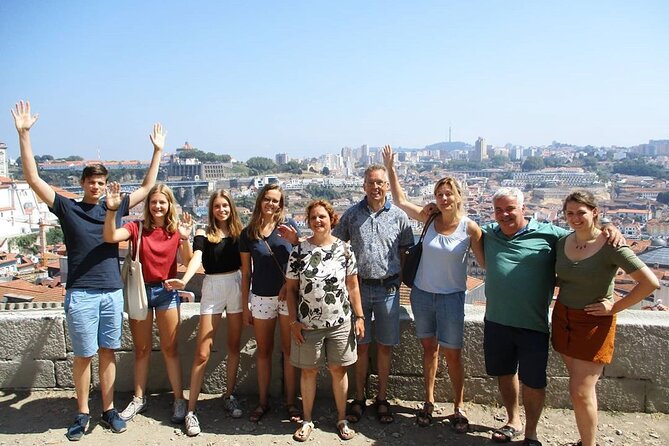
Next up is Livraria Lello. It’s considered one of the most beautiful bookshops in the world, and Porto uses that reputation for good reason. But the value here isn’t only the building. It’s the guide explaining its origin and what makes it special.
The admission ticket isn’t included, so expect to make a choice. If you’ve wanted to see the interior, this is a straightforward time to do it. If you’re more interested in the city itself than the shop, you can still enjoy the storytelling and the exterior energy without paying.
One of my favorite travel lessons is this: some places are famous because they’re visually striking, but you only get the full effect when someone explains what was going on when the building was created. That’s the role this stop plays in the tour.
Praca da Liberdade and São Bento: the square and the tile storytelling
Praca da Liberdade comes next—a central square full of historic architecture and street-life atmosphere. This is a breather stop, but not a wasted one. Squares like this help you understand how Porto’s city center frames movement: where people gather, where key paths intersect, and why certain streets feel like they matter.
Then comes São Bento Railway Station, and this stop is pure Porto. The station interior is covered in thousands of tiles that tell parts of Portuguese history. You’re not looking at random decorations—you’re looking at a visual timeline spread across walls.
Here’s where I think you’ll notice the tour’s “local guide” advantage. A good guide doesn’t just point at tiles and move on. They connect what you’re seeing to the larger story of the country and the city. That makes the tile walls feel like something you can actually read, not just something you photograph.
Also, the Bank of Tiles may come into play. Reviews specifically mention it: a place where tiles taken from buildings before demolition are kept and made available for anyone building in old city sections. One practical detail: the Bank of Tiles is closed on Sundays, so if your tour falls on Sunday, don’t assume that specific tile-related moment will happen.
You can also read our reviews of more tours and experiences in Porto





Sé do Porto terrace views and the Luis I Bridge finish
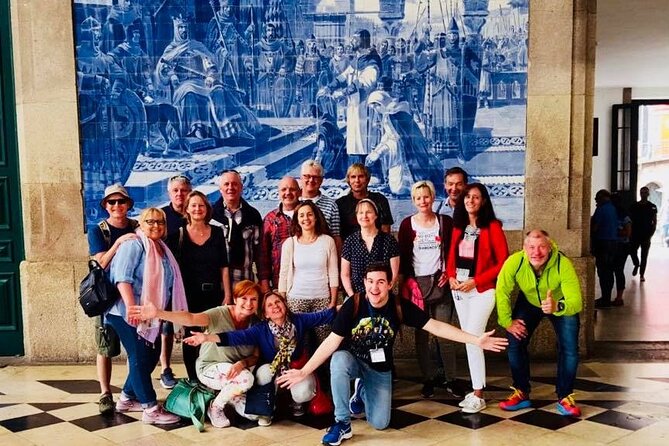
The next major stop is Catedral do Porto (Sé do Porto). This is the big one for architecture variety—multiple styles show up in one place. It also has a terrace, and the views from there are among the best ways to understand Porto’s shape.
Admission isn’t included here either, so you’ll decide whether to pay for access. If you do, you’ll likely feel how the city layers on top of itself—ridges, river, and the neighborhoods stacking toward viewpoints.
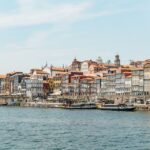
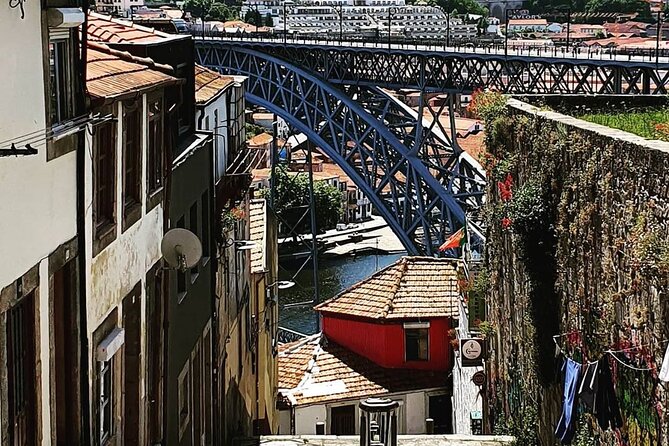
Finally, you reach Luís I Bridge, built in the 19th century. It’s iron, it’s iconic, and it’s the kind of structure that looks engineered and elegant at the same time. The bridge stop is free entry, which is great because it means you can enjoy the landmark without adding extra costs at the end.
This ending also works because it sets you up for more exploring. Once you’re at the bridge, you’re where Porto’s riverfront routes start feeling easy. You can keep walking, grab a drink, or just watch the city traffic and boats for a while.
Price and value: what you pay for, what you’ll still likely add
At $46.85 per person for about three hours, this tour sits in the mid-range for walking tours in major European cities. The value is less about visiting seven stops and more about the guide experience plus the structure.
Here’s what you get included:
- A local guide accompaniment
- A custard tart tasting
Not included:
- Beverages
- Admission tickets for some big-name stops (notably Clérigos Tower, Livraria Lello, and Sé do Porto)
For me, the easiest way to judge value is to think about your likely behavior. If you tend to enter viewpoints and interiors, then the tour’s ticket becomes a “guided access plan” that bundles time efficiently. If you’d rather look from outside and skip paid entries, you might feel the value is more about orientation and tile focus than about interior access.
Also, small groups matter here. Maximum 10 travelers is not just a comfort perk—it changes the quality of explanations and how easy it is to move together without constant regrouping.
Pace, timing, and how to make it enjoyable
The tour is designed to fit in one focused chunk of your day. On average, it’s booked about 31 days in advance, so it’s a popular way to get your bearings quickly. You can choose a morning or afternoon departure, which is useful if you want to schedule paid attractions when lines and light feel best.
Pace is the main “how it feels” factor. The walk is quick enough that you’ll cover ground in a short time, and one review specifically praised Diana’s fast walking pace. If you like slow sightseeing with long stops, you might need to adjust your expectations or be selective about entry decisions at the paid stops.
Quick tip: wear shoes you can walk in for a solid stretch. This isn’t a sit-and-stroll tour. It’s a “walk, look, listen, move” kind of experience.
Who should book this Porto secret-sites walk?
This tour is a strong fit if you want:
- A fast orientation to Porto before you start your own wandering
- A guide who can point out what to notice in churches, squares, and tile walls
- A structured route that ends at Luís I Bridge, so your day naturally continues afterward
- A small group vibe (max 10), with English guidance and time for questions
It may not be ideal if you hate walking and want long stops, or if you strongly prefer only free attractions. Since several headline stops require separate entry, you’ll want to decide in advance if you’re willing to pay those on the day.
Should you book Secret Sites of Porto?
I’d book it if you’re arriving in Porto and want to compress the best “first look” moments into one efficient afternoon or morning. The guides highlighted in reviews—Katarina and Diana—sound like the real engine here: engaging stories, real city streets, and a knack for showing details that make Porto feel specific instead of generic.
If you’re the type who often skips paid entrances, you can still enjoy the walk for tile focus, church architecture outside/inside short looks, and the city-center rhythm. Just don’t expect every iconic site along the route to be included without extra cost.
If you’re ready to pay for a few highlights and you like learning as you walk, this tour is a smart way to start.
FAQ
What’s the duration of the Secret Sites of Porto walking tour?
It lasts about 3 hours.
How much does the tour cost?
The price is $46.85 per person.
Is the tour in English?
Yes, it’s offered in English.
What’s included in the price?
You get a local guide accompaniment and a custard tart tasting.
Which attractions have admission tickets not included?
Clérigos Tower, Livraria Lello, and Sé do Porto have admission tickets not included.
Where do you meet and where does the tour end?
You start at Fonte dos Leões (Praça de Gomes Teixeira 10, 4050-161 Porto) and end at Luís I Bridge (4000 Porto).
Is there a tile-related stop that has weekday or weekend limits?
The Bank of Tiles is closed on Sundays.