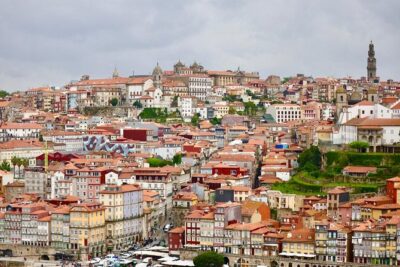
Porto makes more sense on foot. This small-group walk stitches together the city’s turning points—church power, politics, wars, and the view from the top—without wasting time. You’ll get a clear, easy introduction to what makes Porto feel like Porto, not just another European city.
I like that the route is geographically logical: you move through the historic core and end somewhere iconic. I also like the human pace, with guides such as Nuno, Sid, and David showing up with stories you can ask questions about, plus a port-tasting break that feels built into the experience instead of tacked on.
One thing to keep in mind: Porto’s streets are often steep and cobbled, so you’ll want comfortable shoes and a willingness to climb. If the weather turns nasty, the tour depends on good conditions to run.
In This Review
- Quick hits: what stands out on this Porto walk
- Why a 3-hour Porto walking tour is the right move
- From Rua de São Filipe de Nery to Praça Ribeira: the route’s shape
- Sé area start: the meaning of Porto’s old heart
- Jardim da Cordoaria and the Tribunal do Porto: politics in plain sight
- Clérigos Tower and the Ex-libris vibe: a landmark with a story
- Miradouro da Vitória: views plus the 19th-century plot
- Avenida da Liberdade to São Bento: where the walk ends with style
- Port tasting and the small, useful things you’ll actually use
- Price and value: why $24.14 can make sense
- What the guide brings: Nuno, Sid, David, and the difference it makes
- Who should book this Porto walking tour
- Should you book this Porto walking tour?
- FAQ
- How long is the Porto Walking Tour?
- What language is the tour offered in?
- How much does the tour cost?
- Where does the tour start and where does it end?
- Is port tasting included?
- How big is the group?
- What if the weather is poor?
- Do I need a printed ticket?
- Are service animals allowed?
- Is free cancellation available?
Quick hits: what stands out on this Porto walk
- Small group (max 15) means more time for questions and fewer “watch and don’t ask” moments
- 3 hours on foot gives you a fast, high-impact orientation if you’re short on time
- Port tasting with a light snack is part of the flow, not an add-on afterthought
- Key sights in one line: Sé area → Clérigos zone → Miradouro da Vitória → São Bento Station
- Big story themes come with real places: Salazar-era Portugal and 19th-century conflict are explained in context
- End inside São Bento Station where the tiles and architecture do most of the talking
Why a 3-hour Porto walking tour is the right move
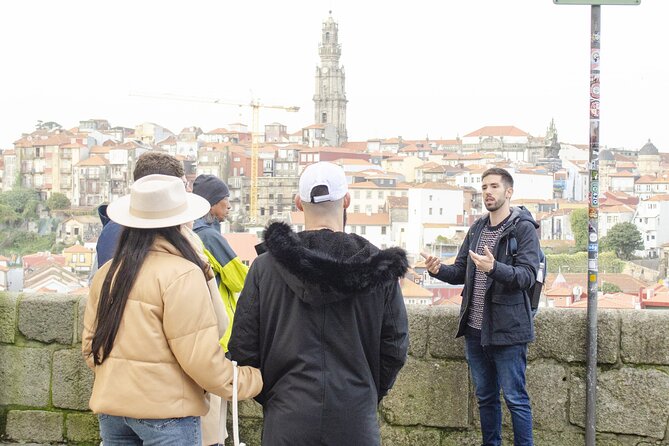
If Porto is your first stop in Portugal, you’ll probably want two things: orientation and stories. This tour gives you both in a tight, walkable loop. You start in the historic center and end near the Douro, finishing at São Bento Station, one of the most beautiful train stations in Europe.
The big win here is focus. You’re not trying to “check off” every church and every viewpoint. Instead, you connect landmarks to the forces that shaped the city—religion, political power, and the long shadow of conflict. That turns Porto from pretty scenery into something you can actually understand.
And because the group is capped at 15, the experience stays personal. On past departures, guides such as Nuno and David have been praised for being friendly and funny, while Sid has been singled out for stopping when you want to look closer and for answering questions in a real back-and-forth way.
You can also read our reviews of more walking tours in Porto



From Rua de São Filipe de Nery to Praça Ribeira: the route’s shape
The tour begins at Rua de São Filipe de Nery (Porto) at 10:00 am, and it finishes at Praça Ribeira, next to the Douro River. That matters because it puts you in the city’s historic rhythm. You’ll be walking through the old quarters where most of the drama happened, and you’ll end where the views and river energy pick up.
Also, the timing helps. A 10:00 start means you can use the walk as your “first activity,” then spend the rest of your day eating, wandering, and revisiting what grabbed you. More than one guide-led experience has been described as a fantastic introduction for short stays, and I get why. You leave with a mental map, plus practical recommendations for where to go next.
You should plan for stairs and changes in elevation. Porto doesn’t do flat. Even when the route is efficient, you’ll still feel the hill factor. That’s not a dealbreaker, but it’s a planning detail you’ll be glad you noticed early.
Sé area start: the meaning of Porto’s old heart
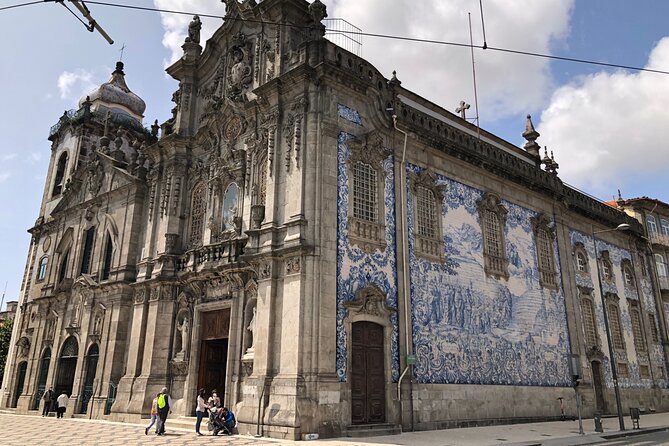
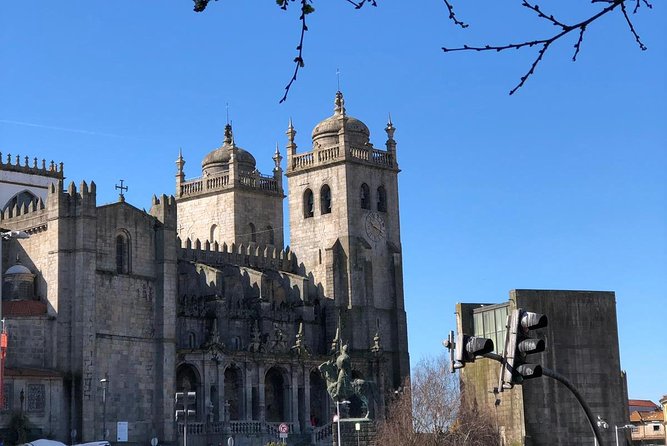
The tour’s first major stop happens near the Porto Cathedral (Sé do Porto). This is a smart starting choice because Sé anchors the city’s timeline. You’re not just staring at a building; you’re using it as a launch point for understanding how Porto developed.
You’ll hear about the history of Portugal and the city of Porto, and then you move into the older neighborhood where tradition still shows up in day-to-day life. That’s the kind of start that helps you avoid the common beginner trap: wandering without knowing what you’re looking at.
If you like conversations over lectures, this part tends to work well. Guides on this route often connect architecture to ideas—why places exist, who used them, and what power looked like in street-level terms. It’s also a good moment to ask basic questions, because you’re fresh and still building your bearings.
Jardim da Cordoaria and the Tribunal do Porto: politics in plain sight
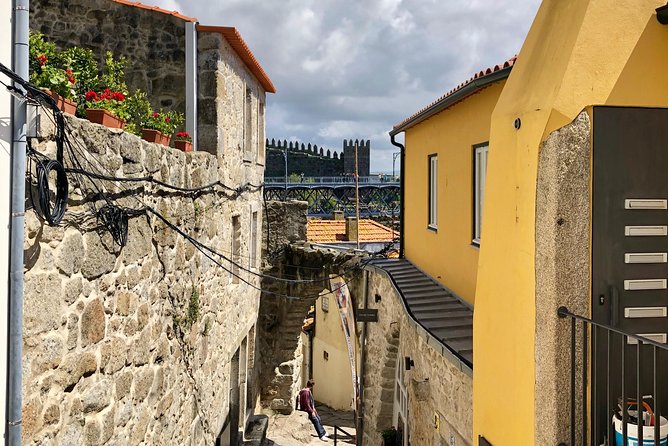
After Sé, you head toward Jardim da Cordoaria and the Tribunal do Porto area. This is where the tour shifts from “look at this” to “why it matters.” The guide talks about the dictatorship of Salazar, and the conversation is grounded in place.
This approach is valuable because it stops history from becoming abstract. You’re not reading dates; you’re tying them to the kind of institutions and power structures that shaped daily life. Even if you only remember a few key points, you’ll start noticing how the city’s official buildings and religious spaces relate to political control.
One practical note: you’ll likely do more walking segments between stops here than you would on a tour that relies on frequent transit. If your legs get tired fast, bring a slow-and-steady mindset. This is still meant to be manageable for most people, but Porto’s pace is walking pace, not bus pace.
Clérigos Tower and the Ex-libris vibe: a landmark with a story
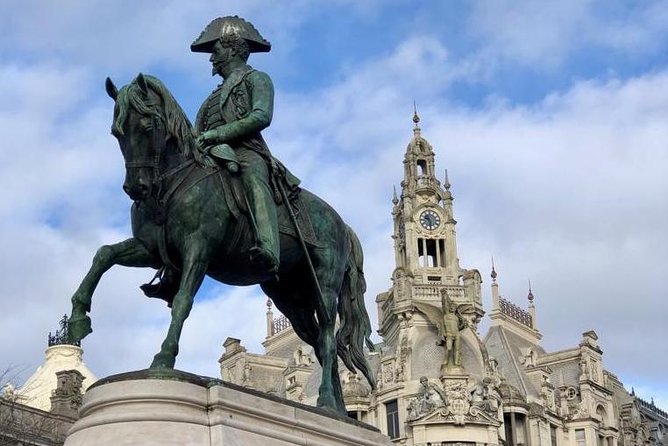
Next comes the area around the Torre dos Clérigos. Porto’s tower is the kind of landmark you spot from far away, but the tour frames it beyond the postcard image. You’ll learn why the Clérigos zone matters—religious influence, city identity, and how the church left physical marks across Porto.
In one itinerary experience, the guide also led participants to the church connected with this area, with access described as a way to avoid lines. Even if you don’t get that exact advantage on every departure, the overall point holds: the guide helps you look at the landmark as a piece of the city’s long power story, not only a pretty view.
Also, this is the stage where people tend to realize the tour is efficient. You’re moving through the historic core in a way that doesn’t feel random. Each stop gives you a new “lens,” and then the next stop builds on it.



Miradouro da Vitória: views plus the 19th-century plot
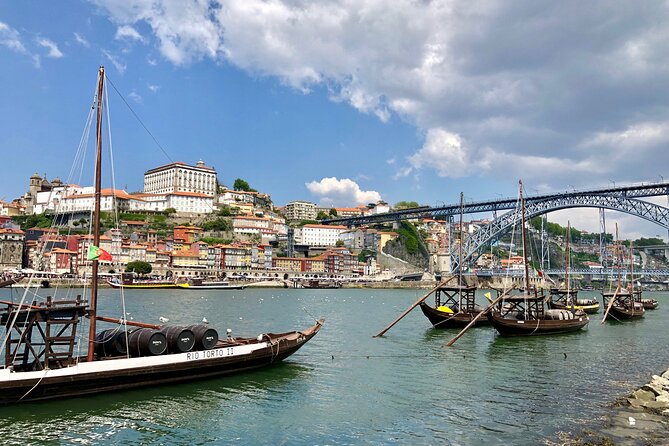
From there, the route climbs to the Miradouro da Vitória. This viewpoint is more than a photo moment. The guide explains the Napoleonic invasion and the Portuguese Civil War of the 19th century, using the city itself as the map.
That’s a smart way to teach. When you look over Porto from higher ground, you start to understand why people fought over key routes and why certain areas mattered more. You can literally see the geography that history used.
And because it’s a viewpoint, it gives you a natural break. You’ll pause, look around, and then continue. It’s also a good checkpoint for asking questions—if you have any confusion about how the religious and political stories interconnect, this is the kind of stop where a guide’s explanation tends to click.
Avenida da Liberdade to São Bento: where the walk ends with style
The final stretch runs along Avenida da Liberdade and finishes inside Estação de São Bento—an old convent turned train station, famous for its tilework.
This is a strong ending because São Bento is both visual and sensory. The azulejo panels tell stories, and the station’s atmosphere makes the walk feel like a complete arc: you started with monumental roots near Sé, then moved through politics and conflicts, and you end in a place where art and history share the same walls.
You’ll also leave with a practical bonus. If you plan to use transit later, you now know where São Bento sits and what it looks like. And if you’re hungry right after, being near the river and central areas is handy for finding food quickly.
Port tasting and the small, useful things you’ll actually use
More than one experience description includes a single glass of port and a light snack, presented as part of the tour rather than a separate event. That’s good value. Port tasting can be a toss-up on tours—either it’s too brief to matter or it turns into a sales talk. Here, the tasting is tied to explanations about how port is made and how to appreciate it.
The key benefit for you: you’ll know what to pay attention to the next time you order a glass. People often want to buy wine or visit a cellar but don’t know what questions to ask. A quick, guided tasting can help you spot things like where you think the quality shows up and what you should look for in terms of style.
Guides also tend to share restaurant tips right after the tasting or near the end of the route. That’s where walking tours can beat guidebooks: you get ideas tuned to your time and your day’s energy level, and you can avoid the most chaotic tourist paths.
Price and value: why $24.14 can make sense
At $24.14 per person for about 3 hours, this tour is priced like a budget-friendly introduction, not a luxury “high-touch” experience. The value comes from three practical pieces:
- You’re getting a guided storyline across multiple major sites, not just a scenic walk
- You’re getting port tasting plus a light snack, which reduces the cost of doing those separately later
- You’re doing it in English with a small group max of 15, so the time isn’t diluted
If you only have a half-day in Porto, paying for orientation can be cheaper than spending those hours wandering without a plan. I like tours like this when they help you avoid expensive time loss—backtracking, missing key neighborhoods, or not understanding what you’re seeing.
In short: if you want a smart first day and you enjoy history that’s tied to streets, this price feels fair.
What the guide brings: Nuno, Sid, David, and the difference it makes
This tour is only as good as the guide, and the repeated theme in the experiences is that guides bring personality and real command of the subject. Names that come up include Nuno, Sid, and David (with at least one mention of Davi). Different people, same outcome: you feel like you’re walking with someone from Porto who’s happy to explain, not someone reading off a card.
That matters because Porto has a lot going on in a small area. If you get a good guide, you’ll leave with:
- context for why church spaces connect to political life
- a sense of where to look next (and where not to waste time)
- an easier route for your own wandering afterward
Even if your group is small, you’ll still want to ask questions. This tour’s format seems designed for that, and the reviews consistently highlight guides who respond thoughtfully and adapt to the pace.
Who should book this Porto walking tour
This one fits best if you:
- want a first-day orientation that covers major sights in a few hours
- enjoy history explained through real places
- want a small group experience in English
- like combining sightseeing with a simple food or drink moment, such as the port tasting
It’s also a good choice for families and mixed ages as long as everyone is comfortable with stairs and uneven pavement. The tour is described as not too strenuous for how hilly Porto can be, but you should still come prepared.
If you’re the type who loves only one narrow theme (say, only wine or only Roman history), you might find the scope broad. But if you want Porto to feel connected, this tour hits the right balance.
Should you book this Porto walking tour?
Yes, if you want a smart introduction to Porto that doesn’t bury you in details. Booking makes sense when you value efficiency, storytelling that connects politics and place, and a small-group walk where you can ask questions.
I’d hesitate only if you strongly dislike hill walking or if weather is unpredictable for your dates. Since this experience depends on good weather, check conditions before you commit. Also, if you want a super slow pace with minimal stairs, you may find Porto’s cobbles a challenge.
If you’re on a tight schedule and want to start your trip with direction, this is the kind of tour that pays off fast.
FAQ
How long is the Porto Walking Tour?
The tour lasts about 3 hours.
What language is the tour offered in?
The tour is offered in English.
How much does the tour cost?
The price is $24.14 per person.
Where does the tour start and where does it end?
It starts at Rua de São Filipe de Nery, Porto, Portugal, and ends at Ribeira Square (Praça Ribeira), next to the Douro river.
Is port tasting included?
Yes. The tour includes a port tasting, described as a single glass of port along with a light snack.
How big is the group?
The tour has a maximum of 15 travelers.
What if the weather is poor?
This experience requires good weather. If it’s canceled due to poor weather, you’ll be offered another date or a full refund.
Do I need a printed ticket?
No. The tour uses a mobile ticket.
Are service animals allowed?
Yes, service animals are allowed.
Is free cancellation available?
Yes. You can cancel up to 24 hours in advance for a full refund. If you cancel less than 24 hours before the start time, the amount paid will not be refunded.