REVIEW · PORTO
Porto: Cálem Cellar with Chocolate, Cheese, and Wine Tasting
Book on GetYourGuide →Operated by Cálem Cellars · Bookable on GetYourGuide
Port wine is better when it has a plan. This Cálem Cellar experience pairs a guided walk through the working cellar and interactive museum with a structured tasting of port, cheese, and chocolate. You’ll learn how Port fits into the Douro Demarcated Region story and how different styles taste and age.
What I really like is the format. You get the educational part in the cellar setting, not just in a classroom, and then the tasting closes the loop with real pairings that help you tell the styles apart. I also like the specific lineup: Cálem Late Bottle Vintage, Cálem Vintage, and a 20-year-old tawny alongside goat cheese, São Jorge cheese, and chocolate.
One thing to consider: the experience is sold as 1 hour, but the day can run longer depending on your group and pace. Also, if you end up in a larger group, it can be harder to hear the guide clearly at every stop.
In This Review
- Key things to know before you go
- Why Calém Cellars is a smart first Port stop in Porto
- What happens before you taste: museum + cellar walkthrough
- The tasting lineup: Late Bottle Vintage, Vintage, and 20-year tawny
- Cheese and chocolate pairings that help you taste the differences
- Pacing and logistics: how to avoid a rushed feeling
- Price and value: is $53 worth it for Porto port tasting?
- Who should book this Cálem Cellar pairing tour
- Final call: should you book it?
Key things to know before you go
- Interactive Museum time: you’ll get a short visit to Cálem’s museum to understand Port making in a simple, hands-on way.
- Active cellar atmosphere: the cellars you walk through are still part of the process, not just a backdrop.
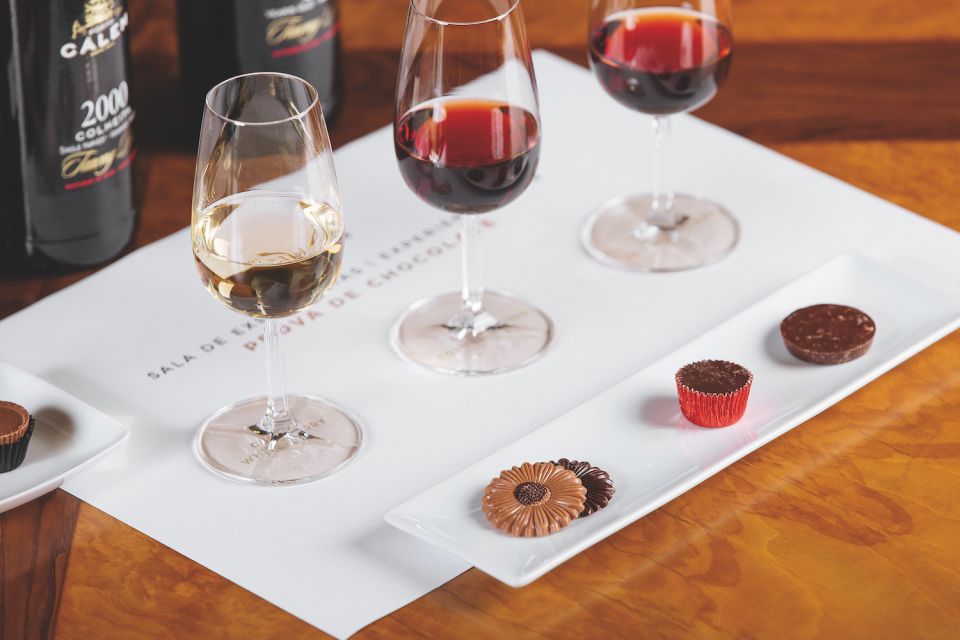
- Three Port styles, one tasting order: Late Bottle Vintage, Vintage, and a 20-year tawny are served in a way that helps you compare them.
- Real pairing foods: goat cheese Transmontano, São Jorge Island cheese, chocolate tartlet, chocolate milk, crackers, and jam are built into the tasting.
- Multiple guide languages: Spanish, French, Portuguese, and English tours are available with live guides.
- Food-allergy heads-up: milk, dried fruits, soy, nuts, and eggs are listed allergens.
Why Calém Cellars is a smart first Port stop in Porto
Porto can feel port-heavy fast. You’ll see Port bottles everywhere, but this tour does something useful: it turns the tasting into a learning exercise you can remember later when you shop.
Cálem Cellars is also a comfortable starting point if you’re new to Port styles. You’re not asked to memorize a wine encyclopedia. Instead, you learn the basics of how Port is produced in the Douro story, then taste three distinct expressions so you can recognize the differences in fruit, wood, and aging.
And yes, it’s also a foodie-friendly setup. You’re not just sipping. You’re eating small pairing bites designed to work with Port, so you get instant feedback from your own taste buds.
You can also read our reviews of more food & drink experiences in Porto


What happens before you taste: museum + cellar walkthrough
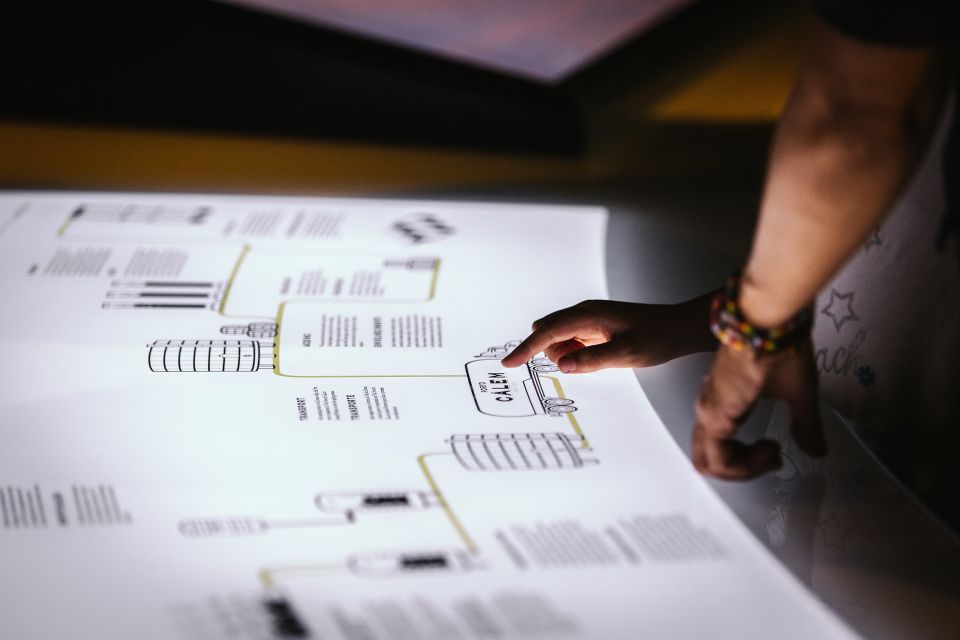
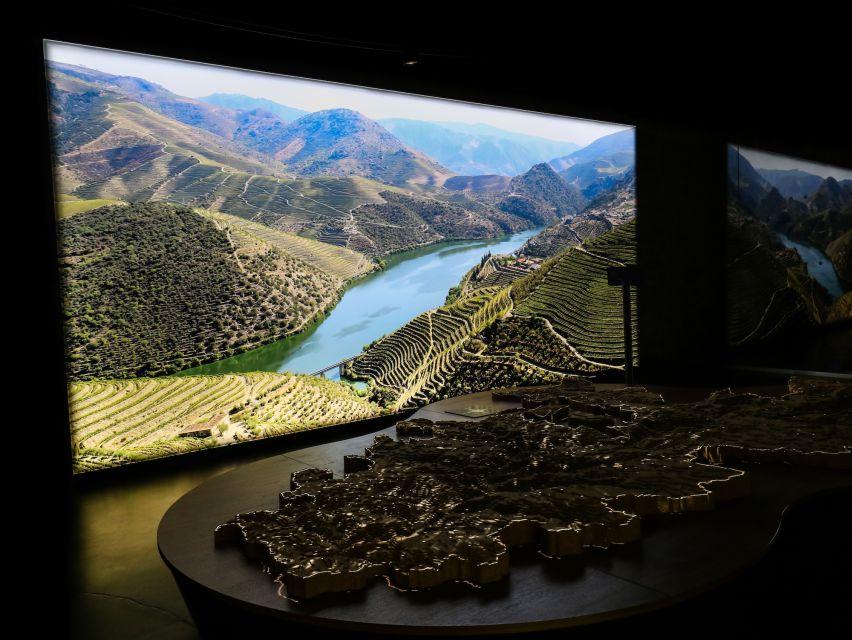
Your visit starts with the Cálem Interactive Museum, where Port making is explained in a way that’s easier to grasp than a straight lecture. Think of it as your orientation to the process: where grapes fit, how Port becomes Port, and why the region matters.
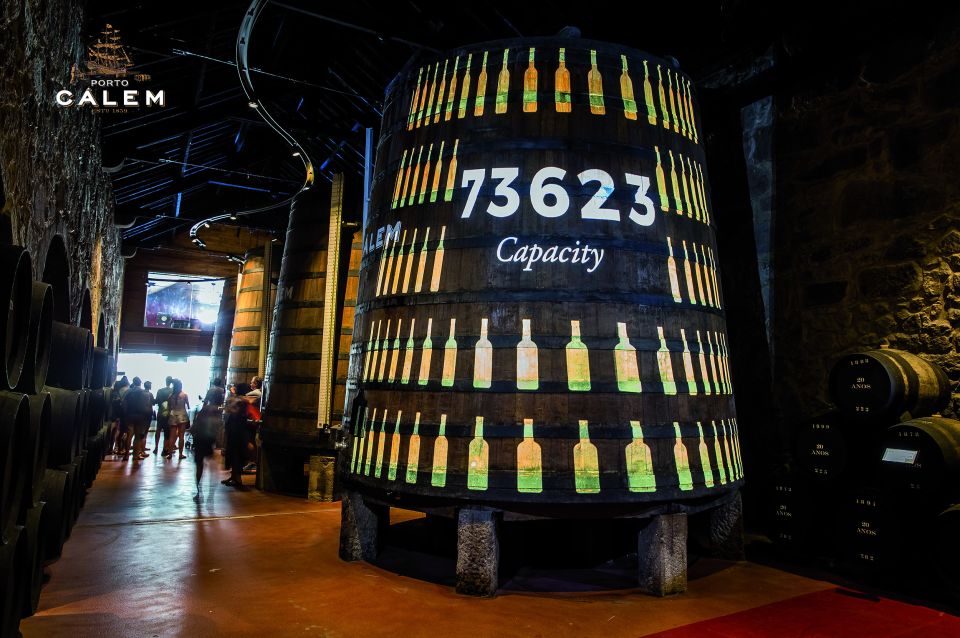
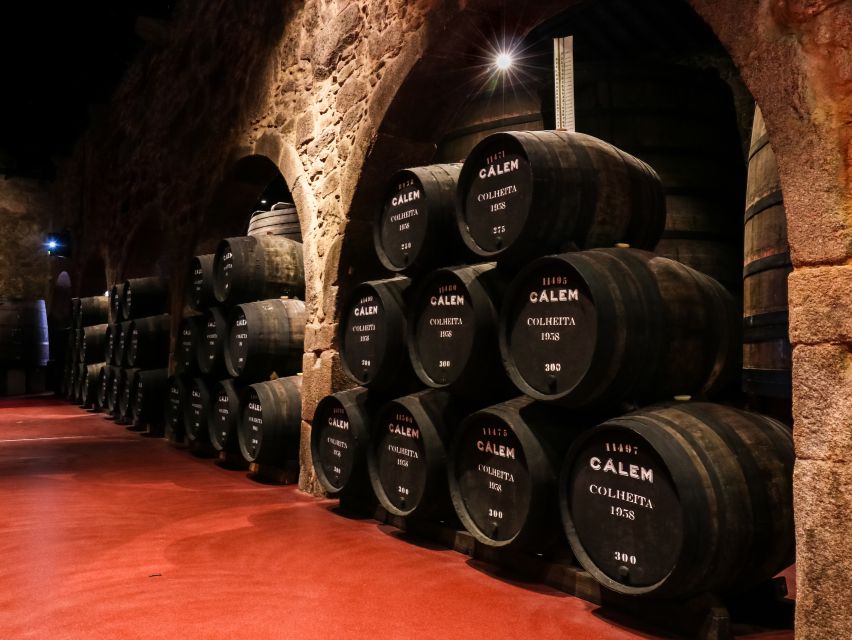
Then you head into the cellars for the guided part of the tour. The point here is to connect the big picture to the physical reality of Port production. You’ll learn about the Douro Demarcated Region and how Port is produced, plus the history of the house. The cellars themselves stay active and visitable, which makes the whole thing feel grounded.
One practical note: the tour time is tight. Some people find the cellar section a bit long or less engaging, and a few also mentioned that the hearing and visibility can be tricky when there are many groups moving through space at once. If you care about asking questions, try to position yourself close to the guide early.
Guide quality seems to vary by departure, but the good ones really lift the experience. Names that have come up positively include Matthew, Anna, Anastasia, and Slimmy. If you get a lively guide, you’ll usually feel like the learning part flies by.
The tasting lineup: Late Bottle Vintage, Vintage, and 20-year tawny
The tasting portion is the main event, and it’s built around three bottles that show different Port personalities.
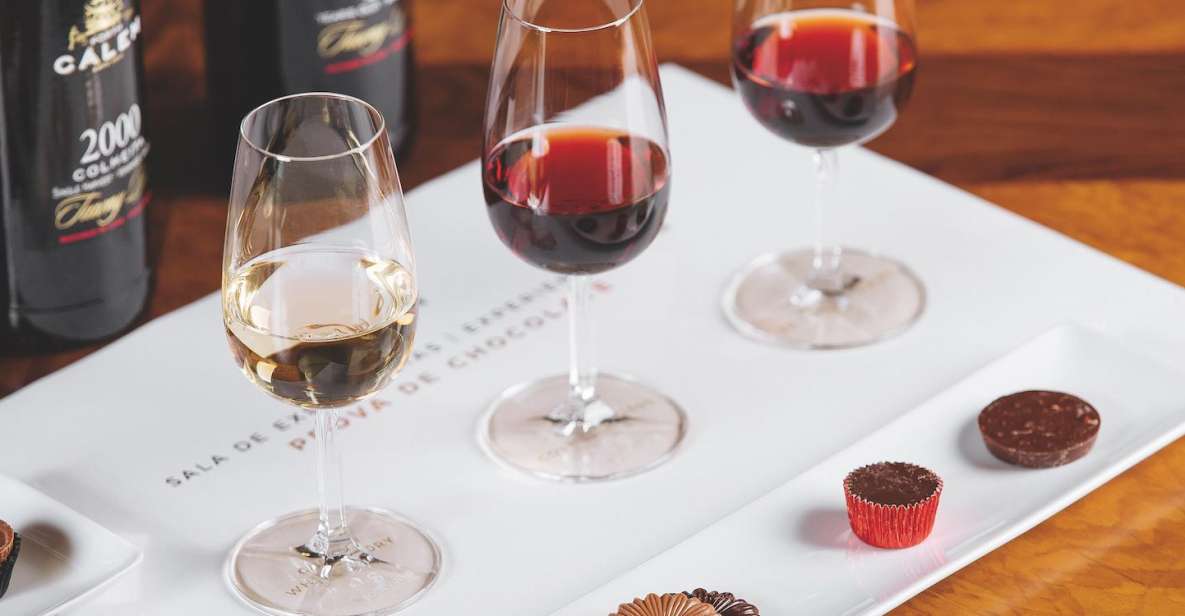
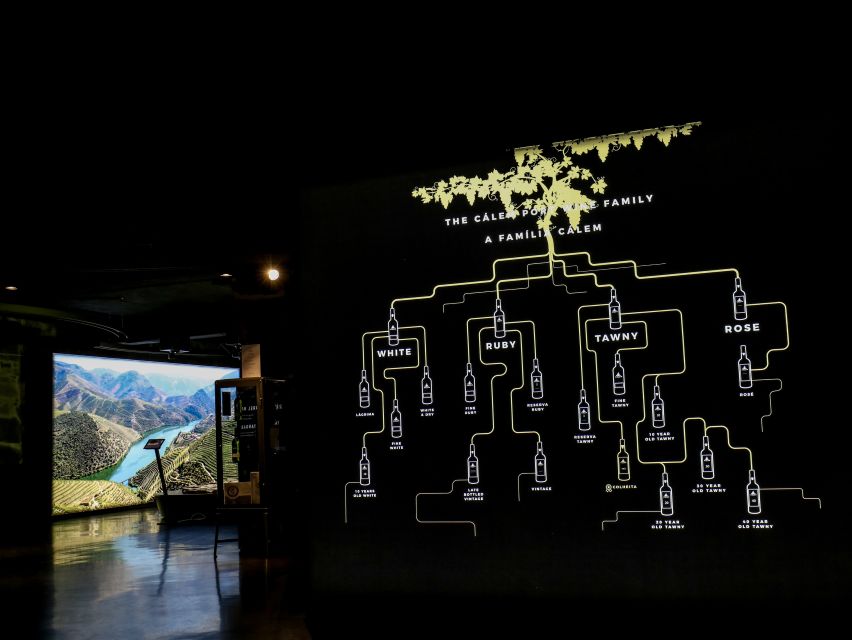
You’ll taste Cálem Late Bottle Vintage, Cálem Vintage, and Cálem 20 years old tawny. That combination is smart for first-timers because it covers a spread: a later-bottled style that still has strong fruit, the more classic Vintage style, and then the tawny direction where age and oxidation notes become part of what you taste.
In plain terms, you’re training your palate to notice three things:
- The fruit-driven character you get in younger-ish expressions
- The deeper, more structured feel that comes with Vintage Port
- The caramelized, aged complexity you get with a long-aged tawny
The tour also tends to explain how to order your tasting so you can compare without muddying your palate. This is a small detail, but it matters. Port styles can taste very different in sequence, and the guide’s suggested order helps you avoid the all-too-common problem of going from sweet-and-aged to fruit-heavy and feeling like one style got lost.
If you’re the type who likes to compare, this tasting is a great use of your hour. It’s not just about drinking. It’s about learning what you actually like so you can buy with confidence later.
Cheese and chocolate pairings that help you taste the differences
The pairing is where the tour earns its keep. You get a set of foods chosen to highlight different Port notes, and you’re guided on what goes with what and in what order to eat.
Here’s what’s included:
- Goat cheese Transmontano
- S. Jorge Island cheese (São Jorge)
- Black chocolate tartlet and chocolate milk
- Crackers and jam
If you’ve ever wondered why some wine pairings work better than others, this is the hands-on version. Cheese gives you salt and fat that can round out Port sweetness. Chocolate changes how you perceive fruit and bitterness, which makes it easier to notice whether a Port is showing more caramel/aged notes or more fresh fruit energy.
The cheeses are also a nice regional touch. Goat cheese helps you detect sharper edges and acidity, while São Jorge cheese brings its own character that can make aged tawny Port feel even smoother. It’s a simple idea, but it helps you learn faster than tasting wine alone.
One more practical reminder: allergens are listed as milk, dried fruits, soy, nuts, and eggs. If you have sensitivities, check carefully and ask the guide right away.
Pacing and logistics: how to avoid a rushed feeling
The experience is listed at 1 hour, but real timing can stretch. Some departures run unhurried, while others can feel packed depending on group size and space. If you’ve got a tight schedule, I’d still give yourself a buffer.
Group size can be the swing factor. On larger tours, a few people noted it can be hard to see or hear the guide fully, especially when multiple guides speak at the same time. There are also mentions of confusion at the transition to the tasting area when groups get moved quickly.
You can manage this. When you arrive:
- Find your spot early for the main talk.
- If the group is large, don’t be shy about moving closer at the start of each section.
- Pay attention to where the tasting group gathers, because the transition is quick.
And because this is a cellar visit, there may be more standing than you’d expect. One comment specifically wished for chairs during longer parts, so if you know you need breaks, wear comfortable shoes and plan for a bit of standing.
Wheelchair access is listed, but there’s also a note that it’s not suitable for people with mobility impairments. If that applies to you, it’s worth contacting the provider before you book so you can understand what routes and surfaces are involved.
You can also read our reviews of more wine tours in Porto




Price and value: is $53 worth it for Porto port tasting?
At about $53 per person, you’re paying for three things, not just wine:
- Entrance to Cálem Cellars
- A guided cellar + museum experience
- A tasting that includes three Port styles plus a structured cheese and chocolate pairing
For Porto, that price makes sense if you want the full package. Many Port tastings end up being either mostly “shop-and-sip” or mostly “tour-and-watch.” This one gives you both, with food that’s part of the lesson.
Where the value really hits is for people who like to compare and learn. If your goal is to understand what you’re tasting, the specific lineup (Late Bottle Vintage, Vintage, 20-year tawny) is a stronger choice than tasting a wide random selection.
And it’s good if you’re booking in a limited time window. Even when the tour runs longer than the posted hour, it still concentrates a lot into one visit, which can be a lifesaver when you’re juggling Porto sightseeing.
Who should book this Cálem Cellar pairing tour
This tour fits you if:
- You want a first solid introduction to Port styles, not just a sip-and-smile experience
- You like food pairings and want them to teach you something about taste
- You enjoy guided storytelling tied to real production spaces
It may not be the best match if:
- You’re extremely sensitive to hearing crowds or you need lots of space for conversation
- You prefer ultra-personal pacing, because group size can affect how much you can ask
- You have specific mobility needs, since the experience is listed as wheelchair accessible but also marked not suitable for people with mobility impairments
Language-wise, you’re covered with Spanish, French, Portuguese, and English tours with a live guide. So you can choose based on comfort and not feel stuck with a language you don’t want.
Final call: should you book it?
If you’re in Porto and want Port to make sense fast, I’d book this. You’re getting the museum orientation, a guided look at the working cellar environment, and then a tasting built around three Port styles plus pairing foods that actually help you notice differences.
Book it especially if you plan to buy wine later. Leaving with a clear sense of what Late Bottle Vintage vs Vintage vs 20-year tawny tastes like will save you from guessing on store shelves.
Just do two things before you go: check allergen risk (milk, dried fruits, soy, nuts, eggs are listed), and give yourself a small schedule buffer in case the experience runs longer than the 1-hour label.