REVIEW · PORTO
Porto: Private Sightseeing Tour by Electric Tuk Tuk
Book on GetYourGuide →Operated by Tuktour Porto · Bookable on GetYourGuide
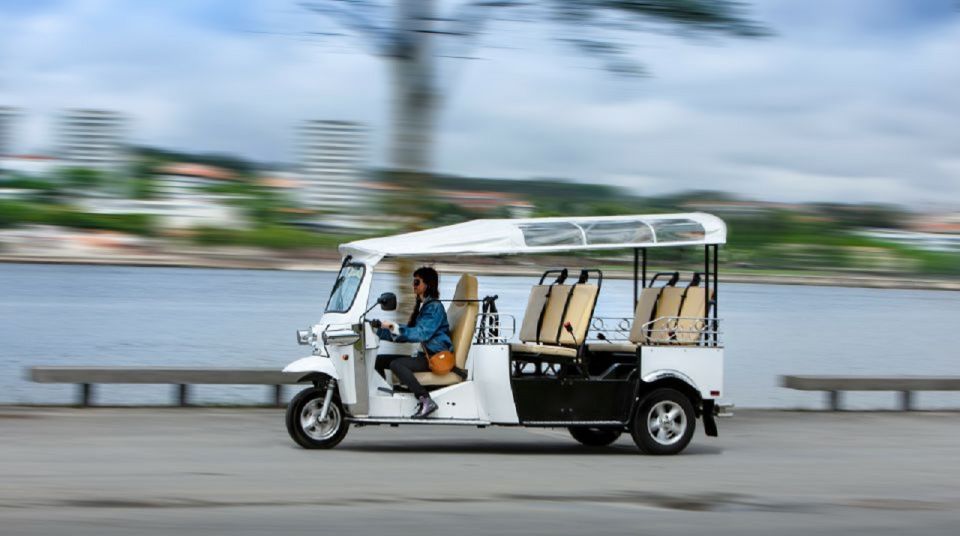
Porto rolls uphill in a quiet electric tuk-tuk. A private guide steers you through the city’s big hits and quieter lanes, with photo stops built into the pace, not tacked on at the end. The electric ride helps you hear every word while you bounce from viewpoint to viewpoint.
I especially like the photo-focused stops—Clérigos Tower and Avenida dos Aliados give you angles you’d work hard to find on foot. I also like the mix of viewpoints and heritage: Serra do Pilar for the big Douro panorama, then back down toward the cathedral and the old center vibe.
One thing to plan for: Porto’s cobblestones can make the ride a bit bumpy, and the tuk-tuk has limited suspension. If you have a back issue, this may not be your best move—even if your guide tries to keep things comfortable.
In This Review
- Key takeaways before you book
- Why an electric tuk-tuk makes Porto easier
- Fontaínhas: the start that sets the tone
- Serra do Pilar to Ribeira: Douro views you’ll remember
- Clérigos Tower and Avenida dos Aliados: Porto’s showstoppers
- Palácio da Bolsa and Sé: the story tightens
- Palácio de Cristal Gardens: where you reset
- Guides, pacing, and what makes the private format worth it
- Price and value: what $47 gets you in 2 hours
- Who this tour suits best (and who should skip it)
- Should you book this Porto electric tuk-tuk tour?
- FAQ
- How long is the Porto electric tuk-tuk tour?
- Is this a private tour?
- Where does the tour meet?
- Which languages are available for the live guide?
- What are the main stops on the route?
- Are snacks included?
- Are drinks allowed in the vehicle?
- Is alcohol allowed?
- Is it suitable for kids, pregnant travelers, or people with back problems?
Key takeaways before you book
- Electric tuk-tuks handle hills smoothly enough for a 2-hour city overview without burning your legs.
- Clérigos Tower is your built-in skyline moment, with time for photos.
- Avenida dos Aliados gives you the elegant Porto core right in the middle of the route.
- Douro views come in layers: Serra do Pilar, Ribeira, Ponte Luís I.
- Sé (Porto Cathedral) anchors the past with Romanesque character and serious atmosphere.
- You get a private guide in English, Spanish, Portuguese, or French, so you can ask questions and get tailored stops.
Why an electric tuk-tuk makes Porto easier
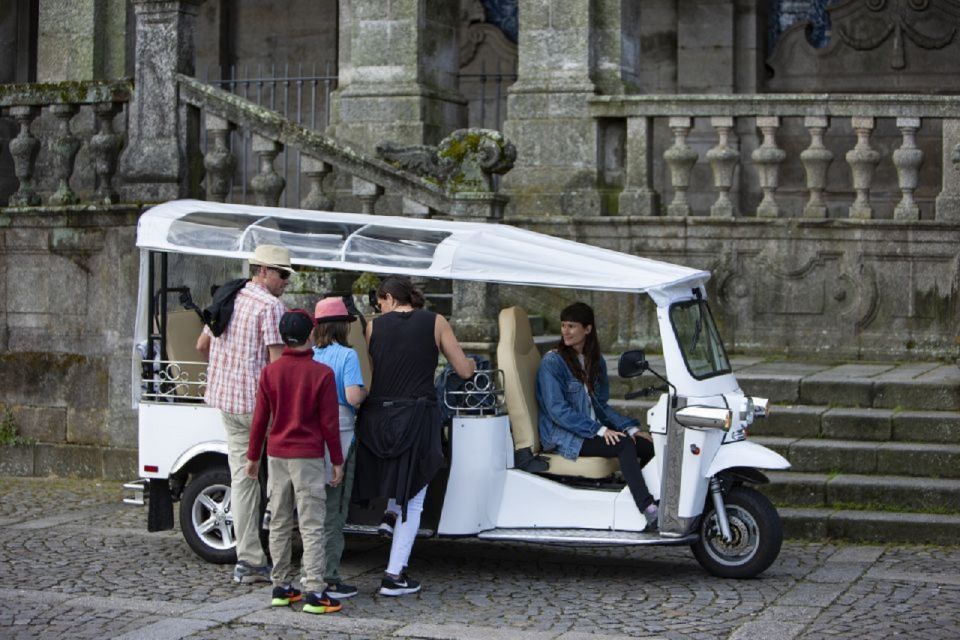
Porto is beautiful, and it’s also hilly. This is the kind of city where a normal walk can turn into a leg workout fast, especially if you’re trying to hit a stack of sights in a short window.
The electric tuk-tuk keeps the experience smooth and quiet compared with louder vehicles. That matters, because a good guide isn’t just reciting facts—you’ll actually be able to hear the stories, the context, and the little “watch for this” moments while you’re rolling through narrow streets.
Still, keep expectations realistic. Porto’s cobbles are the same no matter what vehicle you choose. Even with the electric engine, you’ll still feel some vibration, so it’s worth choosing this tour for comfort and access, not for a plush ride.
You can also read our reviews of more private tours in Porto
Fontaínhas: the start that sets the tone
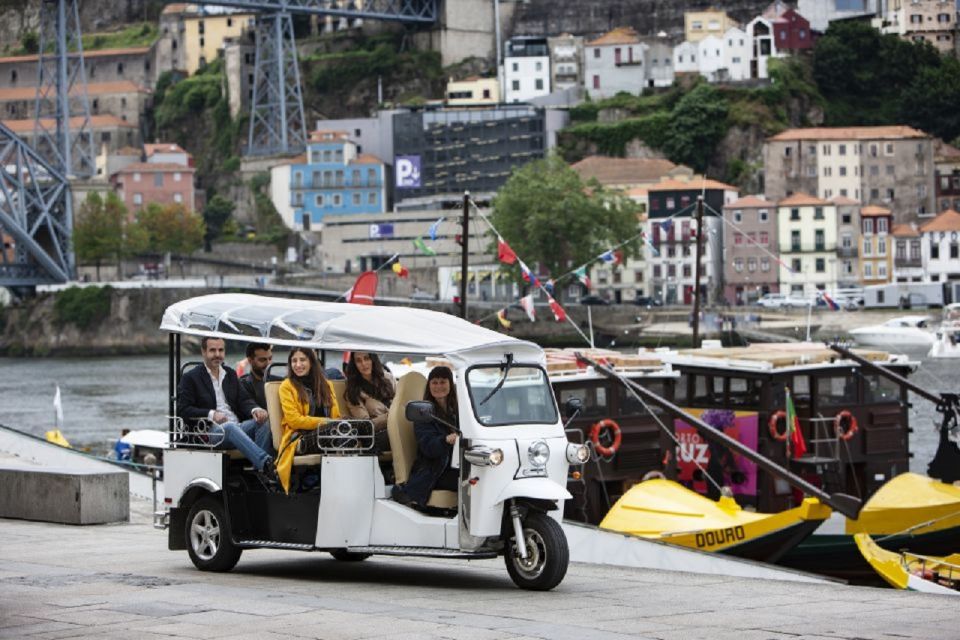
Your tour starts at R. de Alexandre Herculano 251, a practical meeting point in the central city area. From there, you’ll move through neighborhoods that show Porto beyond the postcard corners.
Fontaínhas is one of those “get oriented” stops. You’re not sitting still for a big museum experience; it’s more about seeing how the streets feed into the viewpoints and how the city’s layout shapes where people live, work, and move around.
This early positioning helps later. When you reach the iconic landmarks, you’ll understand the sight lines better—why certain towers look framed from specific angles, and why the river view feels like a payoff rather than a random detour.
Serra do Pilar to Ribeira: Douro views you’ll remember
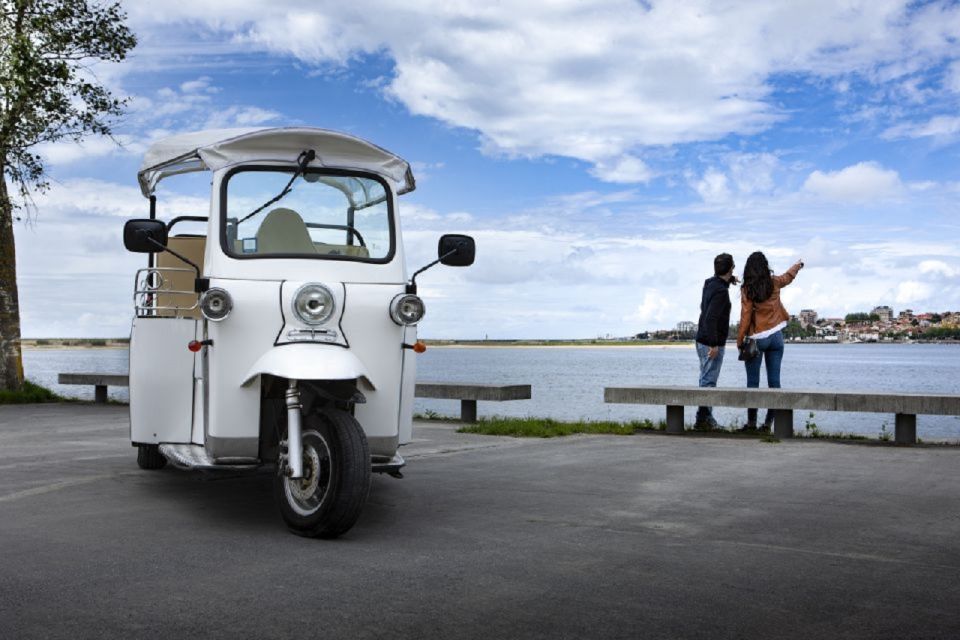
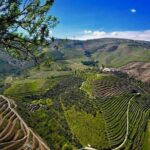
If Porto has one recurring visual theme, it’s the Douro River. This tour leans into that with viewpoint time early on, then transitions you toward the riverfront.
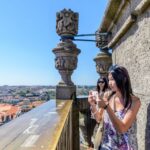
Serra do Pilar is all about elevation. You get sweeping Porto-to-river views from a historic monastery setting, which gives the skyline a sense of depth. It’s also a great mental “map moment”—once you’ve seen the city from above, the rest of the tour clicks.
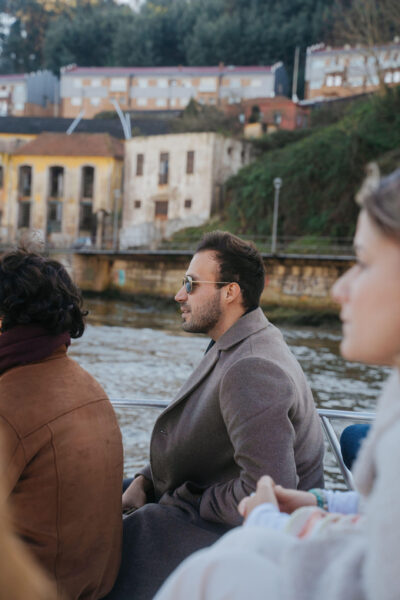
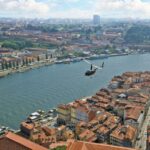
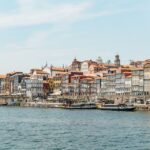
Then you flow down toward Ribeira, the UNESCO World Heritage river district. This is where colorful riverside buildings line up with everyday life along the water. You’ll pick up that Porto rhythm quickly: locals moving around, cafés doing their thing nearby, and the river acting like the city’s central stage.
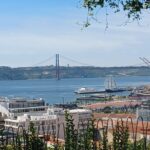
You’ll also cross Ponte Luís I, the famous double-deck iron bridge. The bridge does something simple but powerful: it forces you to look at the river from multiple angles. If you time it well, you’ll see the water reflect golden light as the day shifts toward evening—an easy “wow” moment without requiring a long hike.
Clérigos Tower and Avenida dos Aliados: Porto’s showstoppers
Two stops in particular help you feel what people mean when they talk about Porto’s charm and elegance.
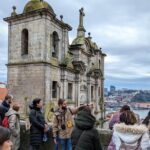
First, Clérigos Tower. You’re getting a photo stop here, not a quick glance. The tower is tall, visible from lots of directions, and it becomes a reference point for your whole day once you’ve spotted it from close range. Your guide can point out how the tower fits into the city’s skyline and what makes it historically significant.
Then comes Avenida dos Aliados, Porto’s famous central boulevard—big enough to feel official, elegant enough to feel like a real city heart. This is where you see the city’s grandeur concentrated: wide sidewalks, grand building frontages, and that sense of “you’re in the middle of things.”
I like that this part of the route works for different travel styles. If you love architecture, you’ll have plenty to notice. If you’d rather just photograph and listen, you’ll still get plenty out of the storytelling, because the guide ties the boulevard’s identity to the way Porto developed.
Palácio da Bolsa and Sé: the story tightens
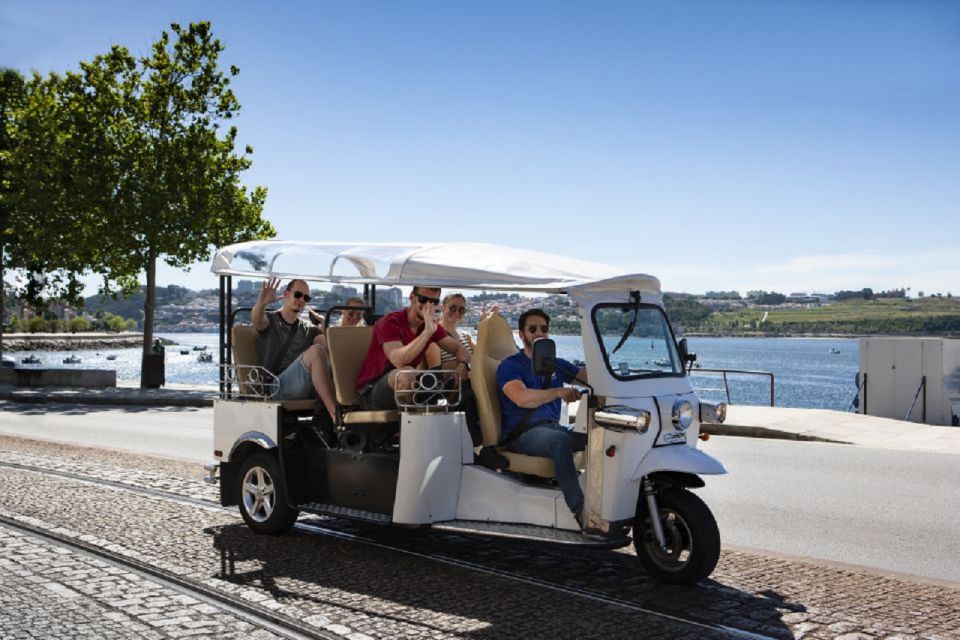
After the big skyline moments, the tour shifts toward places that explain how Porto became Porto.
Palácio da Bolsa is a key stop for understanding old-Porto commerce—the kind that shaped neighborhoods and built fortunes. Even if you don’t go inside for long, the stop helps you connect what you’re seeing on the streets with what was happening historically behind the scenes.
Then you reach Sé, Porto Cathedral. Sé is not subtle. It’s a blend of Romanesque architecture and layered heritage, and it feels like a place that has watched centuries pass. The best way to enjoy Sé on a short tour is to slow down for a few minutes: look at the structure, notice the stone textures, and let your guide link it back to Porto’s older city core.
If you’re the type who wants your landmarks to mean something—not just look good for a photo—this is your payoff segment. It’s where the tour stops being a list and starts feeling like a connected walk through time.


Palácio de Cristal Gardens: where you reset
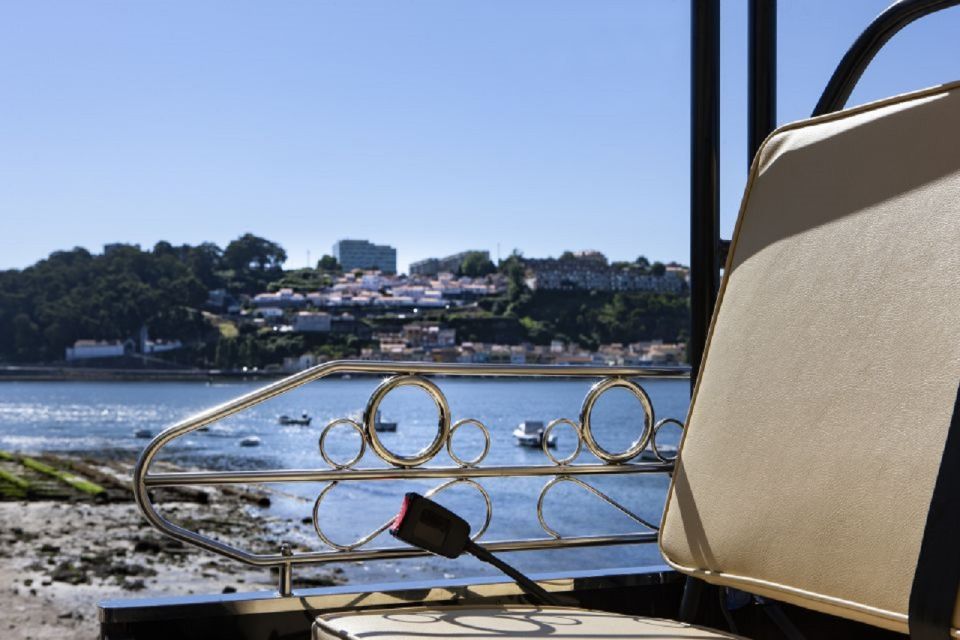
A garden stop might not sound like the “must-do” part of Porto, but Palácio de Cristal Gardens is one of the smartest inclusions for a 2-hour overview.
This stop gives you breathing room after the tighter streets and taller monuments. You get open greenery and sweeping river views, which is a nice break from constant uphill-or-downhill motion. It’s also a practical reset for photos, because the view lines are wider and the scene feels less cramped than in some of the alley-heavy areas.
I like that the tour doesn’t treat the garden as filler. It functions like a palate cleanser: you’ll feel re-centered before the final push back toward the meeting point.
And if your guide is good at pacing (many guides are praised for planning photo time), you’ll leave this segment with a calmer end-of-tour feeling instead of rushing at the last minute.
Guides, pacing, and what makes the private format worth it
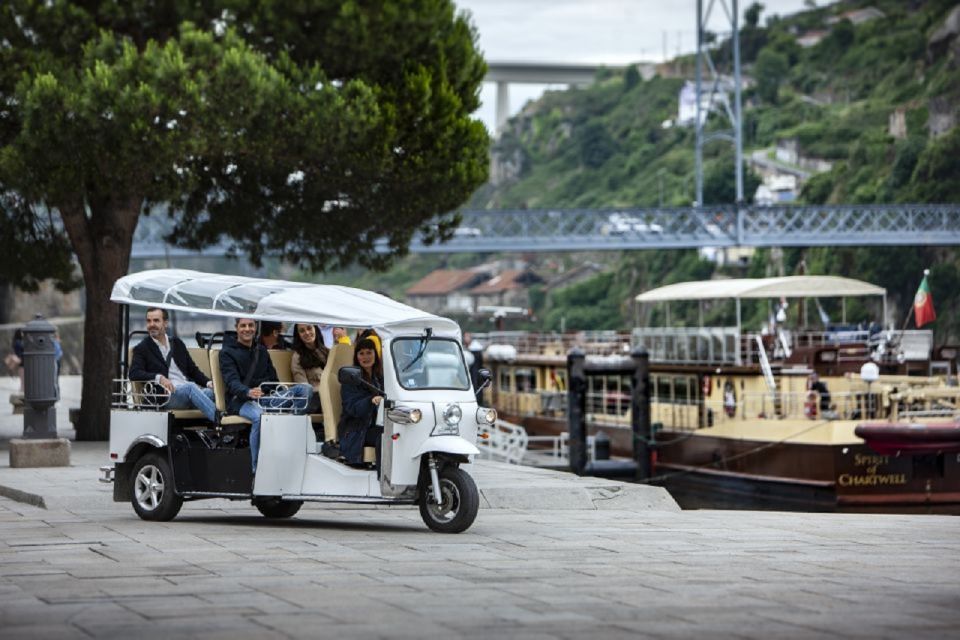
This is a private tour, so the rhythm can be gentler than group bus tours. A private guide can also adjust to what you care about, which matters in a city full of options.
In particular, several guides on this operation are noted for making the tour feel conversational—asking what you already know, then using that to shape the route. It’s also common to get strong photo guidance. That matters more than it sounds: Porto’s views are good, but the best angles take a little timing and positioning.
Because you’re in a small group and on a vehicle that can handle narrow streets, you often get access to areas that bigger vehicles can’t reach easily. One of the most useful outcomes is that you can cover more without treating every stop like a strenuous walking task.
One more practical note from the experience style: you’ll spend time stopping to look, not just rolling past. The electric tuk-tuk helps with that because it doesn’t force you to shout over engine noise.
Price and value: what $47 gets you in 2 hours
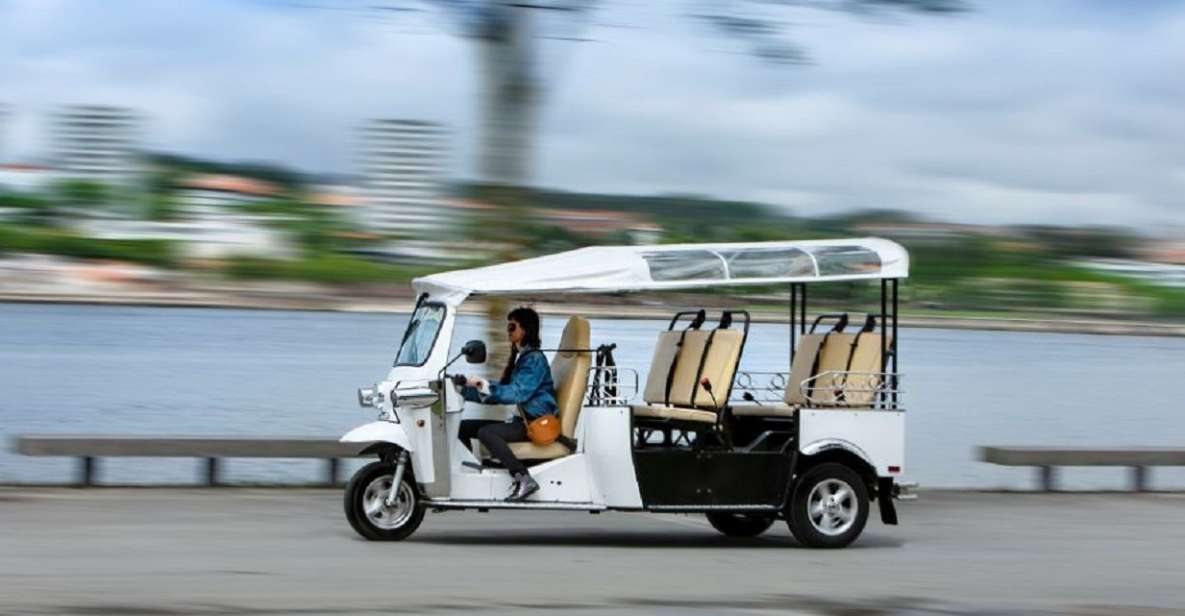
At about $47 per person for a 2-hour private tour, you’re paying for three things:
- a private local guide,
- transportation by electric tuk-tuk (important in hilly, cobbled Porto),
- and a tight route that hits major landmarks plus river scenery.
The value improves if this is your first day in Porto or your first time trying to understand the city’s layout. In that case, the tour helps you decide what to revisit later—like the areas you’ll want to walk slowly or the viewpoints you’ll want to re-shoot at a different time of day.
One small consideration: final pricing can change based on availability and how the operator confirms the private group. If you see a higher total when you choose dates, it’s usually due to how bookings are calculated, not a hidden add-on. I’d still double-check the final amount before you confirm, especially if you’re booking for just two.
Also remember what isn’t included: snacks aren’t provided. Porto has plenty of options—so bring water if your own plan requires it, but note drinks aren’t allowed in the vehicle.
Who this tour suits best (and who should skip it)
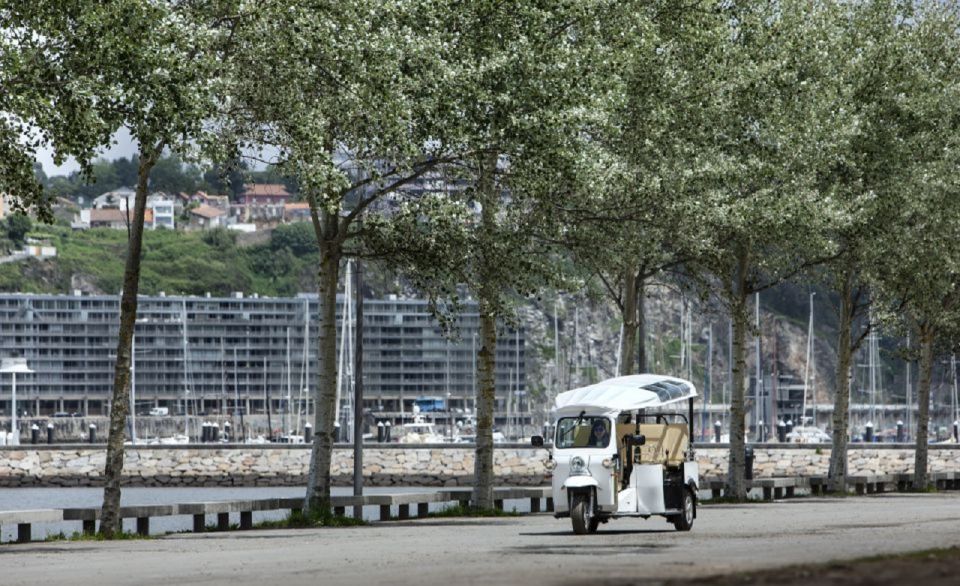
This tour fits best if you want:
- an efficient first look at Porto,
- skyline and river views without long stair climbs,
- and a private guide who can answer questions in your language.
It’s not a great fit if you need a fully gentle, low-impact experience. The tour is not suitable for children under 7, pregnant women, or people with back problems. Even with the electric tuk-tuk, you’ll still be moving over cobblestones and dealing with Porto’s elevation changes.
If you have mobility limits, the private format can still help, because guides may be able to plan stops and keep things practical. But you should still treat the health guidance seriously and choose carefully.
Should you book this Porto electric tuk-tuk tour?
Book it if you want a smart 2-hour overview that combines Porto’s big landmarks with Douro viewpoints, and you’d like your legs to stay mostly intact. This is especially good for first-timers who want an easy way to understand where everything is, then return later for the details.
Consider skipping or choosing something else if you’re sensitive to bumpy cobbles, you have a back issue, or you’re traveling with constraints covered by the tour’s safety notes. If your main goal is a long, wandering day, you may also find 2 hours a bit short for a deep exploration.
FAQ
How long is the Porto electric tuk-tuk tour?
It lasts 2 hours.
Is this a private tour?
Yes. It’s a private group with a private guide.
Where does the tour meet?
The meeting point is R. de Alexandre Herculano 251. Look for a bunch of bikes hanging around.
Which languages are available for the live guide?
The guide can speak English, Spanish, Portuguese, and French.
What are the main stops on the route?
The highlights include Serra do Pilar, Clérigos Tower, Avenida dos Aliados, Porto Cathedral (Sé), plus stops that include river views around Ribeira and the Ponte Luís I area, and time at Palácio de Cristal Gardens.
Are snacks included?
No. Snacks are not included.
Are drinks allowed in the vehicle?
No. Drinks in the vehicle are not allowed.
Is alcohol allowed?
Alcohol is not allowed.
Is it suitable for kids, pregnant travelers, or people with back problems?
Children under 7 are not suitable, pregnant women are not suitable, and people with back problems are not suitable.