REVIEW · PORTO
Porto Walking Tour, you cannot miss it! (small-groups)
Book on Viator →Operated by Amsterdam Guías & Tours · Bookable on Viator
Porto shows its best angles on foot. I like the small-group pace and the story-led route that connects photography, churches, and viewpoints without rushing. The only catch: monument entry fees are not included, so you may pay a little extra if you want to go inside.
This tour runs about 2 hours 30 minutes and starts at 3:00 pm. You get a local guide in English (or Spanish) plus mobile ticket access, and the guide also shares practical pointers for what to do after the walk.
You’ll hit key Porto highlights in one loop, from the former-prison photography museum to the train station’s azulejo walls. It’s offered as a private experience for your group, which keeps the pace relaxed.
In This Review
- Key things I’d circle before you book
- Why this Porto walking route works so well
- Meeting point and timing: plan your afternoon around the 3:00 pm start
- Centro Português de Fotografia: the former prison angle that changes how you see Porto
- Torre dos Clérigos and the Baroque mind of Nicolau Nasoni
- Miradouro da Vitória: the viewpoint that helps you understand the city
- Igreja do Carmo: azulejos on the façade that actually tell a story
- Livraria Lello: beautiful bookstore energy, plus the legend context
- Avenida dos Aliados: Porto’s downtown spine
- Porto Cathedral: layers of Romanesque, Gothic, and Baroque
- São Bento Railway Station: the azulejo history wall that feels alive
- Price and value: what $32.06 buys you in real terms
- The guide makes the difference: Arthur, Michael, and the power of good stories
- Who this Porto tour is best for
- Should you book the Porto Walking Tour?
Key things I’d circle before you book
- Small-group flow: you get time for questions and photos without feeling herded
- Former prison to photo museum: Centro Português de Fotografia reframes Porto’s artistic side
- Clérigos area storytelling: Nicolau Nasoni and Baroque/Rococo details make the tower make sense
- Azulejos everywhere: Igreja do Carmo and São Bento both use ceramic art to teach history
- Livraria Lello as a cultural stop: not just looks—there’s context around why it matters
- A view that ties it together: Miradouro da Vitória helps you understand Porto’s layout fast
Why this Porto walking route works so well
If it’s your first time in Porto, you usually face two problems: there’s so much to see, and you don’t know what to prioritize. This walk solves both by stitching together visual landmarks with the human stories behind them. You’re not just “checking off” sights. You’re learning how Porto’s identity shows up in buildings, art, and city planning.
I also love how the route doesn’t stay in one style. You move from contemporary photography (Centro Português de Fotografia) to Baroque architecture (Torre dos Clérigos), then to the bright ceramic storytelling of azulejos (Igreja do Carmo and São Bento). That mix is great value, because it gives your brain a more complete picture of the city in one afternoon.
One practical consideration: the tour includes a lot of exteriors and guided stops, but entrance tickets aren’t included for the monuments themselves. If you’re the type who wants to go inside every stop, budget for a few extra entries.
You can also read our reviews of more walking tours in Porto



Meeting point and timing: plan your afternoon around the 3:00 pm start
The tour starts at Largo Amor de Perdição, Campo dos Mártires da Pátria 2117, 4050-600 Porto and ends back at the meeting point. With a 3:00 pm start, it’s ideal if you want a late-afternoon rhythm—enough daylight for good photos, and still time to keep exploring afterward.
You’ll be close to public transportation, so you can connect easily from other parts of town. Also, you’ll get a mobile ticket, which is handy if you’re juggling maps, phones, and a busy travel day.
A tip for your comfort: wear shoes you can stand in comfortably. Even though each stop is brief, the total time still adds up (about 2 hours 30 minutes), and Porto’s streets are best taken on foot.
Centro Português de Fotografia: the former prison angle that changes how you see Porto
Your first stop is Centro Português de Fotografia. Here’s the big idea: this place is a former prison that’s now a museum for contemporary photography. That contrast matters. When you’re walking through old streets right after, you start noticing how Porto reuses space and memory rather than just preserving everything in a frozen state.
You spend about 15 minutes there, and admission isn’t included—so expect to enjoy what’s set up during your visit from the museum visit portion that the tour covers. The real value is the framing: the guide ties the building’s history to the way modern art communicates now.
Potential drawback: museum rules and exhibition timing can affect what you see in a short window. If you’re a photography-first person, you may want to plan time later in your trip to return on your own.
Torre dos Clérigos and the Baroque mind of Nicolau Nasoni
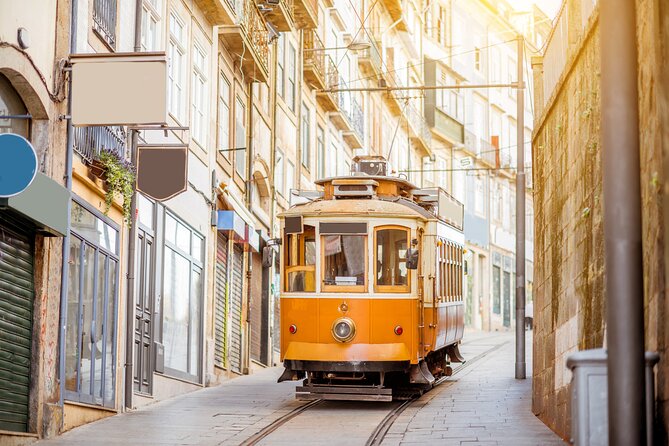
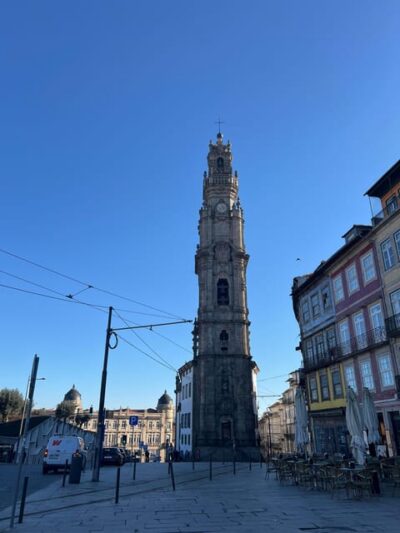
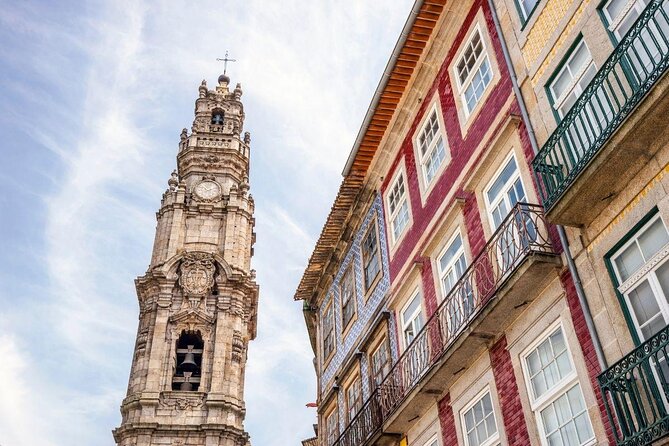
Next up is the Torre dos Clérigos, plus the adjoining church area. This is one of Porto’s most recognizable silhouettes, and it helps to have a guide explain why it looks the way it does.
You’ll learn about Nicolau Nasoni, an Italian architect who became a key figure in Portugal’s Baroque and Rococo styles. Even if you don’t care about architectural jargon, the stories put texture on the details. Once you know what to look for—balance, ornament, and dramatic verticality—the tower stops being just a photo spot.
Time here is about 15 minutes, and again, entry tickets aren’t included. If you want to go inside the church or access areas that require a ticket, you’ll need to decide on the spot. For many people, the exterior views and explanations are enough—but plan ahead if interior access is a must for you.
Miradouro da Vitória: the viewpoint that helps you understand the city
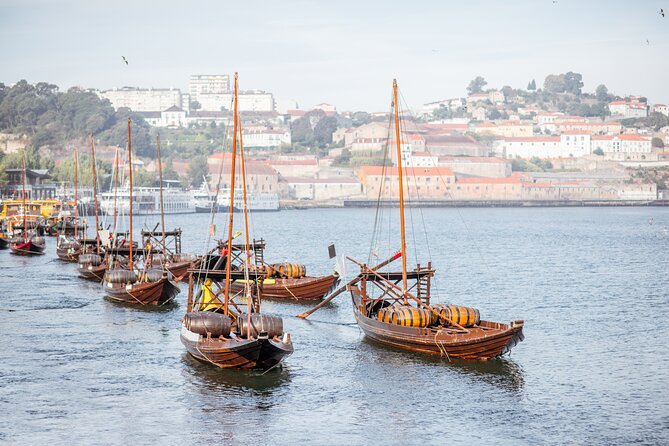
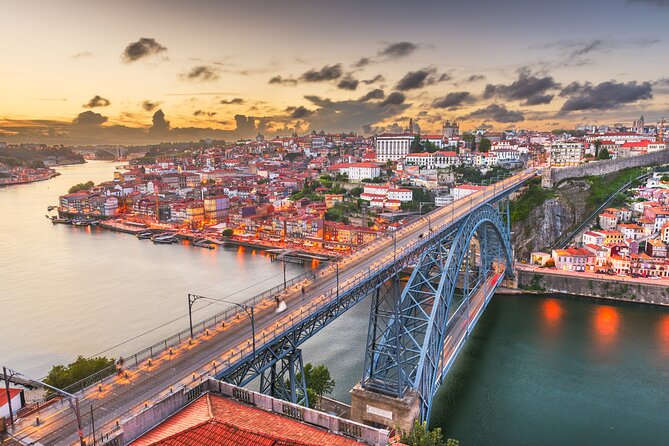
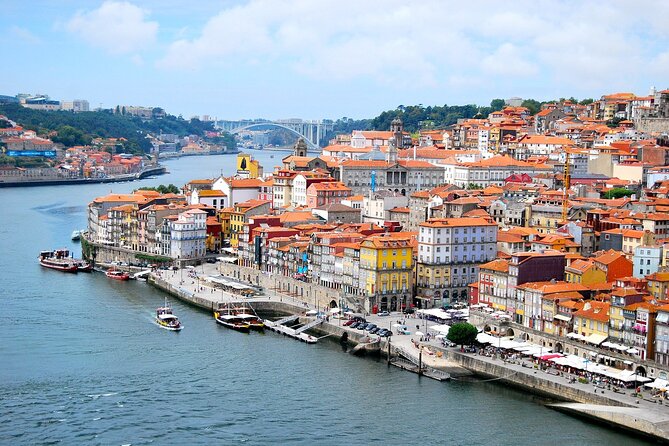
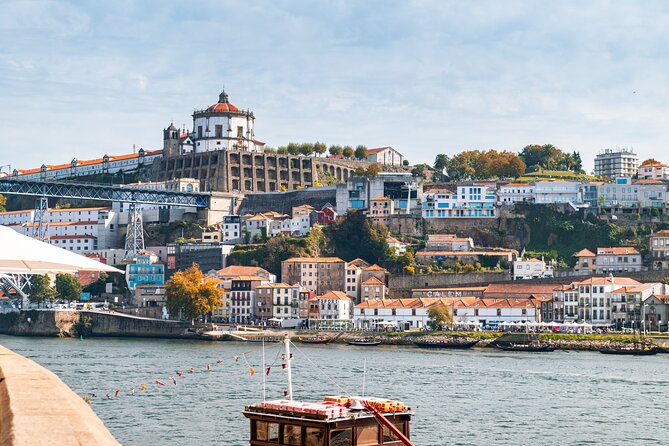
Then you reach Miradouro da Vitória, one of Porto’s top panoramic stops. You’ll get about 15 minutes of viewing time, and the payoff is clarity: Porto’s old town rooftops, the Douro River, and the bridges all come into one picture.
This is more than a pretty break. A good viewpoint acts like a map in your mind. After this stop, streets you couldn’t place start to feel connected, and you’re better at choosing what’s worth revisiting later.
No admission is noted for this stop, so it’s a good use of time in a tour built around walking and learning. If you’re sensitive to heights or crowded edges, choose a position that feels comfortable. Viewpoints can get busy quickly around peak walking hours.



Igreja do Carmo: azulejos on the façade that actually tell a story
Your next stop is Igreja do Carmo. This church is known for its façade covered in traditional Portuguese azulejos—ceramic tiles that turn the building into a visual narrative.
You spend about 15 minutes here, focused on what you’re looking at and how the art functions. Azulejos aren’t just decoration. In Porto, they often help communicate themes like devotion and history in a way that’s readable even from a street-level distance.
Since admission isn’t included for monument entry, expect this stop to focus more on the outside façade experience and guided explanations. If you want to spend longer inside the church, treat it as an add-on for later.
Livraria Lello: beautiful bookstore energy, plus the legend context
Then comes Livraria Lello, one of those places that draws people in even if they’re not book people. It’s often ranked among the world’s most beautiful bookstores, and it gained international fame through the legend that J.K. Rowling was inspired during her time in Porto.
You’ll have about 15 minutes here, which is usually enough time to see it and absorb the guide’s context without feeling trapped in lines. The key value is perspective: you learn why the building and its design create such an iconic impression, and why this stop is part of Porto’s cultural identity—not just a tourist photo.
Potential consideration: this is likely a high-demand stop. Even with a short guided time, you might feel the pull to stay longer. If you do, plan for it by keeping your return time flexible after the tour ends.
Avenida dos Aliados: Porto’s downtown spine
Next you’ll walk to Avenida dos Aliados, Porto’s elegant main avenue. This is where the city centers feel most “grand,” lined with historic buildings and monuments, and anchored by the area’s main square energy.
You’ll spend about 15 minutes here, and the guide’s job is to help you connect what you’re seeing to the city’s layout and social rhythm. This kind of avenue stop is underrated because it helps you understand where to go next—cafes, viewpoints, and transport links often tie back to this corridor.
No ticket is noted for this stretch, so it works as a smooth transition between heavier history stops. If you like to plan, you’ll probably want to reference this avenue later when choosing where to walk in the evening.
Porto Cathedral: layers of Romanesque, Gothic, and Baroque
After the grand downtown street, the tour heads to Porto Cathedral. This is one of the city’s oldest and most important monuments, and it’s also a lesson in how long places evolve.
The cathedral started as Romanesque, then showcases Gothic and Baroque influences. That layering is what makes the stop worth your time: you’re not seeing one “era” of Porto. You’re seeing Porto changing its mind over centuries.
You’ll have about 15 minutes here, and since admission isn’t included, you’ll likely be focusing on the monument experience that fits the guided stop. If you want to go inside, bring a bit of flexibility into your schedule after the tour.
São Bento Railway Station: the azulejo history wall that feels alive
One of the most memorable endings for many people is São Bento Railway Station. This station is famous for its hand-painted azulejo panels that depict key moments in Portuguese history.
You’ll spend about 15 minutes there, and it’s a rare kind of attraction: it’s historical art, but it also sits in a working public space. That means it’s not only about sightseeing—it’s about everyday life. Even if you’re not riding trains, you’ll still experience the station as a real hub.
Because the stop is built around looking at the azulejos, this is a strong option if you want culture without committing to a paid entry. If you’re the type who takes time reading artwork, you might wish for longer here, but the guide’s pace keeps it moving toward the next destination.
Price and value: what $32.06 buys you in real terms
At $32.06 per person for about 2 hours 30 minutes, the value isn’t in “free attractions.” It’s in the guide and the way the route is stitched together.
You get:
- an expert local guide in English or Spanish
- small group attention
- insider tips for restaurants, transport, and cultural activities
- recommendations for the rest of your stay in Porto
- lots of stories, fun facts, and hidden gems along the way
That’s the part that makes the money feel fair. Porto is full of beautiful spots, but a good guide helps you decide what’s meaningful, what’s just famous, and where you should spend your next hour. The small group format matters here too. It keeps the conversation going and makes it easier to ask questions.
Keep in mind: entrance tickets are not included for monuments. If your plan includes going inside several sites during or after the tour, factor that in. If you’re okay enjoying exteriors and guided context, you can keep costs controlled.
The guide makes the difference: Arthur, Michael, and the power of good stories
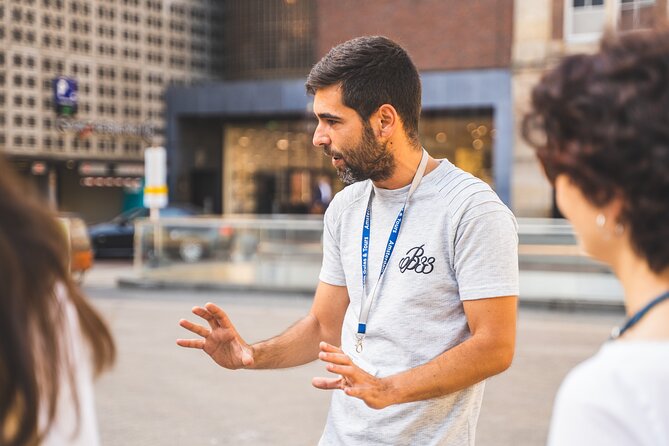
This tour’s strength shows up in the way the guides talk. I saw clear patterns in the guide names people shared—Arthur and Michael—and the overall feedback centers on storytelling and adapting to a small group.
Arthur stood out for guiding with a strong city-history thread. Michael was described as highly accommodating for a small group and full of knowledge about Porto. Another highlight was how the guide connected historical figures into a clear thread, including the story around the two Pedros—Pedro I and Pedro IV—and how their identities tie into Porto’s past.
That kind of linking is exactly what you want from a walking tour. You don’t just want facts. You want meaning you can carry into the rest of your day.
Who this Porto tour is best for
This is a great fit if:
- you want a short, structured introduction to Porto without overplanning
- you like architecture and art, especially churches and azulejos
- you enjoy guided explanations that turn landmarks into stories
- you prefer small group pacing over a crowd-management experience
It’s also smart for people who want a plan for the afternoon, then freedom after. The tour gives you recommendations for restaurants, transport, and cultural activities, so you’re not left guessing what to do once the walk ends.
If you’re the kind of traveler who already has every church interior ticket booked and wants deep museum time, you might feel that some stops are brief. This tour is designed more for orientation and context than for marathon museum visits.
Should you book the Porto Walking Tour?
I’d book it if you want an easy way to understand Porto fast—without sacrificing the fun visual stuff. The small-group setup, the mix of photography, churches, viewpoints, and São Bento’s azulejos make it a strong “one afternoon” choice.
I’d hesitate only if you’re committed to paying for lots of monument entries and you hate the idea that tickets aren’t included. In that case, you can still book, but go in knowing you may add costs as you decide which interiors you can’t resist.
If your goal is to get your bearings, learn what’s worth your attention, and leave with a short list of where to go next, this tour does that job well.