REVIEW · PORTO
Porto Region Across the Ages Museum: History and Heritage
Book on Viator →Operated by WOW Porto – The Cultural District · Bookable on Viator
Porto’s past plays out in 3D light.
The Porto Region Across the Ages Museum gives you a fast, story-driven run through the region’s timeline, using video mapping, cinema, and a life-sized tram replica at a self-guided pace.
I love how the show layers major eras into one clear journey, so you don’t have to stitch together facts later. I’m also a fan of the life-sized tram replica, which turns the timeline from abstract dates into something you can stand beside and picture in your head.
One thing to plan for: parts of the experience lean more on wall text and screens than on lots of physical objects or hands-on activities. If you’re not into reading during museum visits, you may feel the pace depends on your patience for text-heavy rooms.
In This Review
- Key takeaways before you go
- Entering Porto’s timeline: what the museum actually feels like
- Video mapping and cinema shows: the “wow” part that explains the why
- The life-sized tram replica: a simple prop that does serious work
- Rooms, wall text, and screens: what to expect in the self-guided flow
- The audio guide in English: how to use it without overthinking
- Timing and practical planning: fitting 1–2 hours into your Porto day
- Getting there and getting in: small details that make the visit smoother
- Who should book this museum (and who might skip it)
- Should you book Porto Region Across the Ages Museum?
- FAQ
- How long does the Porto Region Across the Ages Museum visit take?
- What’s included in the ticket?
- Is the tour available in English?
- Do I need a hotel pickup?
- What are the opening hours?
- Where are the tickets checked in?
- Is it easy to attend without lots of walking?
- Is there free cancellation?
Key takeaways before you go
- Video mapping + cinema make the timeline feel like a presentation, not just posters on walls
- A life-sized traditional tram replica gives you a real “photo-and-focus” moment
- Self-guided audio helps you move at your speed (English available)
- Prehistory through the present is packed into about 1–2 hours
- It’s a great first stop if you want Porto context before you start sightseeing
- Value can go either way depending on how much you need hands-on, physical exhibits
Entering Porto’s timeline: what the museum actually feels like
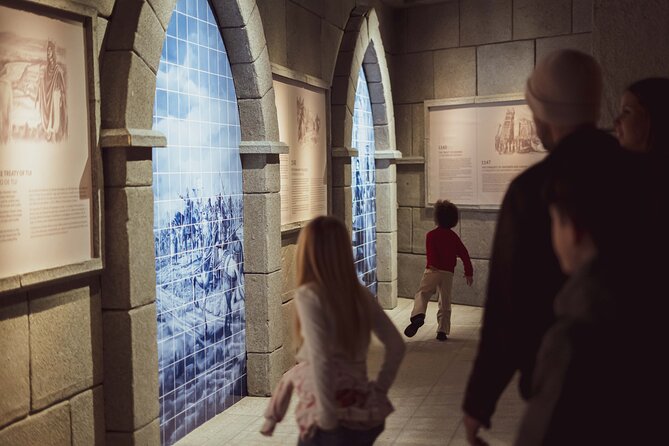
This is the kind of museum that helps you get your bearings fast. Instead of jumping straight into neighborhoods and buildings, you’re guided through how Porto and the surrounding region changed over time, from early periods all the way to modern life.
The space itself is modern and the presentation style is cinematic. Think rooms that represent time periods, with a mix of narration, video, and show-like visuals—so even if you’re visiting solo, it won’t feel like you’re wandering through empty halls.
You should budget 1 to 2 hours for the full experience. That’s not a slow, museum-marathon commitment, and it’s why this works well as an early stop.
You can also read our reviews of more historical tours in Porto



Video mapping and cinema shows: the “wow” part that explains the why
The biggest strength here is how the museum uses video mapping and film-style storytelling to connect events to place. Rather than listing facts, it frames eras with visuals, so you understand what you’re looking at later when you’re walking streets in Porto.
From the way the story is described, the coverage doesn’t just hover around one “golden age.” You’ll encounter the long sweep of change, including eras tied to navigation and later conflicts connected with the French Revolution period. Even if you only catch fragments, the timeline structure helps it all make more sense.
I like these kinds of museums because they do the hard part for you: sorting the timeline into a sequence. You’re not expected to be a historian; you’re expected to leave with a map in your head.
The life-sized tram replica: a simple prop that does serious work
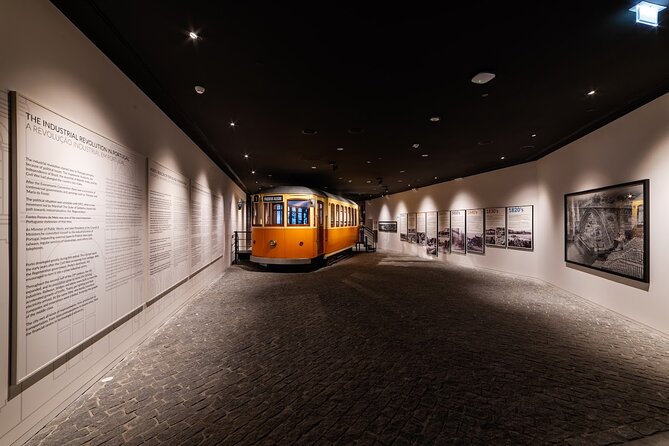
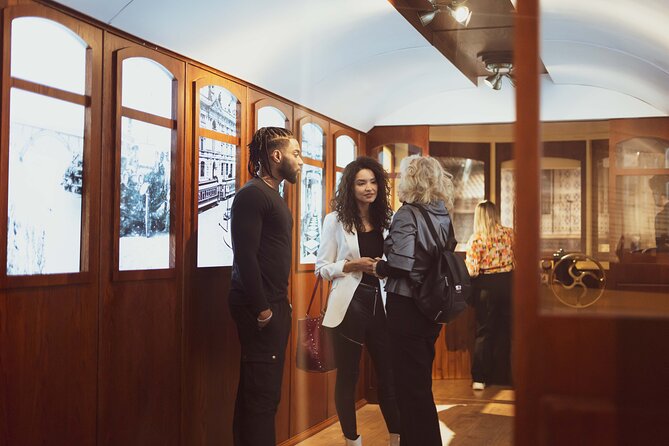
One of the standout features is the life-sized replica of a traditional Porto tram. It’s not just for photos—this sort of full-scale object gives you a physical reference point for the story of daily life and city movement.
Why it matters: when a museum includes something you can stand next to at arm’s length, you remember it. You start “placing” the past into the real world. That’s especially useful in Porto, where the city’s forms—streets, hills, transit routes—shape what history looks like.
If you like tactile moments in museums, plan a few extra minutes here. Even a quick pause helps the timeline stick.
Rooms, wall text, and screens: what to expect in the self-guided flow
This is a self-guided tour with a multilingual audio guide, and that’s the key to making the experience work for you. The audio helps you pace yourself through each time period, especially if some rooms lean more heavily on written material.
In practice, expect a sequence of areas representing different eras, with explanations in both reading and audiovisual formats. Some spaces may feel like you’re watching from a “documentary chair,” while others ask you to read through chunks of history.
A helpful approach: if a room is text-heavy, don’t try to absorb every sentence. Use the audio to pick out the main ideas, then skim what’s on the walls to confirm details. That keeps you from getting stuck in “finish every paragraph” mode.
The audio guide in English: how to use it without overthinking
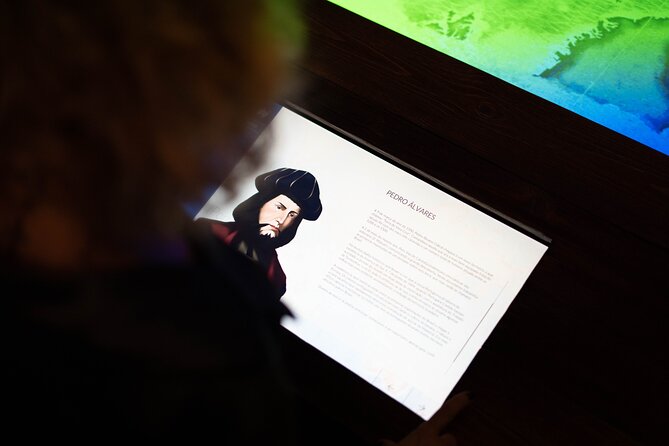
English is offered, and that matters here because the museum presentation is time-period based. When you’re following along with narration, you don’t need to translate mentally while you move from room to room.
You’ll get more out of the audio guide if you treat it like a walking companion rather than a lecture you must finish. When a section shifts to a new era, pause your attention for a second and recalibrate: “What changed here?” That question lines up perfectly with how the museum is built.
And if you end up with a staff guide experience during your visit, names like Sandra show up in guest feedback for being patient and informative. If you get a chance to ask questions, do it. Short questions can unlock a whole room.
You can also read our reviews of more museum experiences in Porto






Timing and practical planning: fitting 1–2 hours into your Porto day
The museum’s listed hours are 10:00 AM to 7:00 PM, Monday through Sunday. For planning, that’s a nice window because you can go either before a big walking block or after.
I like going earlier in the day because it sets the tone. You’ll be looking at Porto with context instead of just taking in views and vibes.
Price-wise, you’ll see it listed at about $24.08 per person. Some people find that high, but you’re not just buying admission to static displays. The ticket includes the audiovisual shows, the self-guided audio experience, and the life-sized tram moment.
Here’s the value check I use:
- If you like history presented through visuals, it’s a fair spend.
- If you need lots of physical artifacts and hands-on interaction, you might feel the price doesn’t match what you see.
Duration is also part of the price equation. At 1–2 hours, it’s not a budget-buster for an entire day, and it’s easy to combine with other nearby experiences in Porto.
Getting there and getting in: small details that make the visit smoother
You’ll be able to use a mobile ticket, which is handy if you’re bouncing between stops. This also helps if you’re traveling light and don’t want to hunt for printed confirmation.
The museum is near public transportation, so you don’t have to build your day around a long taxi ride or a big detour. That matters in Porto, where walking up and down hills is often the real “adventure.”
Service animals are allowed, and the experience is described as suitable for most travelers. If you’re someone who prefers calm spaces and clear pacing, this style of self-guided rooms usually fits well.
Who should book this museum (and who might skip it)
This museum is a strong fit if:
- You want a first-stop history overview so you can plan better what to see afterward
- You enjoy video presentation, cinema-style storytelling, and a time-period sequence
- You’re traveling with different ages and want something that explains basics without needing a guidebook
You might think twice if:
- You dislike text-heavy rooms and screens and want lots of real objects
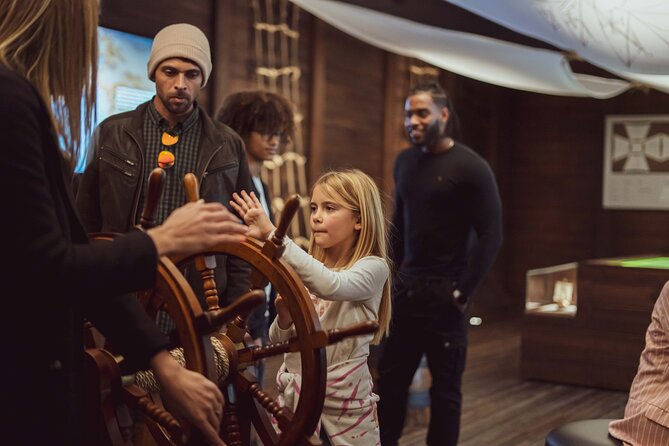
- You’re traveling with kids who need very hands-on content (some people felt younger visitors could get bored)
- You’re visiting purely for “tactile” museum moments rather than narration and visuals
The good news is you can control how long you linger in each area. If a room doesn’t land for you, you can move on and keep the experience from dragging.
Should you book Porto Region Across the Ages Museum?
I’d book it if you like your history presented as a story you can follow in a short time. The combination of video mapping, cinema-style visuals, and the full-size tram replica makes it more than a collection of facts. For the money, it’s mostly about getting clarity on Porto’s timeline so your later sightseeing feels better connected.
I’d skip or pair it differently if you know you’re not a fan of reading and you’re expecting a hands-on museum with lots of physical artifacts. In that case, this may feel like “screens plus walls,” and you might get more satisfaction elsewhere.
If you can, book ahead—this one is typically reserved about 45 days in advance on average. And once you’re there, treat it like a setup act for the rest of your Porto trip.
FAQ
How long does the Porto Region Across the Ages Museum visit take?
It’s listed as about 1 to 2 hours.
What’s included in the ticket?
Your ticket includes admission and the museum experience with immersive shows (video mapping and cinema), a life-sized tram replica, and a self-guided tour with a multilingual audio guide.
Is the tour available in English?
Yes, it’s offered in English.
Do I need a hotel pickup?
No—hotel pickup and drop-off are not included.
What are the opening hours?
The museum’s listed hours are 10:00 AM to 7:00 PM, Monday through Sunday.
Where are the tickets checked in?
You’ll use a mobile ticket and the location is near public transportation.
Is it easy to attend without lots of walking?
The experience is described as suitable for most travelers, and the visit is designed to be manageable within 1–2 hours.
Is there free cancellation?
Yes. You can cancel up to 24 hours in advance for a full refund. If you cancel less than 24 hours before the start time, the amount paid won’t be refunded.
If you want, tell me your travel dates and what else you plan to do in Porto that day (wine, Ribeira walks, viewpoints, cruises), and I’ll suggest the smoothest order for this museum.