REVIEW · PORTO
FC Porto: Museum & Tour
Book on GetYourGuide →Operated by FC Porto Museum · Bookable on GetYourGuide
Football history lives inside the stadium.
That’s the feeling you get with the FC Porto Museum & Tour, a smart combo ticket that pairs 27 thematic, interactive museum areas with a walkthrough of Estádio do Dragão. I love how the museum turns club culture into something you can actually move through and react to, and I especially like the trophy wall energy tied to the club’s UEFA Champions League achievements.
There is one trade-off to plan around: the stadium portion is not a long, story-heavy guided experience. It’s more of a routed visit, and you may notice limits on what’s shown, such as the changing room access (you’re not shown the home dressing room).
In This Review
- Key things I’d flag before you go
- Where to Meet at Estádio do Dragão (and how the location helps)
- Ticket Truth: What the $23 includes (and what it does not)
- FC Porto Museum: How 27 themed areas keep you moving
- The trophy focus you can’t miss
- Interactive sections and tech that help, not distract
- Languages: what you can use on-site
- Dragão Stadium highlights: pitch views, presidential box, and more
- What you’ll likely see on the stadium route
- The stadium visit pace: short, focused, and practical
- Best way to use your 2 hours without feeling rushed
- My recommended order
- Arrive early if you can
- Audio guide tip: volume and clarity matter
- Who this is perfect for (and who might want a different plan)
- Quick practical tips that save time on the day
- Should you book the FC Porto Museum and Tour?
Key things I’d flag before you go
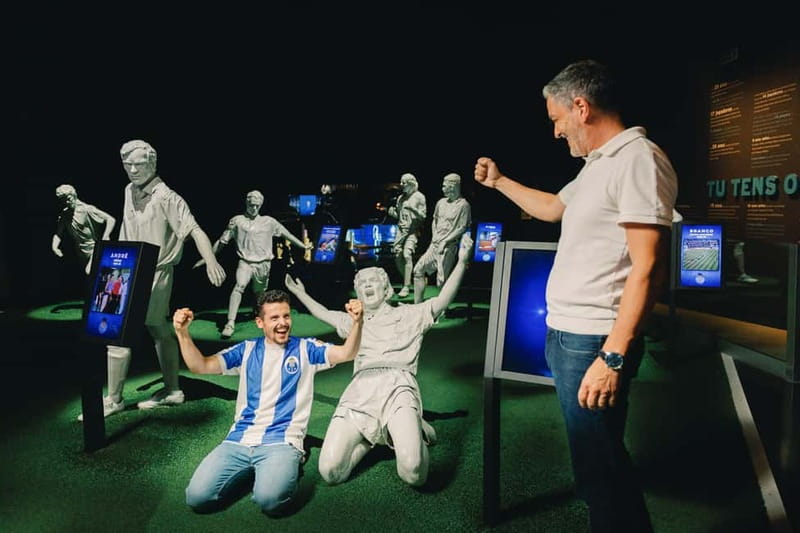
- 27 thematic areas in the FC Porto Museum, with interactive elements that help you stick with it even if you are not a die-hard fan
- UEFA Champions League trophies and other international silverware in the collection
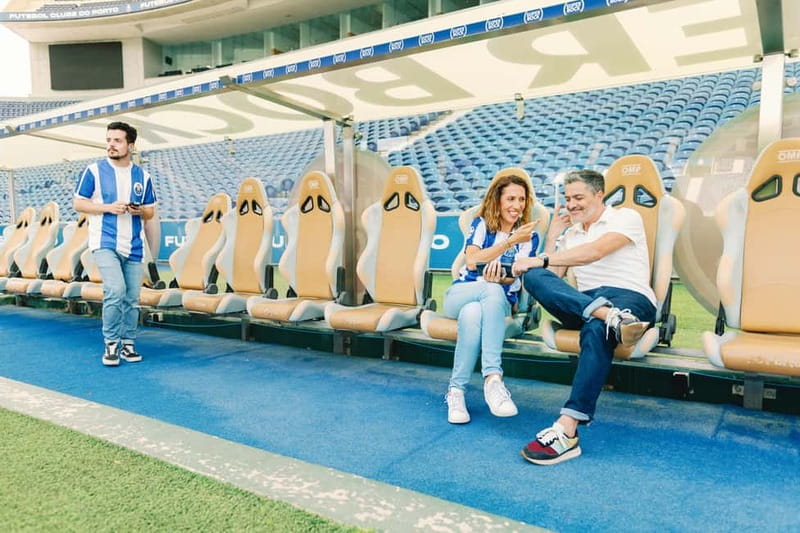
- Estádio do Dragão highlights you can expect to include the pitch area, the presidential box, and the FC Porto bench
- Stadium tours are not guided in the classic sense, so you’re mostly following the route with help from on-site staff
- The museum is free to explore within opening hours, so you can shift your timing if one part runs long
- Tours can be changed or canceled for major pitch events, and they are not available on match days
Where to Meet at Estádio do Dragão (and how the location helps)

The meeting point is right where you want it: FC Porto Museum, Via Futebol Clube do Porto, Estádio do Dragão, 4350-415 Porto, just in front of the Estádio do Dragão Metro Station (lines A/Blue, B/Red, F/Orange). That matters because Porto’s old town can be a bit of a shuffle to reach, and this one is straightforward.
If your day includes visiting the riverfront, Ribeira, or São Bento, this stop still works. It’s easy to come over after sightseeing because the stadium area is a clear waypoint. For anyone traveling with kids, it also helps that the stadium complex feels like a real place, not a random museum in the middle of a neighborhood.
You can also read our reviews of more museum experiences in Porto



Ticket Truth: What the $23 includes (and what it does not)

This experience sells as a 2-hour visit, but what you’re really buying is flexibility plus access. Your ticket includes:
- Entrance to FC Porto Museum
- Entrance to Dragão Stadium (via the tour route)
- Audio guides are available to rent (not included in the base ticket)
Important detail: you exchange your voucher on arrival for your museum and stadium tickets. So instead of hunting around for multiple counters, plan to stop at the welcome/reception area first, then follow the flow to start the museum.
There is also a Museum Tour Only option. On match days, UEFA match-day evenings, days of stadium events, or facilities maintenance, stadium tours may not run. In those cases, you can still do the museum, but that option does not include the stadium tour. That’s a good fallback if you’re visiting during a busy match calendar.
FC Porto Museum: How 27 themed areas keep you moving
The museum is the centerpiece, and it’s built to keep you from feeling like you’re stuck reading panels for two hours. You go through 27 thematic areas, and the club’s story is organized in a way that connects moments, players, and trophies into a single loop you can follow at your own pace.
The trophy focus you can’t miss
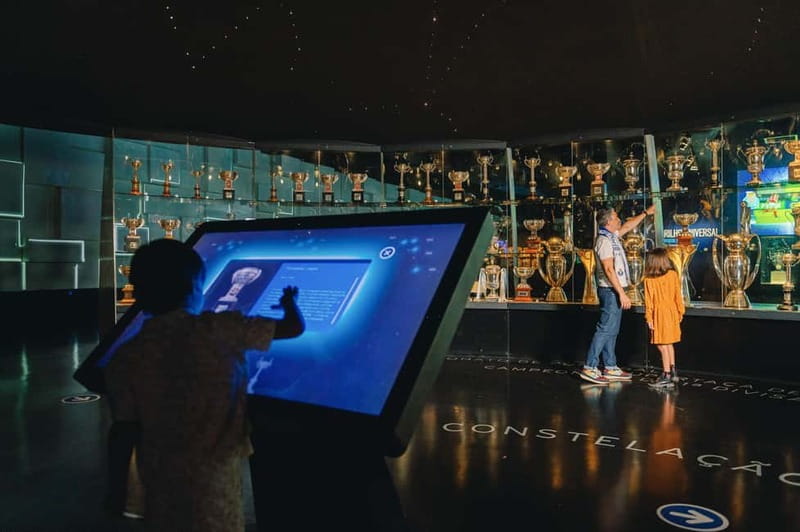
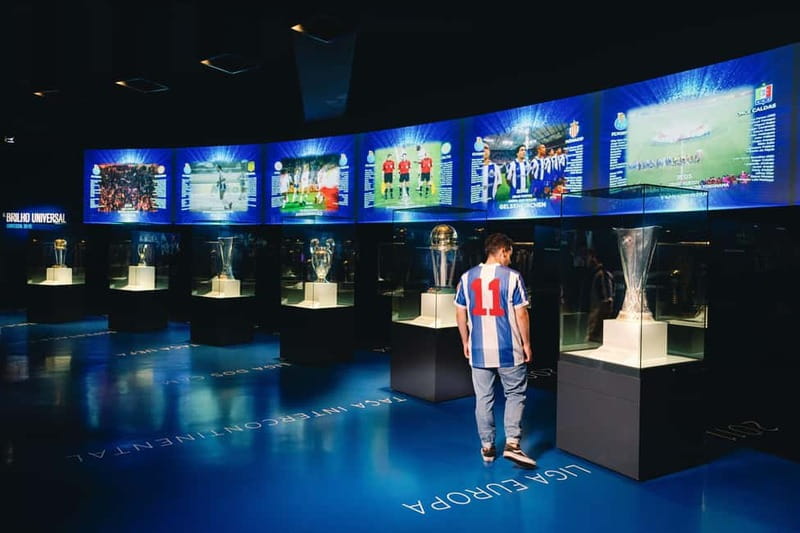
You’ll spend real time with the club’s trophy collection, including international prizes such as the UEFA Champions League. That isn’t just display case stuff. The way it’s presented makes it easier to understand why FC Porto’s European runs mattered to the club and to the city, not only as sports news but as identity.
If you like sports museums, this is one of the styles that works best: fewer abstract timelines, more “this is what the club won, and this is what it meant.”
Interactive sections and tech that help, not distract
The museum uses technology and interactive learning elements, and the layout is designed for multiple types of visitors. Even if you start out with a basic interest, you’re likely to stay for the museum scale. It’s also not the kind of exhibit where you need deep knowledge to get value, because the design keeps giving you entry points.
One practical advantage: museum tours are conducted freely within opening hours, meaning you are not locked into a tight, minute-by-minute guided schedule for the museum itself. That’s a big deal if you want to take breaks, re-read captions, or spend longer near the trophy areas.






Languages: what you can use on-site
Audio guides are available to rent in Portuguese, English, French, Spanish, German, and Italian. There’s also mention of an FC Porto Museum & Tour App. In practice, that means you don’t have to rely on English-only explanations, and you can choose how “hands-on” you want the day to feel.
In one experience, I noticed how captions being in both Portuguese and English makes the museum easier to navigate. It’s a relief when you can glance at text without hunting for a phone-based translation.
Dragão Stadium highlights: pitch views, presidential box, and more
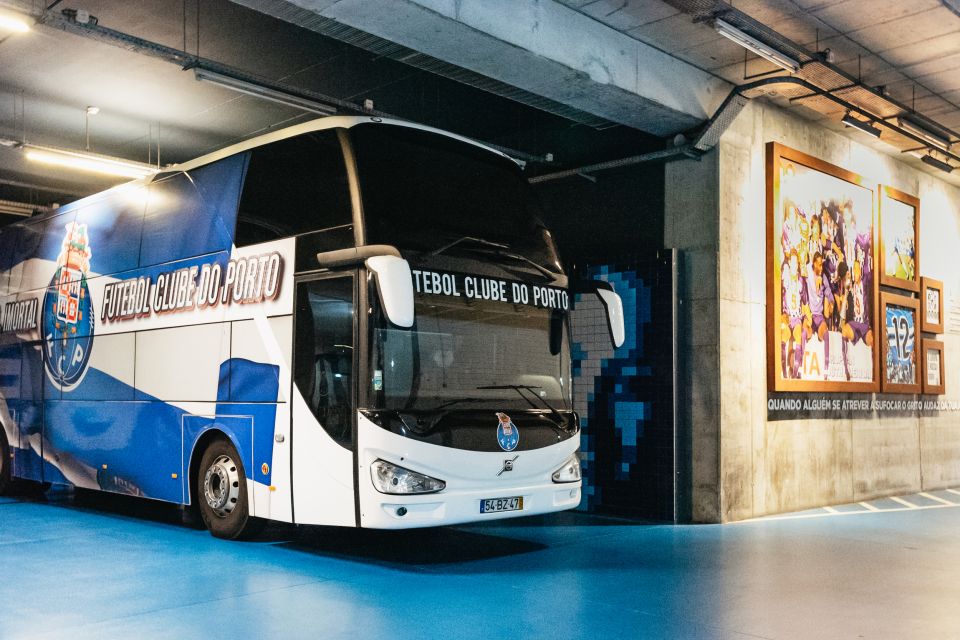
After the museum, the stadium part gives you the physical feeling of the club. Estádio do Dragão is an award-winning stadium design by architect Manuel Salgado, recognized as European Project of the Year 2003 and for environmental management.
The stadium’s resume adds context while you’re walking around:
- It hosted UEFA Euro 2004
- It staged the 2019 UEFA Nations League
- It hosted the 2021 UEFA Champions League final
And beyond football, it has welcomed major concerts by Rolling Stones, Coldplay, Muse, and One Direction.
What you’ll likely see on the stadium route
The stadium highlights mentioned for this tour route include:
- The pitch area
- The FC Porto bench
- The Presidential Box
Reviews also point to backstage-style access such as the media room and locker room areas. You may also see the opposition changing room area, not the home dressing room. If you imagined a full, matchday-sound-check tour of everything behind the curtains, adjust expectations a bit: the visit is still valuable, just not identical to every “big stadium tour” pattern you might have seen elsewhere.
The stadium visit pace: short, focused, and practical
A common timing pattern is that the stadium segment feels relatively quick, around the ballpark of 45 minutes for many visitors. That can be a plus. You get the key photo spots and the main rooms without dragging into a long guided talk.
Also, stadium tours are not guided in the classic sense. That can mean you should lean on your audio guide and self-reading. If you prefer heavy commentary, you might find the museum does more of the teaching than the stadium route does.
Best way to use your 2 hours without feeling rushed
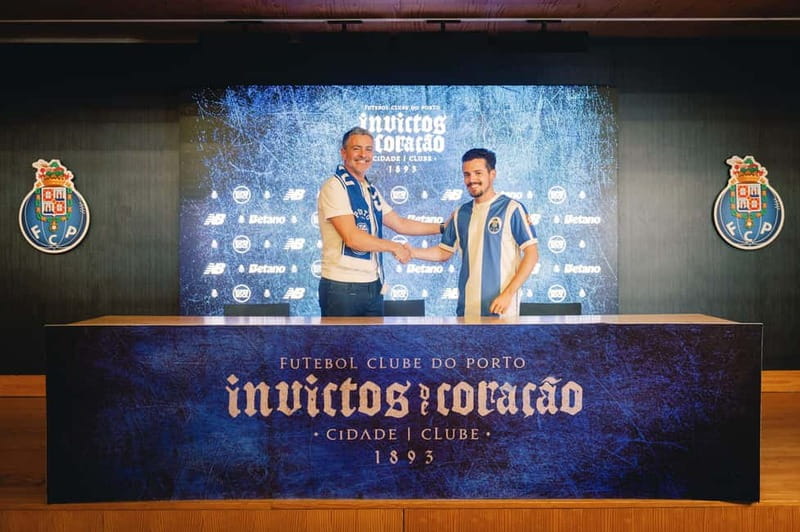
The full experience is listed at 2 hours, but the most important part is how you sequence the museum and stadium so you feel in control.
Here’s the mindset I’d use:
- The museum is self-paced within opening hours, so it’s your cushion.
- The stadium portion is route-based, so it’s your fixed anchor.
My recommended order
If you want a calm start, do the museum first, then finish at the stadium route. That helps you build context before you see the pitch and the presidential box.
If you’re more photo-focused and want to get it over with, you can do the stadium route first, then linger in the museum after. Some visitors also feel the museum after the stadium tour works better because the trophies and interactive story land with extra meaning once you’ve seen the setting.
Arrive early if you can
If your schedule allows it, arriving a bit ahead helps. One of the nice things about this setup is that you’re not just waiting for a strict handoff. If your slot allows museum time, you can settle in early and reduce stress.
Audio guide tip: volume and clarity matter
Audio guides can be excellent, but one practical issue to watch for is sound environment. Stadium areas can have loud music during parts of the day, which can make audio harder to hear. If you rent an audio guide, be ready to adjust your listening volume on the fly and re-check the track if needed.
Who this is perfect for (and who might want a different plan)
This is a strong fit for:
- Football fans who want a structured look at club achievements tied to real physical spaces
- Families who need a museum that doesn’t feel like homework, because the interactive design keeps kids engaged
- Rainy-day planning since this is mostly indoor museum time plus controlled stadium walking
- Anyone who wants a single, easy-to-find day activity near public transit, thanks to the metro-adjacent location
It may not be the best choice if:
- You want a long, narrative-led stadium tour with detailed live commentary throughout
- You’re specifically hunting for access to everything behind the scenes on matchday, like a full home dressing room experience
- You’re sensitive to audio clarity issues in busy environments, since museum/stadium sound levels can affect what you hear
Quick practical tips that save time on the day
A few details make the experience smoother:
- Bring your patience for the check-in moment. You’ll exchange your voucher on arrival for your museum/stadium tickets.
- Plan around what’s available. Stadium tours are not available on match days or UEFA match-day evenings, and they can be canceled or changed for major events on the pitch.
- Maximum occupancy applies to the stadium tour, so don’t assume you can just show up and get anything instantly.
- Wheelchair access is supported, which is important for a complex site like this.
- If you’re doing the Museum Tour Only option, remember it does not include the stadium tour, so you’ll want to schedule expectations accordingly.
Should you book the FC Porto Museum and Tour?
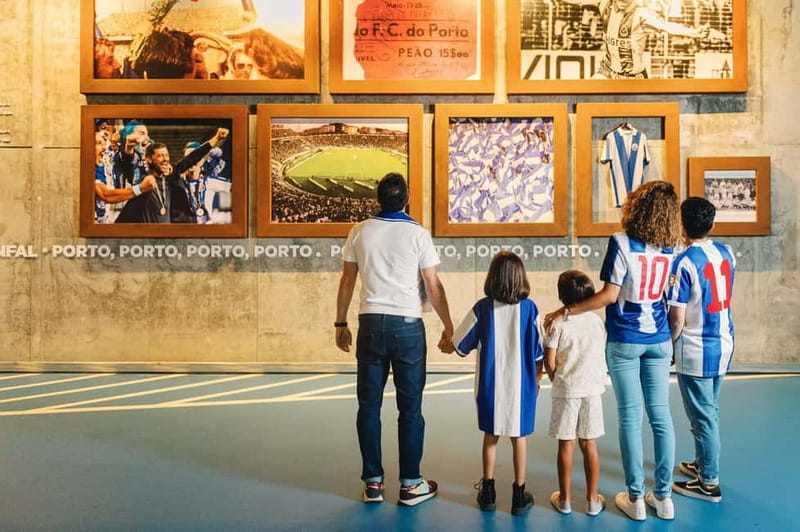
Yes, if you want a high-value Porto activity that blends football identity with a place you can walk through. For the money, you’re getting a museum that’s designed to hold attention (interactive zones, clear club story, trophy collection) plus a stadium route that hits the most meaningful spaces like the pitch area and presidential box.
I’d especially book it if you’re traveling with kids, want something indoor-heavy, or you’re even a casual fan who appreciates seeing how trophies and stadium space connect. If you’re visiting on a match day or right around major stadium events, book with the Museum Tour Only fallback in mind, so you still get a full experience even if the stadium segment can’t run.