REVIEW · PORTO
Discover Porto’s Historical Roots Walking Tour
Book on GetYourGuide →Operated by AtWill · Bookable on GetYourGuide
Porto has layers, and this tour reads them out loud. In a tight 3 hours, you’ll connect the city’s big monuments with the traces of a once-thriving Jewish community. I especially like how the guide keeps the story grounded, while also pointing out places you can still see today.
Two things I really like: the route mixes major sites like Clérigos Church with the quieter, older neighborhood feel, and the guide (Carlotta comes up a lot in feedback) is sharp at answering follow-up questions. One possible drawback: this is not a slow “sit and admire” tour—comfort means good walking shoes, and you’ll be on your feet rain or shine.
In This Review
- Key points you’ll care about
- A 3-hour Porto walk with a small-group pace
- What the tour teaches about Jewish life, persecution, and cover-ups
- Barros Basto and the Portuguese Dreyfus comparison
- Stop-by-stop: from Vímara Peres to São Bento station
- 1) Statue of Vímara Peres: the starting point and your orientation
- 2) Porto Cathedral: a quick history stop
- 3) Ribeira Square: where the story feels like it belongs
- 4) Vitória, Porto: tightening the focus on place
- 5) Clérigos Church: big monument, clear meaning
- 6) Finish at São Bento station: an easy landing zone
- Coffee break that actually helps you keep your focus
- Why the guide makes the difference (and why Carlotta stands out)
- Price and value for a 3-hour small-group history walk
- What to pack and how to handle rain or shine
- Who this tour suits best
- FAQ
- FAQ
- How long is the Porto historical roots walking tour?
- What’s the group size?
- What language is the tour guide?
- Is coffee included?
- Where does the tour start and where does it finish?
- What should I bring?
- Is the tour suitable for wheelchair users?
- Should you book this Porto historical roots tour?
Key points you’ll care about
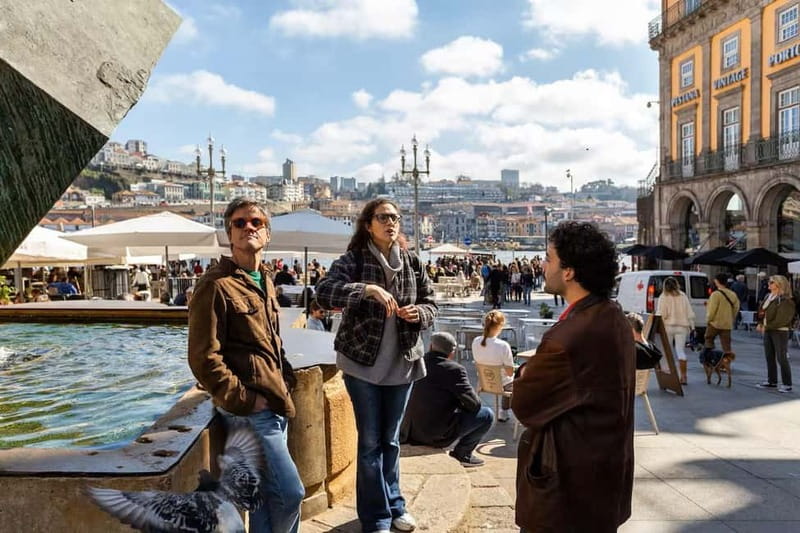
- Small group (up to 10 people) means you can ask questions and actually hear the answers
- Jewish heritage focus ties together toponymic and archaeological traces you can still spot
- Clérigos area + city center stops give you a fast orientation of Porto’s core
- Barros Basto story adds a dramatic, human thread to the larger history
- Coffee included gives you a real break in the middle of the walk
A 3-hour Porto walk with a small-group pace
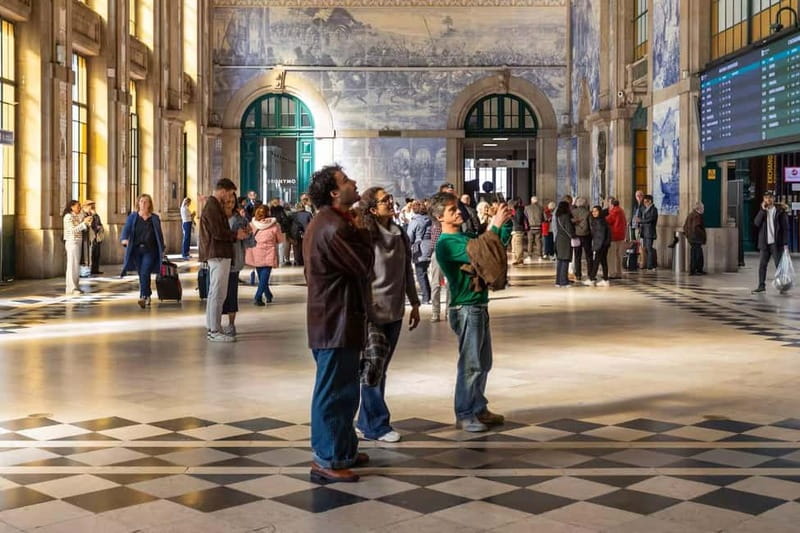
This tour is built for people who want more than photos. With a 3-hour walking format and a group limited to 10 participants, you get a guide who can slow down when questions pop up, without holding everyone hostage.
The pace also makes sense for first-time Porto visits. You’ll cover enough ground to feel like you learned the city’s geography, but not so much that you leave exhausted and cranky. Plus, coffee is included, which sounds minor until you’re standing around talking history at street level for a couple hours.
You can also read our reviews of more walking tours in Porto



What the tour teaches about Jewish life, persecution, and cover-ups
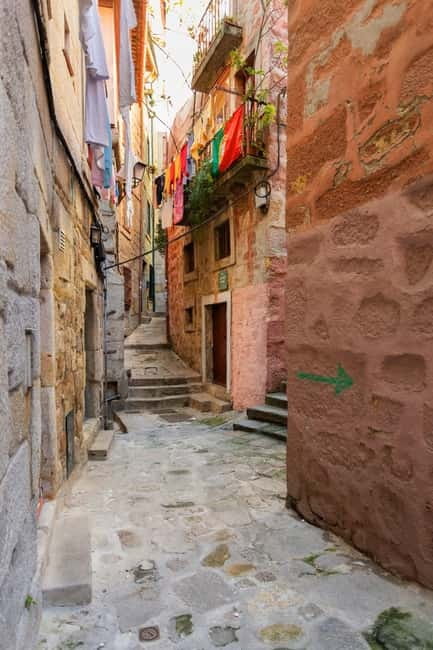
The core of the experience is a guided look at where the Jewish community once lived in Porto—and how the past still leaves clues behind. You’ll hear about toponymic traces (place-name echoes) and archaeological trace elements that have endured to this day.
The story doesn’t stay polite. The tour discusses the Inquisition, the persecution of the “new Christians,” and the way Jewish traditions were covered up for centuries. If you’re Jewish, have Sephardic ancestry, or simply want to understand this chapter of Portuguese history, you’ll get a structured narrative instead of a list of names.
You’ll also focus on a set of specific topics, including an Israeli community reference, a Jewish quarter, and the Kadoori Mekor Haim Synagogue. The tour also brings in the 1496 King’s Expelling Order, which helps explain why community life changed so dramatically.
Barros Basto and the Portuguese Dreyfus comparison
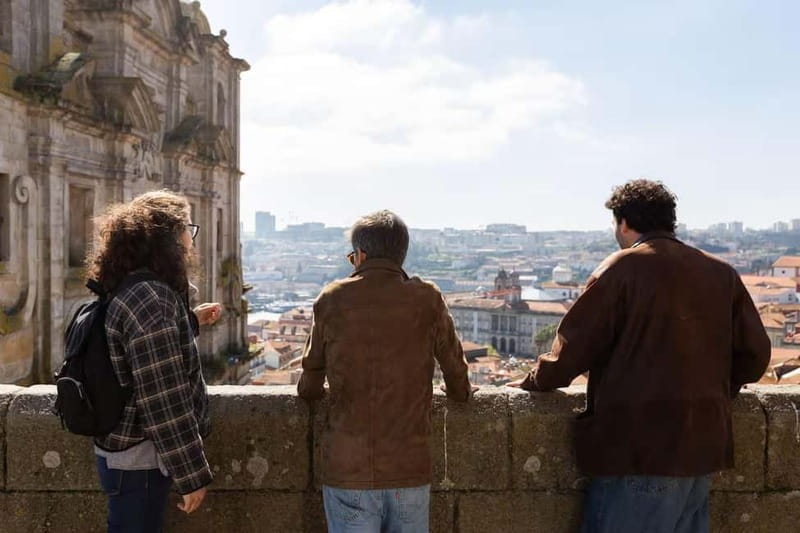
One of the most memorable parts of the route is the shift from long-persecuted history toward a story of cultural and religious rescue. The tour highlights Barros Basto and frames him as the Portuguese Dreyfus—an approach that makes the conflict feel personal, not just historical.
That framing matters. It turns a difficult topic into something you can track: persecution, secrecy, then a later push toward recognition and repair. Even if you already know the big timeline of expulsions and the Inquisition, this portion helps you understand how individuals can change the outcome of long-running pressure.
Stop-by-stop: from Vímara Peres to São Bento station
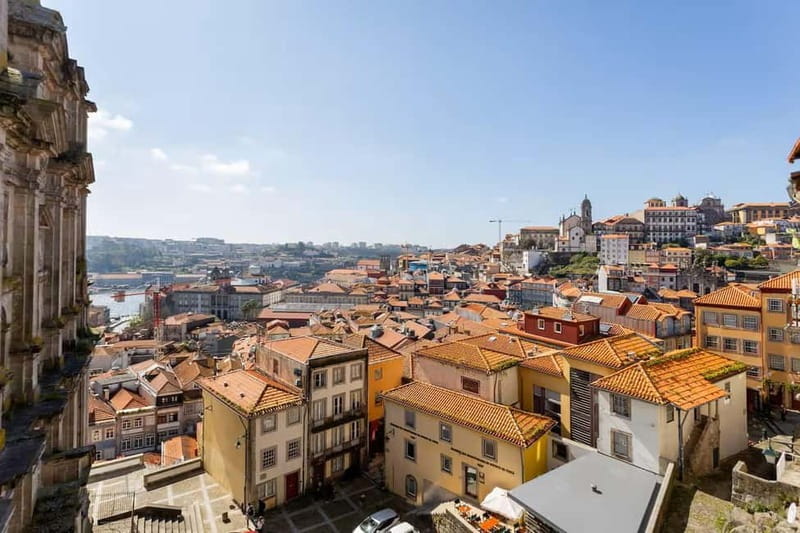
The tour is a true walking route, with short guided segments at key points. You start at the Statue of Vímara Peres, then move through the city center with multiple stops of about 10 minutes each for explanation.
Here’s how each main stop shapes the experience:
1) Statue of Vímara Peres: the starting point and your orientation
You begin at the Statue of Vímara Peres. Starting with a fixed landmark matters on a historical tour like this, because you’re about to connect streets, place names, and remembered traces into a single story.
You can also read our reviews of more historical tours in Porto



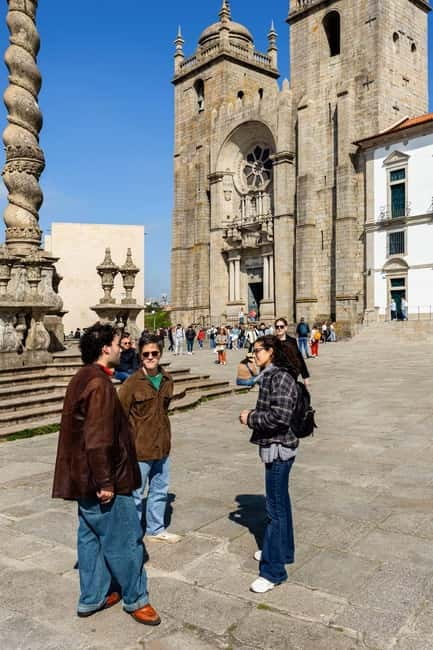
2) Porto Cathedral: a quick history stop
Next is Porto Cathedral, where you get a 10-minute guided tour. I like this kind of early stop because it anchors the group in the older, central Porto feel before you start following the Jewish-history thread across the neighborhood.
3) Ribeira Square: where the story feels like it belongs
Then you reach Ribeira Square for another 10-minute guided stop. This is where the tour starts to feel less like a museum lecture and more like walking through real urban memory.
4) Vitória, Porto: tightening the focus on place
You’ll also visit Vitória, Porto, again with about 10 minutes of guided context. For me, the value here is the way it links the “where” to the “why”—so you don’t just learn names, you learn location.
5) Clérigos Church: big monument, clear meaning
The tour includes Clérigos Church (and you’ll learn about it as one of the major monuments, with Clérigos Tower called out as a highlight). This stop is a good reality check: you’re seeing one of Porto’s famous landmarks while also keeping the historical thread from drifting off into generic sightseeing.
6) Finish at São Bento station: an easy landing zone
The walk ends at São Bento station. Ending at a transport hub is practical. You get a clean finish point instead of a long “now what?” scramble, especially if you’re planning your next move right after the tour.
Coffee break that actually helps you keep your focus
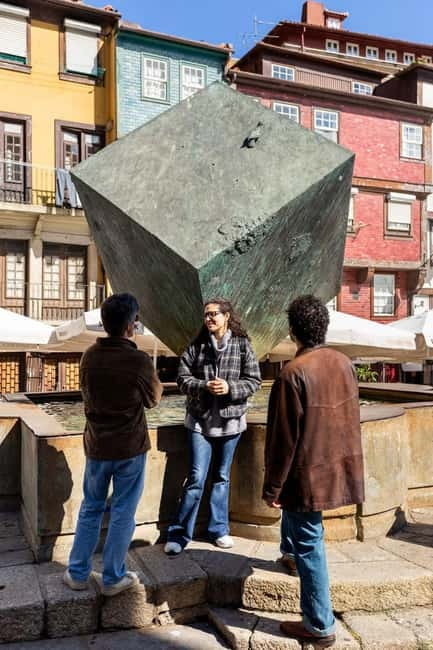
This tour includes coffee, and that matters more than you’d think on a history-heavy walk. Instead of dragging through the afternoon with a half-functioning brain, you’ll get a short reset that helps you stay with the narrative.
Think of it as part of the pacing. The coffee doesn’t replace the walking; it prevents the story from blurring into background noise.
Why the guide makes the difference (and why Carlotta stands out)
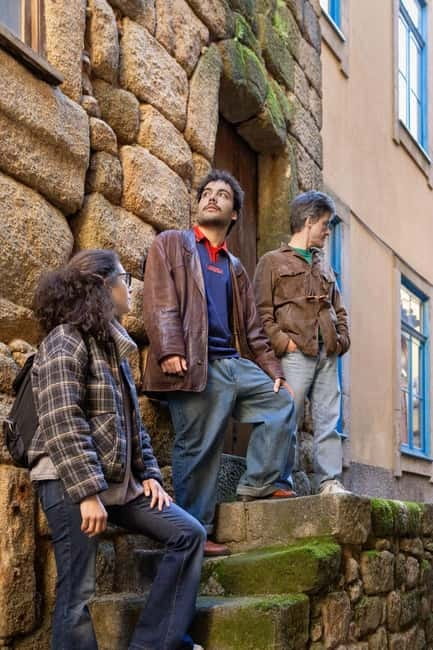
The tour is led by a live English-speaking guide, and the feedback is consistent: the guide’s strength is how well they handle questions and keep the flow understandable. In particular, Carlotta is repeatedly praised for being very strong on history details and for answering nearly every question people ask.
That’s exactly what you want on a walking tour tied to sensitive history. If something is unclear—like how toponymic traces work, or how different events connect—you’re not stuck. You get direct answers on the spot, while you’re standing near the places being discussed.
Price and value for a 3-hour small-group history walk
At $28 per person for about 3 hours, this is fairly priced when you look at what you’re buying. You’re not just paying for walking and views; you’re paying for a guide to explain multiple layers of Porto’s past, including specific elements like the King’s expelling order and Barros Basto.
The small-group limit (up to 10 people) improves value because your experience isn’t buried under a big group’s noise. And the included coffee nudges the overall “what do I get” balance in your favor.
What to pack and how to handle rain or shine
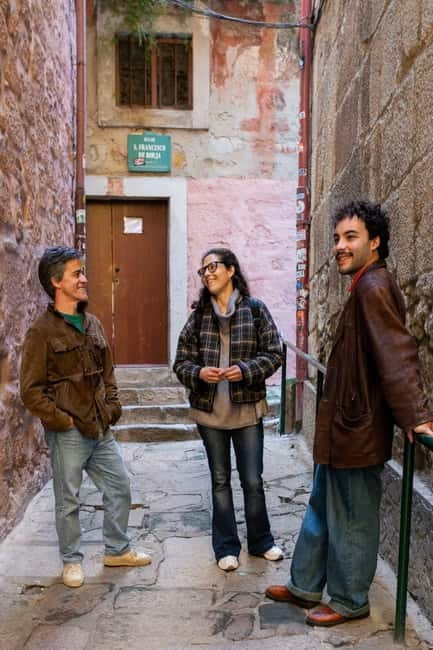
This tour runs rain or shine, so don’t plan on weather saving you. Wear comfortable clothes and comfortable shoes—you’ll be walking through the city center with stops and explanation along the way.
If you’re the type who hates getting caught without a plan, bring a small umbrella or rain layer. Porto weather can turn quickly, and you’ll want to keep your energy for the story, not for shelter-hunting.
Who this tour suits best
I think this is a great fit if you want:
- Porto landmarks with meaning, not just sightseeing
- A guided explanation of Jewish heritage in Porto, including the Inquisition era and later rescue narratives
- A route that helps you get your bearings fast while learning new context
It’s also a solid choice if you’re traveling with someone who likes history discussions. The structure and question-friendly guide style make it easier to stay engaged for the full 3 hours.
FAQ
FAQ
How long is the Porto historical roots walking tour?
It lasts about 3 hours.
What’s the group size?
It’s a small group, limited to 10 participants.
What language is the tour guide?
The live tour guide speaks English.
Is coffee included?
Yes, coffee is included.
Where does the tour start and where does it finish?
It starts at the Statue of Vímara Peres and finishes at São Bento station.
What should I bring?
Bring comfortable shoes and comfortable clothes.
Is the tour suitable for wheelchair users?
No, it’s not suitable for wheelchair users or people with mobility impairments.
Should you book this Porto historical roots tour?
Book it if you want Porto with context—especially the Jewish-root chapter of the city and the way the tour connects specific places to what people lived through. The format works well for a first visit because you’ll hit recognizable sites while learning how older traces still show up.
Skip it only if you’re looking for a casual, purely scenic walk with minimal history. This one is story-driven, and it rewards you most when you’re ready to listen, ask questions, and walk.