REVIEW · PORTO
Porto: Private Yacht Cruise with Local Wine, Snacks and 6 Bridges
Book on Viator →Operated by ZapDouro · Bookable on Viator
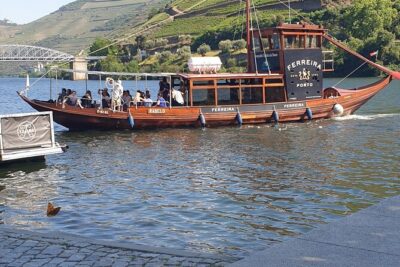
Porto looks different from the Douro. This private yacht cruise gives you front-row river views plus local wine and snacks as you glide under major bridges.
I especially love how the route turns the city into a moving photo gallery, from the UNESCO bridge views to the dramatic arches across the water. I also like that the crew keeps it relaxed and personal, with friendly hosts such as Antonio, Carlos, Carolina, and Mariana often guiding the experience.
One consideration: this is weather-dependent, and the cruise is best when the river is calm and visibility is good.
In This Review
- Key things to know before you book
- Why the Douro feels like Porto on easy mode (in 2 hours)
- Boarding at Marina do Freixo: private boat, real comfort
- The 6 bridges: what to watch for as you pass each one
- Dom Luís I Bridge: road below, metro above
- Ponte do Freixo: the upstream twin-bridge detail
- Ponte Infante Dom Henrique: the slender replacement bridge
- Ponte de São João: railway across the Douro
- Ponte da Arrábida: the reinforced-concrete arch story
- Dom Maria Pia (Gustave Eiffel): iron-arch legend in motion
- Beyond the bridges: monastery, wine port, and UNESCO views
- Serra do Pilar monastery: circular cloisters and UNESCO ties
- Cais de Gaia: the port-wine waterfront
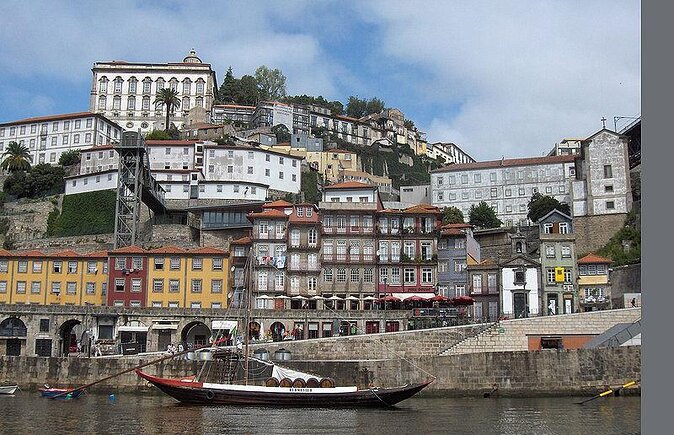
- Ribeira and the famous hilltop garden view
- Local wine, snacks, and the part you’ll remember most
- The crew matters: family-run hosting you can feel
- Weather and timing: how to pick the best cruise window
- Price and value: $337.39 per group can be a smart move
- Who this suits best (and who should skip it)
- Should you book this Porto yacht cruise?
- FAQ
- FAQ
- How long is the yacht cruise in Porto?
- How much does it cost?
- Is this a private tour?
- Where do we meet?
- What language is offered?
- Does the cruise include wine and snacks?
- Is it weather dependent?
Key things to know before you book
- Private time on the Douro with up to 10 people, so you can actually talk and linger.
- Six-bridge route across Porto and Vila Nova de Gaia, including Dom Luís I, Dom Maria Pia, and Ponte da Arrábida.
- Wine and snacks included, with plenty of drinks and a cheese/charcuterie-style board.
- Family-run hosting often led by Antonio and Carlos, with warm, practical local talk.
- Good rain protection is on board, which helps if the sky turns gray.
Why the Douro feels like Porto on easy mode (in 2 hours)
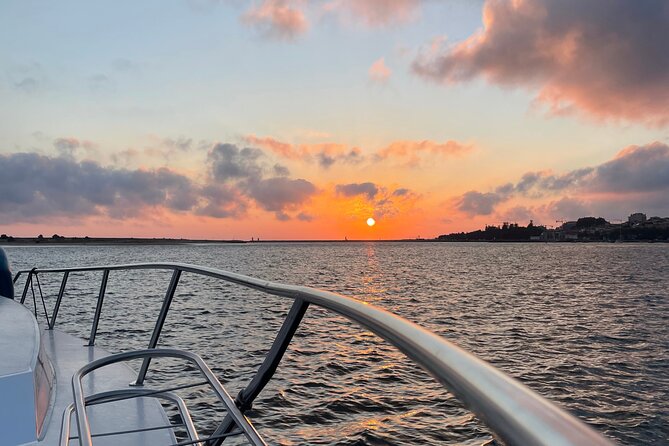
The Douro River is where Porto makes sense. From the water, you see how the historic riverbanks, Port wine cellars in Vila Nova de Gaia, and those famous bridges fit together like one big story.
This cruise is built for short attention spans and tight schedules. In about 2 hours, you get a lot of skyline and bridge action without the bus rides, ticket lines, or hopping between viewpoints.
And there’s a very human reason this works: you’re not rushing to “see everything.” You’re just floating. You can chat, take pictures, or quiet down with a drink when the light turns golden.
You can also read our reviews of more boat tours in Porto

Boarding at Marina do Freixo: private boat, real comfort
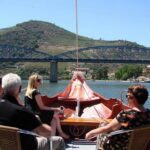
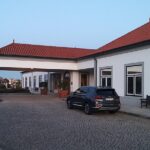
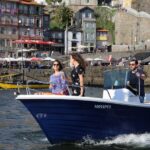
Meet at Restaurante Marina do Freixo, N108, 4300-316 Porto. From there, your yacht ride stays private for your group, which matters more than it sounds. Your space doesn’t turn into a crowded scramble, and it’s easier for families too (even for trips that include a baby).
The boat setup is consistently described as clean and comfortable, and the ride itself tends to feel smooth, not jarring. You’ll hear English on board, and you’ll get a mobile ticket, so you’re not hunting for paper tickets or printing anything.
A nice extra: you might get the option to play your own music through a speaker, so you can set the mood instead of sharing someone else’s playlist.
The 6 bridges: what to watch for as you pass each one
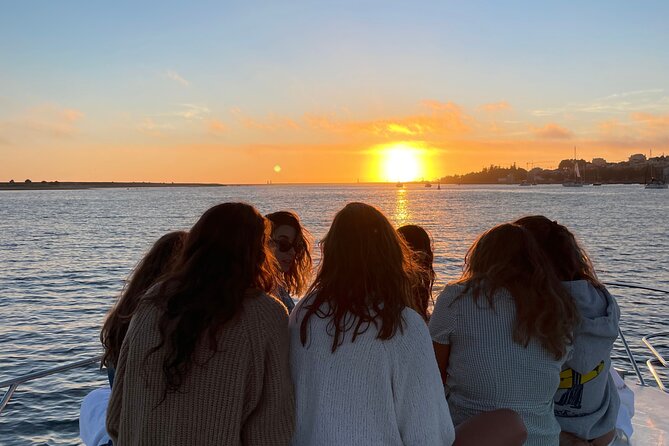
The title says 6 bridges for a reason. This is one of those rare Porto experiences where the geography is the show, and the crew’s local context helps you notice details instead of just admiring the view.
Dom Luís I Bridge: road below, metro above
This is the iconic arched bridge connecting Porto and Vila Nova de Gaia. It has the classic look—an arch with road on the lower level and the metro line up top—so you’re basically watching modern movement through a historic shape.
Technically, it replaced an older suspension bridge on the same site. The project was led by the Belgian engineer Théophile Seyrig, who had worked with Gustave Eiffel on earlier engineering projects, tying Porto’s bridges together in an interesting way.
Ponte do Freixo: the upstream twin-bridge detail
Next up is the long road bridge from the 1990s: Ponte do Freixo. It’s the furthest upstream bridge linking Porto and Gaia, and it has a clever design detail that’s easy to miss from a distance.
This one is actually two bridges built side by side, only 10 cm apart. From the yacht you can spot the visual rhythm of those two parallel structures, especially when the river light is strong.
You can also read our reviews of more private tours in Porto
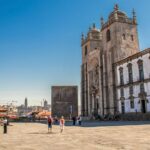


Ponte Infante Dom Henrique: the slender replacement bridge
Ponte Infante Dom Henrique (often called Ponte do Infante) connects Gaia to Porto and is known for its slender look. It’s named for Infante D. Henrique, born in Porto, and it was built to replace the upper deck of the Luís I Bridge.
That “replacement” bit matters because it explains why the bridge lineup feels intentional. This wasn’t just aesthetic engineering—it was a traffic and design solution that reshaped how the city connects across the river.
Ponte de São João: railway across the Douro
Ponte de São João carries the Northern Line over the Douro. It was built to replace the older Ponte D. Maria Pia and entered service on June 24, 1991.
When you’re on the water, this bridge feels like a moving transport machine stretched across the river. It also gives you a helpful sense of scale: you’re not only looking at heritage, you’re watching the living infrastructure of Porto.
Ponte da Arrábida: the reinforced-concrete arch story
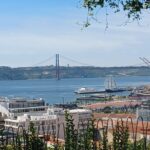
Ponte da Arrábida is an arched bridge that addresses road traffic needs that grew after the older bridges couldn’t keep up. It has major engineering credentials: when it was constructed in 1963, it featured the largest reinforced concrete arch of any bridge in the world.
From the yacht, you get that clean arch geometry—one reason it’s so photogenic. This is the kind of bridge where you’ll want a few angles, because the curve reads differently depending on where the light hits.
Dom Maria Pia (Gustave Eiffel): iron-arch legend in motion
The sixth bridge is the one with a big engineering name attached. The Dom Maria Pia railway bridge was completed in 1877 and designed by Gustave Eiffel.
At its inauguration, it had the longest iron arch in the world. Even if you don’t care about engineering trivia, this bridge has presence. From the water you feel how thin the structure looks compared with the width of the river beneath it.
Beyond the bridges: monastery, wine port, and UNESCO views
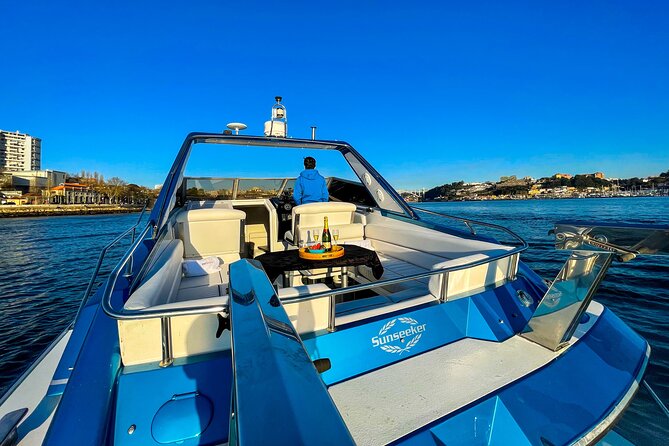
The cruise doesn’t treat Porto like a checklist of bridges. As you move along the river, you also get serious context from places on the banks.
Serra do Pilar monastery: circular cloisters and UNESCO ties
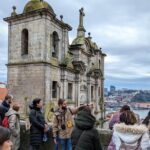
One of the most striking stops is the 16th-century Serra do Pilar monastery, set on a hill. It’s known for its cloister and its round church, both circular and the same dimension.
It was classified as a National Monument in 1910. Later, in 1996, it became part of a UNESCO designation alongside the Historic Center of Porto and the Luís I Bridge. From the water, you get that layered feeling—engineering below, architecture above.
Cais de Gaia: the port-wine waterfront
Cais de Gaia is a tourist area on the left bank in Vila Nova de Gaia, across from Porto’s UNESCO historic zone. Historically, it was a river port for centuries, with Port wine exports being especially important.
From the yacht, this area works as a reminder: the Douro is not just scenery. It’s a working route that helped build the wine economy.
Ribeira and the famous hilltop garden view
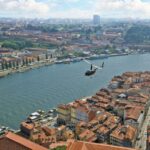
Ribeira is one of Porto’s oldest and most typical neighborhoods, part of the UNESCO Historic Center. From the river, it’s a great place to notice how tightly the city hugs the waterfront.
You also get views from a garden overlooking the river and the city, described as a very famous Porto spot. Even if you don’t hop out for a walk, the sightline from the water gives you that “oh, so this is why everyone comes here” perspective.
Local wine, snacks, and the part you’ll remember most
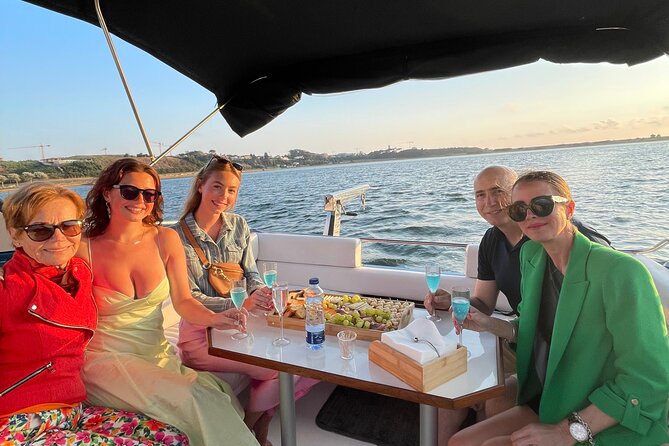
Let’s be honest: you’re booking a yacht cruise partly because you want the drink-and-snack part to feel worth it. Here, it does.
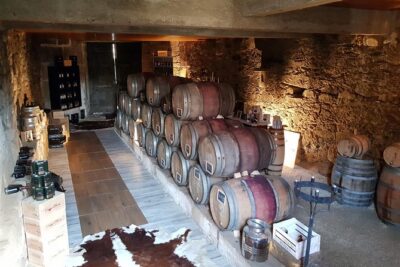
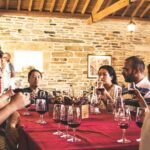
You’ll get local wine and snacks as you cruise. The experience often includes a cheese board or charcuterie-style platter, and the wine supply tends to be described as plentiful, not stingy. People also note chilled sparkling wine and Port-style options.
The pairing matters because the Douro wine culture isn’t random. The river is the reason the grapes and cellars matter. So when you sip while passing those waterfront areas, the taste and place connect.
I also like that the crew seems to get the vibe right: you’re not being marched through a tasting lecture. You’re given food, drink, and conversation, then allowed to enjoy the view at your own pace.
The crew matters: family-run hosting you can feel
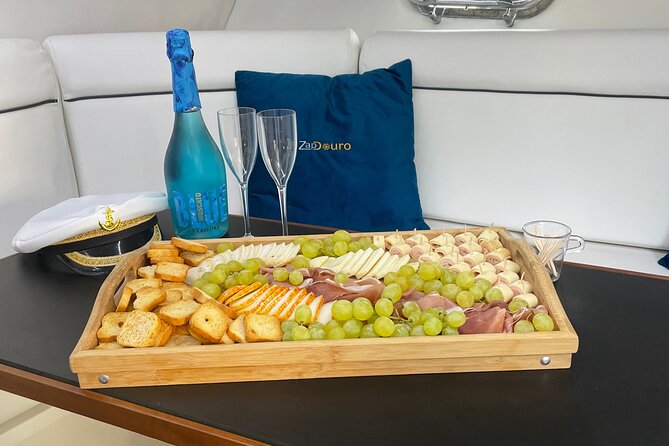
A big part of the value here is the human touch. This is run by a family-style team, and it shows in the way the hosts keep things easy.
You might meet Antonio as the host and Carlos as the captain, with their family members such as Carolina or Mariana also mentioned as part of the on-board experience. People often highlight that the crew answers questions, offers local context, and knows how to give privacy without making it awkward.
There’s also a nice “small details” pattern in the reviews: they pay attention to being friendly, keeping the ride smooth, and offering practical help if the weather turns. One account even mentioned an upgrade to a larger boat when conditions were rainy, which is a good sign of flexibility.
Weather and timing: how to pick the best cruise window
This experience requires good weather. That’s not a dealbreaker if you’re booking with a bit of flexibility, but it does mean you should treat this as a “watch the forecast” plan.
If conditions are drizzly, there’s still a good chance you’ll enjoy it. One common mention is that they have rain protection that helps keep things comfortable without ruining your ability to see the bridges.
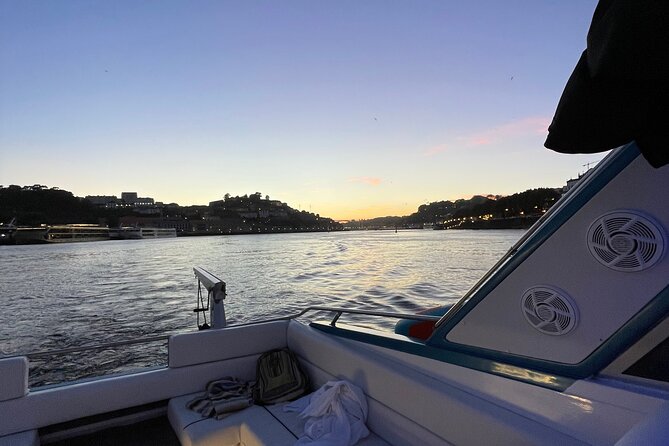
For timing, I’d aim for the softer light—late afternoon into sunset—because the river and bridge reflections look their best then. If you’re the type who wants a calm, scenic vibe more than a strict schedule, this timing is your friend.
Price and value: $337.39 per group can be a smart move
The price is $337.39 per group, up to 10 people, for around 2 hours. Put differently, this is often like paying for a private outing rather than paying per person and watching the price creep upward.
The value comes from three places:
- Private boat time for your group
- Wine and snacks included
- Local, on-board hosting that makes the bridges and waterfront feel connected instead of random
If you’re traveling as a couple, you might think, why not just book a cheaper shared cruise? You can, but you’ll likely give up the privacy, the quieter conversation, and that relaxed pace. For couples who want a special afternoon, the private format is the point.
For small groups or families, the math gets even friendlier. Splitting a group price among multiple people can turn this into one of the best “one activity that makes the trip feel different” buys you’ll make in Porto.
Who this suits best (and who should skip it)
This cruise is a great fit if you want Porto to feel slower and more personal. It’s popular with couples, small groups, and families, including groups traveling with a baby, because the private format makes it easier to avoid disrupting others.
It may not be ideal if you hate being on the water, even briefly. Also, if you’re only visiting for quick landmark photos and don’t want a relaxed pace, you might feel this is too unstructured.
If you’re the type who likes asking questions while traveling, you’ll appreciate that the hosts actively share local context and history in a way that doesn’t take over the trip.
Should you book this Porto yacht cruise?
I’d book it if you want a memorable Porto afternoon with real views, not a hurried route. The six-bridge focus is a clear win, and the included wine and snack setup makes it feel like more than just transportation.
I’d also book it if you’re traveling with 3–10 people and want the private cost to feel fair. Your group gets a calm, comfortable way to see UNESCO areas and bridge engineering that you’d never appreciate from street level alone.
If the forecast looks rough, I’d still consider booking—but watch the weather and be ready to switch dates if they cancel due to poor conditions.
FAQ
FAQ
How long is the yacht cruise in Porto?
The cruise lasts about 2 hours.
How much does it cost?
It costs $337.39 per group (up to 10 people).
Is this a private tour?
Yes. It’s private, and only your group participates.
Where do we meet?
Meet at Restaurante Marina do Freixo, N108, 4300-316 Porto, Portugal.
What language is offered?
The experience is offered in English.
Does the cruise include wine and snacks?
Yes. It includes local wine and snacks during the cruise.
Is it weather dependent?
Yes. The experience requires good weather, and if it’s canceled due to poor weather you’ll be offered a different date or a full refund. Service animals are allowed.