REVIEW · FOZ DO DOURO
Porto Private Walking tour
Book on GetYourGuide →Operated by Touch Tours Porto · Bookable on GetYourGuide
Porto is best learned one street at a time. This private walking tour is built for you to move through the heart of town with a young local guide, stopping at the kinds of places that explain Porto’s past, religion, markets, and wine culture. I like that it’s not just photo stops; you get the story behind what you’re seeing.
Two things I really like: the pacing through major sights (São Bento Station, Porto Cathedral Sé, São Francisco) and the way the guide works as a real human, not a script. One possible drawback is that it’s a solid walking route for about 3 hours, so if your legs are already tired, you’ll want to plan for breaks and bring comfortable shoes.
In This Review
- Key highlights you’ll feel during the walk
- Why this Porto tour fits the way you actually explore
- From your pickup to Vitória: getting your bearings in the first 30 minutes
- São Bento Station: more than a quick photo stop
- Porto Cathedral (Sé) and the Batalha Square stop: religion and power in stone
- Avenida dos Aliados, Santa Catarina, and Bolhão Market: the daily heartbeat
- Clérigos, Carmo Church, Praça dos Leões, and Lello Bookstore: famous faces with a reason
- São Francisco Church and the Ribeira district: where the city turns dramatic
- Dom Luís Bridge: the connective moment between Porto’s two faces
- Optional Porto wine and pastry: a classy finish, not an expectation
- Price, private-group value, and how to judge the $117 cost
- Who should book this private Porto walking tour
- Should you book it or DIY Porto instead?
- FAQ
- How long is the Porto Private Walking Tour?
- Is this tour private?
- Where does the tour start?
- What’s included in the price?
- Which languages are available?
- Is it suitable for everyone?
Key highlights you’ll feel during the walk
- A local guide who answers questions and adapts on the fly
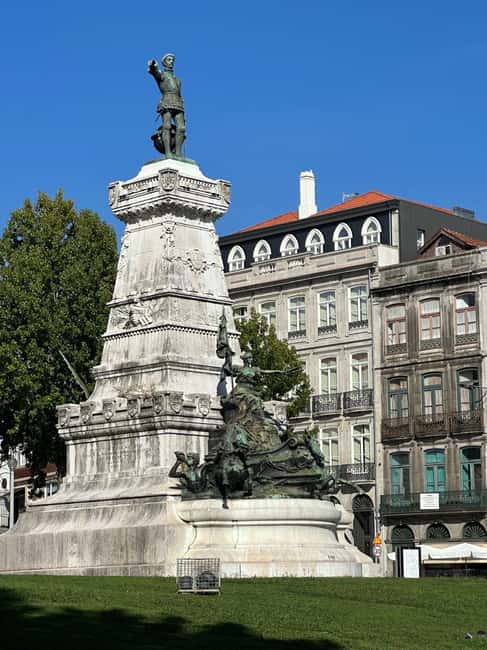
- Iconic stops in one flow, from São Bento to Sé to Ribeira
- Wine culture context, with an optional Porto wine pairing at the end
- Market and main shopping streets (Bolhão Market and Santa Catarina) for everyday Porto
- Dom Luís Bridge and the riverfront views that connect old and new Porto
Why this Porto tour fits the way you actually explore
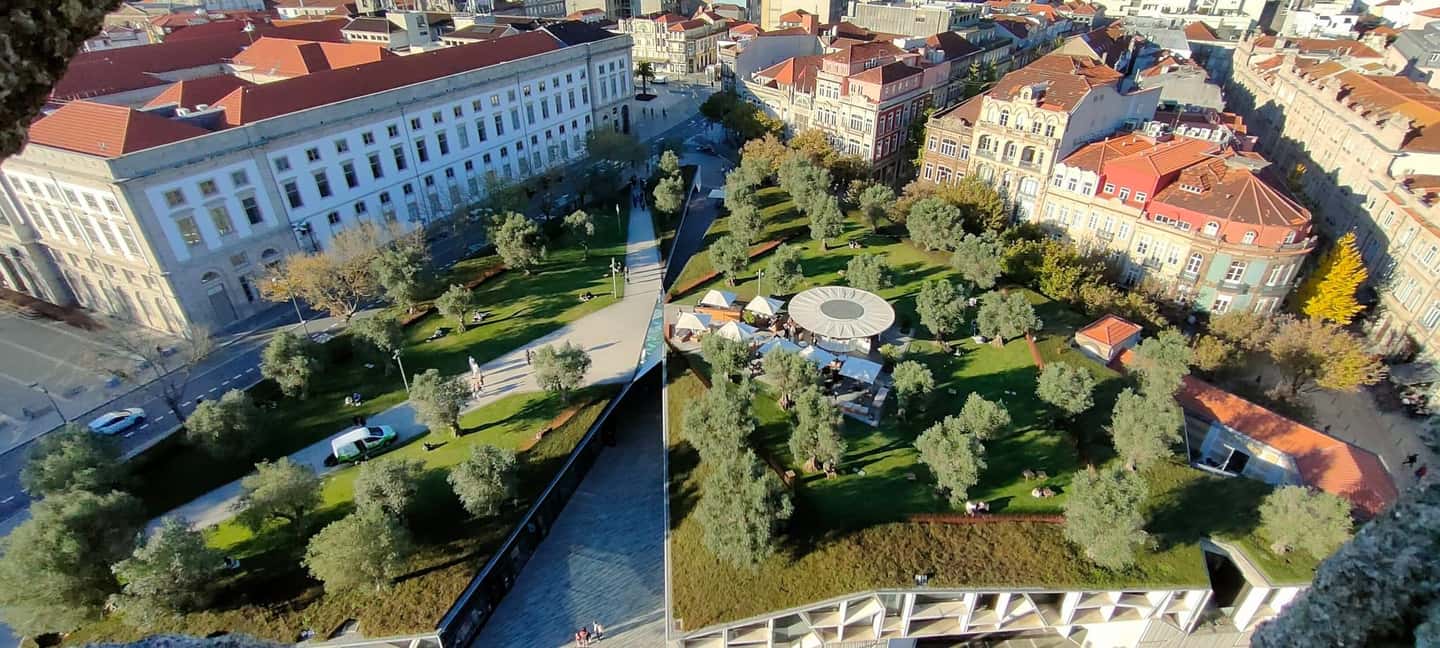
Porto’s historic center is compact, but it’s not simple. Streets curve, hills show up, and the city’s layers stack on top of each other—Romanesque churches, baroque facades, and working markets all in the same morning. A private walking format helps because your guide can steer your pace and focus.
This is also a smart length. At about 3 hours, you get time to see the big highlights without turning the whole day into a sprint. You’ll still have the rest of the day free for a slow lunch, a second look at the places you liked, or a casual wander along the river.
The other quiet advantage: your guide is a local, described as dynamic and young, with a passion for history. In at least one case you’ll hear guide names like Mariana praised for being extra friendly, open to questions, and clear in how she explains Porto—plus offering personal food and visit suggestions afterward.
You can also read our reviews of more walking tours in Foz Do Douro

From your pickup to Vitória: getting your bearings in the first 30 minutes
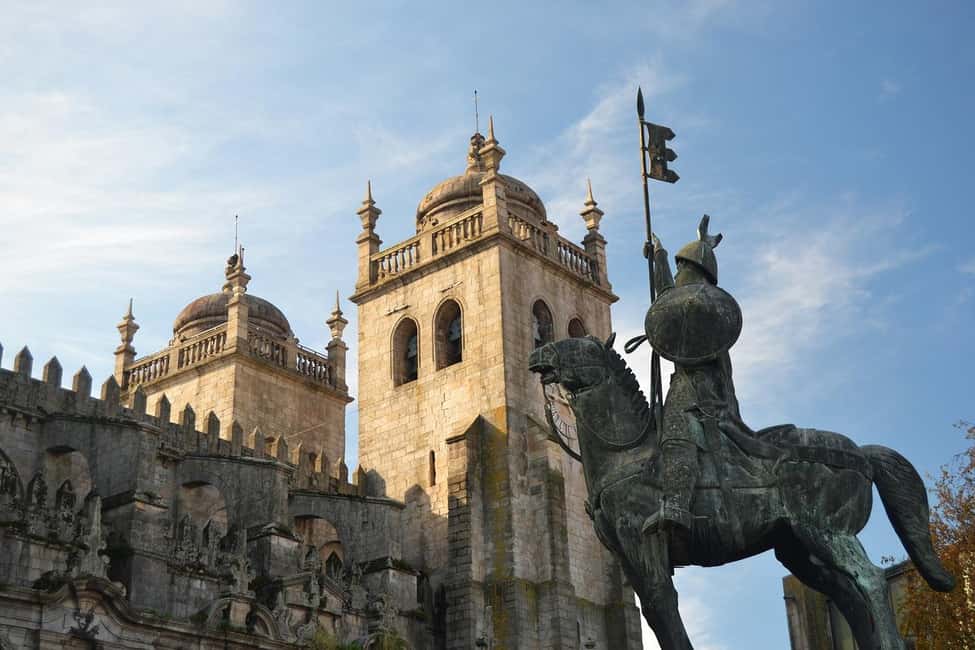
The tour starts with pickup in Porto, then it quickly moves into the Vitória area for a guided walk (about 30 minutes). This is a practical start zone because it sets the tone: you learn where the old city sits, how neighborhoods connect, and what to notice as you keep walking.
From there you head toward Rua das Flores (about 15 minutes). Expect it to feel like Porto’s everyday side—narrow lanes, changing views, and the kind of street detail you’d miss if you were only rushing between postcards. It’s also the moment where a good guide helps you see the city, not just pass by it.
If you’re someone who likes orientation—figuring out where the major sights “line up” for later—this first stretch is useful. You leave it with mental map pins, so the rest of the day feels easier.
São Bento Station: more than a quick photo stop
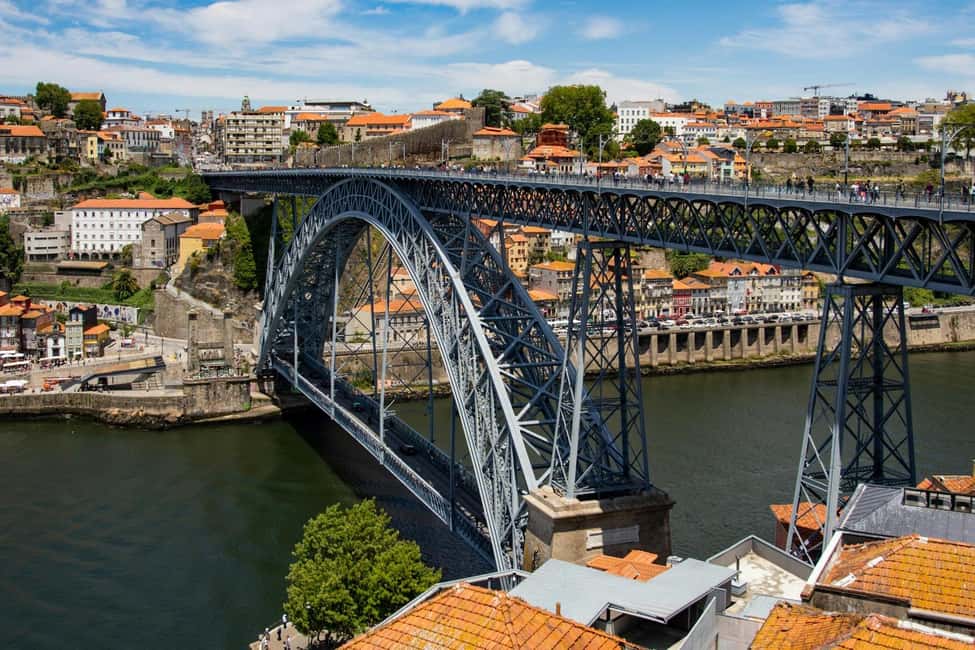
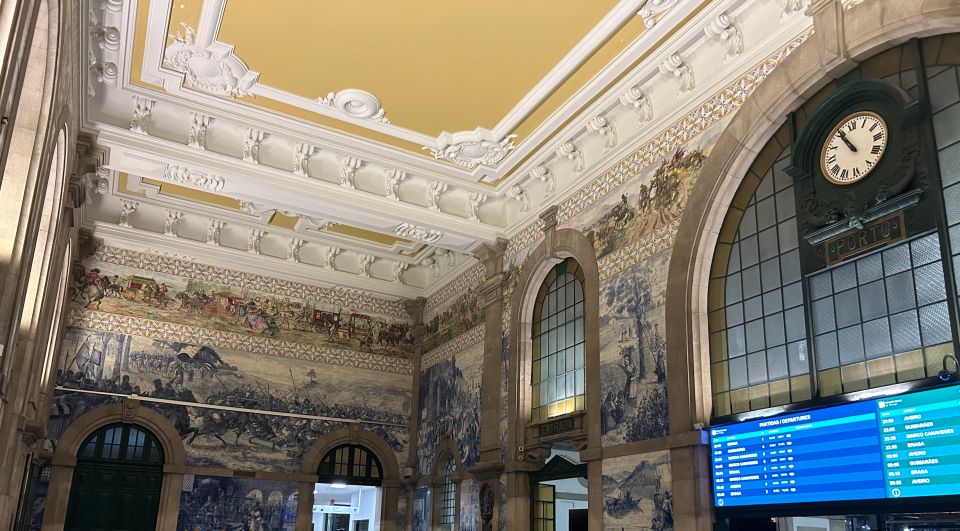
One of the first major “wow” stops is São Bento Railway Station, with guided time (about 20 minutes). This place is famous for its decorative tile work, but the value here is how your guide frames it—why it exists, what it reflects about Portugal, and how it became part of Porto’s identity.
The downside? Stations are crowded. Even on a private schedule, you’ll share space with commuters and visitors. I’d treat this as a “look, listen, then look again” moment—let the guide explain, then take your time with the details after.
If you care about art in public spaces, you’ll probably linger. The guide’s pacing matters because it helps you avoid the classic problem: staring at tiles without understanding why they’re there.
Porto Cathedral (Sé) and the Batalha Square stop: religion and power in stone
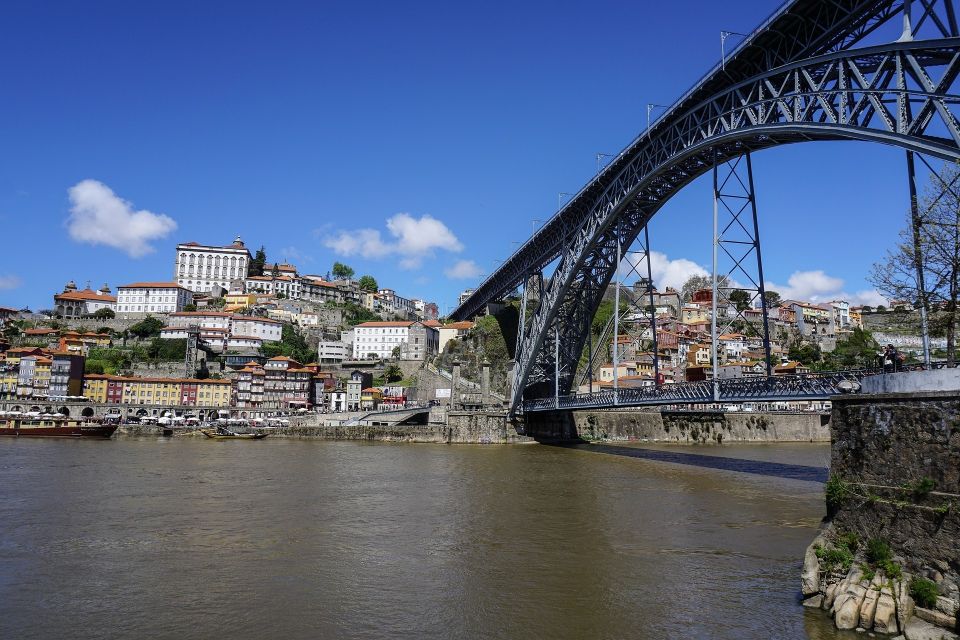
Next comes Sé, Porto—the Porto Cathedral—with about 40 minutes of guided time. This is one of the stops where you feel how Porto ties architecture to identity. Your guide will help connect the cathedral to the story of the city, including religious traditions and historical context.
You’ll also pass Batalha Square (about 20 minutes). Even if you just think of squares as places to take photos, this one works better with context. It helps you understand how the “open spaces” fit into the older, heavier parts of town.
A gentle reality check: if you’re hoping for constant scenic views, this portion is more about structure, symbolism, and atmosphere. It’s still worth it, especially if you like learning how a city’s values show up in its buildings.
Avenida dos Aliados, Santa Catarina, and Bolhão Market: the daily heartbeat
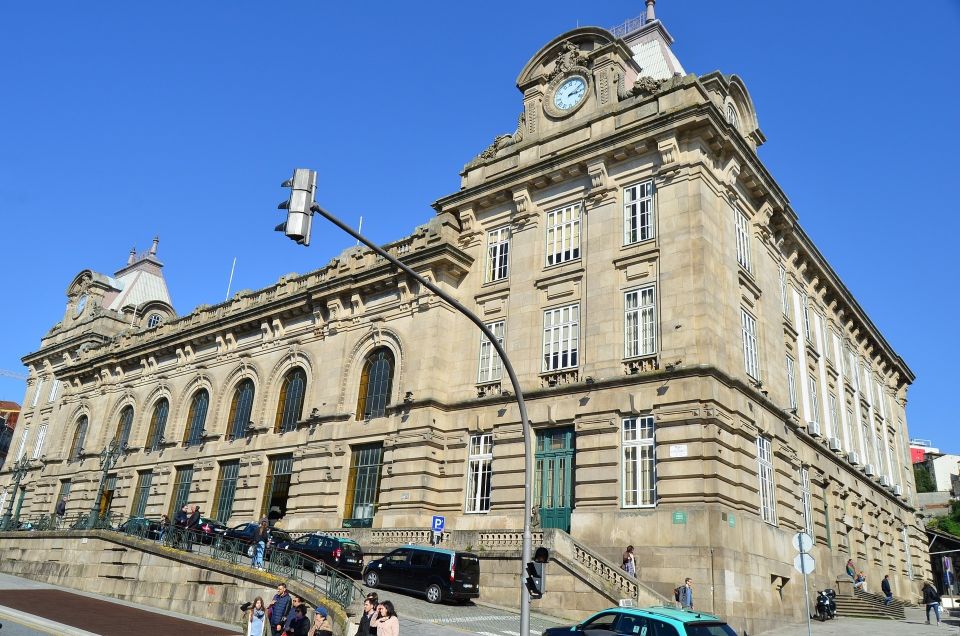
From Sé and nearby areas, the tour moves into the city’s more public, people-focused side—Avenida dos Aliados, Rua Santa Catarina, and Mercado do Bolhão.
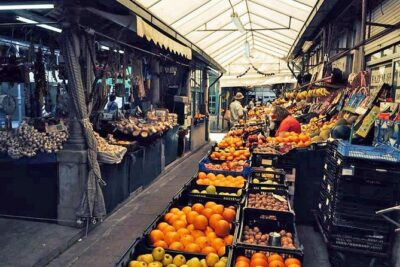
You’ll spend about 20 minutes on Rua Santa Catarina and also get time at Mercado do Bolhão (about 20 minutes). This is a key part of why the tour feels authentic. Markets aren’t just food; they’re where locals gather, talk, bargain, and keep traditions alive.
Here’s how you’ll likely experience it: you’ll see shoppers and stalls, but you’ll also understand the market’s role in Porto’s routines and local culture. With a good guide, you’ll start noticing small patterns—what’s sold, how people move, and what kinds of items reflect regional life.
The potential drawback: market stops can be time-sensitive. If you hit the market during a quieter moment, the energy might feel different than you expect. But that’s true of any market visit, and a guide’s explanations make the difference even when the crowd level changes.


Clérigos, Carmo Church, Praça dos Leões, and Lello Bookstore: famous faces with a reason
The tour description aims to visit Clérigos Tower, Praça dos Leões, Carmo Church, and Lello Bookstore. Even without going deep into every building, this cluster gives you a cross-section of Porto’s artistic and architectural styles.
Why this part is valuable: your guide can connect the dots so it doesn’t feel like you’re checking off landmarks. Instead, you understand how churches, towers, and cultural institutions reflect the city’s pride and its relationship to art and education.
A practical consideration: Lello Bookstore can be a “planned moment” on a sightseeing day. If there’s any line or crowd pressure, don’t fight it. Use the time you have to look around and absorb what you came for, then let the guide handle the flow so you don’t lose the rest of the tour rhythm.
And yes, this is where you’ll likely ask questions—especially if you enjoy stories behind buildings. In one review example, the guide’s openness to curiosity was a big plus, and that fits this section well.
São Francisco Church and the Ribeira district: where the city turns dramatic
Later, the tour aims for São Francisco Church and its complex and the Ribeira district. These stops are the payoff for people who want Porto’s emotional side—the places that feel like you stepped into the city’s stage.
São Francisco can feel visually intense, and it’s the kind of building where explanations help. Instead of walking through “pretty,” you understand what you’re looking at and why the design matters.
Then you reach Ribeira, the river district that’s tightly linked to Porto’s commercial life and its evolution over time. This is where the tour’s “iconic landmarks” promise starts to feel real, and it also connects to areas mentioned like Cais de Gaia in the overall flow of what you’ll see.
If you’re the type who likes sunset planning: this section is also useful. Even if you don’t catch golden hour on the tour itself, you’ll learn where the best river lines and street views sit for later.
Dom Luís Bridge: the connective moment between Porto’s two faces
Another highlight is Dom Luís Bridge. Bridges don’t just connect neighborhoods; they clarify the city’s geography. After walking through older streets and up-and-down sections, the bridge gives you a clean “big picture” view of how Porto sits over the river.
This is also a good place to slow down. Let the guide point out what to look at on both sides, then take a few minutes to stand and get your bearings. Even a short time here can make the rest of your sightseeing feel more organized because you’ll understand directions and distances better.
Optional Porto wine and pastry: a classy finish, not an expectation
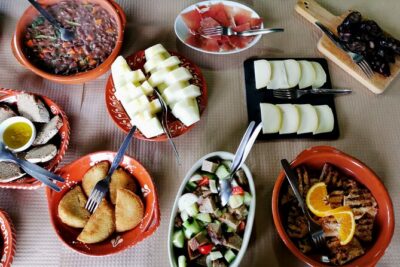
At the end, there’s an optional local pastry suggestion paired with Porto wine. It’s not included, but the idea is smart: a tasting-style finish after your walking time.
How to think about it: if you’re a wine fan, you’ll likely enjoy treating it like a reward and a way to translate what you learned about Porto’s wine culture into a simple taste. If you’re not into alcohol, you can still use the suggestion as a lead for where to find Porto’s sweets and a local-friendly bite.
Either way, it’s a good endcap because it turns the last 10–20 minutes into a social moment rather than just “walk back and done.”
Price, private-group value, and how to judge the $117 cost
The price is $117 per group, up to 2 people, and the tour runs for about 3 hours (even though it’s listed as a day activity). For a private walk, that pricing can actually be fair—especially if you compare it to what you’d pay for the same time with a guide plus separate entry fees and transport.
Here’s the value logic I use:
- If you’re in a duo (or traveling with a partner), privacy makes the whole experience more useful. You can ask questions without waiting your turn, and your guide can adjust the pace.
- If you’re the type who wants market and church explanations (not just photos), the guide time matters more than the location list.
At $117 for two, you’re paying for direction and context. If you already love self-guided walking and only need a map, then you might not need a private guide. But if you want Porto to make sense—why things look the way they do, what they mean, and where to go next—this is priced in a way that can feel like money well spent.
Who should book this private Porto walking tour
This tour is a great fit for you if:
- you like walking through neighborhoods, not hopping from stop to stop by taxi
- you want a guide who explains history, religious traditions, and local culture in plain language
- you’re traveling as a small group (up to 2) and want a private rhythm
- you want a built-in way to plan what to do after the tour, since guides often provide tailored recommendations (including personal food ideas and visit suggestions)
It’s not the best fit if:
- you use a wheelchair
- you have low fitness or need frequent mobility breaks
Also, remember it’s in walking pace territory. Pack smart and plan your energy.
Should you book it or DIY Porto instead?
Book it if you want Porto to feel coherent. A route that touches São Bento, Sé, churches, major streets, and the riverfront is exactly the kind of structure that turns chaos into understanding. With a private guide, you’ll likely get more than sightseeing—you’ll get a sense of how Porto thinks.
DIY it if you’re the type who enjoys wandering without questions and you’re comfortable researching each stop yourself. If you only care about a couple of landmarks, spending guide money for the full walk might feel like overkill.
My simple call: if you want history plus local culture without spending hours building an itinerary, this private walking format is a strong choice.
FAQ
How long is the Porto Private Walking Tour?
The walking tour is about 3 hours (listed as approximately 3h00), with a full route through the historic center.
Is this tour private?
Yes. It’s a private group experience, priced per group up to 2 people.
Where does the tour start?
Pickup is in Porto. The route then includes guided walks through several central areas and landmarks.
What’s included in the price?
A local tourist guide is included, along with explanation of the historical context, cultural heritage, and religious traditions related to Porto and Portugal.
Which languages are available?
The live tour guide is available in English, French, Spanish, and Portuguese.
Is it suitable for everyone?
It is not suitable for wheelchair users and is not recommended for people with low level of fitness. You’ll want comfortable shoes and should be ready for walking.