REVIEW · FOZ DO DOURO
Private Porto City Walking Tour
Book on GetYourGuide →Operated by Touch Tours Porto · Bookable on GetYourGuide
Porto’s story is best on foot. This private 3-hour walk through the historical center turns iconic streets into an easy-to-follow narrative with local energy.
I really like the way the guide brings history and cultural context into everyday stops, not just point-and-shoot sightseeing. And I like that the route blends major landmarks such as Sé and São Bento with lived-in places like Bolhão Market.
One thing to consider: even though the tour is listed as 3 hours, at least one booking note reported closer to 2h15. If your day is tight, I’d plan a buffer.
In This Review
- Key highlights at a glance
- A 3-hour Porto walk that’s built for first-timers
- Price and logistics: what you’re really paying for
- Starting point near R. de Cândido dos Reis
- Vitória and the early walk: setting the mood for Porto
- Avenida dos Aliados: when Porto centers itself
- Mercado do Bolhão: real food culture, not just a photo stop
- Sé (Porto Cathedral): religious tradition in the middle of the city
- São Bento station, Clérigos, and other vertical icons
- Dom Luís I Bridge and the riverfront shift to Ribeira
- Crossing the story to Gaia: Cais de Gaia and Vila Nova de Gaia
- Pacing, guide energy, and what you can learn from the reviews
- The optional pastry and Porto wine suggestion at the end
- Who this private tour is best for
- Should you book it?
- FAQ
- How long is the private Porto city walking tour?
- Where does the tour start?
- Is this tour private?
- What languages are available?
- What’s included in the price?
- Is Porto wine included?
- What should I bring and watch out for?
Key highlights at a glance
- Private pace for up to 2 people, with a guide who can shape the walk around you
- Local-guided context, including historical background and religious traditions
- Icon lineup in 3 hours, mixing Sé, São Bento, Clérigos, Lello, the bridge, and Ribeira
- Morning or afternoon sessions so you can match your timing in Porto
- Optional pastry and Porto wine suggestion at the end (not included)
- Customizable route when you want to linger, skip, or re-focus
A 3-hour Porto walk that’s built for first-timers
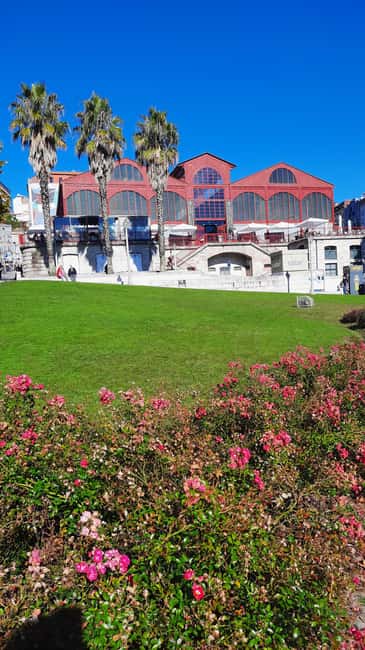
If you’re short on time, this is the kind of tour that helps you get your bearings fast. The idea is simple: you cover the most important parts of the center without spending your whole day moving between scattered spots. And because it’s private, you’re not stuck watching a group shuffle along.
You start near the old city and keep moving through the core—streets, markets, churches, and viewpoints—so Porto’s story feels continuous. You’ll also have a guide who can adjust the route if your priorities are different. That flexibility matters because Porto can be either an art-and-architecture day or a food-and-neighborhood day, depending on your mood.
You can also read our reviews of more walking tours in Foz Do Douro

Price and logistics: what you’re really paying for
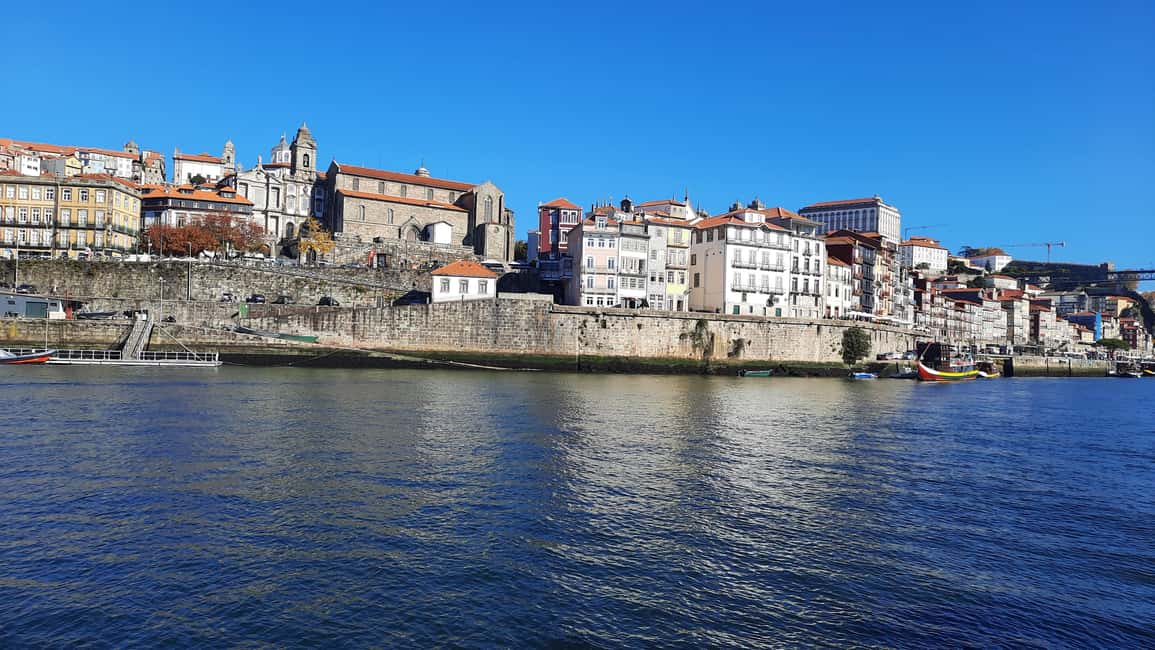
The price is listed as $117 per group (up to 2) for about 3 hours. On paper, that’s a lot less per person if you’re traveling as a couple (or a pair of friends) rather than paying per head with other groups. What you’re buying here is time: a guided route that hits a lot of high-value stops without you building the plan yourself.
Also, the tour is described as guided by dynamic young locals who are passionate about history. In practical terms, that usually means fewer lecture-y moments and more “this is why it matters” explanations as you walk. You should still expect walking, though—this isn’t built for a slow stroll.
One more practical detail: the tour offers both morning and afternoon sessions, which is helpful if you want to line it up around when you’re most energetic and when you can handle walking outdoors.
Starting point near R. de Cândido dos Reis
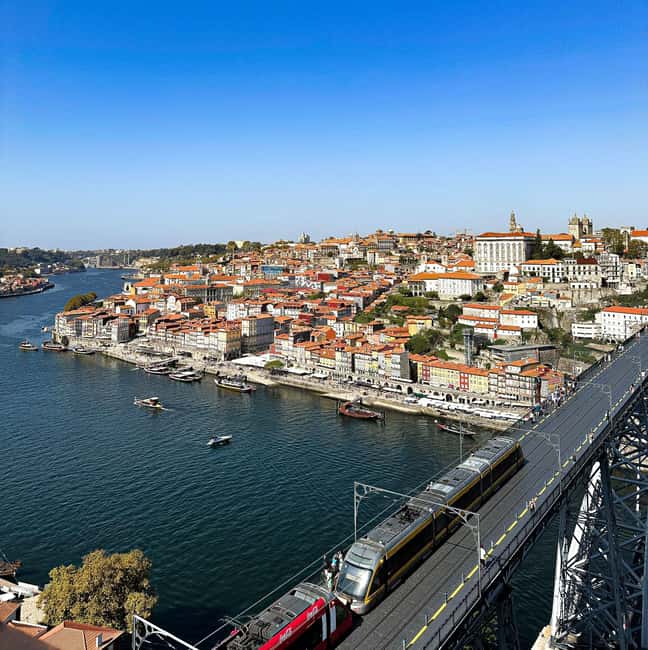
You’ll meet your guide at R. de Cândido dos Reis 105, with the guide waiting at the Touch Tours store. This is convenient because it’s a clear starting pin in the city center, and it reduces the chance of wasting time hunting meeting spots.
Once you start, the tour’s format keeps things moving. The first parts are designed to orient you quickly, then you step into the big landmarks. If you like knowing what you’ll see before you arrive, this route is especially good because it’s built around Porto’s most recognizable names.
What I’d bring: comfortable shoes (you’ll be on foot for the whole experience) and sunscreen for sunny days. If it’s hot, you’ll feel it, so plan to hydrate on the way.
Vitória and the early walk: setting the mood for Porto
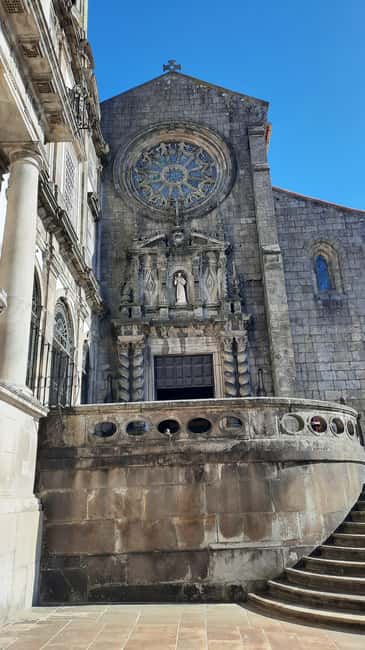
The route begins in Vitória, Porto. Even if you’re not thinking about “neighborhood impressions,” the first stretch is about getting the feel of the city. In a tour like this, that opening walk matters because it changes how you understand everything later—bridge views, riverfront areas, church complexes. You’re seeing the center with context, not as separate postcards.
This is also the moment where your guide can start tailoring. If you care more about viewpoints than churches (or the other way around), you can usually steer the conversation early.
Avenida dos Aliados: when Porto centers itself
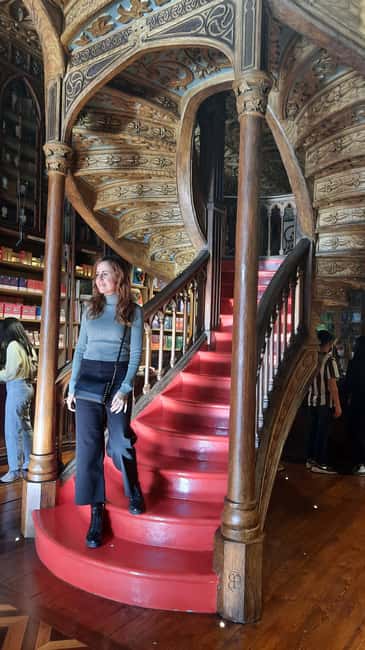
Next up is Avenida dos Aliados. This is one of those central areas where Porto feels organized and “official,” and it helps you understand where the city’s energy concentrates. On a guided walk, a place like this plays an important role: it’s a visual anchor.
You’ll also be able to spot what kind of day you’re having. If the city is active, it’s a good time for people-watching and orientation. If it’s calm, you get a clearer look at the buildings and street flow without the distraction of crowds.

Mercado do Bolhão: real food culture, not just a photo stop
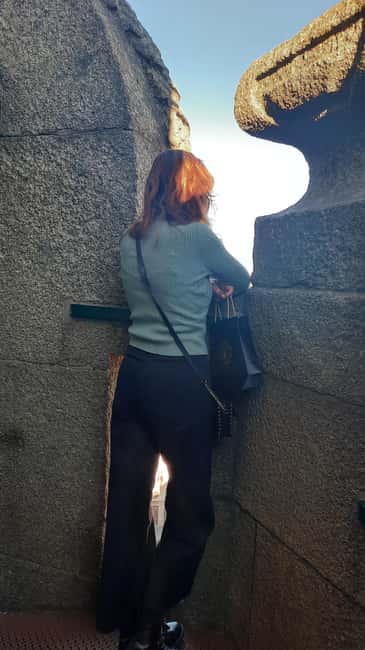
Then comes Mercado do Bolhão. Markets are one of the best value stops on any walking tour because you get layers of local life in a small space. Even if you don’t buy anything, you’re still getting a better sense of what people do every day—how they shop, how the market is laid out, and how the neighborhood lives.
This stop is especially useful if you’re worried the tour will be all churches and monuments. A market break is where history meets routine. If you want to ask questions, this is also a friendly place to do it—guides can explain what you’re seeing in practical terms.
Sé (Porto Cathedral): religious tradition in the middle of the city
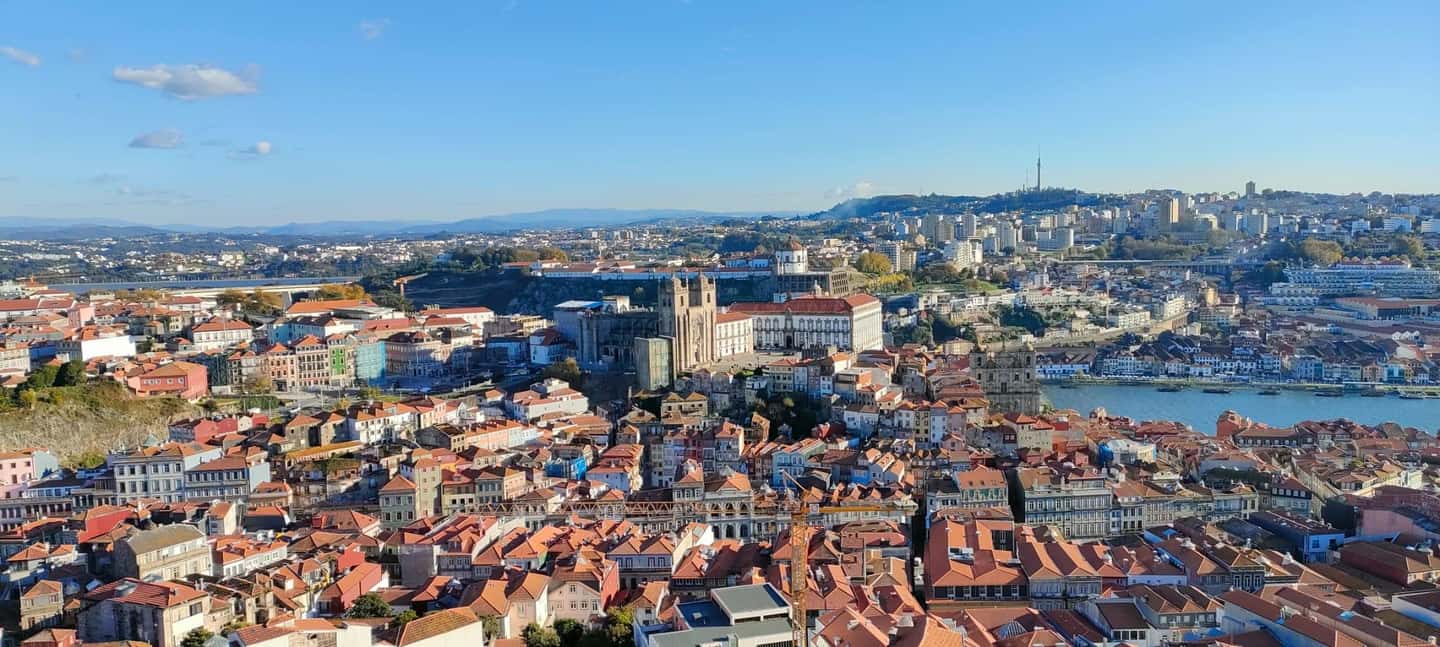
You’ll spend time around Sé (Porto Cathedral). This is a major stop because it gives you religious and cultural context for how Porto developed. The value of visiting it on a guided tour is that you can connect the site to the bigger story of Portugal and the traditions you’re seeing around it.
This isn’t just a “look at a building” moment. With a private guide, you can ask the kinds of questions that make the place click: what role the cathedral played, how it fits into the city’s identity, and why locals still treat sites like this with respect.
If you’re not into religious sites, don’t worry—you’ll still learn how it connects to the rest of the route. And if you are into it, this is one of the best points to slow down and listen.
São Bento station, Clérigos, and other vertical icons
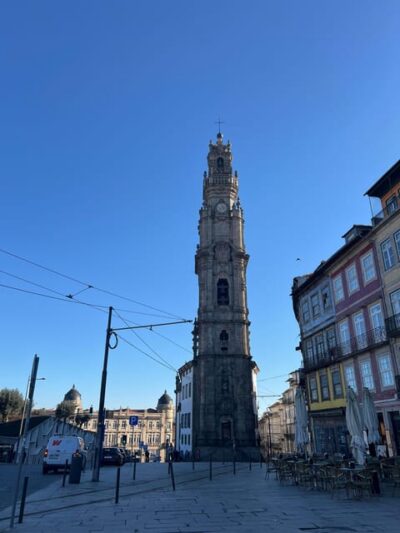
From here, the tour includes iconic stops such as São Bento Railway Station, Clérigos Tower, Praça dos Leões, Carmo Church, and even Lello Bookstore. Not every walking tour manages to cover so many “big names” without feeling rushed, and the private format helps.
A quick way to think about why these stops work in one tour:
- São Bento Railway Station shows you Porto as a living city, not only a museum.
- Clérigos Tower gives height and perspective, helping you imagine where the city rises and how views are framed.
- Praça dos Leões and the church stops add street-level moments where you can slow down and take in details.
Lello Bookstore is included as one of the iconic literary stops. If you’re a book lover, you’ll appreciate that the tour doesn’t skip it. If you’re not, it still gives you a recognizable landmark that helps you remember the day later.
Dom Luís I Bridge and the riverfront shift to Ribeira
The tour then moves toward the Dom Luís I Bridge area (listed as Dom Luis Bridge) and continues to Ribeira. This is where the walk changes tone. You go from streets and landmarks into the broad riverfront setting, and Porto starts to feel like a city shaped by water.
The bridge is a short stop in the schedule, but it’s a big deal in terms of orientation. A quick bridge moment does two things:
1) It gives you the “Porto is here, the river is there” picture.
2) It links the center to what’s across the water.
Then Ribeira is where you feel the pull of the city’s older core. This is one of the best areas on foot for soaking in atmosphere and understanding why Porto became what it is. On a guided route, you’re not just walking along the river—you’re being guided through how the different parts of the city relate.
Crossing the story to Gaia: Cais de Gaia and Vila Nova de Gaia
After Ribeira, you continue to Cais de Gaia in Vila Nova de Gaia, with time built in for that side of the river. I like this part because it helps you avoid a common first-timer mistake: treating Porto’s center as if that’s the whole story. Gaia adds the “other view” angle and makes the trip feel more complete.
In one of the booking notes, the pacing was praised as efficient, leaving time afterward to look around Gaia. That’s a smart approach for you too: use this tour to learn the layout, then decide what to explore once the guide steps away.
If you love river views and you want Porto to feel like a connected whole (center plus opposite bank), this final stretch is a strong payoff.
Pacing, guide energy, and what you can learn from the reviews
The most praised part is the guides. Names like Viola and Julio show up in positive feedback tied to passion and excellent companionship. That matters because a private walking tour lives or dies by the person leading it. If the guide can explain what you’re looking at without making it heavy, you’ll walk longer happily.
The second most praised theme is coverage with time for thinking. One booking note mentioned seeing lots in the three-hour window and having enough afterward to explore Gaia. That’s the ideal experience design: you leave with both understanding and energy, not just exhaustion.
The main drawback that appears is timing variance. At least one booking note said the tour ran shorter than listed (about 2h15 vs 3h). So here’s my practical advice: treat 3 hours as a target, and plan an easy follow-up activity rather than a hard appointment right after.
The optional pastry and Porto wine suggestion at the end
At the end, you can get an optional pastry suggestion paired with Porto wine. It’s not included, but it’s a nice way to close the tour on something local and easy.
I like tour endings like this because they give you a “next step” without forcing you to commit immediately. If you’re hungry or you want a small celebration, you’ll know where to go. If you’re not in that mood, you can simply keep walking in Gaia or head back toward your next plan.
Who this private tour is best for
This is a good fit if:
- You want a private group experience without splitting attention across strangers.
- You’re visiting for the first time and want the biggest icons connected by one story.
- You enjoy learning context while you walk—historical and cultural explanations included.
- You travel as a pair, since the listed price is per group up to 2.
It’s less ideal if you have low fitness. It’s a walking tour with multiple stops and time spent moving between neighborhoods and viewpoints.
Should you book it?
I’d book this private Porto City Walking Tour if you want a structured, high-sight-value day with local guidance—and you’re traveling as up to two people. The mix of major landmarks (Sé, São Bento, Clérigos, Lello, bridge, Ribeira) plus a market stop is exactly what makes it efficient for first-timers.
I’d hesitate only if your schedule is rigid to the minute. Because one report mentioned the walk running shorter than expected, give yourself breathing room afterward. If you can do that, you’ll likely get the experience you want: a guided route that helps Porto click into place fast, with a guide you can actually talk to.
FAQ
How long is the private Porto city walking tour?
The tour duration is listed as approximately 3 hours.
Where does the tour start?
The starting location is R. de Cândido dos Reis 105, and your guide will be waiting at the Touch Tours store.
Is this tour private?
Yes, it’s a private group experience.
What languages are available?
The live tour guide is available in English, French, Spanish, and Portuguese.
What’s included in the price?
Included is a local tourist guide, plus understanding of the historical context, cultural heritage, and religious traditions of Porto and Portugal.
Is Porto wine included?
No. The pastry and Porto wine pairing is an optional suggestion at the end and is not included.
What should I bring and watch out for?
Bring comfortable shoes and sunscreen. It’s also not suitable for people with low level of fitness.