REVIEW · PORTO
PORTO: Essencial Walking Tour 3 hours
Book on Viator →Operated by On The Road with Elena · Bookable on Viator
Porto rewards good shoes and good stories. This Essencial Walking Tour helps you get your bearings fast with a local guide (often Elena) and a route built for real sightseeing rather than long museum lines. What I like most is the focus on the city’s key sights from the street, and the payoff at São Bento Station, where you do get inside to see the famed azulejo tilework up close. You’re not just passing landmarks. You’re learning how Porto hangs together.
One consideration: Porto has plenty of uphills and downhills. Even if the walk is described as fairly flat, I’d take knee issues seriously here. If walking is hard for you, this won’t be a comfortable stroll for long.
In This Review
- Key points at a glance
- Porto on foot, the practical way
- Start at Metro da Trindade, end at São Bento
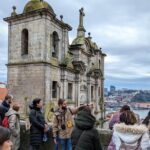
- What you’ll see: historic center, mostly from the outside
- São Bento Station tiles: the indoor payoff
- Market energy, local dessert, and river viewpoints
- The guide factor: Elena and clear, friendly pacing
- Walking comfort: Porto’s hills, your best shoe choice
- What you pay for, and what you don’t
- Weather reality and how the plan adapts
- Who this tour is best for
- Should you book the Porto Essencial Walking Tour?
- FAQ
- How long is the Porto Essencial Walking Tour?
- Where does the tour start and end?
- What languages is the guide available in?
- Is admission to monuments included?
- Is food and drink included?
- Is the tour suitable for people with limited mobility or knee problems?
- What happens if the weather is poor?
Key points at a glance
- Small group size (max 20): easier questions, less rushing, better pacing through crowded streets.
- São Bento Station included inside: outside for most monuments, but this stop lets you step in.
- Multilingual guide support: English is available, and guides can also cover Italian, Spanish, and Portuguese.
- Historic-center route with viewpoints: you’ll get river-and-city angles, not just street corners.
- Good weather matters: the plan is built around walking, so expect weather-based adjustments.
Porto on foot, the practical way
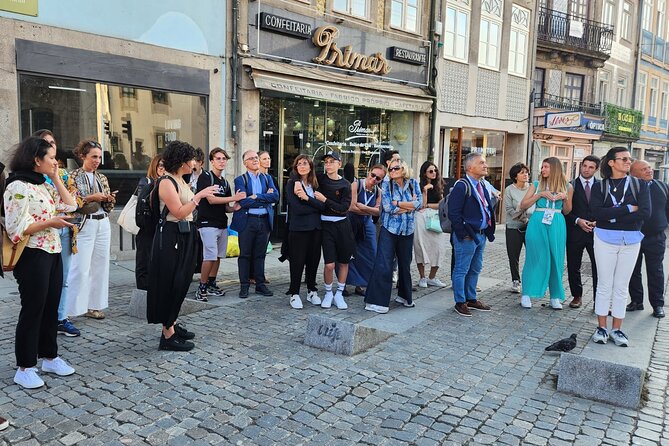
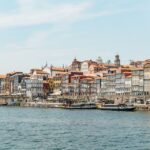
Porto is a city you feel in your legs. Streets tilt, stairs appear without warning, and every few turns seems to open a new angle toward the Douro River. This tour makes that workable by keeping it short and structured, so you can see a lot without turning the day into a marathon.
The “essential” part is really the point. You’re walking the historic center and getting explanations that connect the sights, not just a list of names. Most monuments are viewed from the outside, which sounds limiting until you realize that it’s often the best way to avoid time lost hunting entrances. The one indoor highlight is São Bento Station—and that’s the stop worth saving your energy for.
Also, the format is simple: about 2 to 3 hours, in a group of up to 20 people, with a guide who can speak English (and also Italian, Spanish, and Portuguese). The guide’s job is to keep the story clear while you handle the hills.
You can also read our reviews of more walking tours in Porto


Start at Metro da Trindade, end at São Bento
The meeting point is easy enough to reach: Metro da Trindade (Praça Trindade 105, 4000-539 Porto). That’s a good sign if you’re also using public transit during your trip, because you’re not forced into a complicated first-leg journey.
You’ll finish at São Bento Station (Praça de Almeida Garrett, 4000-069 Porto). Ending here is smart for two reasons. First, it positions you right in the historic core. Second, it aligns with the tour’s big visual moment: the tilework inside the station.
Plan for a walking route that “feels local.” Porto isn’t built for gentle travel-motion. Even when a route is described as fairly flat, you’ll still be walking on sloped streets and uneven sidewalks. That matters for anyone with balance issues or mobility limits.
What you’ll see: historic center, mostly from the outside
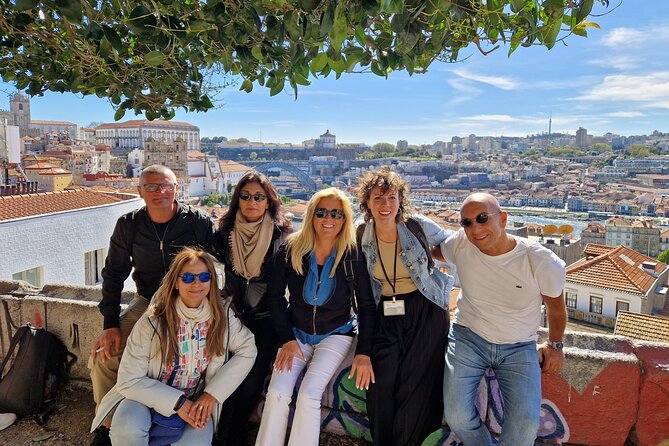
This is an outside-focused sightseeing tour. Attractions and monuments are generally seen from the street, and you can’t enter most of them. The only exception mentioned is São Bento Station, where entry is part of the experience.
For most people, that’s a win. Porto is packed with sights that are better appreciated in context—how a church façade sits above a street bend, how a viewpoint frames rooftops, how different neighborhoods connect. Looking from the outside lets you keep moving and saves time you’d otherwise spend waiting to get in and out of buildings.
That said, if you’re the type who wants inside access to everything—crypts, chapels, museums—this tour may feel like it’s giving you the “view only” version. You’ll still get strong impressions, just not the full entry-and-explore format.
São Bento Station tiles: the indoor payoff
If you’re trying to pick one “why bother” moment for this walk, it’s São Bento Station. The tour is designed so you see most monuments from outside, but this one is different: you’ll be able to enter the station and see the celebrated azulejo tiles.
Why that matters: Porto’s identity is written into its surfaces. In this station, the tiles do more than decorate. They create a sense of time and place that’s instantly recognizable once you’re standing under them. It’s also a perfect indoor break if the weather turns, because you’re not trapped in a long museum room. You’re in a functioning transit hub, which keeps the atmosphere real.
So, when you arrive at the end point, treat it like a highlight, not just a transit stop. Give yourself a few minutes to look, not just pose for a quick photo.
Market energy, local dessert, and river viewpoints
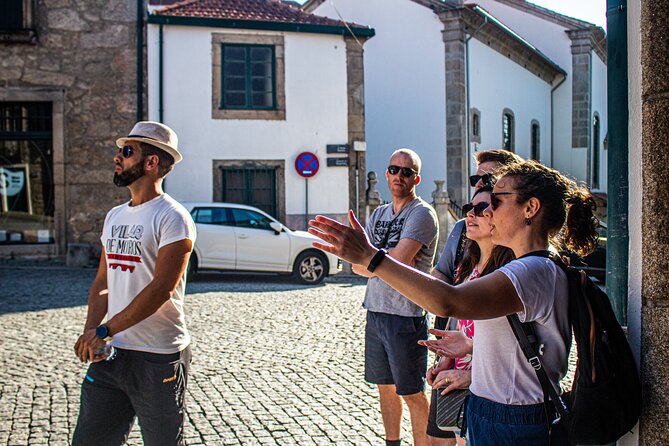
One of the best parts of this type of walking tour is the way it routes you through the everyday Porto that sits between the famous postcards. On this experience, you get time for street-level scenes, including a market stop and opportunities for classic city and river photo views.
There’s also a local dessert moment that many people remember: a custard-style sweet that’s freshly made and easy to enjoy during a walk. I like these built-in taste moments because they’re low-effort and they keep your energy up. They also help you connect the city’s food culture to the place you’re standing.
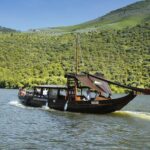
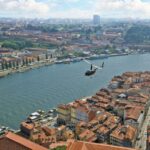
Expect photo opportunities as you move, especially with views toward the Douro. Porto’s best angles often come from small shifts in elevation. With this tour’s pacing, you’re more likely to catch those “wait, look there” moments rather than rushing past them.
You can also read our reviews of more tours and experiences in Porto






The guide factor: Elena and clear, friendly pacing
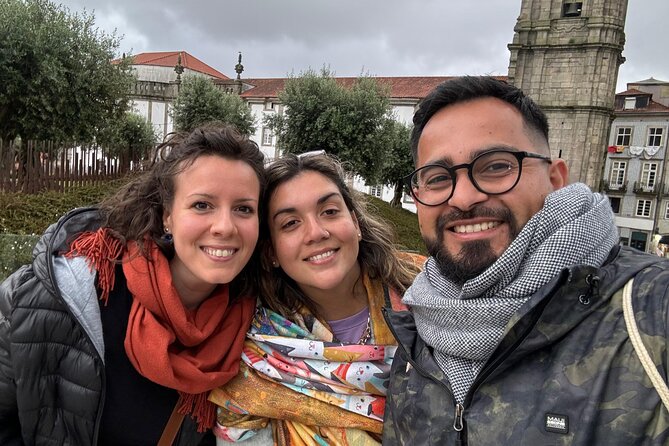
The experience is led by a guide from On The Road with Elena. And the key thing I’d pay attention to is the human side of the guide’s work.
A great guide doesn’t just recite dates. Elena’s approach, as described, is friendly and helpful, with explanations that make the city make sense. That matters most when Porto’s streets are full of visual noise: your brain can’t sort it all out alone. A good guide helps you “read” what you see.
If you’re traveling with kids, that’s another plus. The tour format can be adjusted to keep them engaged, with simple activities mentioned such as a treasure hunt. And if you have questions as you walk, a smaller group size helps you actually get answers, instead of hearing everything only as a general announcement.
Walking comfort: Porto’s hills, your best shoe choice
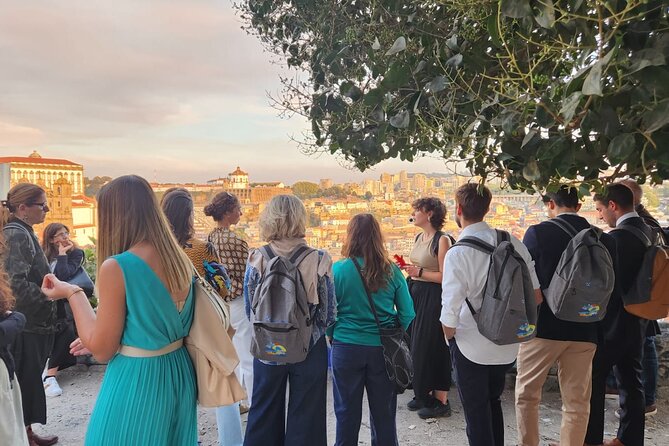
Let’s be honest: this is not a sit-and-watch tour. It’s built around walking, roughly 2 to 3 hours. The itinerary itself may be described as fairly flat, but Porto’s terrain can surprise you with steep streets, uneven steps, and sudden changes in grade.
The tour is suitable for most travelers, but it’s not my pick if walking is difficult for you or if you have knee problems. That’s a straight, practical caution. Short tours still add up when you’re doing continuous uphill and downhill.
If you book, plan to wear comfortable walking shoes with decent traction. If you’re on crutches or using mobility aids, confirm with the provider ahead of time how the route will be handled. The experience says service animals are allowed, and that can help with planning—but the walking terrain is still the main factor.
What you pay for, and what you don’t
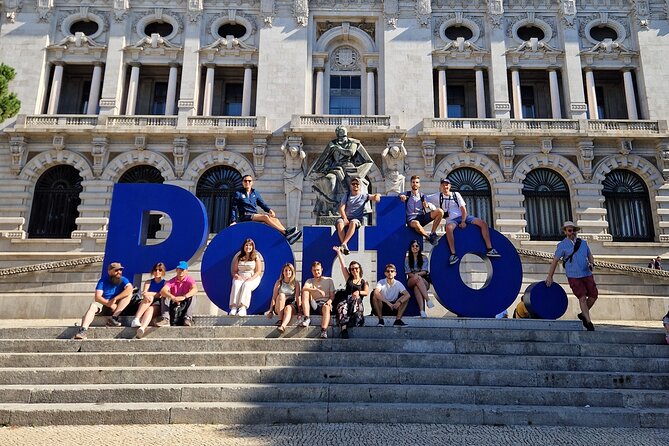
Price is $36.14 per person for an approximately 2 to 3 hour walking experience. That’s a reasonable figure for a guided historic-center route in a city where local knowledge really matters.
Here’s what’s included:
- Guided walking with a guide speaking Italian, English, Spanish, and Portuguese
- Travel insurance
- Mobile ticket
Not included:
- Food and drinks during the break
- Entrance and visits to monuments (outside-only sights, except São Bento Station)
Now, about the food and drink pieces. Some versions of this day include stops where you’ll taste local items, and people also mention a Port wine and cheese tasting at the end. Since food/drink isn’t listed as included in the core pricing, you should treat tastings as something that may cost extra or be paid on site. It’s worth checking so there are no surprises when you reach the tasting moment.
Value-wise, I’d see this as a smart way to spend part of a first day in Porto: you get context and key visuals quickly, then you can decide what you want to revisit later with paid entries on your own schedule.
Weather reality and how the plan adapts
This is described as requiring good weather. If it’s canceled due to poor weather, you’re offered either a different date or a full refund.
In practice, guides can also adjust on the fly. One described scenario is trading walking time for a tile-painting activity on rainy days, with extra coordination afterward to keep the day meaningful. That tells me the guide’s style is flexible, but you shouldn’t count on specific alternatives. If weather is bad, your best move is to keep your plans flexible too.
Who this tour is best for
This walking tour is a strong fit if you:
- Want a first-day orientation in Porto’s historic center
- Prefer outside sightseeing with one major indoor highlight
- Like having a guide translate the visual city for you
- Enjoy short tasting moments without committing to a full food tour
It’s less ideal if you:
- Have knee problems or struggle with continuous walking
- Need frequent seating breaks
- Require guaranteed monument entrance access beyond São Bento Station
Should you book the Porto Essencial Walking Tour?
Book this if you want a guided, efficient introduction to Porto’s layout, tilework, and viewpoints, wrapped into a short 2 to 3 hour window. The combination of outside sightseeing plus the indoor anchor of São Bento Station is a smart use of time, especially if you’re only spending a limited number of hours in the city.
Skip it (or at least reconsider) if walking is a major challenge for you. Porto’s terrain will push you, and the tour is built around that reality.
If your top priority is inside access to lots of monuments, you might do better with a different tour style that includes entrances across multiple sites. But if your goal is to understand Porto while seeing the right places in the right order, this one makes a lot of sense.
FAQ
How long is the Porto Essencial Walking Tour?
The tour runs for about 2 to 3 hours.
Where does the tour start and end?
You start at Metro da Trindade (Praça Trindade 105, 4000-539 Porto) and end at Estação de São Bento (Praça de Almeida Garrett, 4000-069 Porto).
What languages is the guide available in?
The guide can speak Italian, English, Spanish, and Portuguese. The tour is offered in English.
Is admission to monuments included?
Most attractions are viewed from the outside, and entry is not possible for most monuments. São Bento Station is the exception where you can enter.
Is food and drink included?
Food and drinks during any break are not included. If tastings are part of your day’s route, you should confirm what’s included versus paid on site.
Is the tour suitable for people with limited mobility or knee problems?
The tour notes that most travelers can participate, but Porto has ups and downs. It recommends against this tour if you have difficulty with walks like this or have knee problems.
What happens if the weather is poor?
The experience requires good weather. If it’s canceled due to poor weather, you’ll be offered a different date or a full refund. It can also be canceled if a minimum number of travelers isn’t met, with an alternative date or full refund offered.