REVIEW · PORTO
Porto: Private Tour to the Historic Center in a Classic Car
Book on Viator →Operated by OldTour Porto · Bookable on Viator
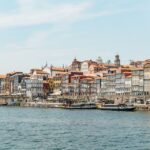
Porto moves fast, so I like tours that help you orient quickly. This private classic-car ride is built for that: you’re chauffeured through the historic center with smart stops where the views and the stories come together fast. Over about 1 hour 30 minutes, you’ll cover more ground than you could on your own with buses and on-foot wandering.
What I really like is the photo-friendly pace. The classic car itself feels like part of the experience, and your guide builds in time for you to step out and look—especially at the big panoramas. I also like how the stops mix Porto’s identity: maritime heritage, commerce, and coastal defense, all in one route.
One thing to consider: older streets mean the ride can feel a little bumpy at times, and short stops can be tight if you want to linger inside every building. If your priority is deep museum time, you’ll probably use this tour to decide what to return to later.
In This Review
- Key things to know before you go
- Entering Porto by Classic Car: how the ride actually feels
- Luis I Bridge: Porto’s engineering icon and the best kind of photo pause
- Infante D. Henrique Museum: maritime Portugal without the heavy slog
- Palácio da Bolsa and the Arab Room: Porto’s trading power in one building
- Porto Customs House: where trade becomes a museum stroll
- Sea-fortresses with viewpoint time: São João Baptista and Castelo do Queijo
- Trams and gardens: the calm half of Porto
- Crystal Palace Gardens: romantic paths and Expo-era atmosphere
- Price and route reality check: comfort, timing, and what to expect
- Should you book this Porto classic-car historic center tour?
- FAQ
- How long is the Porto private tour by classic car?
- What is the price per person?
- Is pickup offered?
- Is this tour private?
- What language is the tour offered in?
- Do I need to buy admission tickets for all stops?
- Is there a cancellation option if plans change?
Key things to know before you go
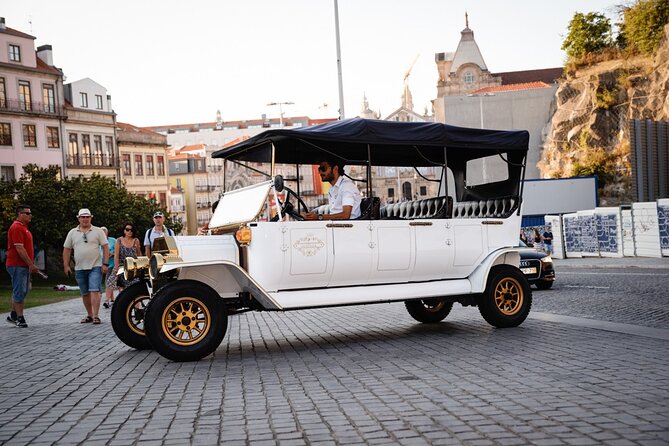
- Classic-car pickup inside the historic center makes it easy to start without searching streets.
- Luis I Bridge panoramas include a higher-deck photo moment with river and boat views.
- Palácio da Bolsa and the Arab Room connect Porto’s wealth to its trading history.
- Sea forts plus free gardens give you both “architecture” and “air”—without constant ticket lines.
- Guide-led pacing means you get viewpoint time, not just a bus tour shuffle.
Entering Porto by Classic Car: how the ride actually feels
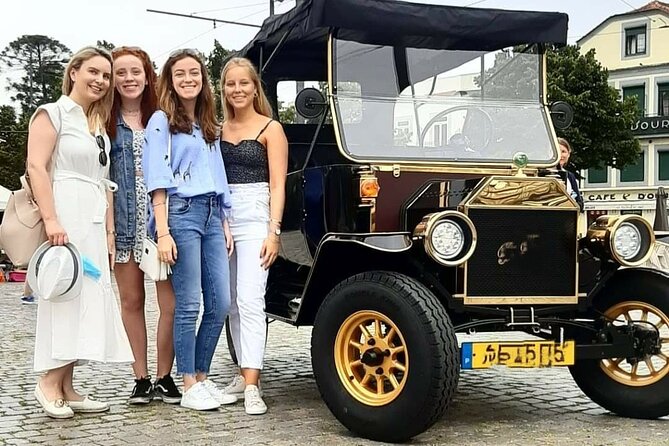
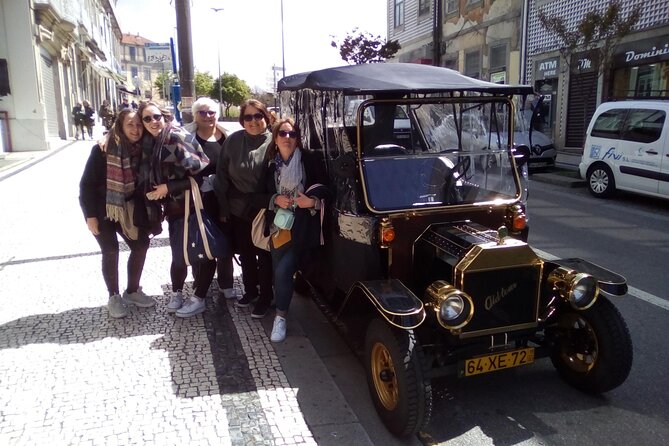
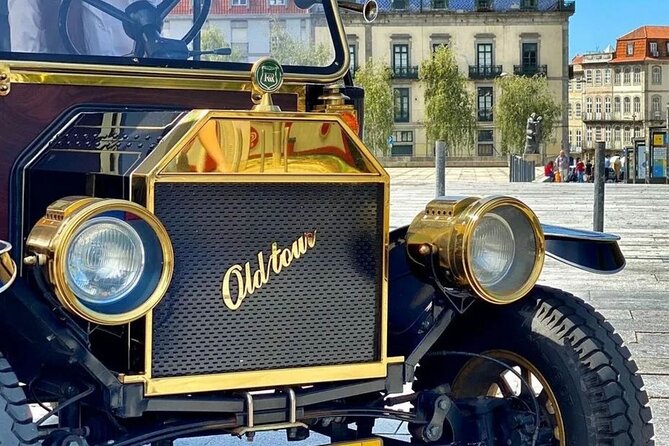
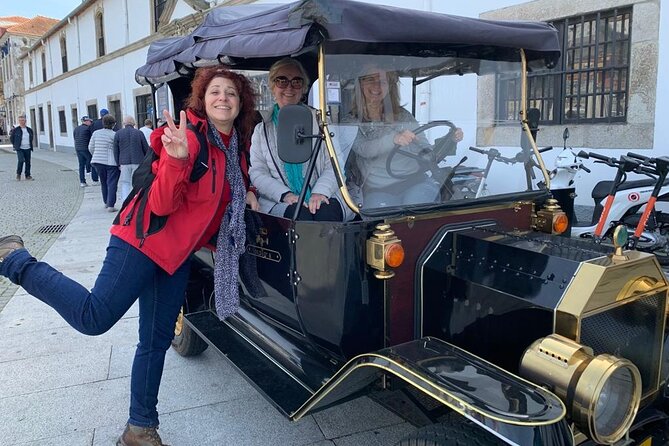
This is a private tour, so it’s just you and your group. The meeting point is flexible within the historic center: it can be anywhere in that area, and you’re meant to spot the classic car easily—either black or green—with guides identified under the Oldtour name.
The duration is about 1 hour 30 minutes, so think of it as a curated sampler. You’ll get several major stops plus a mix of exterior viewing and quick interior visits where time allows. And since it’s offered in English, you can expect the narration to stay practical and easy to follow.
For value, the key is that you’re not just “seeing big places.” You’re getting context in between—why Porto built up like it did, how the sea and trade shaped the city, and why these specific sites matter. For a little under $40 per person, that’s a decent deal for a private ride that covers multiple neighborhoods and viewpoints.
You can also read our reviews of more private tours in Porto

Luis I Bridge: Porto’s engineering icon and the best kind of photo pause

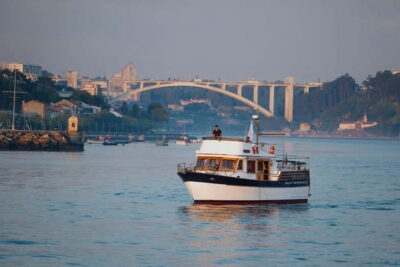
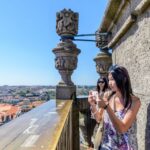
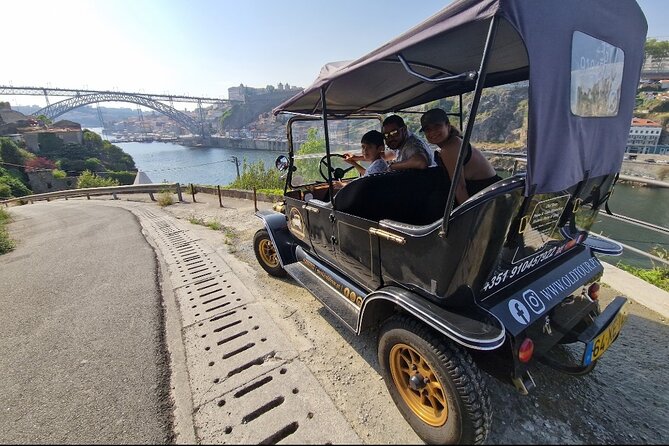
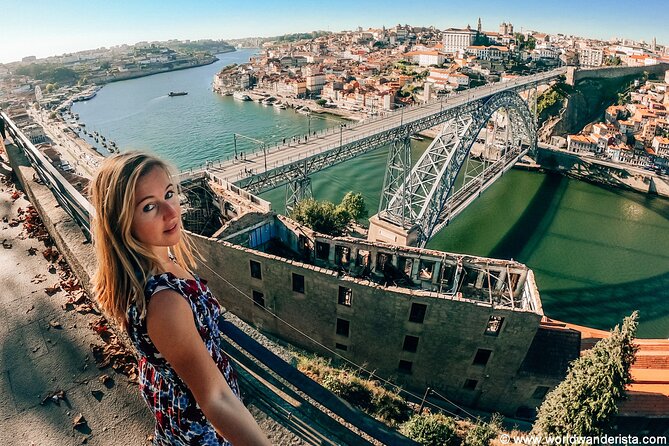
The Luís I Bridge is one of Porto’s most recognizable sights, and crossing it by tour car/route puts it right at the top of your itinerary. The bridge was designed by a disciple of Gustave Eiffel, and you’ll get the idea of why Porto needed a dramatic link over the Douro to connect with Vila Nova de Gaia.
What you should plan for here is the panoramic outlook. The bridge’s upper deck is about 60 meters high, and it’s a great spot to watch the riverbanks, the city layout, and the boats moving in and out. If the timing works for your day, this is exactly the kind of place where sunrise or sunset colors make the water look almost painted.
A practical tip: don’t over-pack the moment. Step out for the view, get your photos, then move on. The tour’s whole point is that it strings together viewpoint moments in the right order.
Infante D. Henrique Museum: maritime Portugal without the heavy slog
After the bridge, you’ll head to the Infante D. Henrique Museum, centered on Portugal’s maritime past and the legacy of the Discoveries. If you’ve ever wondered how navigation changed everything—from trade to exploration—this museum is set up to show that connection with models, instruments, maps, and exhibits on navigation and cartography.
This stop works especially well if you travel with kids or you simply want something more engaging than pure stone-and-street viewing. The exhibits are interactive and educational, and they help you connect the dots between Porto’s waterfront identity and Portugal’s broader sea story.
The only “watch-out” is time. A museum deserves more than a quick hit, so use this visit to get oriented. If a particular ship model, instrument, or map catches your eye, you’ll likely want to return later with your own pace.
Palácio da Bolsa and the Arab Room: Porto’s trading power in one building
Palácio da Bolsa is a classic Porto highlight: neoclassical architecture from the 19th century tied to the Stock Exchange. If you’re picturing Porto only as wine and river views, this palace adds the business side—how commerce built the city’s status as it moved through economic change.
The standout is the Arab Room. It’s decorated with Moorish-influenced details, and it’s famous for a reason: it feels ornate and surprising next to the formal power of the rest of the palace. You’ll also hear about the rooms and what they were used for, plus you may run into temporary exhibitions or cultural events depending on timing.
This is one of those stops where the tour narration matters. Without guidance, you might appreciate the look. With guidance, you start to understand why that interior design and institutional setting reflect Porto’s ambitions.
If you’re short on time inside, focus on one or two rooms well rather than rushing everything. The Arab Room is the place to prioritize.
Porto Customs House: where trade becomes a museum stroll
Next up is the Porto Customs House, another major 19th-century neoclassical site right by the Douro. It originally functioned as the tax authority and trade control hub, and today it houses the Porto Museum.
Even if you don’t plan to read every label, the building itself is a big part of the experience. The facade feels serious and official, and the riverfront setting makes it easy to connect the museum’s theme—cultural and social history—with the physical reality of trade at the water’s edge.
You’ll also have a nice bonus: the surrounding gardens. They’re a place to slow down, take in the views of the river and bridges, and reset after more indoor stops. This is a good moment to check your energy, especially if your day involves a lot of walking on hills.
You can also read our reviews of more historical tours in Porto




Sea-fortresses with viewpoint time: São João Baptista and Castelo do Queijo
Porto’s relationship with the ocean is not just romantic—it’s defensive. The tour includes two fort sites with built-in sea views.
First is Fortress São João Baptista, a 17th-century fortification facing the Atlantic Ocean. Expect imposing walls, military architecture designed for maritime threats, and a look out toward the Douro estuary. The tour gives you time to explore the walls and enjoy that coastal perspective. Admission for this stop is not included, so plan on paying the entry fee separately if you want to go inside.
Later is Castelo do Queijo, also a fort by the coast next to the Atlantic. It dates to the 16th century and was built to protect the city from pirate attacks and maritime invasions. The nickname Cheese Castle comes from its shape, which resembles a Serra cheese. Admission here is free, so it’s an easy win if you want views and history without another ticket.
This pair of stops works because they complement each other. One gives you the broader coastal defense story; the other gives you a compact, memorable “photo + walls” experience.
A practical tip: wear shoes with grip. These forts can involve uneven ground near the edges where the wind is doing its job.
Trams and gardens: the calm half of Porto
Not every moment on this tour is about buildings. You also get a transport stop and multiple green spaces to cool off.
The Electric Tram Museum is in a former tram factory and centers on public transport history. You can see trams that operated in Porto since the 19th century, along with photos, documents, and models. If you like how everyday life worked in older cities, this museum does a good job connecting street technology to daily routines. Depending on the day’s setup, you might even get a ride on restored trams, which is a fun throwback if it’s running during your visit.
Then comes Passeio Alegre Garden, a 19th-century park at the mouth of the Douro where the sea breeze does half the relaxing for you. This is a “walk and reset” stop with winding paths, shaded areas, ornamental fountains, and classical statuary. It’s also a popular spot for families and casual meetups, so it feels lived-in rather than staged.
Passeio Alegre has free entry, and it’s short in the tour schedule for a reason: it’s meant to refresh you, not replace the rest of the day.
Finally, you may notice how the tour deliberately alternates energy levels. Forts and palaces can feel intense. Gardens give you space to breathe, look at the water again, and let your brain file away what you just learned.
Crystal Palace Gardens: romantic paths and Expo-era atmosphere
Jardins do Palácio de Cristal (Crystal Palace Gardens) rounds out the green and scenic part of the route. These gardens connect to the 19th-century Crystal Palace, which was an exhibition-era symbol of glass and iron modernity.
The garden design uses romantic-style landscaping—lakes, hills, and small pavilions. In practical terms, that means you get gentle variation while you walk: view angles change, shadows move, and the air feels different close to the water.
Entry is free here, which makes it a smart final stop. It’s a great place to end with a calmer pace and fewer formalities. If you’re the type who likes “one more viewpoint” before dinner, this is where it fits.
Price and route reality check: comfort, timing, and what to expect
Let’s talk value plainly. At $39.79 per person for a private classic-car tour of major Porto highlights over about 1 hour 30 minutes, you’re paying for two things:
- Convenience: pickup near the historic center and a ride that stitches together multiple areas.
- Guided stops: context at each location instead of hoping you’ll figure it all out while walking.
You’re also buying time management. Porto’s center can be busy, and traffic changes your timing more than you’d expect. A classic car plus historic streets can mean occasional slowdowns and bumps. That’s not a failure; it’s part of the “old city” experience.
On route flexibility: you might find road closures or heavy traffic can shift how the route flows that day. If your day is tight, keep expectations flexible and focus on the core stops and viewpoints.
One more practical note: the meeting point is inside the historic center area, and the car will be easy to spot. If you’re staying far outside that zone, plan on meeting closer rather than expecting hotel pickup from anywhere.
Should you book this Porto classic-car historic center tour?
Book it if you want a fast, guided way to get oriented and you like photo stops built into the itinerary. This tour is especially good for first-timers who want to understand why Porto looks the way it does—through bridges, maritime museums, commercial palaces, coastal defense, and a couple of restorative garden breaks.
Skip it (or treat it as a sampler) if you hate tight timing. A 1 hour 30 minutes format means every stop is a taste, not a long, deep stay. Also plan for separate entry for Fortress São João Baptista, since that one is specifically marked as not included.
Overall, the strongest argument for booking is the combination: classic-car comfort + multiple icons + real storytelling. If that’s your idea of a great first pass through Porto, Oldtour Porto is a solid choice.
FAQ
How long is the Porto private tour by classic car?
It runs for about 1 hour 30 minutes (approximately).
What is the price per person?
The price is $39.79 per person.
Is pickup offered?
Pickup is offered within the historic center area. The meeting point is anywhere in the historic center, and it’s easy to spot the black or green classic car. Guides are identified by Oldtour.
Is this tour private?
Yes. It’s a private tour/activity, and only your group participates.
What language is the tour offered in?
The tour is offered in English.
Do I need to buy admission tickets for all stops?
Not all stops require admission tickets. Fortress São João Baptista lists admission ticket as not included, while Passeio Alegre Garden, Castelo do Queijo, and Jardins do Palacio de Cristal are marked free.
Is there a cancellation option if plans change?
Yes. Free cancellation is available up to 24 hours in advance for a full refund.