REVIEW · PORTO
Porto Historic Center: Private Walking Tour & Cathedral
Book on GetYourGuide →Operated by Magda Laires Pinheiro Monteiro · Bookable on GetYourGuide
Porto’s best stories start on foot. This private 3-hour walk strings together Porto Cathedral, São Bento’s azulejos, and the river views you came for, with a local guide keeping it clear and practical. I like that it’s not just landmark-hopping; it’s timed well enough that you get context without turning into a marathon.
My favorite part is how the guide translates the city into something you can use. One recent guide, Magda Laires Pinheiro Monteiro, also gave smart restaurant and walk suggestions that made the rest of the trip easier. The one drawback to plan around: Porto is steep, and this tour is a moderate hike in a city built on hills and stairs.
In This Review
- Quick reasons this private Porto walk works
- Where the tour starts: Porto Town Hall and an easy way to orient
- Carmo and Carmelitas plus Lello Bookshop: Porto’s culture in a few blocks
- Clérigos Church: why the tower matters before you see it
- São Bento Station: the fastest way to read Porto’s story on tiles
- Dom Luís I Bridge walk: big views without needing a gondola
- Porto Cathedral (Sé): Romanesque bones and gilded woodwork
- The descent toward Ribeira: stairways, legends, and the city’s real rhythm
- Praça do Infante D. Henrique to Casa do Infante: commerce, power, and the Age of Discoveries
- Time, pace, and how private guides can change the day
- Value check: what $87 gets you in Porto terms
- Who should book this tour, and who should skip it
- Small planning notes that make it smoother
- Should you book this Porto Historic Center and Cathedral tour?
- FAQ
- How long is the private walking tour?
- Where do we meet the guide?
- How much does it cost?
- What does the tour include?
- Is the Cathedral of Porto included with tickets?
- Does the tour include food or drinks?
- What languages are the tour guide speaking?
Quick reasons this private Porto walk works
- Porto Cathedral with skip-the-line entry, plus time to actually look at the details
- São Bento Station in the right moment, focused on the famous tile panels and what they mean
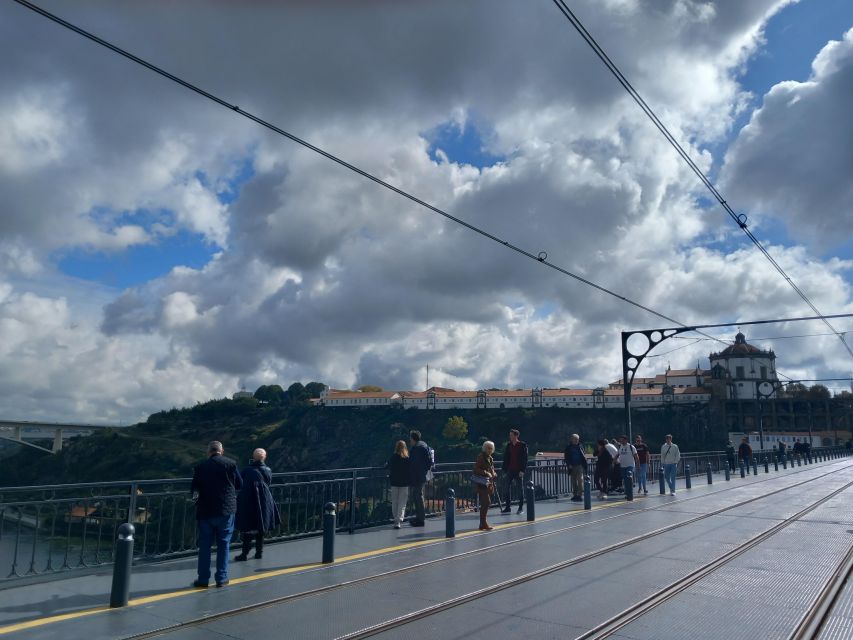
- Dom Luís I Bridge walk for real viewpoints, including the monastery area and the riverfront
- Ribeira’s medieval lanes with guidance, so you don’t just “pass through”
- A private guide you can tailor, including pacing help if your day runs late
- No food stops, which keeps it efficient if you plan meals on your own
Where the tour starts: Porto Town Hall and an easy way to orient
You meet at Câmara Municipal do Porto (Porto Town Hall), in front of the building, beside the statue of writer Almeida Garrett. If you’re arriving by walking or by taxi, this is an easy mental anchor: you’re starting in the historic center’s core, not at the edge of town.
I like starting here because it gives you bearings fast. Within a few minutes, you’re already seeing how Porto is layered—churches, old commerce buildings, and street corners that connect like puzzle pieces.
You can also read our reviews of more walking tours in Porto


Carmo and Carmelitas plus Lello Bookshop: Porto’s culture in a few blocks
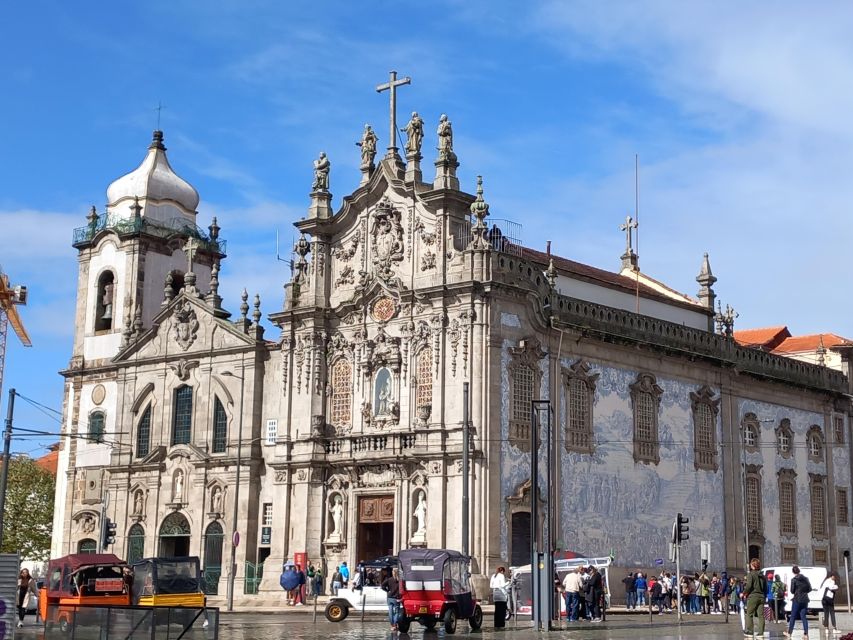
Early on, the guide talks through the story of the Carmo and Carmelitas twin churches. Even if churches aren’t your thing, the explanation is the point: it helps you understand why Porto’s religious architecture sits where it does and how it shaped daily life.
Right nearby, you also get a quick recognition moment for the Lello Bookshop. It’s one of those places people photograph instantly, but hearing what to notice makes a difference. I find that this kind of guide cue helps you avoid the usual tourist trap of staring at a facade without knowing what you’re actually looking at.
Clérigos Church: why the tower matters before you see it
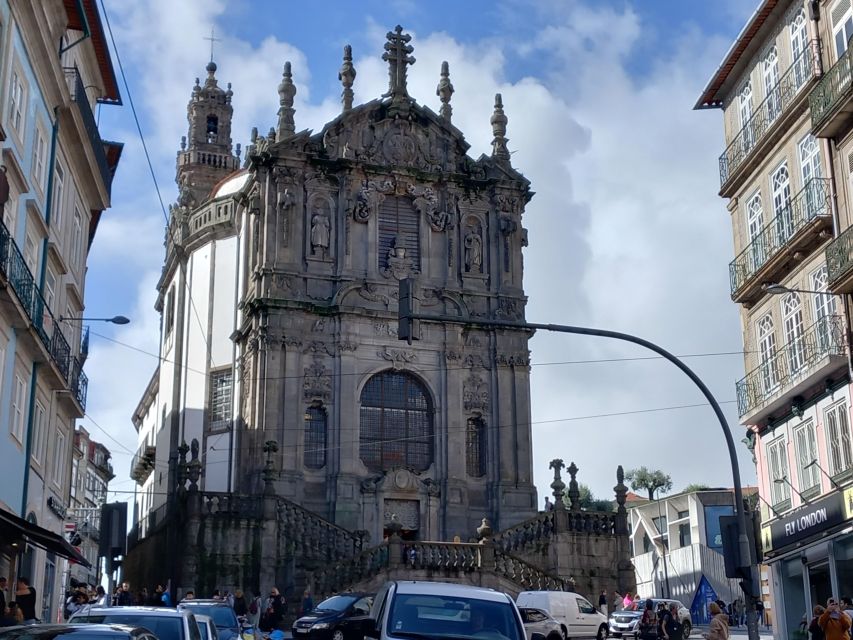
Next comes the Clérigos Church, with a short stop that focuses on the big visual marker in Porto: the 76 m (249 ft) Tower of Clérigos. You don’t need a long lecture to appreciate it. What I like is how the guide frames the tower as a reference point for the city, not just a tall building.
The tour also includes the sumptuous church of the brotherhood as part of this stop. Even in a brief window, it gives you enough to feel the craftsmanship, rather than rushing past it like a checkbox.
São Bento Station: the fastest way to read Porto’s story on tiles
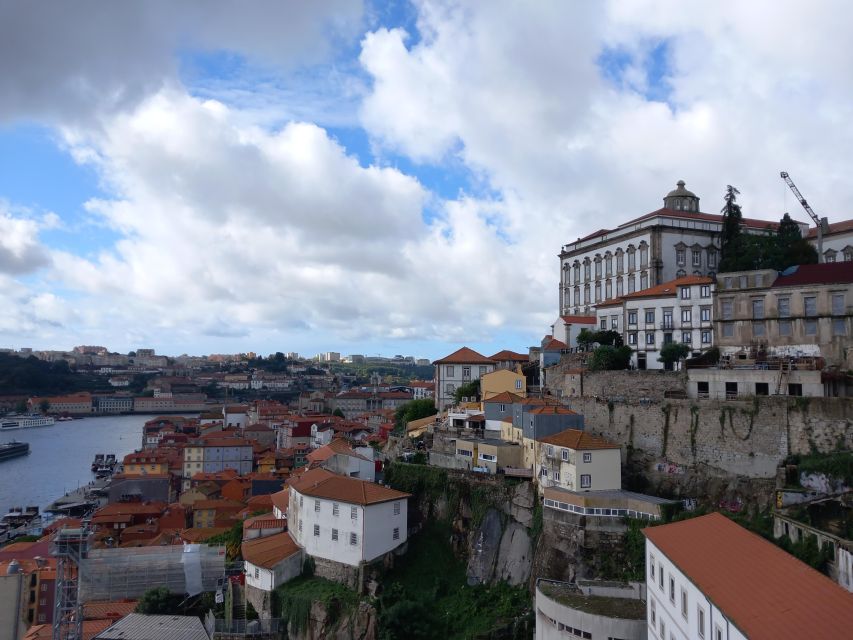
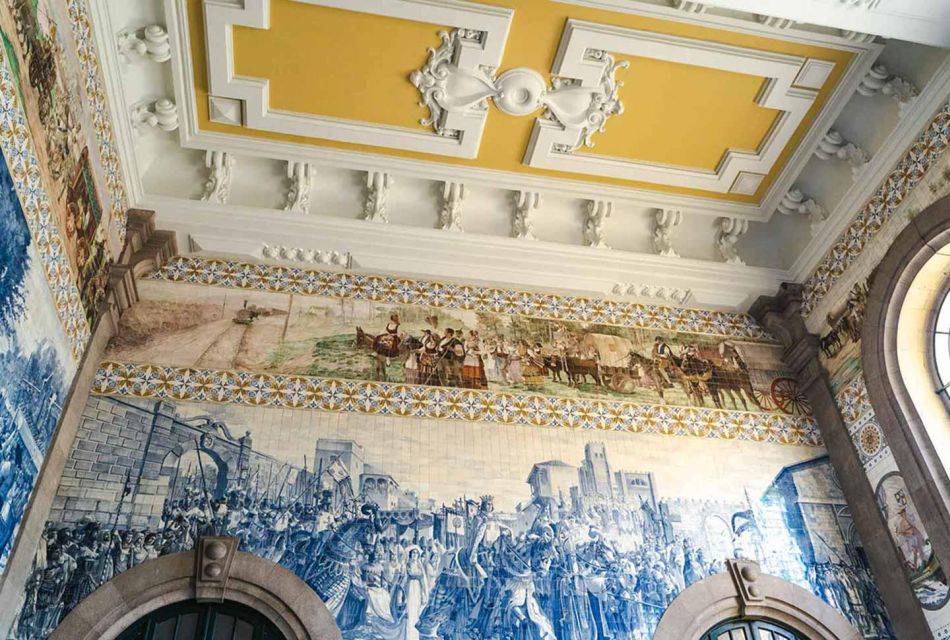
At São Bento Train Station, you get time to see one of Porto’s signature sights: the azulejos tile panels. The guide explains what you’re looking at, so the tiles become more than decorative backdrops.
This matters because the station can feel chaotic if you visit alone. With a guide, you know where to stand, what scenes to focus on, and how the history connects back to Porto and Portugal. The stop is only about 15 minutes, but it’s the kind of short timing that works well when you’re on a walking schedule.
Dom Luís I Bridge walk: big views without needing a gondola
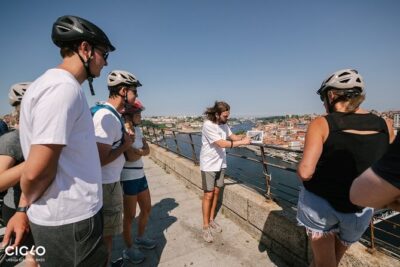
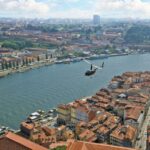
Crossing or walking on the D. Luiz Bridge is where the tour starts feeling postcard-real. You get a scenic walk on the top level, with panoramic views over Serra do Pilar monastery, the Fernandine city wall, and the Rabelo boats on the Douro.
I like that the guide points out what you’re seeing in layers. You’re not only looking at buildings; you’re seeing how the river shaped the city—where goods moved, where defenses sat, and why certain neighborhoods grew where they did. If you enjoy photography, this is a strong window because the views are wide and the perspective feels “high.”
Practical note: bring comfortable shoes. Bridge walks are fine, but Porto’s approach streets can be steep, and you’ll be doing more walking after.
You can also read our reviews of more private tours in Porto




Porto Cathedral (Sé): Romanesque bones and gilded woodwork
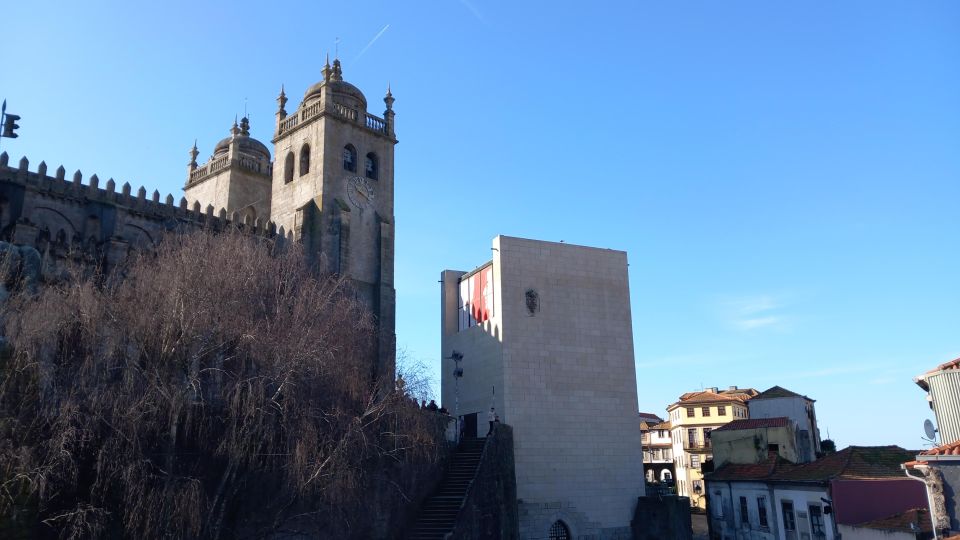
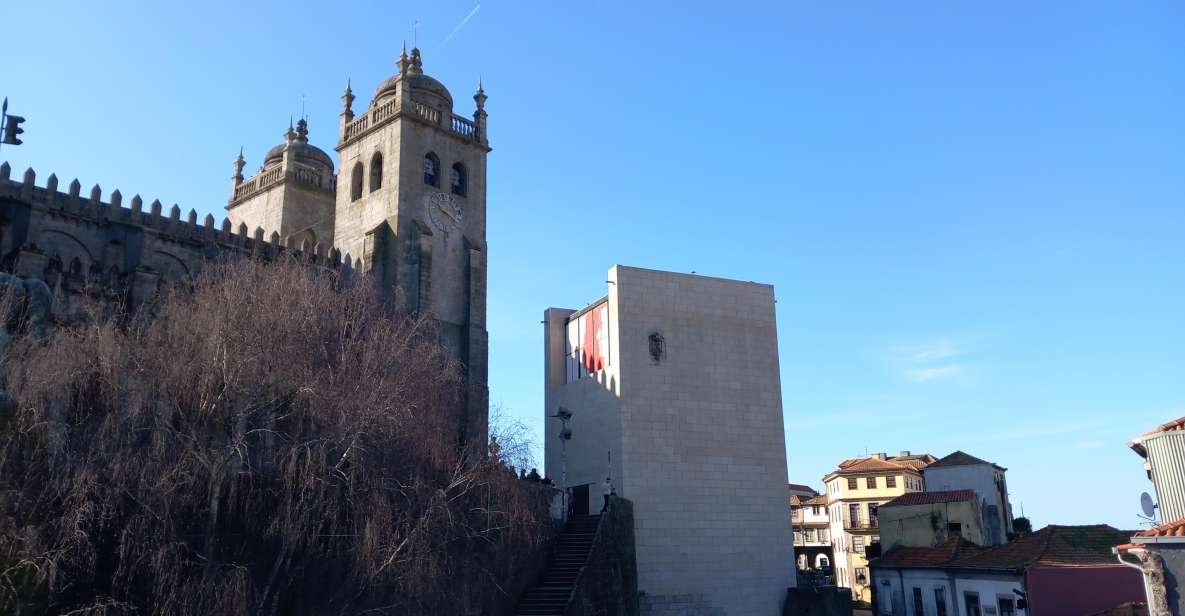
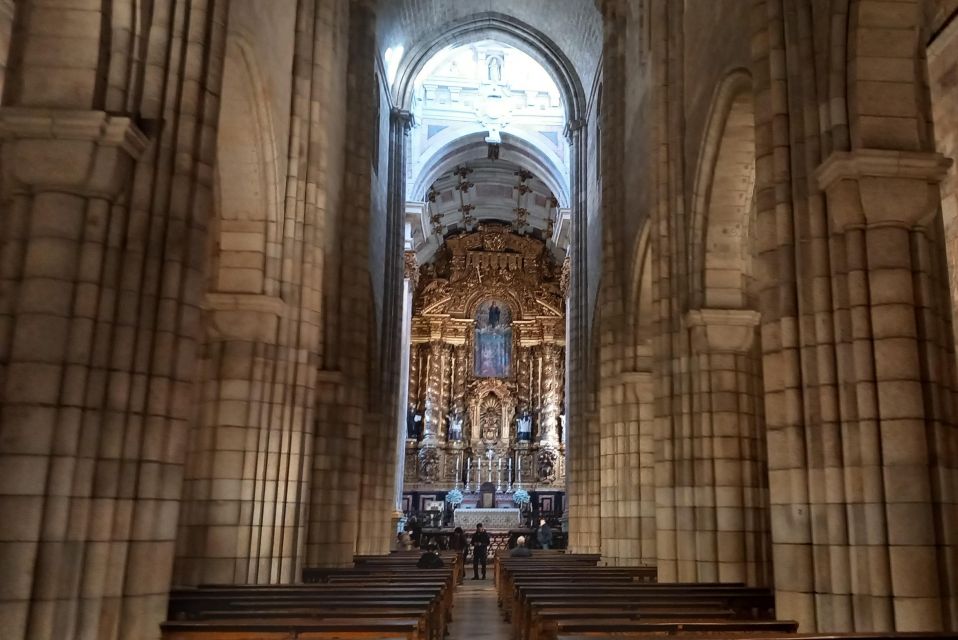
The main indoor highlight is the Romanesque-style Porto Cathedral. You get about 40 minutes, plus skip-the-line entry through express security. That time buffer is worth it because the cathedral is the oldest major monument in town, and it’s not just about the exterior.
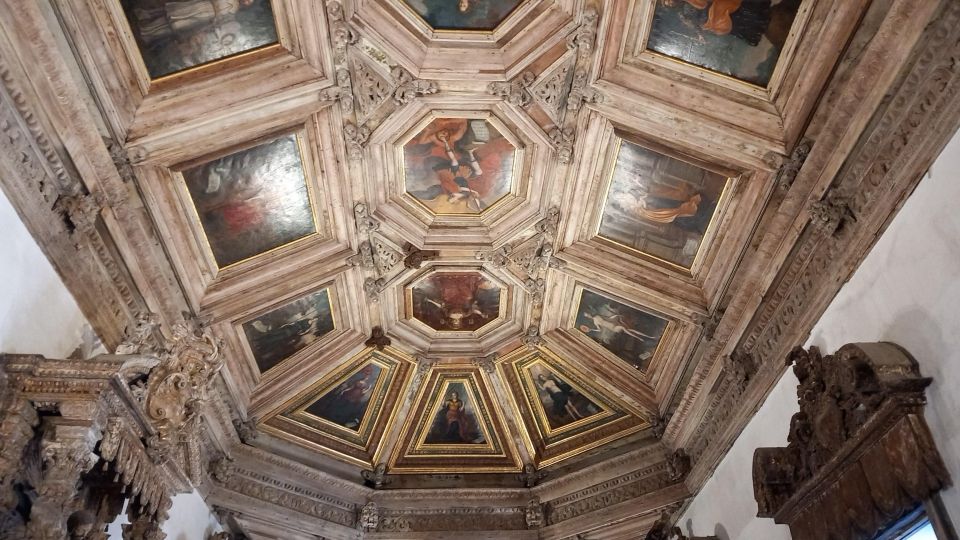
Inside, the guide draws your attention to the exquisite gilded woodwork altarpiece. I like this stop because it’s a guided “slow moment” in the middle of a walking tour. If you’ve visited churches before, you’ll still find something here—details in the artwork and the cathedral’s position in Porto’s story.
One consideration: the tour can’t run on Christmas and Easter Days because the cathedral is closed those days. If your dates fall close to those holidays, double-check calendar fit before you commit.
The descent toward Ribeira: stairways, legends, and the city’s real rhythm
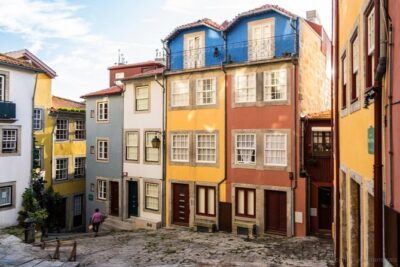
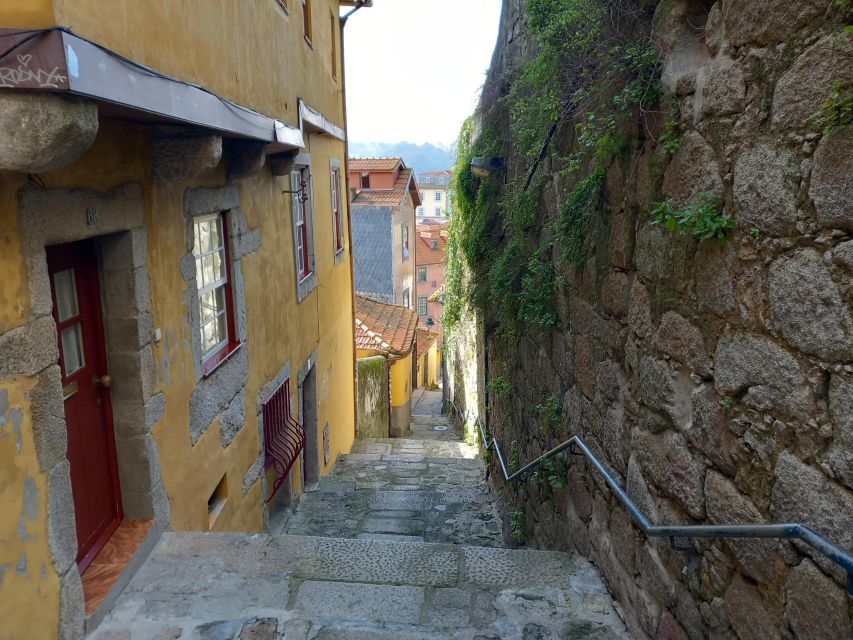
After the cathedral, you walk toward Igreja de São Lourenço and the Convento dos Grilos area. This is the part that turns the tour into something more atmospheric. The route leads you down into the Ribeira District, where the streets feel medieval—tight alleys, stairways, and sudden little openings to views over the river.
This is where a guide earns their fee. Porto can make you feel like you’re always turning left and right into the next curve of stone. With guidance, you learn what you’re passing—why the passageways are shaped that way, what buildings reflect different eras, and which corners are best for pausing.
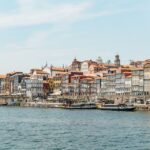
The tour then reaches Cais da Ribeira, the riverfront area that feels like the classic image of Porto. If you’ve only seen the Douro from a distance, this is the closest thing to stepping into a lived-in postcard.
Praça do Infante D. Henrique to Casa do Infante: commerce, power, and the Age of Discoveries
The walk continues through Infante D Henrique Square, with a guided stop that brings more structure to what you’ve been seeing. Here, the guide connects Porto’s old power to the wider Portuguese story, especially the Age of Discoveries.
You also pass by and learn about big-picture landmarks and their roles in older Porto:
- Palácio da Bolsa (linked to past trade and finance)
- Igreja de São Francisco (a major church presence in the historic core)
- Ferreira Borges Market at the square area (a reminder that the city’s public life mixes old and practical)
Then you reach Casa do Infante. Even if you don’t know its name before the tour, it’s the kind of place where the explanation makes the building feel like a chapter title. The guide helps you understand the link to the maritime era and why the Douro city mattered so much.
Time, pace, and how private guides can change the day
This is a private group format, which affects everything. Instead of being stuck with the slowest mover in the group or dragged along by the most photo-hungry person, you get a steadier pace. You also get the chance to ask questions on the spot.
The reviews highlight that the guide listens and adjusts. In one instance, when someone’s train was an hour late, the guide suggested delaying the start so they could get to their hotel first. That kind of flexibility is rare, and it changes the experience from stressed to smooth.
Magda Laires Pinheiro Monteiro also gave practical suggestions beyond the sites, including food and what to do next. You’ll likely leave with a short list of ideas you can act on right away.
Value check: what $87 gets you in Porto terms
At $87 per person for about 3 hours, the value is strongest if you care about getting more out of the stops than quick sightseeing. This tour includes:
- a local guide
- Cathedral of Porto entrance tickets with skip-the-line express entry
- São Bento Station plus the medieval neighborhood walking segments
Food isn’t included, so you’re free to choose meals based on your budget and taste. That can be a positive: you avoid being pushed into a preset restaurant that might not match what you want.
If you’ve only got a half-day in Porto and want to see the key historic highlights plus learn how they connect, this is a fair structure. The guide time is the core product, and the itinerary is paced so you don’t lose half your sightseeing energy waiting in lines.
Who should book this tour, and who should skip it
This tour is best for people who enjoy walking and want context, not just photos. It’s a good fit if you want to understand Porto’s religious landmarks, trading-era connections, and why the riverfront area is what it is.
Be careful if you have mobility limits. The tour involves a 3-hour hike in a steep town with stairways and uneven historic streets. It’s marked as not suitable for mobility impairments or wheelchair users, and luggage or large bags aren’t allowed. If your mobility is limited, you’ll have a better experience choosing a different style of tour.
Small planning notes that make it smoother
Bring comfortable shoes and dress for real walking. Weather can matter in Porto, and the provider notes that severe weather warnings may lead to rescheduling attempts, with possible cancellation if conditions are unsafe.
Also, think about your day rhythm. Since there’s no food included, I recommend planning lunch or dinner on your own either before or after. That keeps you from turning the tour into a snack hunt.
Should you book this Porto Historic Center and Cathedral tour?
Book it if you want a guided foundation for Porto—Cathedral of Porto, São Bento tiles, a Dom Luís I Bridge viewpoint walk, and the Ribeira streets you’d otherwise struggle to navigate and interpret. The private format and the guide’s practical tips (including restaurant ideas and what to do next) are exactly the kind of payoff that lasts beyond the tour window.
Skip or consider alternatives if stairs and steep streets are a problem for you, or if you’re traveling with restrictions like wheelchairs or large luggage. And if you’re visiting on Christmas or Easter, the cathedral closure means this tour can’t run.
If you’re ready to walk, look, and learn in a tight 3-hour span, this is one of the more efficient ways to get oriented in Porto’s historic core.
FAQ
How long is the private walking tour?
It lasts about 3 hours.
Where do we meet the guide?
You meet in front of Câmara Municipal do Porto (Porto’s Town Hall), beside the statue of Almeida Garrett.
How much does it cost?
The price is listed as $87 per person.
What does the tour include?
It includes a local guide, entrance tickets with skip-the-line access for the Porto Cathedral, and a visit to São Bento Station plus the medieval neighborhood area.
Is the Cathedral of Porto included with tickets?
Yes. The tour includes skip-the-line entrance tickets for the Porto Cathedral.
Does the tour include food or drinks?
No. Foods and drinks are not included.
What languages are the tour guide speaking?
The live guide is available in English, French, and Portuguese.