REVIEW · PORTO
“Porto: Fado Show with Guided Tour in a Historic Monastery”
Book on GetYourGuide →Operated by Casa da Guitarra · Bookable on GetYourGuide
Fado sounds better inside a monastery. Here in Porto, I like the combo of a guided visit to Monastery of São Bento da Vitória and a one-hour Fado performance in the historic setting. You also get monk-made tasting treats, so it feels like more than just another music stop.
The main catch is sound. In the church spaces, you might find it harder to catch every word the guide says when everyone is spread out.
In This Review
- Key points to know before you go
- Where Fado belongs: the Monastery of São Bento da Vitória
- The 90 minutes, step by step: tour first, Fado second
- 1) Arrival and the back entrance
- 2) Guided tour inside the monastery
- 3) Monk-made tastings and a small shop stop
- 4) The one-hour Fado show
- What you’ll learn on the monastery tour (and what to do if you lose bits)
- The Port and Singeverga liqueur tasting: why this isn’t just a freebie
- Port wine
- Singeverga liqueur
- Fado night 101: Portuguese guitar, Fado viola, and that emotional punch
- If you care about understanding the lyrics
- Price and value: is $15 really fair for this mix?
- Who should book this Porto monastery Fado experience
- Practical tips so you enjoy it smoothly
- Should you book this Fado show and monastery tour?
- FAQ
- How long is the Porto Monastery Fado experience?
- What’s included in the ticket price?
- Where is the entrance to the monastery?
- What languages are the guide and host available in?
- Are the Port wine and Singeverga liqueur included?
- Is this experience suitable for children or wheelchair users?
- Is hotel pickup included, and can I cancel if plans change?
Key points to know before you go
- São Bento da Vitória is the stage: A national-monument setting changes how you hear Fado.
- One-hour performance with the classic lineup: Portuguese guitar plus Fado viola with a Fado singer.
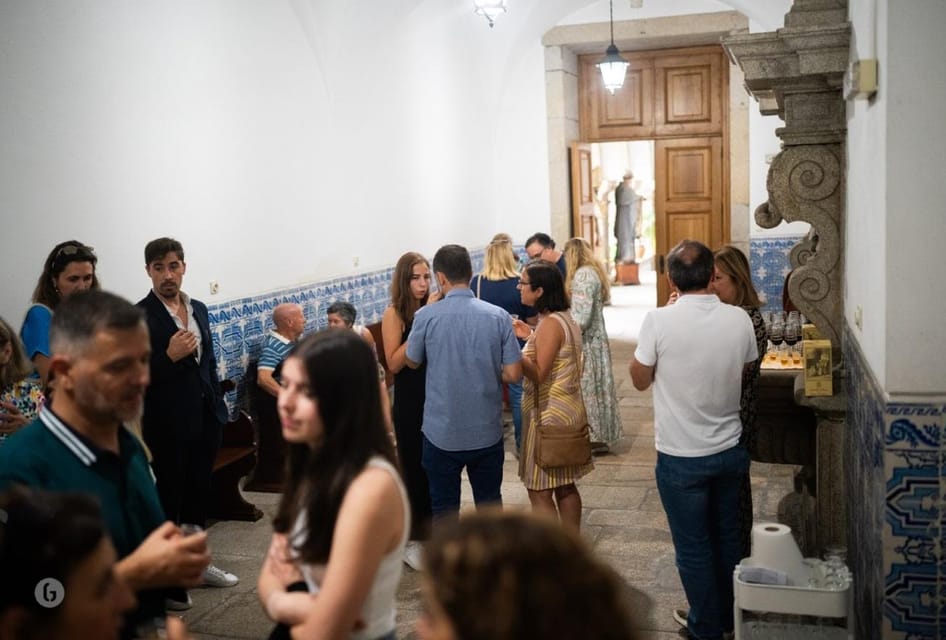
- Monk-made drinks: You’ll have a glass of Port and a Singeverga liqueur tasting made by Benedictine monks.
- Guided monastery visit first: You get context before the music starts, so it lands harder.
- Small, respectful atmosphere: Rules are strict about noise, flash photos, and party behavior.
- Entrance is at the back: Plan to arrive about 10 minutes early and go straight to the right door.
Where Fado belongs: the Monastery of São Bento da Vitória
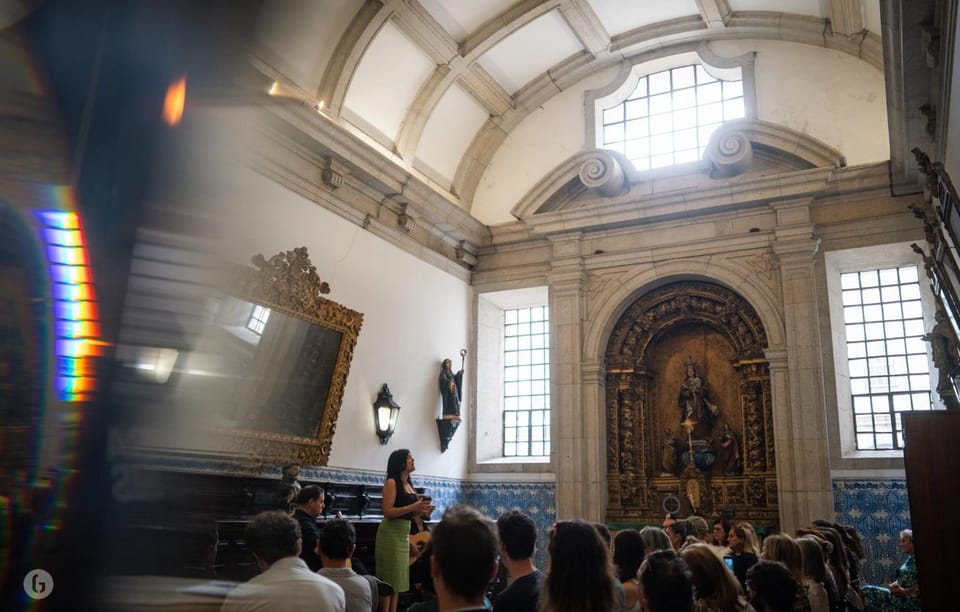
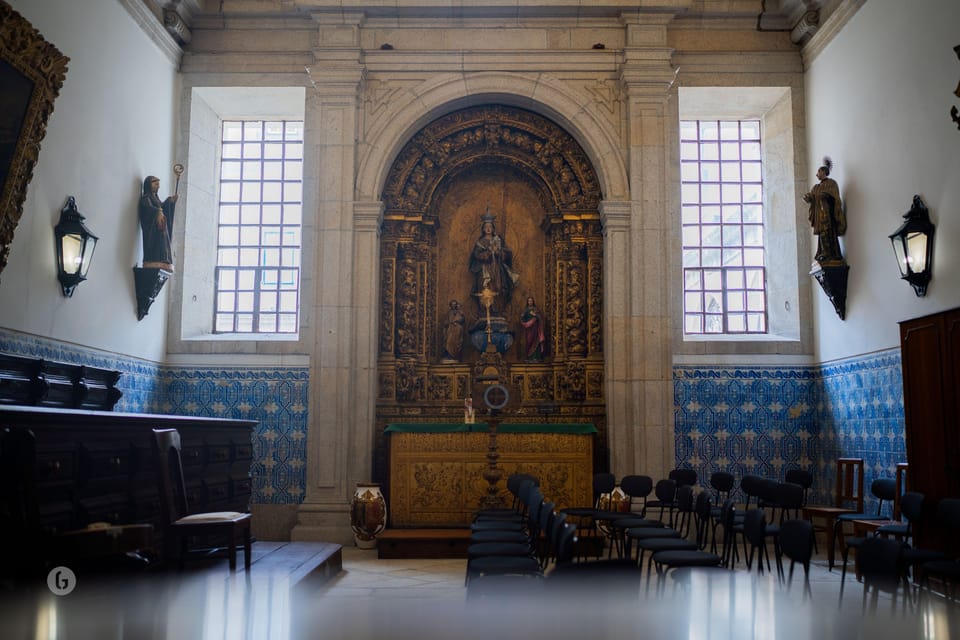
If you think of Fado as something that happens in taverns, this setting will recalibrate that idea fast. The Monastery of São Bento da Vitória isn’t a random backdrop. It’s a working, historic monument space, and that matters.
I love that you’re not only watching a performance. You’re also walking through the cultural and heritage side of Portugal that shaped the emotional style of Fado. Even if you’re new to the genre, the architecture helps. Thick stone, high ceilings, and that quiet “national monument” feeling make the vocals feel more intimate and human.
Another reason this venue works: it’s built for atmosphere, and the rules keep it from turning into a loud show-for-tourists situation. Smoking is off the table. Flash photography is off the table. Party groups and bachelor/bachelorette groups are not allowed, and the event is clearly set up to stay calm.
You can also read our reviews of more guided tours in Porto



The 90 minutes, step by step: tour first, Fado second
This runs about 90 minutes total, with the Fado set happening after the monastery visit. That order is smart. You’re getting context before you sit down for the music.
1) Arrival and the back entrance
The entrance is at the back of the monastery, and you’re advised to show up around 10 minutes early. That’s not just etiquette. Arrive late and you’ll lose the smooth start while you search for the correct entry point.
Once you’re in, expect a host/greeter and a guided tour conducted in English, Portuguese, or Spanish.
2) Guided tour inside the monastery
During the tour, you’ll visit the Monastery of São Bento da Vitória with a local guide. The goal is to connect the religious and cultural story of the place to Portuguese heritage in a way that’s easy to follow.
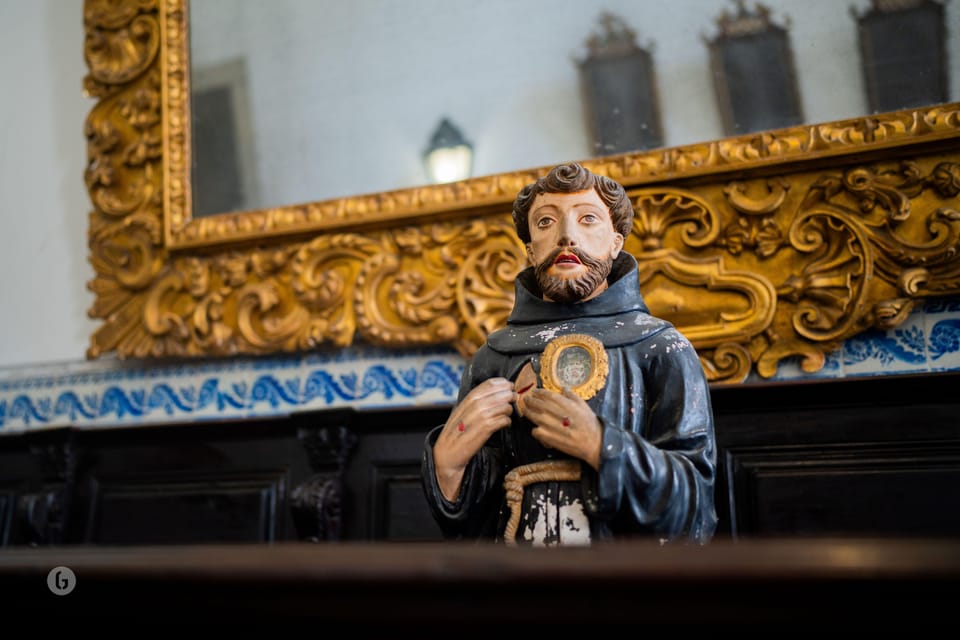
In the church area, the tour format usually includes standout features like the interior details and even elements such as the organ. The guide style can be lively too; people have described the narration as funny and packed with insight without getting overly stiff.
One practical note: if the group is spread out in a bigger space, it can be harder to hear every sentence clearly. If you care about details, pick a spot where you can hear the guide without craning.
3) Monk-made tastings and a small shop stop
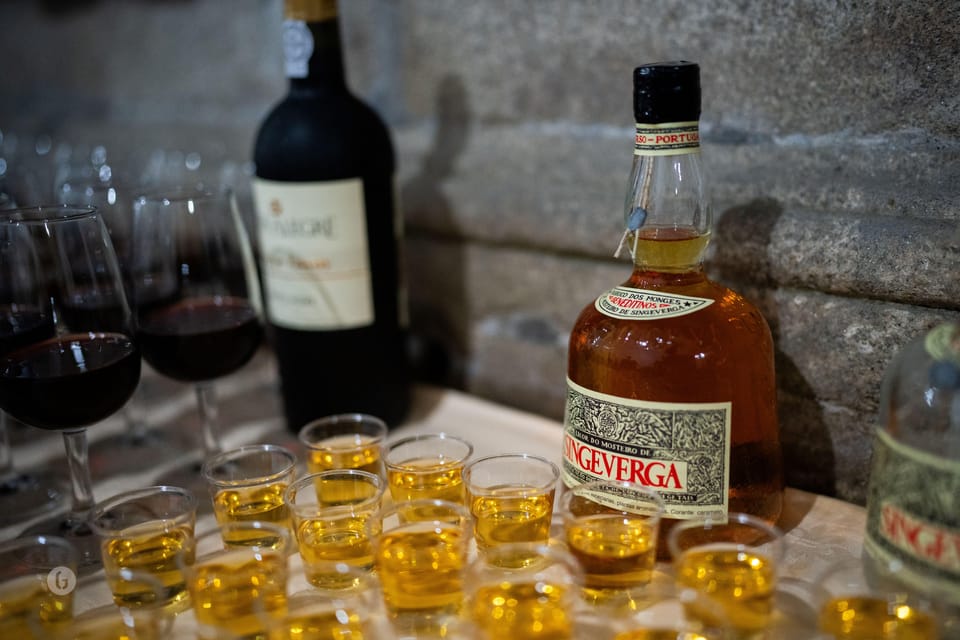
You’re not just learning and listening. You’ll also get a glass of Port wine and a Singeverga liqueur tasting.
Singeverga matters here. This is a liqueur handcrafted by Benedictine monks of the Singeverga Monastery in Portugal. It’s the kind of detail that turns a “drink break” into a mini cultural souvenir.
After the tour, there’s also time to visit a shop featuring products made by monks. Think of it as a chance to bring home something tied to the same monastic world behind the liqueur.
You can also read our reviews of more historical tours in Porto



4) The one-hour Fado show
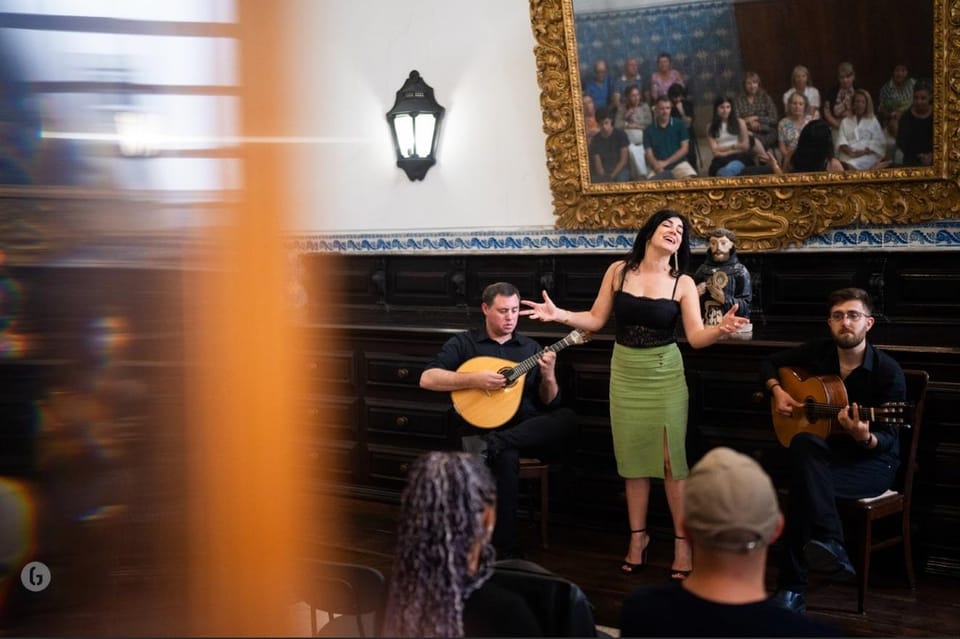
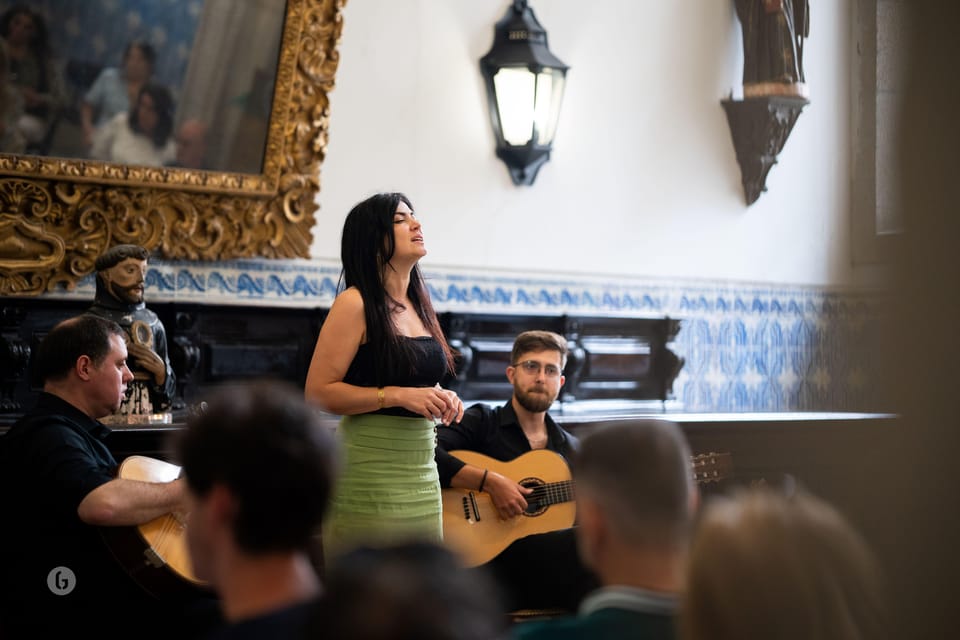
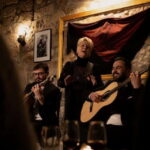
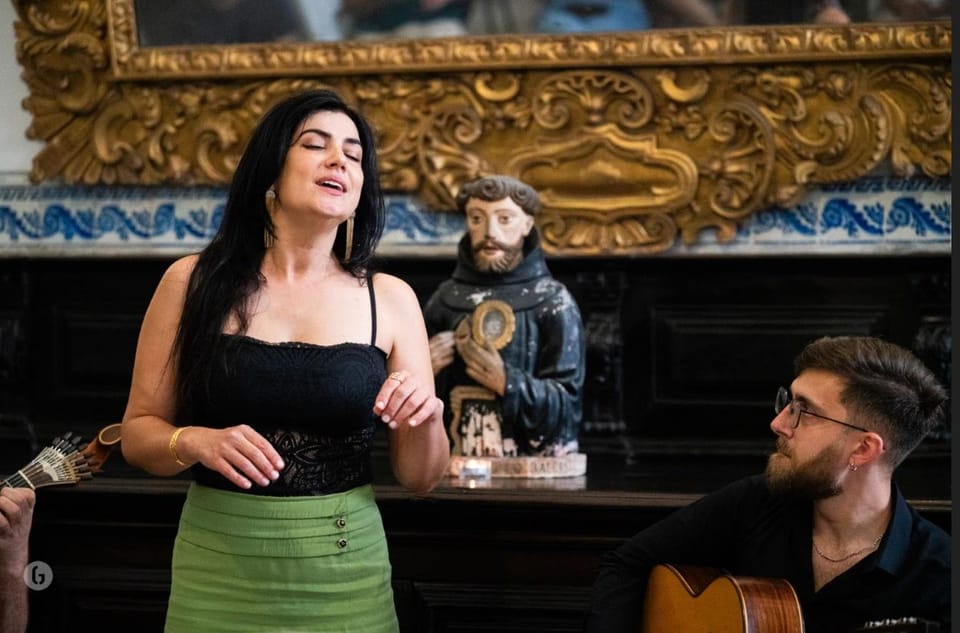
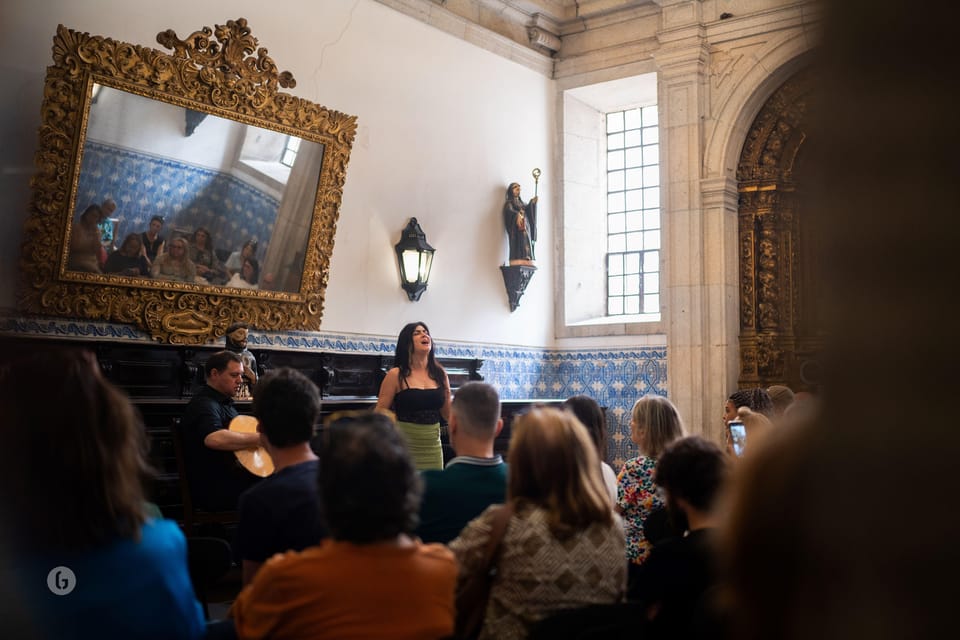
Then comes the part you’re probably booking for. The performance lasts about one hour and is built around a Fado singer with accompaniment by Portuguese guitar and the Fado viola.
Fado is all about tone and restraint. In a monastery side-chapel type space, the sound tends to stay focused and close. You’ll feel the emotion more because you’re not fighting background noise or crowd chaos.
Also, since flash photography and general noise are restricted, you can actually pay attention while the singer performs. That’s a big deal if you want the music to feel personal, not like background entertainment.
What you’ll learn on the monastery tour (and what to do if you lose bits)
The monastery tour is where this experience earns its keep. A Fado show alone can be a fun night. But a monastery visit gives you a reason to care about the music style beyond the sound.
Here’s what the tour tends to emphasize:
- How the monastery fits into Portuguese heritage
- Cultural and heritage elements tied to the site
- Details about the church interior and key features like the organ
One more thing: the guide often mixes information with personality. People mention guides who are funny and share insider-level details without making it feel like a lecture.
The most realistic issue is audio clarity in larger areas of the building. If you can, position yourself for better sightlines and sound early on. You’re not going to hear every word if you’re at the back, especially if the guide needs to project. You can still get the big story, but smaller commentary might be missed.
The Port and Singeverga liqueur tasting: why this isn’t just a freebie
Let’s talk drinks. You’re getting two tastings, and they’re part of the story, not random add-ons.
Port wine
A glass of Port wine is included. It’s a classic match for Porto, and it keeps the evening from feeling like you’re rushing straight from “history” to “show” with nothing in between.
Singeverga liqueur
The Singeverga liqueur tasting is the more distinctive part. This is handcrafted by Benedictine monks, which is exactly the kind of connection that makes the monastery feel relevant instead of decorative.
If you like food and drink with a place behind it, you’ll enjoy the moment of learning that the same monastic tradition making the liqueur also supports other monk-made products sold in the shop.
Small practical tip: treat the liqueur tasting like a flavor sampler, not a full drink. It’s a tasting portion, so you won’t leave tipsy. You should still plan to eat before or after based on your schedule, since meals aren’t included.
Fado night 101: Portuguese guitar, Fado viola, and that emotional punch
If you’ve never heard Fado live, the biggest surprise is how direct it feels. The melodies can sound simple at first. Then you realize it’s in the phrasing and the delivery. The emotion sits in the voice.
This performance includes:
- A Fado singer
- Portuguese guitar
- Fado viola
That trio is the heart of a lot of traditional Fado sound. The Portuguese guitar gives the rhythmic backbone and bright string character. The Fado viola adds a deeper, more resonant layer that helps the singer ride the harmony.
In this monastery setting, the performance is described as intimate, and it makes sense. When a show is staged in a smaller chapel-type space with respectful rules, you get fewer distractions and better focus on the singing and the interplay between instruments.
If you care about understanding the lyrics
You might notice that a lot of Fado is about mood more than literal storytelling. If a guide’s spoken explanation during the tour is hard to hear in the church, don’t panic. The music itself is still the main point here, and a one-hour set gives you time to settle into it.
Price and value: is $15 really fair for this mix?
At about $15 per person, this is priced like a serious bargain for what you get: guided access to a major monastery site plus a full hour of live traditional music.
Here’s why the value works:
- You’re not paying only for the show. You’re also paying for a guided visit to São Bento da Vitória.
- You get two included drinks: Port wine plus a Singeverga liqueur tasting.
- You’re also getting time to visit a shop that sells monk-made products, which can help justify the night as more than just entertainment.
Two reality checks, though:
- Meals and other drinks are not included. If you’re hungry, plan around it.
- It’s not designed for everyone mobility-wise; wheelchair users aren’t suitable, and kids under 6 aren’t recommended.
Still, if you want a traditional Porto experience that’s more cultural than touristy, the pricing makes sense.
Who should book this Porto monastery Fado experience
This fits best if you:
- Want authentic Portuguese culture, not just a generic “show dinner” setup
- Like history sites and want context before the music
- Appreciate traditional instrumentation, especially Portuguese guitar and Fado viola
- Want a calmer evening with strict rules about noise and behavior
It’s also a strong choice for couples. The combination of historic setting, soft acoustics, and a one-hour show tends to feel thoughtful rather than party-like.
You should skip it if:
- You need wheelchair access
- You’re traveling with children under 6
- You’re expecting a high-energy, interactive nightlife vibe (this is intentionally quiet and controlled)
Practical tips so you enjoy it smoothly
A few small things will make the experience easier.
- Arrive about 10 minutes early so you don’t waste time finding the back entrance.
- Know the venue rules: no smoking, no flash photography, no unnecessary noise. This helps everyone hear the music.
- Give the tour your best spot if you care about details. Bigger spaces can make hearing harder.
- Plan food separately since meals aren’t included and drinks are limited to tastings.
- Bring patience for language flow: the guide works in English, Portuguese, and/or Spanish depending on the group.
Should you book this Fado show and monastery tour?
I’d book it if you want the most “Portugal” feeling evening in Porto without spending much. The pairing is the point: a real monastery visit first, then classic Fado performed with the traditional instruments, plus monk-made tastings that connect the music night to Portuguese heritage beyond the stage.
Don’t book it if you need wheelchair accessibility or if you’re traveling with very young children. Also, go in with realistic expectations about hearing every word during the tour. The music and setting are the main stars.
If that sounds like your kind of night, this is one of those experiences you’ll remember because it feels coherent: history, sound, and craft all in the same place.
FAQ
How long is the Porto Monastery Fado experience?
It lasts about 90 minutes total, including the guided monastery visit and the one-hour Fado performance.
What’s included in the ticket price?
You get a guided tour of the Monastery of São Bento da Vitória, a one-hour Fado performance, a glass of Port wine, a glass of Singeverga liqueur tasting, and a visit to a shop with products made by monks.
Where is the entrance to the monastery?
The entrance is at the back of the monastery.
What languages are the guide and host available in?
The experience is offered in English, Portuguese, and Spanish.
Are the Port wine and Singeverga liqueur included?
Yes. You’ll receive a glass of Port wine and a glass of Singeverga liqueur for tasting.
Is this experience suitable for children or wheelchair users?
Children under 6 years are not suitable, and wheelchair users are not suitable.
Is hotel pickup included, and can I cancel if plans change?
Hotel pickup and drop-off are not included. There is free cancellation up to 24 hours in advance for a full refund.