REVIEW · PORTO
LGBTour Porto: Walk through Porto, discover the LGBTQIA+ History
Book on Viator →Bookable on Viator
Porto shows up differently on a queer history walk. LGBTour Porto threads LGBTQIA+ stories through real streets and everyday places, guided by Ricardo Barros and paced for conversation. I love the small-group feel and the personal anecdotes that make the past feel close, not museum-dry. One thing to consider: this is not a best-of-monuments loop, so if you want only the usual postcard stops, you may need to pair it with a more classic sightseeing day.
I also like how the tour spotlights queer businesses and actual community spaces like bookshops, not just events from long ago. You get time to talk, ask questions, and connect the history to what’s happening now.
You’re walking for about 3 hours with a morning or afternoon start, and it ends at a viewpoint where Porto’s view can do the talking.
In This Review
- Key Highlights You’ll Notice Right Away
- Seeing Porto Through LGBTQIA+ History Without the Usual Script
- Starting at Av. de Fernão de Magalhães: Where the Walk Sets Its Tone
- Campo 24 de Agosto Garden: Pride’s Footprints in a Green Corner
- Rua de Santa Catarina: When Tourism Changes What You See
- Praça da República and Teófilo Braga Garden: A Pride Starting Point Meets Culture
- Livraria aberta: Books, Inclusion, and the Point of Representation
- Teaching, Students, and Social Change on Busy Streets
- Tribunal da Relação do Porto: Justice, Dates, and a Statue in Plain Sight
- Ending at Chafariz das Virtudes: Miradouro das Virtudes and the Soft Landing
- Practical Notes That Actually Matter for Your Day
- Who Should Book This Tour in Porto
- Should You Book LGBTour Porto?
- FAQ
- How long is the LGBTour Porto walking tour?
- What does the tour cost?
- Where do I meet the guide, and where does the tour end?
- Is the tour offered in English, and are there different start times?
- How large is the group?
- Do I need to print anything for the ticket?
- Are service animals allowed?
- What is the cancellation policy?
Key Highlights You’ll Notice Right Away
- Ricardo Barros’s storytelling ties city streets to real LGBTQIA+ change over time
- Queer bookshops and business support are part of the point, not an add-on
- Pride-route clues show up in gardens, squares, and corners you’d otherwise skip
- A mix of public landmarks and quieter spots keeps it from feeling like a lecture
- A Douro-view finish at Miradouro das Virtudes gives you a calm landing spot
Seeing Porto Through LGBTQIA+ History Without the Usual Script
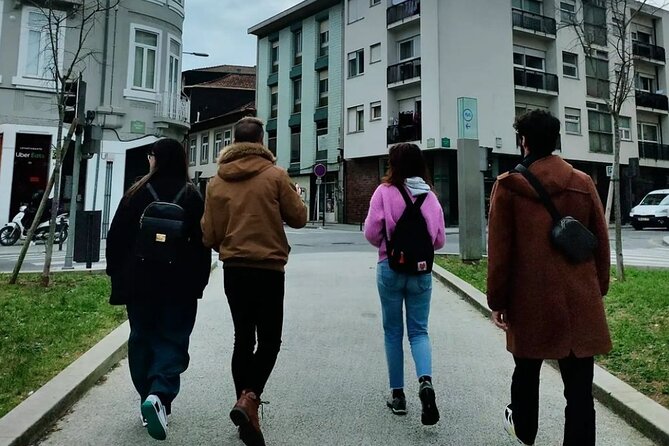
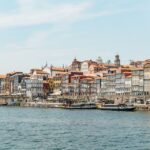
Porto has a way of looking romantic from a distance: tiled façades, steep streets, and postcard riverside light. This tour uses that same city energy, then changes the lens. Instead of treating Porto as a backdrop, you treat it like evidence. You walk and the story walks with you.
Ricardo Barros leads the experience in a way that feels warm and direct. People consistently highlight that he shares personal context alongside historical dates, and that the pace stays relaxed. That matters because LGBTQIA+ history often gets flattened into slogans when it’s taught from afar. Here, it’s grounded in place, including the tension between visibility and erasure.
You’ll also notice the tour’s practical stance: it’s not only about rights in theory. It’s about how communities survive day to day, including through shops, culture, education, and public space. The route also includes quieter parts and student-heavy streets, so you’re not stuck only in the busiest tourist zones.
You can also read our reviews of more walking tours in Porto



Starting at Av. de Fernão de Magalhães: Where the Walk Sets Its Tone
You meet at Av. de Fernão de Magalhães 43, and from the first steps you’re primed to notice how ordinary places hold big meanings. The group size stays small (up to 15), which is a quiet gift in a walking tour. Small groups mean more back-and-forth, and you’re more likely to actually talk than just listen.
If you’re traveling solo, this format helps. You’re not dodging awkward group dynamics, and there’s time to ask questions without feeling rushed. If you’re coming as a couple or with friends, the same thing holds: it’s easy to share thoughts and keep the conversation going.
Campo 24 de Agosto Garden: Pride’s Footprints in a Green Corner
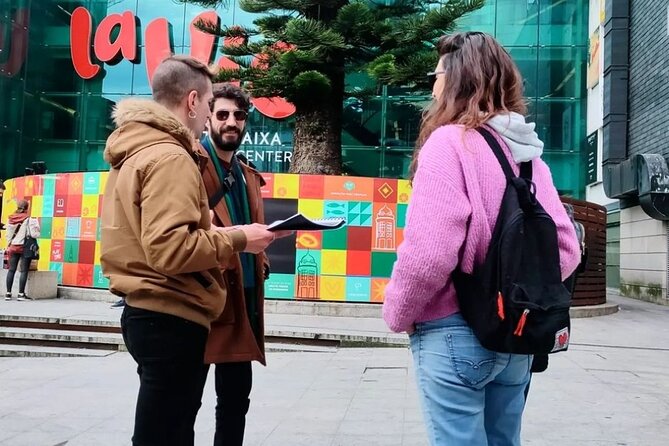
The first stop is Campo 24 de Agosto Garden, and the point is simple and powerful: you’re starting where pride movement history left a mark. You pass the area linked to the first location of the first LGBTQIA+ pride march. It’s not a generic statue stop. It’s more like getting shown the page of a history book that’s been rewritten into the landscape.
This opening works because it reframes your attention fast. Gardens, squares, and street corners stop feeling decorative. You start asking, Who used to gather here, and what did it cost?
The stop lasts around 20 minutes, and since the tour begins here, you’ll likely feel oriented right away. You’ll also get a preview of the tour’s tone: respectful, reflective, and occasionally blunt about how change happens.
Rua de Santa Catarina: When Tourism Changes What You See
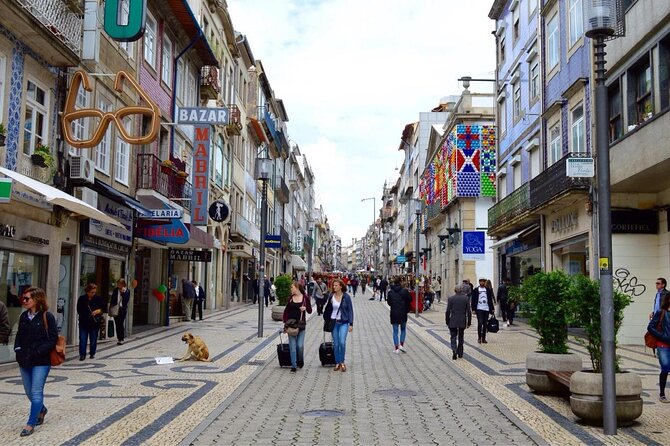
Next you move through Rua de Santa Catarina, where time and tourism have shifted the feel of the area. The tour doesn’t treat tourism as neutral. It looks at how crowds, trends, and commerce can alter what remains recognizable to the people who built the culture.
This is one of those stops that helps you during the rest of your Porto trip. After you hear the explanation here, you’ll spot the difference between a street that’s mostly for photos and a street that once served as a social connector. You start reading Porto like a living document.
Expect about 10 minutes here. It’s short on purpose: the goal is to make you notice, then keep moving.
Praça da República and Teófilo Braga Garden: A Pride Starting Point Meets Culture
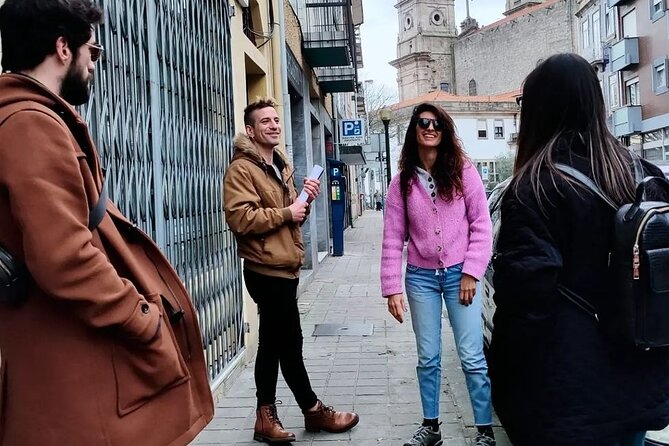
You then reach Praca da Republica, one of the city’s busiest areas, which is exactly why it’s useful. High-visibility places change the stakes. If pride visibility is happening here, you’re seeing history under pressure from the present.
In this stop, the tour reflects on the pride march starting point and connects that meaning to the surrounding public spaces. You’ll also pass the Teófilo Braga Garden and visit a bookshop dedicated to LGBTQIA+ themes.
This part is a highlight for two reasons. First, you get context about why queer businesses matter. Second, you’re shown that culture is not separate from rights. A bookshop can be a meeting point, a lifeline, and a political statement all at once.
The tour gives this section about 40 minutes, which is enough time to slow down in a busy setting. If you’re the kind of traveler who likes to ask questions, this is a good moment to do it.
You can also read our reviews of more historical tours in Porto



Livraria aberta: Books, Inclusion, and the Point of Representation
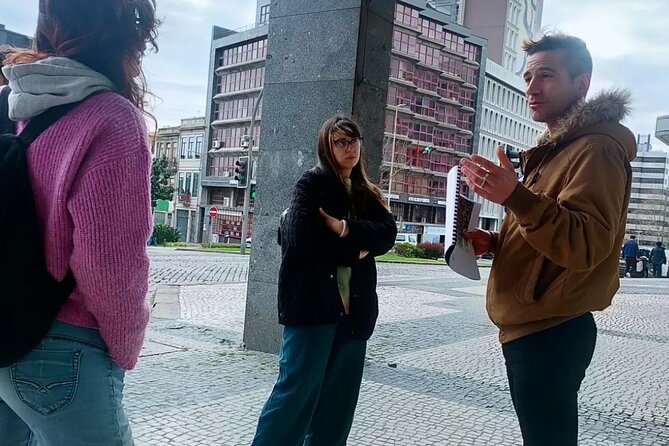
The tour includes a visit to Livraria aberta, a bookshop tied to diversity and inclusion themes and to the importance of supporting queer business spaces. Even if you don’t plan to buy anything, you’ll still get something valuable: you’ll see how representation works in real life, not just as an abstract concept.
The discussion includes LGBT+ writers and the impact of literature on culture and society. That’s a different kind of learning than what you get from a monument. You’re learning how people imagine themselves, how identities show up on shelves, and how stories build community.
This stop lasts around 30 minutes, so it’s not rushed. You’ll have time to look around, read signage if you want, and absorb why this type of space belongs in the middle of a city tour.
Teaching, Students, and Social Change on Busy Streets
Midway through the walk you pass through a very busy Porto area with several tourist references and a strong student presence. The tour uses the contrast for a reason: it ties teaching and social change to diversity and inclusion.
This segment can feel like a breather even though you’re still walking. It’s a chance to watch the city in motion while thinking about how younger generations, education, and everyday attitudes reshape public life. It’s also a reminder that LGBTQIA+ history is not only about old events. It’s also about the ongoing work of making space.
If you get tired easily, this is the moment to pace yourself. You’ll be surrounded by people, so you can step aside briefly if you need a moment to reset.
Tribunal da Relação do Porto: Justice, Dates, and a Statue in Plain Sight
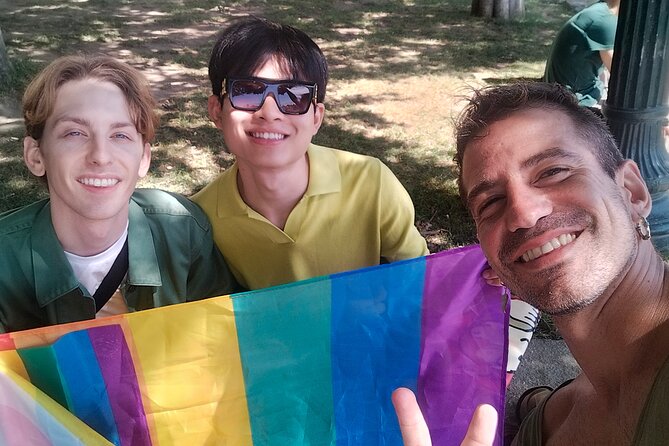
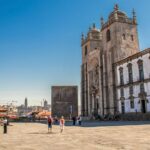
Almost at the last part of the tour, you pass the Tribunal da Relação do Porto. You’ll stand in front of the statue of justice while Ricardo explains important dates in the queer history of Porto and Portugal.
This is one of those stops where the city’s architecture stops being scenery and starts being symbolism. A justice building can sound intimidating, but the tour makes the theme human. You’re not just hearing dates; you’re connecting laws, public attitudes, and the lived consequences for LGBTQIA+ people.
This stop lasts about 25 minutes, and it’s a smart mid-late segment. It’s late enough that you already understand the tour’s lens, so the details land with more weight.
Ending at Chafariz das Virtudes: Miradouro das Virtudes and the Soft Landing
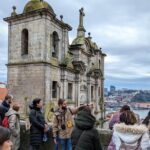
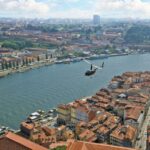
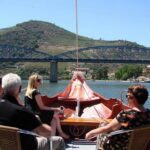
You finish at Miradouro das Virtudes, reached via the Chafariz das Virtudes area. The viewpoint is known for its beauty, diversity, and the view over the Douro. It’s a good ending because the walk’s tone is thoughtful, and the view gives your brain a reset button.
You’ll relax a bit, and Ricardo shares reflections about youth in the city and how he saw the queer movement grow. It’s a fitting close because the tour began with pride history footprints and ends with personal perspective and a panoramic sense of time.
The ending point is Calçada das Virtudes 5, 4050-629 Porto. It’s a lively spot for tourists and locals alike, so after the tour you can blend right into the city without feeling stranded.
Practical Notes That Actually Matter for Your Day
What to wear: Porto’s streets can be uneven and steep. Even though the walking is paced for comfort, good shoes make everything easier, especially if you’re ending at a viewpoint.
How long to set aside: Plan for about three hours total. Add time for the viewpoint vibe and any quick pauses if you want to take photos or ask extra questions.
Language and group size: The tour is offered in English, and it caps at 15 travelers. Small groups are a big part of the experience here, because they support a back-and-forth storytelling style rather than a one-way lecture.
Start times: Choose morning or afternoon depending on your energy and the rest of your itinerary. If you’re doing other indoor activities later, morning can help. If you like a slower start, afternoon may fit.
Tickets: You use a mobile ticket. That’s one less thing to worry about.
Who Should Book This Tour in Porto
This tour is a great match if you want:
- a walking tour that connects LGBTQIA+ history to place, not just generic talking points
- more cultural stops like bookshops and community spaces
- a guide who speaks with personal clarity, not just facts
It may be less ideal if you’re chasing:
- only major tourist monuments and classic highlights
- a tour that feels purely informational with no conversation
Also, if you’re the type who likes to ask questions, you’ll likely get extra value. Ricardo’s approach leans into discussion, and that makes the route feel like a conversation with the city.
Should You Book LGBTour Porto?
Yes, you should book it if you want Porto to feel more human. This is one of those experiences where the city’s beauty doesn’t disappear; it gets a second meaning. You’ll come away with a map in your head that’s built from gardens, bookshops, squares, and justice-symbol landmarks, not just bus stops and photo angles.
Book it early enough in your trip that you can carry the lens into the rest of your day. After this, you’ll spot what’s still visible, what’s changed, and what you might want to look up on your own.
If you only have time for one walking tour, make it this one. Then, if you still want postcard icons, pair it with a separate classic sights walk later. Two different lenses, same great city.
FAQ
How long is the LGBTour Porto walking tour?
It runs for about 3 hours (approx.).
What does the tour cost?
The price is $38.45 per person.
Where do I meet the guide, and where does the tour end?
You meet at Av. de Fernão de Magalhães 43, 4300-169 Porto, Portugal. The tour ends at Calçada das Virtudes 5, 4050-629 Porto, Portugal near the Virtudes viewpoint.
Is the tour offered in English, and are there different start times?
The tour is offered in English. You can choose either a morning or an afternoon start time.
How large is the group?
The maximum group size is 15 travelers.
Do I need to print anything for the ticket?
No. It uses a mobile ticket.
Are service animals allowed?
Yes, service animals are allowed.
What is the cancellation policy?
You can cancel for free up to 24 hours in advance for a full refund. If you cancel less than 24 hours before the start time, you won’t be refunded.